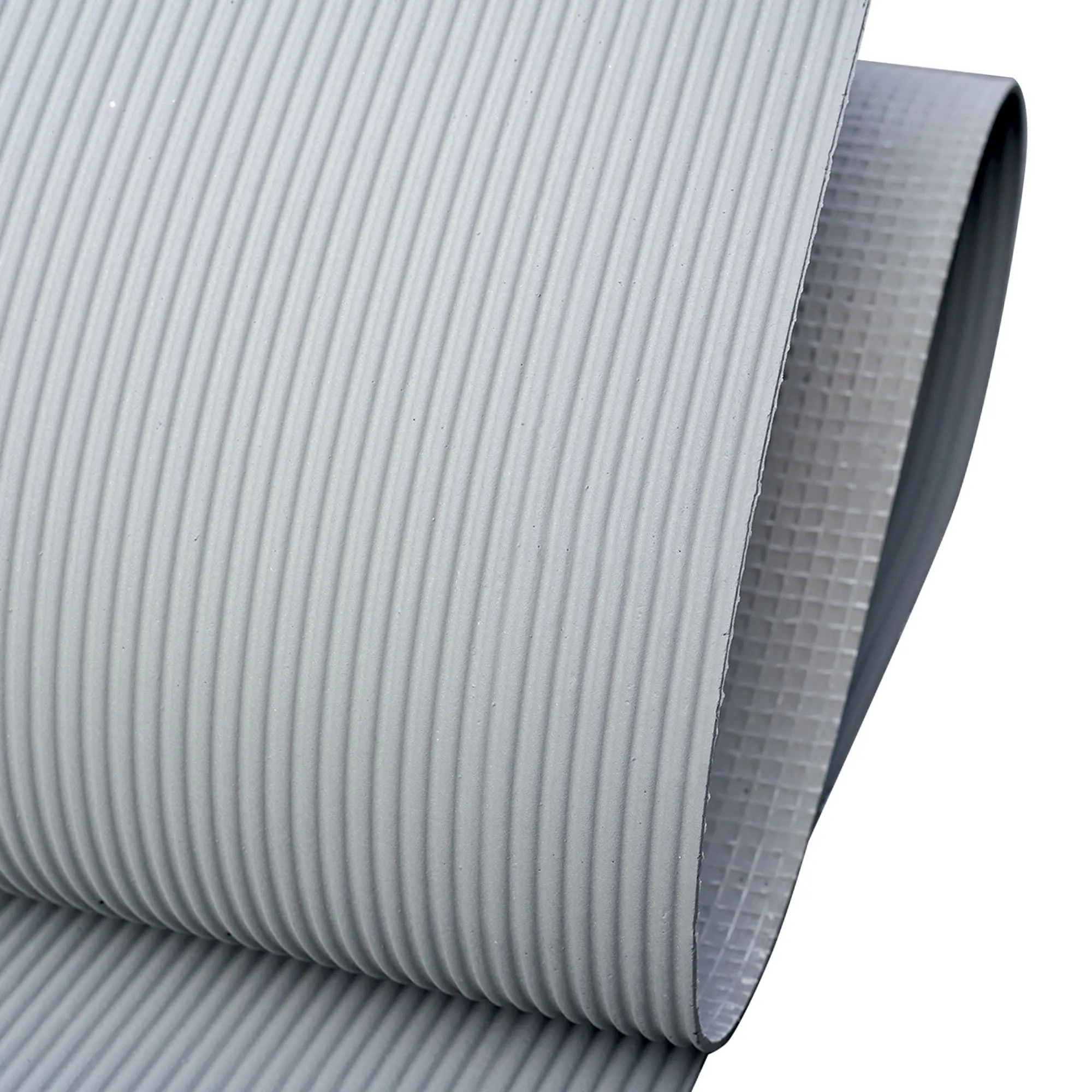
In the dynamic world of architecture and interior design, choosing the right material for surfaces is paramount. It's not just about aesthetics; it's about durability, sustainability, functionality, and long-term value. For decades, porcelain tiles have been a go-to option for many projects, revered for their robustness and classic appeal. However, a new contender,
MCM (Modified Cementitious Material)
, is rapidly gaining traction, offering a fresh perspective on what building materials can achieve. Specifically, COLORIA GROUP's MCM
Semicircle Board represents an innovative leap, challenging traditional norms and providing architects, designers, and builders with a superior alternative.
As a leading
one-stop solution provider
in the building materials sector, COLORIA GROUP has always been at the forefront of innovation, dedicated to delivering high-quality interior and exterior finishing materials for both residential and commercial projects globally. With decades of industry experience and a strong presence, particularly in regions like Saudi Arabia, we understand the evolving needs of the market. Our flagship MCM product series, encompassing
MCM Big Slab Board, MCM Project Board,
MCM 3D Printing Series, and
MCM Flexible Stone, exemplifies our commitment to advanced,
sustainable building materials
. Today, we want to delve deep into a comparison that many are asking about: how does our MCM
Semicircle Board stack up against traditional porcelain tiles?
Understanding the Core Materials: MCM Semicircle Board and Porcelain Tiles
Before we dive into a detailed comparison, it's crucial to understand what each material is made of and how it's produced. This foundational knowledge will shed light on their inherent properties and performance characteristics.
COLORIA GROUP's MCM
Semicircle Board is part of our innovative MCM series, which stands for Modified Cementitious Material. At its core, MCM is an eco-friendly material derived from natural aggregates, mineral powders, and a small amount of polymer, processed through a unique low-temperature curing technology. The result is a material that mimics the texture, color, and feel of natural stone, wood, brick, leather, or woven fabric, but with significantly enhanced properties. The "
Semicircle Board" variant specifically refers to a design or form factor that allows for unique aesthetic applications, often used to create softer, more organic visual lines or to complement specific design themes that move away from rigid straight edges.
The manufacturing process of MCM is remarkably sustainable. Unlike traditional ceramics or stone products that require high-temperature kilning or extensive quarrying, MCM production consumes considerably less energy and raw materials. It minimizes environmental impact by using readily available natural resources and generating minimal waste. This makes MCM
Semicircle Board not just a material choice, but a conscious decision towards environmentally responsible construction. It embodies the essence of green building, making it a favorite for projects aiming for LEED certification or similar environmental benchmarks.
What are Porcelain Tiles?
Porcelain tiles are a type of ceramic tile known for their density, strength, and low porosity. They are made from fine, dense clays and other natural materials such as feldspar, kaolin, and quartz. These components are mixed, pressed into shape, and then fired at extremely high temperatures (typically between 1200°C to 1400°C) in a kiln. This intense firing process results in a vitrified material that is highly resistant to water absorption, abrasion, and chemicals.
The traditional porcelain tile manufacturing process is energy-intensive due to the high firing temperatures required. While durable, the environmental footprint associated with their production, from mining raw materials to energy consumption, is considerably higher than that of MCM. They have been a staple for decades, proving their worth in countless applications, but the architectural landscape is now actively seeking more eco-conscious and versatile options.
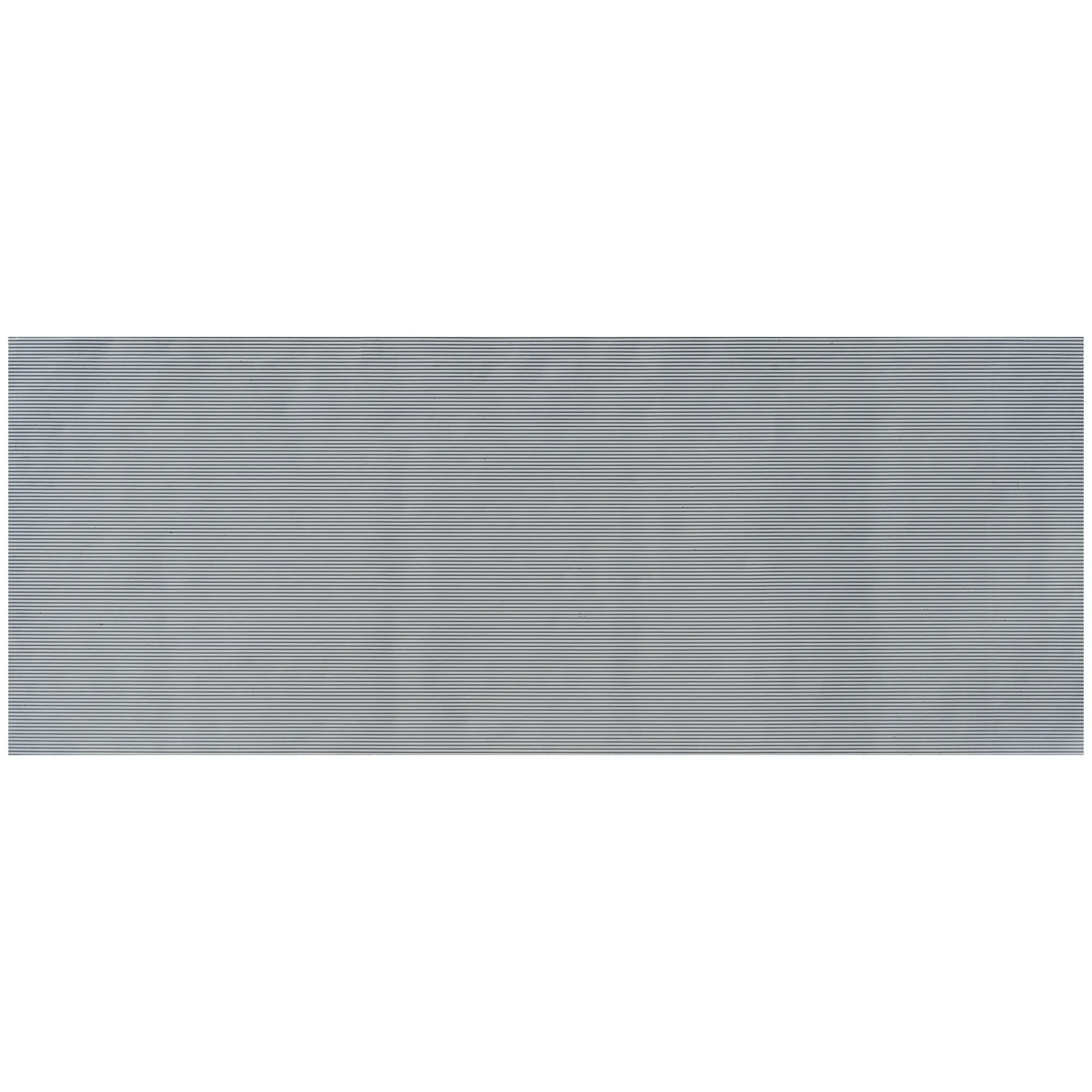
A Head-to-Head Comparison: MCM Semicircle Board vs. Porcelain Tiles
Now that we have a basic understanding of each material, let's dive into a comprehensive comparison across several critical factors that influence material selection for building projects.
1. Aesthetic Versatility and Design Flexibility
When it comes to creating stunning and unique spaces, aesthetics and design flexibility are paramount.
MCM Semicircle Board:
One of the most compelling advantages of MCM is its incredible aesthetic versatility. Our MCM products can replicate virtually any texture and pattern found in nature or artificial designs. The MCM
Semicircle Board, in particular, allows for soft, flowing designs, making it ideal for creating curved walls, architectural features, or unique cladding patterns that stand out. Its ability to be molded and cut into various shapes, including semi-circles, opens up a world of
customized solutions
that traditional tiles simply cannot match. From the luxurious feel of marble and granite to the rustic charm of wood or the industrial look of concrete, MCM can achieve it all. Furthermore, its lightweight and flexible nature (especially for variants like
MCM Flexible Stone
) means it can be applied to complex curves and irregular surfaces, providing unprecedented creative freedom to architects and designers. This adaptability is a game-changer for innovative projects.
Porcelain Tiles:
Porcelain tiles offer a wide range of colors, patterns, and finishes, including polished, matte, and textured. They can mimic natural stone or wood to some extent, and large format tiles have become popular for a seamless look. However, their rigidity limits their application to primarily flat, planar surfaces. Creating curved designs with porcelain tiles typically involves intricate and labor-intensive cutting, or resorting to mosaics, which dramatically changes the aesthetic. The distinct grout lines are also an inherent part of their appearance, which can be a design choice but also a limitation for those seeking a truly continuous surface. While certainly versatile in terms of printed patterns, their physical form factor is less adaptable than MCM.
2. Environmental Impact and Sustainability
In today's world, the environmental footprint of building materials is a major concern.
MCM Semicircle Board:
This is where MCM truly shines as a leader in
sustainable building materials
. As mentioned, its production process is characterized by low energy consumption and minimal waste. It utilizes natural mineral powders and recycled materials, reducing the demand for virgin resources. The material itself is VOC (Volatile Organic Compound) free, non-toxic, and breathable, contributing to healthier indoor air quality. Its lightweight nature also translates to reduced transportation costs and carbon emissions. Furthermore, MCM products are often recyclable at the end of their lifecycle, closing the loop on material sustainability. Choosing MCM
Semicircle Board directly supports green building initiatives and demonstrates a commitment to environmental stewardship.
Porcelain Tiles:
The manufacturing of porcelain tiles is energy-intensive, requiring high-temperature firing that consumes substantial amounts of fossil fuels and emits greenhouse gases. While some manufacturers are adopting more efficient kilns and recycling programs, the fundamental process remains resource-heavy. The raw materials used, while natural, often involve mining operations which can have significant ecological impacts. Disposal of broken or waste porcelain tiles can also be an issue, as they are not easily biodegradable and recycling facilities for construction and demolition waste vary in availability.
3. Durability, Performance, and Maintenance
A material's ability to withstand the test of time and usage is critical for any architectural project.
MCM Semicircle Board:
Despite its flexible appearance, MCM is highly durable. It boasts excellent resistance to abrasion, impact, and UV radiation, making it suitable for both interior and exterior applications. It is also waterproof, fire-resistant, and frost-thaw resistant. Its inherent flexibility helps it resist cracking from minor structural movements, which is a common issue with rigid materials. Maintenance is generally straightforward, requiring only regular cleaning with water and mild detergents. The material's breathability also helps prevent moisture buildup, contributing to a healthier wall structure. Our
MCM Project Board Series, for instance, is specifically engineered for demanding architectural conditions, highlighting the inherent robustness of the material across various forms, including the
Semicircle Board.
Porcelain Tiles:
Porcelain tiles are renowned for their hardness and durability. They are highly resistant to scratches, moisture, and staining, making them a popular choice for high-traffic areas and wet environments like bathrooms and kitchens. Their vitrified surface makes them impervious to water, preventing mold and mildew growth on the tile surface itself. However, the grout lines between tiles can be susceptible to staining and require regular cleaning and sealing. While the tiles themselves are strong, they can chip or crack under heavy impact, and replacing individual damaged tiles can be a challenge. Their rigidity also means they are less forgiving to substrate movement, potentially leading to cracks if the foundation shifts.
4. Installation Process and Cost Implications
The ease and cost of installation significantly impact a project's budget and timeline.
MCM Semicircle Board:
The installation of MCM
Semicircle Board is typically faster and less labor-intensive than porcelain tiles. Being lightweight and flexible, MCM can be directly adhered to various substrates, often requiring less structural preparation. The ability to cut and shape MCM on-site with standard tools reduces waste and accelerates the installation process, especially for complex designs or curved surfaces. The absence of heavy machinery and reduced need for specialized tile setters can lead to significant cost savings in labor and equipment. Furthermore, its lightweight nature also means less dead load on the building structure, potentially reducing structural material costs. COLORIA GROUP provides comprehensive support and guidance for proper installation, ensuring optimal performance for all our MCM series, including our Big Slab Board and Project Board variants.
Porcelain Tiles:
Installing porcelain tiles is a more involved process. It requires a perfectly flat and stable substrate, often necessitating additional leveling work. The tiles are heavy, requiring stronger adhesives and potentially more structural support. Cutting porcelain tiles, especially large formats, demands specialized tools and skilled labor, which can increase installation time and costs. Grouting is an additional step that adds to the overall installation duration. For complex or curved surfaces, installation becomes even more challenging and expensive, often requiring smaller tiles or mosaics.
5. Safety and Health Considerations
The well-being of building occupants and workers is a crucial factor.
MCM Semicircle Board:
MCM is a non-toxic, non-radiative material that produces no harmful off-gassing, making it safe for both installers and occupants. Its lightweight properties reduce the risk of injury during handling and installation. Its inherent breathability contributes to a healthy indoor environment by allowing moisture vapor to pass through, preventing condensation and mold growth within wall cavities. Furthermore, MCM often has a naturally slip-resistant texture, especially in certain finishes, which can be a safety advantage in various applications.
Porcelain Tiles:
While porcelain tiles themselves are generally inert and non-toxic, their hard and rigid nature can pose a slip hazard, especially when wet or highly polished. Installation often involves working with heavy materials and using cutting tools that require strict safety precautions. The chemicals in some grouts and adhesives might also emit VOCs, though low-VOC options are increasingly available. The non-breathable nature of porcelain can trap moisture behind the tiles if installation is not perfectly executed, potentially leading to issues.
6. Thermal Performance and Energy Efficiency
How a material interacts with temperature fluctuations can impact a building's energy consumption.
MCM Semicircle Board:
MCM exhibits good thermal insulation properties. Its composition allows it to help regulate indoor temperatures, reducing the load on heating and cooling systems. This can contribute to significant energy savings over the lifespan of a building. Its breathability also plays a role in managing humidity, further enhancing overall indoor comfort and energy efficiency. For exterior applications, MCM acts as a protective skin, buffering the building against extreme temperatures.
Porcelain Tiles:
Porcelain tiles have high thermal mass, meaning they can absorb and retain heat or cold for extended periods. While this can be beneficial in certain climates (e.g., retaining warmth from sunlight in cold regions), it can also exacerbate heat gain in hot climates or make floors feel cold to the touch. They generally offer less in the way of insulating properties compared to MCM, meaning they don't actively contribute to reducing energy consumption for climate control as much.
7. Repair and Replacement
Accidents happen, and the ease of repair can save time and money down the line.
MCM Semicircle Board:
Due to its flexibility and the way it's adhered, minor damages to MCM
Semicircle Board can often be repaired with patching compounds or by skillfully replacing a section. In cases where a full board needs replacement, the process is generally simpler and less destructive than removing a porcelain tile, as MCM is lighter and less brittle. The seamless nature of MCM installation also means that repairs can often blend in more easily.
Porcelain Tiles:
Repairing a chipped or cracked porcelain tile typically involves carefully removing the damaged tile, often risking damage to adjacent tiles or the substrate, and then meticulously installing a new one. This process can be labor-intensive and challenging to execute perfectly, especially if the original grout color or tile batch is no longer available, leading to noticeable discrepancies.
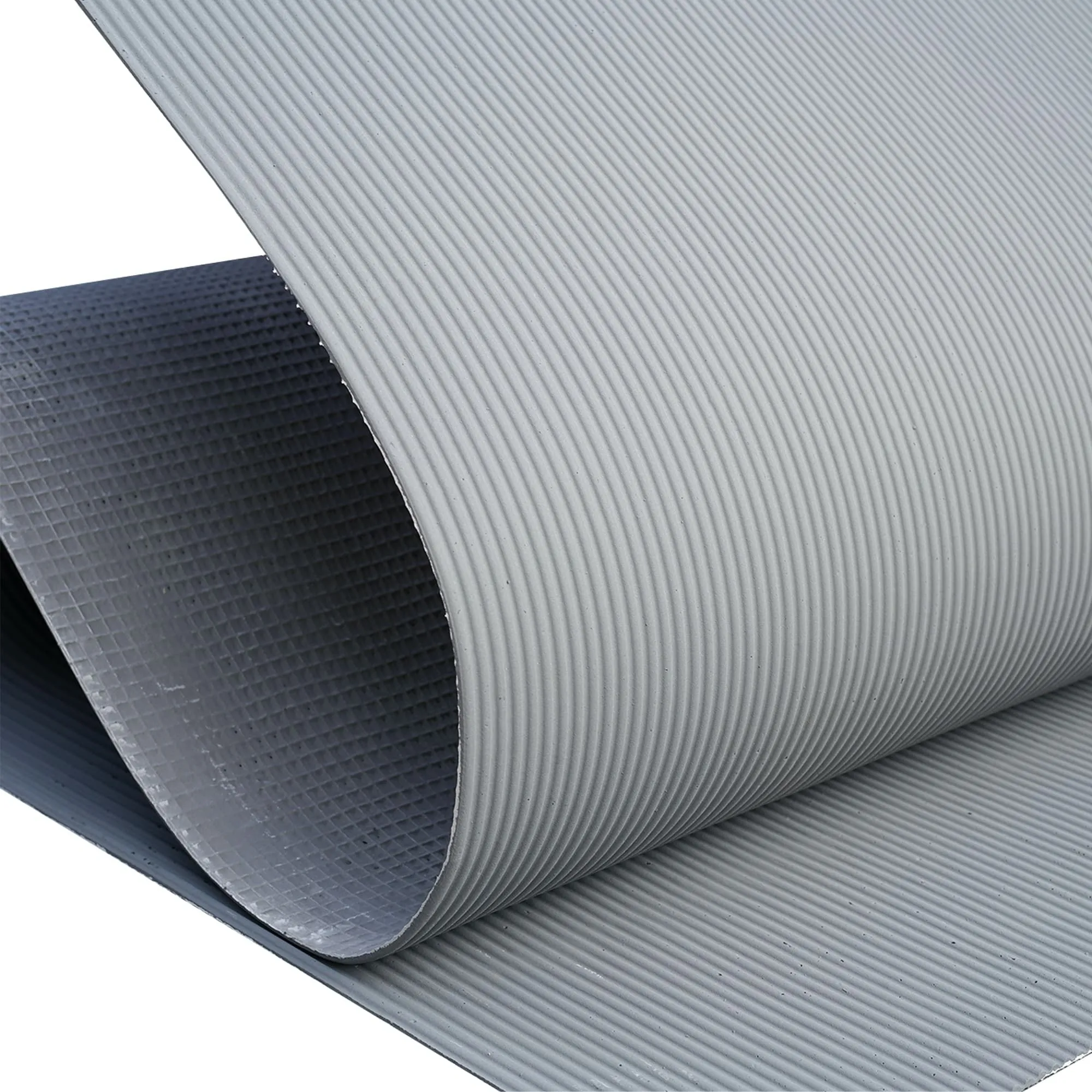
Why COLORIA GROUP's MCM Semicircle Board is the Future of Architectural Surfaces
The architectural landscape is continuously evolving, with a strong push towards materials that are not only aesthetically pleasing and durable but also responsible and innovative. COLORIA GROUP's MCM
Semicircle Board aligns perfectly with these modern demands, positioning itself as a superior choice for a multitude of applications.
Unleashing Design Potential
For architects and designers, the ability to translate a vision into reality without being constrained by material limitations is invaluable. The MCM
Semicircle Board, along with other products like our
MCM 3D Printing Series, offers an unparalleled degree of design freedom. Imagine walls that elegantly curve, seamless transitions between different textures, or intricate patterns brought to life without the harsh lines of traditional tiling. This flexibility extends beyond mere aesthetics; it allows for the creation of more dynamic, organic, and truly bespoke environments. Whether it's a feature wall in a luxurious residential setting or a flowing façade in a commercial complex, MCM
Semicircle Board empowers creative expression that rigid materials simply cannot. The concept of
customized solutions
is not just a promise; it's an inherent capability of our MCM technology. We are not just selling materials; we are enabling dreams.
A Commitment to Sustainability and Health
Our world faces unprecedented environmental challenges, and the construction industry has a vital role to play in fostering a greener future. COLORIA GROUP is deeply committed to this cause, and our
MCM
products are a testament to this dedication. By choosing MCM
Semicircle Board, you are actively selecting a material with a significantly lower carbon footprint, reduced energy consumption in manufacturing, and minimal impact on natural resources. Furthermore, the focus on healthy indoor environments is no longer a luxury but a necessity. The VOC-free and breathable nature of MCM ensures that spaces are not only beautiful but also safe and healthy for their occupants. This commitment to being a
sustainable building material
supplier is at the very core of our values and product development.
Long-Term Value and Performance
While initial costs are always a consideration, the true measure of a material's worth lies in its long-term performance and the value it adds over its lifespan. The durability, ease of maintenance, and energy-saving properties of MCM
Semicircle Board translate into lower operational costs and a higher return on investment for property owners. Its resistance to various environmental factors means less need for repairs and replacements, contributing to significant savings in maintenance budgets. Our extensive experience, cultivated over decades as a global
one-stop solution provider
, allows us to confidently stand behind the enduring quality and performance of our MCM products. From the robust
MCM Big Slab Board for expansive surfaces to the tactile
MCM Flexible Stone for unique finishes, our portfolio is built on a foundation of reliability and innovation.
Global Reach, Local Expertise
COLORIA GROUP operates on a global scale, providing our cutting-edge materials to diverse markets worldwide. Our significant presence and established agency network in regions like Saudi Arabia highlight our ability to adapt to specific market demands and deliver tailored solutions. We combine international quality standards with local insights, ensuring that our products and services meet the unique requirements of each project. When you choose COLORIA GROUP, you are not just acquiring a product; you are gaining a partner with global expertise and a commitment to your project's success, no matter where you are. This global perspective, coupled with our localized support, ensures that every client receives the best possible service and solution.
Beyond the Surface: A Comprehensive Solution
It's important to remember that COLORIA GROUP is more than just a manufacturer of innovative materials. We are a
one-stop solution provider
, meaning we offer comprehensive support from conception to completion. This includes everything from material selection and technical guidance to installation support and after-sales service. We don't just sell you a product; we integrate it into your project with expertise and care. Our portfolio, ranging from
MCM Big Slab Board for large-scale applications to
MCM Flexible Stone for intricate detailing, ensures that we have a solution for every surface and every vision. Our mission is to simplify the complex world of architectural materials, providing clients with not just products, but complete, reliable, and innovative solutions that truly transform spaces. This holistic approach is what sets us apart and establishes us as a trusted partner in the building materials industry.