



The Age-Old Problem of Water in Design
Let's be honest. Basements and pool areas are the architectural equivalent of a stress test for building materials. In a basement, you're fighting a constant battle against subterranean dampness, high humidity, and the potential for leaks. The result? That all-too-familiar musty smell, peeling paint, warped panels, and the ever-present threat of mold and mildew, which are not just unsightly but also pose health risks. Conventional materials like drywall, wood, and even certain types of plaster simply can't withstand this relentless pressure. They absorb moisture, swell, degrade, and become breeding grounds for fungi.
Pool areas present a different, yet equally harsh, set of challenges. Here, materials are subjected to constant splashing, high-chlorine environments, intense UV radiation from the sun, and extreme temperature fluctuations. Traditional tiles can crack, grout lines stain and grow algae, and wooden decks require relentless, costly maintenance to prevent rot and splintering. The dream of a pristine, beautiful poolside retreat can quickly turn into a nightmare of upkeep. For years, architects and homeowners have been searching for a holy grail: a material that is completely impervious to water, durable enough to last for decades, safe for families, and flexible enough to realize ambitious design visions. That search ends now.
Introducing MCM: The Science of a Superior Material
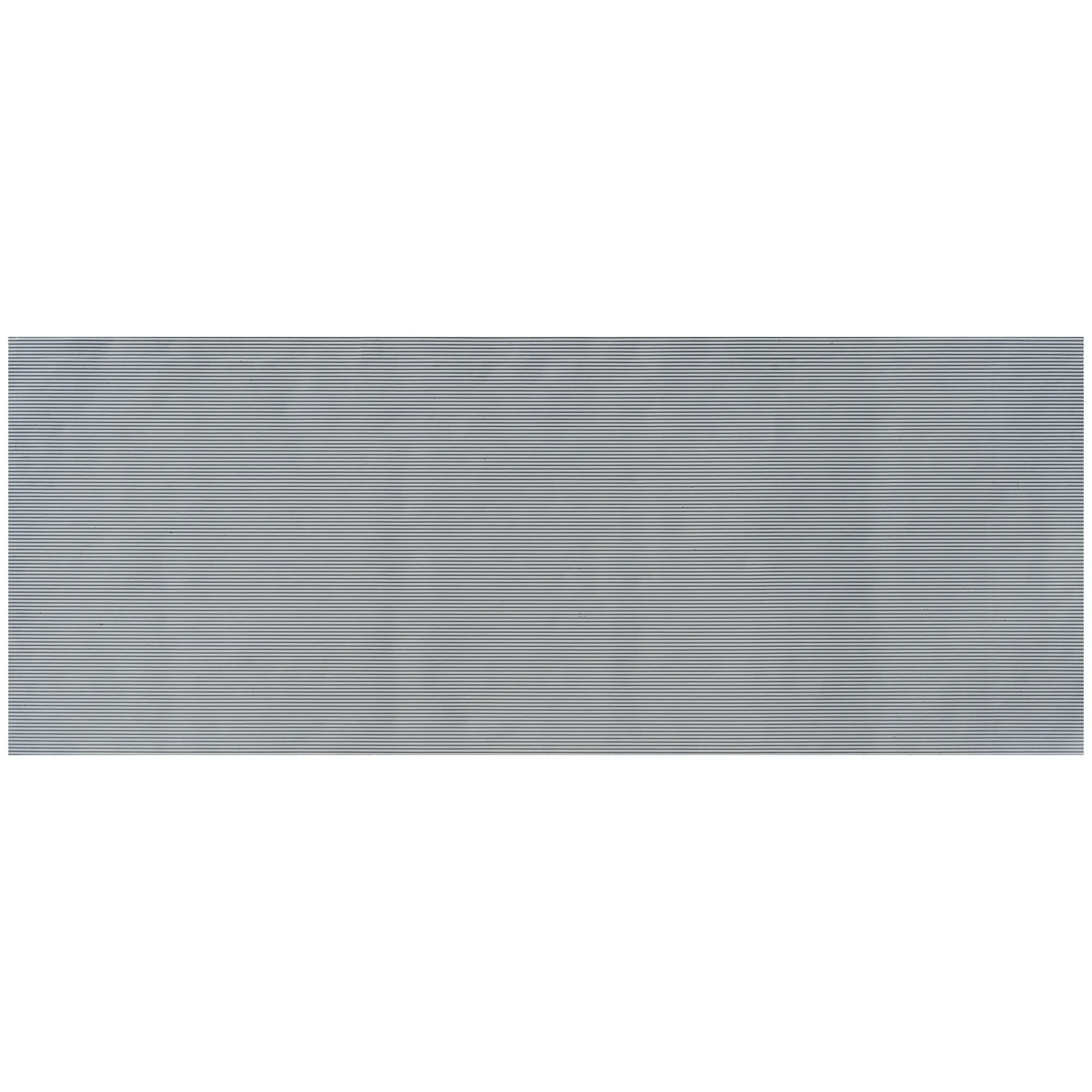
Before we focus on the "Semicircle Board," we need to understand the revolutionary core technology that makes it all possible: MCM. This acronym stands for Modified Cementitious Material , and it represents a quantum leap in building material science. Developed and perfected by the experts at COLORIA GROUP, MCM is not just an incremental improvement; it's a fundamental reimagining of what a surface material can be.
So, what is it exactly? Imagine taking natural, raw ingredients like common soil, stone powder, and other inorganic mineral components, and putting them through a highly controlled, low-temperature transformation process. Through a unique modification technique, the molecular structure of these materials is altered and recombined, forming a new, incredibly resilient material. It's a bit like alchemy for architecture. The process is low-carbon, consuming far less energy than firing traditional ceramics or processing quarried stone, making it a champion of green building from its very inception.
This resulting material, MCM, inherits the strength and soul of earth and stone but is gifted with new superpowers: it's exceptionally lightweight, surprisingly flexible, and, most importantly for our topic, phenomenally water-resistant. This core technology is the DNA that runs through COLORIA GROUP's premier product lines, from the versatile MCM Flexible Stone to the grand and seamless MCM Big Slab Board Series .
The Unbeatable Water Resistance of MCM Semicircle Boards
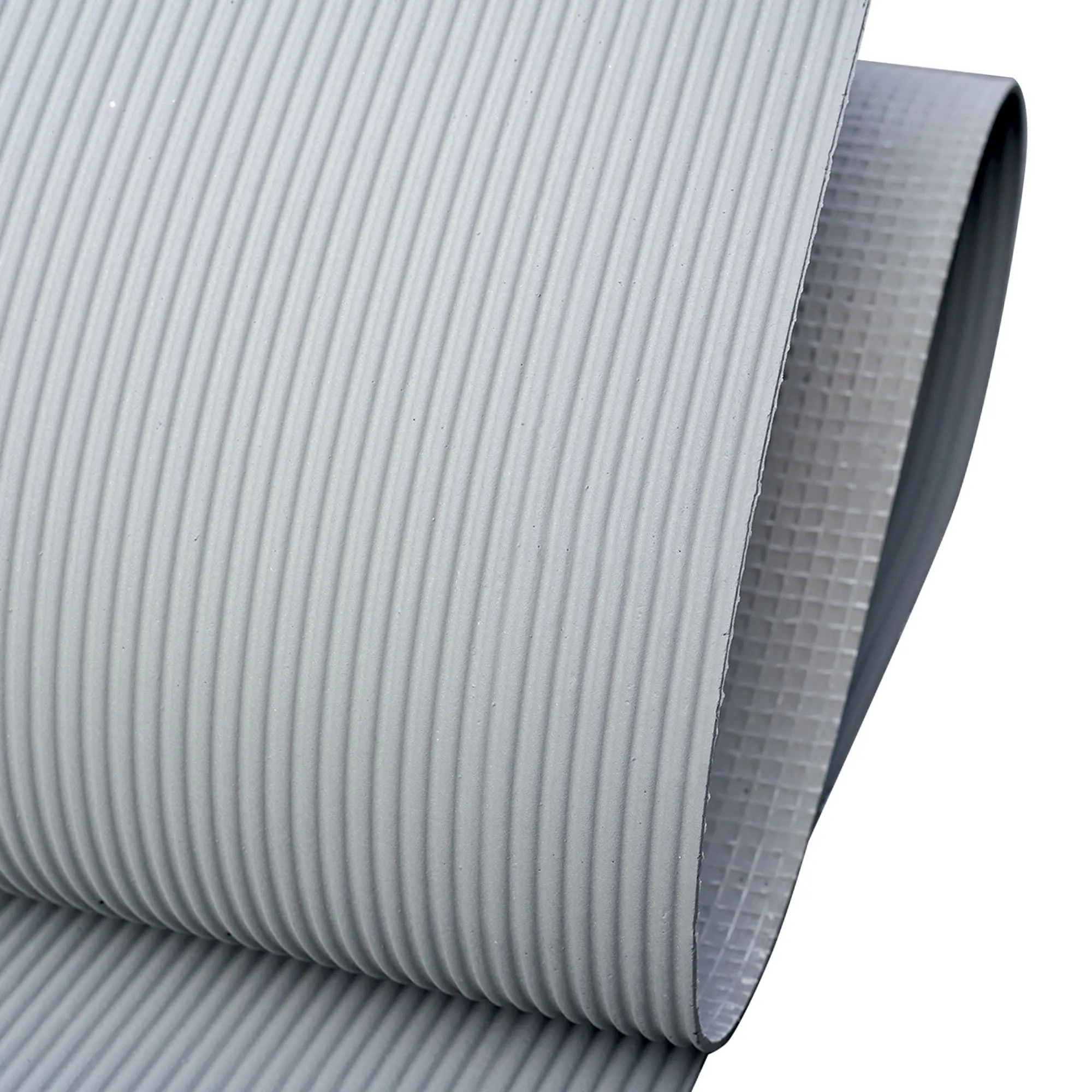
Now, let's zoom in on why MCM Semicircle Boards are the undisputed champions for wet areas. Their water resistance isn't just a surface-level coating; it's an intrinsic property woven into the very fabric of the material.
The Microscopic Secret: A Non-Porous Structure
Traditional materials like concrete, grout, and even some natural stones are filled with microscopic pores and capillaries. Water, through a process called capillary action, can slowly seep into these tiny channels. Once inside, it causes all sorts of havoc: freeze-thaw cycles that create cracks, expansion that leads to warping, and a damp environment perfect for mold.
MCM, thanks to its unique modification process, has an incredibly dense and non-porous microstructure. There are virtually no pathways for water to penetrate. Water simply sits on the surface until it evaporates or is wiped away. The water absorption rate of MCM is astonishingly low, often less than 0.1%, which is leagues better than most conventional materials. This means no swelling, no degradation, and no internal moisture retention. It's like giving your walls a permanent, impenetrable raincoat.
Putting It to the Test: A Head-to-Head Comparison
Talk is cheap. Let's see how MCM Semicircle Boards stack up against the usual suspects in a real-world context.
| Feature / Challenge | MCM Semicircle Board (COLORIA GROUP) | Traditional Ceramic/Porcelain Tile | Painted Drywall / Plaster | Wood Paneling |
|---|---|---|---|---|
| Water Absorption | Extremely Low (<0.1%). Inherently waterproof. | Low (for porcelain), but grout lines are highly porous and a weak point. | High. Relies on a thin paint film. Easily compromised by scratches. | Very High. Prone to swelling, warping, and rotting without heavy sealants. |
| Mold & Mildew Resistance | Excellent. Inorganic material with no pores for mold to grow in. | Tile itself is resistant, but grout is a primary breeding ground for mold. | Poor. Organic paper and gypsum in drywall are food for mold once damp. | Poor. Organic material that molds and mildews easily when wet. |
| Durability in Wet Conditions | Exceptional. Does not degrade, delaminate, or lose structural integrity. | Good, but tiles can crack and grout can crumble over time. | Poor. Bubbles, peels, and disintegrates over time. | Very Poor. Requires constant, expensive maintenance to prevent rot. |
| Design Flexibility (Curves & Shapes) | Unmatched. Naturally flexible, perfect for semicircle walls, columns, and organic shapes. | Limited. Requires difficult, costly cuts for curves, resulting in many grout lines. | Moderate. Can be applied to curves but is fragile and lacks texture options. | Poor. Bending wood is a specialized and expensive process. |
| Maintenance | Minimal. Simple cleaning with water and mild soap. No sealing or re-grouting required. | Moderate to High. Requires regular grout cleaning, sealing, and eventual replacement. | High. Requires frequent repainting and patching of any water damage. | Very High. Demands regular sanding, sealing, staining, and rot repair. |
| Installation | Lightweight and fast. Adheres directly to substrates, reducing labor time and cost. | Heavy, slow, and messy. Requires specialized labor and tools. | Multi-step process (taping, mudding, sanding, priming, painting). | Moderately complex, requires structural support and precision cutting. |
The takeaway is crystal clear. While other materials fight a losing battle against water, MCM was born for it. It doesn't just resist water; it ignores it. This fundamental advantage makes it the most logical, long-term, and beautiful choice for any area where moisture is a concern.
Beyond Water: The "Semicircle" Advantage and Total Design Freedom
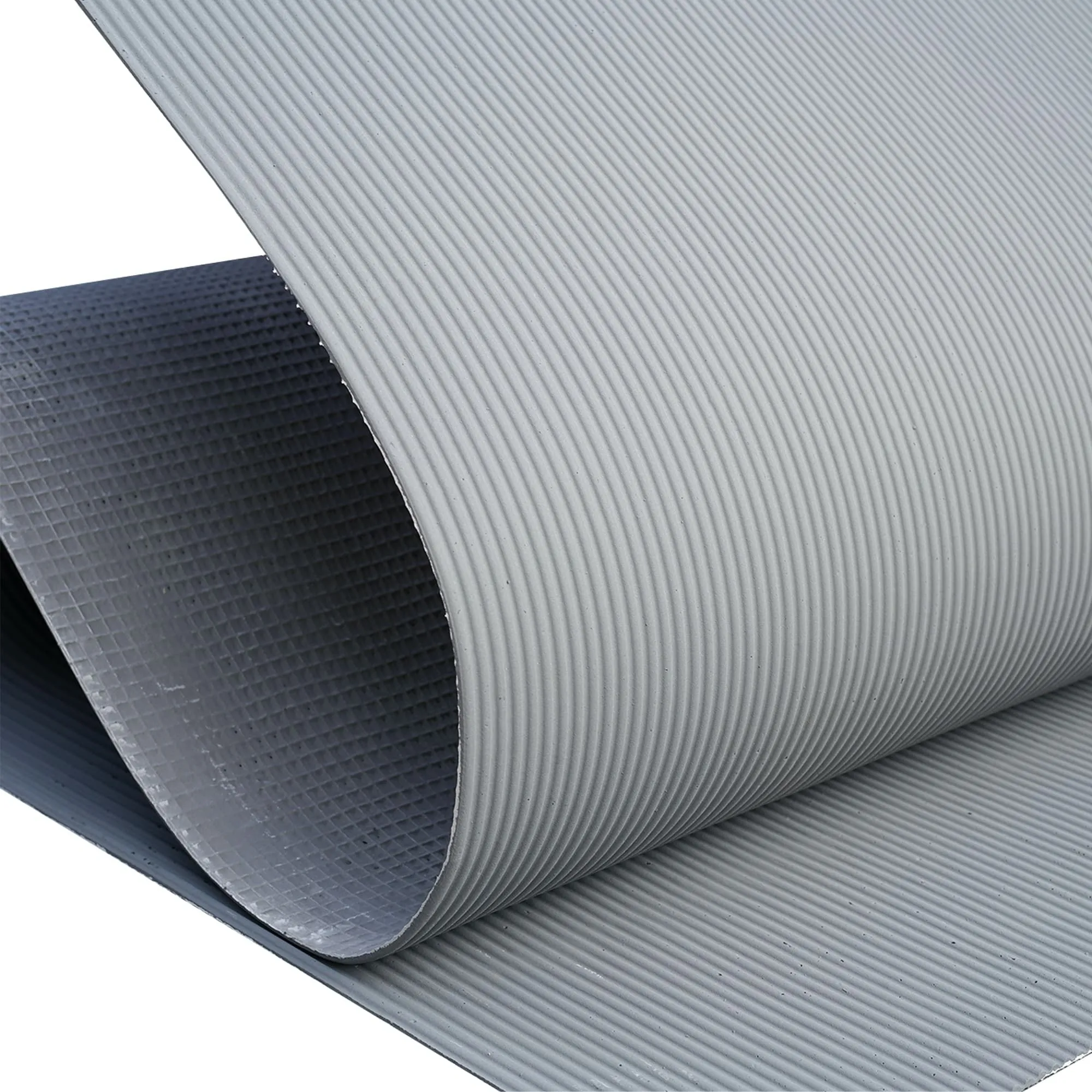
The name "MCM Semicircle Board" hints at another of its incredible strengths: design flexibility. The term "semicircle" isn't just a product name; it's a statement of intent. It speaks to the material's inherent ability to bend and conform to curved surfaces, something that is a nightmare for rigid materials like stone, tile, and wood.
Think about the design possibilities this unlocks:
- Graceful Curved Walls: Create stunning, flowing feature walls in a basement entertainment area or a winding backdrop for a lagoon-style pool. No more awkward, segmented-looking curves made from tiny tiles.
- Seamless Column Wraps: Effortlessly clad structural columns, turning them from eyesores into beautiful, monolithic features. The flexibility allows for a perfect, seamless finish around any circumference.
- Organic Pool and Spa Designs: Design free-form pools, curved seating benches, and rounded water features without being constrained by the limitations of traditional materials. MCM can follow every contour of your vision.
- Arched Ceilings and Entryways: Apply MCM to vaulted or arched ceilings in a basement or poolside cabana to create a dramatic, grotto-like effect that is completely protected from moisture.
This flexibility, combined with the vast array of available finishes, is a designer's dream. COLORIA GROUP's MCM products can replicate the look and feel of countless materials with stunning realism. Whether you want the rustic charm of split-face slate, the sleek modernity of polished concrete, the warmth of natural wood, or a completely bespoke pattern, it's all possible. And for the ultimate in personalization, the MCM 3D Printing Series allows for the creation of unique, three-dimensional textures and patterns, turning a simple wall into a work of art. This is a level of customization that truly sets your space apart. It's a key part of creating a compelling atmosphere for both interior and exterior wall decoration .
The Full Spectrum of Benefits: Why MCM is the Smart Choice
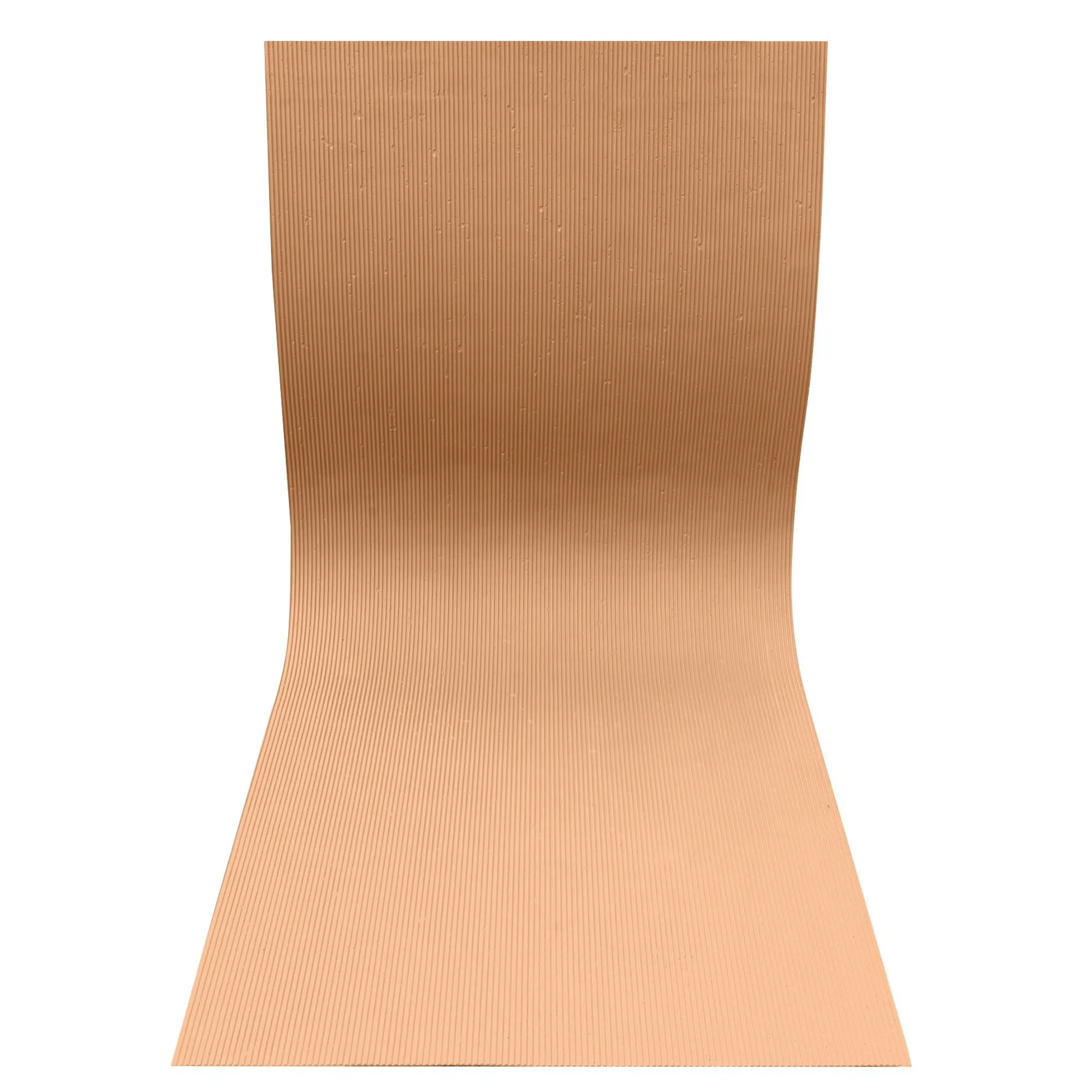
While its water resistance and design flexibility are headline features, the advantages of MCM extend much further, creating a compelling case for its use in any high-value project.
1. Health and Environmental Responsibility
In enclosed spaces like basements, indoor air quality is paramount. MCM is made from natural, inorganic materials and contains no harmful Volatile Organic Compounds (VOCs). It's also inherently mold-resistant, contributing to a healthier living environment. Furthermore, its low-energy production process and recyclability make it a choice you can feel good about, aligning with modern principles of sustainable design.
2. Supreme Durability and Safety
Beyond being waterproof, MCM is incredibly tough. It boasts a Class A fire rating, the highest classification, meaning it is non-combustible and won't contribute to the spread of flames—a critical safety feature for any part of a home. It's also highly resistant to impact, abrasion, and fading from UV exposure, ensuring your poolside paradise looks as good in ten years as it does on day one.
3. Feather-Light, Heavy-Duty Performance
One of the most surprising aspects of MCM is its weight. It is significantly lighter than traditional stone or tile panels. This has huge implications for construction. There's no need for extra structural reinforcement, even when covering large areas. This makes it ideal for renovation projects where adding weight is a concern. The lightweight nature, combined with its flexibility, drastically cuts down on installation time, labor costs, and material waste from breakage.
The COLORIA GROUP Commitment: More Than a Product
Choosing a material for a demanding application isn't just about the spec sheet; it's about trusting the provider behind it. COLORIA GROUP stands as a dedicated partner, offering a true one-stop solution for architects, designers, and property owners. With decades of industry experience and a global footprint that includes navigating the demanding climates of regions like Saudi Arabia, we understand the nuances of high-performance building materials.
Our commitment begins with rigorous quality control, from the selection of raw mineral powders to the final curing of each board. Our diverse product portfolio, including the MCM Project Board Series for large-scale applications and our bespoke 3D printing options, provides a comprehensive toolkit to tackle any challenge. We don't just sell panels; we provide a system. We offer the expertise to help you select the perfect texture, color, and format to bring your unique vision to life, ensuring that the end result is not only technically sound but also aesthetically breathtaking.
Conclusion: The Future of Wet-Area Design is Here
The challenges of designing for basements and pool areas are real, but the era of compromise is over. You no longer have to choose between a material that looks good and a material that performs. You no longer have to budget for a future of endless maintenance, repairs, and worries about mold and water damage.
COLORIA GROUP's MCM Semicircle Boards, built upon the revolutionary Modified Cementitious Material technology, offer a holistic and definitive solution. They provide an impenetrable barrier against water, the creative freedom to design without limits, the safety and health benefits of a green material, and the long-term durability that protects your investment.
By choosing MCM, you are not just finishing a wall; you are future-proofing your space. You are creating an environment that is as resilient as it is beautiful, a space that will stand the test of time and the elements with unwavering grace. When planning your next project that involves a challenging, moisture-rich environment, look beyond the conventional and embrace the innovation that will redefine what's possible.









