
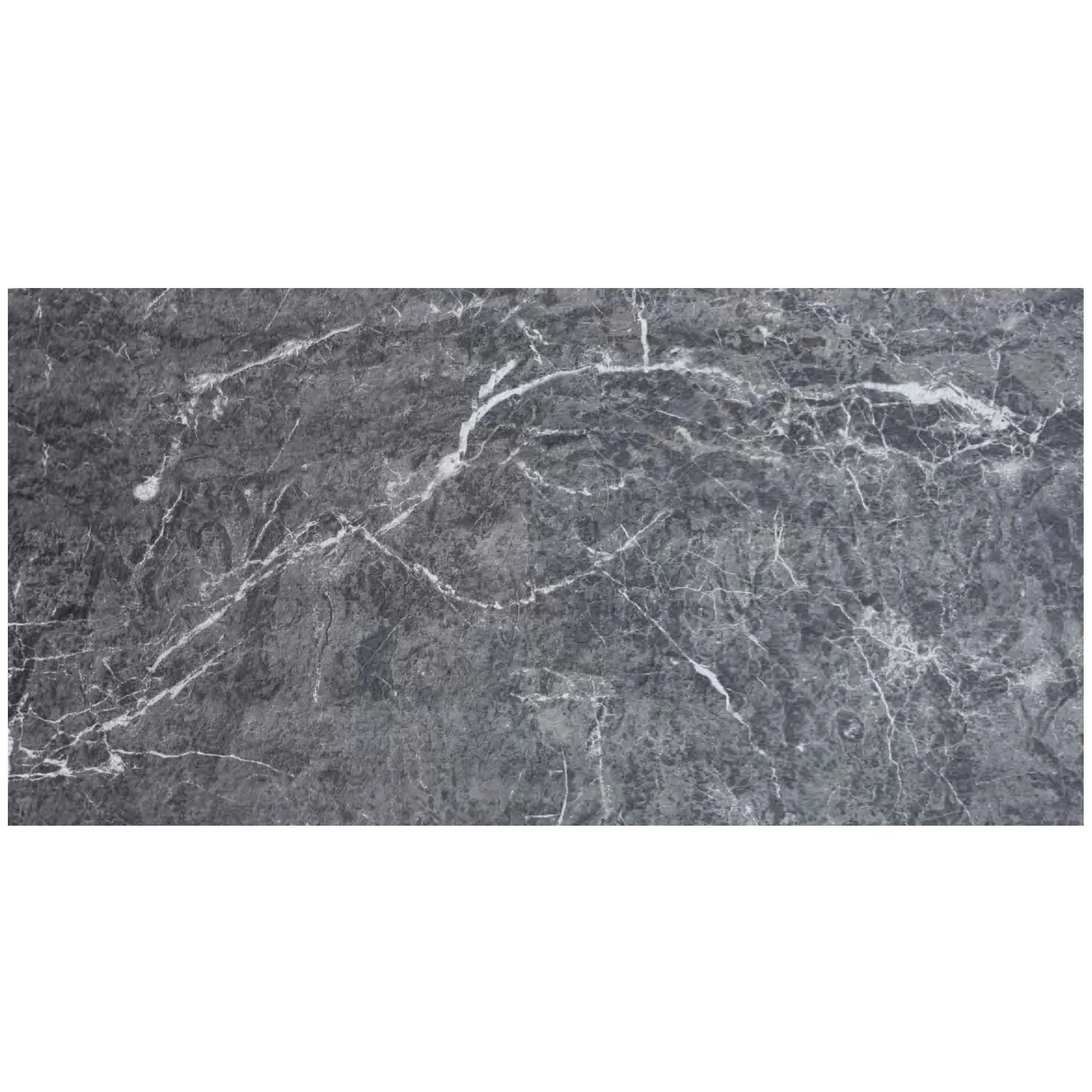
Every time we step into a building—whether it's the corner bakery that smells of fresh bread, the glass-walled office where we collaborate, or the home where we unwind—we're surrounded by materials that shape our experiences. For decades, natural stones like granite have been the gold standard in construction, celebrated for their strength and timeless allure. But as our planet cries out for more mindful choices, that narrative is evolving. Today, the question isn't just "Is this material beautiful?" but "What does it cost our Earth?" Enter MCM sustainable materials: a revolutionary class of building solutions that blend nature's beauty with cutting-edge engineering, offering a greener alternative to traditional stones like Nero Margiua granite.
Natural granite, including popular varieties like Nero Margiua, has long been prized for its deep, rich color and crystalline texture. But beneath that polished surface lies a heavy environmental toll. Quarrying granite involves blasting mountainsides, disrupting ecosystems, and displacing wildlife. Once extracted, massive blocks are transported across continents—burning fossil fuels and emitting CO2—before being cut, polished, and shaped, a process that generates tons of waste and consumes vast amounts of energy. According to the International Association for Sustainable Building Materials , extracting and processing one ton of natural granite releases an average of 3.2 tons of CO2, contributing significantly to global emissions. Worse, many quarries operate in fragile environments, leaving behind scars that take decades to heal, if they ever do.
Then there's the issue of durability in practice. While granite is hard, it's also brittle. It can crack under stress, absorb water (leading to freeze-thaw damage in cold climates), and fade under harsh UV rays. Repairs are costly, and replacement often means restarting the entire environmentally damaging cycle. For a world grappling with climate change, this "take-make-waste" model is no longer sustainable.
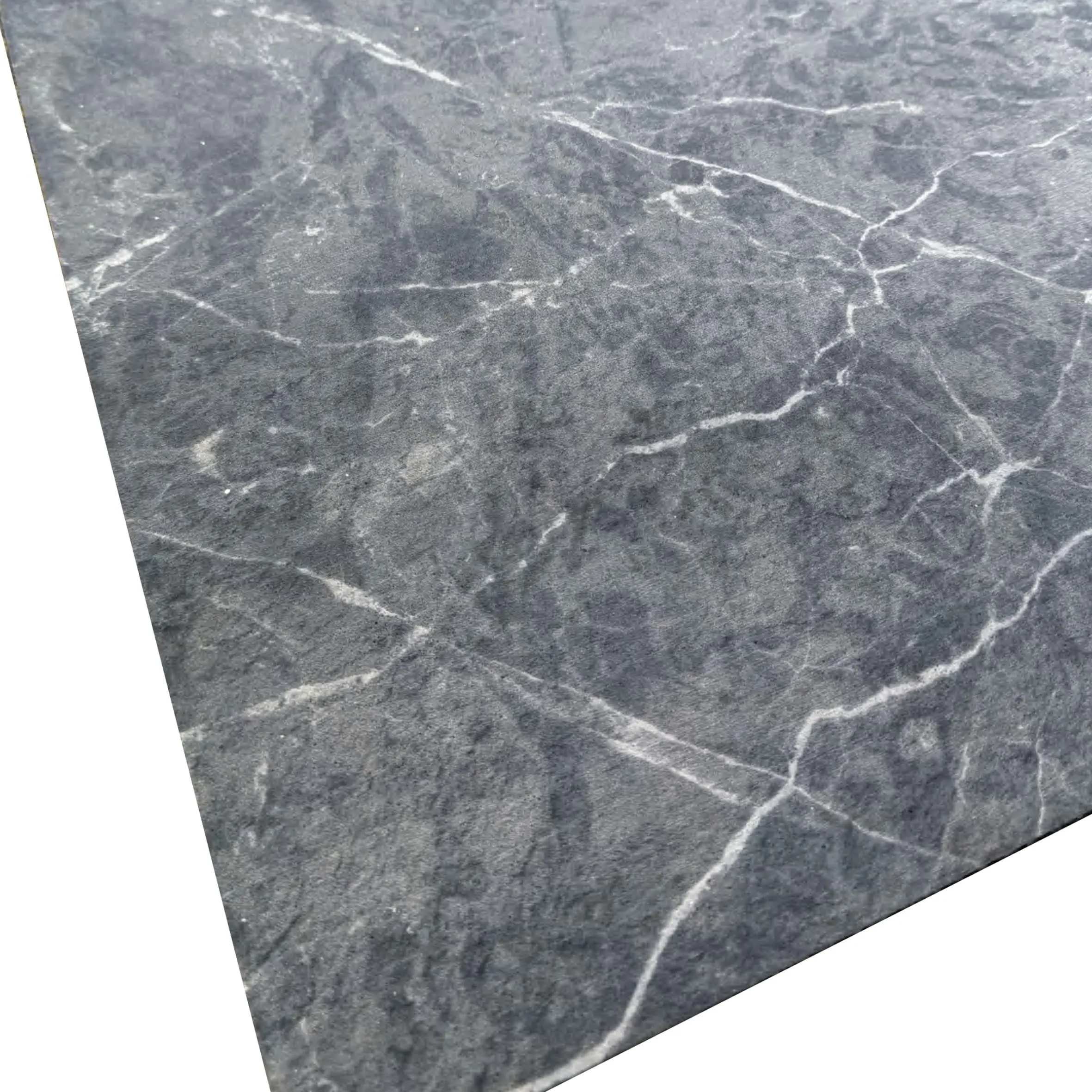
MCM—short for Modified Composite Material—isn't just a new type of building material; it's a reimagining of what construction can be. Engineered to mimic the aesthetic appeal of natural stones, woods, and metals, MCM is crafted using a blend of recycled minerals, polymers, and natural fibers. This innovative recipe reduces reliance on virgin resources, cuts waste, and slashes energy use during production. The result? A line of products that are lightweight, durable, and—most importantly—kind to the planet.
At the forefront of this revolution is MCM flexible stone , a game-changer for facades, flooring, and interior cladding. Unlike rigid natural granite, MCM flexible stone bends slightly, making it easy to install on curved surfaces and reducing the risk of cracking. It's also incredibly lightweight—typically 3-5 kg per square meter, compared to 20-30 kg for natural granite—lowering transportation emissions and simplifying installation (no need for heavy machinery or reinforced structures).
MCM's versatility shines through its diverse product lineup, each designed to cater to different aesthetic and functional needs:
| Feature | Natural Granite (Nero Margiua) | MCM Flexible Stone (e.g., Travertine Starry Green) |
|---|---|---|
| Carbon Footprint | High: 3.2 tons CO2 per ton (quarrying, transport, processing) | Low: 0.8 tons CO2 per ton (recycled materials, energy-efficient production) |
| Weight | 20-30 kg/m² (requires heavy machinery for installation) | 3-5 kg/m² (lightweight, easy to handle) |
| Durability | Prone to cracking, water absorption, and UV fading | Resistant to impact, water, UV rays, and extreme temperatures (20+ year lifespan) |
| Design Options | Limited by natural deposits (fixed colors/patterns) | Unlimited: starry patterns, metallic finishes, custom colors, and textures |
| Installation Cost | High (heavy machinery, labor-intensive) | Low (lightweight, quick to install, reduces labor time by 40%) |
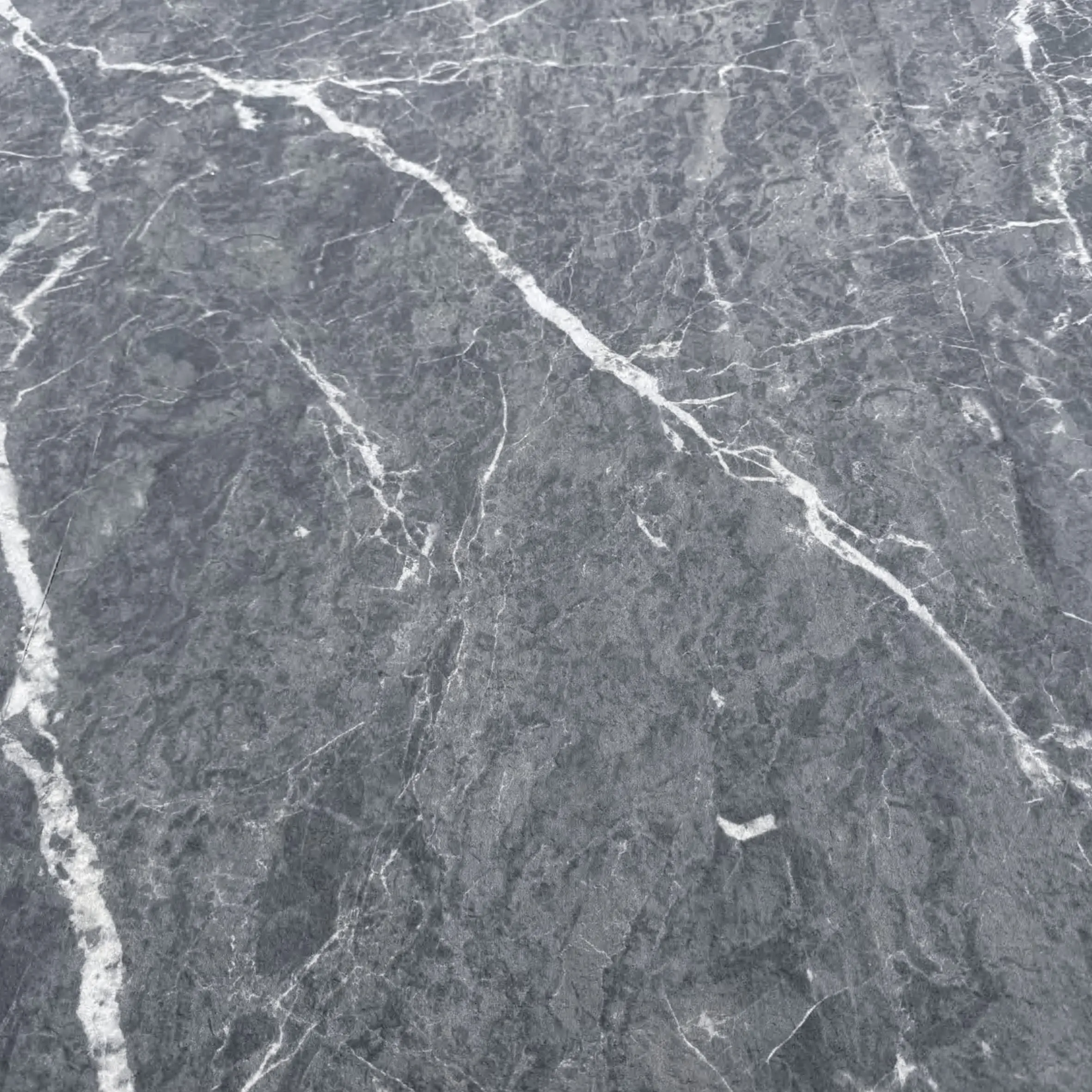
MCM isn't just eco-friendly—it's a designer's dream. Unlike natural stone, which is constrained by the earth's geological luck, MCM offers endless creative possibilities. Want a facade that shimmers like a starry night? Opt for travertine (starry red) or (starry blue), where embedded particles catch and reflect light. Craving the warmth of aged metal? Foamed aluminium alloy board (vintage gold) delivers a rich, weathered look without the weight of real metal. For a rustic vibe, there's the rough texture of rock cut stone or the earthy tones of rammed earth board (matcha green) .
This flexibility extends to functionality, too. MCM panels can be cut into any shape—squares, circles, waves—and applied to almost any surface, from walls and floors to furniture and accent pieces. In the hospitality industry, for example, restaurants are using MCM wood grain board to create cozy, cabin-like interiors without cutting down trees. Retail stores are opting for polish concrete MCM panels to achieve a sleek, industrial aesthetic that's easy to clean and maintain. The possibilities are limited only by imagination.
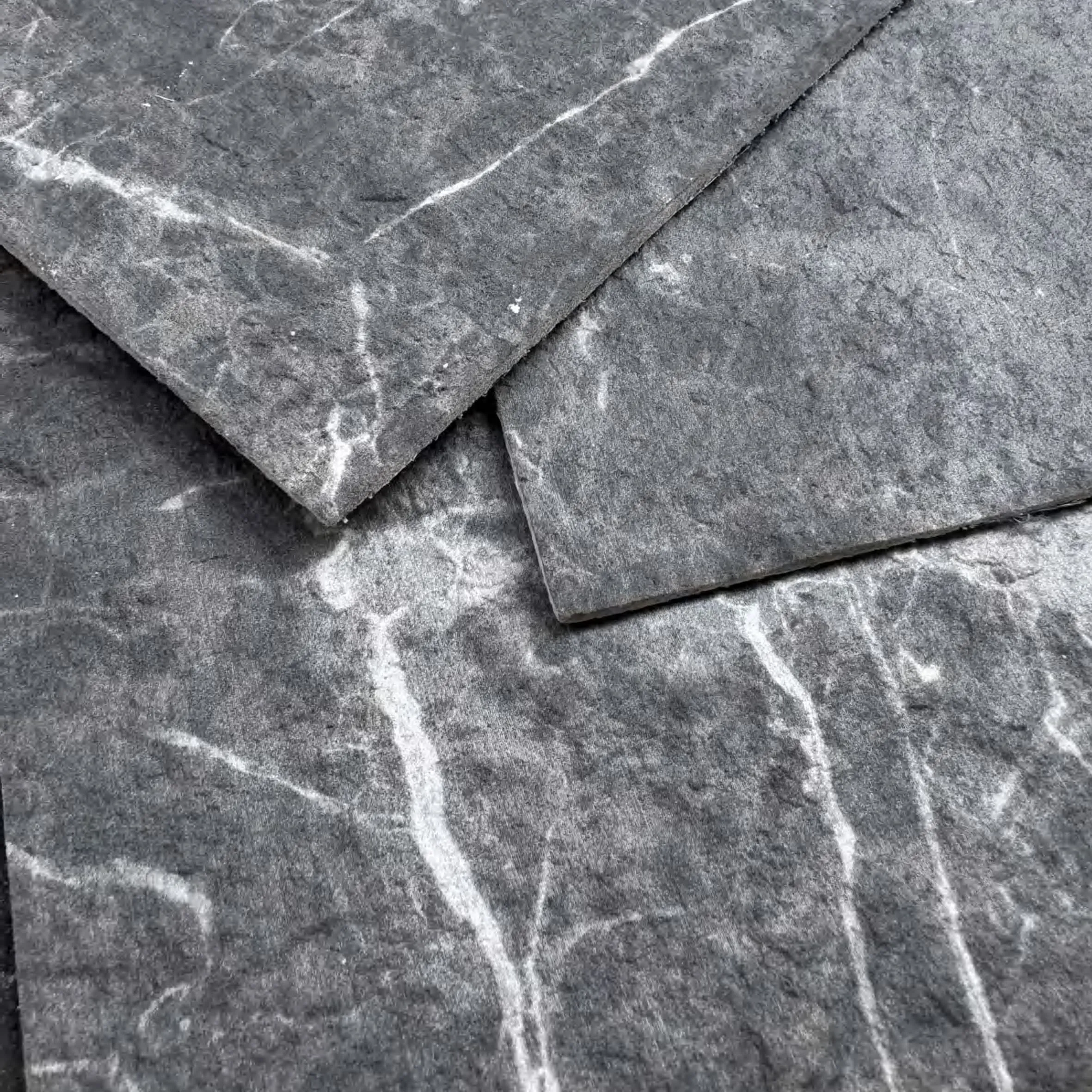
The proof of MCM's potential lies in its real-world applications. Take the GreenHaven Office Park in Austin, Texas, a LEED Platinum-certified development that prioritized sustainability from the ground up. The architects wanted a facade that would reflect the park's eco-friendly mission while standing up to Texas's scorching heat. After comparing options, they chose MCM flexible stone in lunar peak silvery for the exterior cladding. "The silvery finish reflects sunlight, reducing the building's cooling needs by 25%," explains project manager James Chen. "And because the panels are so lightweight, we saved over $100,000 on structural reinforcements. It was a win-win for the budget and the planet."
Another example is the Harbor View Community Center in Seattle, which replaced its aging natural stone facade with MCM travertine (vintage black) last year. The upgrade not only modernized the building's look but also extended its lifespan by an estimated 30 years. "We were worried about the cost at first," admits community director Lisa Wong, "but the energy savings and low maintenance needs have already paid off. Plus, the kids love the 'starry' panels we added to the entrance—they call it our 'space wall.'"
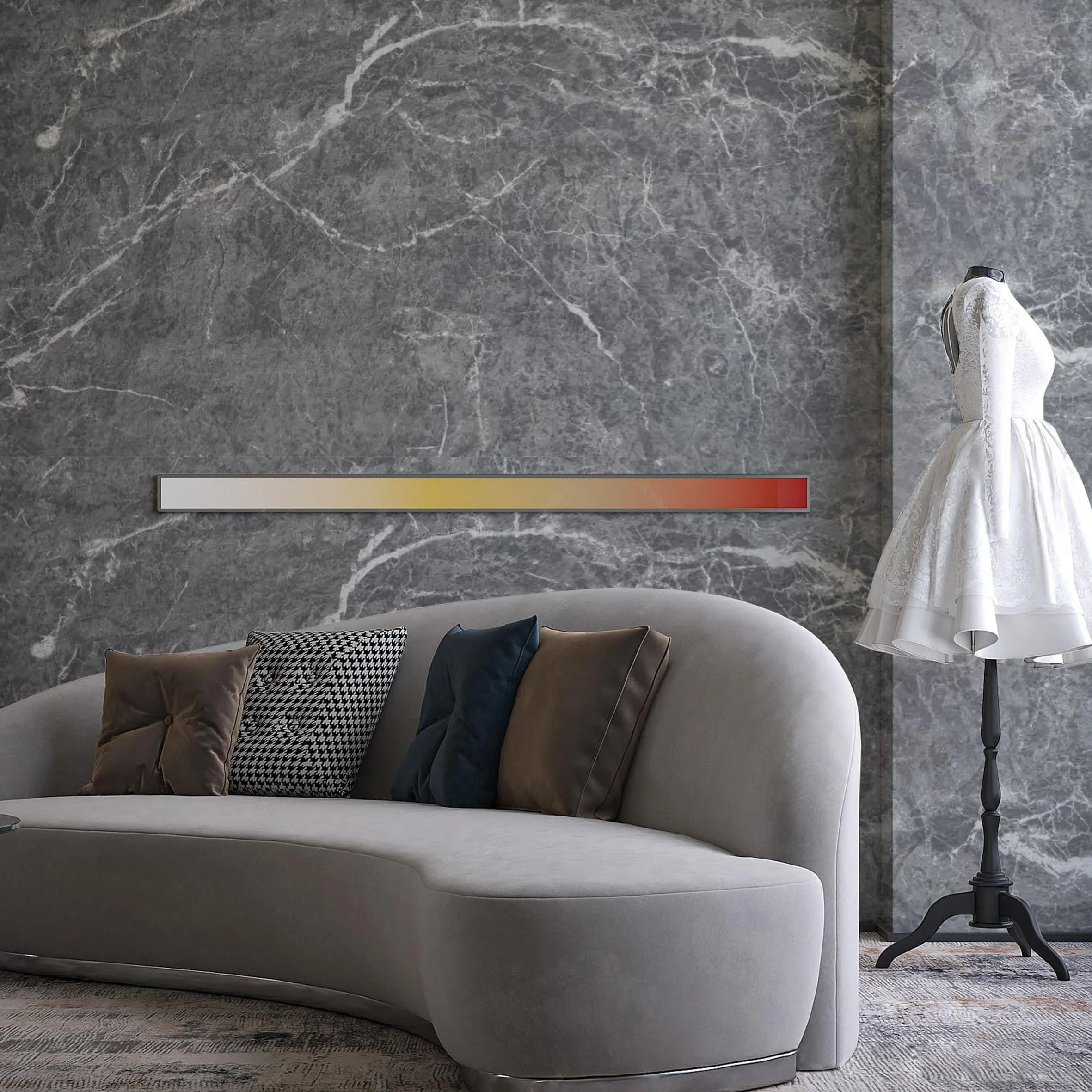
As green building standards become the norm—rather than the exception—MCM is poised to lead the charge. Its low carbon footprint, durability, and design flexibility make it a natural fit for projects aiming for LEED, BREEAM, or WELL certifications. And as production scales, costs are becoming increasingly competitive with natural stone, making sustainability accessible to more builders and homeowners.
But perhaps the most exciting thing about MCM is what it represents: a shift from extraction to innovation, from depletion to renewal. It's a reminder that we don't have to sacrifice beauty to protect the planet. With MCM, we can build structures that inspire, endure, and leave the Earth better than we found it.
Natural stones like Nero Margiua granite have long been symbols of strength and luxury, but their reign as the go-to building material is ending. In their place, MCM sustainable materials are rising—offering a vision of construction that's kind to the planet, kind to designers, and kind to budgets. From the starry glow of travertine to the rugged charm of rammed earth, from lightweight aluminium alloys to versatile concrete blends, MCM proves that sustainability and beauty can coexist.
So the next time you're planning a build or renovation, ask yourself: What story do I want my materials to tell? With MCM, the answer is clear: one of innovation, responsibility, and a future where our buildings lift us up—without weighing the Earth down.
Recommend Products












