
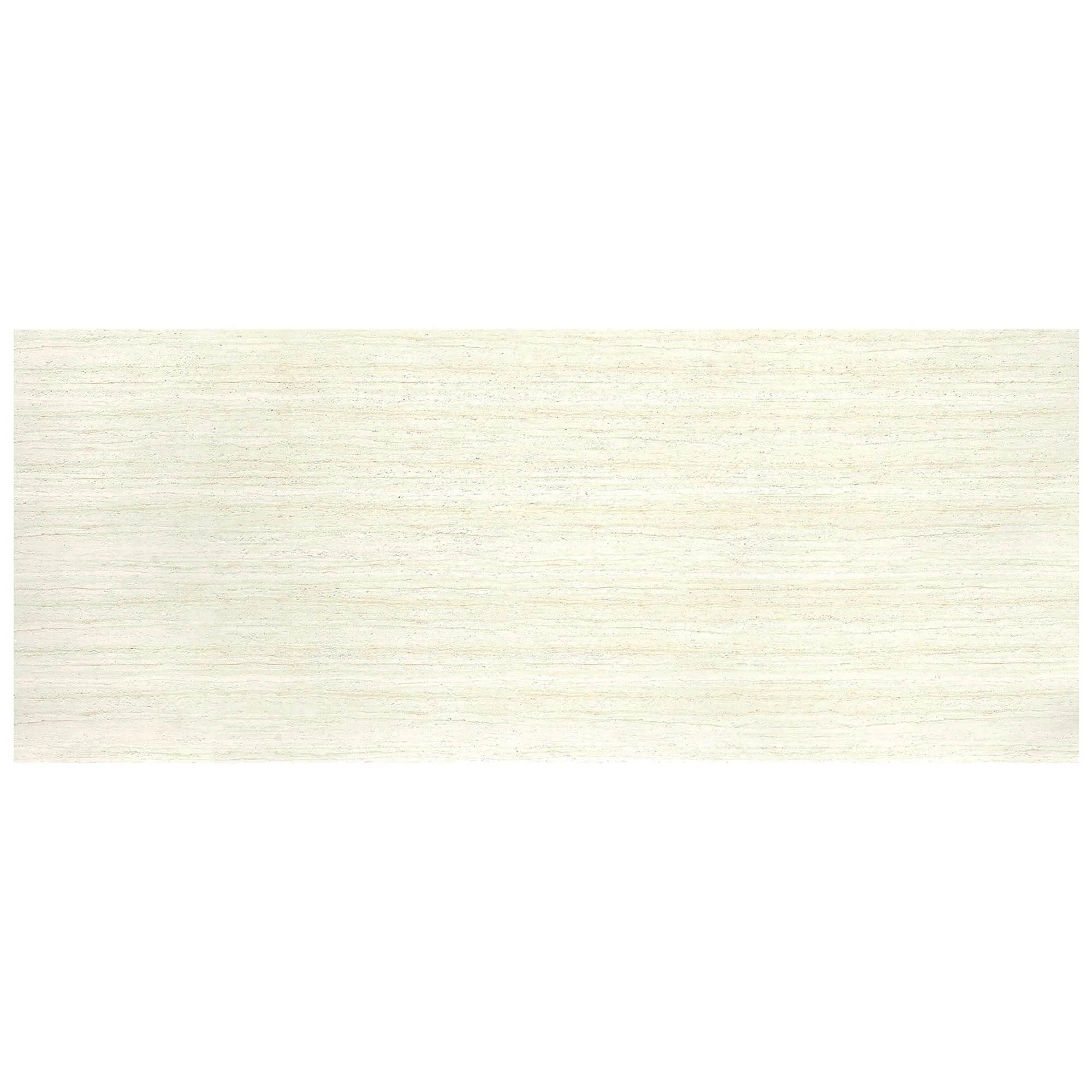
Choosing the right building materials for your space is like picking the perfect frame for a painting— it's not just about function, but about how it makes the entire room feel . And in that quest, two names often rise to the top: MCM (Modified Composite Material) and ceramic tiles. Both have their fans, but today, we're zooming in on a detail that can make or break a space's character: thread texture . That subtle, woven-like pattern or linear grain that catches the eye and invites the hand to touch— how do MCM and ceramic tiles stack up here? Let's dive in, not as experts with clipboards, but as fellow design lovers trying to figure out which material will turn a house into a home (or a store into a destination).
Before we compare, let's talk about why thread texture matters. Imagine running your hand along a wall— is it smooth and cold, or does it have a gentle, almost fabric-like grain that makes you pause? Thread texture is that visual and tactile story a material tells. It can be bold, like the rough-hewn lines of a wood grain board , or delicate, like the fine striations in travertine (starry blue) . In short, it's the "personality" of the surface— and it shapes how we experience a space. A bathroom with flat, uniform tiles might feel clinical, but add thread texture, and suddenly it's a spa. A restaurant wall without texture? Just a wall. With it? A backdrop that makes the meal feel cozier, more intentional.
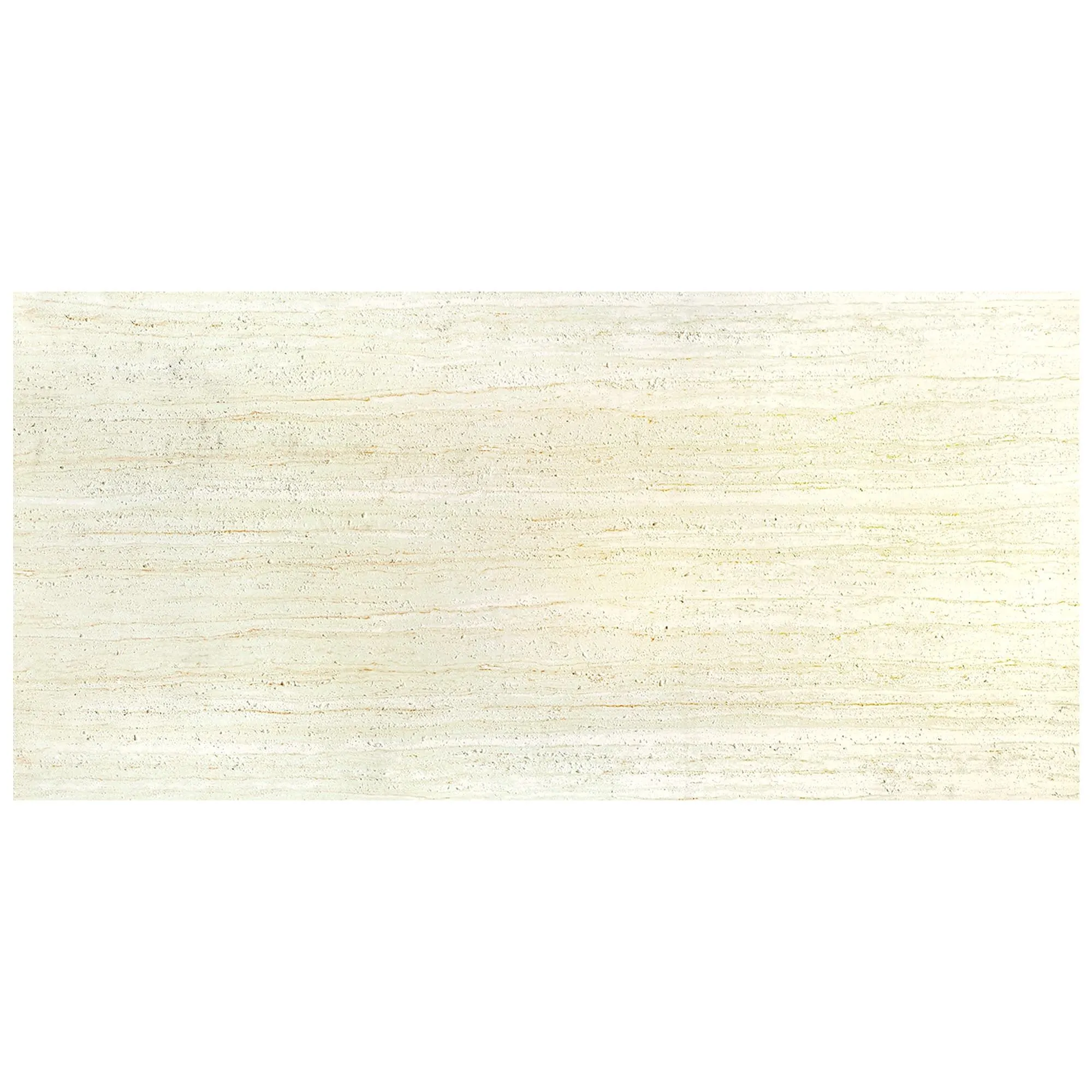
MCM Flexible Stone isn't your grandma's building material. Think of it as nature and innovation having a conversation: a mix of minerals, polymers, and recycled materials that's lightweight, bendable, and surprisingly tough. It's the new kid on the block, but it's quickly gaining fans for its ability to mimic natural textures— including thread patterns— without the heft or fragility of stone.
Ceramic Tiles , on the other hand, are the reliable old friend. Made from clay fired at high temperatures, they've been around for centuries, gracing kitchens, bathrooms, and palaces alike. They're known for being easy to clean, water-resistant, and come in a million designs— but when it comes to thread texture, are they keeping up with MCM?
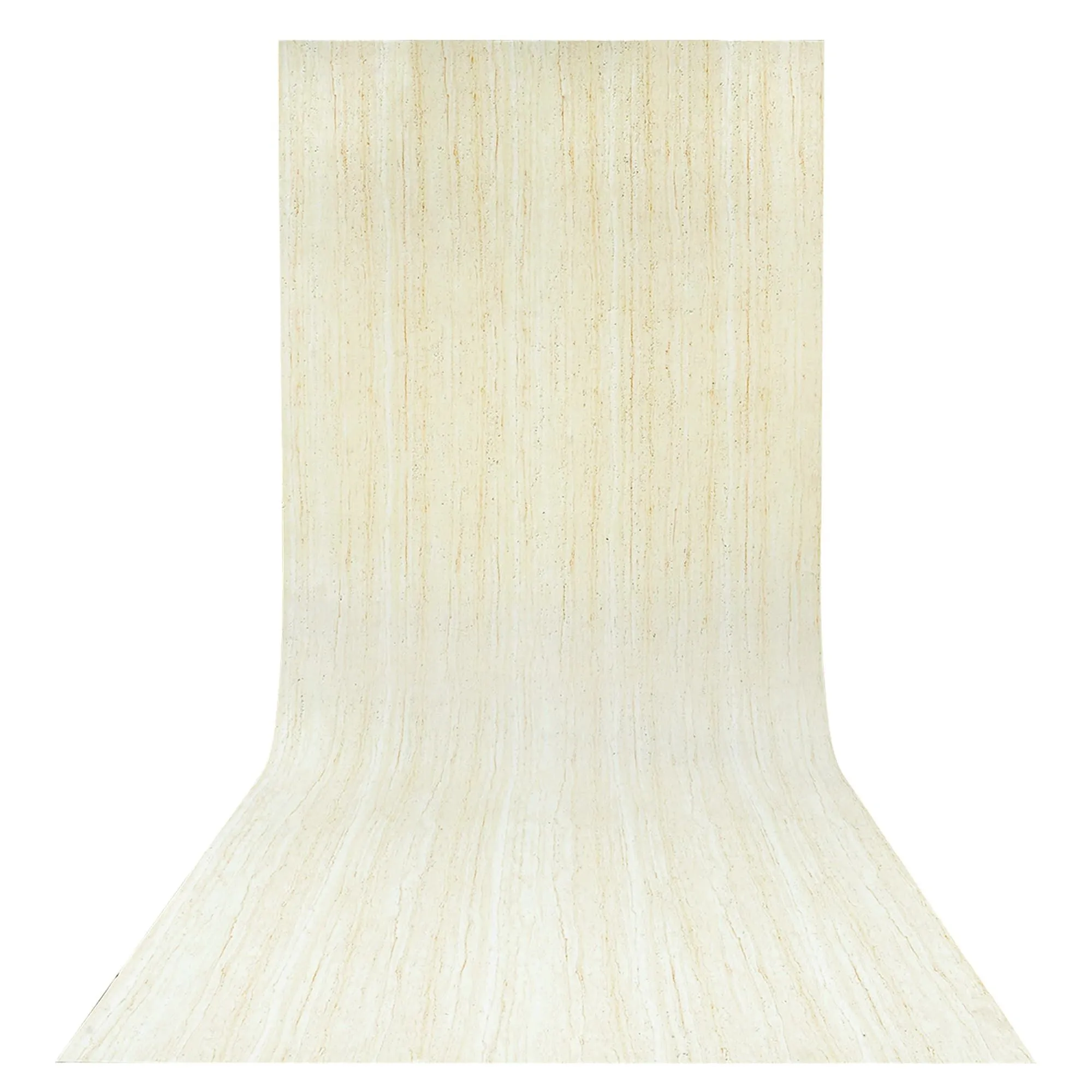
Let's get to the good stuff: how do their thread textures compare in real life? We're talking depth, variation, and that intangible "feel" that makes a material feel alive.
MCM, especially MCM flexible stone , is a chameleon when it comes to texture. Because it's made with a composite base, manufacturers can embed thread patterns that look and feel almost organic . Take travertine (starry red) MCM panels— the thread texture here isn't just printed on top; it's built into the material, with tiny pits and ridges that mimic the way minerals settle in natural stone over centuries. It's like holding a piece of the earth, but lighter and more durable.
Ceramic tiles, by contrast, often have thread textures that are either glazed on or pressed into the surface. That's not a bad thing— you can get stunning, uniform thread patterns that look crisp and clean, perfect for a modern kitchen. But here's the catch: the texture is often shallower. Run your finger over a ceramic tile with "wood thread" texture, and you might notice it feels more like a sticker than the real deal. It's precise, but sometimes lacks the depth that makes a space feel lived-in.
Nature isn't perfect, and neither is the thread texture on MCM. That's a good thing. Rammed earth board (gradient) , for example, has thread-like color transitions that shift subtly from panel to panel— no two are exactly alike. It's the kind of variation that makes a wall feel dynamic, like a landscape painting where no two brushstrokes are the same. This is a jackpot for designers who want a space to feel unique, not cookie-cutter.
Ceramic tiles, meanwhile, are all about consistency. If you want every tile to have the exact same thread pattern, spaced perfectly, ceramic delivers. That's great for large commercial spaces where uniformity is key (think a hotel lobby with 500 identical tiles). But if you're craving that "one-of-a-kind" charm, ceramic might feel a little… predictable.
Here's where MCM really shines: tactile texture. Because it's often made with a flexible, resin-based core, MCM's thread texture has a slight give to it— not squishy, but not icy-hard like ceramic. Run your hand over a weaving (khaki) MCM panel, and it's almost like touching a well-loved tapestry— warm, with a gentle grip. Ceramic tiles, on the other hand, are dense and non-porous. Their thread textures, even when raised, can feel cold and unforgiving, especially in a bathroom or a room with little natural light.
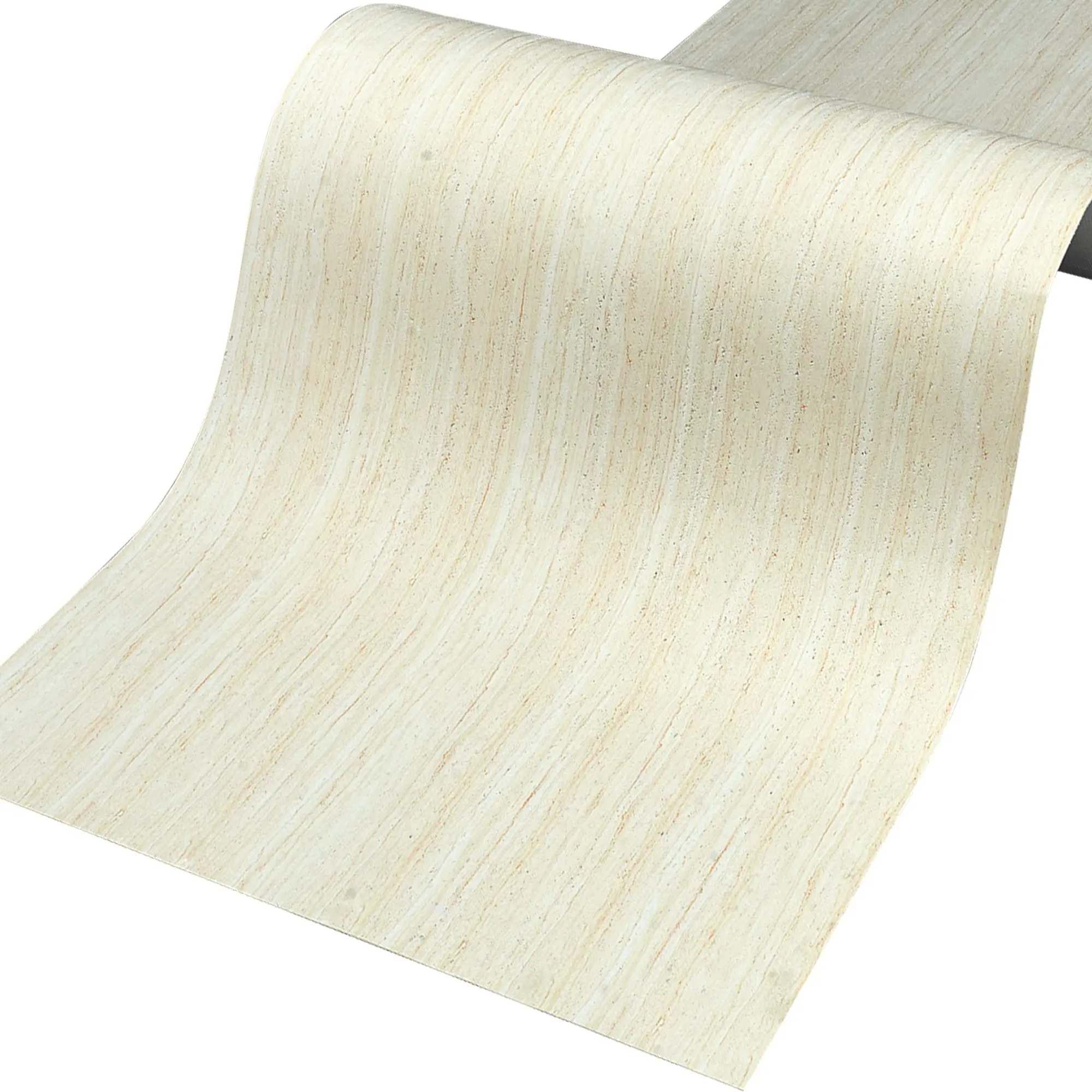
Thread texture is lovely, but let's be real— we're not decorating a museum exhibit. This material has to perform . How do MCM and ceramic tiles hold up when life happens (kids, pets, spilled coffee, the occasional rogue basketball)?
| Aspect | MCM (e.g., MCM Flexible Stone, Wood Grain Board) | Ceramic Tiles |
|---|---|---|
| Durability | Scratch-resistant and impact-absorbent; thread texture holds up even with daily wear (no chipping along the grain!) | Hard but brittle; thread texture edges can chip if hit with heavy objects (hello, cracked glaze lines) |
| Flexibility | Can bend slightly (great for curved walls or backsplashes without losing thread texture integrity) | Rigid; will crack if forced to flex (say goodbye to that perfect thread pattern on a rounded corner) |
| Moisture Resistance | Most MCM panels (like foamed aluminium alloy board (vintage silver) ) are water-resistant; thread texture won't trap mold | Waterproof, but grout lines (between tiles) can trap moisture— and thread texture in grout? Not a good look |
| Maintenance | Wipe with a damp cloth; thread texture doesn't require special sealants | Needs regular sealing (especially if thread texture is deep) to prevent stains from seeping into pores |
Let's put this in context: Imagine a family with a rambunctious golden retriever. MCM wood grain board in the mudroom? The dog's nails won't scratch the thread texture, and a spilled water bowl won't warp it. Ceramic tiles in the same space? You'll be staring at a chipped thread pattern within a month, and grout lines will turn dark from dirt. It's the little things, right?
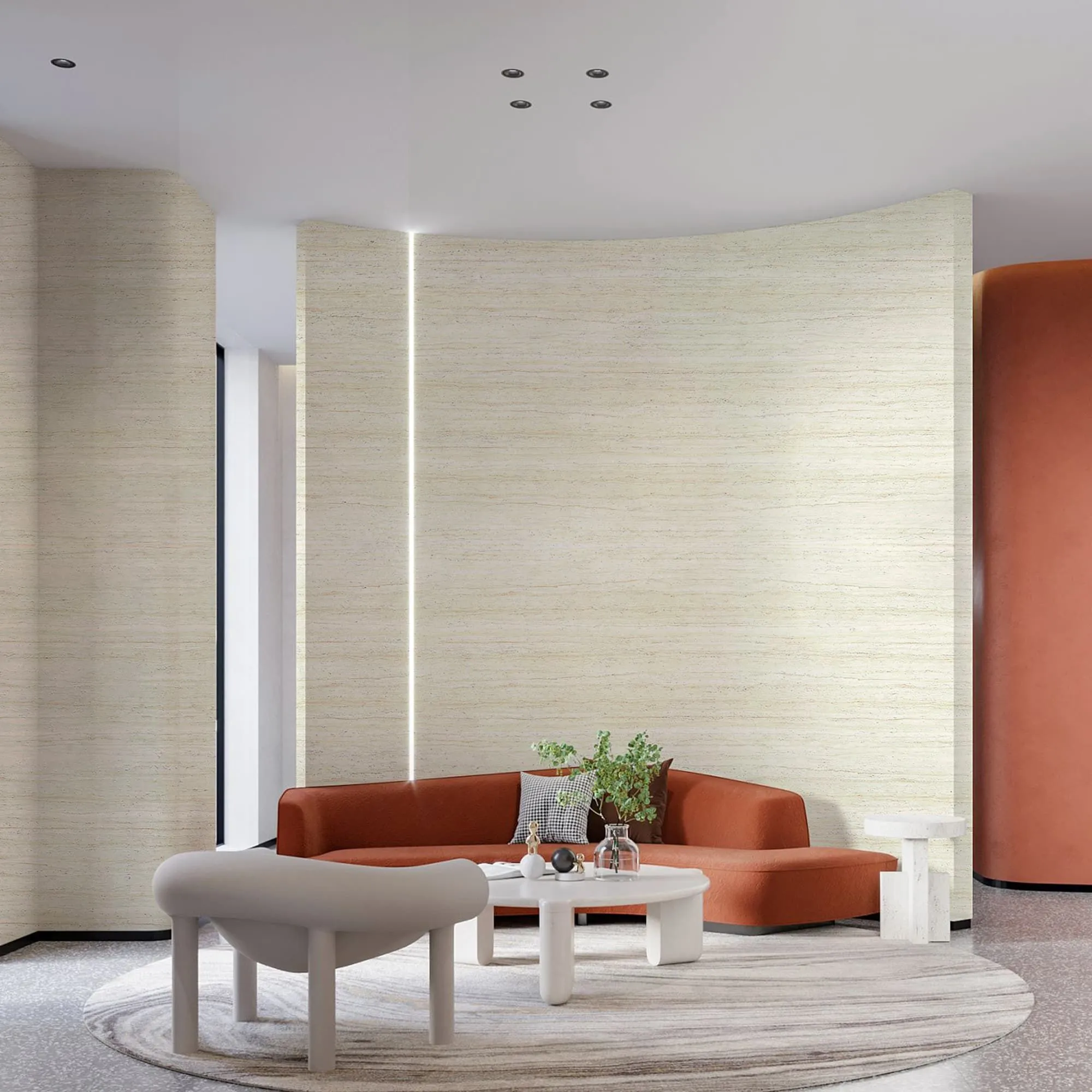
Okay, so MCM has better thread texture depth and performance— but is it always the answer? Not necessarily. Let's break it down by space:
Let's talk about the planet, because a beautiful thread texture isn't worth feeling guilty about. MCM often wins here, too. Many MCM panels, like fair-faced concrete or relic rammed earth board , use recycled materials or require less energy to produce than ceramic tiles. Ceramic tiles, while durable, involve mining clay and firing it at sky-high temperatures— not exactly eco-friendly. So if your thread texture dreams come with a side of "I want to help the planet," MCM is the way to go.
At the end of the day, choosing between MCM and ceramic tiles for thread texture isn't about "better" or "worse"— it's about what story you want your space to tell. Do you want the quiet, organic narrative of travertine (starry orange) MCM, where every thread feels like a memory of the earth? Or the crisp, clean plotline of ceramic tiles, where thread texture is a punctuation mark, not a chapter? For most of us— whether we're designing a home, a café, or a boutique— MCM's depth, durability, and warmth make it the star. It doesn't just have thread texture; it lives it. And in a world where so much feels mass-produced, that's a texture worth investing in.
So go ahead— touch the samples, imagine the light hitting the threads at dawn, and pick the one that makes you smile. After all, the best thread texture is the one that feels like you .
Recommend Products












