Choosing the right material for a renovation project is like picking the perfect brushstroke for a masterpiece—it shapes the mood, functionality, and longevity of the space. Whether you're revamping a cozy home office, designing a trendy café, or cladding the exterior of a commercial building, the materials you select do more than just cover surfaces; they tell a story. In recent years, two materials have risen to the top of designers' and homeowners' lists:
MCM flexible stone
and
charcoal burnt wood board. One is a modern marvel of engineering, blending durability with artistic versatility; the other is a timeless classic, rooted in ancient craftsmanship and natural beauty. Let's dive into their worlds, exploring what makes each unique, where they shine, and how to decide which one deserves a spot in your next project.
MCM Flexible Stone: The Modern Workhorse with Artistic Flair
Imagine a material that mimics the rugged charm of natural stone, the sleekness of concrete, or the warmth of wood—yet weighs a fraction of the real thing, bends around corners, and stands up to rain, snow, and scorching sun without fading. That's
MCM flexible stone
in a nutshell. Short for Modified Composite Material, MCM is a revolutionary cladding solution born from a blend of natural minerals, recycled polymers, and advanced bonding agents. It's the chameleon of the design world, offering endless possibilities for both interior and exterior spaces.
What Makes MCM Stand Out?
At its core, MCM is all about balance: strength without weight, durability without rigidity, and aesthetics without compromise. Unlike traditional stone or brick, which can be heavy and hard to install, MCM panels are thin (often just 3-5mm thick) and lightweight, making them easy to transport, cut, and apply to almost any surface—even curved walls or ceilings. This flexibility opens doors for creative designs, from accent walls with organic, flowing lines to exterior facades that mimic the look of massive stone slabs without the structural stress.
One of MCM's biggest draws is its design versatility. Manufacturers offer an astonishing range of finishes, from the earthy tones of
travertine (beige)
—a popular choice for warm, neutral interiors—to the industrial edge of
fair-faced concrete
, which adds a raw, modern vibe to lofts and commercial spaces. There's also the
MCM big slab board series
for larger installations, where seamless, uninterrupted surfaces create a sense of grandeur. For those craving texture, options like wave panels or
star gravel finishes add depth, turning plain walls into tactile experiences.
But MCM isn't just about looks; it's built to last. Its composite structure resists moisture, mold, and UV rays, making it ideal for outdoor use in harsh climates. Unlike natural stone, which can crack or erode over time, MCM holds its shape and color for decades. It's also surprisingly low-maintenance: a quick rinse with water is usually enough to keep it looking fresh, no sealing or special treatments required.
Where Does MCM Work Best?
MCM's adaptability makes it a star in both residential and commercial projects. Externally, it's a favorite for cladding homes, hotels, and office buildings, where its lightweight nature reduces structural load and installation costs. Internally, it shines as accent walls in living rooms, backsplashes in kitchens, or even ceiling panels in restaurants, adding texture without overwhelming the space. For example, a café aiming for an industrial-chic aesthetic might pair
fair-faced concrete
MCM panels with metal fixtures and warm lighting, creating a space that feels both edgy and inviting.
Sustainability is another feather in MCM's cap. Many manufacturers use recycled materials in their production process, and because MCM is so durable, it reduces the need for frequent replacements—cutting down on waste. It also contains low or no volatile organic compounds (VOCs), making it a safer choice for indoor spaces where air quality matters.
If MCM is the future of design,
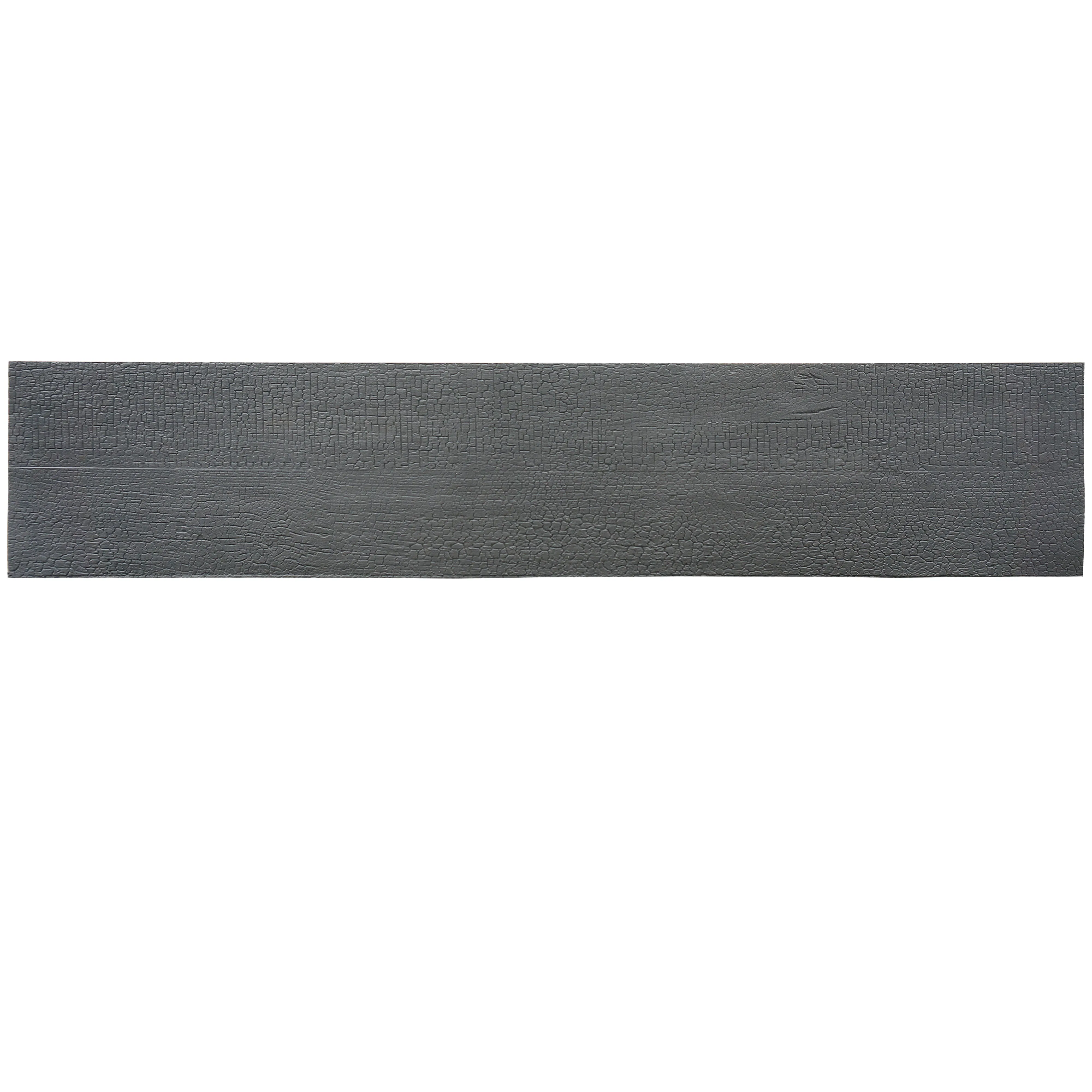
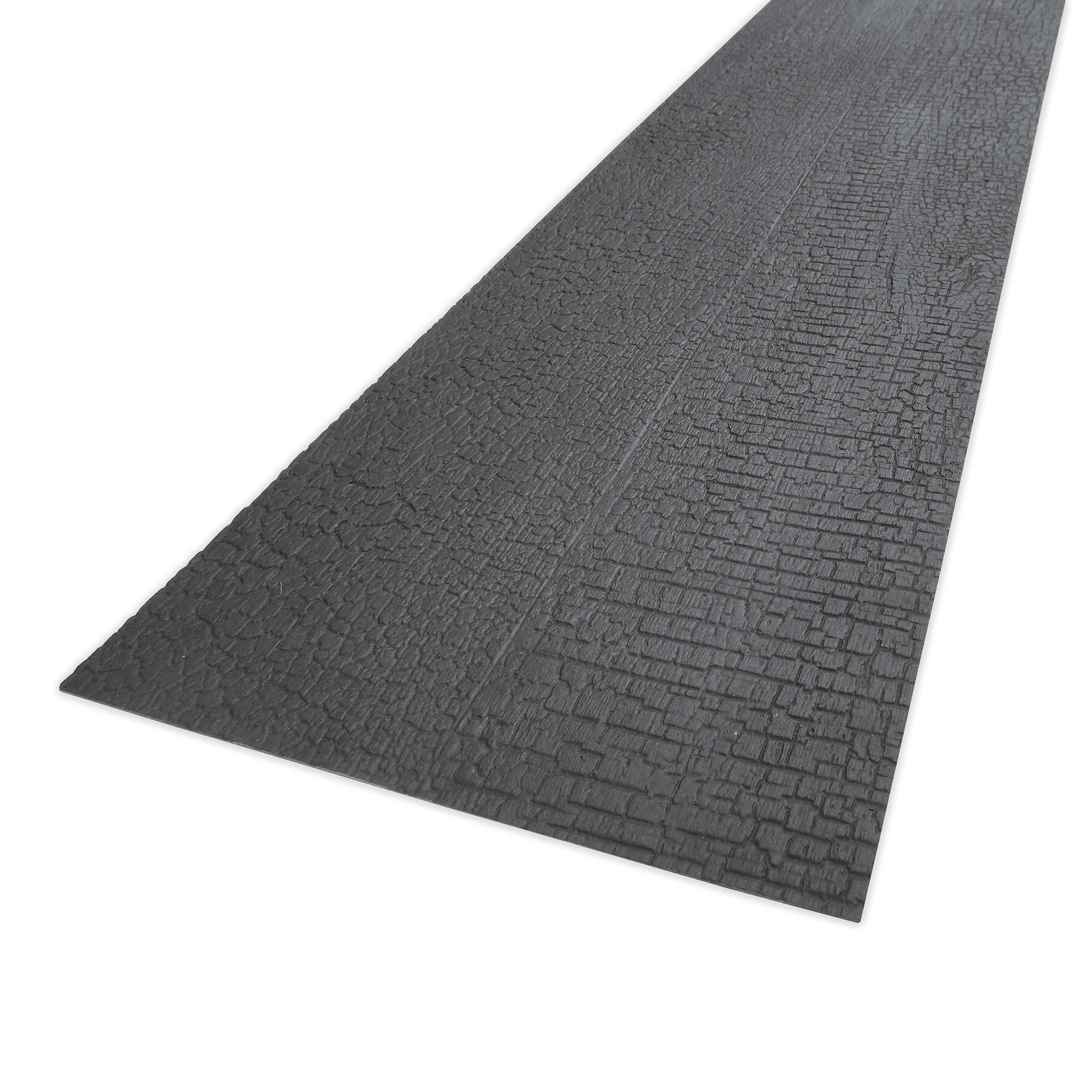
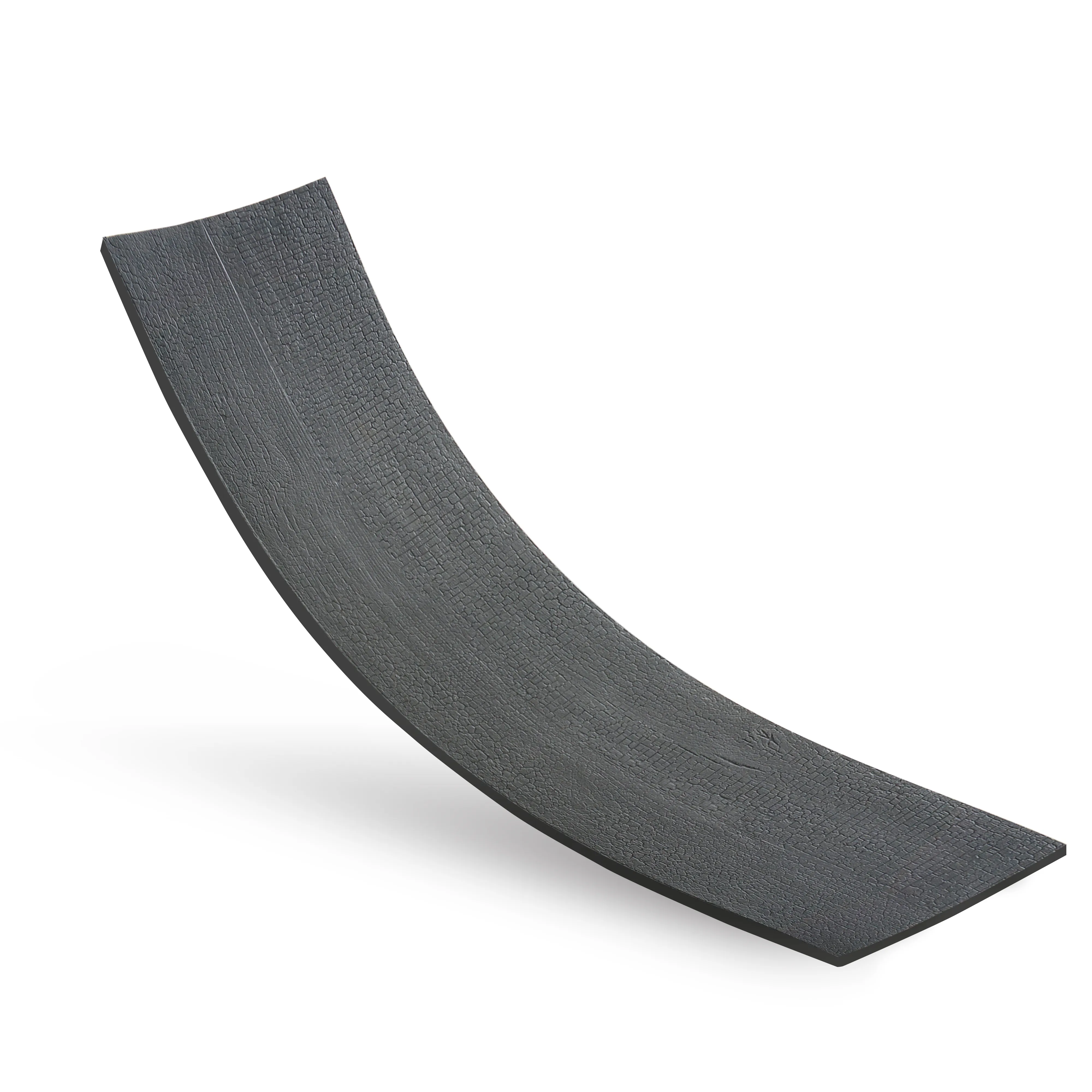
charcoal burnt wood board is a nod to the past—a material steeped in tradition, yet endlessly relevant. Rooted in the ancient Japanese technique of Shou Sugi Ban (literally "burnt cedar board"), this process involves charring the surface of wood to enhance its durability and create a striking, one-of-a-kind finish. The result? Wood that's resistant to rot, insects, and fire, with a deep, smoky aesthetic that feels both rustic and refined.
The Art of the Burn
The magic of charcoal burnt wood lies in its transformation. Craftsmen typically use softwoods like cedar or pine, which char evenly, then burn the surface with a torch until it turns black. The burnt layer is then brushed off, leaving a textured, carbon-rich surface that seals the wood and gives it that signature charred look. Beneath the dark exterior, hints of the wood's natural grain peek through—warm amber, honey, or golden tones that contrast beautifully with the blackened surface. It's a material that celebrates imperfection: no two boards are exactly alike, with variations in charring depth and grain creating a dynamic, organic pattern.
For those who love the look of wood but want something with more character,
charcoal burnt wood board offers the best of both worlds. It retains the warmth and familiarity of
wood grain board
but adds an edge—literally and figuratively. The burnt surface feels slightly rough to the touch, adding tactile interest, while the deep color palette (think ebony, charcoal, and smoky gray) makes it a versatile accent in both light and dark spaces.
Where Does Charcoal Burnt Wood Shine?
Charcoal burnt wood is all about creating atmosphere. In interiors, it's a showstopper as an accent wall in a bedroom or living room, where its rich color adds depth without making the space feel small. It also works beautifully as flooring in a bathroom or kitchen, where its natural resistance to moisture (thanks to the charring process) makes it practical. Externally, it's a favorite for siding on cabins, beach houses, or modern homes with a rustic twist—though it's worth noting that in very wet climates, occasional sealing may be needed to protect the wood from prolonged exposure.
Designers often pair charcoal burnt wood with lighter materials to balance its intensity. Imagine a dining room with charcoal burnt wood walls, white linen curtains, and a light oak dining table—the contrast creates a space that's both cozy and sophisticated. Or a home office with a charcoal burnt wood desk, paired with
fair-faced concrete
floors and metal accents, blending natural warmth with industrial cool.
MCM vs. Charcoal Burnt Wood: A Head-to-Head Comparison
Choosing between
MCM flexible stone and
charcoal burnt wood board ultimately comes down to your project's needs, style, and budget. To make the decision easier, let's break down their key differences:
|
Feature
|
MCM Flexible Stone
|
Charcoal Burnt Wood Board
|
|
Durability
|
Exceptional: Resists moisture, UV rays, mold, and impact. Lasts 30+ years with minimal wear.
|
Very good: Rot/insect resistant (thanks to charring), but wood can warp in extreme moisture; lifespan 15-25 years with proper care.
|
|
Maintenance
|
Low: Wipe clean with water; no sealing or refinishing needed.
|
Moderate: Occasional sealing (every 2-3 years for outdoor use) to prevent water damage; may need sanding/re-charring if surface wears.
|
|
Aesthetics
|
Modern, versatile: Mimics stone, concrete, metal, or wood; smooth or textured finishes in endless colors.
|
Timeless, organic: Warm wood grain with smoky, charred edges; rich, earthy tones (black, gray, amber).
|
|
Sustainability
|
Eco-friendly: Often uses recycled materials; low VOCs; long lifespan reduces waste.
|
Natural: Biodegradable; sustainable if sourced from FSC-certified forests, but requires careful wood management.
|
|
Cost
|
Higher upfront: $20-45 per sq. ft. (material + installation), but lower long-term maintenance costs.
|
Moderate upfront: $15-30 per sq. ft. (material + installation), but higher maintenance costs over time.
|
|
Best For
|
Exteriors (all climates), high-traffic areas, modern/industrial interiors, curved surfaces.
|
Accent walls, low-moisture interiors, rustic/Scandinavian/Japanese designs, mild-climate exteriors.
|
Sustainability: Green Credentials
In today's design world, sustainability isn't just a buzzword—it's a priority. Both materials have eco-friendly traits, but they approach sustainability from different angles.
MCM flexible stone often incorporates recycled plastics and minerals, reducing reliance on virgin resources. Its long lifespan also means less frequent replacement, cutting down on waste. Plus, its lightweight nature lowers transportation emissions during installation.
Charcoal burnt wood board, on the other hand, is a natural material. When sourced from responsibly managed forests (look for FSC certification), it's a renewable resource that sequesters carbon. At the end of its life, it biodegrades, leaving minimal environmental impact. However, wood production does require land and water, so it's important to balance its use with reforestation efforts.
Cost: Short-Term vs. Long-Term
Budget is always a factor, and here's where the two materials diverge. MCM has a higher upfront cost, thanks to its advanced manufacturing process and premium finishes. But its low maintenance and long lifespan often make it the more cost-effective choice over time—especially for exterior projects, where repairs or replacements can be pricey.
Charcoal burnt wood board is more affordable to purchase and install initially, but it requires ongoing care. Outdoor installations may need annual cleaning and sealing to prevent water damage, adding to long-term costs. For indoor use, maintenance is minimal, but the wood may still fade slightly over time if exposed to direct sunlight, requiring refinishing down the line.
Which One Should You Choose?
There's no "better" material here—only the right one for your project. If you're designing a modern home with bold, industrial elements, or need a durable exterior cladding that can handle harsh weather,
MCM flexible stone
is the way to go. Its versatility lets you mix finishes, like pairing
travertine (beige)
with
fair-faced concrete
for a space that feels both warm and contemporary.
If you're drawn to natural textures and timeless craftsmanship, or want to add a cozy, rustic touch to a living room or bedroom,
charcoal burnt wood board is perfect. Its unique, handcrafted look adds character that can't be replicated by synthetic materials, making it ideal for spaces where story and warmth matter most.
And here's a secret: you don't have to choose just one. Many designers mix MCM and charcoal burnt wood to create dynamic, layered spaces. Picture an exterior with MCM
fair-faced concrete
panels for the main facade, accented with charcoal burnt wood trim around windows and doors—the contrast of modern and natural creates curb appeal that stops passersby in their tracks.
Final Thoughts: Materials That Tell Your Story
Renovations are about more than just updating a space—they're about creating environments that reflect who you are, how you live, and what you value.
MCM flexible stone
and
charcoal burnt wood board are both tools to help you tell that story. One is a testament to human innovation, proving that technology can enhance nature's beauty; the other is a nod to tradition, showing that some crafts never go out of style.
So whether you opt for the modern durability of MCM or the timeless warmth of charcoal burnt wood, remember: the best material is the one that makes you excited to walk through the door every day. After all, great design isn't just about how things look—it's about how they make you feel.