
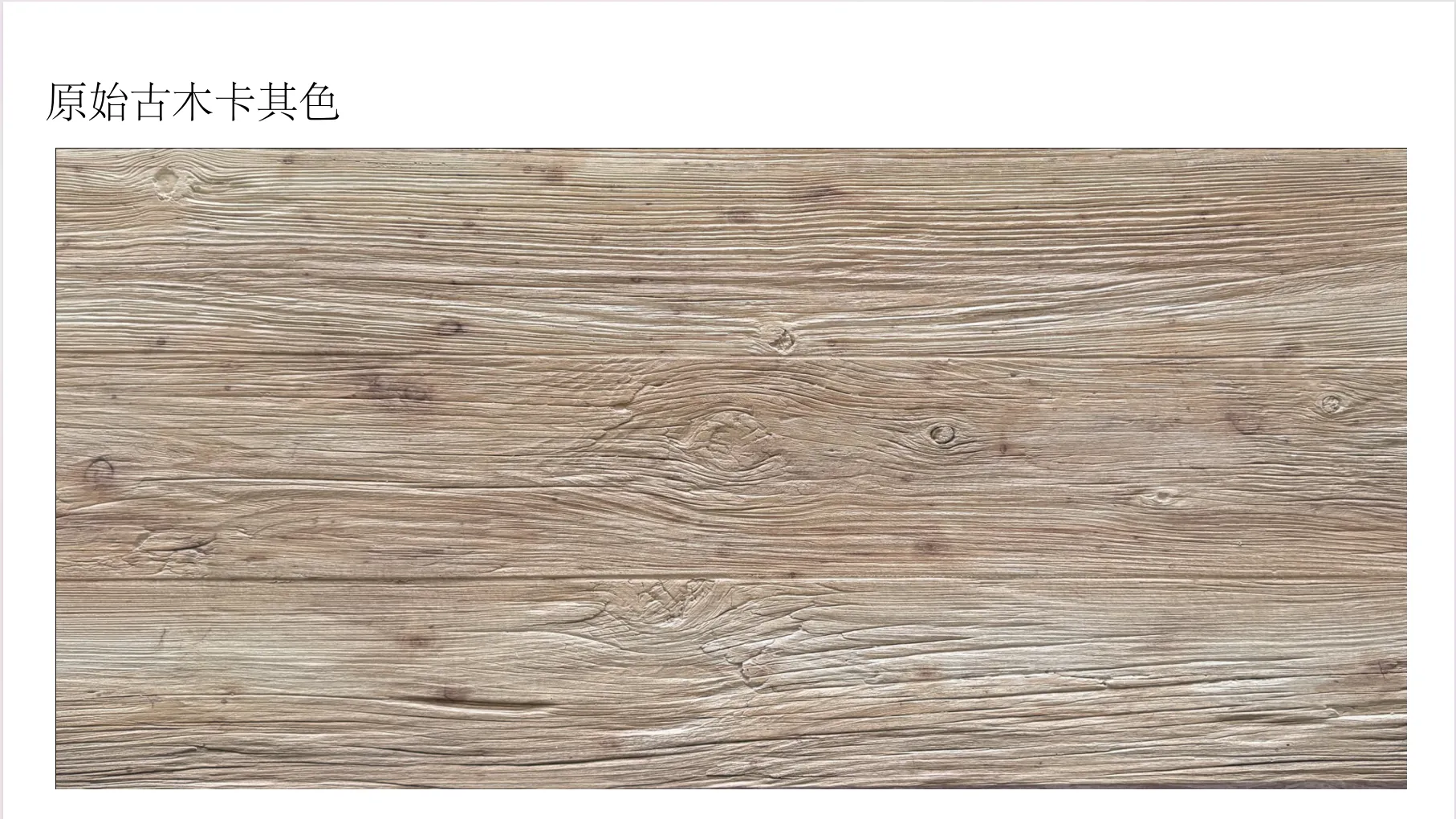
There's a moment we've all experienced: stepping into a room and feeling an instant sense of calm. Maybe it's the soft glow of light filtering through windows, or the way the air smells faintly of pine or cedar. But more often than not, it's the textures underfoot or on the walls—warm, organic, and unmistakably wood-like. Wood has a way of wrapping around us like a memory, conjuring images of childhood treehouses, grandparent's kitchens with wooden tables, or forest trails dappled with sunlight. It's no wonder that even in our sleek, modern world, we crave that connection to nature. Today, two materials stand out in capturing that timeless wood aesthetic: engineered wood and MCM (Modified Composite Material). Let's dive into how they honor the past, adapt to the present, and shape the spaces we love.
Wood isn't just a material—it's a storyteller. Every knot, grain, and imperfection tells of a tree's journey: years of sunlight, rain, and wind, growing tall before becoming part of our homes. Ancient civilizations understood this. The Vikings carved longships with wooden planks that sailed stormy seas; Japanese artisans crafted tansu chests with wood joinery so precise they've lasted centuries; Native American tribes built longhouses with cedar, its aroma warding off insects and evil spirits. Wood was more than functional—it was sacred, a bridge between the natural and human worlds.
Fast forward to today, and that reverence remains. Walk into a boutique hotel, a trendy café, or a minimalist home, and you'll likely find wood-inspired textures everywhere: on accent walls, flooring, furniture, even ceiling panels. We're drawn to it because it feels alive —unlike cold metal or sterile plastic, wood has warmth. It softens harsh lines, adds depth, and makes spaces feel lived-in. But here's the catch: natural wood has limits. It warps in moisture, fades in sunlight, and requires constant upkeep. And let's not forget sustainability—harvesting old-growth trees isn't always eco-friendly. That's where engineered wood and MCM step in: they aim to capture the soul of wood, minus the drawbacks.
Enter ancient wood —not the wood itself, but the aesthetic of wood that's aged gracefully. Think of a barn door with peeling paint, its grain deepened by decades of weather, or a wooden beam in a medieval cottage, smoothed by generations of hands. That's the texture designers chase: rich, imperfect, full of character. Both engineered wood and MCM set out to replicate this, but they take very different paths.
If natural wood is the original, engineered wood is its practical younger sibling. Made by bonding layers of wood veneer or fibers with adhesives, it's designed to be stronger, more stable, and more sustainable than solid wood. Picture a sandwich: a core of softwood or recycled wood fibers, topped with a thin layer of hardwood veneer. This construction resists warping, shrinking, or swelling—problems that plague solid wood in humid or dry climates. But what really makes engineered wood shine is its ability to mimic the look of natural wood, right down to the wood grain board surfaces that replicate the swirls and knots of oak, maple, or walnut.
Take a close look at a high-quality engineered wood floor, and you'll notice the wood line —those thin, parallel striations that mirror the growth rings of a tree. Run your finger over it, and you might even feel a subtle texture, as if you're touching real wood. Manufacturers use advanced printing techniques to create these patterns, often scanning actual wood planks to capture every nuance. The result? A surface that tricks the eye (and the hand) into thinking it's standing on 100-year-old hardwood, without the price tag or maintenance.
Engineered wood also gets points for sustainability. Many brands use FSC-certified veneers (ensuring responsible forestry) or recycled wood fibers in the core. Some even repurpose wood scraps that would otherwise end up in landfills. And because it uses thinner hardwood veneers, it maximizes the use of each tree—one log can produce far more engineered wood panels than solid wood planks. For homeowners or designers craving that cozy, cabin-like vibe, engineered wood delivers. It's perfect for interiors: bedrooms where you want soft underfoot, living rooms where you gather with family, or home offices that need a touch of warmth to counteract screen fatigue.
But engineered wood isn't without limits. While it handles indoor moisture better than solid wood, it's still not ideal for bathrooms or basements with high humidity. And when it comes to exteriors? Forget it—rain, snow, and UV rays will wear down that veneer over time. Plus, its aesthetic range is mostly limited to wood. If you want to blend wood with other textures (say, concrete or stone), you'll need to look elsewhere.
If engineered wood is a love letter to traditional wood, MCM is a modern art piece inspired by it. Short for Modified Composite Material, MCM is a flexible, lightweight material made by combining minerals, resins, and sometimes recycled materials. Think of it as a chameleon: it can mimic stone, concrete, metal, and yes—wood—with. But MCM doesn't just copy wood; it reimagines it, blending it with other textures to create something entirely new.
Take wood concrete board , for example. Part of MCM's innovative lineup, this material marries the warm, organic look of wood with the industrial edge of concrete. Run your hand over it, and you'll feel the smoothness of concrete, but your eye will catch the faint wood line patterns—like a tree pressed into wet cement, leaving its mark forever. It's rugged yet refined, perfect for a loft apartment or a restaurant with an industrial-chic vibe. Unlike engineered wood, which is firmly rooted in wood's aesthetic, wood concrete board dances between two worlds, creating a texture that feels both familiar and unexpected.
Then there's bamboo mat board , another MCM standout. Bamboo has long been admired for its strength and sustainability, but MCM takes it a step further. Bamboo mat board replicates the look of woven bamboo mats, with each "strand" carefully textured to mimic the natural give of bamboo. Imagine a wall panel that looks like it was hand-woven from bamboo strips, but is actually lightweight, fire-resistant, and easy to install. It adds a tropical, artisanal touch to spaces—think boutique hotels in Bali or sunrooms that blur the line between indoors and out.
What makes MCM truly special is its versatility. Unlike engineered wood, which is mostly for interiors, MCM can handle the great outdoors. Rain? Snow? Salt air? No problem. Its durable core resists moisture, mold, and fading, making it a favorite for exterior cladding, patio floors, or pool surrounds. And because it's flexible, it can be curved or shaped to fit unique architectural designs—something solid wood or even engineered wood struggles with. Want a curved accent wall with a wood-like texture? MCM can do that. Need exterior panels that look like ancient wood but won't rot? MCM has you covered.
To really understand the difference, let's put engineered wood and MCM's wood-inspired products head to head. We'll focus on four key areas: texture, durability, sustainability, and vibe.
| Aspect | Engineered Wood (e.g., Wood Grain Board) | MCM (e.g., Wood Concrete Board, Bamboo Mat Board) |
|---|---|---|
| Texture Depth | Authentic wood grain with subtle tactile variation; feels like sanded wood. | Deeper, more varied textures—wood concrete board has concrete's smoothness with wood line imprints; bamboo mat board has woven, dimensional ridges. |
| Durability | Good for interiors; resists warping but vulnerable to moisture, scratches, and UV damage. | Excellent for exteriors and high-traffic areas; moisture-resistant, fire-retardant, and fade-proof. |
| Sustainability | Uses FSC-certified veneers and recycled wood fibers; reduces waste vs. solid wood. | Often contains recycled minerals/resins; lightweight design reduces transportation emissions. |
| Aesthetic Range | Focused on traditional wood looks (oak, maple, walnut); limited to wood-inspired designs. | Blends wood with other textures (concrete, bamboo weave); can mimic ancient wood, modern industrial, or tropical vibes. |
| Best For | Cozy interiors: bedrooms, living rooms, dining areas where warmth is key. | Statement walls, exteriors, commercial spaces: think restaurants, hotels, or outdoor patios where texture and durability matter. |
At the end of the day, there's no "better" material—only the right one for your space and mood. Let's say you're designing a family room. You want it to feel like a hug, where kids can spill juice and dogs can nap without worry. Engineered wood wood grain board flooring would work beautifully here: warm, soft underfoot, and easy to clean (with a good finish). It's the kind of floor that will collect scuffs and scratches over the years, but those marks will tell your family's story—like the dents in a well-loved wooden spoon.
Now, imagine you're designing a boutique hotel lobby in a coastal city. You need something that can withstand salt air, foot traffic, and the occasional rainstorm, but still feels inviting. MCM wood concrete board on the accent wall would steal the show. It has the gravitas of concrete to anchor the space, but the wood lines add warmth, making guests feel welcome even as they admire the modern design. And if you want to add a tropical twist to the outdoor terrace? Bamboo mat board panels would transport visitors to a beachside retreat, minus the worry of bamboo rotting in the rain.
What if you're torn? Maybe mix them. Use engineered wood for the interior floors and MCM bamboo mat board for the exterior facade. The result? A home that feels cozy inside and striking outside, united by a shared love of natural textures. After all, design is about balance—and both materials excel at bringing that balance to life.
As we look ahead, one thing is clear: our love affair with wood isn't fading. But how we bring that love into our spaces is evolving. Engineered wood and MCM are more than just materials—they're proof that we can honor tradition while innovating. They let us hold onto the warmth of ancient wood while embracing the durability and creativity of modern technology.
Whether you choose engineered wood's authentic grain or MCM's bold, blended textures, you're not just decorating a space—you're creating an experience. A experience that makes people pause, run their hands over the wall, and think, "This feels like home." And isn't that the point of design? To turn houses into homes, and spaces into stories.
So the next time you step into a room with wood-inspired textures, take a moment to appreciate the magic. Behind that wood line or woven bamboo pattern is a blend of history and innovation—a reminder that even as we build for the future, we never lose sight of what makes us feel human: connection, warmth, and the timeless beauty of nature.
Recommend Products












