
Building facades are more than just protective shells—they're the skin of a structure, the first conversation it has with the world. For decades, glass dominated the skyline, celebrated for its sleek, modern sheen that mirrored clouds and city lights. But in recent years, a quieter revolution has taken hold: MCM (Modified Composite Material) cladding, with its flexible textures and warm soul, is redefining how buildings interact with light, especially during those fleeting, magical moments of golden sunset. Let's explore why MCM might just be the better storyteller when the sun dips low—and how materials like travertine (starry green) , foamed aluminium alloy board (vintage silver) , and fair-faced concrete are turning facades into canvases for nature's most beautiful light show.
Glass cladding arrived with a promise: to erase boundaries between indoors and outdoors, to make buildings feel weightless, like they're floating on air. And in fairness, it delivers—on a bright day, a glass facade becomes a mirror, turning the sky into its backdrop, making the building feel part of the clouds. But here's the catch: glass is a perfectionist. It reflects light with unapologetic intensity, which sounds lovely until you're squinting through a car window at 5 PM, blinded by a wall of mirrored sunlight. Worse, at golden hour—the time when the sun blushes and paints the world in honeyed tones—glass often feels cold. It doesn't glow ; it flashes , turning the warm sunset into a harsh, almost clinical display. I once walked past a glass office building during sunset and remember thinking, "That's beautiful, but it doesn't feel… alive." It was like looking at a photograph of a sunset instead of standing in it.
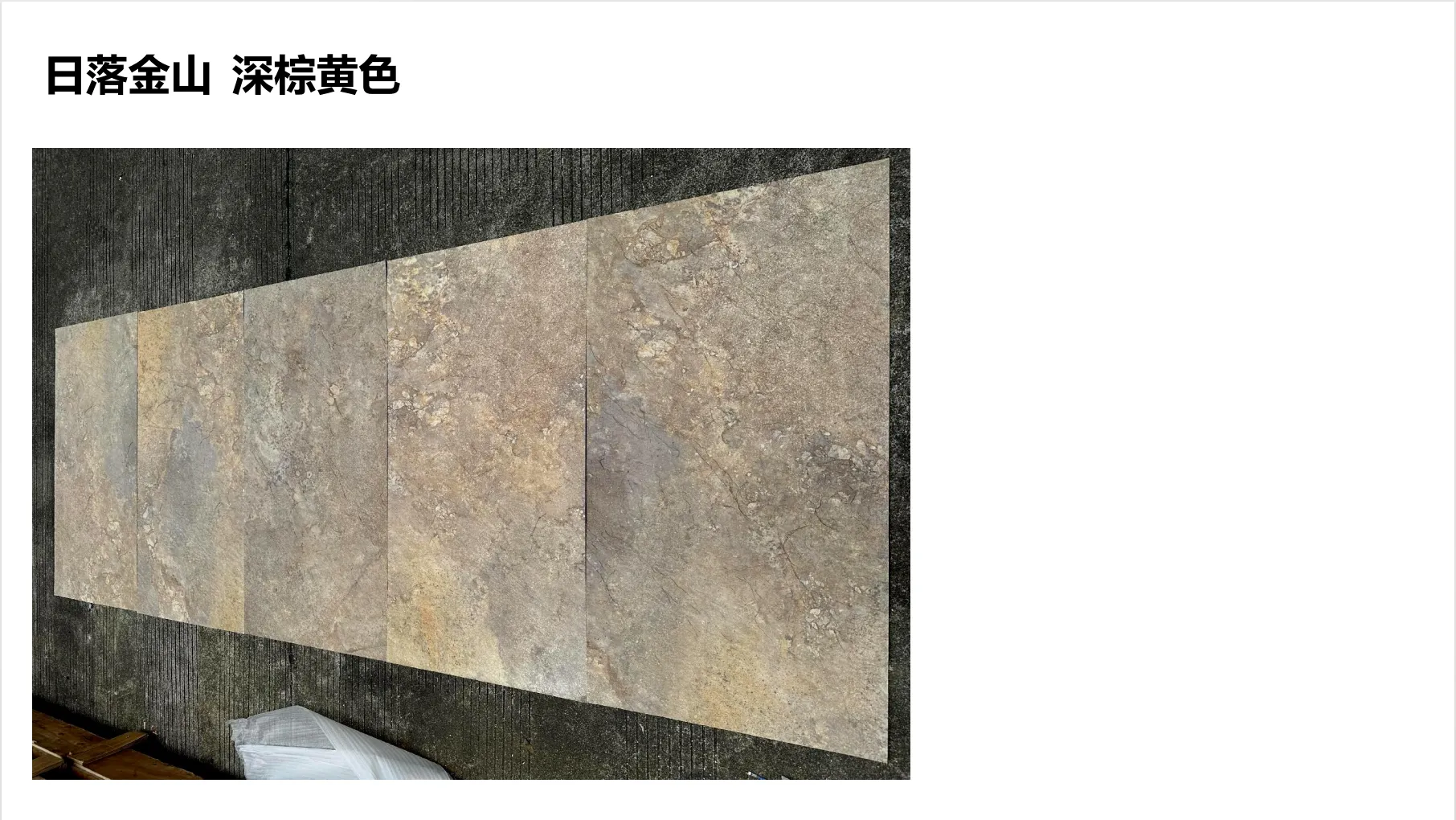
MCM cladding, on the other hand, is the opposite of a perfectionist—it's a collaborator. Take MCM flexible stone , for example. It's not just a flat panel; it's engineered to mimic the irregularities of natural stone, with pores, veins, and textures that feel like they were shaped by wind and water. Run your hand over a piece of travertine (starry green) , and you'll find tiny, star-like indentations that catch light like scattered dew. These aren't just for show—they're functional. Unlike glass, which is a smooth, unforgiving surface, MCM's texture interacts with light. It doesn't just bounce it back; it scatters it, softens it, and turns harsh rays into a warm glow. And it's versatile: whether you want the raw, earthy look of fair-faced concrete or the subtle metallic sheen of foamed aluminium alloy board (vintage silver) , MCM adapts to tell the building's unique story.
| What Matters | Glass Cladding | MCM Cladding |
|---|---|---|
| Light Reflection | Harsh, mirror-like—can cause glare; washes out in golden light. | Soft, diffused—textures scatter light, creating a warm, glowing effect at sunset. |
| Texture | Smooth, uniform—feels cold and impersonal up close. | Organic, varied—mimics stone, metal, or wood, with tactile depth. |
| Warmth Factor | Feels distant—like looking at a screen, not a living surface. | Inviting—textures and light interaction make buildings feel grounded and alive. |
| Sustainability | Often energy-heavy to produce; poor insulation can drive up AC costs. | Lightweight (reduces structural load); many options use recycled materials; better thermal performance. |
Let's talk about the real star here: Golden Sunset real photos . These aren't just pretty pictures—they're proof of how MCM transforms light into emotion. Take a building clad in travertine (starry green) , for instance. The "starry" part isn't just a name; it's tiny, irregular pits in the stone that act like little light traps. At golden hour, when the sun is low, those pits catch the warm light and glow, like someone scattered a handful of golden dust across the facade. It's not blinding—it's cozy , like the way sunlight filters through tree leaves onto a forest floor.
Then there's foamed aluminium alloy board (vintage silver) . You might think "silver" would feel cold, but the "vintage" finish is key—it's not a shiny mirror but a soft, brushed texture that absorbs the golden light and re-emits it with a warm, amber hue. Imagine a facade that looks like polished brass at sunset, not stainless steel. It's the difference between a appliance and a handcrafted metal lantern glowing on a porch.
Even fair-faced concrete , with its understated, industrial vibe, shines here. Its subtle pores and rough surface don't reflect light directly—they hold it, like a sponge soaking up water. As the sun sets, the concrete slowly releases that light, fading from golden to soft pink, like the embers of a dying fire. It's quiet, but deeply comforting—no glare, just a gentle goodnight to the day.
Balanced light reflection isn't just about beauty—it's about livability. Glare from glass facades can disrupt neighboring buildings, make streets uncomfortable for pedestrians, and even affect wildlife (birds sometimes mistake glass for open sky). MCM, with its diffused reflection, solves that. It's polite—it doesn't shout; it whispers. And functionally, materials like MCM flexible stone and fair-faced concrete are better at regulating heat. Glass traps sunlight, turning buildings into greenhouses and driving up cooling costs. MCM, with its texture, allows heat to dissipate, keeping interiors cooler and reducing energy use. It's a win-win: better for the planet, better for the people inside.
Glass cladding will always have its place—there's a time and a building for that sleek, modern look. But when it comes to creating facades that feel human, that interact with light in a way that warms the heart, MCM is in a league of its own. It's not just about materials like travertine (starry green) or foamed aluminium alloy board (vintage silver) —it's about choosing a facade that doesn't just reflect the world but participates in it. A facade that turns golden sunsets into stories, and buildings into places that feel like they belong.
So the next time you watch the sun set, take a look around. Notice the buildings that glow, not flash. The ones that feel like they're breathing, not just standing. Chances are, they're wrapped in MCM—and they're not just buildings anymore. They're part of the sunset, too.
Recommend Products












