
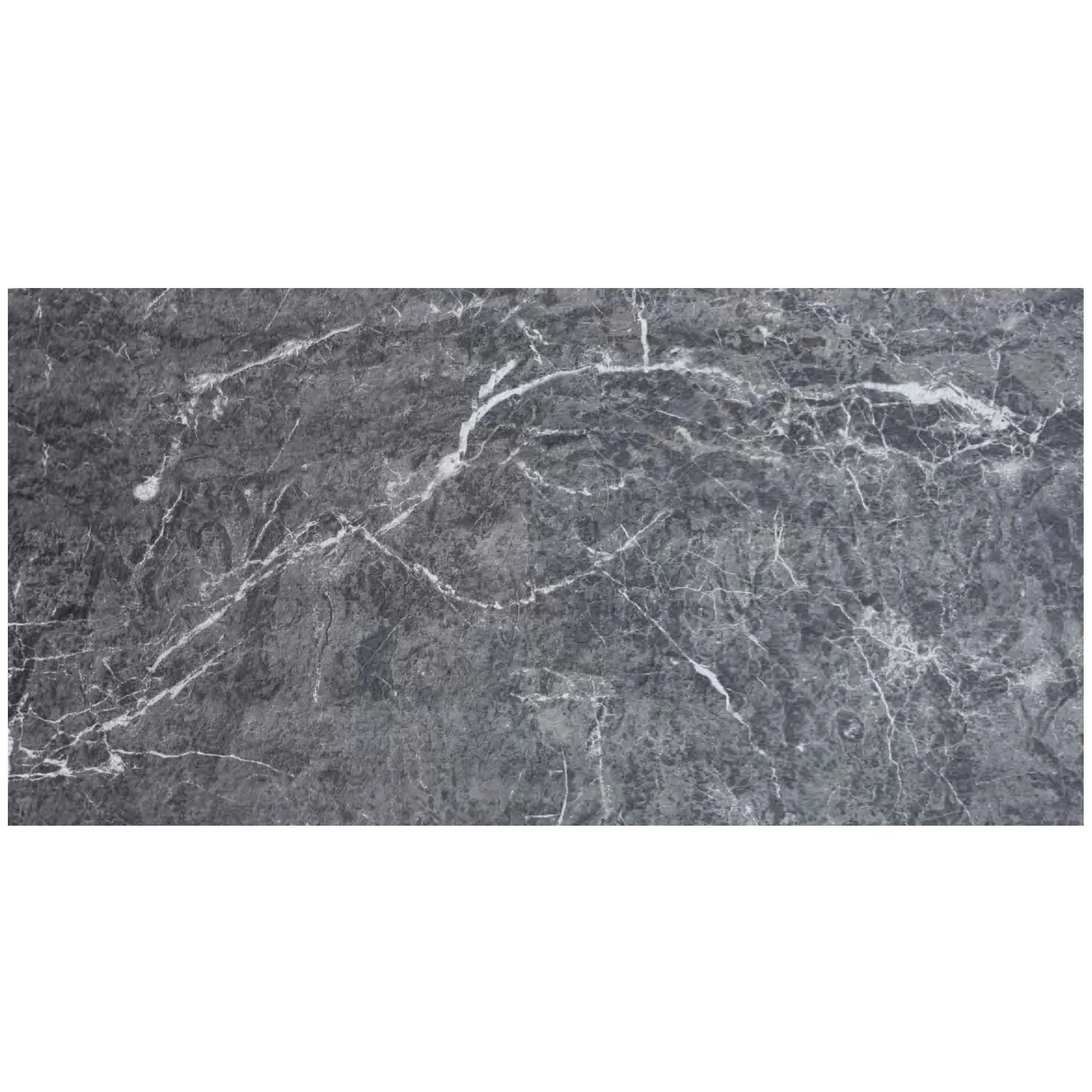
Sound shapes our experience of space more than we often realize. The hum of a busy street filtering through a wall, the echo of laughter in a restaurant, the quiet rustle of a book turning in a home office—these moments are all influenced by the materials that surround us. When it comes to building or renovating, choosing the right cladding or surface material isn't just about aesthetics; it's about crafting environments that feel comfortable, calm, and truly ours. Today, we're diving into two standout materials in the world of architectural design: MCM flexible stone and Granite Nero Margiua . Beyond their visual appeal, we'll explore how they perform in a critical but often overlooked area: acoustic insulation. Whether you're designing a cozy home, a bustling café, or a serene workspace, understanding how these materials manage sound could be the key to creating a space that doesn't just look good, but feels good too.
Before we compare MCM flexible stone and Granite Nero Margiua, let's take a step back and ask: what even is acoustic insulation, and why does it matter? At its core, acoustic insulation is about controlling how sound travels—both through materials (like walls or floors) and within a space (like echoes or reverberation). It's measured in two key ways: Sound Transmission Class (STC), which rates how well a material blocks sound from passing through (think: a neighbor's TV through a shared wall), and Noise Reduction Coefficient (NRC), which measures how much sound a material absorbs (think: softening the echo in a large room).
But acoustic insulation isn't just about silencing noise. It's about balance. A room with poor absorption can feel cold and hollow, where every word feels like it's bouncing off the walls. A room with no sound transmission control can feel invasive, where privacy is nonexistent. The right material strikes a harmony: blocking unwanted external noise while absorbing just enough internal sound to keep the atmosphere warm and inviting. This balance affects everything from our stress levels (constant noise raises cortisol!) to our ability to focus, connect, and even sleep. In short, acoustic insulation isn't a "nice-to-have"—it's a cornerstone of creating spaces that support our well-being.
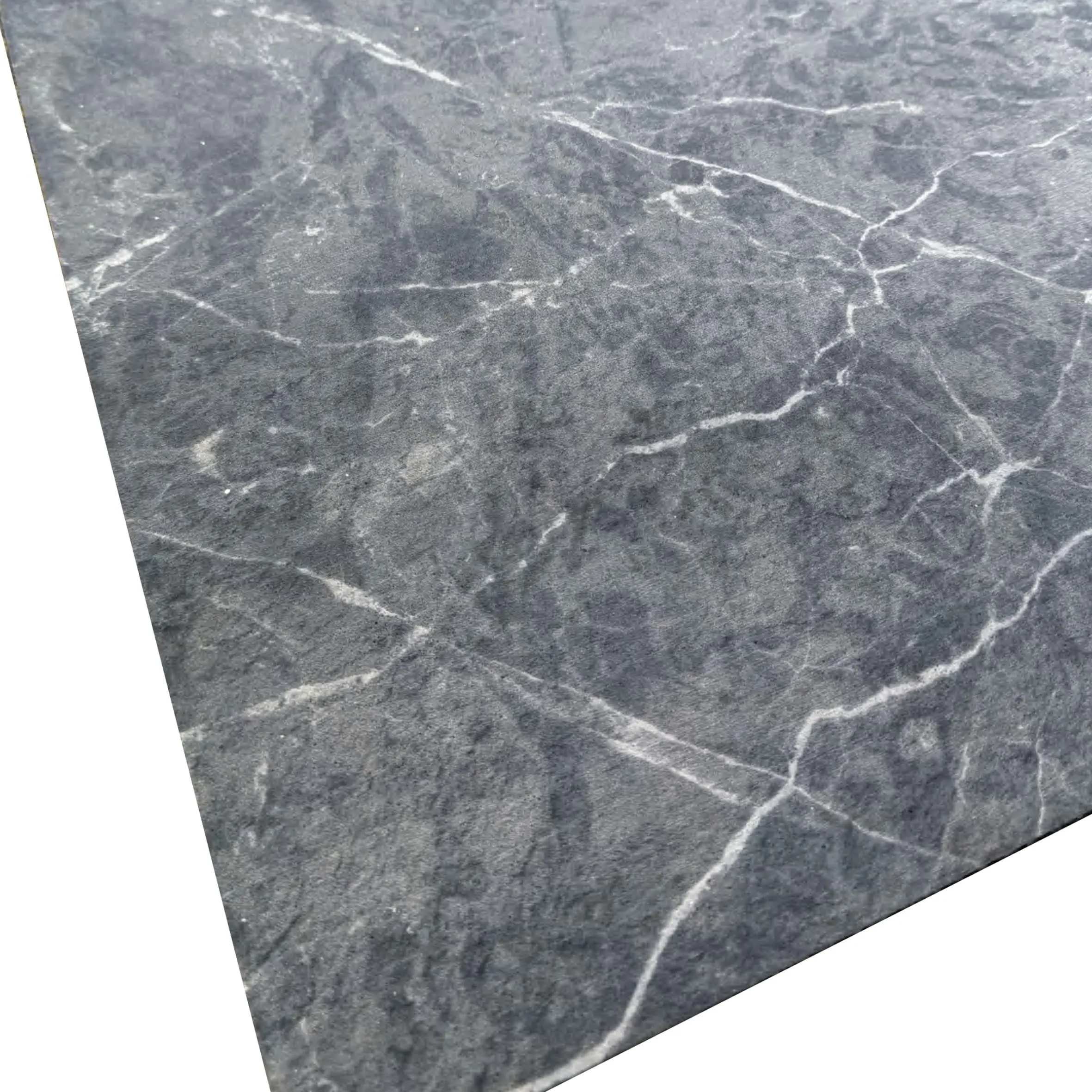
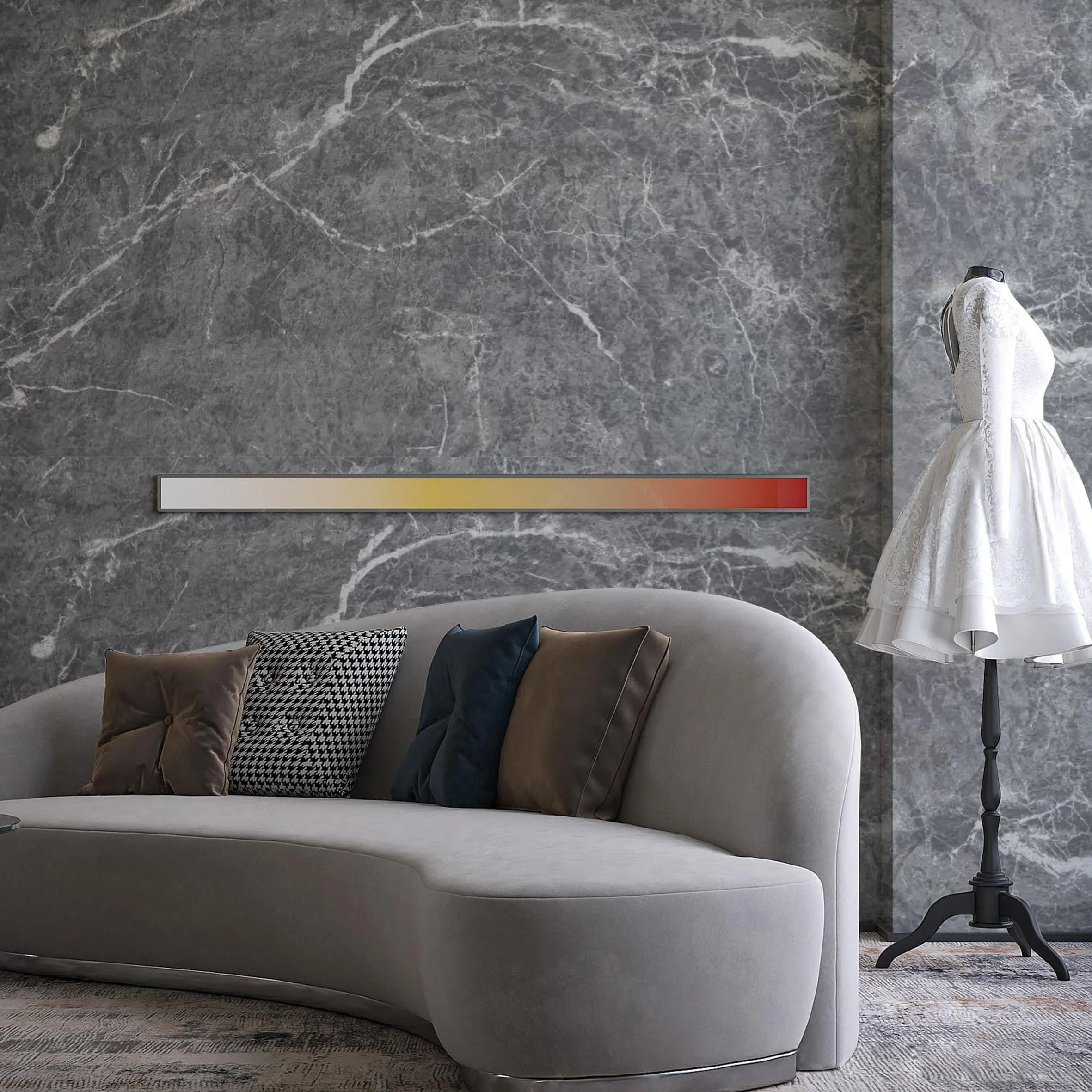
First up: MCM flexible stone. If you're not familiar with MCM (short for Modified Composite Material), think of it as the rebel with a cause in the world of building materials. Born from a desire to combine the beauty of natural stone with the practicality of modern engineering, MCM flexible stone is part of the broader MCM project board series —a line of materials designed to be lightweight, durable, and adaptable. Unlike traditional stone slabs, which are heavy and rigid, MCM flexible stone is thin (often just 3-5mm thick), bendable, and surprisingly strong. It's made by bonding layers of natural stone particles or aggregates with high-performance polymers, resulting in a material that retains the texture and look of real stone but with a flexibility that opens up endless design possibilities.
What makes MCM flexible stone stand out is its versatility. It can mimic the appearance of travertine, marble, or even wood grain, but with the added benefits of being water-resistant, fire-retardant, and easy to install. It's used everywhere from residential accent walls to commercial facades, and its lightweight nature means it puts less stress on building structures—a boon for renovations or high-rise projects. But today, we're here for its acoustic chops. How does this modern composite stack up when it comes to taming sound?
On the other side of the ring, we have Granite Nero Margiua—a material with roots as old as architecture itself. Granite, known for its strength and durability, has been used for centuries in temples, monuments, and grand buildings. Nero Margiua, in particular, is a striking variety: deep black with subtle white or gray veining, it exudes luxury and timelessness. Quarried from natural stone deposits, it's a dense, hard material that's prized for its resistance to scratches, heat, and wear. In modern design, it's often used for countertops, flooring, and feature walls, where its bold color and polished finish make a statement.
Granite Nero Margiua's appeal lies in its permanence. It's a material that ages gracefully, developing a patina over time that only adds to its character. But density and hardness—traits that make it so durable—also influence how it interacts with sound. Unlike softer materials that might absorb sound, granite is rigid and solid. How does that translate to acoustic performance? Does its classic status hold up in a world where comfort (and quiet) is king?
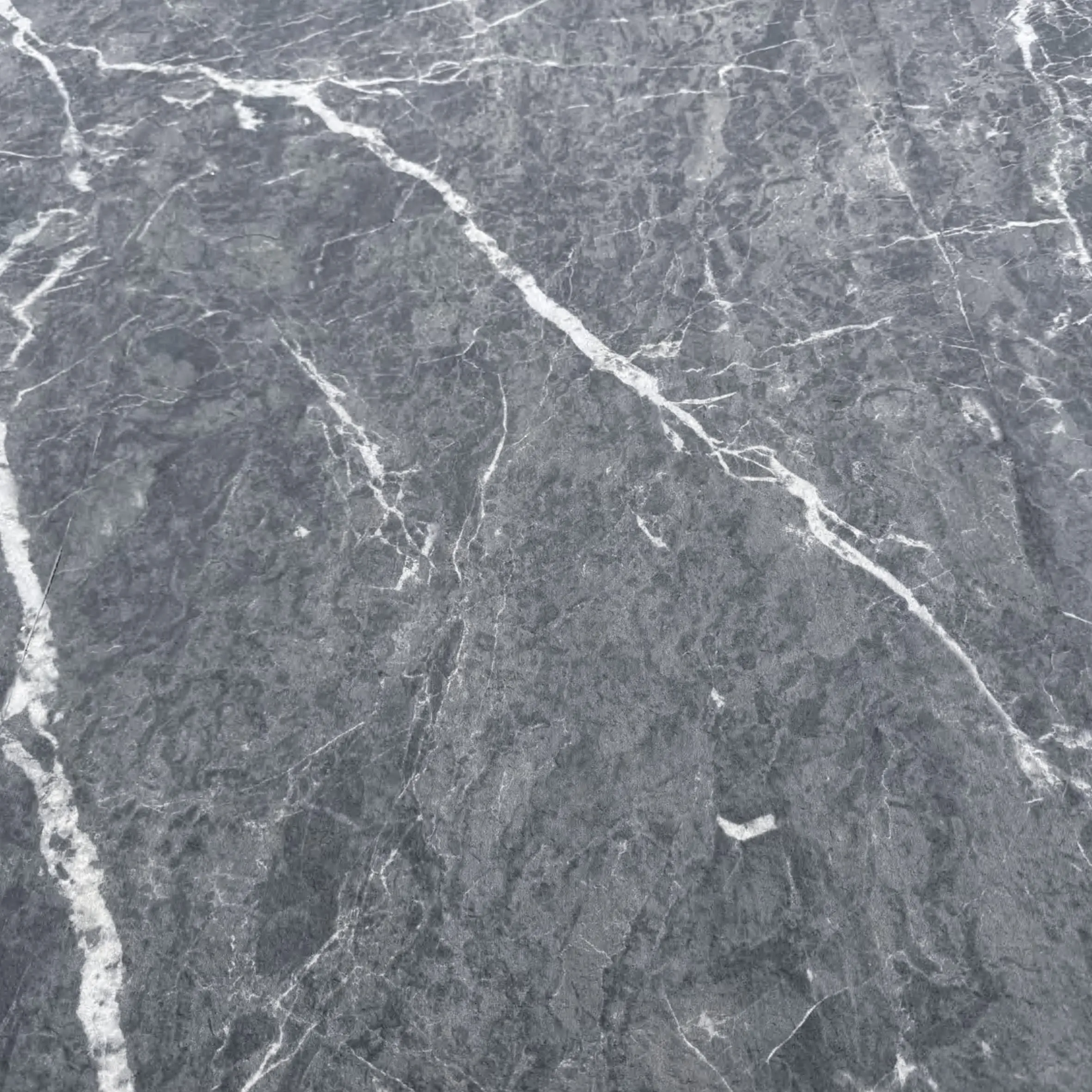
Let's start with MCM flexible stone. To understand its acoustic properties, we need to look at its structure. Remember, MCM is a composite material: layers of stone particles bound by polymers. This layered, slightly porous structure is key. When sound waves hit a surface, they can either bounce off (reflection), pass through (transmission), or be absorbed (converted into heat energy). MCM's flexibility and micro-porosity mean it's more likely to absorb sound than rigid materials like granite.
In practical terms, this translates to a higher NRC rating. While exact numbers can vary by product line, MCM flexible stone typically scores an NRC of 0.6 to 0.8, depending on the finish. For context, a material with an NRC of 0 means it reflects all sound; 1.0 means it absorbs all sound. So 0.6-0.8 is impressive—it can soften mid-range frequencies (like human speech or kitchen clatter) and high frequencies (like a child's laughter or a coffee grinder) effectively. This makes it ideal for spaces where you want to reduce echo without making the room feel "dead." Think of a home living room where family conversations flow easily, or a restaurant where you can chat with friends without raising your voice over the buzz of the room.
When it comes to STC (blocking sound from passing through), MCM holds its own too. Its composite layers create a barrier that disrupts sound transmission better than thin materials like paint or wallpaper. While it's not as dense as solid stone, its flexibility allows for tighter installation (no gaps for sound to leak through), and when paired with insulation behind the wall, it can achieve STC ratings in the 40-50 range—enough to block most everyday noise, like a neighbor's TV or a barking dog. For a lightweight material, that's a strong showing.
Now, Granite Nero Margiua. Granite is dense—really dense. Its tight, crystalline structure leaves little room for sound waves to penetrate. Instead of absorbing sound, it reflects it. This makes for a low NRC rating, usually around 0.1 to 0.2. In other words, most of the sound that hits a Granite Nero Margiua surface bounces back into the room. This can lead to echoey spaces, especially in large, open areas with high ceilings. Imagine a kitchen with granite countertops and walls—clinking dishes, running water, and conversation might feel amplified, creating a harsh, busy atmosphere.
But what about STC? Here, granite's density works in its favor. Solid stone is an excellent sound blocker. A thick slab of Granite Nero Margiua (say, 2cm or more) can achieve STC ratings of 50 or higher—meaning it's great at stopping sound from passing through walls or floors. If you live in a noisy apartment building and want to block street noise or loud neighbors, a granite wall might seem like a good idea. But here's the catch: while it blocks external noise well, it doesn't do much to manage internal sound. So you might keep the street out, but your own conversations, music, or footsteps could echo around the room, making it feel less cozy.
Let's put this into context with a few real-life examples.
Scenario 1: A Home Office in a Busy Neighborhood You work from home and need to focus, but your street is lively with kids playing and cars passing by. You need to block external noise (high STC) and keep internal sounds (like your keyboard clicks or phone calls) from bouncing around. MCM flexible stone here would be a smart choice. Its decent STC, paired with good absorption, means you can block street noise while keeping your workspace quiet and focused. Plus, its lightweight nature makes it easy to install on existing walls without structural issues.
Scenario 2: A Luxury Restaurant with High Ceilings You want a space that feels elegant but not echoey—where guests can enjoy their meals and conversation without straining to hear. Granite Nero Margiua, with its low NRC, might create too much echo here. MCM flexible stone, with its higher absorption, would soften the noise, making the space feel warm and inviting. You could still use Granite Nero Margiua for accents (like a bar top) to add luxury, but pair it with MCM walls to balance the sound.
Scenario 3: A Basement Home Theater Here, blocking sound from escaping (so you don't disturb the rest of the house) is key. Granite Nero Margiua's high density would excel at blocking sound transmission—no more complaints from family members about movie night volume! But to avoid echo inside the theater, you'd need to pair it with acoustic panels or MCM flexible stone on the ceiling or side walls. It's a team effort: granite blocks the noise out, MCM absorbs the noise in.
Of course, acoustic insulation isn't the only factor in choosing between MCM flexible stone and Granite Nero Margiua. Let's touch on a few others that might influence your decision.
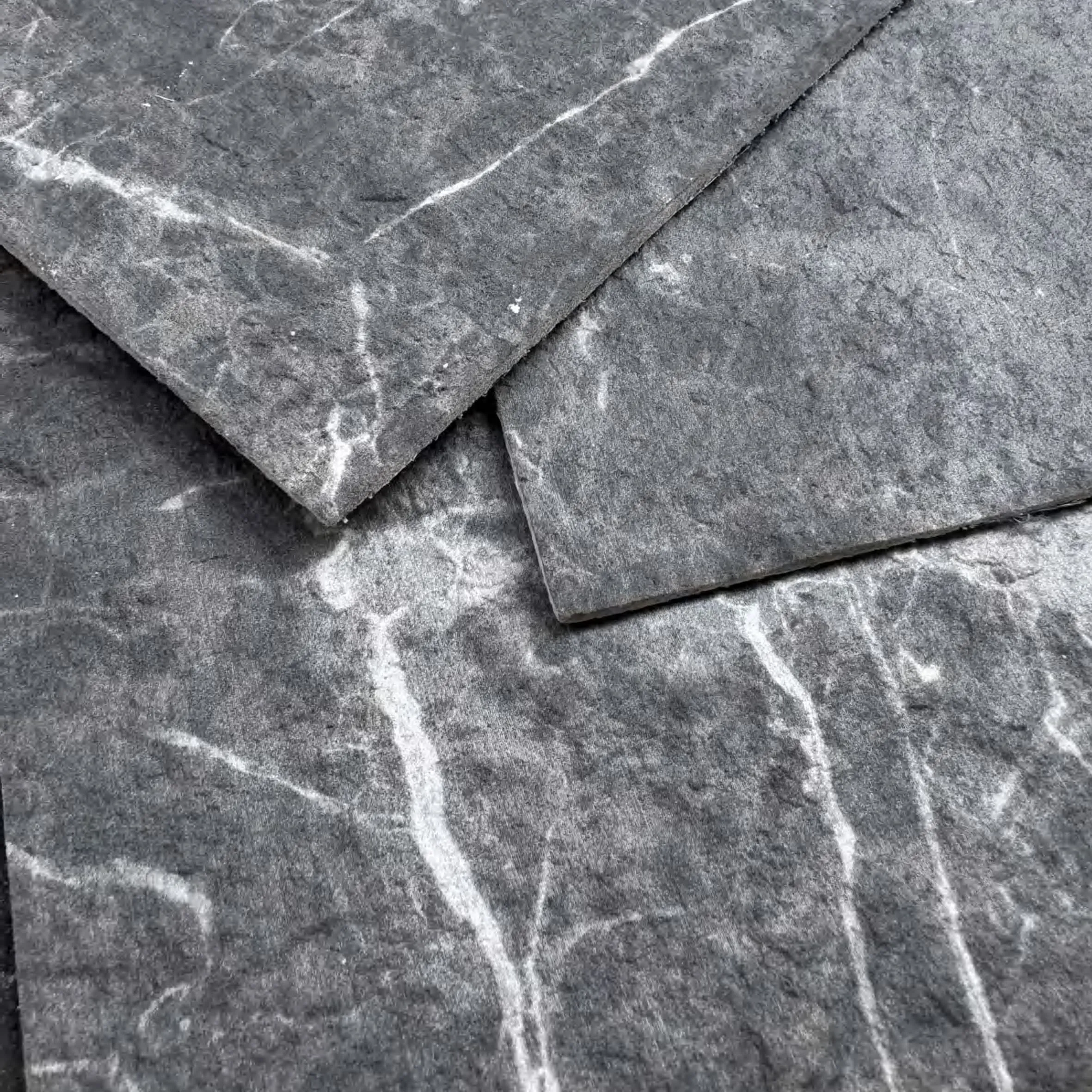
MCM flexible stone is a chameleon. It can mimic the look of travertine (starry green, starry red—you name it), wood grain, or even foamed aluminium alloy board (vintage silver) for a modern metallic vibe. Its flexibility means it can be curved, wrapped around columns, or used in intricate designs that solid stone can't match. For designers who want versatility and creativity, MCM is a dream.
Granite Nero Margiua, on the other hand, is all about bold, unapologetic luxury. Its deep black color with veining is a statement—think of a grand fireplace surround or a sleek kitchen island. It pairs well with modern, minimalist designs or classic, opulent spaces. If you want a material that says "permanence" and "prestige," granite delivers.
MCM flexible stone is a breeze to install. Its lightweight nature means it doesn't require heavy machinery or reinforced structures. It can be cut with standard tools and adhered directly to walls or substrates, saving time and labor costs. This makes it ideal for renovations or projects where weight is a concern (like older buildings or high-rises).
Granite Nero Margiua, being solid stone, is heavy. Installing it requires professional help, sturdy support structures, and careful handling to avoid cracks. It's also more expensive to transport and install, which can add up quickly in large projects. For new builds with strong foundations, this might not be an issue, but for renovations, it could be a dealbreaker.
MCM flexible stone often scores points here. Because it uses natural stone particles (sometimes recycled) and less material overall (due to its thin profile), it has a lower carbon footprint than quarrying and transporting full stone slabs. Many MCM products are also low-VOC and recyclable, aligning with green building trends.
Granite, while natural, is resource-intensive to quarry and transport. It's a finite resource, and the process of extracting and cutting it can have environmental impacts. That said, its longevity is a sustainability win—granite surfaces can last a lifetime, reducing the need for replacement.
| Feature | MCM Flexible Stone | Granite Nero Margiua |
|---|---|---|
| NRC Rating (Sound Absorption) | 0.6-0.8 (good absorption of mid/high frequencies) | 0.1-0.2 (low absorption; high reflection) |
| STC Rating (Sound Blocking) | 40-50 (good with insulation; tight installation) | 50+ (excellent; dense structure blocks sound well) |
| Best For | Softening echo in living rooms, restaurants, offices | Blocking external noise (e.g., street, neighbors) |
| Aesthetics | Versatile; mimics stone, wood, metal; flexible designs | Bold, luxurious; deep black with veining; classic look |
| Installation | Lightweight, easy to install; minimal structural support | Heavy, requires professional installation; sturdy support needed |
| Sustainability | Lower carbon footprint; uses recycled materials | Long-lasting but resource-intensive to quarry/transport |
There's no one-size-fits-all answer here—both MCM flexible stone and Granite Nero Margiua have their strengths. If your top priority is creating a space with warm, balanced acoustics (think: living rooms, bedrooms, cafes), MCM flexible stone is the way to go. Its ability to absorb sound while offering design flexibility makes it a modern favorite for spaces where comfort and atmosphere matter most.
If you need maximum sound blocking (say, a home theater or a apartment in a noisy area) and love the timeless luxury of natural stone, Granite Nero Margiua won't let you down. Just remember to pair it with absorbent materials (like MCM or acoustic panels) to avoid echo. And if budget or installation ease is a concern, MCM's lightweight, cost-effective nature gives it the edge.
At the end of the day, the best material is the one that aligns with your vision for the space. Do you want a room that feels soft and inviting, where sound wraps around you like a blanket? Go with MCM flexible stone. Do you want a fortress against external noise, with a touch of old-world elegance? Granite Nero Margiua is your match. And who says you can't have both? Mixing materials—MCM on the walls for absorption, granite on the floors for blocking—could be the secret to a space that's as functional as it is beautiful.
Sound is an invisible architect of our daily lives. It shapes our moods, our productivity, and our memories. By choosing materials that respect and enhance how sound behaves, we're not just building spaces—we're building experiences. Whether you lean into the modern versatility of MCM flexible stone or the timeless strength of Granite Nero Margiua, here's to creating spaces that sound as good as they look.
Recommend Products












