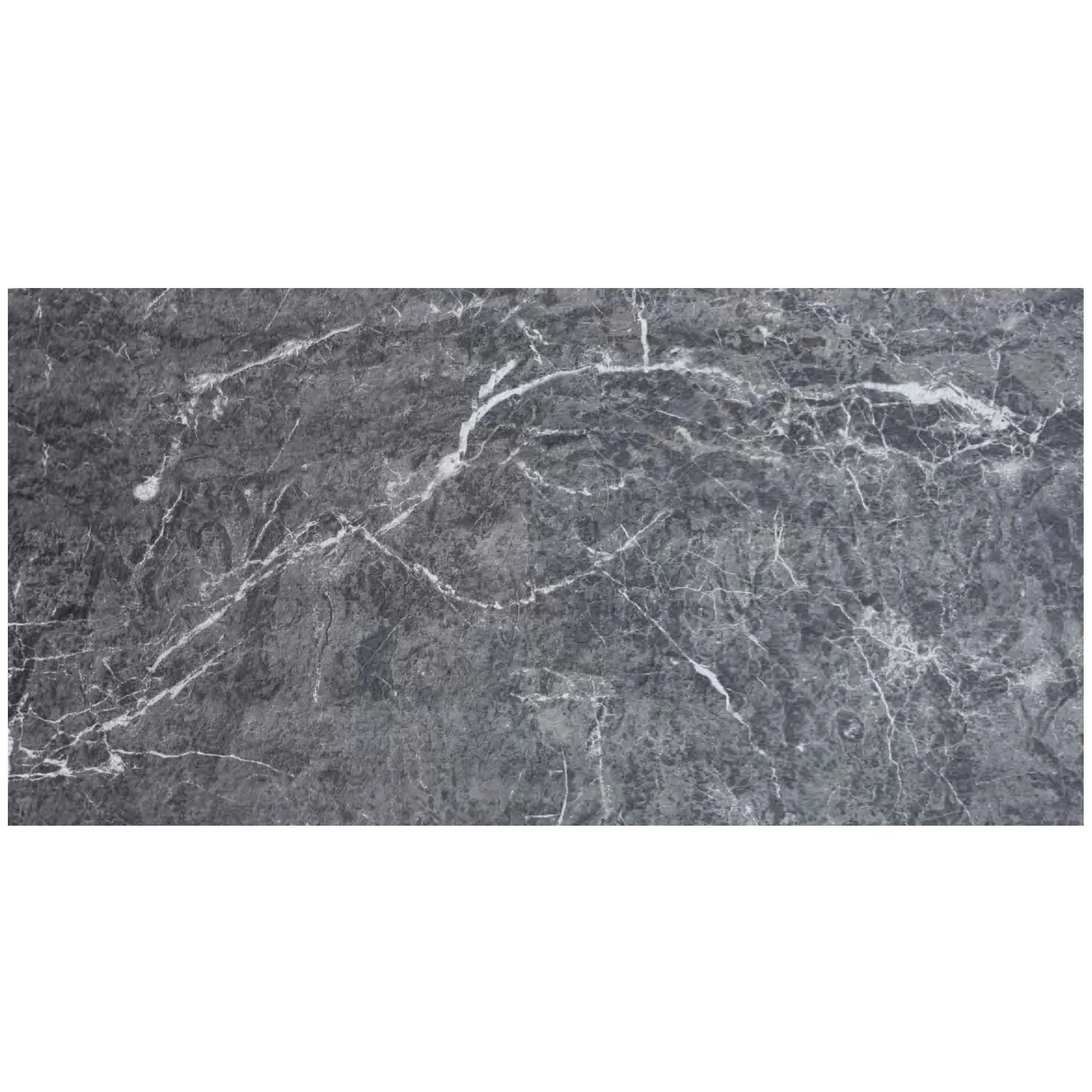
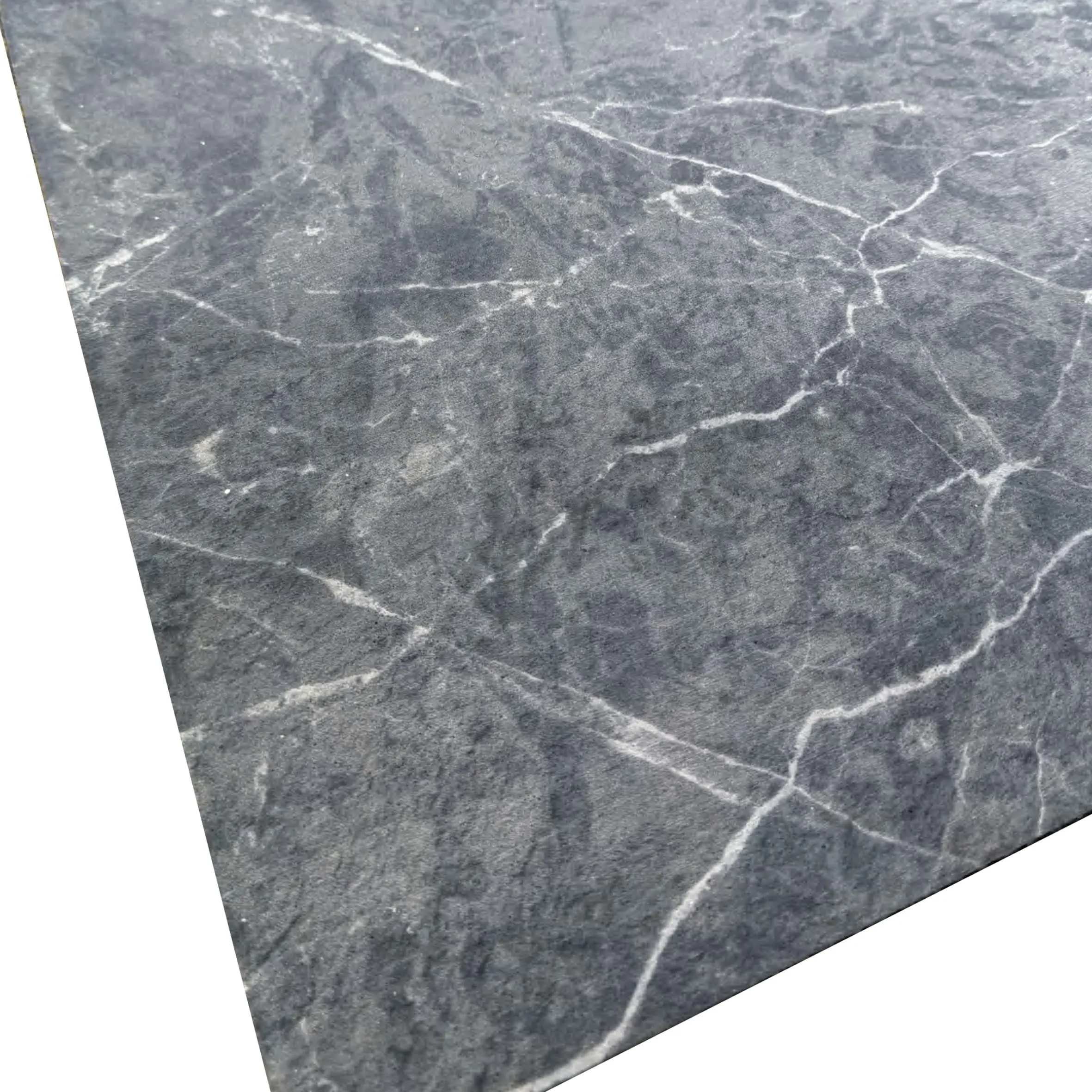
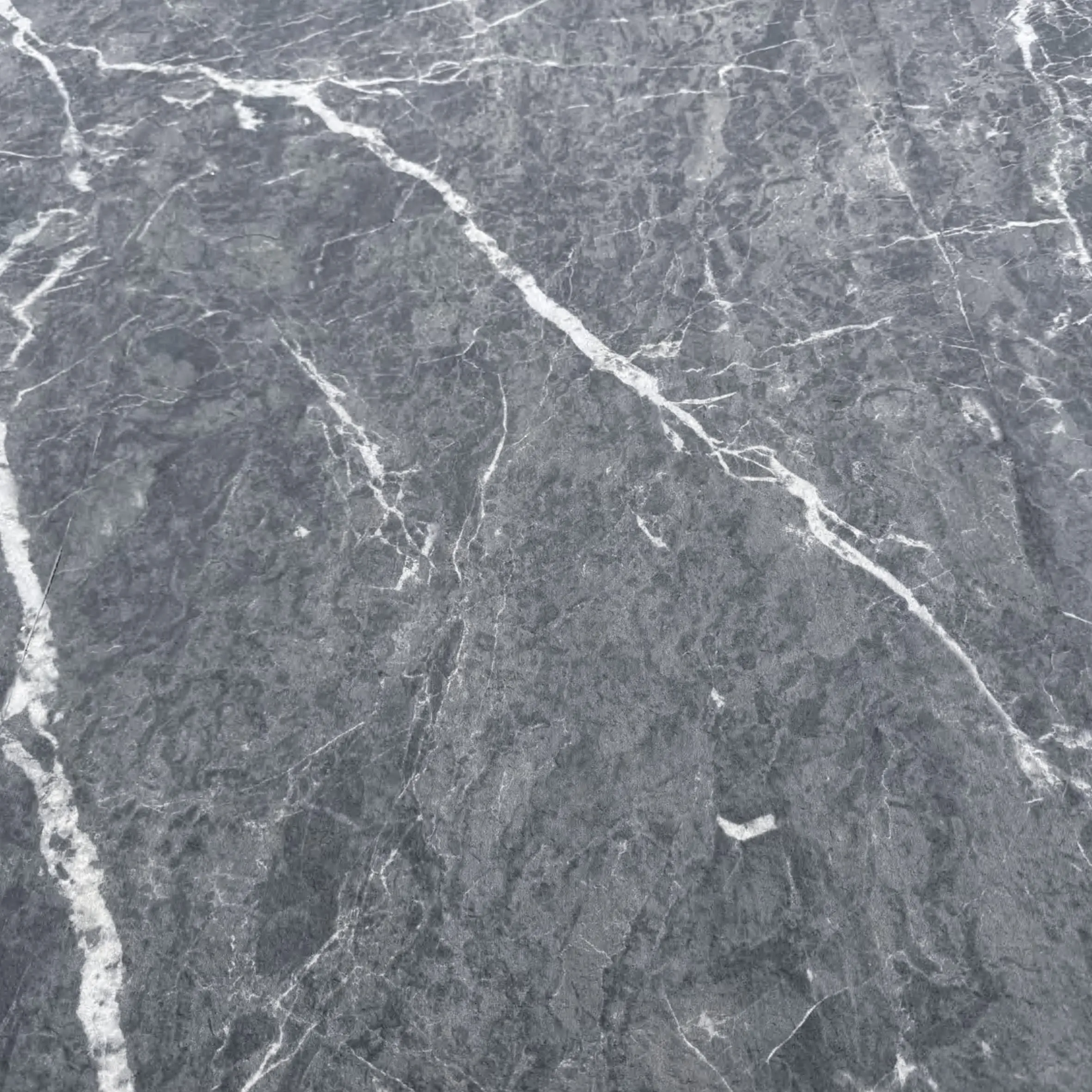
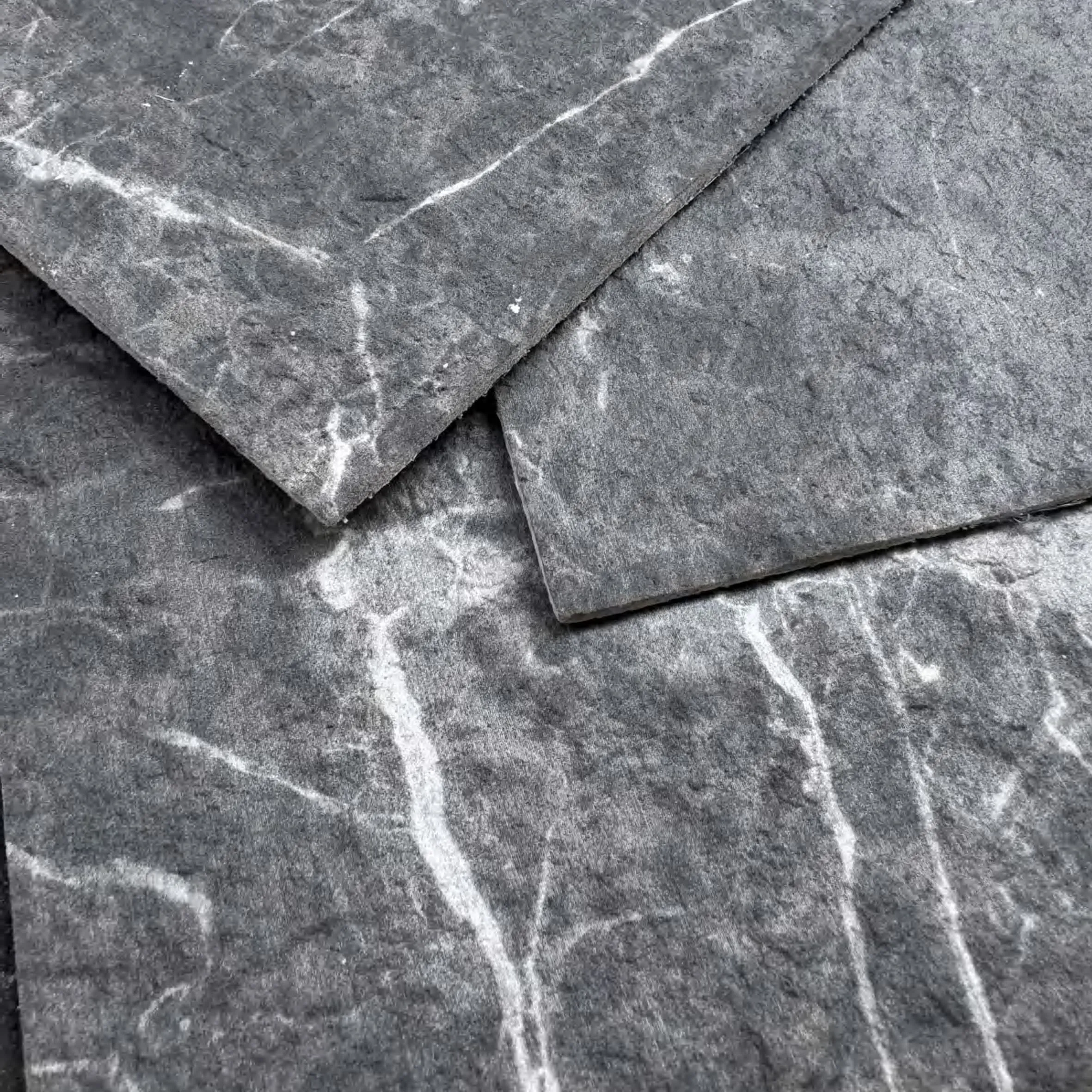
To truly understand the difference between these two materials, let's break down their carbon footprints step by step. We'll focus on four key stages: production, transportation, installation, and lifespan/maintenance. The numbers below are based on industry averages and lifecycle assessments (LCAs) conducted by green building organizations like the U.S. Green Building Council (USGBC).
|
Stage
|
MCM Flexible Stone (per sqm)
|
Granite Nero Margiua (per sqm)
|
Difference
|
|
Production (Extraction + Manufacturing)
|
12–15 kg CO2e
|
45–55 kg CO2e
|
Granite emits 3–4x more
|
|
Transportation (Quarry/Factory to Job Site)
|
2–5 kg CO2e*
|
15–20 kg CO2e**
|
Granite emits 3–10x more
|
|
Installation (Labor + Equipment)
|
3–5 kg CO2e
|
8–12 kg CO2e
|
Granite emits 2–3x more
|
|
Lifespan & Maintenance (30-Year Estimate)
|
5–8 kg CO2e
|
10–15 kg CO2e
|
Granite emits ~2x more
|
|
Total Carbon Footprint (30-Year Lifespan)
|
22–33 kg CO2e
|
78–102 kg CO2e
|
Granite emits 2.5–4.5x more
|
*Assumes local production (within 500 km of job site). **Assumes international shipping (e.g., Brazil to Europe or U.S.).
Why the Gap? Let's Dig Deeper
Production:
MCM's low carbon production starts with its raw materials. By using recycled stone powder and minimal polymer, manufacturers avoid the energy-heavy mining and cutting required for granite. For example, extracting granite requires heavy machinery that runs on diesel, and cutting slabs uses water-cooled saws that consume large amounts of electricity. MCM's compression process, by contrast, uses hydraulic presses that are far more energy-efficient.
Transportation:
Here's where MCM's lightweight design shines. A standard shipping container can carry 1,000–1,500 sqm of MCM panels, compared to just 200–300 sqm of granite slabs. Fewer containers mean fewer trucks, ships, or planes—and less fuel burned. For projects in regions like the Middle East or Europe, where granite is often imported from Brazil or India, this difference is even starker. A single container of granite traveling from Rio de Janeiro to Dubai emits roughly 1.2 tons of CO2; the same container filled with MCM emits just 0.2 tons.
Installation:
Installing granite requires heavy lifting equipment (like cranes or forklifts) and a larger crew, both of which contribute to higher emissions. MCM panels, on the other hand, can be carried by two workers and installed with simple adhesives or mechanical fasteners—no cranes needed. This not only cuts labor costs but also reduces the carbon footprint of the installation phase by up to 60%.
Lifespan & Maintenance:
Both materials are durable, but MCM often requires less upkeep. Granite may need periodic sealing (using chemical sealants that emit VOCs) and occasional polishing, which uses energy and water. MCM panels are resistant to stains, mold, and weathering, so they rarely need more than a quick wash with soap and water. Over 30 years, those small maintenance steps add up to significant carbon savings.