
Let's be honest—when you're planning a construction or renovation project, the last thing you want is to be blindsided by unexpected delays or skyrocketing labor bills. Two materials that often land on the shortlist are MCM (Modified Composite Material) and Granite Nero Margiua . One is a modern, engineered solution, and the other is a timeless natural stone. But how do they stack up when it comes to getting the job done quickly and affordably? That's what we're diving into today. We'll break down installation time, labor costs, and real-world scenarios to help you decide which material fits your project's needs—whether you're racing to finish a commercial build or sticking to a tight residential budget.
Before we jump into the nitty-gritty, let's make sure we're on the same page about these two materials. They might both end up on walls or floors, but their DNA is wildly different—and that's where the installation and cost differences start.
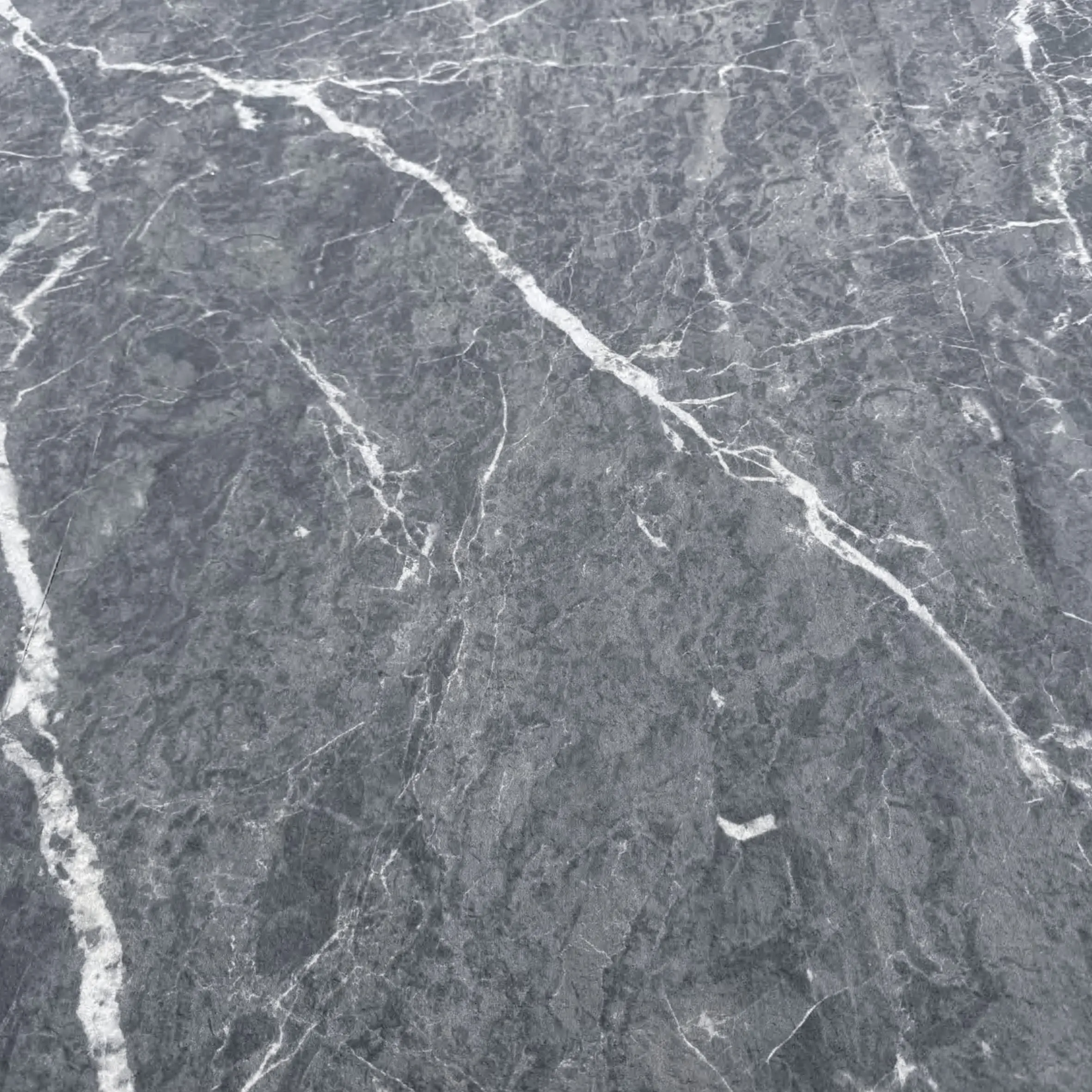
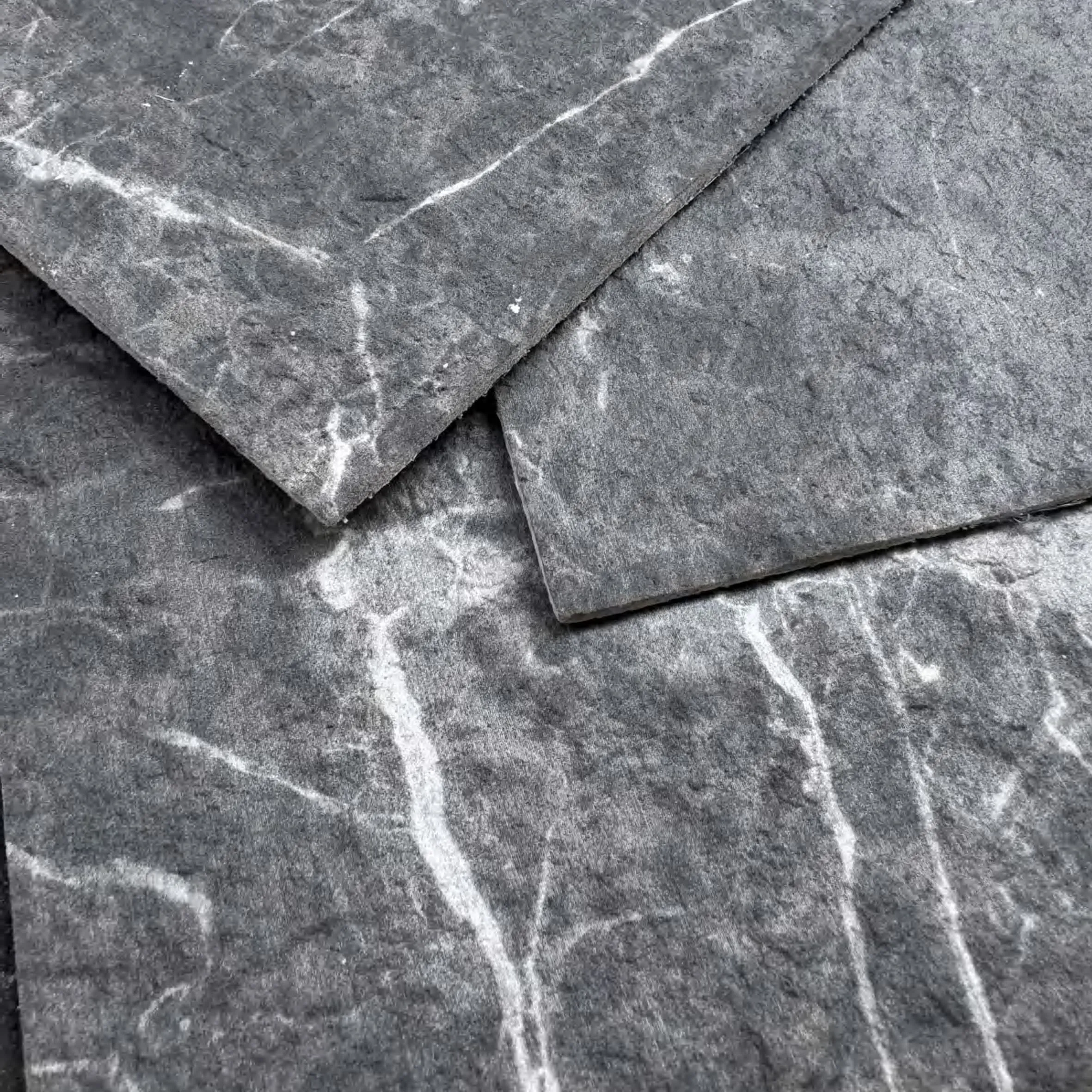
MCM, or Modified Composite Material, is like the new kid on the block with some serious tricks up its sleeve. Think of it as a hybrid: it mimics the look of natural stone or wood but is made from a blend of polymers, minerals, and fibers. What makes it stand out? MCM flexible stone and MCM big slab board series are game-changers here. These products are thin (often 3-6mm), lightweight (around 3-5kg per square meter), and bendable—meaning they can hug curves or uneven surfaces without cracking. Imagine carrying a large slab that's lighter than a bag of groceries versus heaving a 50kg stone slab; that's the MCM advantage in a nutshell.
MCM isn't just about convenience, though. It's designed for modern construction: water-resistant, fire-retardant, and customizable in colors and textures. For projects where time and labor efficiency matter as much as aesthetics, MCM is hard to ignore.
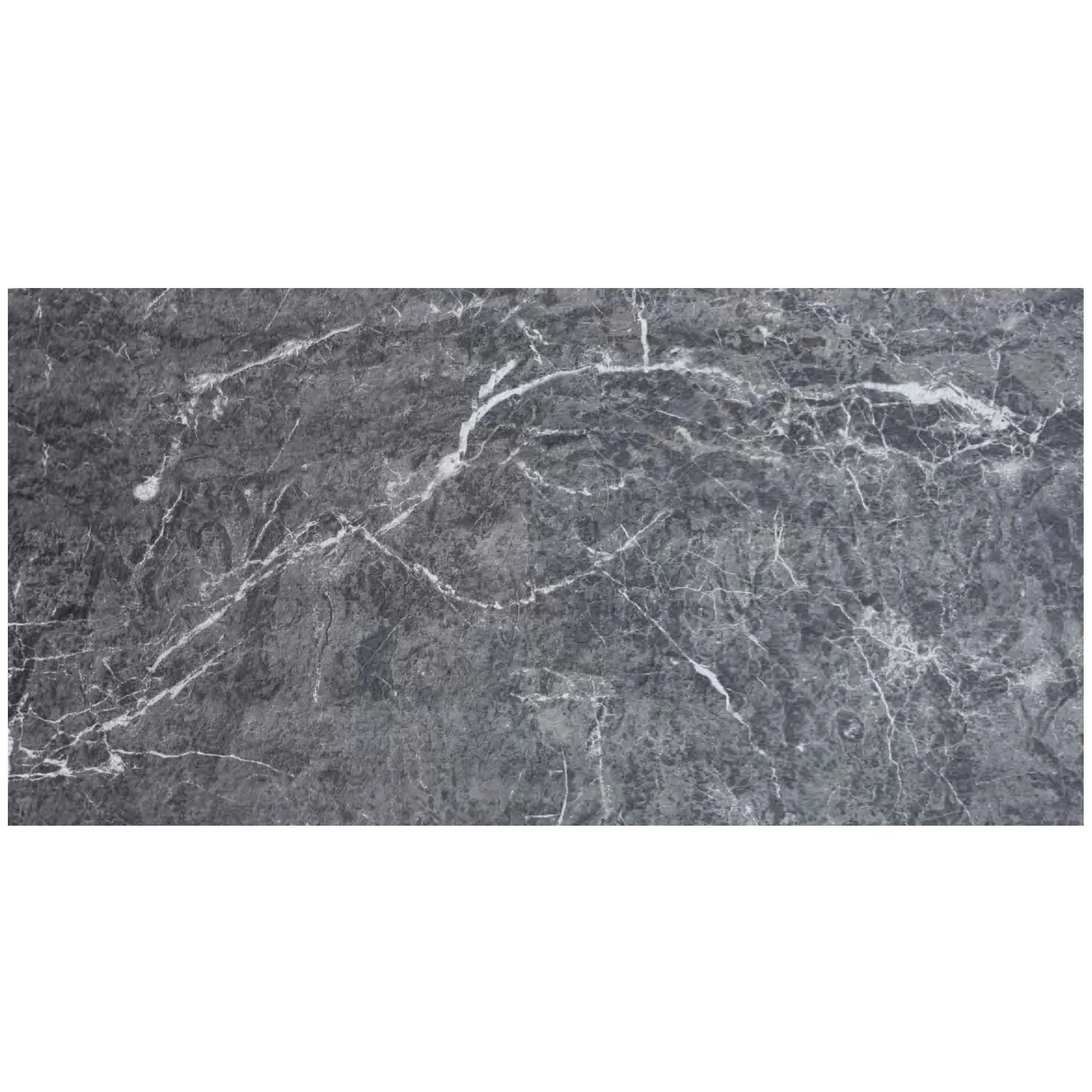
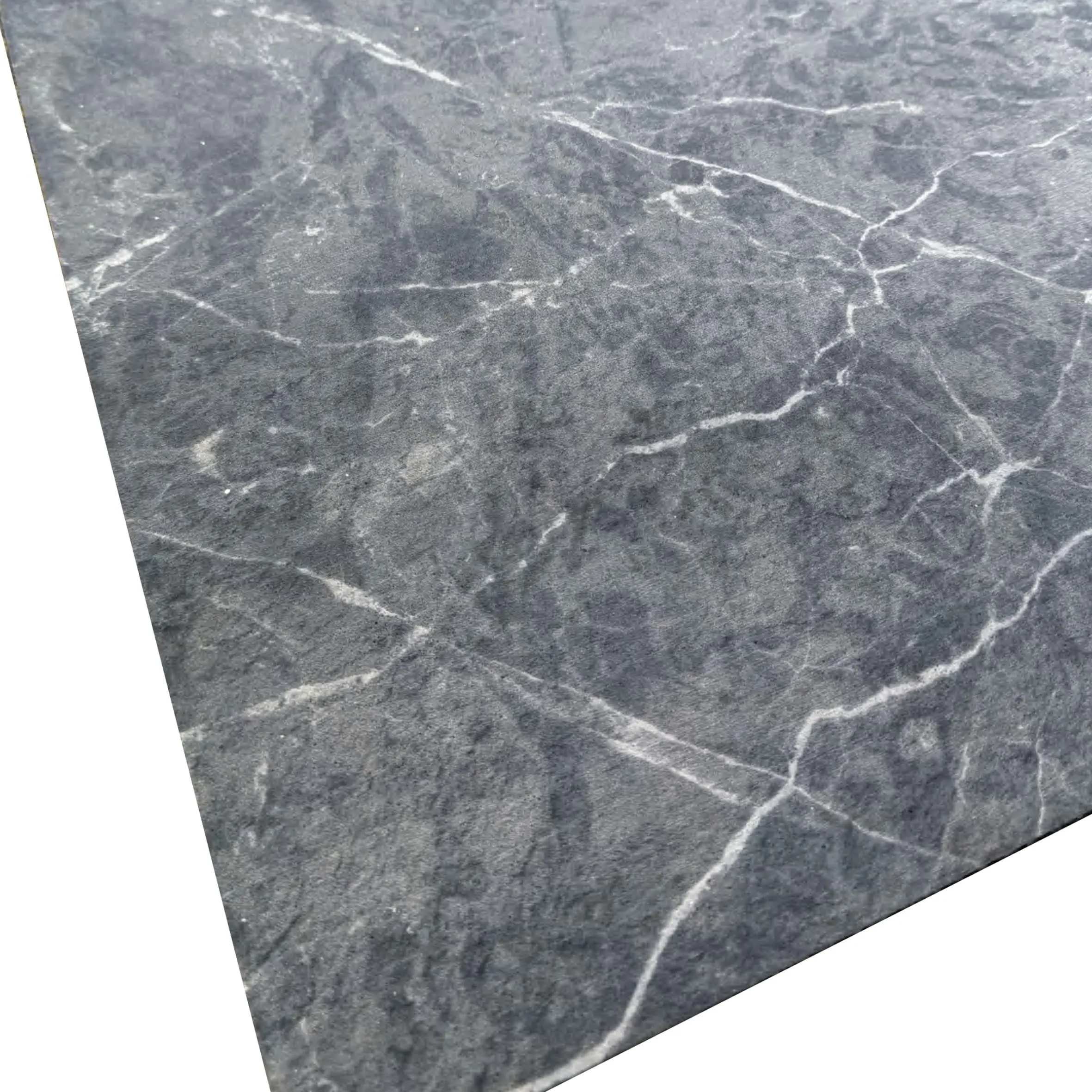
On the other side, we have granite nero margiua —a classic natural stone that's been gracing buildings for centuries. Picture deep, rich black granite with subtle white veining; it's bold, luxurious, and instantly elevates any space. But here's the catch: natural granite is dense. A standard 2cm thick slab can weigh 50-60kg per square meter, and thicker slabs? Even more. That weight isn't just a numbers game—it directly impacts how many people you need to move it, how you fix it to walls or floors, and how long the whole process takes.
Don't get me wrong—granite nero margiua is tough. It resists scratches, heat, and wear, making it a favorite for high-traffic areas. But that durability comes with a trade-off: installation is labor-intensive, and labor, as we all know, isn't cheap.
Time is money, especially in construction. A project that drags on not only eats into your budget but can delay openings, rentals, or move-ins. Let's walk through the installation process for both materials, step by step, to see where the clock starts ticking—and where it might stop early with MCM.
Before any cutting or fixing happens, you need to prep the surface. For both materials, this means cleaning the substrate (the wall or floor you're attaching to) and ensuring it's flat. But here's where MCM starts to pull ahead:
MCM: Because it's flexible (thanks to MCM flexible stone technology), MCM is more forgiving of minor surface imperfections. A slightly uneven wall? No problem—MCM can bend to fit without requiring extensive leveling. This cuts down prep time significantly. In most cases, a quick sweep, a check for major bumps, and you're ready to go. Prep time? Maybe 1-2 hours for a 50 sqm area.
Granite Nero Margiua: Natural stone demands a perfectly flat, reinforced substrate. Why? Because granite is rigid. If the wall or floor has even a small dip, the slab could crack under its own weight over time. That means more time spent leveling with mortar or backer boards, and sometimes even reinforcing the structure (like adding extra studs to walls) to support the weight. For the same 50 sqm area, prep could take 4-6 hours—double or triple the time of MCM.
No two projects are identical, so you'll almost always need to cut materials to fit around windows, doors, or corners. Here's how MCM and granite nero margiua stack up:
MCM: MCM big slab board series comes in large sheets (often 1200x2400mm or bigger), which means fewer cuts overall. And when you do need to cut? It's a breeze. MCM can be trimmed with standard tools—jigsaws, circular saws, even utility knives for small adjustments. No special diamond blades required, and less dust (a bonus for worksite cleanup). Cutting time for 50 sqm? Maybe 2-3 hours, even with complex shapes.
Granite Nero Margiua: Granite is hard—like, "needs industrial diamond blades" hard. Cutting it generates a ton of dust, so you'll need wet saws to keep things clean (and avoid damaging the blade). Plus, because slabs are heavy and brittle, cutting requires extra care to prevent chipping. A single wrong move can ruin a slab, leading to waste and rework. For 50 sqm, cutting alone could take 6-8 hours, and that's with a skilled team.
Now comes the moment of truth: attaching the material to the wall or floor. This is where MCM's lightweight design really shines:
MCM: MCM weighs 3-5kg/sqm, so one person can easily carry and position a slab. You can use standard construction adhesive—no need for heavy mortar or mechanical fasteners (like anchors) in most cases. Apply the adhesive, press the MCM sheet into place, and hold it for a minute or two while it sets. For 50 sqm, a two-person team could finish fixing in 3-4 hours.
Granite Nero Margiua: Remember that 50-60kg/sqm weight? Moving a single slab requires 2-3 people. Then, you need to apply thick mortar beds (to level and bond) and sometimes mechanical anchors for extra security, especially on vertical surfaces. Each slab needs to be carefully aligned, and you'll have to wait for the mortar to set partially before moving to the next one to avoid shifting. For 50 sqm, even with a four-person crew, fixing could take 10-12 hours.
The final steps might seem small, but they add up:
MCM: Many MCM products have tongue-and-groove edges or interlocking designs, meaning minimal grout lines (or none at all). If grouting is needed, it's a quick process with standard grout. Sealing? MCM is often pre-sealed at the factory, so you can skip this step. Cleanup is easy—just wipe away adhesive residue with a damp cloth. Finishing time for 50 sqm? 1-2 hours.
Granite Nero Margiua: Natural stone needs grouting between slabs, and the grout lines are usually wider (3-5mm) to account for slight variations in slab size. Then, sealing is non-negotiable to protect against stains and water damage. Sealing takes time to apply, dry, and buff. Cleanup involves scrubbing mortar residue off the surface (which can etch the stone if left too long). Finishing for 50 sqm? 4-5 hours.
Let's add it all up for a 50 sqm project. Keep in mind these are averages—complex designs or tricky sites could push times higher, but the trend holds:
| Installation Step | MCM (50 sqm) | Granite Nero Margiua (50 sqm) |
|---|---|---|
| Preparation | 1-2 hours | 4-6 hours |
| Cutting & Shaping | 2-3 hours | 6-8 hours |
| Fixing to Substrate | 3-4 hours | 10-12 hours |
| Finishing (Grouting/Sealing) | 1-2 hours | 4-5 hours |
| Total Time | 7-11 hours | 24-31 hours |
That's a huge gap: MCM takes roughly 1-1.5 days for 50 sqm, while granite nero margiua could take 3-4 days. For larger projects—say, a 500 sqm commercial facade—MCM could save a week or more of installation time. That's not just convenience; that's weeks of reduced labor costs and faster project completion.
Installation time is only half the story—labor cost depends on how that time is spent. Let's break down why MCM often leads to lower labor bills, even for the same project size.
MCM: Because MCM is lightweight, a small team can handle installation. A two-person crew can easily manage cutting, carrying, and fixing MCM big slabs. No need for extra hands to lift heavy materials, which keeps labor numbers (and costs) low.
Granite Nero Margiua: Remember that 50kg slab? You'll need at least 3-4 people per installation team: two to carry, one to apply mortar, and one to align. For vertical installations (like walls or facades), you might even need a crane or hoist to lift slabs into place. More workers mean more hourly wages—simple as that.
MCM: MCM installation is straightforward enough that general contractors or even experienced handymen can handle it. No need for specialized stone masons, which means lower hourly rates (general labor: $25-40/hour vs. stone masons: $50-80/hour).
Granite Nero Margiua: Installing natural stone requires skill. Masons need to understand mortar mixing, slab alignment, and how to prevent cracking. A single mistake can cost hundreds (or thousands) in wasted materials. Hiring skilled stone masons is non-negotiable, and their expertise comes at a premium.
Labor isn't just about hourly rates—it's about how many hours you're paying for. Let's run the numbers for a 50 sqm project, using average labor costs:
MCM: 2-person crew, 10 hours total (average of 7-11 hours), at $30/hour per worker. Total labor cost: 2 workers x 10 hours x $30 = $600.
Granite Nero Margiua: 4-person crew, 28 hours total (average of 24-31 hours), at $60/hour per mason. Total labor cost: 4 workers x 28 hours x $60 = $6,720.
That's over 10x higher labor cost for granite nero margiua. Even if you adjust for regional wage differences, the gap remains massive. For larger projects, this difference can add up to tens of thousands of dollars.
No installation is perfect, but waste hits granite nero margiua harder. A chipped slab or miscalculated cut means throwing away a heavy, expensive piece of stone—and ordering a replacement, which takes time and adds cost. MCM, on the other hand, is more durable during installation, and its lower material cost means waste is less painful. This reduces both material and labor costs (since rework takes time).
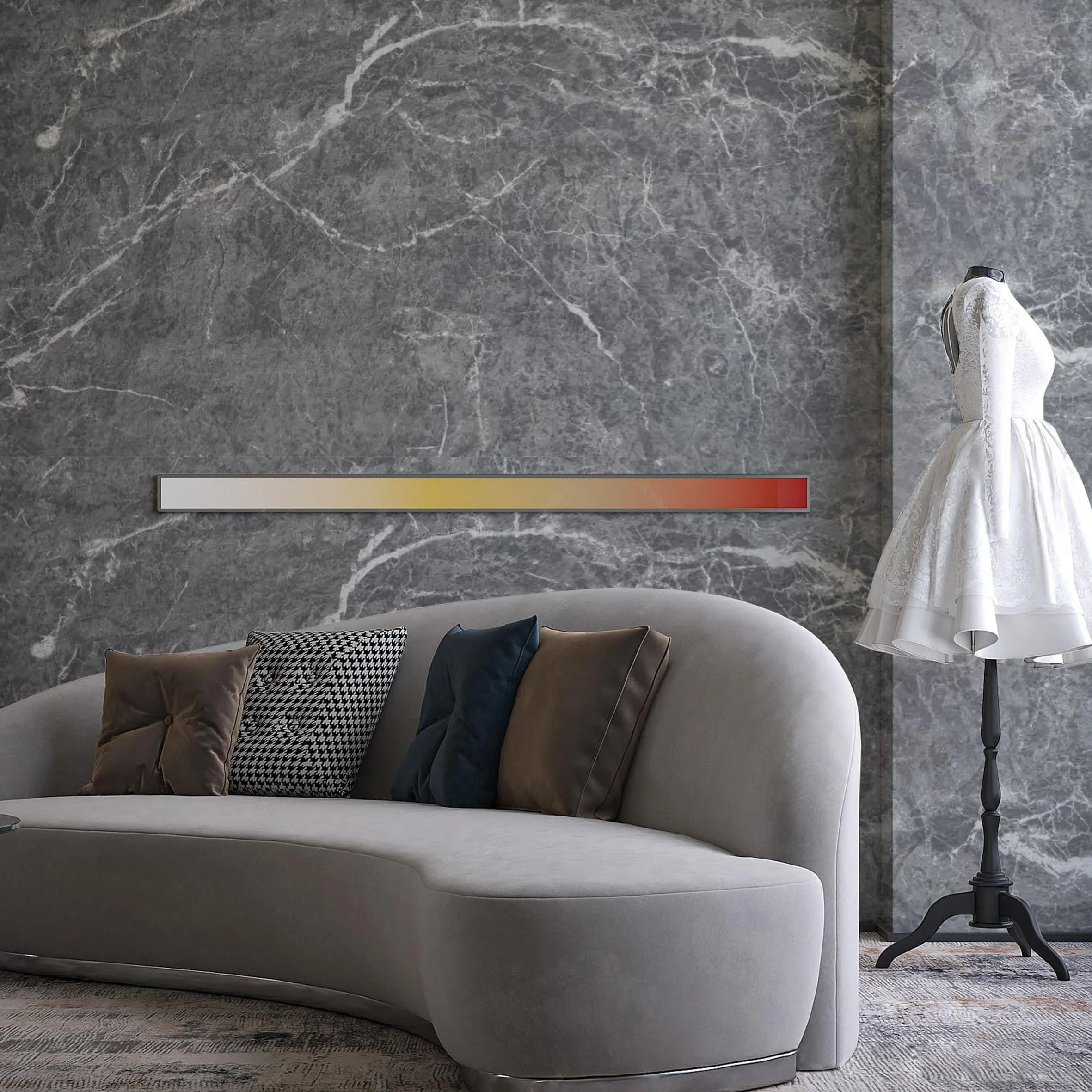
Let's ground this in reality with two case studies. These examples show how installation time and labor costs play out in the field.
A clothing brand needed to renovate their storefront in 2 weeks to hit a holiday opening. The design called for a modern, textured facade covering 200 sqm. They considered granite nero margiua for its luxury look but quickly realized the timeline was impossible: granite installation would take 2-3 weeks alone, not counting prep and finishing.
Instead, they chose MCM flexible stone in a dark gray texture that mimicked natural stone. A 3-person crew installed the entire 200 sqm facade in 4 days (32 hours total labor). Labor cost? Around $3,840 (3 workers x 32 hours x $40/hour). The store opened on time, and customers couldn't tell the difference between MCM and natural stone.
A homeowner wanted a statement fireplace surround using granite nero margiua. The area was small—just 8 sqm—but they valued the stone's natural veining and durability over speed. Installation took 2 days: 1 day for prep (reinforcing the wall to support the weight) and 1 day for cutting, fixing, and sealing. Labor cost? $1,200 (4 workers x 6 hours x $50/hour). The homeowner was happy to pay more for the unique, high-end look that only natural granite could provide.
The takeaway? If your project has a tight timeline or budget, MCM is the clear winner. If you're prioritizing natural stone's aesthetic and durability and have the time and budget to spare, granite nero margiua might still be worth it. But for most commercial projects or cost-conscious homeowners, MCM offers unbeatable value.
You might be wondering: "If MCM is so lightweight and easy to install, does it last as long as granite?" The short answer: yes, for most applications. MCM is designed to be weather-resistant, UV-stable, and scratch-resistant—perfect for exteriors, interiors, and high-traffic areas. It won't crack under normal use, and its color doesn't fade over time. Granite nero margiua, of course, is nearly indestructible (it's been used in ancient monuments for a reason), but for 99% of modern projects, MCM's durability is more than enough.
And here's a bonus: MCM requires less maintenance. No need to reseal it every few years like granite. A quick wash with soap and water is all it takes to keep it looking new. That's one more long-term cost saver.
At the end of the day, MCM and granite nero margiua serve different needs. MCM—with its flexible stone technology, big slab efficiency, and lightweight design—shines when time and labor cost are priorities. It's a modern solution for fast-paced projects that don't want to compromise on style.
Granite nero margiua, on the other hand, is a timeless choice for those who value natural beauty and maximum durability, even if it means higher labor costs and longer installation times.
So, which should you choose? Ask yourself: Is my project timeline tight? Am I working with a limited budget? If the answer to either is "yes," MCM is likely the way to go. If you're building something that needs to stand for centuries (or just want that unbeatable natural stone look), granite nero margiua might be worth the investment.
No matter what you choose, understanding the installation time and labor cost differences will help you plan better, avoid surprises, and ensure your project runs smoothly—from start to finish.
Recommend Products












