
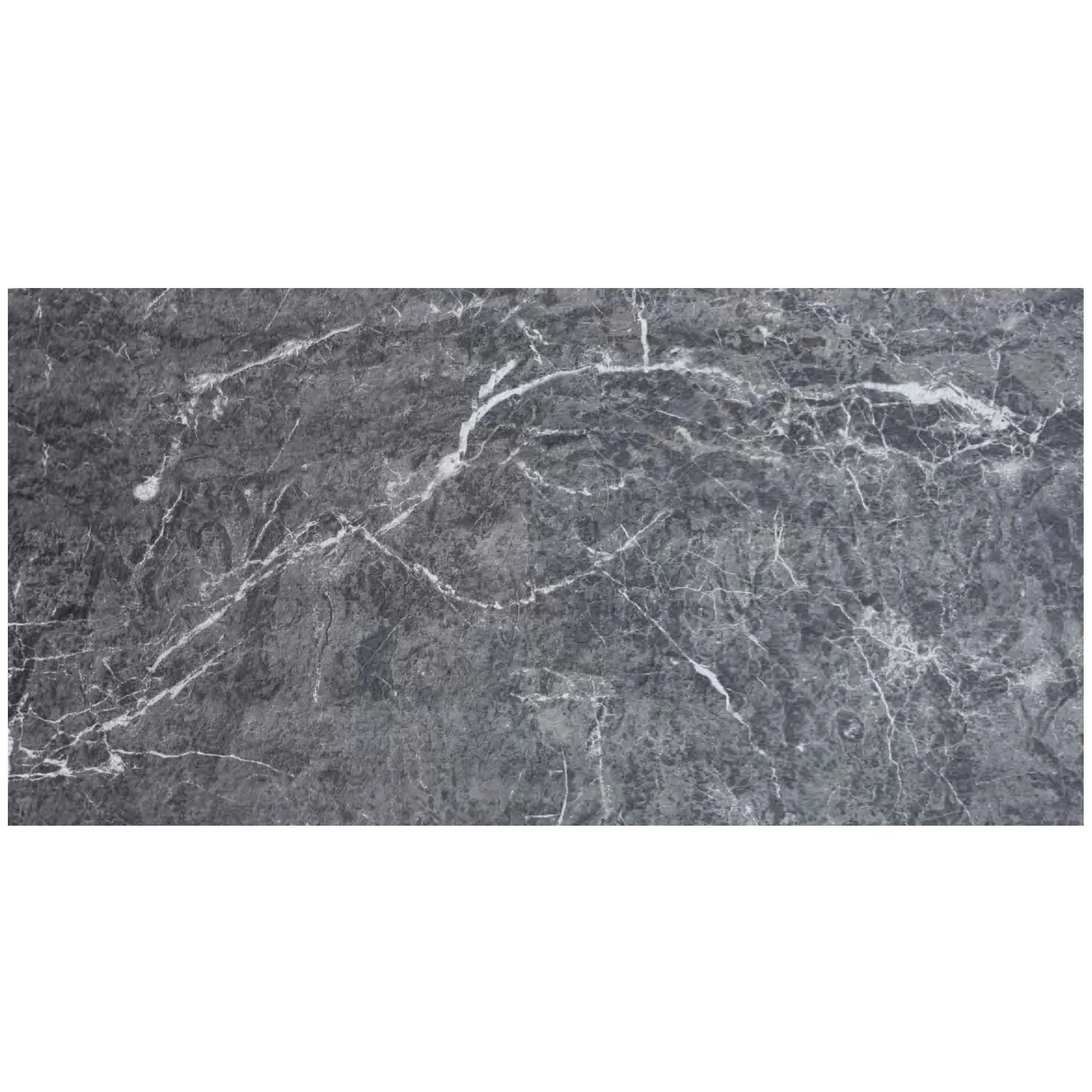
Before we dive into the materials themselves, let's talk about why thermal insulation should be at the top of your list when choosing building materials. Think of it this way: Your building's walls, floors, and facades act like a "thermal envelope"—a barrier between the chaotic weather outside and the controlled comfort inside. A good thermal envelope keeps heat out in summer, traps it in winter, and reduces the load on your heating and cooling systems. The result? Lower energy bills, fewer carbon emissions, and a space that actually feels livable no matter what's happening outside.
Consider this: According to the U.S. Energy Information Administration, buildings account for nearly 40% of total energy consumption in the country. A big chunk of that energy goes toward heating and cooling spaces that leak heat like a sieve. By choosing materials with better thermal insulation, you're not just saving money—you're shrinking your building's carbon footprint. And in a world where every degree counts, that's a win for your wallet and the planet.
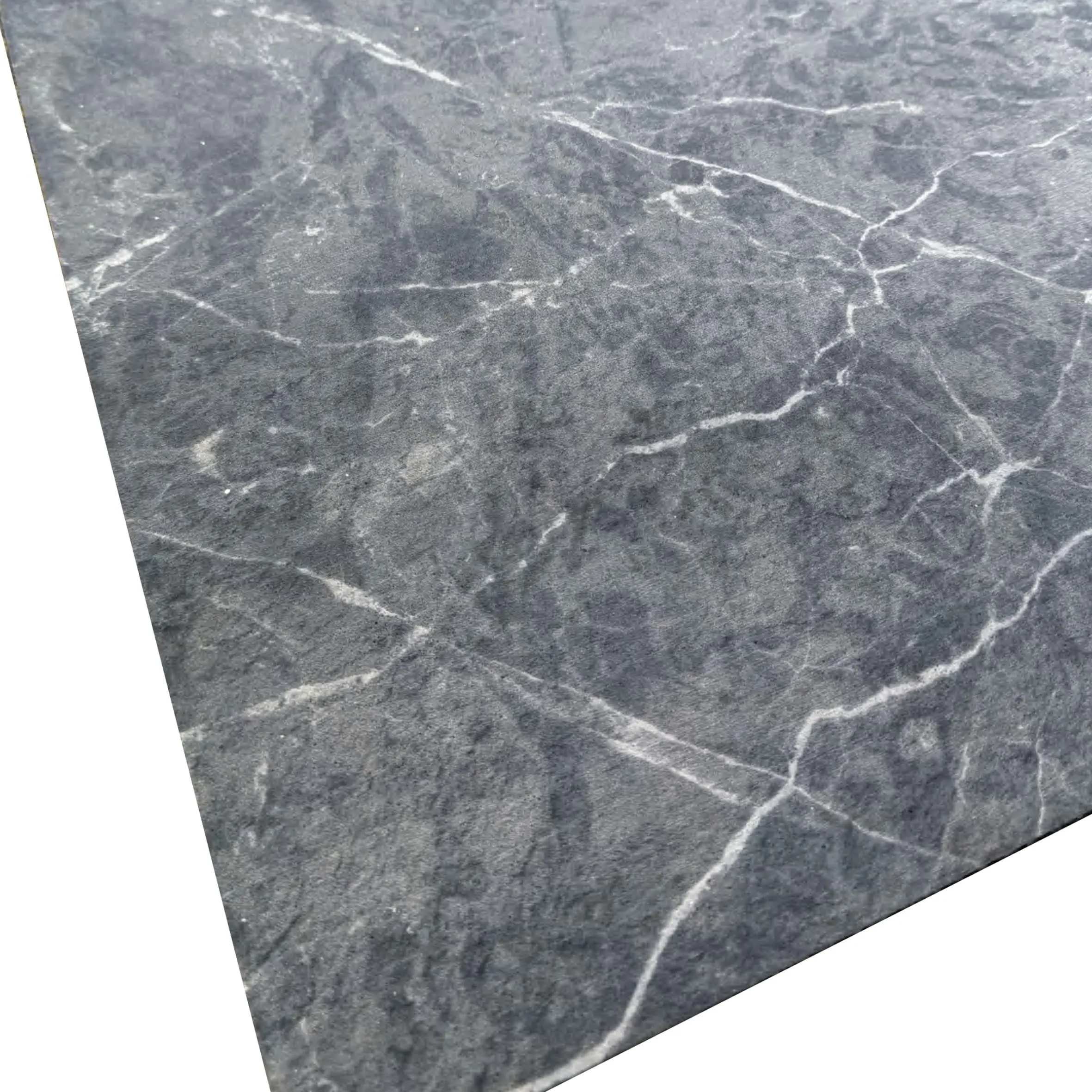
First up: MCM, or Modified Composite Material. If you haven't heard of it, you're not alone—but this modern material is quickly becoming a favorite among architects and builders for its versatility and performance. At its core, MCM is a hybrid: a blend of natural stone aggregates (think marble, granite, or limestone dust) and high-performance polymers, fused together to create something totally new. And one of its most popular forms? MCM flexible stone .
Picture this: A material that looks and feels like natural stone but weighs a fraction of the real thing. MCM flexible stone is typically just 3–5mm thick—thinner than a credit card in some cases—and weighs around 3–5 kg per square meter. Compare that to traditional stone cladding, which can tip the scales at 20–30 kg per square meter, and you start to see why builders love it: lighter materials mean less structural stress on buildings, easier installation, and lower transportation costs.
But MCM isn't just about being lightweight. The MCM big slab board series takes it a step further, offering large-format panels (sometimes up to 1200x2400mm) that cover more surface area with fewer seams. This not only speeds up installation but also creates a sleek, modern look that's hard to achieve with smaller, traditional tiles. And here's the kicker: despite its thinness, MCM is tough. It resists scratches, moisture, and UV rays, making it durable enough for both interior and exterior use. It can mimic the texture of wood, metal, or even aged stone, giving designers endless creative freedom—all while packing a punch in the thermal insulation department.
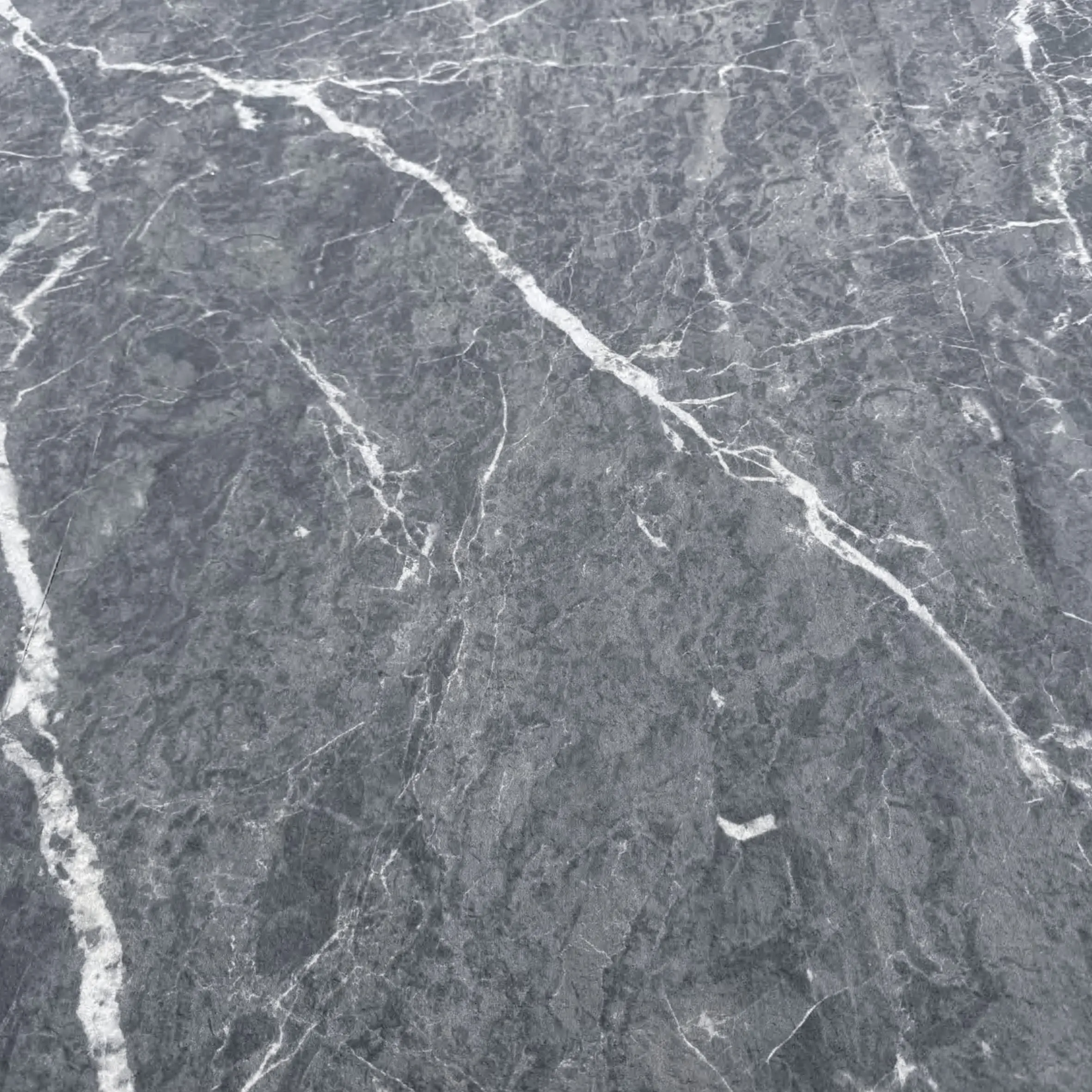
So, how does MCM stack up when it comes to keeping heat in (or out)? Let's talk about thermal conductivity—the measure of how well a material transfers heat. The lower the thermal conductivity, the slower heat moves through it, and the better the insulation. For reference, materials like metal have high thermal conductivity (they feel hot or cold to the touch quickly), while materials like fiberglass have low conductivity (they insulate well).
MCM's secret lies in its composite structure. By blending natural stone particles with polymers, manufacturers create a material with tiny air pockets and a less dense matrix than solid stone. These air pockets act like mini insulators, slowing down the transfer of heat. Think of it as a thermal "speed bump"—heat has to navigate through gaps and layers, which takes time. This gives MCM a thermal conductivity typically ranging from 0.15 to 0.3 W/(m·K), depending on the specific formulation. For context, that's significantly lower than traditional natural stone, which often clocks in at 1.5 to 3.0 W/(m·K).
What does this mean in real life? Let's say you're building a home in Arizona, where summer temperatures regularly hit 100°F. A wall clad in MCM flexible stone will absorb less heat from the sun and transfer it into the interior much slower than a wall covered in solid granite. Your AC won't have to work overtime to keep the space cool, and you'll notice fewer hot spots near windows or exterior walls. In a cold climate like Minnesota, the same MCM wall will trap heat inside, reducing the need to crank up the furnace. It's a win-win for comfort and efficiency.
Compare this to something like fair-faced concrete—a popular, durable material known for its raw, industrial look. Fair-faced concrete has a thermal conductivity of around 1.4 W/(m·K), which is nearly five times higher than MCM in some cases. That means concrete walls transfer heat much faster, making them far less effective at insulating. MCM, in contrast, proves that you don't have to sacrifice aesthetics for performance—or vice versa.
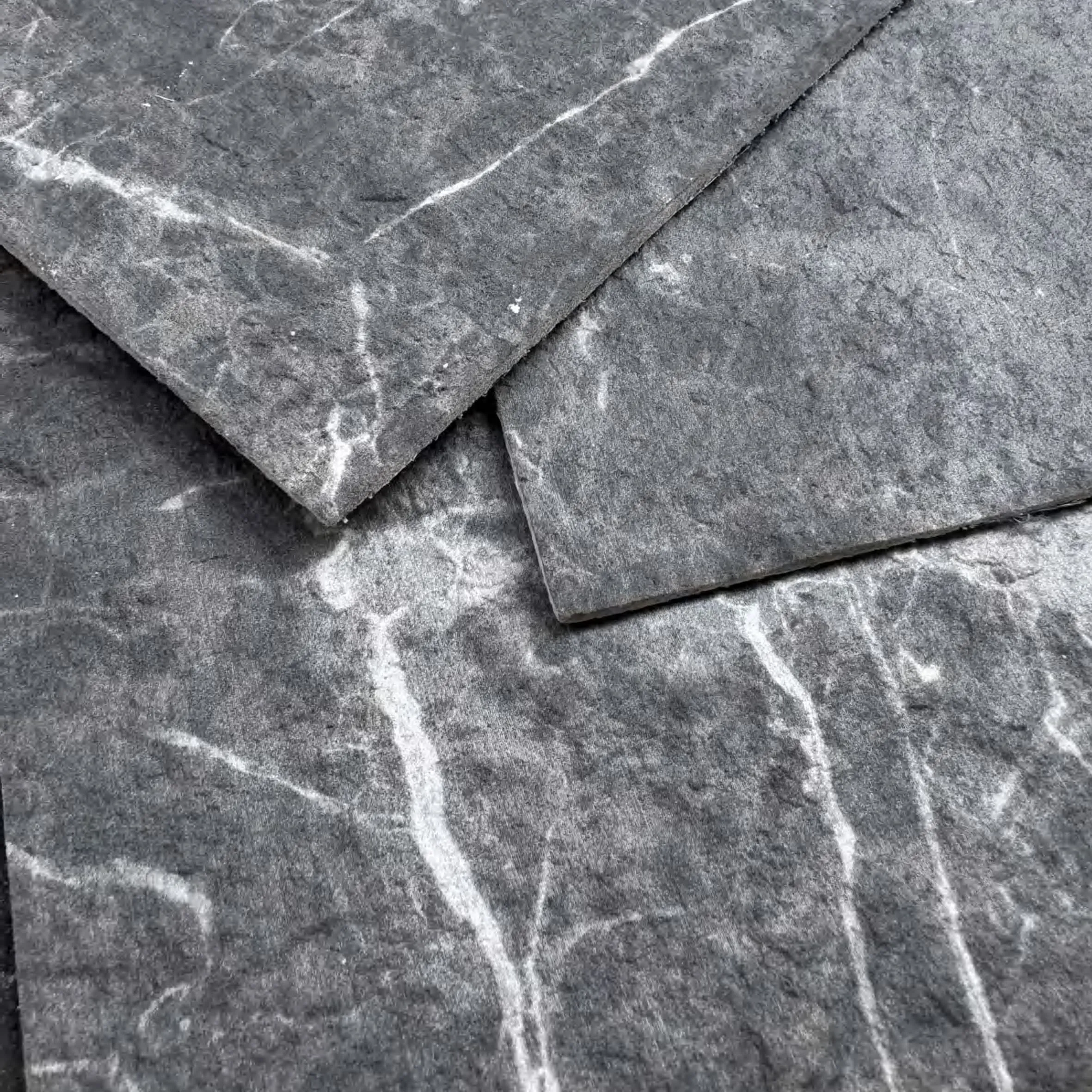
Now, let's turn to the other contender: Granite Nero Margiua . If MCM is the new kid on the block, Granite Nero Margiua is the classic beauty that's been turning heads for centuries. Hailing from quarries in regions like Brazil or India, this granite is prized for its striking appearance: a deep, velvety black base swirled with veins of white, gold, or silver. It's the material of choice for luxury projects—think high-end hotel lobbies, upscale kitchen countertops, and grand exterior facades that demand attention.
But Nero Margiua isn't just about looks. Granite, in general, is one of the toughest natural stones out there. It's formed from slowly cooling magma, which gives it a dense, crystalline structure made up of minerals like quartz (30–40%), feldspar (40–60%), and mica. This density makes it incredibly hard (scoring 6–7 on the Mohs scale, just below diamonds) and resistant to scratches, stains, and heat. A Nero Margiua countertop can withstand hot pots, acidic spills, and daily wear and tear without losing its luster—no wonder it's a staple in luxury homes and commercial spaces.
But here's the catch: that same density that makes granite so durable also affects its thermal properties. When a material is dense, its molecules are packed tightly together, creating a "highway" for heat to travel through. In other words, granite is a good conductor of heat—and that's not great news for insulation.
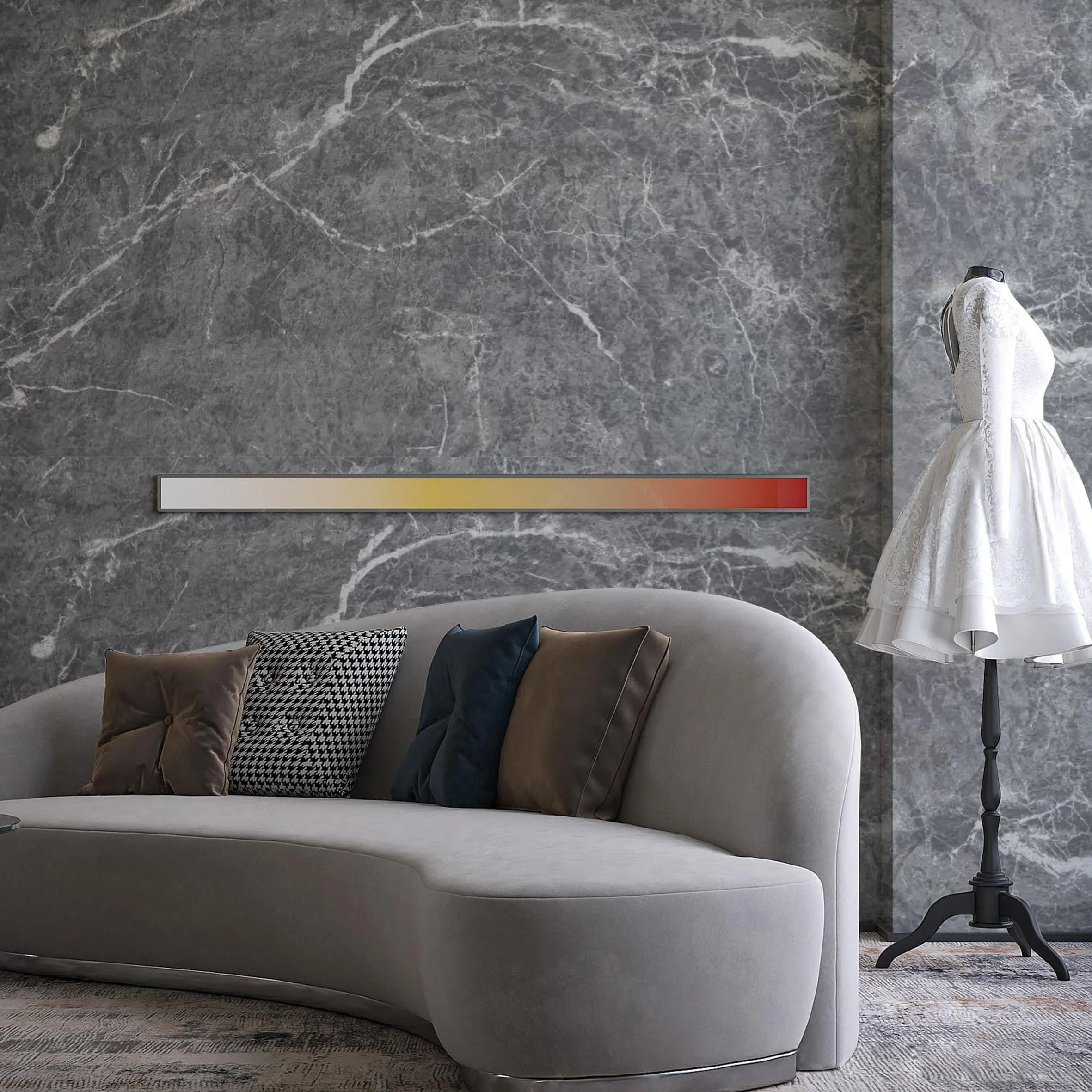
Granite Nero Margiua has a thermal conductivity that typically ranges from 2.0 to 3.0 W/(m·K)—nearly 10 times higher than MCM in some formulations. Let's put that in perspective: if you touch a Nero Margiua wall on a hot day, it will feel warm almost immediately because heat from outside is transferring through the stone quickly. Inside, that means your will have to work harder to counteract the heat seeping in. In winter, the opposite happens: heat from inside escapes through the dense granite, leaving your space feeling drafty and forcing your heater to run longer.
To compensate, buildings using Nero Margiua as exterior cladding often require additional insulation layers—like foam boards or fiberglass batts—behind the stone. This adds thickness, weight, and cost to the project, undermining some of the benefits of using natural stone in the first place. For example, a wall with Nero Margiua cladding might need a 50mm layer of insulation to match the thermal performance of a thinner MCM wall with no extra layers. That's more material, more labor, and a bulkier final product.
Does this mean Nero Margiua is a bad choice? Not at all. Its durability and timeless beauty make it ideal for high-traffic areas or projects where aesthetics are the top priority. But when thermal insulation is a key concern—say, in a passive house design or a building aiming for LEED certification—its high thermal conductivity becomes a significant drawback.
To make it easier to compare, let's break down the key thermal and practical differences in a table:
| Property | MCM Flexible Stone (MCM Big Slab Board Series) | Granite Nero Margiua |
|---|---|---|
| Thermal Conductivity (W/(m·K)) | 0.15–0.3 (Low: slower heat transfer) | 2.0–3.0 (High: faster heat transfer) |
| Density (kg/m³) | 300–500 (Lightweight) | 2600–2800 (Dense) |
| Thickness (Typical) | 3–5mm (Thin, space-saving) | 15–30mm (Thicker, bulkier) |
| Thermal Resistance (R-Value per m) | 3.3–6.7 (Higher resistance = better insulation) | 0.3–0.5 (Lower resistance = less insulation) |
| Need for Additional Insulation | Minimal or none (insulative on its own) | Often required (to compensate for high conductivity) |
| Installation & Weight | Lightweight, easy to install (reduces labor costs) | Heavy, requires structural support (higher labor/engineering costs) |
As the table shows, MCM flexible stone outperforms Granite Nero Margiua in nearly every thermal insulation category. Its low thermal conductivity, lightweight design, and built-in insulative properties make it a more efficient choice for energy-conscious projects. Granite Nero Margiua, while stunning and durable, struggles with heat transfer and often needs extra insulation to match MCM's performance.
Of course, no material is perfect for every situation. Let's look at a few scenarios where one might shine over the other:
Dubai's desert climate means scorching summers (up to 120°F) and mild winters. For an office aiming for LEED Platinum certification, energy efficiency is non-negotiable. Here, MCM flexible stone in the big slab board series would be a star: its low thermal conductivity keeps interiors cool, reducing AC use, while its lightweight panels cut down on structural costs. The large slabs also create a seamless, modern facade that aligns with the building's sleek design.
This villa prioritizes high-end aesthetics and durability for its outdoor patio and pool surround. Granite Nero Margiua's rich black color with gold veining complements the villa's Mediterranean style, and its resistance to water and stains makes it ideal for wet areas. Since the patio is outdoors and not part of the thermal envelope, its poor insulation is a non-issue. Indoors, the villa uses MCM on walls for insulation, balancing beauty and efficiency.
Passive houses rely on super-insulated envelopes to minimize energy use. Here, MCM flexible stone is a no-brainer. Its high R-value reduces heat loss in winter, and its thin profile means more living space (no bulky insulation layers). Granite Nero Margiua, with its high thermal conductivity, would require so much additional insulation that it would eat into floor space and increase costs—making it impractical for this project.
At the end of the day, the choice between MCM flexible stone and Granite Nero Margiua comes down to priorities. If thermal insulation, energy efficiency, and lightweight versatility are top of your list, MCM is the clear winner. Its ability to insulate without sacrificing style or durability makes it a standout in modern construction, especially as sustainability becomes more critical.
Granite Nero Margiua, on the other hand, remains a timeless choice for projects where beauty, density, and prestige take precedence. Its durability and unique veining can't be replicated, and in low-insulation scenarios (like outdoor spaces or interiors with supplemental insulation), it's unbeatable.
But here's the exciting part: materials like MCM are pushing the industry forward, proving that you don't have to choose between performance and aesthetics. As technology advances, we'll likely see even more innovations in composite materials that blend the best of natural stone with the benefits of modern engineering. For now, though, if you're building with thermal insulation in mind, MCM flexible stone—especially in the big slab board series—deserves a spot at the top of your list.
After all, a building should do more than just look good. It should keep you comfortable, save you money, and leave a smaller footprint on the planet. And when it comes to that, MCM is leading the way—one lightweight, insulative panel at a time.
Recommend Products












