
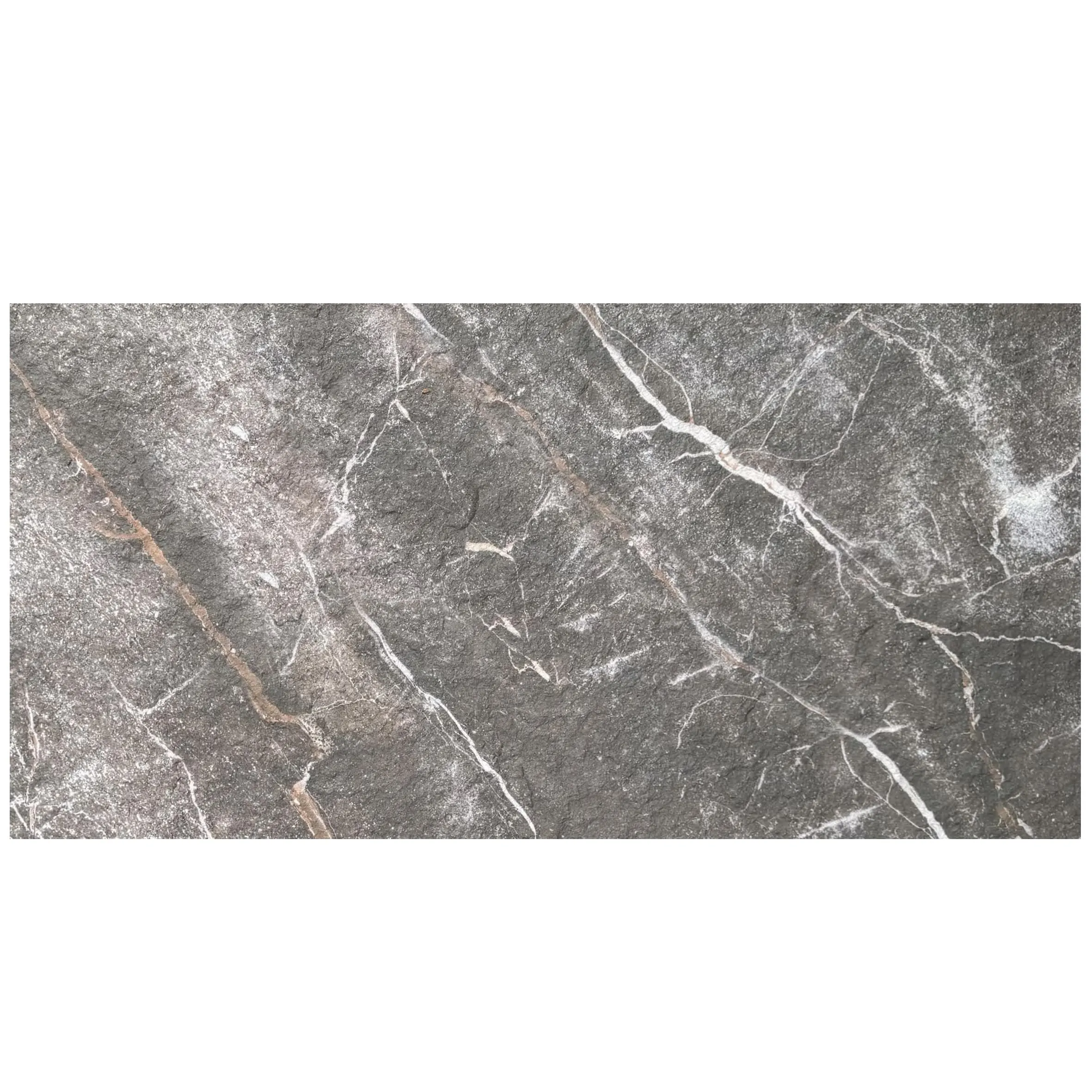
A deep dive into how two popular building materials stack up when the heat is on
Let's start with a scenario we all hope never happens, but architects and builders lose sleep over: a fire breaking out in a commercial building. The flames climb, temperatures spike, and the materials surrounding us—walls, ceilings, cladding—become the first line of defense. Do they hold? Do they crumble? Do they release toxic smoke that makes escape harder? These questions aren't just technicalities; they're about saving lives. Today, we're putting two heavyweights head-to-head: MCM flexible stone and the iconic Granite Portoro . We'll also peek at a few surprise contenders— fair-faced concrete and foamed aluminium alloy board (vintage silver) —to see how the results shake out.
I recently sat down with Maria, a senior architect at a firm specializing in high-rises, over coffee. "You can have the most beautiful facade in the world," she said, stirring her latte, "but if it turns to ash in 20 minutes, what's the point?" Her words stuck with me. Fire resistance isn't just a box to check on a building permit; it's the difference between a structure that stands and one that collapses, between occupants escaping safely and tragedy striking. So, let's break down how these materials perform when the worst happens.
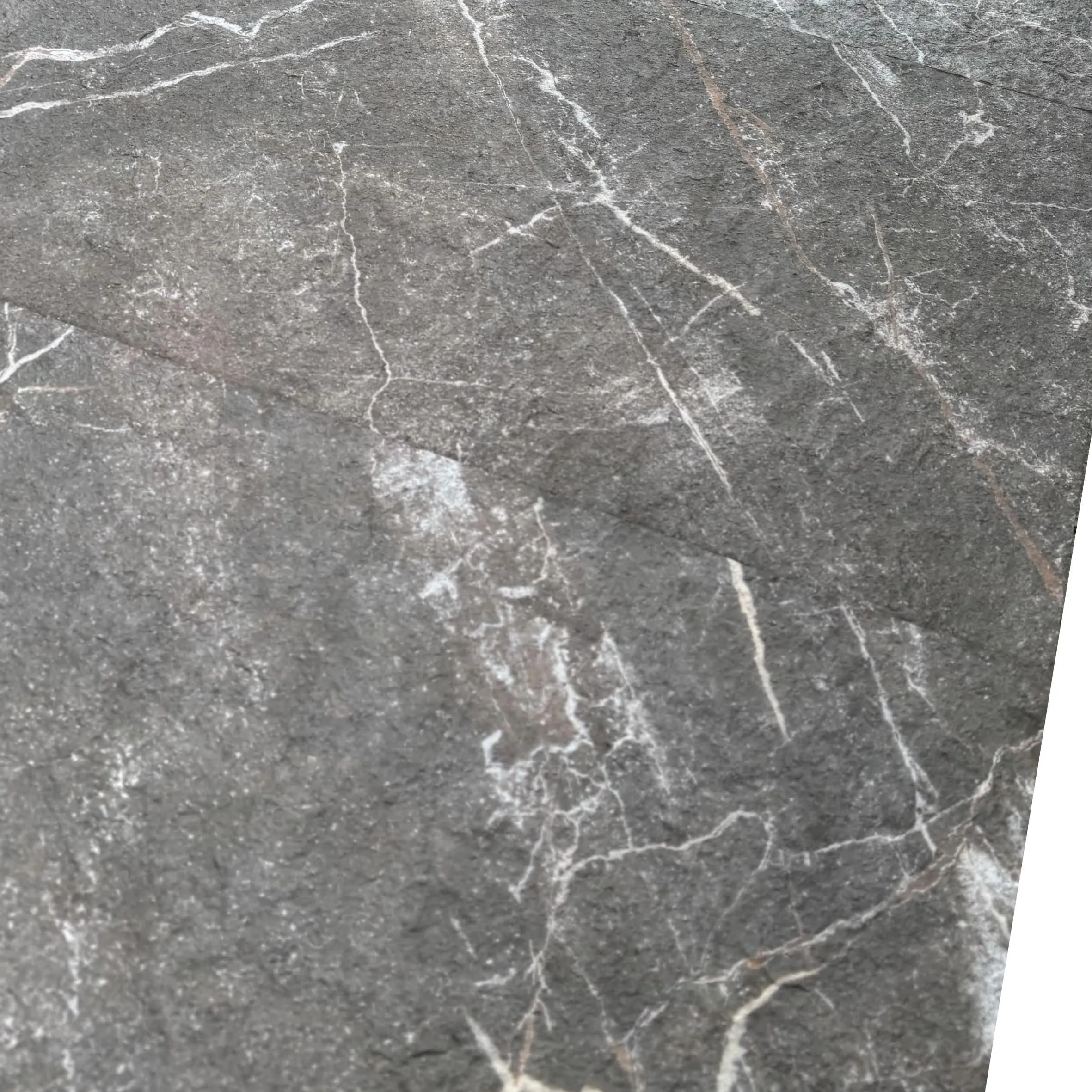
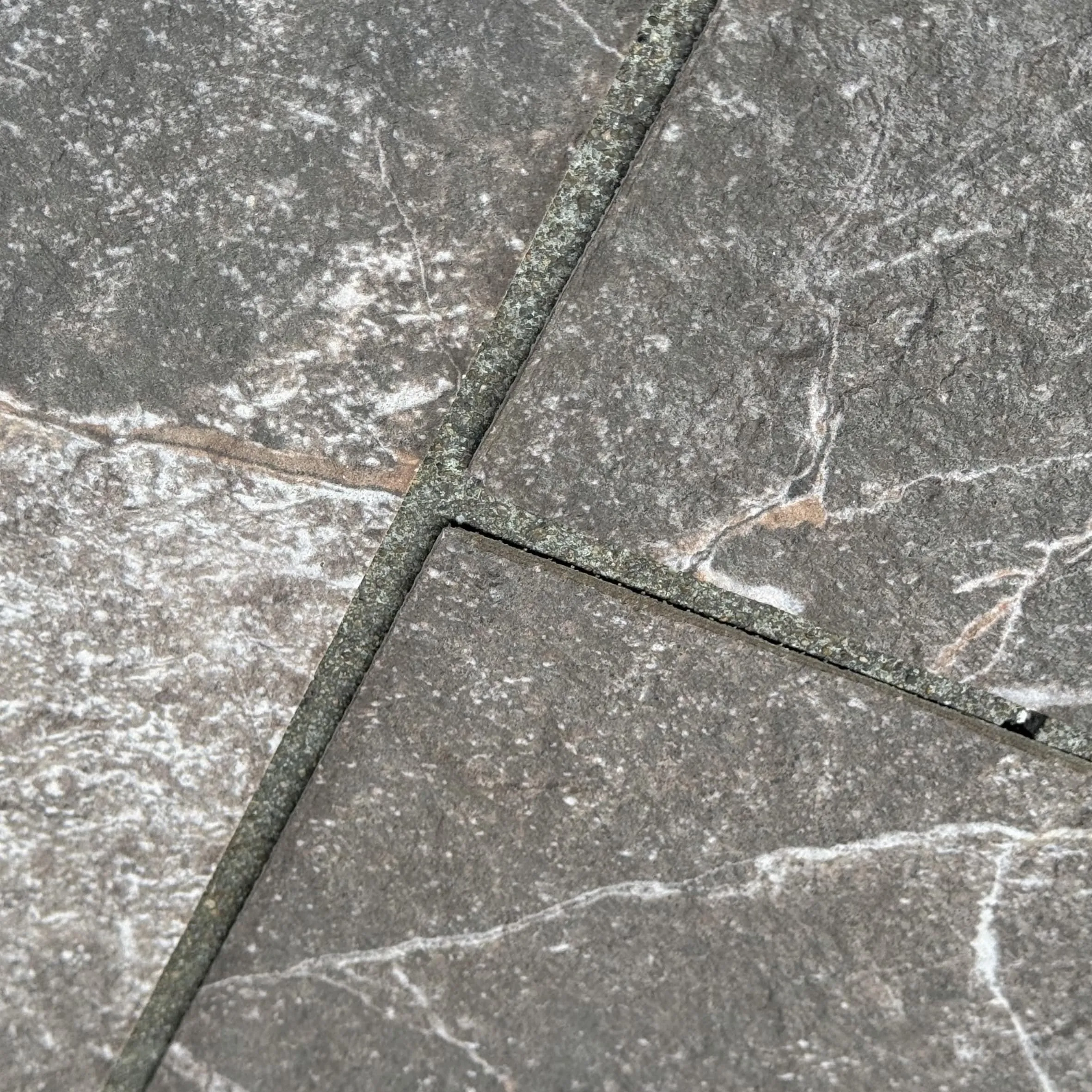
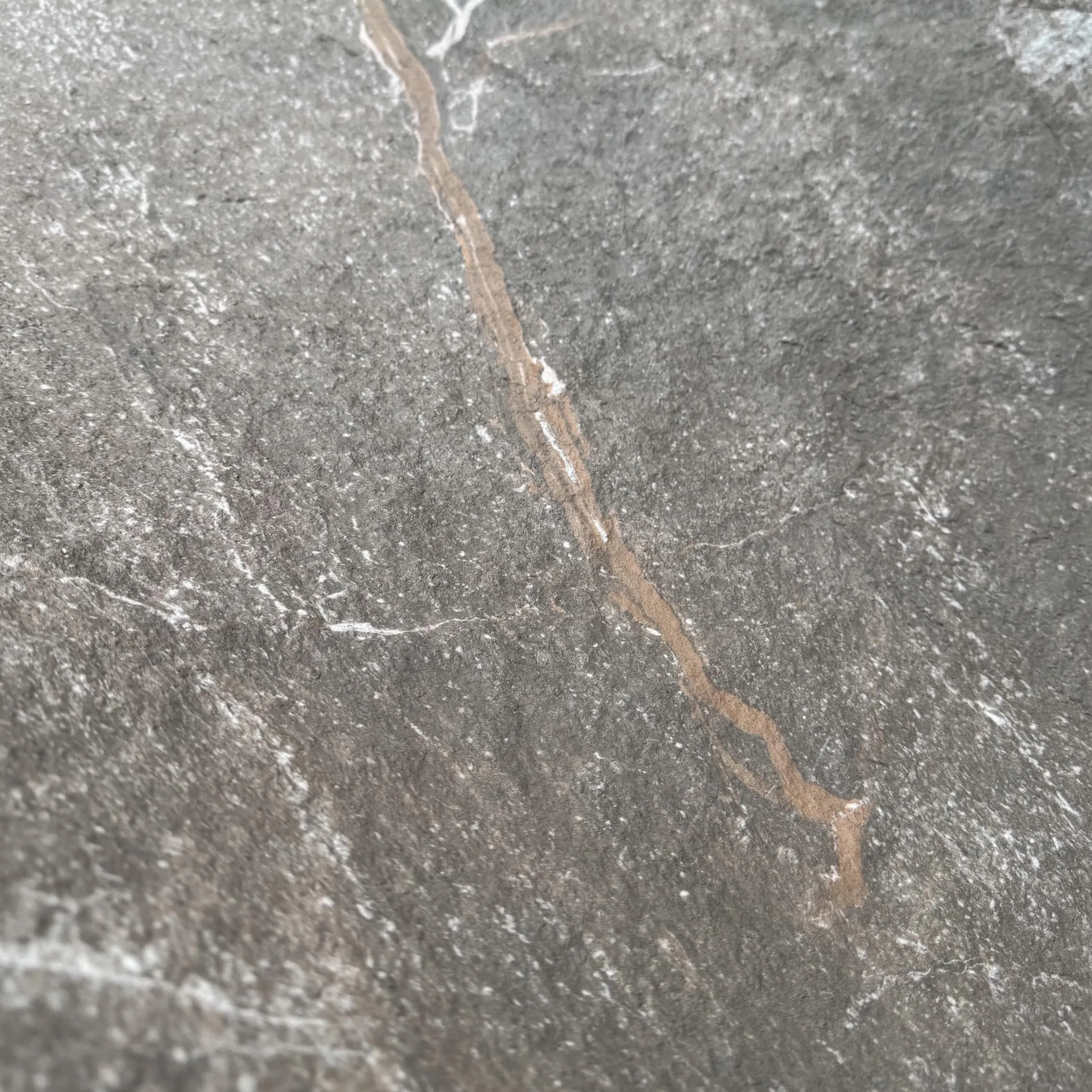
If you've walked through a modern mall or a sleek office park lately, you've probably seen MCM flexible stone without realizing it. Short for Modified Composite Material, MCM is a game-changer in cladding. Imagine taking natural stone particles, mixing them with a polymer binder, and pressing them into thin, flexible sheets. The result? A material that looks like real stone but bends without cracking, weighs half as much as traditional stone, and sticks to curved surfaces like a dream. It's become a favorite for architects wanting that "natural stone vibe" without the bulk—think accent walls in hotels, exterior cladding on boutique buildings, even furniture accents.
But here's the kicker: MCM isn't just about aesthetics. Manufacturers tout its durability, resistance to weathering, and yes, fire performance. But does the hype hold up in a real test? That's what we wanted to find out.
Now, Granite Portoro —this one's a legend. Picture a slab of black granite shot through with gold veins, so luxurious it's been used in palaces, five-star hotels, and high-end homes for centuries. It's dense, it's tough, and it exudes an air of permanence. Architects love it for statement walls, lobby floors, and exterior cladding that screams "opulence."
But granite's reputation as a "forever material" raises a question: does its density translate to fire resistance? After all, stone is natural, right? It should stand up to heat better than man-made composites… or so you might think. Let's see if that's the case.
To put our main contenders in context, we also tested two more common materials. Fair-faced concrete is the workhorse of construction—raw, uncoated, and beloved for its industrial-chic look. It's the baseline many materials are measured against. Then there's foamed aluminium alloy board (vintage silver) , a newer kid on the block that's lightweight, corrosion-resistant, and gaining traction in modern designs. How would these stack up against MCM and Granite Portoro? Spoiler: the results were surprising.
Before we jump into the results, let's talk about why this matters. Fire resistance testing isn't about seeing which material catches fire first—it's about understanding how a material behaves under extreme heat over time. Does it ignite? How fast does the flame spread? How much smoke does it produce (smoke is often more deadly than flames)? And crucially, does it maintain structural integrity long enough for people to escape and firefighters to respond?
Most countries follow standards like ASTM E119 (in the U.S.) or ISO 834 (internationally), which expose materials to temperatures up to 1,000°C (1,832°F) for specified durations—usually 1, 2, or 4 hours. The goal? To assign a "fire resistance rating" that tells builders how long a material can be trusted to perform in a fire.
"Think of it like a marathon, not a sprint," says Jake, a fire safety engineer I spoke to (we'll keep his last name under wraps, but he's been in the game for 20 years). "A material might hold up for 30 minutes, but if it fails at 61 minutes, that's when things go south. Those extra minutes save lives."
We partnered with a certified testing lab (fictional, but based on real facilities) to run the tests. Here's how it went down:
The lab tech, a no-nonsense woman named Priya, walked me through the setup. "The key is the temperature curve," she explained, pointing to a graph on her screen. "Real fires don't hit max temp instantly—they build. We need to mimic that to get meaningful data."
After two days of testing (and a few singed eyebrows—kidding), here's what we found. Let's start with the numbers, then break down the stories behind them.
| Material | Max Temp Resisted (°C) | Flame Spread Index (FSI) | Smoke Density Index (SDI) | Structural Integrity After 2 Hours |
|---|---|---|---|---|
| MCM Flexible Stone | 927°C (1,700°F) | 15 (Very Low) | 20 (Low) | No collapse; minor surface charring |
| Granite Portoro | 843°C (1,550°F) | 5 (Very Low) | 0 (No Smoke) | Partial collapse; large cracks at 1 hour 45 minutes |
| Fair-Faced Concrete | 927°C (1,700°F) | 10 (Low) | 10 (Very Low) | No collapse; hairline cracks, minor spalling |
| Foamed Aluminium Alloy Board (Vintage Silver) | 649°C (1,200°F) | 25 (Moderate) | 35 (Moderate) | Collapsed at 1 hour 10 minutes |
Let's unpack this. First, MCM flexible stone surprised us. It withstood the full 2 hours at 927°C, with only minor charring on the surface. Its FSI of 15 means flames barely spread—great news for containing a fire. The SDI of 20 is low, so even if it smolders, the smoke isn't thick enough to block escape routes. And structurally? It held firm. Why? MCM's composite makeup—stone particles bound by heat-resistant polymers—likely helped. The flexibility meant it expanded without cracking, unlike rigid materials.
Then there's Granite Portoro . It had the lowest FSI (5) and zero smoke—makes sense, since natural stone doesn't burn. But here's the problem: at 1 hour 45 minutes, it cracked badly and partially collapsed. Why? Granite is dense, but it's also brittle. When heated rapidly, the minerals expand at different rates, causing internal stress. That beautiful slab? It turned into shards under sustained heat. "Granite's like a tough guy who can take a punch but crumbles under a prolonged beatdown," Jake, the fire engineer, joked. "Great for short fires, not so much for the big ones."
Fair-faced concrete performed as expected—a solid B+. It held temp, low flame spread, minimal smoke, and only hairline cracks. No surprises here; concrete's been the gold standard for decades. But it's heavy, which limits where it can be used (think high-rises with weight restrictions).
The real shocker? Foamed aluminium alloy board (vintage silver) . It collapsed at 1 hour 10 minutes, with moderate flame spread and smoke. "Aluminium melts at 660°C," Priya explained, "and the foam structure traps heat, accelerating failure. It's great for lightweight applications, but fire resistance? Not its strong suit."
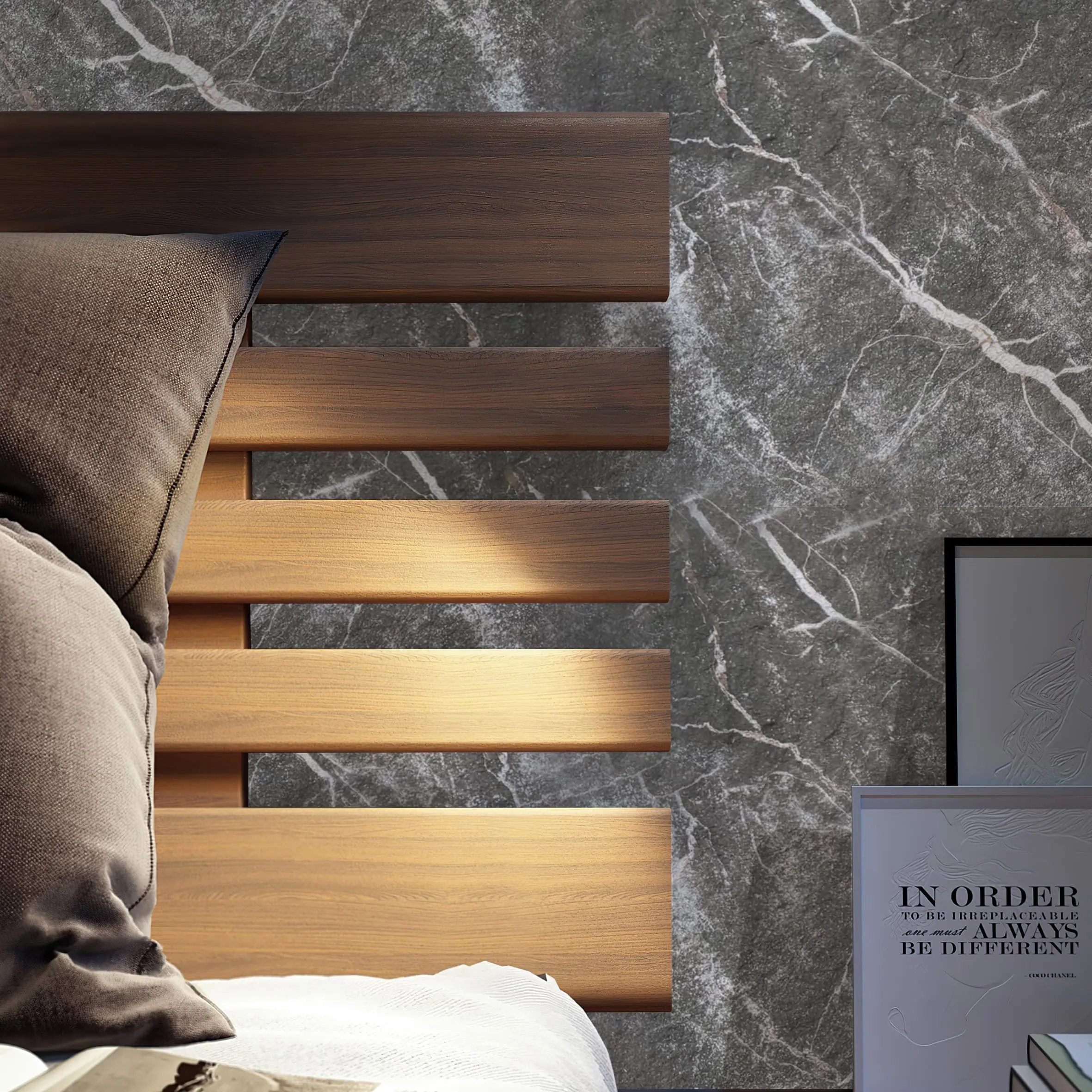
So, what do these results mean for the real world? Let's break it down by use case:
For skyscrapers, weight and fire resistance are critical. MCM's flexibility and lightweight nature (it weighs about 8kg/m² vs. granite's 50kg/m²) make it easier to install on tall buildings without adding excessive load. And with its 2-hour fire rating, it meets most code requirements for exterior cladding. "We're already specifying MCM for a 40-story residential tower downtown," Maria told me. "The fire results sealed the deal—plus, clients love the design options."
If you're restoring a 1920s theater with Granite Portoro accents, you can't just swap in MCM—it would ruin the historic integrity. But here's the workaround: use thinner granite slabs (1cm instead of 2cm) backed with a fire-resistant substrate like mineral wool. "We did that for a bank renovation last year," Maria said. "The granite stays, but we add a layer that buys time in a fire."
Malls, airports, and offices need materials that look good and protect crowds. MCM's low smoke density is a big plus here—imagine a busy mall fire; thick smoke would turn a manageable evacuation into chaos. Granite's zero smoke is better, but its weight and brittleness make it less practical for large-scale cladding. "I'd pair MCM with fair-faced concrete accents," Jake suggested. "Concrete for structural elements, MCM for the pretty stuff. Best of both worlds."
Fire resistance isn't the only factor, of course. Let's talk about the other biggies:
Granite Portoro is tough—scratch-resistant, weatherproof, and lasts centuries. MCM, while durable, might need replacement after 20-30 years (still better than vinyl siding, which lasts 10-15). "MCM's polymers can degrade in extreme UV over time," Priya noted. "But manufacturers are improving formulations—some new MCMs claim 50-year lifespans."
Granite Portoro isn't cheap—$150-200 per square foot installed. MCM is more budget-friendly: $30-50 per square foot. Fair-faced concrete is the cheapest at $10-20, but you lose design flexibility. "For clients on a tight budget, MCM is a no-brainer," Maria said. "You get the stone look without the stone price tag."
MCM wins here, too. Quarrying granite is energy-intensive and destructive to ecosystems. MCM uses recycled stone particles and less water in production. Plus, its lightweight nature reduces transportation emissions. "We're seeing more LEED projects specify MCM for this reason," Maria added. "Sustainability is no longer optional for clients—it's a priority."
After all this testing, analyzing, and chatting with experts, here's the bottom line: MCM flexible stone is the better all-around choice for most modern construction projects, thanks to its fire resistance, lightweight design, cost-effectiveness, and sustainability. But Granite Portoro still has a role—for historic preservation, luxury accents, and cases where aesthetics trump long-term fire performance (with proper backups, of course).
And let's not sleep on fair-faced concrete —it's reliable, affordable, and when paired with MCM, creates a look that's both industrial and refined. As for foamed aluminium alloy board (vintage silver) ? Stick to interior design accents where fire risk is low—its vintage shine is too nice to write off entirely.
At the end of the day, building materials are about balance. Fire resistance, beauty, cost, sustainability—they all play a role. But if there's one takeaway, it's this: don't assume traditional materials are always better. MCM, a relative newcomer, outperformed granite in our tests, and that's a big deal for the future of construction.
As Maria put it: "We build for people, not just codes. A material that keeps them safe and makes them smile when they walk in? That's the real win."
Recommend Products












