
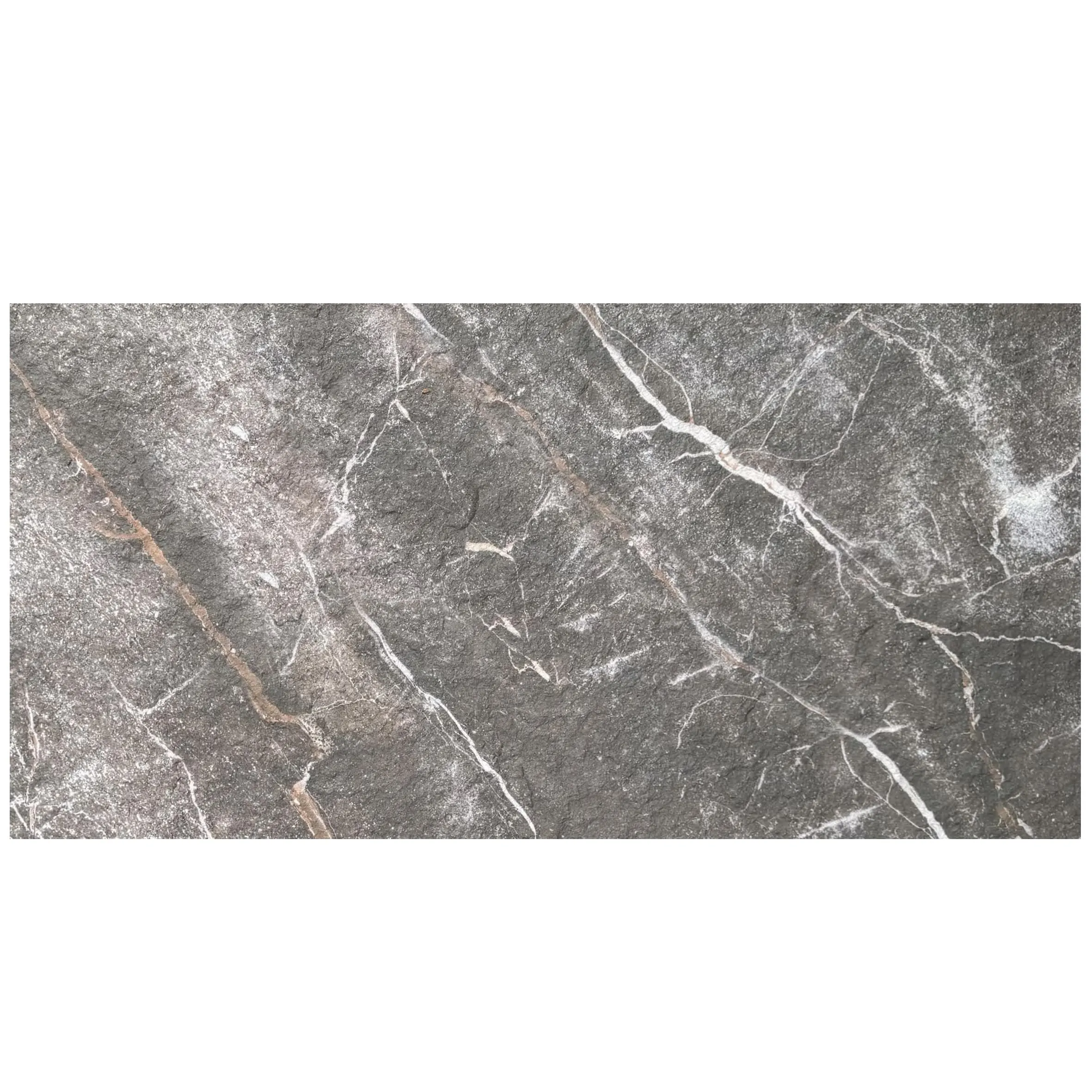
High-rises pierce the sky like modern-day monuments, each one a testament to human ambition and architectural ingenuity. But behind their sleek facades lies a critical question: what holds them together? When it comes to exterior cladding, the choice of material isn't just about aesthetics—it's about safety, sustainability, and the very structural integrity of the building. Today, we're diving into two heavyweights in the world of high-rise exteriors: MCM (Modified Composite Material) and Granite Portoro. Specifically, we'll explore their load-bearing capacity—the unsung hero that ensures those towering walls stay firmly in place, even when faced with wind, weather, and the test of time.
Imagine standing at the base of a 60-story building. Its exterior shimmers in the sunlight, but what you can't see is the silent battle happening every second: the wind pushing against the walls, the weight of the cladding pressing down on the structure, and the constant stress of temperature fluctuations. For architects and developers, choosing an exterior material that can handle these forces isn't just a box to check—it's a responsibility. A material with poor load-bearing capacity isn't just a maintenance headache; it's a safety risk.
Load-bearing capacity refers to a material's ability to support weight without bending, cracking, or failing. In high-rises, this isn't just about the material itself—it's about how its weight affects the entire building. Heavy cladding forces engineers to reinforce the structure, adding steel beams, thicker concrete slabs, and extra support that drive up costs and complicate construction. Lightweight materials, on the other hand, reduce that burden, making the building more efficient, sustainable, and even safer in seismic zones. So, when we compare MCM and Granite Portoro, we're not just comparing two surfaces—we're comparing two approaches to building smarter, stronger, and more responsibly.
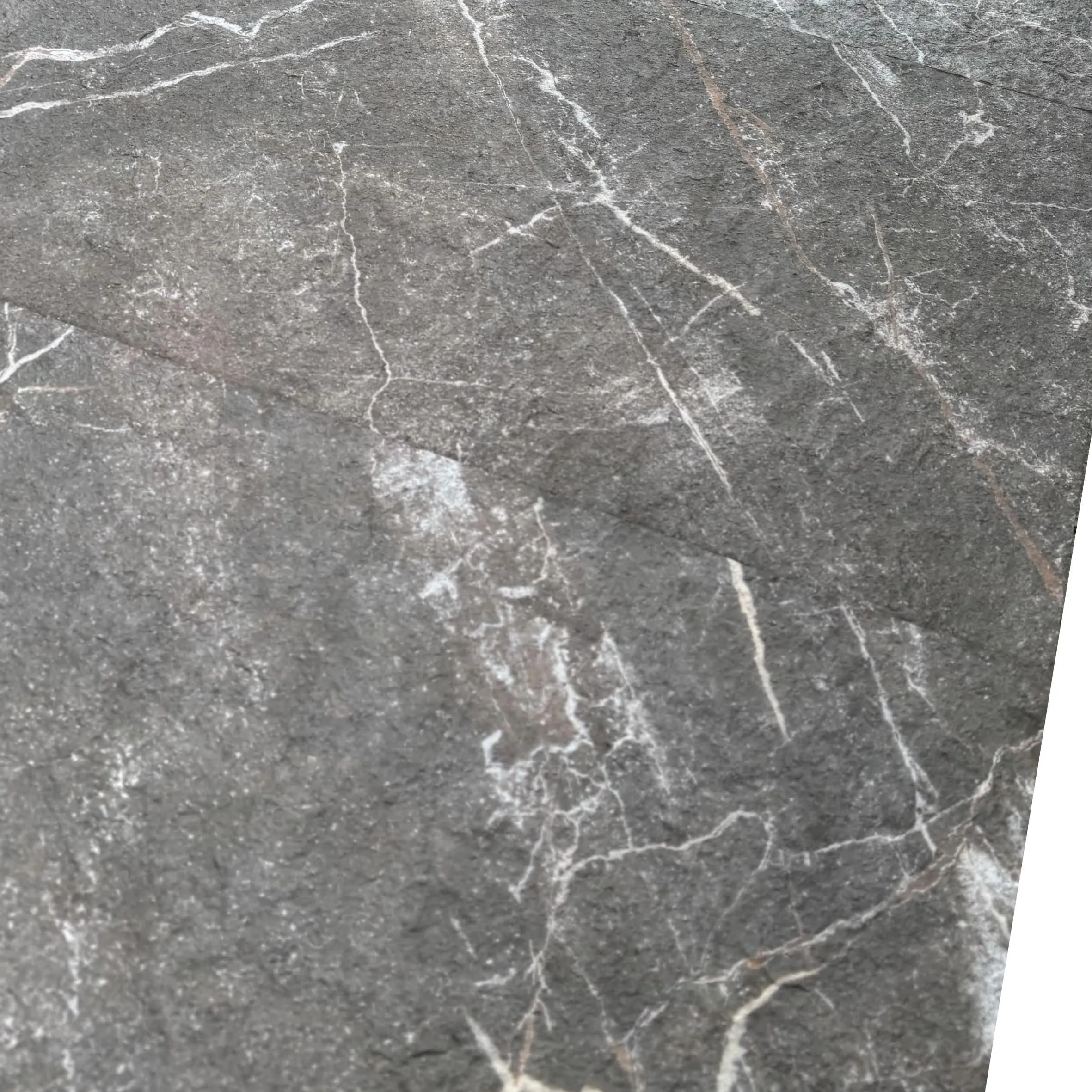
First, let's get to know our competitors. On one side, we have MCM —a rising star in the world of cladding. Short for Modified Composite Material, MCM is a man-made innovation designed to marry the best of durability and flexibility. Think of it as the "Swiss Army knife" of building materials: it's lightweight, resistant to weather, and comes in a stunning array of finishes. Products like the MCM project board series and MCM big slab board series have become go-to choices for architects looking to balance form and function, especially in high-rises where weight is a critical factor.
On the other side is Granite Portoro —a natural stone with a legacy as old as architecture itself. Quarried from the earth, this black granite with golden veins exudes luxury and timelessness. It's been used in iconic buildings for centuries, from ancient temples to modern skyscrapers, and its reputation for strength is well-earned. But as we'll see, natural strength doesn't always translate to practicality in the vertical world of high-rises.
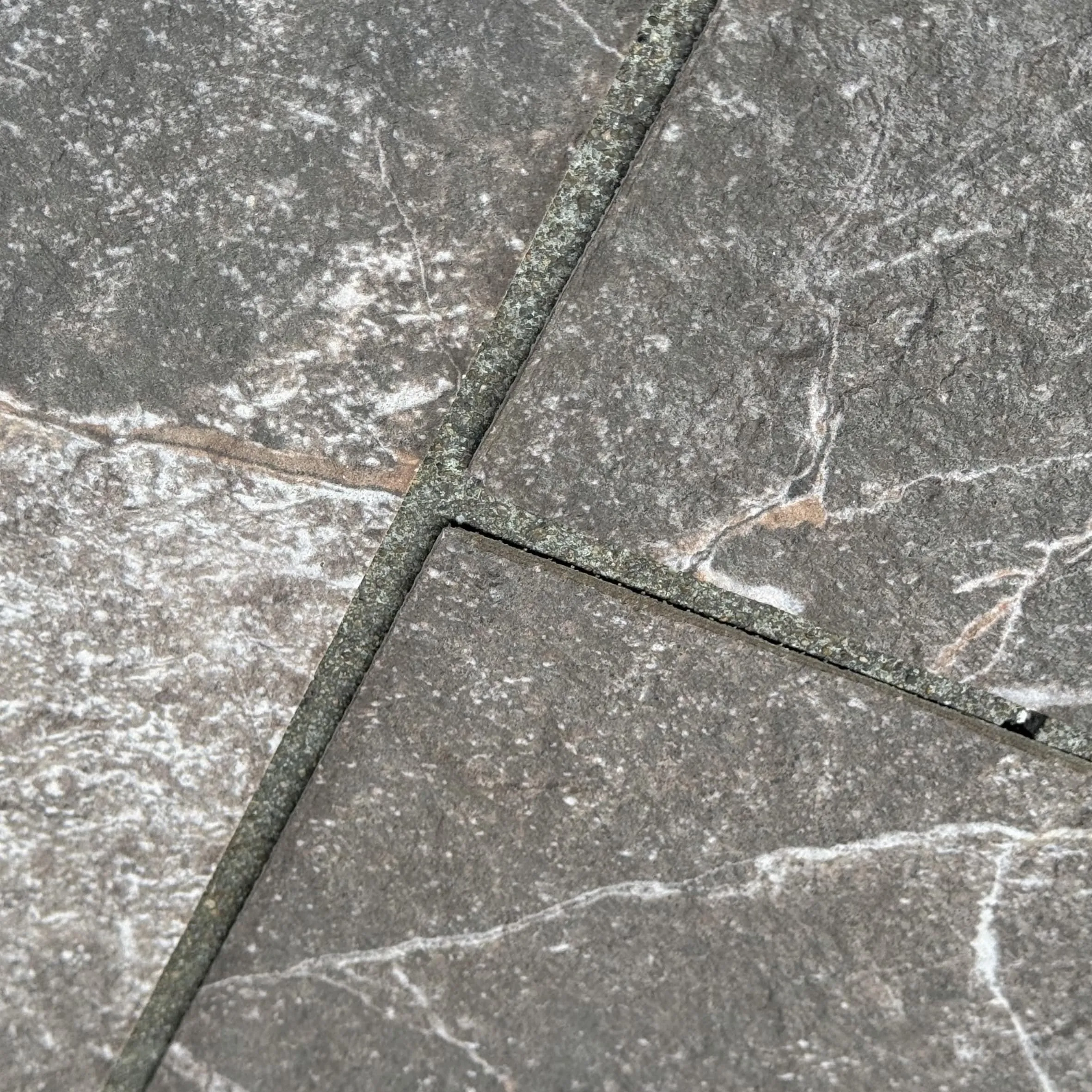
Let's cut to the chase: how do these materials stack up when it comes to bearing weight? To answer that, we need to look at a few key metrics: density, flexural strength (how well a material resists bending), compressive strength (how much weight it can take before crushing), and weight per square meter—because in high-rises, every kilogram adds up.
| Metric | MCM (e.g., MCM Project Board Series) | Granite Portoro |
|---|---|---|
| Material Type | Modified Composite (Polymer + Mineral Fillers) | Natural Granite (Igneous Rock) |
| Density | 1200–1500 kg/m³ | 2600–2800 kg/m³ |
| Flexural Strength | 15–25 MPa (Higher = Better Resistance to Bending) | 10–15 MPa |
| Compressive Strength | 50–80 MPa | 150–200 MPa (Higher = Better Resistance to Crushing) |
| Weight per Square Meter (8mm Thickness) | 9.6–12 kg | 20.8–22.4 kg |
| Sustainability Edge | Lightweight = Lower Transport/Installation Carbon Footprint | High Density = Higher Energy Use in Extraction/Transport |
At first glance, Granite Portoro seems to win the "strength" contest with its higher compressive strength. But here's the catch: in high-rise exteriors, weight often matters more than raw compressive power. Let's break it down.
MCM's secret weapon is its low density. At 1200–1500 kg/m³, it's less than half the weight of Granite Portoro. This might sound like a disadvantage, but in reality, it's a game-changer. For a 50-story building with 10,000 square meters of exterior cladding, switching from Granite Portoro to MCM could reduce the total weight by over 100 tons. That's the equivalent of removing 20 elephants from the building's load—no small feat for the structural engineers designing the support systems.
But don't mistake lightweight for flimsy. MCM's flexural strength (15–25 MPa) outperforms Granite Portoro, meaning it can bend slightly without cracking—a crucial trait in high-rises, where wind gusts create lateral pressure that would snap a brittle material. The MCM flexible stone variant takes this a step further, with a malleable core that allows it to conform to curved surfaces, distributing stress more evenly across the building's frame.
Take the MCM big slab board series , for example. These large-format panels (up to 1.2m x 2.4m) are designed to cover more surface area with fewer seams, reducing installation time and the risk of water infiltration. Despite their size, they weigh just 15–18 kg per square meter—light enough that installers can handle them without heavy machinery, yet strong enough to withstand decades of harsh weather.
Granite Portoro is, quite literally, as strong as a rock. Its compressive strength (150–200 MPa) is off the charts, making it ideal for applications where raw weight-bearing is critical—like bridge piers or foundation stones. But in exteriors, that strength comes with a price: weight. At 20.8–22.4 kg per square meter (for 8mm thick slabs), it adds significant load to the building's structure. For a 50-story building, that extra weight means thicker steel beams, reinforced concrete floors, and higher foundation costs—expenses that can add millions to a project budget.
Another challenge? Granite Portoro is brittle. Its lower flexural strength (10–15 MPa) makes it prone to cracking under lateral stress, like strong winds or seismic activity. To mitigate this, installers often have to use thicker slabs (12mm or more), which only adds to the weight problem. And unlike MCM, natural stone is inconsistent—veins and mineral deposits can create weak spots, making quality control a constant battle.
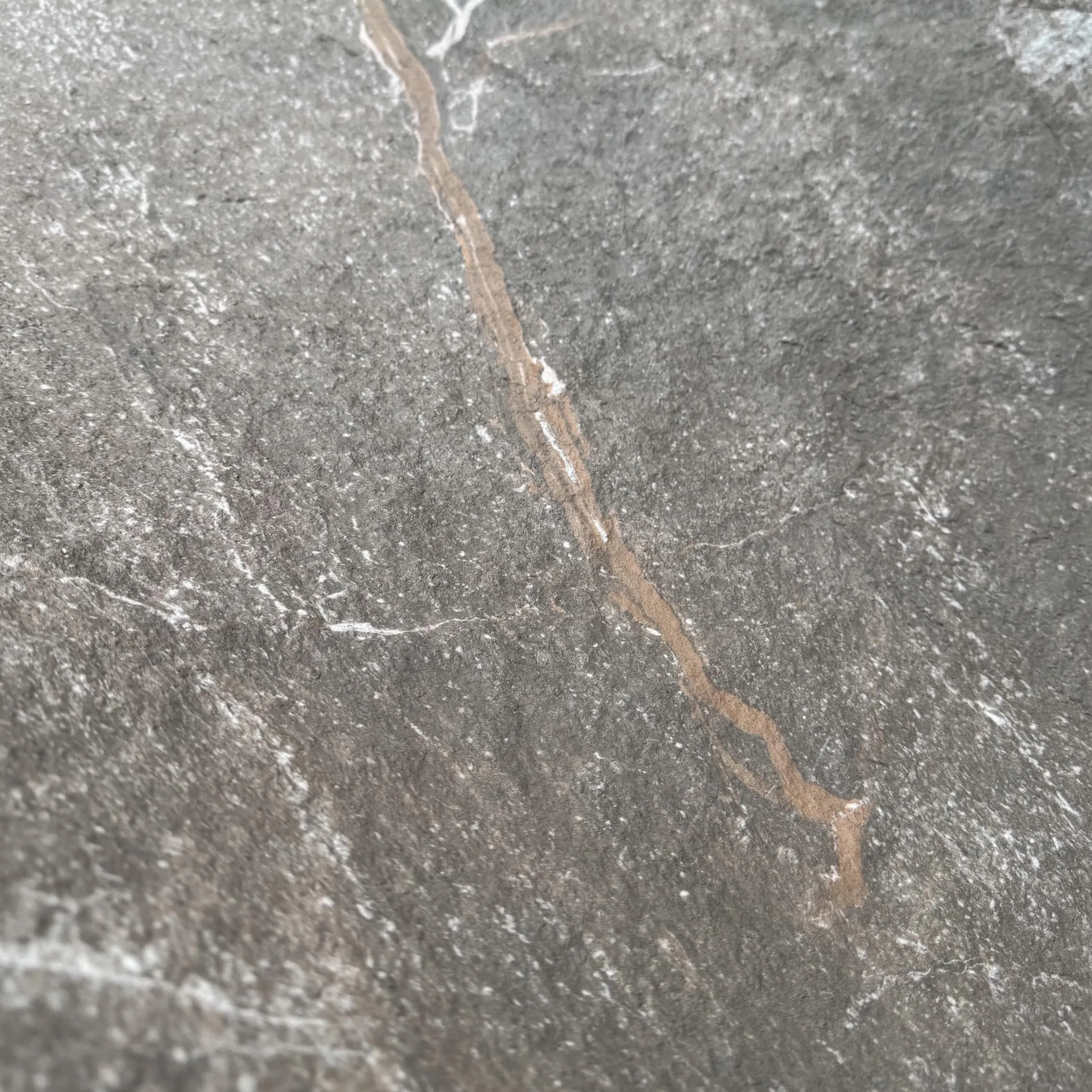
Load-bearing capacity isn't just about lab tests—it's about how these materials perform in the real world. Let's look at three factors that matter just as much as the metrics on a spec sheet: installation, sustainability, and long-term maintenance.
Imagine a construction crew hoisting 22kg granite slabs 50 stories into the air versus 12kg MCM panels. The difference in time, labor, and equipment is staggering. MCM's lightweight nature means it can be installed with simpler, less expensive mounting systems—no need for heavy-duty cranes or reinforced brackets. This not only speeds up construction (by up to 30%, according to some contractors) but also reduces the risk of accidents on-site.
Granite Portoro, on the other hand, requires specialized equipment and extra manpower. Each slab must be carefully transported, lifted, and secured, often with custom metal supports to distribute its weight. In tight urban spaces, where crane access is limited, this can turn into a logistical nightmare—delaying projects and driving up costs.
Sustainability might not seem directly related to load-bearing capacity, but it's becoming a critical factor in modern construction. A building's carbon footprint isn't just about energy use—it starts with the materials. MCM's lightweight design reduces fuel consumption during transportation: a truck can carry twice as many MCM panels as granite slabs, cutting emissions in half. On-site, less heavy machinery means lower energy use, and the reduced structural load allows for more efficient designs, like thinner concrete cores, which save materials and reduce embodied carbon.
Granite Portoro, while durable, has a heavier environmental impact. Quarrying natural stone requires massive energy inputs, and the waste generated during extraction (up to 30% of the stone is discarded as rubble) is substantial. Add in the carbon cost of transporting those heavy slabs across the globe, and it's clear that "natural" doesn't always mean "sustainable."
A material's load-bearing capacity doesn't matter if it deteriorates over time. MCM is engineered to resist moisture, UV rays, and temperature extremes—so it won't crack, fade, or warp, even in harsh climates. This means it maintains its structural integrity for decades, reducing the need for costly repairs or replacements. The MCM project board series , for example, comes with a 20-year warranty, a testament to its durability.
Granite Portoro is also durable, but it's porous. Without proper sealing, water can seep into its veins, freeze in winter, and expand—causing cracks that weaken its load-bearing capacity over time. Sealing needs to be redone every 5–10 years, adding ongoing maintenance costs that eat into a building's budget.
Let's put this into context with a hypothetical (but realistic) scenario: the Skyline Tower, a 50-story mixed-use building in a coastal city with high winds and frequent rain. The architects initially considered Granite Portoro for its luxurious look, but quickly hit a snag: the structural engineers calculated that the added weight would require reinforcing the building's core with 10% more steel, increasing construction costs by $2 million. Worse, the heavy slabs would slow installation by 12 weeks, pushing back the project's opening date.
Enter MCM. The team opted for the MCM big slab board series in a "vintage silver" finish, which mimicked the look of natural stone but weighed half as much. The result? No need for extra steel, installation finished on time, and the building's energy bills were lower—thanks to MCM's insulating properties. Five years later, the exterior still looks brand new, with zero maintenance issues.
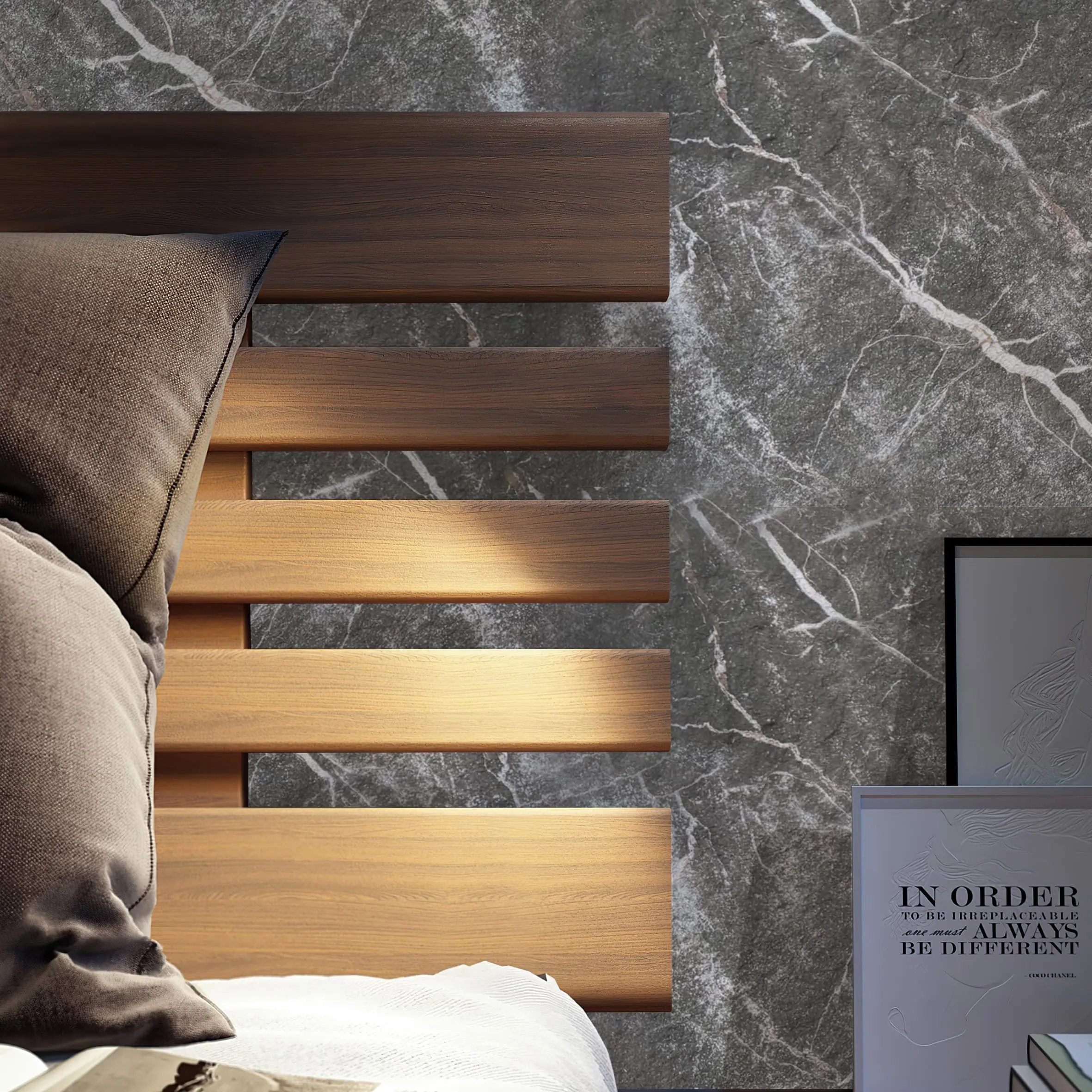
So, which material is better for high-rise exteriors? It depends on your priorities. If you're designing a low-rise luxury boutique hotel where the natural beauty of Granite Portoro is non-negotiable, and weight isn't a concern, it might be worth the extra cost. But for high-rises—where weight, efficiency, and long-term sustainability are critical—MCM is the clear winner.
MCM's lightweight design reduces structural stress, cuts costs, and speeds up construction, while its flexural strength and durability ensure it can handle the unique challenges of high-rise life. The MCM project board series and MCM big slab board series offer the best of both worlds: the aesthetic versatility to mimic natural stone, wood, or metal, paired with the load-bearing performance that modern skyscrapers demand.
High-rises are more than just buildings—they're symbols of progress. And progress means evolving beyond outdated materials that prioritize raw strength over practicality. MCM isn't just a "lighter" alternative to natural stone; it's a smarter choice. It proves that load-bearing capacity isn't about how much weight a material can hold , but how well it works with the building's structure to create something safe, sustainable, and stunning.
So, the next time you gaze up at a high-rise, take a moment to appreciate the exterior cladding. Chances are, if it's standing tall and looking good after decades, it might just be MCM—quietly bearing the load, so the building can reach for the sky.
Recommend Products












