
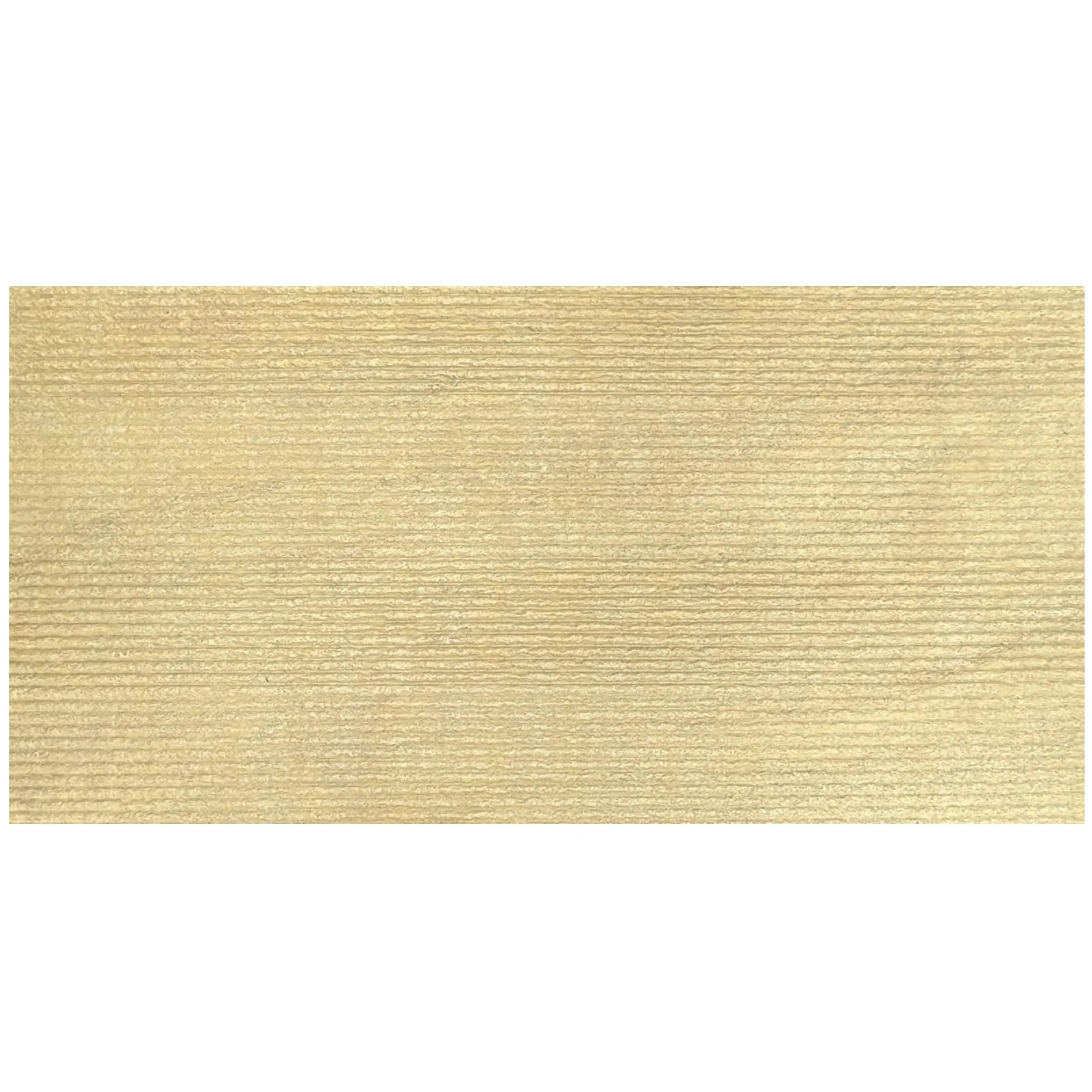
It's 7 a.m. on a Tuesday, and Maria is staring at a crumpled list of material quotes on her kitchen table. Her dream backyard renovation—slated to wrap before her daughter's graduation party in six weeks—hinges on one big decision: which wall cladding to choose . The contractor mentioned two options: MCM panels and Gravel Omani Stone. "One's faster, the other's… well, iconic ," he'd said, shrugging. Maria's mind races: six weeks isn't a lot of time. But she also doesn't want to cut corners on the stone wall she's pictured for years—one that feels like it's been there forever, not just slapped up for a party.
If you've ever been in Maria's shoes—stuck between a material that promises speed and one that whispers "timeless"—you know the stress. Installation time and labor costs aren't just numbers on a spreadsheet; they're the difference between hitting a deadline, staying under budget, and ending up with a space that makes you smile every time you walk in. Today, we're breaking down the showdown between two heavyweights in the cladding world: MCM (Modified Composite Material) and Gravel Omani Stone. We'll talk about how long each takes to install, how much labor really costs, and why those details matter more than you might think.
Before we dive into time and money, let's get to know the contenders. Think of this as a first impression—like meeting two potential teammates for a big project. You want to know their strengths, their quirks, and whether they'll play nice with your timeline.
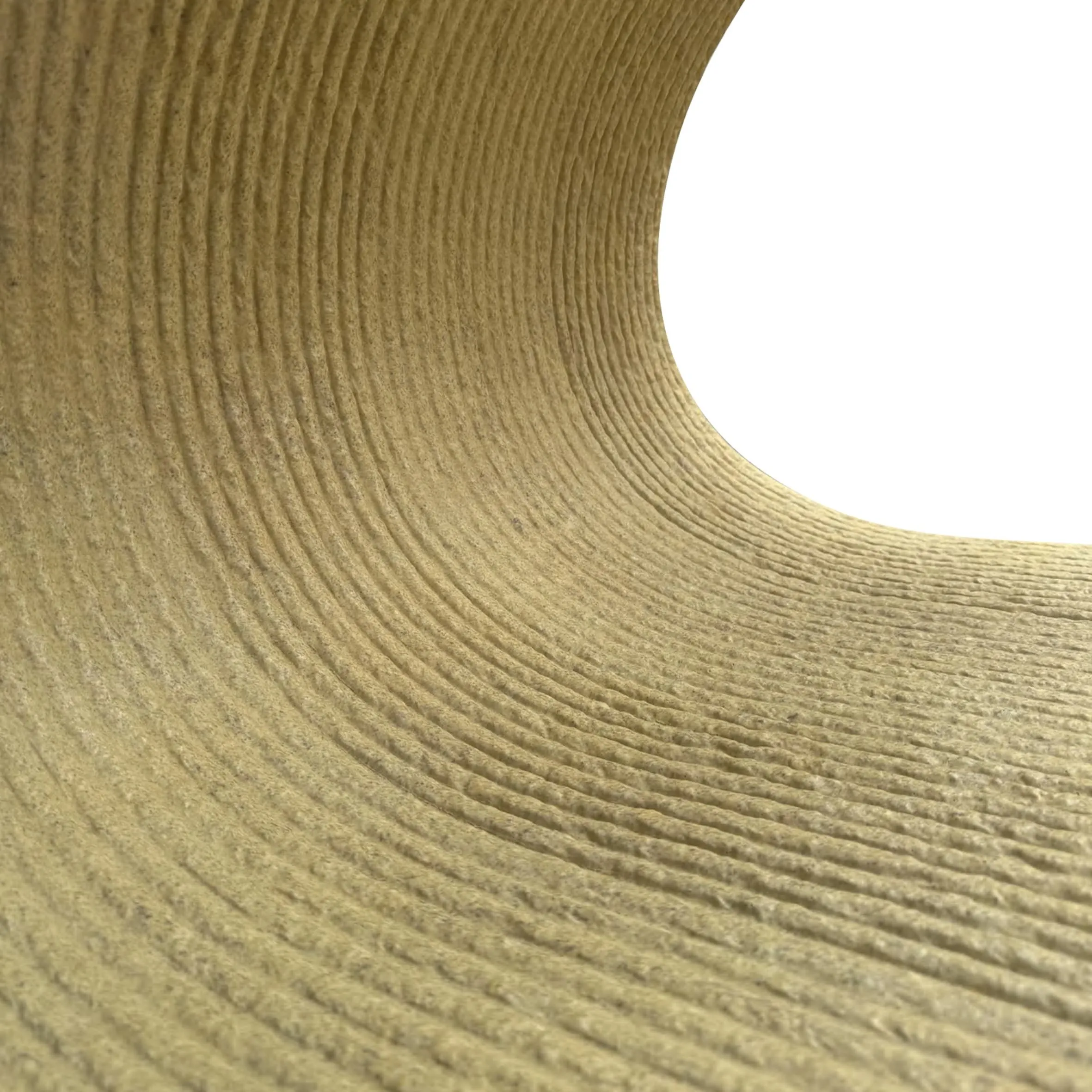
MCM, or Modified Composite Material, isn't your average building material. It's a chameleon: designed to mimic the look of natural stone, wood, or metal, but with a lightweight, flexible core that makes it a favorite among modern builders. What sets it apart? Its flexible stone technology—layers of natural minerals bonded to a durable backing—means it can bend slightly, adhere to curved surfaces, and cut down on the heft that makes traditional stone installation a slog. It comes in panels, which are pre-finished and ready to install, so you skip the messy cutting and sealing steps that eat up hours on a job site.
"MCM feels like cheating, but in the best way," laughs Raj, a commercial contractor who's used it on everything from coffee shop walls to hotel facades. "You get the texture of aged stone without the backbreaking work. Last month, we did a 200-square-foot feature wall in a day and a half. With real stone? That would've taken three days, easy."
Gravel Omani Stone, on the other hand, is nature's handiwork. Quarried from the deserts of Oman, it's known for its warm, earthy tones—think sandy beiges streaked with rust and gold—and a surface that looks like it's been polished by wind and time. Unlike MCM, which arrives in uniform panels, Gravel Omani Stone is sold in irregular chunks or tiles, each with its own unique shape and texture. That uniqueness is its superpower; it adds depth and character no synthetic material can replicate. But as any stonemason will tell you, beauty like this comes with a price—both in cash and in hours.
"I once spent two days just sorting Gravel Omani Stone for a fireplace," says Lila, a residential mason with 12 years of experience. "You have to match the colors, balance the sizes, make sure no two pieces look 'off' next to each other. It's like putting together a puzzle where every piece is one-of-a-kind. Worth it? Absolutely—when the client teared up seeing it, I knew. But if you're on a tight schedule? It's not for the faint of heart."
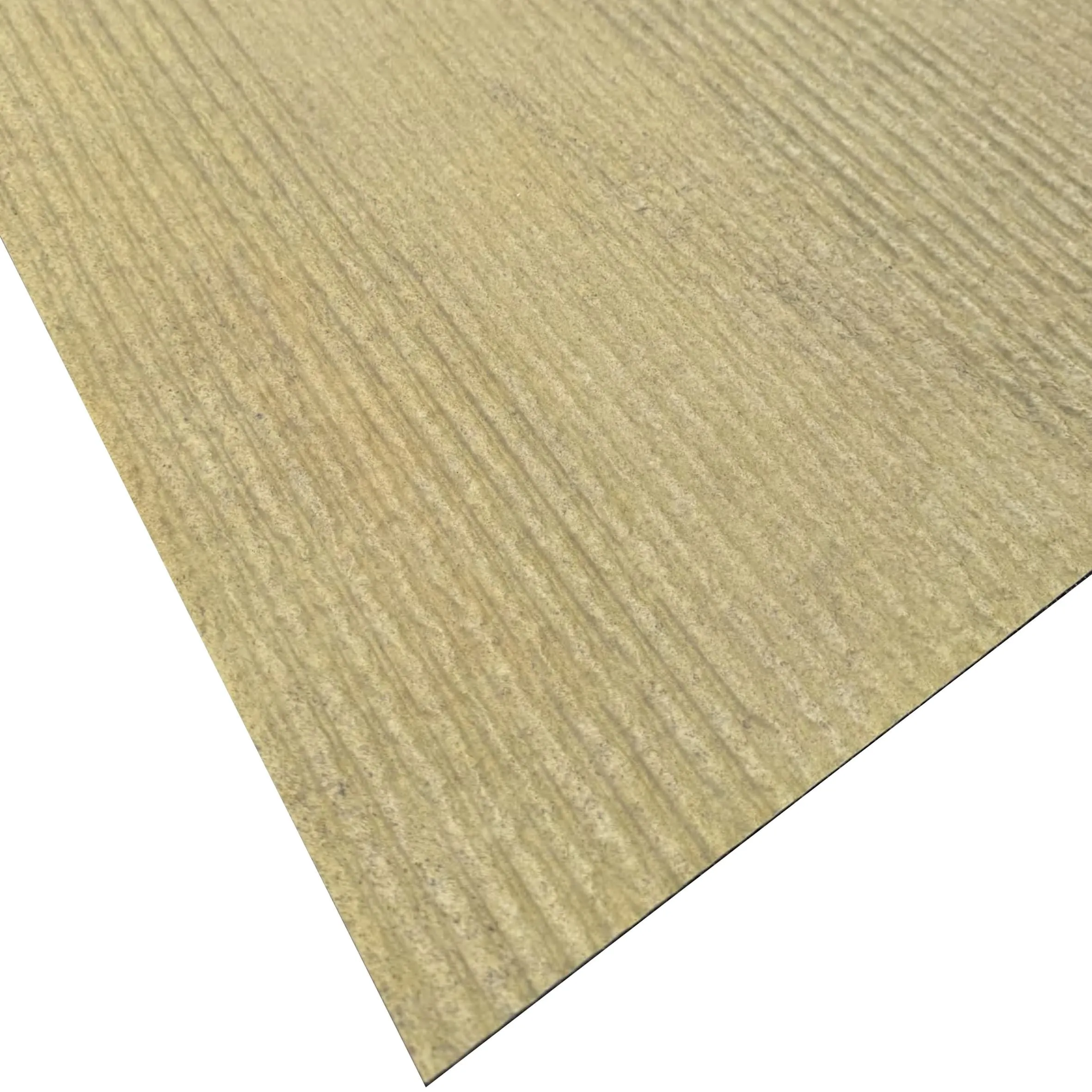
Let's cut to the chase: How long does each material actually take to install? To answer that, we need to walk through the process step by step—from the moment the truck pulls up with materials to the final cleanup. We'll break it down for three common project sizes: small (think a 100 sq. ft. accent wall), medium (a 500 sq. ft. commercial lobby), and large (a 2,000 sq. ft. exterior facade).
MCM's claim to fame is efficiency, and it starts from the get-go. Here's what a typical installation timeline looks like:
Total time for a small project? 1–2 days . Medium? 3–4 days . Large? 6–8 days . "The key is that MCM plays well with teams," Raj explains. "On a large facade, I can put four installers on it, and they never trip over each other. With stone, you're limited by how many people can safely handle heavy pieces at once."
Gravel Omani Stone, by contrast, is a slower dance. Here's why:
Total time for a small project? 3–5 days . Medium? 7–10 days . Large? 14–21 days . "I once had a client who wanted a Gravel Omani Stone fireplace for a holiday party," Lila recalls. "We pulled 12-hour days and barely finished in time. I wouldn't recommend that to anyone—it's stressful, and mistakes happen when you rush stonework."
| Project Size | MCM Installation Time | Gravel Omani Stone Installation Time | Time Difference |
|---|---|---|---|
| Small (100 sq. ft.) | 1–2 days | 3–5 days | Gravel Omani takes 2–3x longer |
| Medium (500 sq. ft.) | 3–4 days | 7–10 days | Gravel Omani takes 2–2.5x longer |
| Large (2,000 sq. ft.) | 6–8 days | 14–21 days | Gravel Omani takes 2–2.5x longer |
Time is money, as the saying goes—and nowhere is that truer than in construction. Labor costs depend on a few factors: hourly rates (which vary by region), the number of workers needed, and how many hours they log. Let's break it down, using average U.S. labor rates ($25–$40 per hour for general labor; $40–$60 per hour for skilled stonemasons).
MCM's speed means fewer labor hours overall. For a small project (100 sq. ft.), you might need 2 installers working 1–2 days (16–32 hours total). At $30/hour, that's $480–$960 .
Medium project (500 sq. ft.): 3 installers for 3 days (72 hours total) = $2,160–$2,880 .
Large project (2,000 sq. ft.): 4–5 installers for 7 days (224–280 hours total) = $6,720–$11,200 .
"MCM is great for tight budgets because you don't need a crew of specialists," Raj notes. "A team of general contractors with basic training can handle it. Stone? You need stonemasons, and they charge more—rightfully so, because their skill is irreplaceable."
Gravel Omani Stone requires skilled labor, and more of it. For a small project, you'll need 1 stonemason and 1 helper for 5 days (80 hours total). Stonemasons average $50/hour, helpers $25/hour: $50x40 + $25x40 = $3,000 .
Medium project: 2 stonemasons and 2 helpers for 10 days (320 hours total) = ($50x160) + ($25x160) = $12,000 .
Large project: 3 stonemasons and 3 helpers for 21 days (1,008 hours total) = ($50x504) + ($25x504) = $37,800 .
"The numbers sound high, but stonemasonry is an art," Lila defends. "You're paying for someone who can look at a pile of stones and see a pattern, who knows how to set them so they'll last 50 years. That's not something you learn overnight."
Numbers tell part of the story, but real projects bring it to life. Let's look at two scenarios—one where MCM was the clear winner, and one where Gravel Omani Stone was worth the wait.
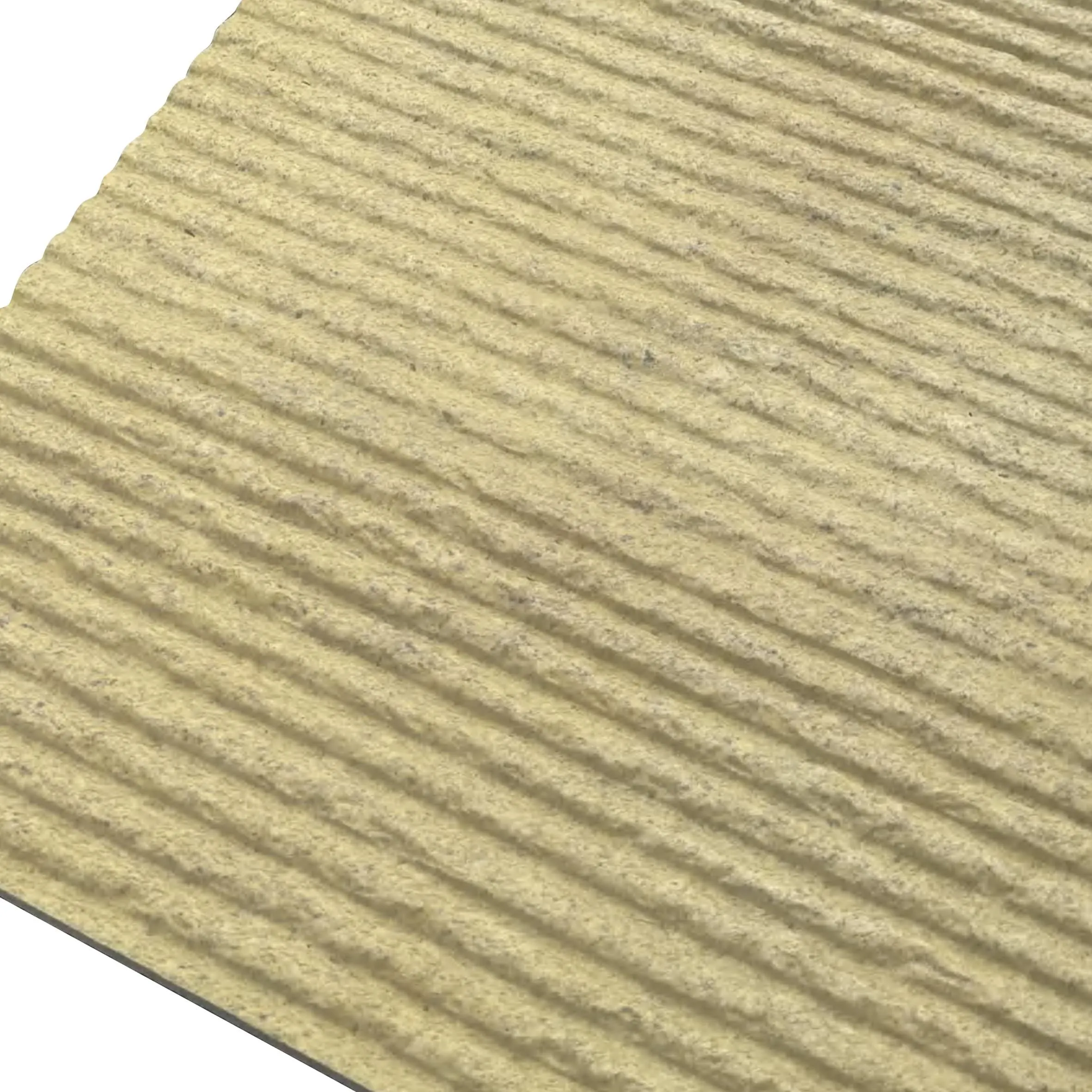
Alex, who owns a chain of cafes, needed to renovate a new location in 6 weeks to open before the busy summer season. The exterior facade was a priority—he wanted it to look modern but warm, like a "rustic-industrial" vibe. His contractor suggested MCM panels in a fair-faced concrete finish, which mimics the raw, textured look of concrete without the weight.
"We had 2,000 sq. ft. of exterior wall to cover," Alex says. "The contractor quoted 7 days for MCM vs. 21 days for stone. With permits and other delays, we didn't have 21 days. MCM saved us. We opened on time, and customers still comment on how 'cool' the facade looks—they can't believe it's not real concrete."
Elena and Mark bought a 1920s bungalow with a crumbling exterior. They wanted to restore it to its original charm but add a modern twist—a stone patio and outdoor kitchen. "We fell in love with Gravel Omani Stone's warmth," Elena says. "It looked like it belonged with the house, like it had been there for decades."
The project took 14 days (twice as long as MCM would have) and cost $15,000 in labor (vs. $5,000 for MCM). "Was it worth it? 100%," Mark says. "Our patio is now the heart of our home. Friends gather there, our kids play there. You can't put a price on that feeling of 'permanence'—like we built something that will outlast us."
Time and cost aren't set in stone (pun intended). A few variables can swing the numbers one way or another:
At the end of the day, MCM and Gravel Omani Stone aren't rivals—they're tools for different jobs. MCM is your go-to for tight deadlines, budget constraints, or projects where you want a polished, uniform look. Gravel Omani Stone is for when you crave character, longevity, and the kind of texture that makes a space feel alive.
Maria, the homeowner we met earlier? She chose MCM for her backyard wall (to meet the graduation deadline) but splurged on Gravel Omani Stone for a smaller accent piece by the patio door. "It was the best of both worlds," she says. "The wall got done on time, and the accent piece? It's where we take all the graduation photos. Perfect."
So, what's your "why"? Are you racing the clock, or building something to last? Whatever you choose, remember: the best material is the one that fits your project's heart—whether that's speed, soul, or a little bit of both.
Recommend Products












