
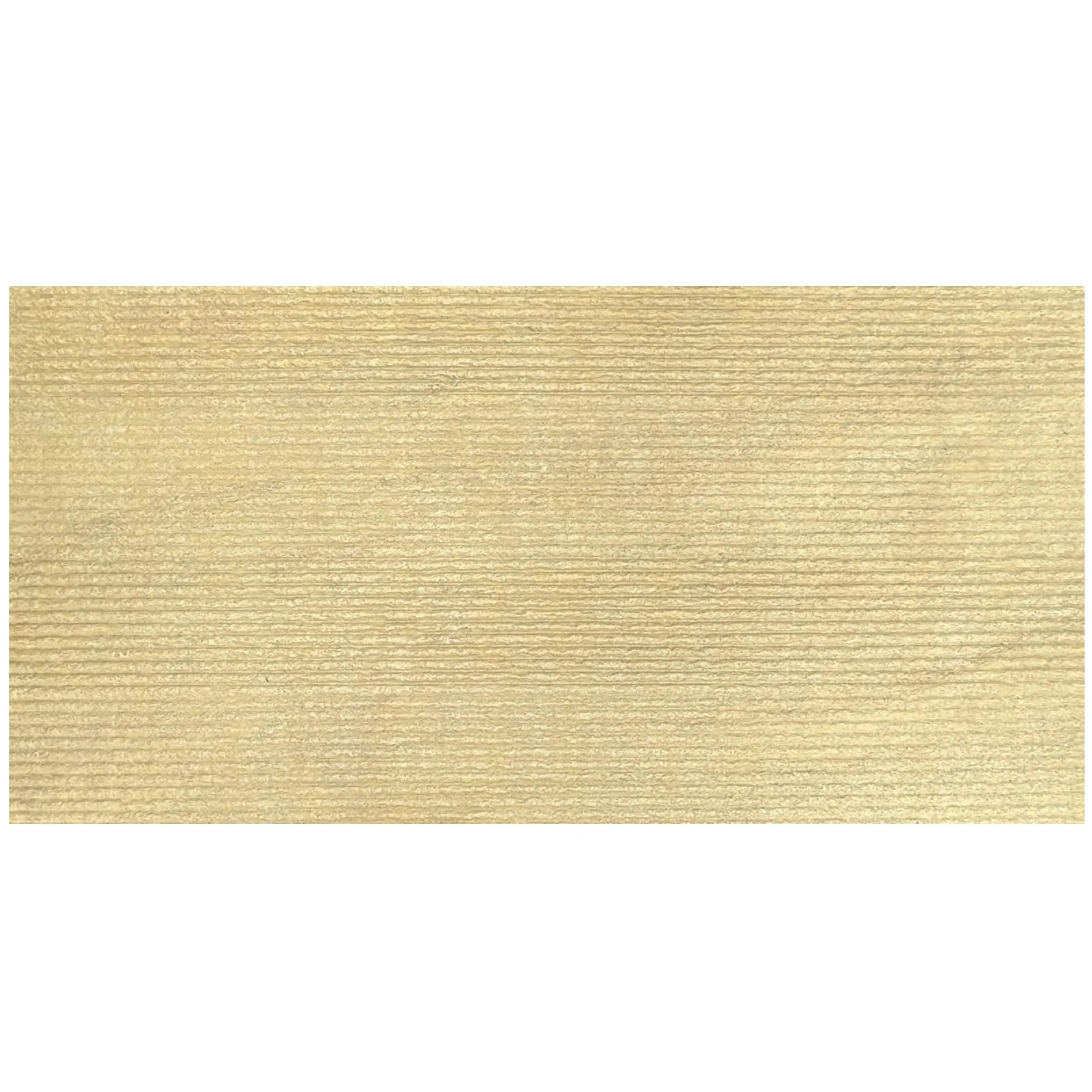
Choosing the right building material is like picking a long-term partner—you're not just looking at the first impression, but how it holds up over the years. For architects, homeowners, and project managers, the allure of natural stone like Gravel Omani Stone is undeniable. Its earthy texture and timeless appeal can transform a space into something rustic and elegant. But here's the thing: beauty often comes with a price, and not just the upfront one. When we talk about "cost," we're really talking about the total investment over decades—initial purchase, regular upkeep, unexpected repairs, and eventual replacement. That's where modern materials like MCM (Modified Composite Material) products step into the spotlight. Today, we're diving deep into a head-to-head comparison: MCM Flexible Stone, MCM Big Slab Board Series, and even innovative options like Foamed Aluminium Alloy Board against the classic Gravel Omani Stone. We'll break down their long-term maintenance costs, so you can decide which material truly delivers value—both aesthetically and financially—for your next project.
First, let's get to know our two main players. On one side, we have Gravel Omani Stone, a natural stone quarried from the rocky landscapes of Oman. It's prized for its unique granular texture, warm tones, and the organic character that only nature can create. It's often used for exterior cladding, walkways, and accent walls, where its rugged charm shines. On the other side, we have MCM products—a family of engineered materials designed to mimic the look of natural stone, wood, or metal, but with a focus on durability and low maintenance. For this comparison, we'll focus on three standout MCM options: MCM Flexible Stone (lightweight and bendable, perfect for curved surfaces), MCM Big Slab Board Series (large-format panels for seamless installations), and Foamed Aluminium Alloy Board (a sleek, metallic variant known for its strength and resistance to corrosion). These MCM products aren't just imitations; they're reimaginations of traditional materials, built to tackle the challenges of long-term use.
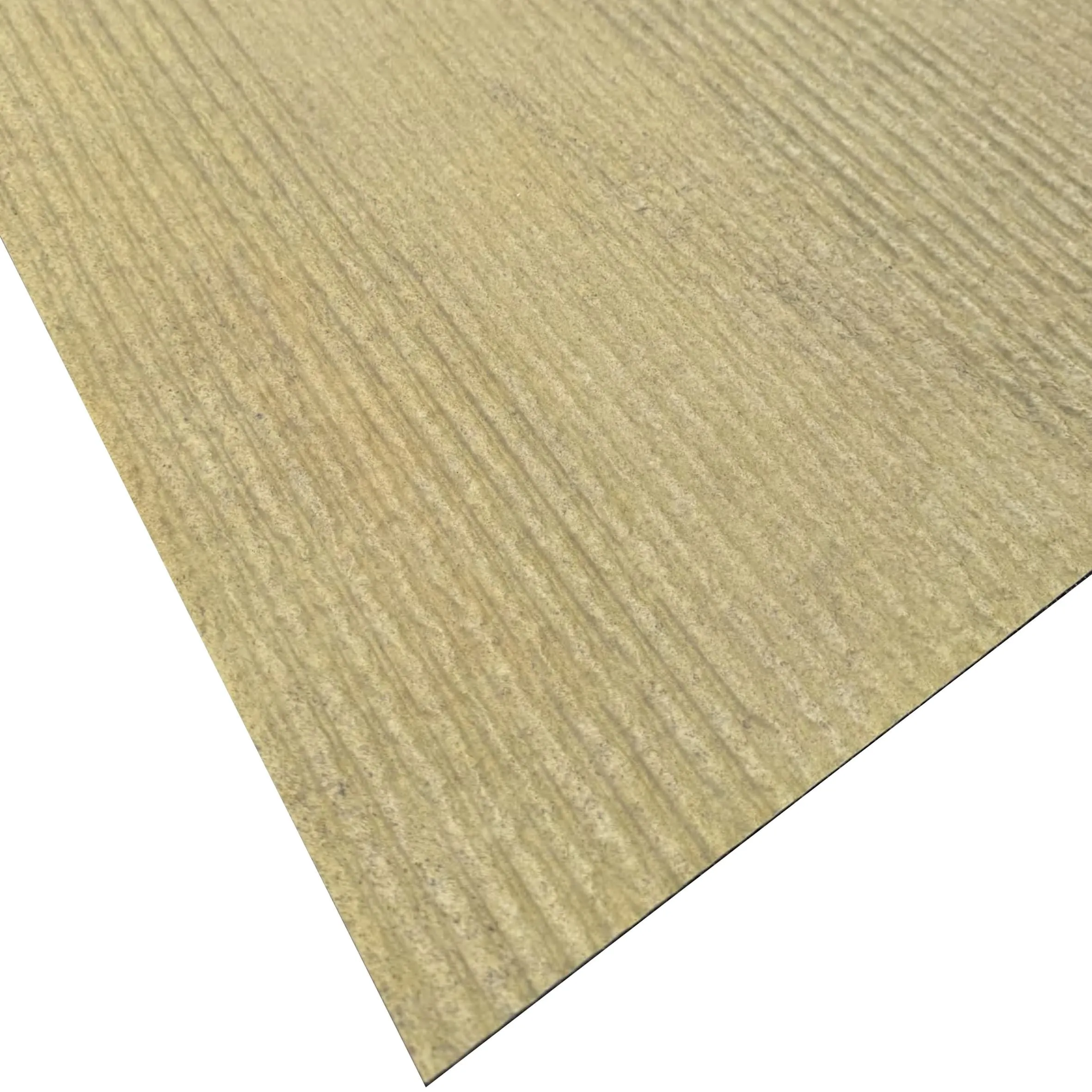
Let's start with the most obvious number: how much do these materials cost to buy and install? Gravel Omani Stone, being a natural product, has a reputation for being "premium" upfront. Quarrying, transporting, and cutting natural stone is labor-intensive, so you're looking at roughly $80–$120 per square meter (sqm) for the stone itself, plus installation costs of $50–$70 per sqm. That brings the initial total to $130–$190 per sqm. It's not cheap, but many people are willing to pay for that "natural" label.
Now, MCM products. At first glance, you might think engineered materials would be pricier, but MCM's manufacturing process is streamlined, and its lightweight nature cuts down on transportation and installation costs. For example, MCM Flexible Stone costs around $60–$90 per sqm for the material, with installation at $30–$40 per sqm (thanks to its flexibility, which reduces labor time). The MCM Big Slab Board Series, with its larger panels, is slightly more at $70–$100 per sqm for materials, but installation is even faster—around $25–$35 per sqm—since fewer panels mean fewer cuts and less time on the job. Foamed Aluminium Alloy Board, with its metallic finish, sits at $80–$110 per sqm for materials, but again, installation is a breeze at $30–$45 per sqm. So, total initial costs for MCM range from $90–$145 per sqm—often lower than Gravel Omani Stone. That's a nice surprise, but initial cost is just the start. The real test is what happens next: the years of maintenance that follow.
Here's where the true cost of ownership reveals itself. Maintenance isn't just about cleaning—it's about repairs, replacements, and protecting against wear and tear. Let's break this down into key categories and see how our contenders stack up.
Gravel Omani Stone is porous. That means it absorbs moisture, dirt, and even stains from things like bird droppings, oil, or algae. To keep it looking fresh, you'll need to clean it regularly—at least twice a year with a pressure washer. But pressure washing can be harsh; too much force can erode the stone's surface over time, making it more porous and prone to damage. You'll also need to seal it every 2–3 years to prevent staining. A good stone sealer costs around $15–$25 per liter, covering about 5–8 sqm, so that's $3–$5 per sqm every 2–3 years. Add in the cost of pressure washing ($0.50–$1 per sqm each time), and annual cleaning costs for Gravel Omani Stone start to add up: roughly $2–$4 per sqm per year, plus sealing every few years.
MCM products, on the other hand, are non-porous. Their engineered surface repels moisture and dirt, so cleaning is a breeze. A quick wipe with mild soap and water once or twice a year is usually enough—no pressure washing needed. Even stubborn stains like oil or graffiti can be removed with a gentle solvent without damaging the material. Since MCM doesn't require sealing (its surface is already protected during manufacturing), there's no extra cost there. Annual cleaning costs? A mere $0.30–$0.70 per sqm. That's less than a quarter of what you'd spend on Gravel Omani Stone over the same period.
Natural stone is strong, but it's also brittle. Gravel Omani Stone, with its granular structure, is prone to cracking under heavy impact (think a falling branch or a misdirected lawnmower). It's also susceptible to "spalling"—when water seeps into pores, freezes in cold weather, and expands, causing small pieces to flake off. Repairing a cracked section of Gravel Omani Stone isn't easy: you often have to remove the damaged stones, source matching replacements (which can be hard, since natural stone varies in color and texture), and re-lay the area. A small repair (1–2 sqm) can cost $200–$300, and if the damage is widespread, you might be looking at $500+ per incident. Over 10 years, most homeowners or building managers report 2–3 repair jobs, adding up to $600–$1,500.
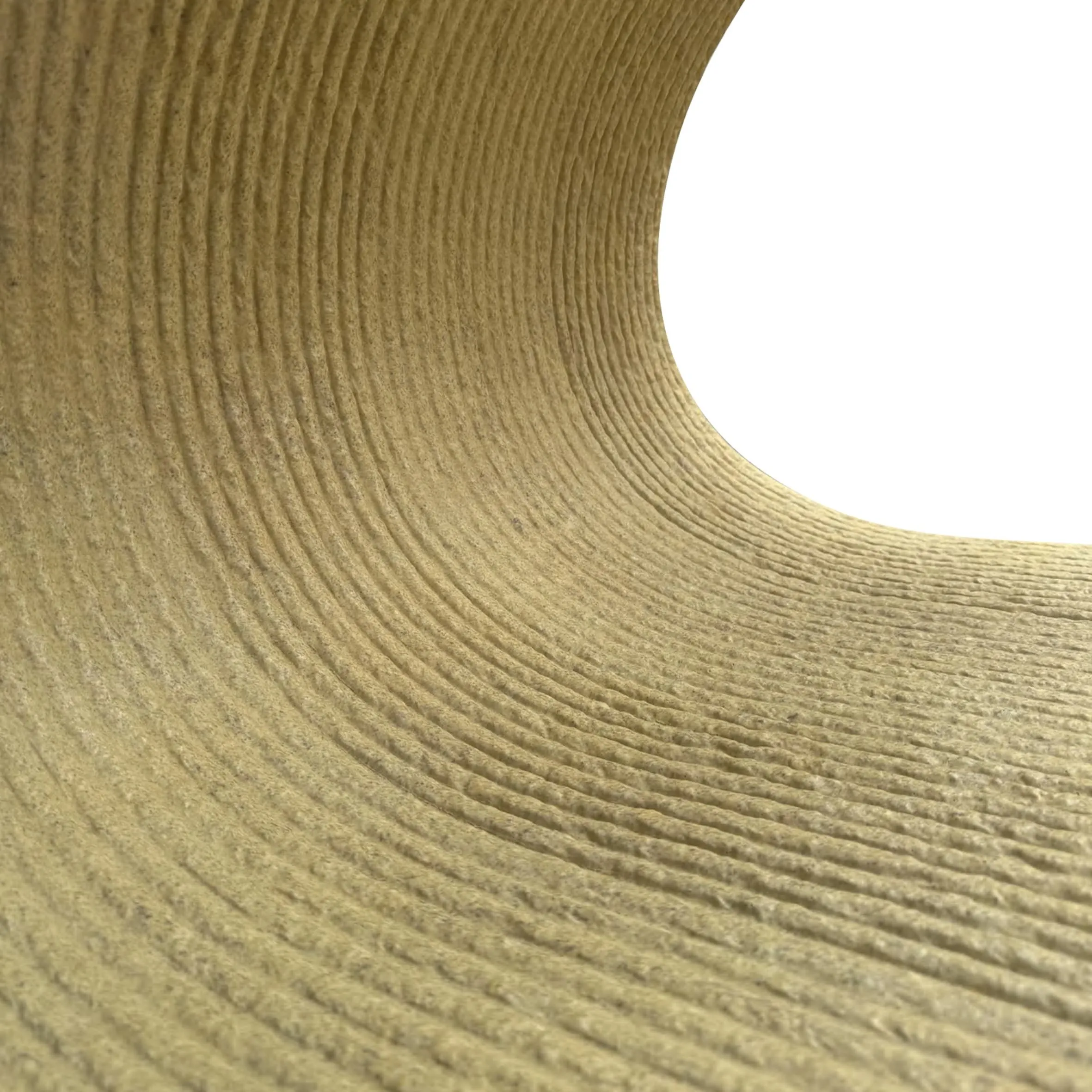
MCM products, by contrast, are designed to be tough and flexible. MCM Flexible Stone, as the name suggests, can bend without breaking—ideal for areas with temperature fluctuations or minor structural movement. Foamed Aluminium Alloy Board adds another layer of durability with its metal core, resisting dents and impacts. If a panel does get damaged (say, from a severe storm), MCM's modular design is a lifesaver: you can remove and replace just the damaged panel, not the entire section. A single MCM panel costs $20–$50 (depending on size), and installation takes an hour or two, so total repair cost per incident is $50–$100. Over 10 years, MCM users typically report 1–2 minor repairs, totaling $50–$200. That's a fraction of Gravel Omani Stone's repair bills.
Even with the best maintenance, all materials wear out eventually. How long do these options last before they need to be fully replaced?
Gravel Omani Stone, with proper care, can last 20–30 years—but "with proper care" is the key phrase. In harsh environments (coastal areas with salt spray, regions with extreme temperature swings, or high-traffic walkways), its lifespan drops to 15–20 years. When it does wear out, replacement means removing all the old stone, preparing the substrate again, and installing new stone—a costly and time-consuming process that's essentially a repeat of the initial installation cost. So, if you replace Gravel Omani Stone after 15 years, you're looking at another $130–$190 per sqm. Over a 30-year period, that's two full replacements.
MCM products, thanks to their engineered durability, have a longer lifespan. MCM Flexible Stone and Big Slab Board Series are rated to last 30–40 years in most environments, and Foamed Aluminium Alloy Board can hit 40–50 years. Even in harsh coastal or industrial areas, they hold up for 25–30 years. When replacement is needed, MCM's lightweight panels are easier to remove, and the substrate (which was less damaged thanks to MCM's protective layer) often needs minimal prep. So, replacement costs are lower: around $70–$120 per sqm (material + installation). Over 40 years, that's just one replacement—half the frequency of Gravel Omani Stone.
Weather is a silent enemy of building materials. Let's take two extreme scenarios to see how each material performs: a rainy, humid coastal area and a dry, hot desert region.
Scenario 1: Coastal Home (High Humidity, Salt Spray)
In coastal areas, salt in the air accelerates corrosion and staining. Gravel Omani Stone, being porous, absorbs saltwater, leading to efflorescence (white, powdery deposits) and weakening of the stone's structure. You'll need to seal it annually instead of every 2–3 years, doubling your sealing costs. MCM products, however, are non-porous and resistant to salt corrosion. MCM Flexible Stone's flexible core also handles the humidity-induced expansion and contraction of the substrate, preventing cracks. Foamed Aluminium Alloy Board, with its aluminum base, forms a protective oxide layer that resists salt damage. In this scenario, Gravel Omani Stone's annual maintenance costs jump by $3–$5 per sqm, while MCM stays steady.
Scenario 2: Desert Villa (Extreme Heat, Sandstorms)
In the desert, extreme heat (up to 50°C) and abrasive sandstorms test a material's limits. Gravel Omani Stone, though heat-resistant, can fade in intense sunlight over time, losing its color and vibrancy. Sandstorms blast the stone's surface, wearing down its texture and making it more porous. You'll need to clean more frequently (3–4 times a year) and may face early replacement (10–15 years instead of 15–20). MCM products, however, are UV-stabilized—their colors don't fade easily. The tough outer layer of MCM Flexible Stone and Big Slab Board Series resists sand abrasion, and Foamed Aluminium Alloy Board's smooth surface lets sand slide off without damage. In the desert, Gravel Omani Stone's 10-year maintenance costs could rise by 20–30%, while MCM's stay consistent.
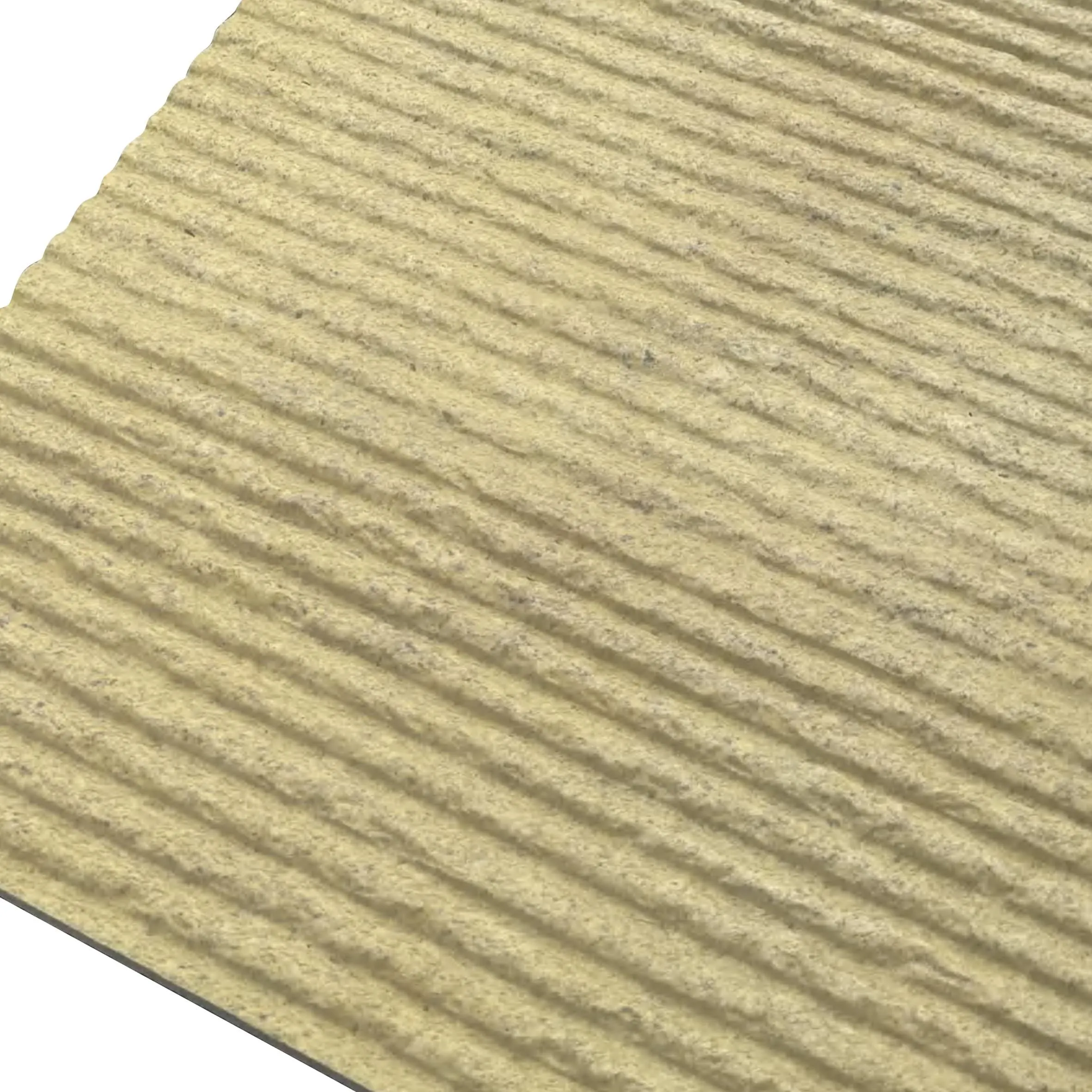
To make this tangible, let's create a hypothetical 10-year cost comparison for a 100 sqm installation. We'll average out the numbers, considering moderate weather conditions (not too coastal, not too desert) and typical usage (residential exterior cladding).
| Material | Initial Cost (100 sqm) | Annual Cleaning & Sealing Cost | 10-Year Repair Costs | Replacement Needed in 10 Years? | Total 10-Year Cost |
|---|---|---|---|---|---|
| Gravel Omani Stone | $16,000 ($160/sqm) | $300/year ($3/sqm) | $1,000 (2 repairs) | No, but 50% worn; partial replacement: $5,000 | $16,000 + ($300×10) + $1,000 + $5,000 = $25,000 |
| MCM Flexible Stone | $10,500 ($105/sqm) | $50/year ($0.50/sqm) | $100 (1 minor repair) | No; 80% like new | $10,500 + ($50×10) + $100 = $10,650 |
| MCM Big Slab Board Series | $11,500 ($115/sqm) | $40/year ($0.40/sqm) | $75 (1 minor repair) | No; 85% like new | $11,500 + ($40×10) + $75 = $11,975 |
| Foamed Aluminium Alloy Board | $13,000 ($130/sqm) | $60/year ($0.60/sqm) | $50 (no repairs, just minor touch-up) | No; 90% like new | $13,000 + ($60×10) + $50 = $13,650 |
The difference is striking. Over 10 years, Gravel Omani Stone costs $25,000 for 100 sqm, while MCM products range from $10,650 to $13,650. That's a savings of $11,350–$14,350 with MCM. Even if you factor in a higher initial MCM cost (say, $140/sqm), the total 10-year cost would still be around $15,000—$10,000 less than Gravel Omani Stone. And remember, this is just 10 years. Extend it to 20 years, and Gravel Omani Stone would need a full replacement, pushing its total cost to $41,000, while MCM would still be going strong with minimal added costs.
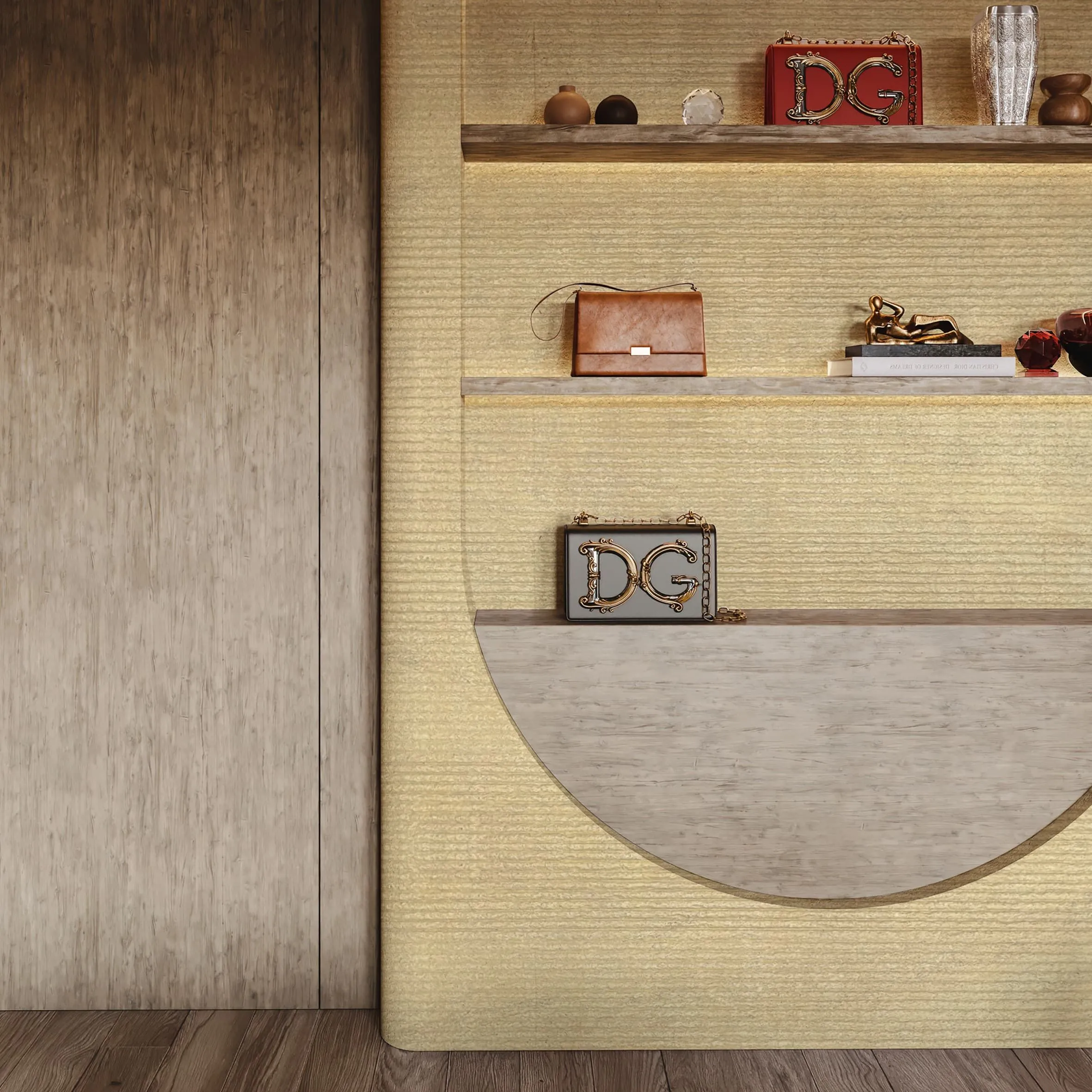
Cost isn't the only factor, of course. Time is a precious resource, and Gravel Omani Stone demands more of it. Imagine spending weekends pressure washing, resealing, or coordinating repairs—time that could be spent enjoying your space instead of maintaining it. MCM products free up that time, with their "set it and forget it" nature. There's also the aesthetic factor: Gravel Omani Stone, while beautiful initially, can fade, stain, or chip over time, losing its charm. MCM products, with their colorfast pigments and resistant surfaces, keep their "like new" look for decades, ensuring your space remains visually appealing without constant upkeep.
Gravel Omani Stone has its place. It's a natural wonder, and for some, the upfront beauty is worth the long-term costs. But for most of us—whether we're homeowners on a budget, architects designing for a client, or project managers focused on ROI—MCM products offer unbeatable value. MCM Flexible Stone, Big Slab Board Series, and Foamed Aluminium Alloy Board aren't just cheaper over time; they're smarter. They combine the aesthetic appeal of natural materials with the durability and low maintenance of modern engineering. When you choose MCM, you're not just buying a material—you're investing in peace of mind, knowing that your space will look great and cost less to care for, year after year. In the end, the true measure of a material isn't just how it looks on day one, but how it performs over the decades. And by that standard, MCM is a clear winner.
Recommend Products












