

When it comes to designing and constructing modern commercial spaces, there's one word that echoes louder than almost any other in the minds of developers, architects, and facility managers: durability. These aren't just pretty facades; they're bustling hubs of activity, subject to constant foot traffic, potential impacts, environmental wear, and the general rigors of daily use. From shopping malls and office complexes to hospitals and educational institutions, the materials chosen for interior and exterior finishes must stand the test of time, look good doing it, and ultimately contribute to the long-term value of the investment.
For decades, traditional masonry stone – think granite, marble, limestone, and sandstone – has been the go-to choice for projects aiming for a classic, robust, and prestigious aesthetic. Its natural beauty and perceived strength are undeniable. However, the world of building materials is constantly evolving, with innovations pushing the boundaries of what's possible. Enter MCM (Modified Cementitious Material) , a revolutionary category of materials championed by forward-thinking companies like COLORIA GROUP. This article isn't just about comparing two materials; it's about exploring which one truly offers superior, sustainable durability, especially in the demanding context of commercial projects . We're going to dive deep into why MCM is rapidly becoming the preferred choice for discerning builders and designers.
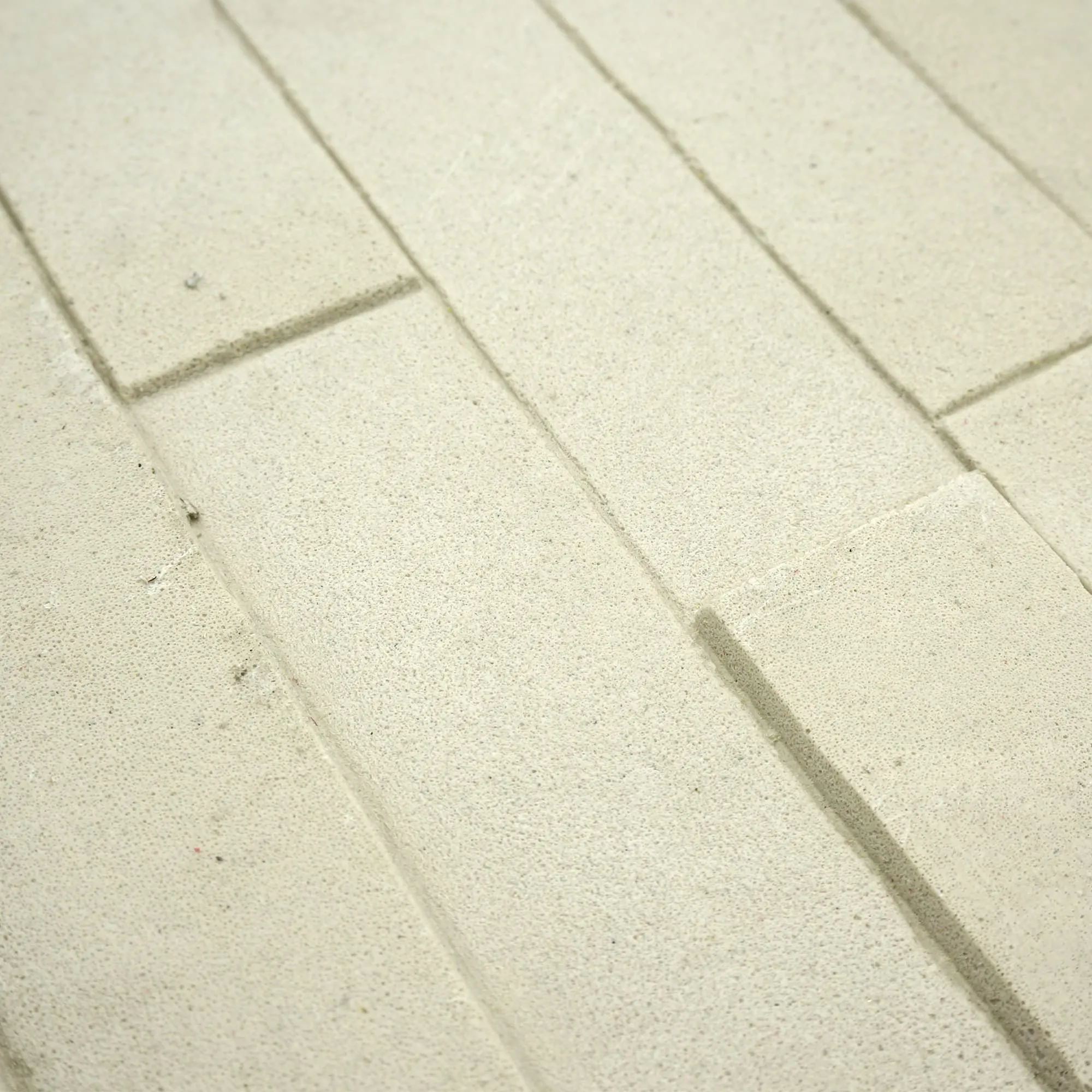
Before we pit MCM against traditional masonry, let's establish what "durability" truly means in a commercial setting. It's not a simple, single metric. Instead, it's a multifaceted concept encompassing several critical performance indicators:
Traditional masonry stone has a reputation for being tough, and in many respects, it is. But its inherent properties also come with significant limitations when these various aspects of durability are scrutinised for modern commercial applications. COLORIA GROUP, as a one-stop solution provider in building materials , has meticulously engineered its MCM products to address and overcome these limitations, delivering truly high-quality solutions.
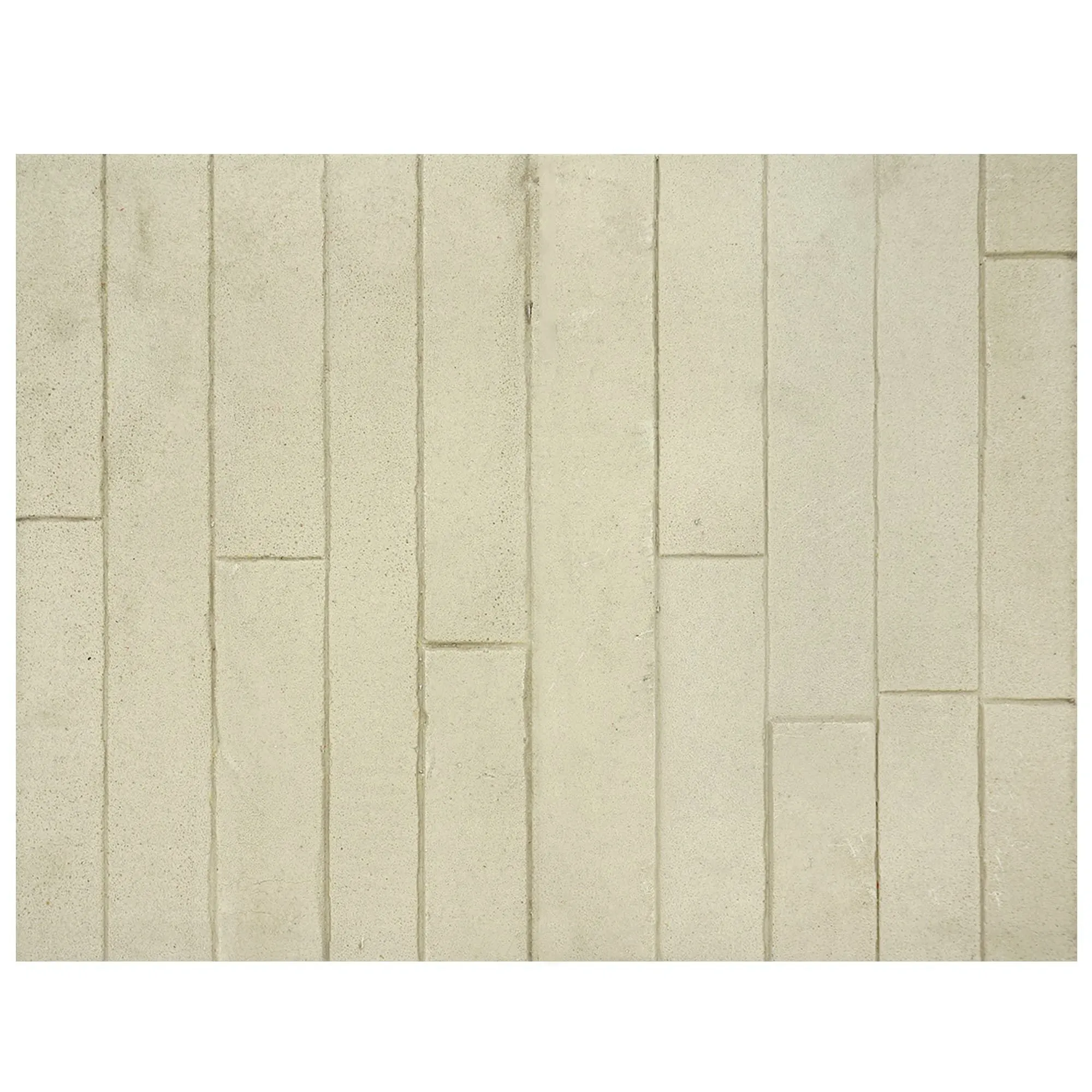
Masonry stone, carved directly from the earth, offers unique beauty and a sense of permanence. Each slab or tile possesses its own distinct patterns and colors, making every installation one-of-a-kind. But what about its practical durability in high-traffic commercial environments?
While masonry stone certainly has its place, particularly in low-traffic or very specific luxury applications, its suitability for the relentless demands of a modern commercial environment where ease of maintenance and long-term performance are paramount is increasingly being questioned.
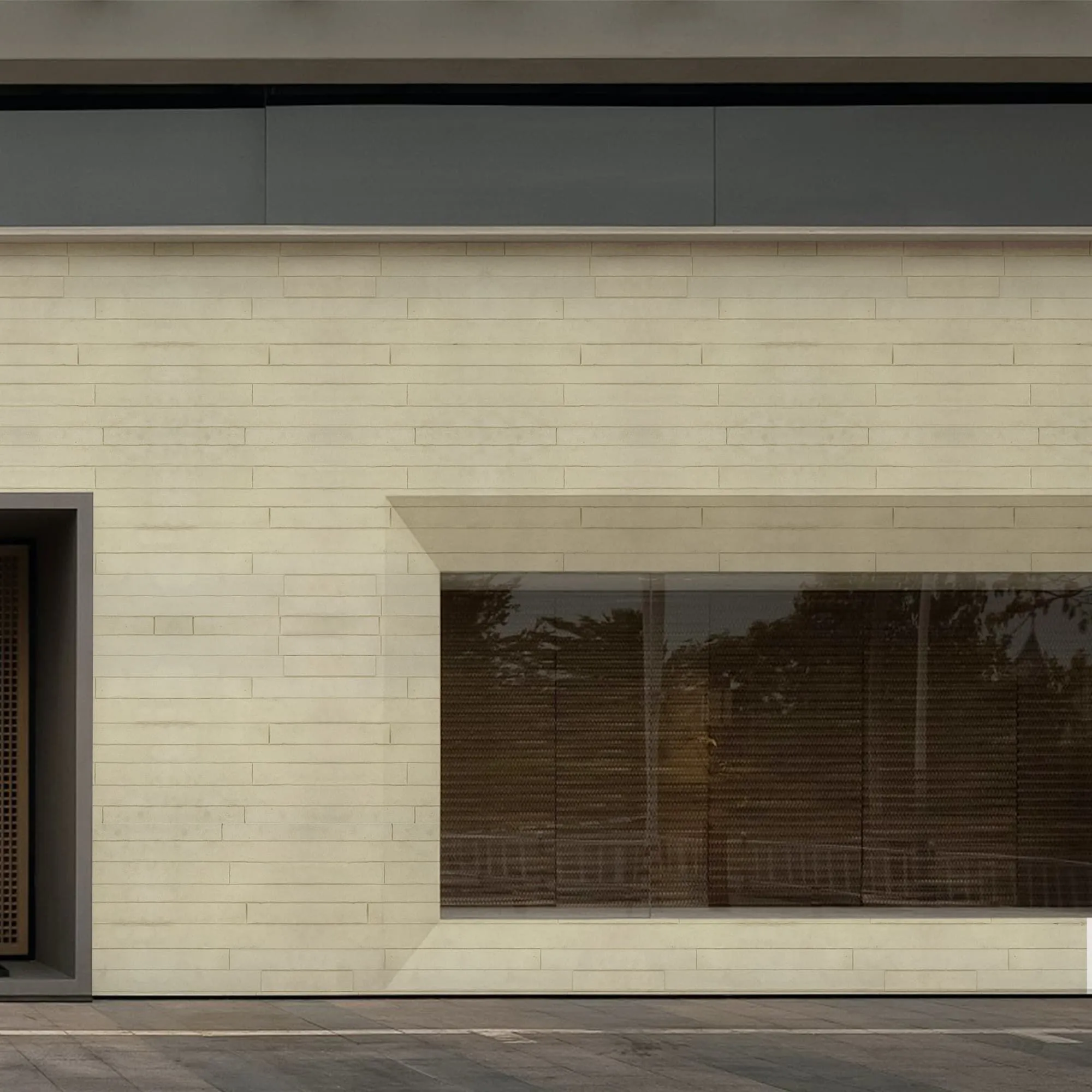
Now, let's turn our attention to MCM (Modified Cementitious Material) , the innovative material at the heart of COLORIA GROUP's product offerings. MCM represents a significant leap forward in building materials technology. It's a composite material made from natural mineral powders, plant fibers, and other environmentally friendly components, mixed with a water-based polymer and shaped under low temperatures. The result is a material that mimics the look and feel of natural stone, wood, brick, leather, and even metal, but with vastly superior performance characteristics, especially in durability.
COLORIA GROUP's MCM series, including its popular MCM Flexible Stone , MCM Big Slab Board Series , and MCM Project Board Series , is specifically engineered to meet and exceed the rigorous demands of high-traffic commercial environments.
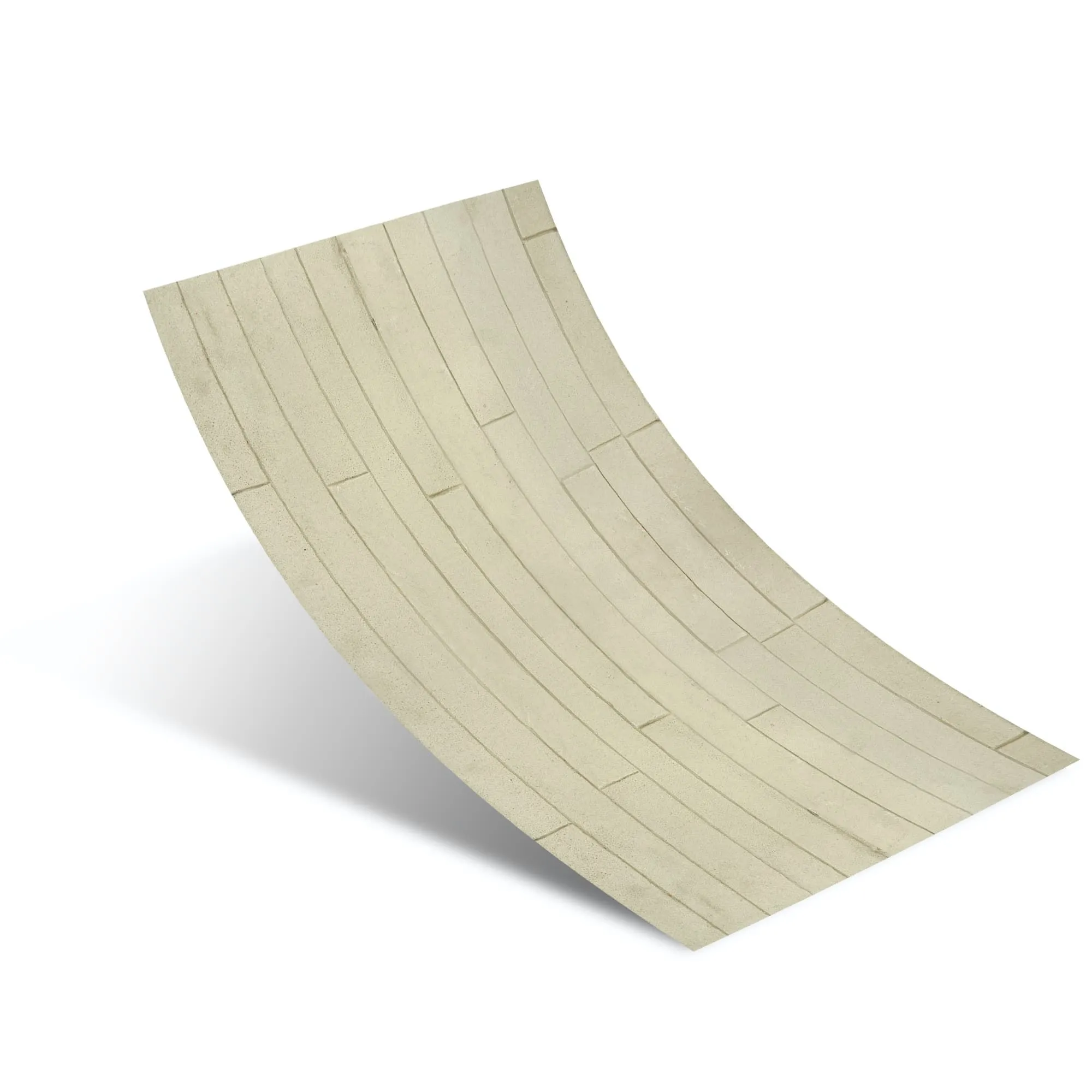
Let's break down some of the durability aspects more granularly to illustrate the stark contrast between MCM and masonry stone in high-traffic commercial environments.
Imagine a busy hotel lobby, a retail corridor, or an airport terminal. These surfaces endure thousands of footsteps daily, wheeled luggage, cleaning machines, and the occasional scuff from furniture. Traditional polished stone, while initially stunning, can develop micro-scratches and dullness over time, requiring periodic re-polishing – an invasive, costly, and disruptive process for a commercial space. Rougher natural stone textures might hide wear better but can be harder to clean.
COLORIA GROUP's MCM, specifically designed as a high-quality building material , has a homogenous composition that resists abrasion remarkably well. Its surface technology is engineered to maintain its aesthetic integrity even under constant friction. The slight inherent flexibility also helps dissipate direct pressure, reducing the likelihood of surface degradation. This means less frequent maintenance cycles and a perpetually fresh appearance, crucial for maintaining a positive brand image in commercial projects .
In any commercial setting, impacts are inevitable. A dropped tool, a bumping cart, or a sudden collision can spell disaster for brittle materials. A chipped granite tile or a cracked marble slab isn't just an aesthetic flaw; it can be a safety hazard and an expensive repair. Replacing a single, non-uniform natural stone piece can be a logistical nightmare, especially if the original quarry or batch is no longer available.
MCM's unique modified cementitious structure provides a significant advantage here. It's tough but not rigid. This characteristic allows it to absorb kinetic energy from impacts rather than fracturing. Think of it as having a slight "give" that traditional stone lacks. This dramatically reduces the incidence of chipping and cracking, translating into fewer repairs, less downtime, and ultimately, lower operational costs for property owners. COLORIA GROUP's MCM Project Board Series is particularly robust, engineered for these exact demanding scenarios.
Spills are a fact of life in commercial environments – coffee in an office, chemicals in a lab, food in a restaurant. Porous natural stones are highly susceptible to penetration by liquids, leading to stubborn stains that can be nearly impossible to remove. Acidic cleaners, often used for sanitation in commercial spaces, can etch and permanently damage the surface of calcareous stones like marble and limestone. Protecting natural stone surfaces often involves complex sealing procedures that need to be regularly reapplied, adding to the maintenance burden.
COLORIA GROUP's MCM materials boast a dense, non-porous surface that acts as an effective barrier against most liquids and chemicals. Stains sit on the surface, making them easy to wipe away without leaving a trace. This inherent resistance eliminates the need for expensive and time-consuming sealing processes, making MCM a truly low-maintenance solution for both interior and exterior decoration materials . This characteristic also makes it an excellent choice for healthcare facilities and kitchens where hygiene and easy cleaning are paramount.
For exterior facades, durability against the elements is non-negotiable. Sun, rain, snow, and extreme temperature swings can wreak havoc on conventional materials. Some natural stones can fade over time, change color, or even spall (flake) due to freeze-thaw cycles if moisture penetrates their structure.
MCM, particularly COLORIA GROUP's MCM Flexible Stone and MCM Big Slab Board Series , is specifically engineered to perform under diverse climatic conditions. Its advanced formulation ensures excellent UV stability, meaning colors remain vibrant and true year after year. Its low water absorption and resistance to thermal expansion/contraction prevent cracking and warping, ensuring the facade retains its aesthetic appeal and protective function for decades. This superior performance in outdoor settings makes it a compelling choice for architectural finishes globally, especially in challenging environments like the Middle East where COLORIA GROUP has a significant presence.
Initial purchase price is just one piece of the puzzle. The true cost of any building material lies in its long-term cost of ownership, which includes installation, maintenance, repairs, and replacement. Traditional masonry stone, with its heavy weight, complex installation, and high maintenance needs, often incurs significant long-term expenses.
COLORIA GROUP's MCM offers a compelling economic advantage. Its lightweight nature drastically reduces transportation and installation costs. Its inherent durability and low-maintenance characteristics translate into substantial savings on cleaning products, sealing agents, and repair work over the lifespan of the building. Furthermore, as a green and eco-friendly material, MCM contributes to LEED certifications and other sustainability goals, which can offer tax incentives and enhance a building's marketability. Choosing MCM isn't just about opting for a durable material; it's about making a smart, sustainable, and economically sound investment for any commercial project .
"In commercial construction, every decision echoes for decades. Choosing materials like COLORIA GROUP's MCM isn't just about aesthetics; it's a strategic move towards unparalleled durability, lower lifecycle costs, and a sustainable future for our built environment."
COLORIA GROUP, as a focused one-stop solution provider in architectural materials, doesn't offer a generic MCM. Instead, their product lines are carefully developed to address specific needs within the realm of interior and exterior decoration materials , all while maintaining their core commitment to durability, high-quality , and environmental responsibility.
For expansive commercial areas requiring a seamless, sophisticated look, the MCM Big Slab Board Series is ideal. These large-format panels minimize grout lines, creating a cleaner aesthetic and reducing points of potential weakness or dirt accumulation. Their large size, combined with MCM's inherent flexibility and strength, makes them incredibly durable for vast wall claddings or large floor areas where impact and wear resistance are paramount. Imagine a grand hotel lobby or a corporate headquarters facade – these slabs deliver both visual impact and long-term performance.
The MCM Project Board Series is explicitly designed for the rigorous demands of large-scale commercial projects . This series focuses on maximizing resilience, ease of installation, and cost-effectiveness without sacrificing aesthetics. These boards are tough, highly resistant to all forms of wear, and incredibly stable. They're the go-to choice for applications where practical durability and swift project execution are the top priorities, ensuring that construction timelines are met and the finished product stands strong for years.
While not purely about flat surface durability, the MCM 3D Printing Series offers a unique take on creating durable, complex forms. Traditional stone carving for intricate 3D elements is incredibly costly, time-consuming, and prone to breakage during transport or installation. MCM 3D printing allows for the creation of bespoke, highly detailed architectural elements that retain all the durable properties of standard MCM. This opens up new possibilities for distinctive facades, sculptural installations, and branding elements within commercial spaces that are not only visually stunning but also built to last.
COLORIA GROUP's MCM Flexible Stone product is a standout example of marrying aesthetic appeal with cutting-edge durability. It delivers the luxurious look and tactile feel of natural stone – be it granite, marble, slate, or travertine – but with the superior performance characteristics of MCM. Its flexibility allows it to be applied to curved surfaces, withstand impacts without cracking, and resist moisture and stains, all while being a fraction of the weight and cost of real stone. This is particularly advantageous for intricate designs or renovation projects where structural integrity might be a concern with heavy natural stone. It's a game-changer for achieving premium aesthetics with everyday resilience.
To summarize our deep dive, let's look at a comparative table highlighting the key durability aspects for high-traffic commercial areas. This will make it clear why COLORIA GROUP's MCM (Modified Cementitious Material) consistently outperforms traditional masonry stone as a high-quality building material .
| Durability Factor | COLORIA GROUP's MCM (Modified Cementitious Material) | Traditional Masonry Stone (e.g., Granite, Marble, Limestone) |
|---|---|---|
| Weight & Installation | Extremely Lightweight: Reduces structural load, significantly lowers transportation costs, and simplifies installation process. Can be applied to almost any surface. | Very Heavy: Requires substantial structural reinforcement, high transportation costs, and complex, time-consuming installation by specialized labor. |
| Impact Resistance | Excellent: Flexible and resilient, absorbs impacts without cracking, chipping, or shattering. Ideal for high-traffic areas prone to bumps. | Moderate to Poor: Can be brittle; susceptible to chipping and cracking from impacts, especially softer stones. Repairs are often difficult and costly. |
| Wear & Abrasion Resistance | Superior: Engineered surface withstands heavy foot traffic, scratches, and scuffs without significant degradation. Maintains aesthetic integrity longer. | Good (for hard stones like granite), Moderate (for softer stones): Can show micro-scratches and dullness over time. Softer stones are prone to abrasion. Requires periodic re-polishing. |
| Chemical & Stain Resistance | High: Non-porous surface resists penetration from liquids, oils, and chemicals. Easy to clean with standard agents; no sealing required. | Varies (Poor to Moderate): Many stones are highly porous and susceptible to staining. Requires regular sealing. Acidic cleaners can etch and damage surfaces. |
| Weathering & UV Stability | Excellent: UV stable, highly resistant to moisture, frost-thaw cycles, and extreme temperature fluctuations. Colors remain vibrant for exterior use. | Varies (Good for some, Poor for others): Some stones fade, spall, or discolor with prolonged UV exposure and freeze-thaw cycles. |
| Maintenance Requirements | Very Low: Easy to clean, no special sealing or treatment required. Less frequent repairs contribute to lower lifecycle costs. | High: Requires specific cleaning products, regular sealing (for many types), and careful handling. Repairs can be complex and expensive. |
| Design Flexibility & Customization | Unmatched: Available in vast array of colors, textures, and patterns. Can mimic any natural material or create unique designs. Flexible for curved surfaces. | Limited: Colors and patterns are natural. Customization limited to cuts and finishes. Difficult to achieve complex curved forms. |
| Environmental Impact | Green and Eco-friendly : Made from natural mineral powders, low-temperature production, minimal waste. Contributes to sustainable building. | Significant: Energy-intensive quarrying, transportation, and processing. Finite resource extraction. |
| Application for Commercial Projects | Ideal: Optimized for high-traffic areas, large-scale installations, and modern sustainability requirements. Offers long-term value and aesthetic appeal. | Niche/High-End: Best suited for low-traffic luxury areas or where absolute natural authenticity is prioritized over practical durability and cost. |
In the dynamic and demanding landscape of modern commercial architecture, decisions about building materials are increasingly scrutinized not just for immediate aesthetics, but for their long-term performance, maintenance overhead, and environmental footprint. Traditional masonry stone, while possessing an undeniable classic charm, often falls short when measured against the comprehensive durability and practical requirements of today's high-traffic commercial spaces. Its weight, brittleness, porosity, and high maintenance costs can quickly erode its initial appeal, leading to unforeseen expenses and operational disruptions.
COLORIA GROUP's MCM (Modified Cementitious Material) emerges as the clear front-runner. As a one-stop solution provider dedicated to delivering high-quality interior and exterior decoration materials , COLORIA GROUP has leveraged decades of industry experience to engineer a product that not only beautifully replicates the textures of nature but vastly improves upon its performance. From the robust MCM Project Board Series designed for the toughest jobs, to the versatile MCM Flexible Stone that brings elegance with resilience, MCM offers a superior blend of impact resistance, wear resistance, chemical stability, and environmental sustainability.
Choosing MCM for commercial projects isn't just about selecting a material; it's about investing in a future-proof solution. It's about ensuring that your building's surfaces will maintain their pristine appearance and structural integrity for years, reducing maintenance burdens, and providing a safe, aesthetically pleasing environment for occupants and visitors. Furthermore, its green and eco-friendly credentials align perfectly with global movements towards sustainable construction, offering an ethical and responsible choice without compromise on quality or performance.
As architects and developers continue to seek innovative, reliable, and sustainable solutions for their most ambitious designs, COLORIA GROUP's MCM stands ready. It's more than just a substitute for stone; it's an evolution, setting new benchmarks for durability and design versatility in the 21st century. Make the smart choice for your next commercial project , and experience the transformative power of COLORIA GROUP's advanced building materials .
Recommend Products











