
Why Modern Builders and Designers Are Making the Switch to Lightweight, High-Performance Materials
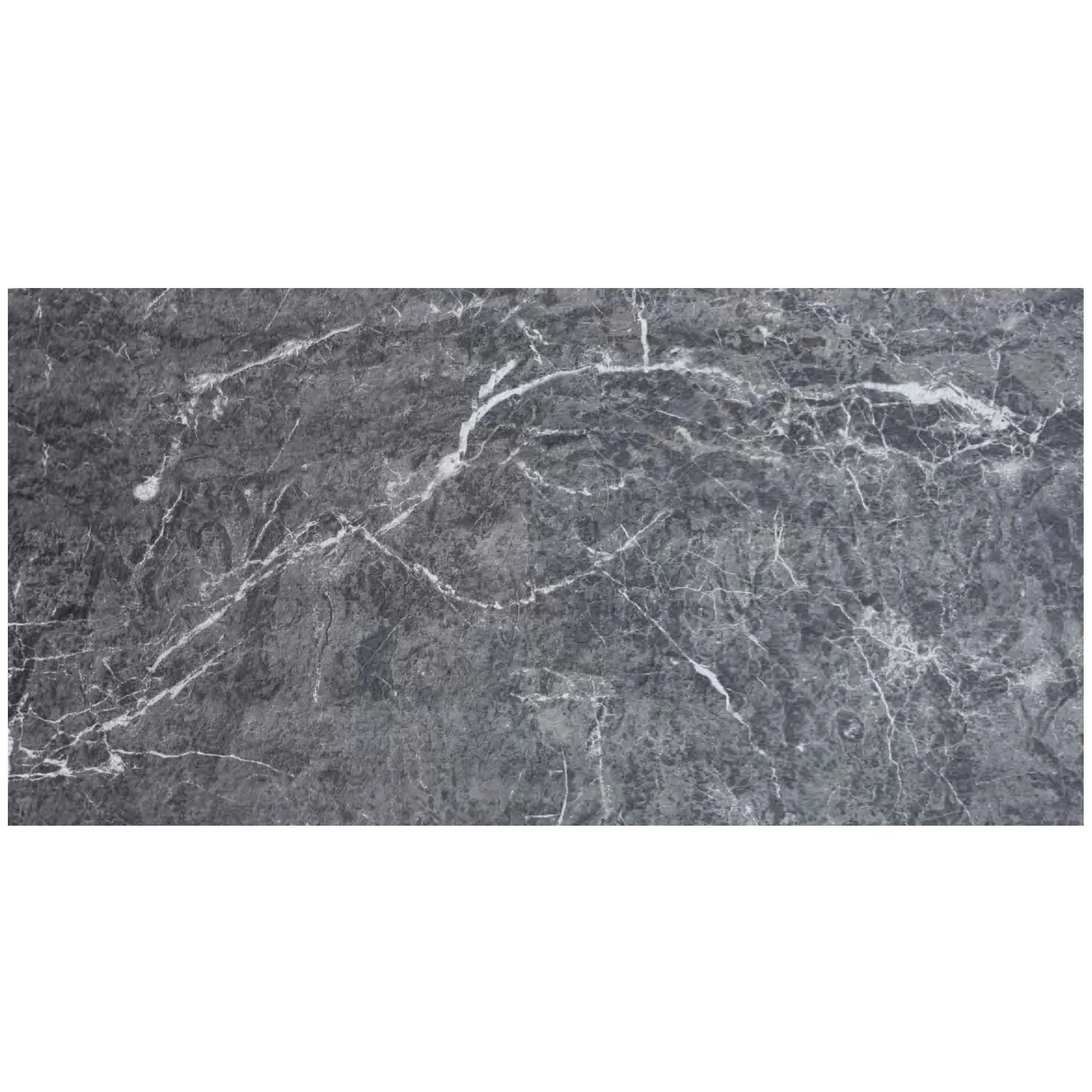
Let's start with a moment we've all witnessed (or maybe even experienced): A construction site where a crew of four workers grunts in unison, ropes cinched tight around a slab of stone. Their faces are set, muscles straining, as they inch the heavyweight material toward a waiting cart. Nearby, a project manager checks her watch, sighing—this one slab is taking twice as long as planned, and the clock is ticking. The material in question? Natural granite, specifically the rich, dark allure of Granite Nero Margiua. It's stunning, there's no denying that. But in that moment, you can't help but wonder: Is there a better way?
Enter MCM—Modified Composite Material—a category of building products designed to marry the beauty of natural materials with the practicality of modern engineering. From MCM flexible stone to MCM big slab board series , these materials are rewriting the rules for architects, contractors, and designers. Today, we're diving deep into the weight and installation showdown between MCM and one of natural stone's most revered options: Granite Nero Margiua. By the end, you'll see why lightweight doesn't mean lightweight on quality—and why that difference is reshaping projects from residential kitchens to skyscraper facades.
Let's cut to the numbers—because when it comes to construction, weight isn't just a statistic; it's a daily reality. A standard slab of Granite Nero Margiua clocks in at roughly 20–25 pounds per square foot. For context, a 3-foot by 5-foot slab (15 square feet) weighs around 300–375 pounds. That's like trying to move a small refrigerator—on its side, through a doorway, up a flight of stairs. Now, contrast that with MCM flexible stone : Most variants weigh just 1–2 pounds per square foot. A slab of the same size? A mere 15–30 pounds. That's lighter than a backpack full of textbooks.
| Attribute | MCM Flexible Stone (Average) | Granite Nero Margiua (Average) |
|---|---|---|
| Weight per Square Foot | 1–2 lbs | 20–25 lbs |
| Thickness Range | 3–8mm | 20–30mm |
| Typical Slab Size | Up to 120" x 60" (MCM Big Slab Series) | 60" x 30" (standard); larger sizes rare |
| Workers Needed per Slab | 1–2 people | 4–6 people |
| Transportation Cost (per 100 sq ft) | $150–$300 | $800–$1,200 |
| On-Site Breakage Risk | Low (flexible, impact-resistant) | High (brittle, prone to cracking) |
These numbers aren't just about convenience—they're about safety, cost, and project timelines. Think about a high-rise lobby renovation: With granite, each slab requires a crane or specialized lifting equipment, not to mention reinforced flooring to support the weight during installation. With MCM, a single worker can carry a slab up a standard staircase, no heavy machinery needed. The risk of back injuries? Drastically reduced. The time spent on material handling? Cut by half. For contractors, that translates to lower labor costs and fewer delays. For clients, it means projects finish on time—and often under budget.
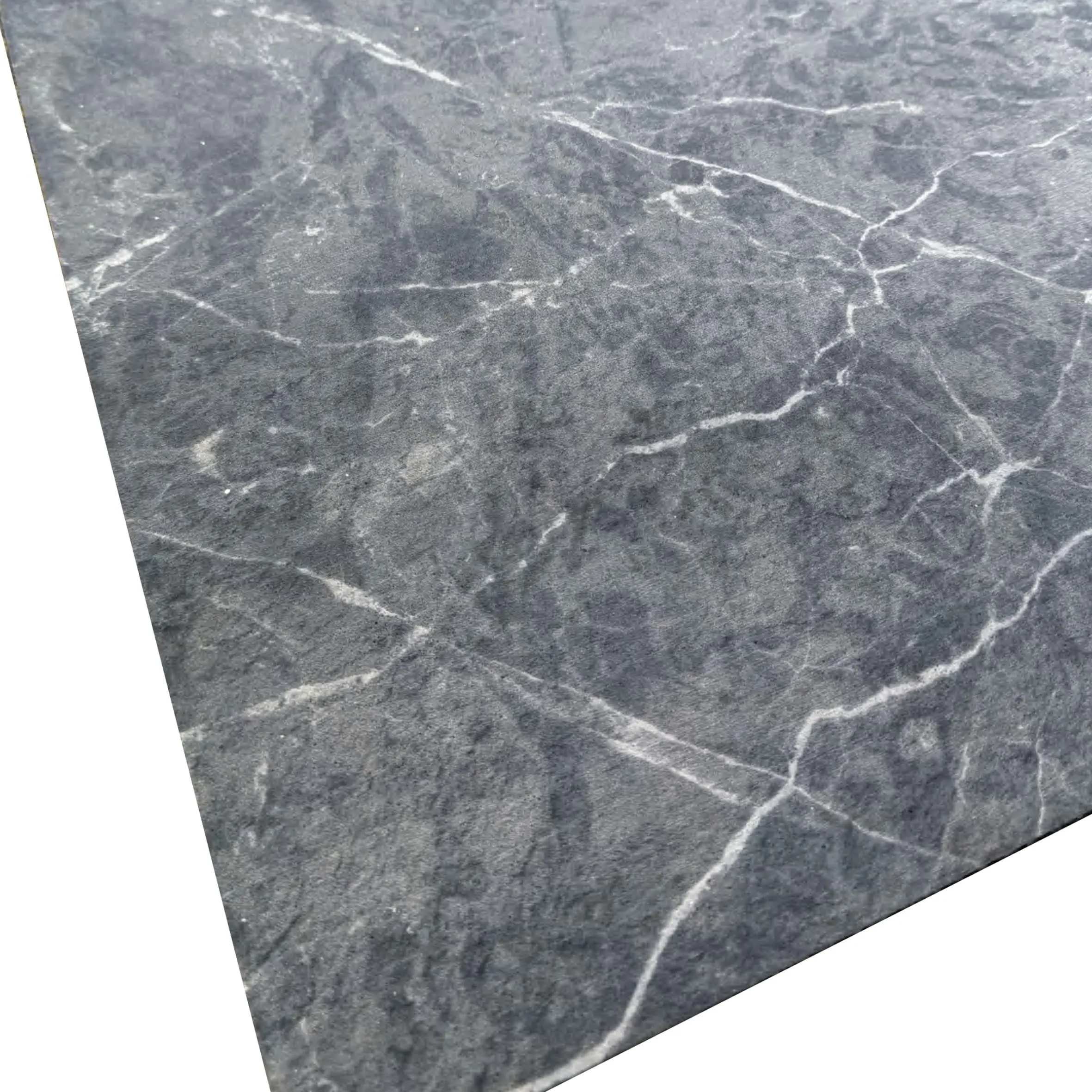
Installation is where the weight difference truly shines. Let's walk through a typical day on site with both materials, starting with Granite Nero Margiua. First, the slabs arrive on a flatbed truck, each wrapped in protective packaging. Unloading requires a forklift or a team of six workers. Once on the ground, they're moved to the installation area using dollies—slowly, carefully, to avoid cracks. Cutting the stone to fit? That means hauling in a wet saw, creating clouds of dust (even with water), and spending hours measuring and re-measuring to avoid costly mistakes. And if a slab doesn't quite fit a tricky corner? You're looking at more cutting, more dust, and more delays.
Now, swap in MCM big slab board series . The delivery truck pulls up, and instead of a forklift, two workers unload a stack of lightweight slabs—easily 10–15 at a time. They carry them to the installation area by hand, no dollies needed. Cutting MCM? A standard utility knife or jigsaw works for most cuts; no wet saw required. Need to curve the material around a column or archway? MCM flexible stone bends without cracking, conforming to shapes natural stone can't touch. Even better: Many MCM products come with peel-and-stick backing or simple adhesive application, eliminating the need for thick mortar beds. What takes a crew of four a full day with granite might take two workers half a day with MCM.
John, a contractor with 15 years of experience, puts it this way: "Last year, we did a restaurant renovation with Granite Nero Margiua countertops. The kitchen alone took three days of installation—most of it just moving slabs and cutting. This year, we used MCM flexible stone for a similar-sized project. Same square footage, but we finished the entire kitchen in one day. The client was shocked, and honestly? So were we. We saved on labor, avoided a rental for the forklift, and the crew didn't end the week sore. It's a no-brainer now."
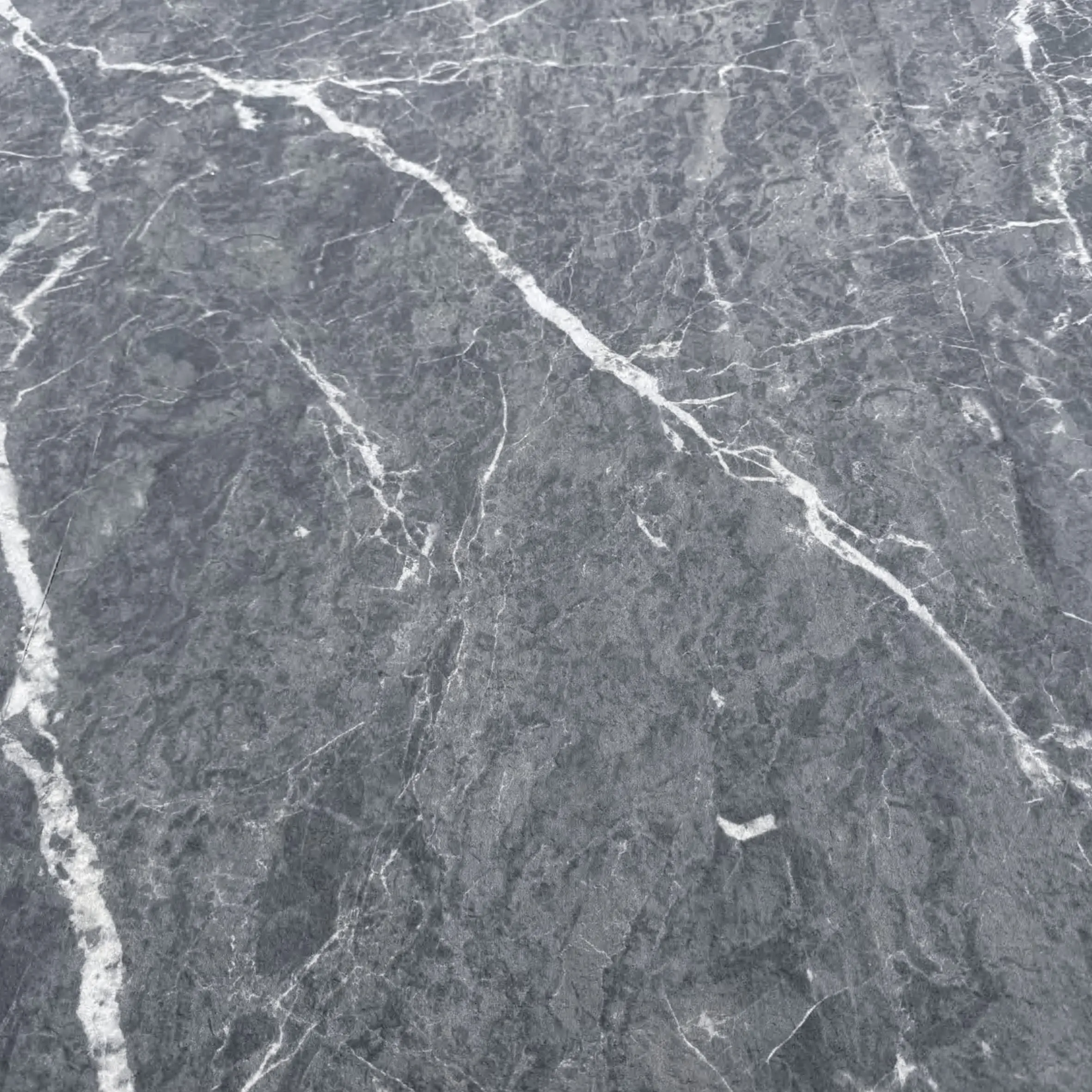
It's a question we hear often: If MCM is so light, does it hold up? Let's address the elephant in the room. Natural stone like Granite Nero Margiua has a reputation for durability because, well, it's been around for millions of years. But durability isn't just about weight—it's about engineering. MCM products are crafted from a blend of minerals, polymers, and fibers, designed to mimic the strength of natural stone while shedding the bulk. Take fair-faced concrete , an MCM variant: It's resistant to scratches, stains, and weathering, yet weighs a fraction of traditional concrete. Or foamed aluminium alloy board (vintage silver) , which combines the industrial chic of metal with the lightness of foam, making it ideal for exterior facades that need to withstand wind and rain.
Testing backs this up. Independent labs have subjected MCM flexible stone to impact tests (dropping heavy objects on it), thermal cycling (freezing and thawing), and UV exposure—all with minimal damage. In fact, many MCM products come with 15–20 year warranties, matching or exceeding the lifespan of natural stone in high-traffic areas. The secret? The composite structure disperses stress, preventing cracks from spreading, whereas natural stone, with its inherent fractures, can chip or split under pressure.
Consider a busy hotel lobby. With Granite Nero Margiua floors, you'd expect to see scratches from rolling luggage within a year, maybe even a cracked slab from a dropped suitcase. With MCM's lunar peak black finish? The surface resists scuffs, and if a small chip does occur, it's easy to repair with a color-matched filler—no need to replace the entire slab. That's durability with practicality, something natural stone struggles to deliver.
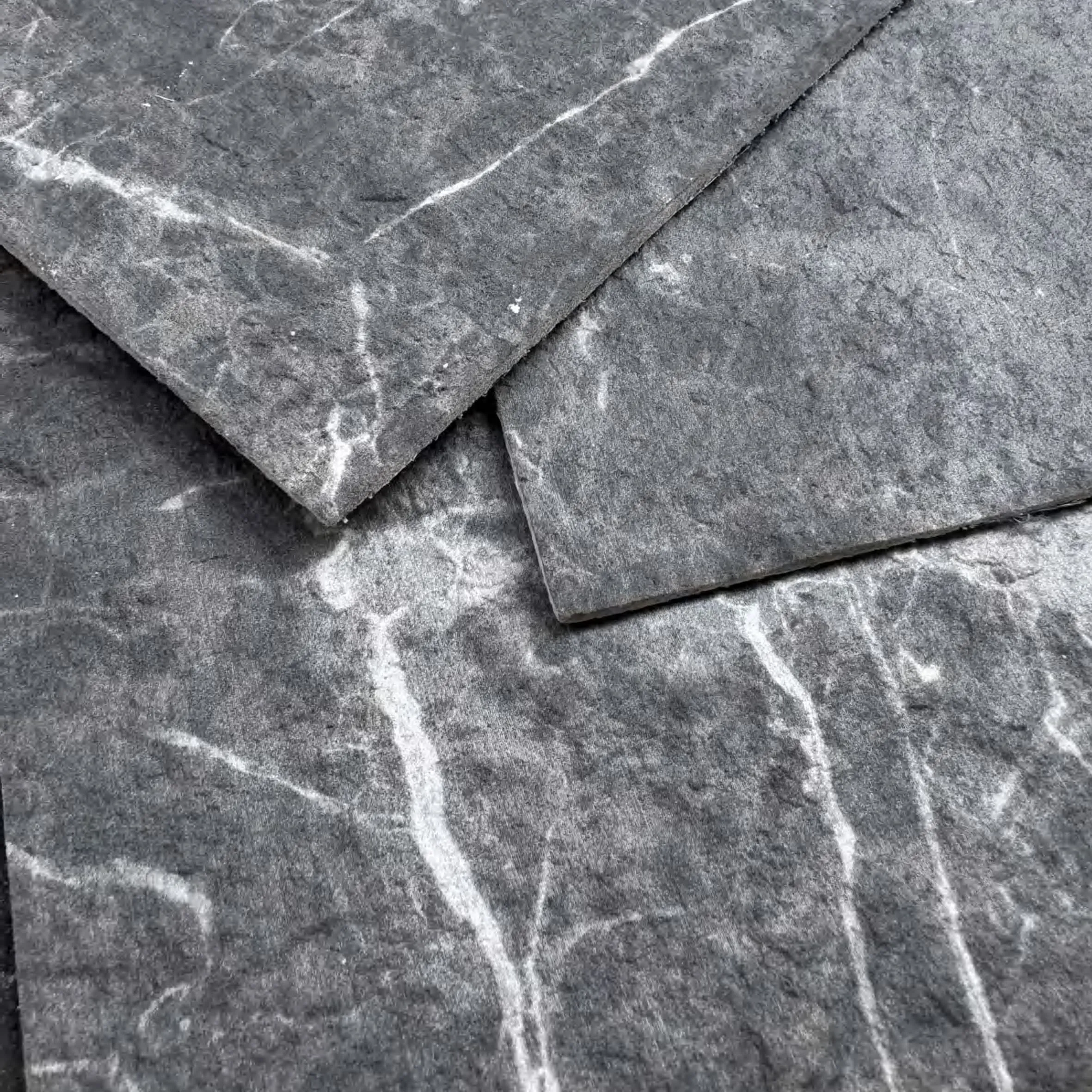
Let's be honest—no one chooses Granite Nero Margiua just for its durability. They choose it for its depth: the swirls of black and gray, the subtle veining that tells a story of geological time. The fear with MCM is often, "Will it look cheap?" The answer? Not even close. MCM manufacturers have mastered the art of replication, using advanced 3D printing and molding techniques to capture the texture and color of natural materials—then taking it further with custom options.
Take the travertine (starry green) line: It mimics the pitted, organic look of natural travertine but adds a hint of iridescent "stars" that catch the light, creating a finish no natural stone can replicate. Or wave panel MCM, which features flowing, sculptural patterns that add movement to walls—a design choice that would require hours of labor to carve into granite. The MCM 3D printing series goes even further, letting designers create custom textures, from geometric grids to organic motifs, all in lightweight slabs.
For those who love the classics, there's travertine (vintage gold) or granite portoro MCM, which mirror the warm tones and bold veins of their natural counterparts. And with the boulder slab (vintage silver) series, you get the rugged, weathered look of river rocks without the weight of actual boulders. It's versatility that lets designers blend styles—say, pairing wood grain board MCM with slate veil white for a modern rustic vibe—without worrying about material compatibility or weight limits.
Sarah, an interior designer who specializes in boutique hotels, explains: "I used to stick to natural stone because clients wanted that 'authentic' feel. Now, with MCM, I can offer them the same look but with more options. For a recent project, we used foamed aluminium alloy board (vintage gold) on the ceiling—something we couldn't have done with real gold leaf or metal, because the ceiling couldn't support the weight. The result? A lobby that feels luxurious, modern, and totally unique. Clients don't just like it—they're wowed."
Numbers and lab tests tell part of the story, but real projects tell the rest. Let's look at two case studies—one using Granite Nero Margiua, one using MCM—to see the difference.
A mid-sized tech company wanted a sleek, professional lobby with Granite Nero Margiua flooring and reception desk. The project specs called for 500 square feet of stone. The challenges? The building had narrow elevators and a second-floor lobby, meaning slabs had to be carried up a flight of stairs. The crew of six spent two days just moving materials, with one slab cracking during transport (costing $800 to replace). Installation took another three days, requiring specialized tools and mortar. Total material and labor cost: $45,000. Six months later, the client reported visible scratches on the floor and a small chip in the reception desk—minor issues, but ones that detracted from the "new" feel.
A boutique hotel in the same city opted for MCM's big slab board series in travertine (vintage silver) for their lobby and fair-faced concrete for accent walls. The total square footage was 600 square feet—larger than the tech company's project. Two workers unloaded the materials in an hour, then installed the slabs using a simple adhesive. Total installation time? One day. Cost? $22,000—less than half the tech company's bill. A year later, the surfaces look as good as new, with no repairs needed.
The difference? MCM turns "impossible" projects into "why not?"—whether it's a rooftop bar with a gobi panel facade (lightweight enough for the roof's weight limit) or a historic building renovation using historical pathfinders stone MCM (no need to reinforce centuries-old floors).
Granite Nero Margiua will always have a place in design—there's a romance to natural stone that's hard to replicate. But when it comes to practicality, safety, and innovation, MCM is redefining what's possible. It's not about replacing natural stone; it's about expanding the toolkit. Whether you're a contractor tired of the physical toll of heavy materials, a designer craving more creative freedom, or a client looking to balance beauty with budget, MCM delivers where natural stone falls short.
So the next time you watch workers strain with a granite slab, remember: There's another way. A way that's lighter, faster, safer, and just as beautiful. It's called MCM—and it's changing the face of construction, one lightweight slab at a time.
Ready to explore? Start with the MCM flexible stone line, or dive into the 3D printing series for custom designs. Your back (and your budget) will thank you.
Recommend Products












