
Coastal living has an undeniable allure—sunlight glinting off waves, the rhythm of crashing tides, and the fresh salt air that feels like a constant hug from the ocean. But anyone who's built or renovated a home near the shore knows this beauty comes with a tough reality: the coastal environment is a relentless tester of materials. Salt spray eats away at surfaces, humidity warps wood, and storms can turn even sturdy structures into projects needing repair. When it comes to choosing cladding, flooring, or exterior materials for coastal projects, the stakes are high. Two options often on the table are MCM (Modified Composite Material) products and traditional sawing wood boards. Let's dive into what makes each tick, and which one truly stands up to the coast's unique challenges.
MCM, or Modified Composite Material, is a modern building material designed to mimic the look of natural stone, wood, or concrete—without the weight or vulnerability of the real thing. At its core, MCM flexible stone is a blend of natural minerals, polymers, and reinforcing fibers, pressed into thin, lightweight panels. What makes it "flexible" is its ability to bend slightly without cracking, making it ideal for curved surfaces or uneven walls. Think of it as nature's beauty with a superhero's resilience: it looks like travertine, granite, or even wood, but it's engineered to resist the elements that would break down traditional materials.
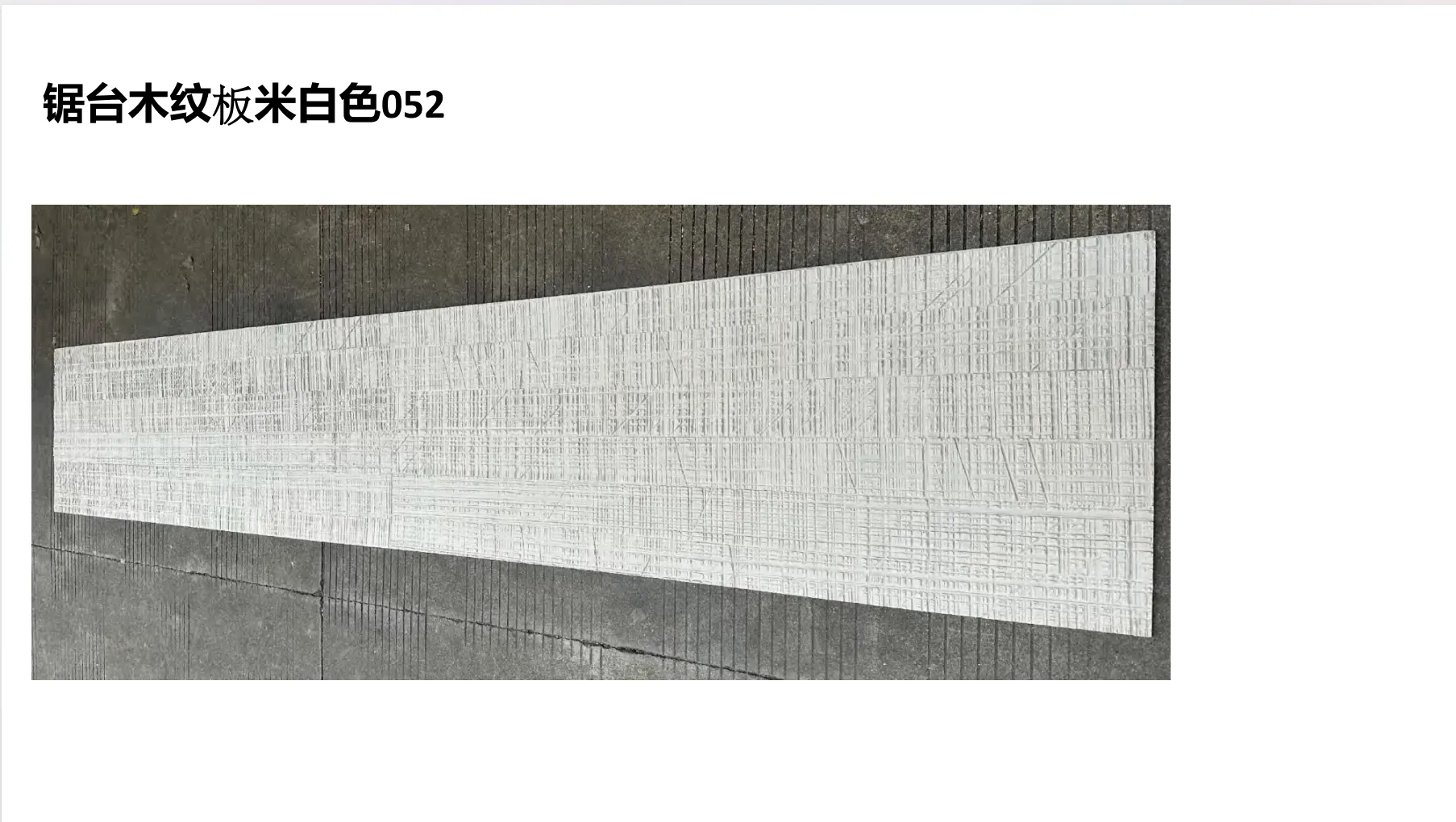
Sawing wood board, on the other hand, is the old soul in the room. These are panels made from real wood, cut (or "sawn") to reveal the natural grain, texture, and warmth that wood lovers adore. Common options include cedar, teak, or ipe—woods chosen for their natural resistance to rot. They're prized for their organic feel, the way they age into a silvery patina (if left untreated), and the instant coziness they bring to spaces. But here's the catch: wood, even the tough stuff, is still a living material, and living things don't always thrive in the harsh coastal grind.
To really understand which material works better by the coast, we need to put them through the ultimate stress test: salt, moisture, sun, and time. Let's break it down category by category.
Coastal air is loaded with salt particles that cling to surfaces like tiny, corrosive magnets. Add in daily humidity levels that can hit 80% or more, and you've got a recipe for material breakdown. Here's how our contenders fare:
MCM Flexible Stone: This stuff is built to ignore salt. Its polymer-based core and mineral surface don't absorb moisture, so salt can't seep in and cause rust or rot. In lab tests, MCM panels exposed to salt spray for 500 hours showed zero signs of corrosion, peeling, or discoloration. Humidity? MCM doesn't swell, warp, or grow mold because it's impermeable to water. Install it on a beach house exterior, and it'll look the same in 10 years as the day it went up.
Sawing Wood Board: Even pressure-treated or naturally rot-resistant woods (like teak) struggle here. Salt water accelerates wood's aging process, breaking down its fibers over time. Without regular sealing, moisture seeps into cracks, leading to warping, splitting, or worse—mold and mildew that can spread behind walls. A Florida-based contractor I spoke to mentioned a client who installed cedar sawing boards on their oceanfront deck; within three years, the boards were warped so badly they had to be replaced. "Wood's beautiful," he said, "but by the coast, it's like putting a sponge in a rainstorm."
Real-Life Example: The Seaside Boutique Hotel in Cape Cod switched from ipe wood siding to MCM flexible stone (in a stunning travertine (starry green) finish) after 12 years of replacing wood panels every 4–5 years. "We were spending $20,000 every few years on maintenance," said the hotel manager. "Since installing MCM five years ago, we've done zero repairs. The travertine (starry green) still shimmers like it did on day one, even with winter storms and summer salt fog."
Looks matter—especially in coastal design, where materials should complement the ocean's palette. Let's talk about how each material holds up visually over time.
MCM Flexible Stone: MCM isn't just durable—it's a chameleon. Want the look of weathered wood? There's an MCM texture for that. Craving the elegance of travertine (starry green) with its subtle, star-like flecks? MCM can mimic that too, right down to the natural veining. The best part? It doesn't fade. UV rays from the sun won't bleach its color or dull its finish. Whether you choose a bold hue or a neutral tone, what you see is what you'll get for decades.
Sawing Wood Board: Freshly installed sawing wood boards are stunning—rich grains, warm tones, that "organic glow" designers love. But sun and salt take their toll. Left untreated, wood grays out unevenly, losing its original color. Treated wood (with stains or sealers) holds color longer, but even then, you'll need to reapply every 1–2 years to keep it looking fresh. And if you miss a spot? You'll get patchy discoloration that's hard to fix without sanding and refinishing the entire surface.
Installing materials on coastal sites can be tricky—think uneven terrain, limited access, or the need to work quickly before a storm hits. Weight and flexibility matter here.
MCM Flexible Stone: MCM panels are thin (usually 3–5mm thick) and lightweight—about 3kg per square meter. That means two people can carry and install a stack of panels without heavy machinery. Their flexibility is a game-changer too: if your wall has a slight curve (common in coastal architecture), MCM bends to fit without cracking. Contractors report cutting installation time by 40% compared to wood or natural stone, which is a big deal when you're paying labor by the hour.
Sawing Wood Board: Wood boards are heavier (cedar weighs about 12kg per square meter) and rigid. Installing them requires more workers, and they can't bend around curves—so you'll need to cut and fit each piece individually, which eats up time. Worse, wood expands and contracts with temperature and humidity changes, so installers have to leave gaps to prevent warping. Those gaps? They're perfect for salt, moisture, and pests to sneak in later.
Coastal homeowners don't want to spend weekends maintaining their siding or deck—they want to be at the beach. Let's talk upkeep:
| Task | MCM Flexible Stone | Sawing Wood Board |
|---|---|---|
| Cleaning | Hose down with water; no special cleaners needed | Scrub with wood cleaner, sand rough spots annually |
| Sealing/Staining | Never needed | Every 1–2 years (costs $2–$5 per square foot) |
| Repairs | Rare (panels can be replaced individually if damaged) | Common (warped/split boards need replacing every 3–5 years) |
| Pest Control | No need (MCM isn't food for termites or ants) | Annual treatments to prevent infestations |
These days, sustainability matters just as much as durability. Let's see how each material measures up:
MCM Flexible Stone: Many MCM manufacturers use recycled stone dust and low-VOC polymers in their panels, reducing waste and emissions. Since MCM lasts 30+ years without replacement, it has a lower carbon footprint over its lifetime than wood, which often needs to be harvested and replaced repeatedly. Plus, its lightweight design cuts down on transportation emissions—trucks can carry more panels per trip, reducing fuel use.
Sawing Wood Board: Sustainability here depends on sourcing. FSC-certified wood (from responsibly managed forests) is a better choice, but even then, wood's short lifespan by the coast means more trees are cut down over time. A 2023 study by the Sustainable Building Council found that coastal homes using wood siding generate 3x more carbon emissions over 20 years than those using MCM, due to frequent replacements.
Let's talk numbers. Sawing wood boards often have a lower upfront cost—around $8–$15 per square foot for materials. MCM flexible stone runs higher initially, about $12–$20 per square foot. But here's the kicker: wood's long-term costs add up fast. Sealing, repairs, and replacement mean that over 10 years, wood ends up costing 2–3x more than MCM. As one coastal homeowner put it: "I saved $5,000 upfront with wood, but spent $15,000 fixing it over 8 years. MCM would've been cheaper in the long run—and I would've had more time at the beach."
Don't get me wrong—sawing wood board has its place. If you're building a coastal home inland (a mile or more from the shore), where salt and humidity are less intense, wood can work beautifully with regular maintenance. It's also a great choice for interior spaces (like accent walls) where it's protected from the elements. And let's not forget: some people just love the feel of real wood underfoot or the way it smells after rain. If that's non-negotiable for you, go for it—but be prepared to invest in upkeep.
At the end of the day, coastal projects demand materials that can handle the ocean's (that's "temper" in Mandarin—fitting, since the coast can be moody!). MCM flexible stone isn't just a trend; it's a practical solution that combines beauty, durability, and low maintenance. Whether you opt for the eye-catching travertine (starry green) finish or a more understated concrete look, MCM lets you enjoy coastal living without the constant worry of repairs.
Sawing wood board is lovely, but by the shore, it's a temporary fix. MCM is the material that stays—through storms, salt, and the passage of time. So if you're building or renovating by the coast, ask yourself: Do I want a material that needs my care, or one that takes care of itself? For most of us, the answer is clear.
Recommend Products












