
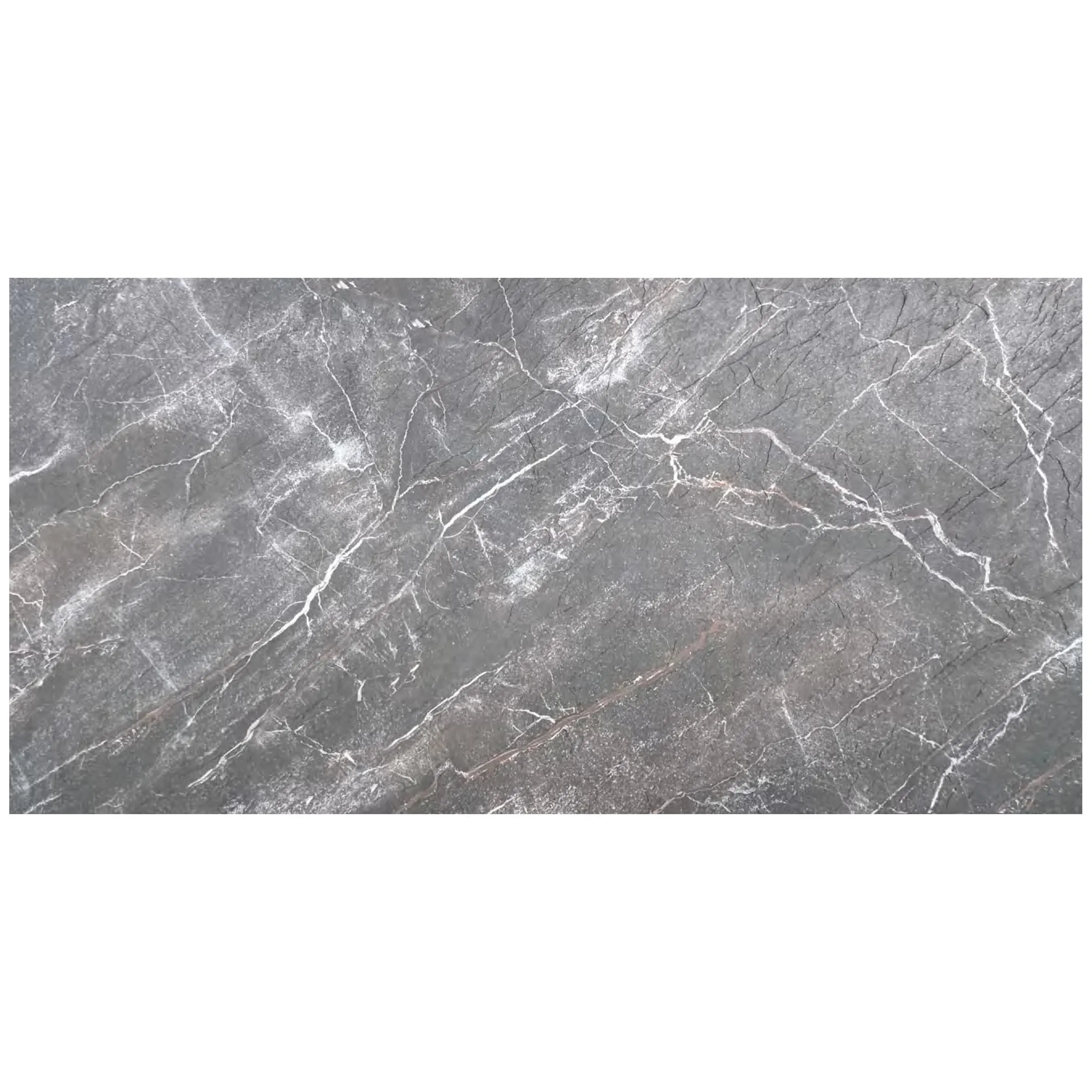
If you've ever been part of a construction or renovation project, you know the drill: deadlines loom, teams hustle, and every day saved on site feels like a small victory. In fast-track projects—whether it's a boutique hotel racing to open before peak season or a retail store aiming to launch in time for the holidays—installation time can make or break the timeline. Today, let's chat about two materials that often end up on the shortlist for such projects: MCM flexible stone and Slate Portoro . Both bring unique aesthetics to the table, but when it comes to getting the job done quickly, they're worlds apart. Let's dive in.
Before we jump into installation times, let's make sure we're all on the same page about what these materials actually are. No jargon, I promise—just the basics.
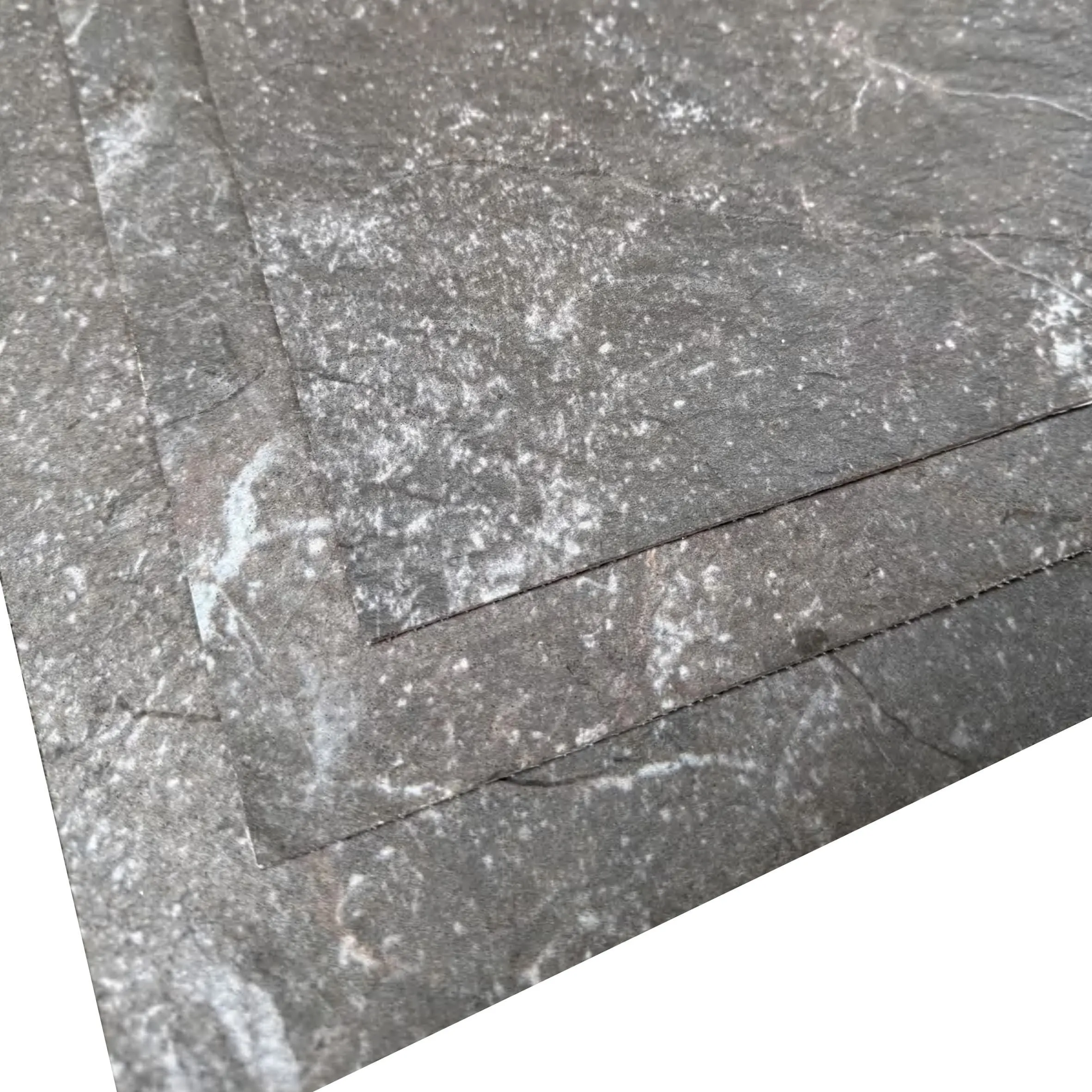
MCM flexible stone (short for Modified Composite Material) is like the new kid on the block who's quickly become the teacher's pet—for good reason. It's a engineered material made by blending natural stone particles with a polymer binder, resulting in something that's incredibly lightweight (we're talking 3-5 kg per sqm, compared to natural stone's 20+ kg) and surprisingly flexible. Think of it as stone with a "give"—it can bend slightly without cracking, which makes it a dream for uneven surfaces or curved designs. And if you're working on a larger project, the MCM big slab board series takes it up a notch, offering bigger panels (sometimes up to 1200x2400mm) that cover more area in fewer pieces. No more tiny tiles to lay one by one—hallelujah for fewer seams and faster installation.
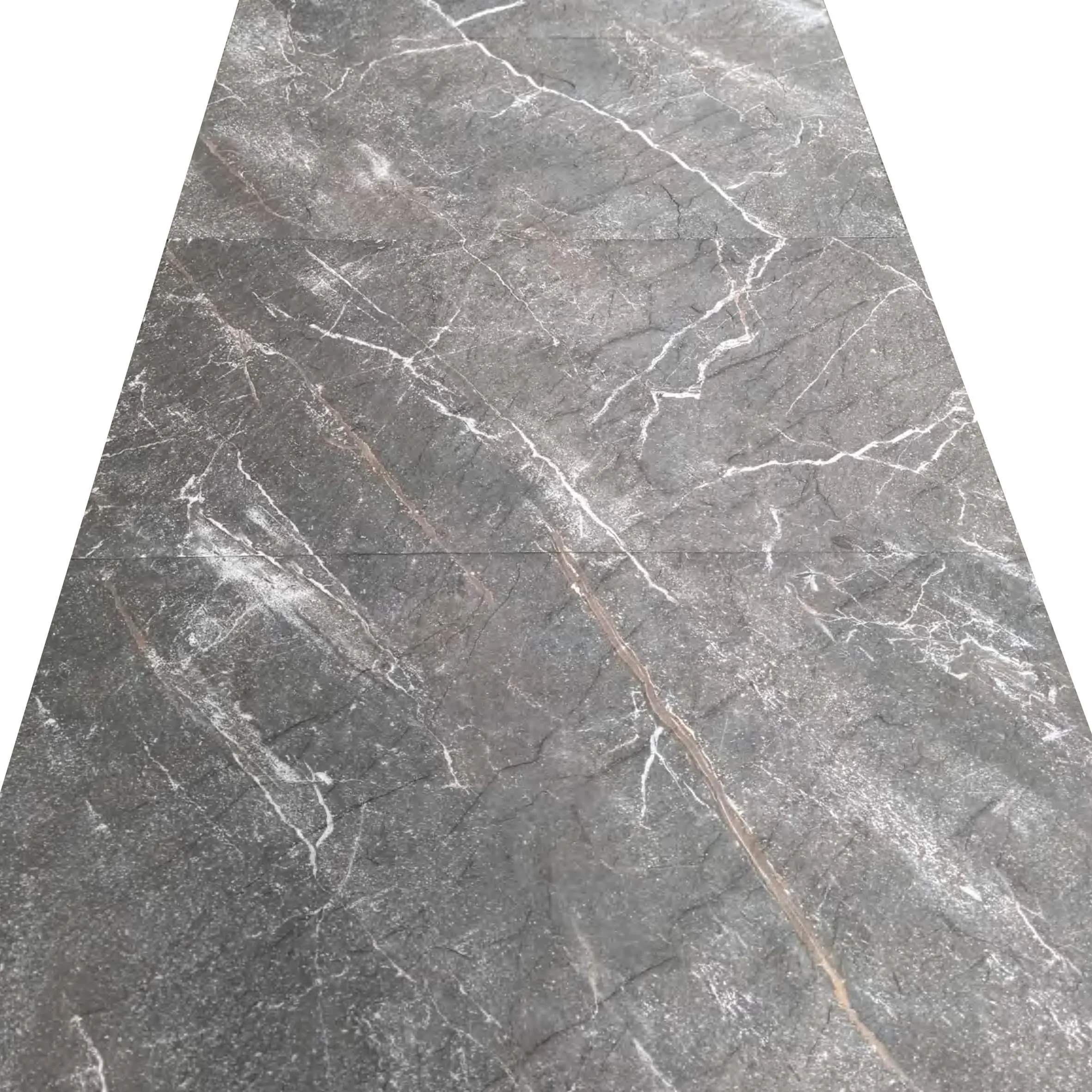
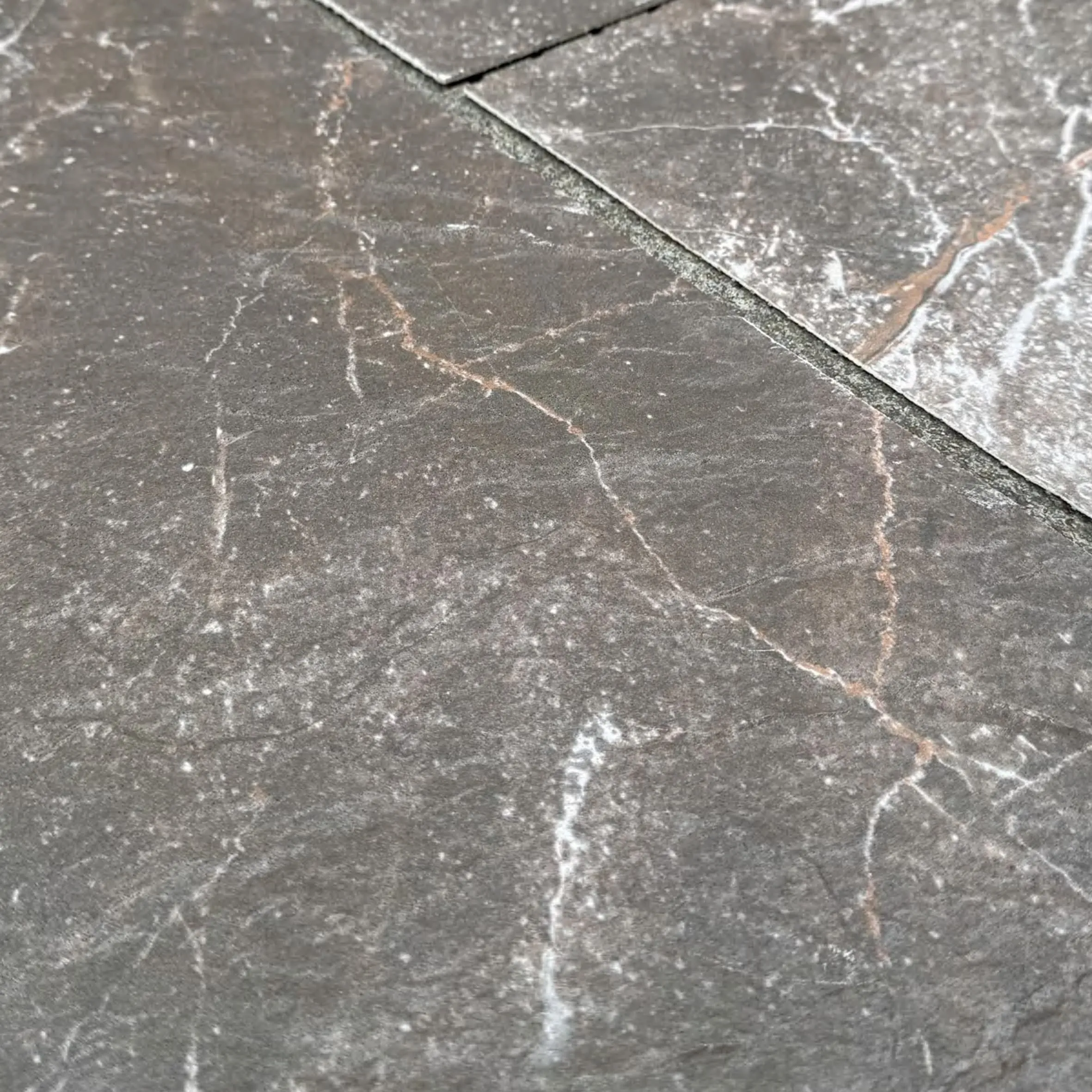
Slate Portoro, on the other hand, is the classic beauty—natural stone with a rich, dark background (often black or deep gray) and striking gold or white veining. It's been used in luxury buildings for decades, and for good reason: it's dense, durable, and exudes that "high-end" vibe you can't fake. But here's the catch: natural slate like Portoro is heavy. Really heavy. A single sqm slab can weigh 25-30 kg, and that weight alone adds layers of complexity to installation. It's like choosing between carrying a backpack full of feathers versus a backpack full of bricks—both get the job done, but one is way easier to haul up a flight of stairs.
Let's get granular. Installing any material involves a few key steps: prepping the surface, cutting the material to size, applying it to the surface, and finishing up (think sealing or grouting). Let's walk through each step for both materials and see where the time adds up.
| Installation Step | MCM Flexible Stone (100 sqm Project) | Slate Portoro (100 sqm Project) |
|---|---|---|
| Surface Preparation | 0.5–1 day (minimal prep; works on most clean, flat surfaces) | 2–3 days (requires reinforced substrate; may need waterproofing/mortar bed) |
| Cutting & Fabrication | 1 day (standard tools; minimal dust/waste) | 3 days (diamond-tipped tools; slow cutting; dust management required) |
| Application & Fixing | 2–3 days (lightweight; 1–2 people per panel; quick adhesive setting) | 5–7 days (heavy; 3–4 people per slab; mortar curing time 24–48hrs) |
| Finishing (Sealing/Grouting) | 0.5 day (minimal sealing; no grout needed for big slabs) | 2–3 days (grouting; 2–3 coats of sealer; curing time between coats) |
| Total Installation Time | 4–5.5 days | 12–16 days |
Surface Prep: MCM's lightweight nature means it doesn't demand a beefed-up substrate. A clean, dry wall or floor with minor imperfections? It'll stick just fine. Slate Portoro? Its weight requires the surface to be rock-solid—think reinforced concrete or a thick mortar bed. If the surface isn't prepped right, you risk cracks or slabs detaching later. That prep time adds up fast.
Cutting: MCM cuts like butter with a standard circular saw or utility knife—no fancy tools needed. I've seen contractors cut it on-site in minutes, even for intricate shapes. Slate Portoro? It's a dense natural stone, so you need diamond-tipped blades, which are slower and generate a ton of dust. Plus, natural stone is prone to chipping, so cuts have to be extra precise—no room for quick mistakes.
Application: Here's where lightweight flexible stone sheets shine. A single MCM panel (from the big slab series) can be carried by one person—no need for cranes or extra labor. Slate Portoro slabs? You'll need a team of 3–4 people just to lift and position one, and if it slips? You're looking at broken stone and wasted time. Also, MCM uses a fast-setting adhesive that cures in hours, while Slate Portoro relies on mortar that can take a full day to set before you can walk on it.
Finishing: MCM often comes pre-sealed, and with big slabs, there's little to no grout lines—so you're done as soon as the adhesive sets. Slate Portoro? Grouting between slabs is a must, and natural stone is porous, so it needs multiple coats of sealer with drying time in between. It's like the difference between painting a wall with a roller versus a tiny brush—one's efficient, the other's meticulous (but slow).
Let's talk about actual projects—because numbers on a page only tell part of the story.
A local café owner wanted to revamp their exterior facade to attract more customers before the summer rush. The deadline? 2 weeks from start to finish. Their contractor suggested prefabricated MCM panel systems —big slabs in a warm travertine look. Here's how it went: surface prep took half a day (the existing wall was in decent shape), cutting the panels (delivered pre-cut to size, actually) took a morning, installation with a 2-person crew took 3 days, and sealing wrapped up on day 5. Total time? 5 days. The café opened on schedule, and the owner saved weeks of lost revenue from a delayed opening.
A homeowner wanted Slate Portoro for their exterior cladding—loved the bold veining and durability. The project was for a 200 sqm facade. Surface prep alone took 3 days (the original wall needed steel reinforcement to support the weight). Cutting the slabs? 4 days, with a specialized crew. Installation? 7 days (a 4-person team working carefully to avoid breakage). Finishing with grouting and sealing added another 3 days. Total? 17 days. The result was stunning, but the project ran 5 days over the initial timeline, pushing back the home's move-in date. The homeowner didn't mind—they prioritized the stone's elegance over speed—but it's a clear example of how Slate Portoro demands patience.
Here's the thing: when people compare materials, they often fixate on the upfront cost. But in fast-track projects, labor hours and project delays can blow the budget faster than you can say "change order." MCM might cost a bit more per sqm than Slate Portoro in some cases, but when you factor in labor (fewer workers, fewer days), reduced equipment needs (no cranes for lifting), and no delayed project penalties? It often comes out cheaper. One contractor I spoke to estimated that for a 100 sqm project, MCM saved them $8,000 in labor alone compared to Slate Portoro. That's real money—money that can go into other parts of the project, like better lighting or fixtures.
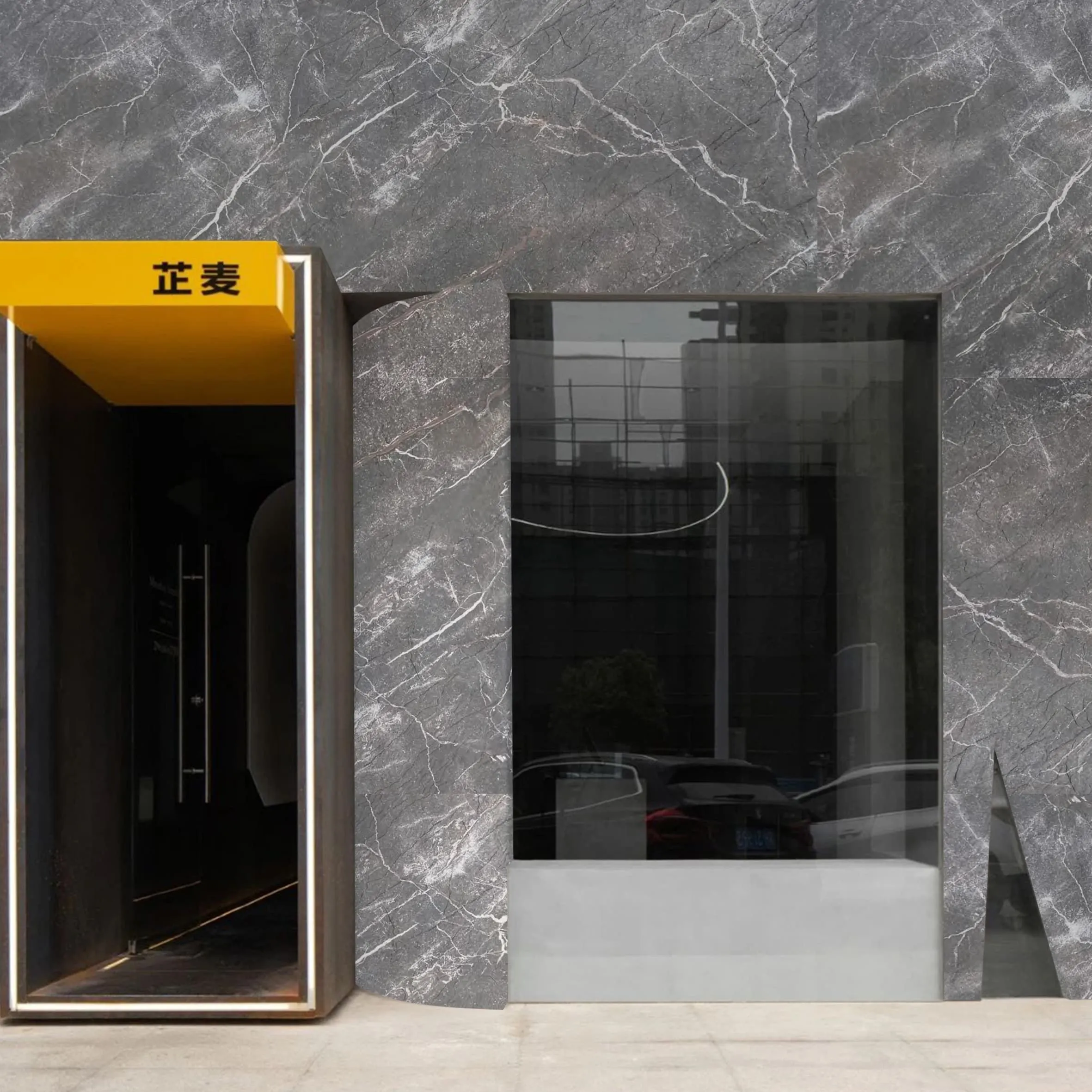
If your project has a tight deadline—say, a retail store opening before Black Friday or a restaurant needing to launch for tourist season—MCM flexible stone is the no-brainer. Its quick installation, lightweight handling, and minimal finishing time keep things on track. And with options like the MCM big slab board series , you don't have to sacrifice aesthetics for speed—those big, seamless panels look just as sleek as natural stone.
But if time is on your side, and you're after that irreplaceable depth of natural stone (Slate Portoro's veining is truly one-of-a-kind), then go for it. Just budget for the extra installation days and plan accordingly. There's a reason it's been a staple in luxury design for so long—it's timeless.
At the end of the day, both MCM flexible stone and Slate Portoro have their place. But when fast-track projects call for efficiency without cutting corners on quality, MCM pulls ahead by a mile. Its installation time isn't just a "nice-to-have"—it's a game-changer for keeping projects on schedule, under budget, and stress levels low. So next time you're weighing material options, remember: the clock is ticking, and your choice could be the difference between meeting that deadline and scrambling to explain delays to the client.
Recommend Products












