
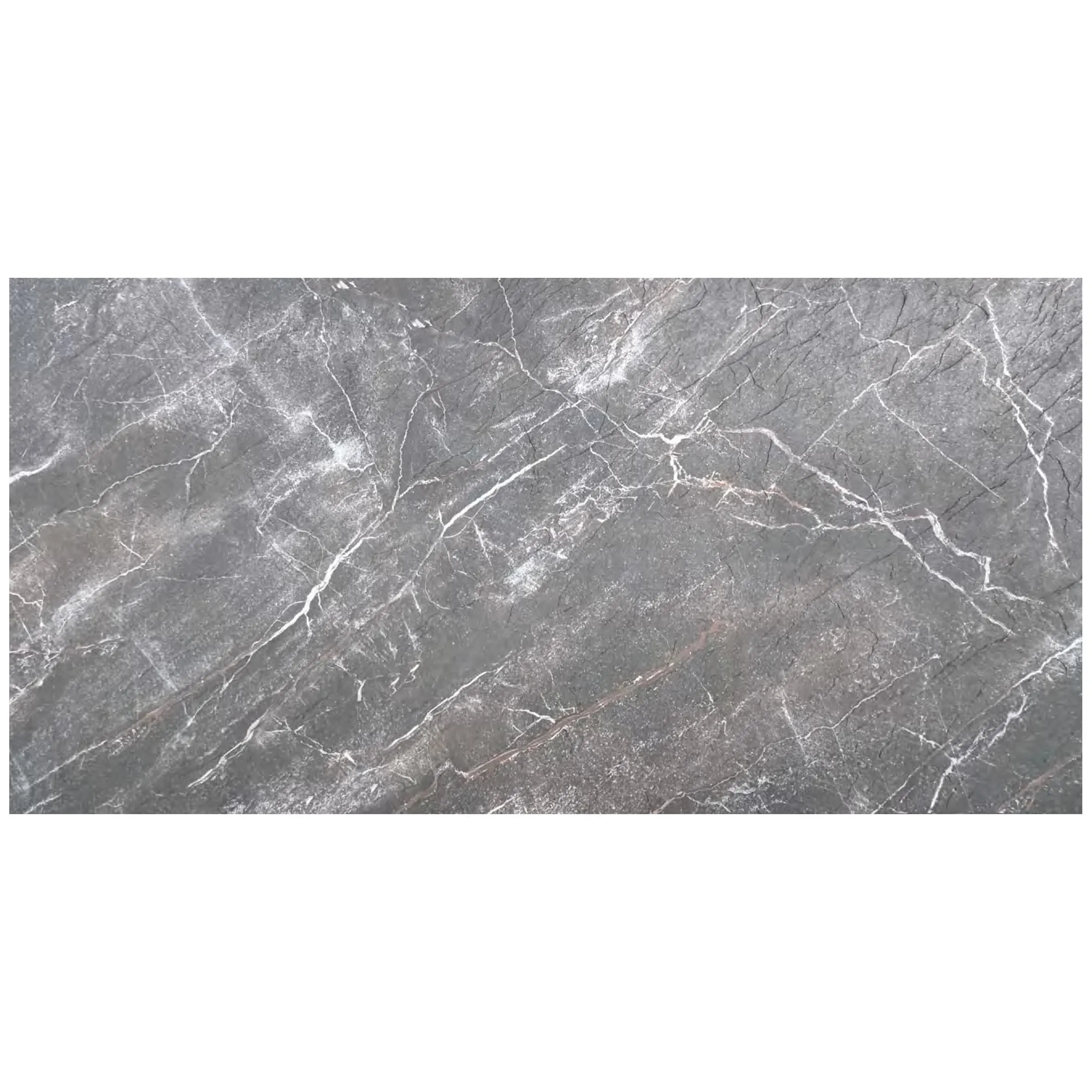
High-rise buildings aren't just structures—they're landmarks, stories etched into the skyline, and reflections of the cities they call home. When it comes to their exteriors, the choice of material is more than a design decision; it's a promise of durability, a nod to aesthetics, and a commitment to functionality. Two materials often stand out in this conversation: MCM (Modified Composite Material) and Slate Portoro. One is a modern marvel of engineering, the other a timeless natural stone. But which one truly fits the unique demands of high-rise exteriors? Let's dive in, explore their strengths, weigh their weaknesses, and find out.
Imagine standing at the base of a 50-story tower, its exterior shimmering with a sleek, metallic finish that catches the sun at every angle.,,,——MCM.,MCM(Modified Composite Material),.
At its core, MCM flexible stone is a blend of natural minerals, high-performance polymers, and reinforcing fibers. This unique composition gives it a rare combination of traits: the look and texture of natural stone, but with the flexibility to bend around curves, the lightness to reduce structural load, and the durability to withstand the harshest urban environments. It's no wonder architects and developers are increasingly turning to options like the MCM big slab board series for large-scale projects—these panels, often spanning up to 3 meters in length, minimize joint lines, creating a seamless, monolithic look that elevates a building's modern appeal.
High-rises face a unique set of challenges: wind forces that tug at exteriors, temperature fluctuations that cause materials to expand and contract, and the need for easy maintenance at dizzying heights. MCM flexible stone checks every box here. Let's break it down:
Take, for example, the "Azure Tower" in downtown Chicago—a 42-story mixed-use building completed in 2023. The design team opted for MCM big slab boards in a custom Travertine (Starry Green) finish. "We needed a material that could handle Chicago's harsh winters and hot summers, while still looking vibrant," says lead architect Maria Gonzalez. "MCM gave us the durability we needed, plus that starry, almost magical texture that makes the tower glow at night. And because it's lightweight, we saved nearly 15% on structural steel costs."
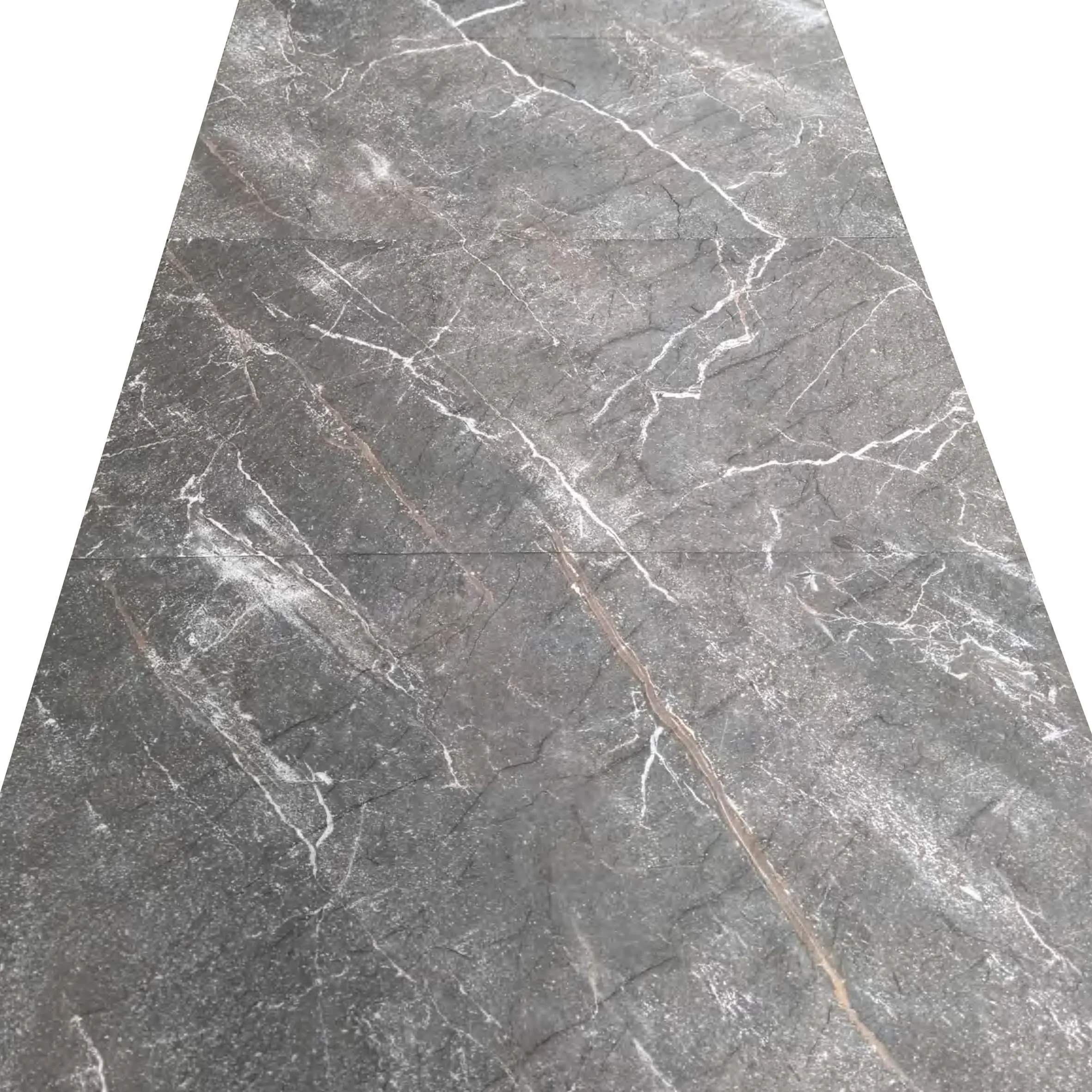
If MCM is the innovative newcomer, Slate Portoro is the seasoned aristocrat of building materials. A type of natural slate known for its deep black background and striking gold or white veining, it has adorned palaces, museums, and luxury buildings for centuries. Its name alone evokes images of grandeur—Portoro, derived from the Italian "porto oro" (golden port), hints at the opulence of its appearance.
Quarried from select sites in Italy and Brazil, Slate Portoro is a metamorphic rock formed over millions of years. Each slab is unique, with veining patterns that nature alone can create—no two pieces are identical. This exclusivity is part of its allure; it's not just a material, but a piece of Earth's history.
For developers aiming to create a building with timeless sophistication, Slate Portoro is a compelling choice. Its rich, dark base with golden streaks exudes luxury, making it a favorite for high-end hotels, corporate headquarters, and iconic landmarks. But with that beauty comes trade-offs—especially for high-rises.
Consider the "Heritage Plaza" in New York, a 30-story luxury residential tower finished in 2019. Its developers chose Slate Portoro for the lower 10 floors, aiming to blend classic elegance with modern height. "We wanted the base to feel grounded, timeless," explains project manager James Chen. "But above the 10th floor, we switched to a lighter material. The structural engineers were clear: continuing with Slate Portoro would have required reinforcing every floor slab, adding millions to the budget." The result? A striking contrast—but a reminder of the practical limits of natural stone in high-rises.
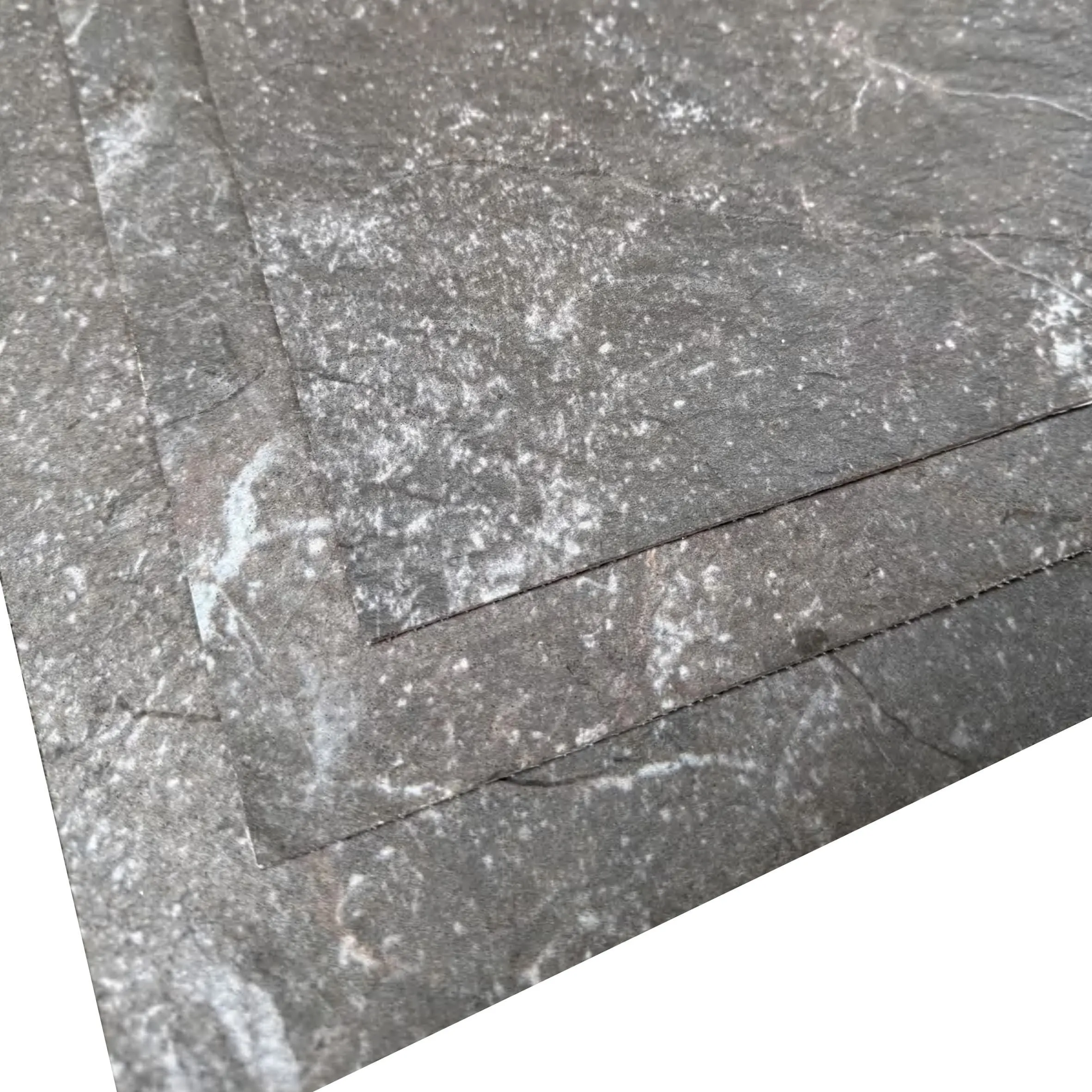
To help you decide which material fits your project, let's compare them side by side. The table below breaks down key factors that matter most for high-rise exteriors:
| Factor | MCM Flexible Stone (e.g., MCM Big Slab Board Series) | Slate Portoro |
|---|---|---|
| Weight (kg/m²) | 4-6 kg/m² (lightweight, reduces structural load) | 25-30 kg/m² (heavy, requires structural reinforcement) |
| Durability | Flexible, resists cracking from movement; UV and weather-resistant (50+ year lifespan) | Rigid, prone to cracking under stress; durable but needs sealing (30-40 year lifespan with maintenance) |
| Installation | Lightweight, easy to handle; can be installed with standard tools (faster, lower labor costs) | Heavy, requires specialized lifting equipment; slower installation (higher labor and equipment costs) |
| Design Options | Endless: textures (e.g., Foamed Aluminium Alloy Board (Vintage Silver) ), colors, 3D patterns, and large slabs (MCM Big Slab Series) | Unique natural veining, but limited to Slate Portoro's signature black-gold look |
| Maintenance | Low: no sealing needed; easy to clean with water and mild detergent | High: annual sealing required; prone to staining if not maintained |
| Sustainability | Eco-friendly: made with recycled materials, low-VOC resins, and energy-efficient production | Natural but resource-intensive: quarrying impacts ecosystems; heavier transportation increases carbon footprint |
| Cost (Material + Installation) | Moderate: $40-80/m² (material) + $20-30/m² (installation) | High: $150-250/m² (material) + $50-70/m² (installation) + structural reinforcement costs |
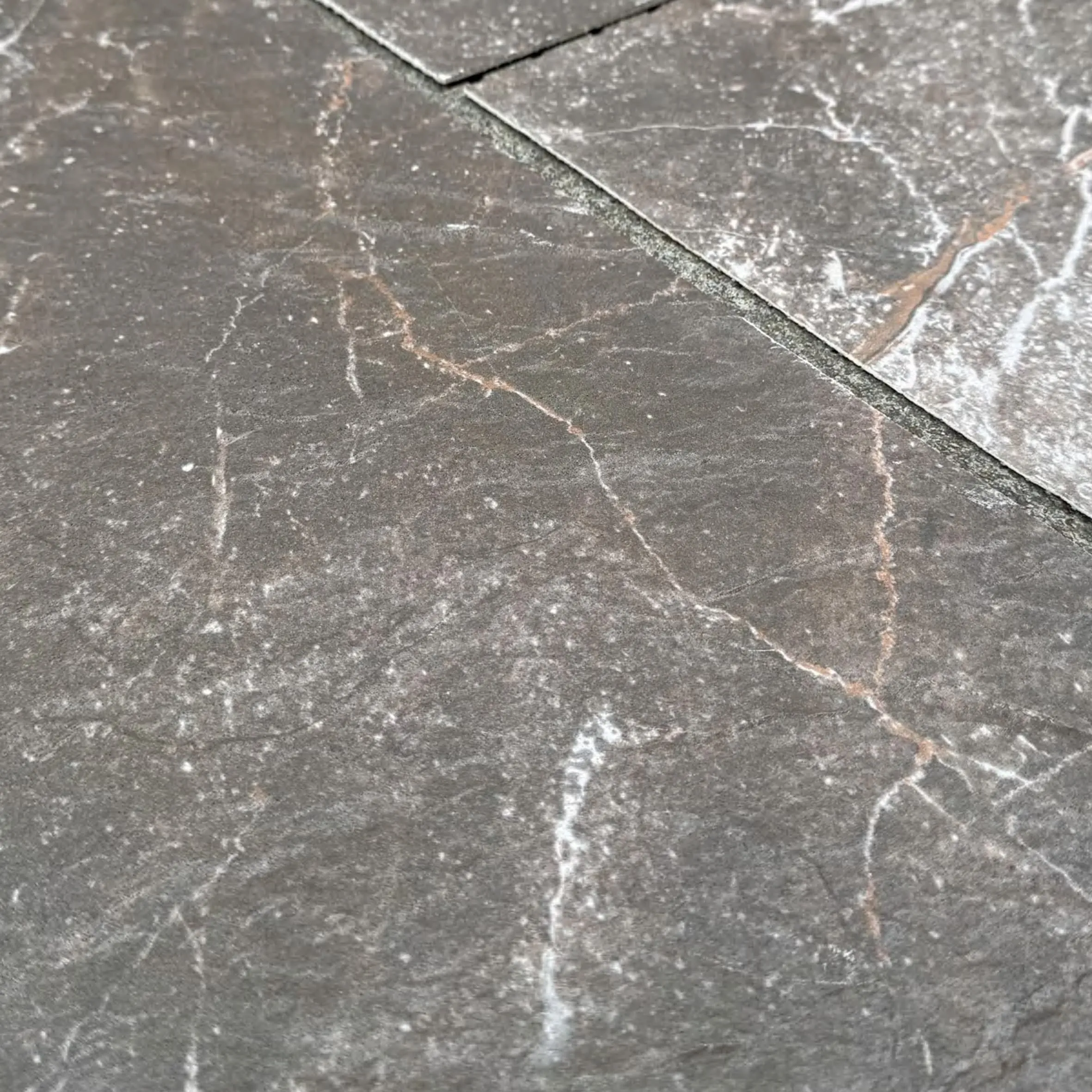
It's not about which material is "better"—it's about which fits your project's goals, budget, and context. Let's explore two hypothetical (but realistic) scenarios to illustrate:
You're designing a 45-story tech headquarters in a bustling city. The brand prides itself on innovation, sustainability, and a sleek, futuristic aesthetic. Budget is tight, and you need to meet LEED certification standards. MCM flexible stone is the clear choice here. The MCM big slab board series will create a seamless, expansive exterior, while options like Foamed Aluminium Alloy Board (Vintage Silver) add a high-tech, metallic finish. Its lightweight nature cuts structural costs, and its eco-friendly credentials align with LEED goals. Plus, low maintenance means fewer disruptions for the busy team inside.
Your project is a 25-story boutique hotel in a historic district, targeting ultra-high-net-worth guests. The design brief calls for "timeless elegance with a touch of grandeur." Budget is less of a constraint, but the building must complement its historic surroundings. Here, Slate Portoro could shine—its rich veining and classic appeal would make the hotel feel like a modern palace. To balance practicality, you might limit Slate Portoro to the facade's "accent zones" (e.g., the lobby level or decorative panels) and use MCM for the upper floors, blending luxury with structural sense.
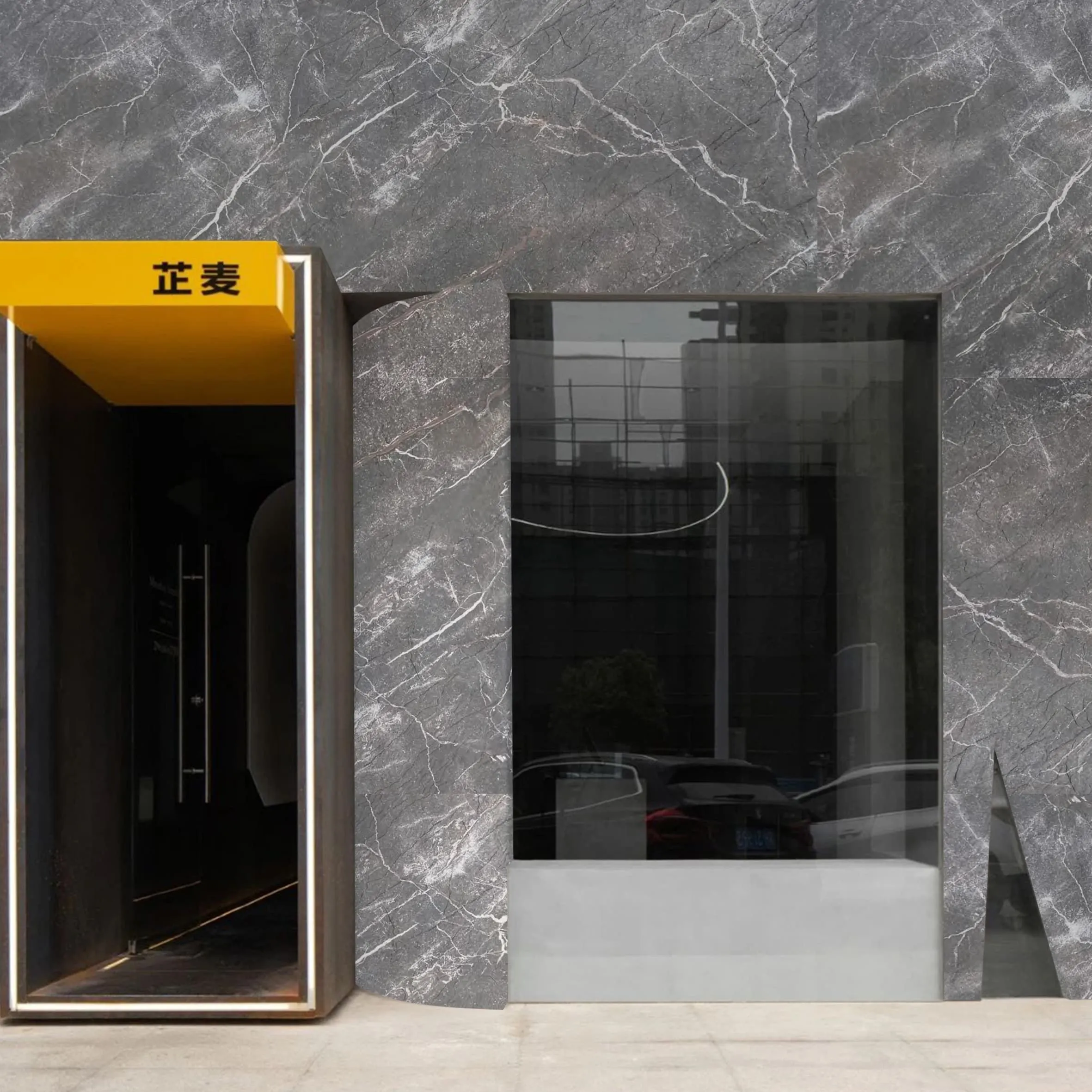
To add depth, we spoke with two industry professionals to get their take on MCM vs Slate Portoro for high-rises.
"High-rise exteriors are a balancing act between form and function," says Elena Rodriguez, a senior architect with a focus on sustainable design. "MCM has revolutionized this balance. I recently specified the MCM big slab series for a 60-story tower in Dubai, and the contractors couldn't believe how quickly it went up. The client loved that we could customize the color to match their brand—something you can't do with natural stone. Slate Portoro is beautiful, but for most high-rises, the weight and cost just don't justify it unless there's a very specific aesthetic vision."
Structural engineer Raj Patel adds, "From an engineering standpoint, MCM is a dream. We recently had a project where the original plan called for natural stone, but the weight would have required adding an extra steel beam per floor—costing the client $2 million. Switching to MCM eliminated that need. Slate Portoro isn't impossible, but you have to plan for it from the foundation up. It's a material for buildings where the budget can absorb those structural upgrades, and the design demands that 'wow' factor of natural stone."
High-rise exteriors are more than skin deep—they're a statement of purpose, a blend of art and engineering. For most modern high-rises, MCM flexible stone emerges as the pragmatic, innovative choice. Its lightweight design, durability, design flexibility, and sustainability make it tailored to the unique demands of tall buildings. The MCM big slab board series and options like Foamed Aluminium Alloy Board (Vintage Silver) offer architects the freedom to create bold, modern exteriors without compromising on performance.
That said, Slate Portoro retains its allure for projects where timeless elegance and natural beauty take precedence over cost and practicality. Used strategically—perhaps as an accent rather than the main facade—it can add unmatched luxury. But for full-scale high-rise exteriors, its weight, maintenance needs, and cost often make it a secondary choice.
At the end of the day, the best material is the one that aligns with your project's vision, budget, and long-term goals. Whether you choose MCM's modern innovation or Slate Portoro's classic charm, the key is to prioritize both aesthetics and functionality—because a high-rise exterior should not only look stunning but stand strong for decades to come.
Recommend Products












