
Beyond the Surface: How MCM Materials Craft Spaces That Last—and Tell Stories
Clara, an interior designer in Portland, remembers the day her client called, voice tight with frustration. "The patio's peeling again," Mrs. Henderson said. "That 'lifetime guarantee' vinyl flooring? It's warped in the sun, and the color's faded to a sad gray. I just want something that looks good and stays good."
Clara knew the feeling. Too often, homeowners and designers turn to vinyl as a budget-friendly, low-maintenance option—only to watch it crack, discolor, or peel within a decade. Vinyl, for all its convenience, is a material of quick fixes, not lasting stories. It lacks the soul to age gracefully, the resilience to weather life's chaos, and the depth to turn a space into something memorable.
That's where MCM comes in. Short for Modified Composite Material, MCM isn't just a technical upgrade—it's a revolution in how we think about building materials. It marries the best of nature (real stone, wood, and mineral particles) with cutting-edge science (polymers and binders) to create panels that are stronger, lighter, and more expressive than traditional options. And among MCM's star players? Materials like Weaving (Jacinth) , Lunar Peak Series , and Travertine (Starry Green) —each designed not just to endure, but to evolve , growing more beautiful with time.
To understand MCM's magic, it helps to first unpack vinyl's limitations. Vinyl panels are typically made from PVC (polyvinyl chloride), a synthetic plastic that's cheap to produce but prone to degradation. Exposed to UV rays, vinyl fades; in extreme temperatures, it warps or becomes brittle; and moisture? It seeps in, causing mold or delamination. Even "premium" vinyl struggles to last more than 15 years outdoors—and indoors, it often feels cold, artificial, and flat, lacking the texture and warmth that make a space feel human.
MCM, by contrast, is engineered for longevity. Its core is a matrix of natural aggregates (think crushed travertine, recycled wood fibers, or mineral powders) bound by high-performance polymers. This structure gives MCM panels flexural strength (they bend without breaking), weather resistance (they shrug off rain, snow, and UV rays), and thermal stability (they don't expand or contract drastically in heat or cold). But MCM's real genius? It doesn't sacrifice beauty for durability. These materials are designed to look and feel natural—rough-hewn like stone, soft like woven fabric, or iridescent like the night sky—while outlasting traditional options by decades.
MCM isn't a single material—it's a family of characters, each with its own personality. Let's shine a light on a few that stand out for their durability, beauty, and ability to transform spaces:
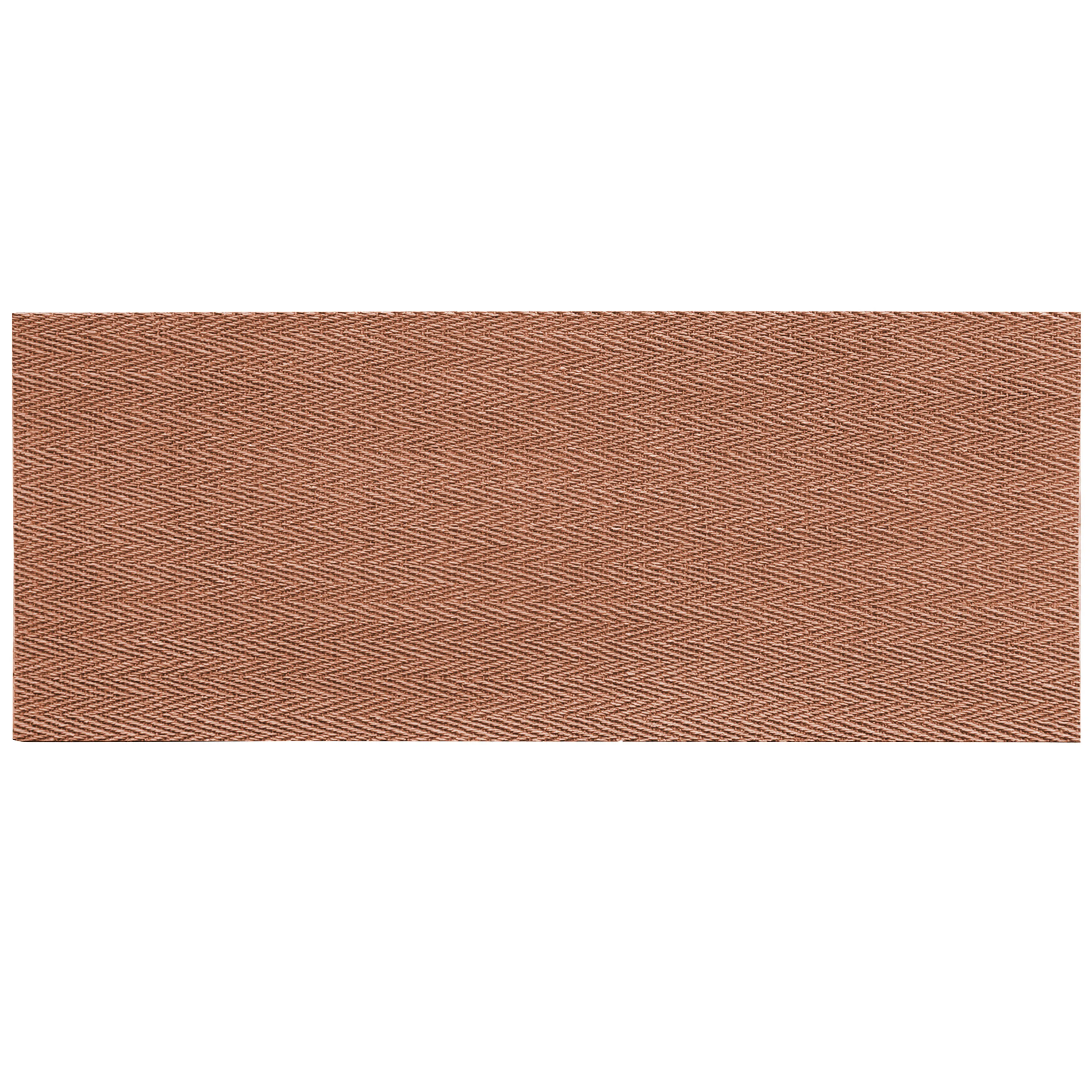
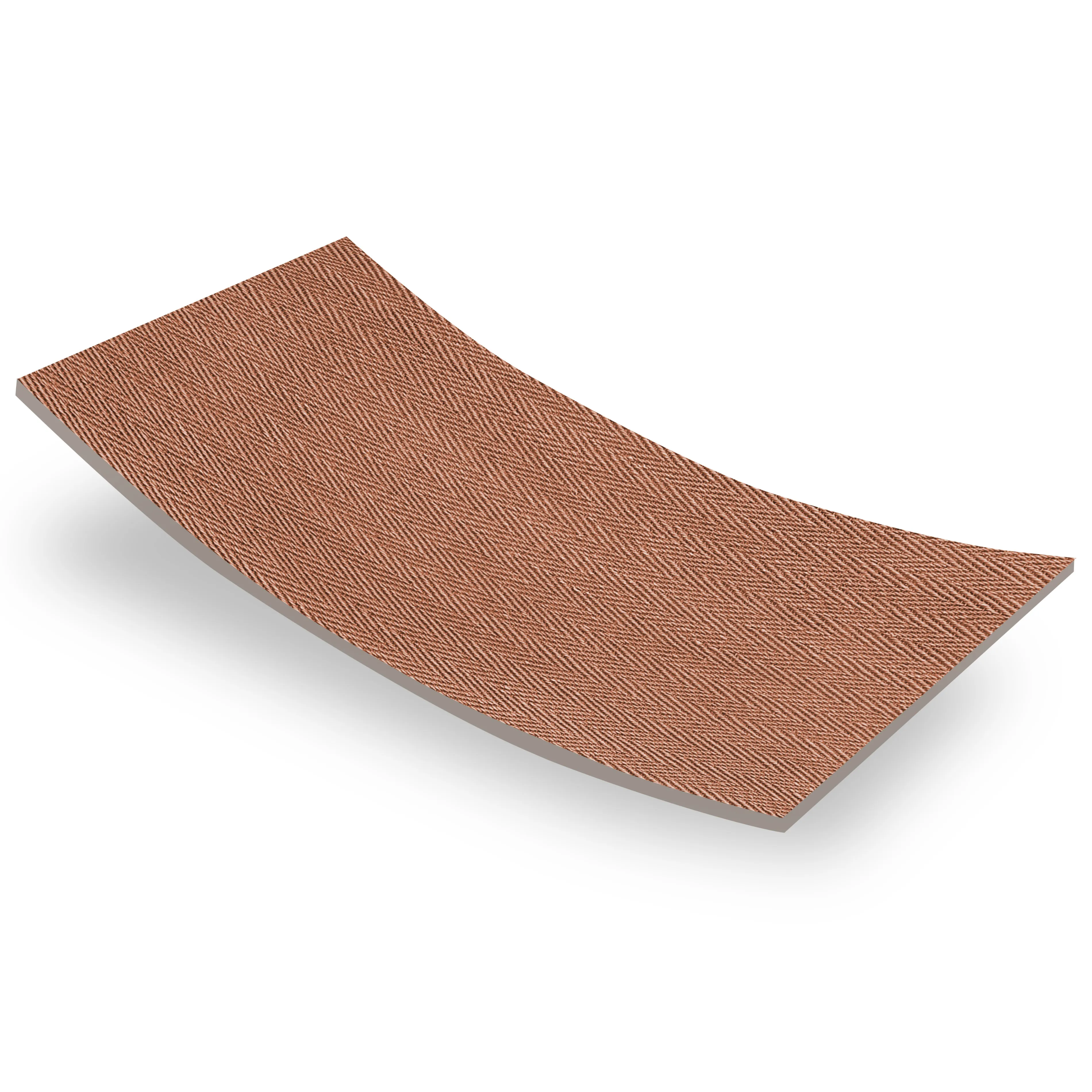
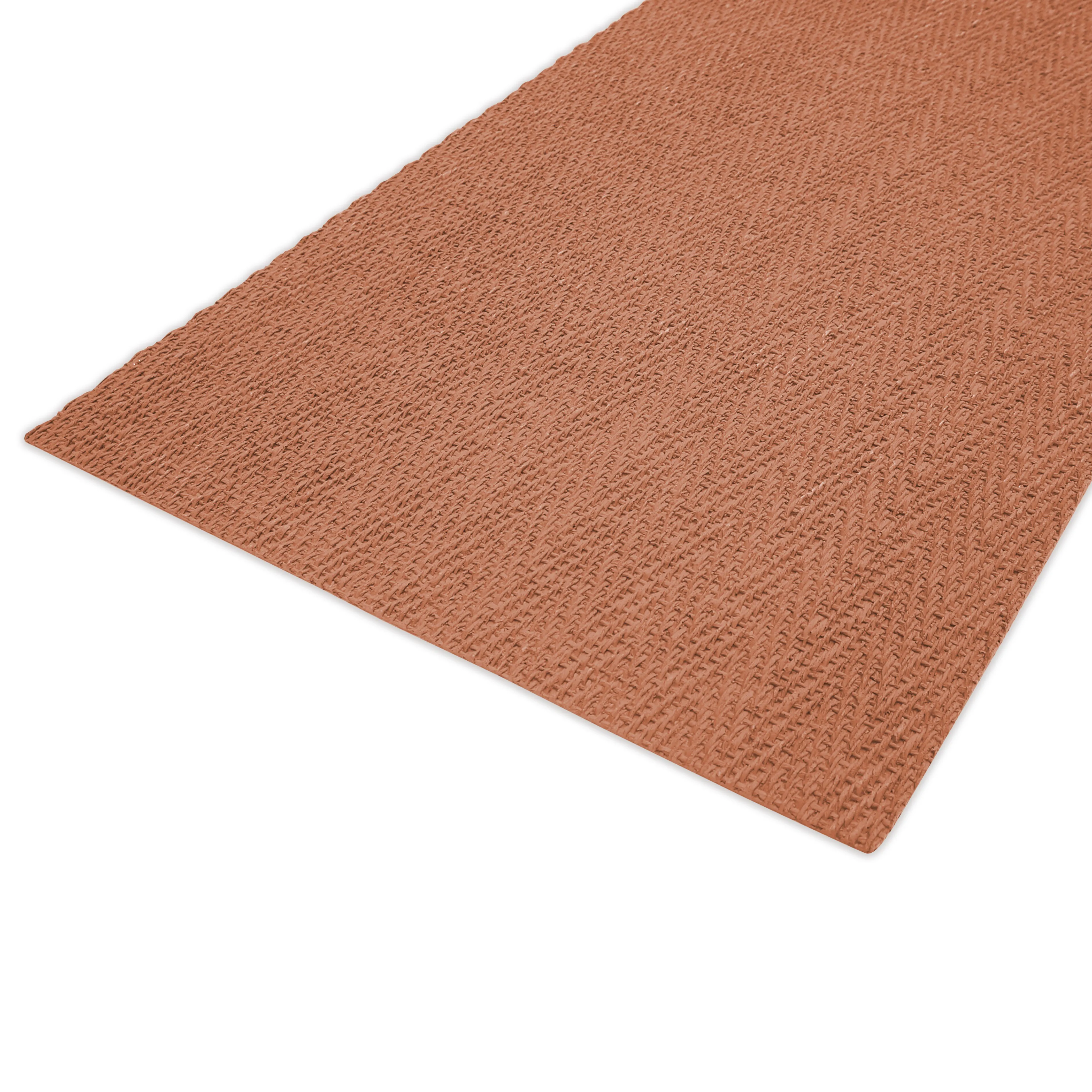
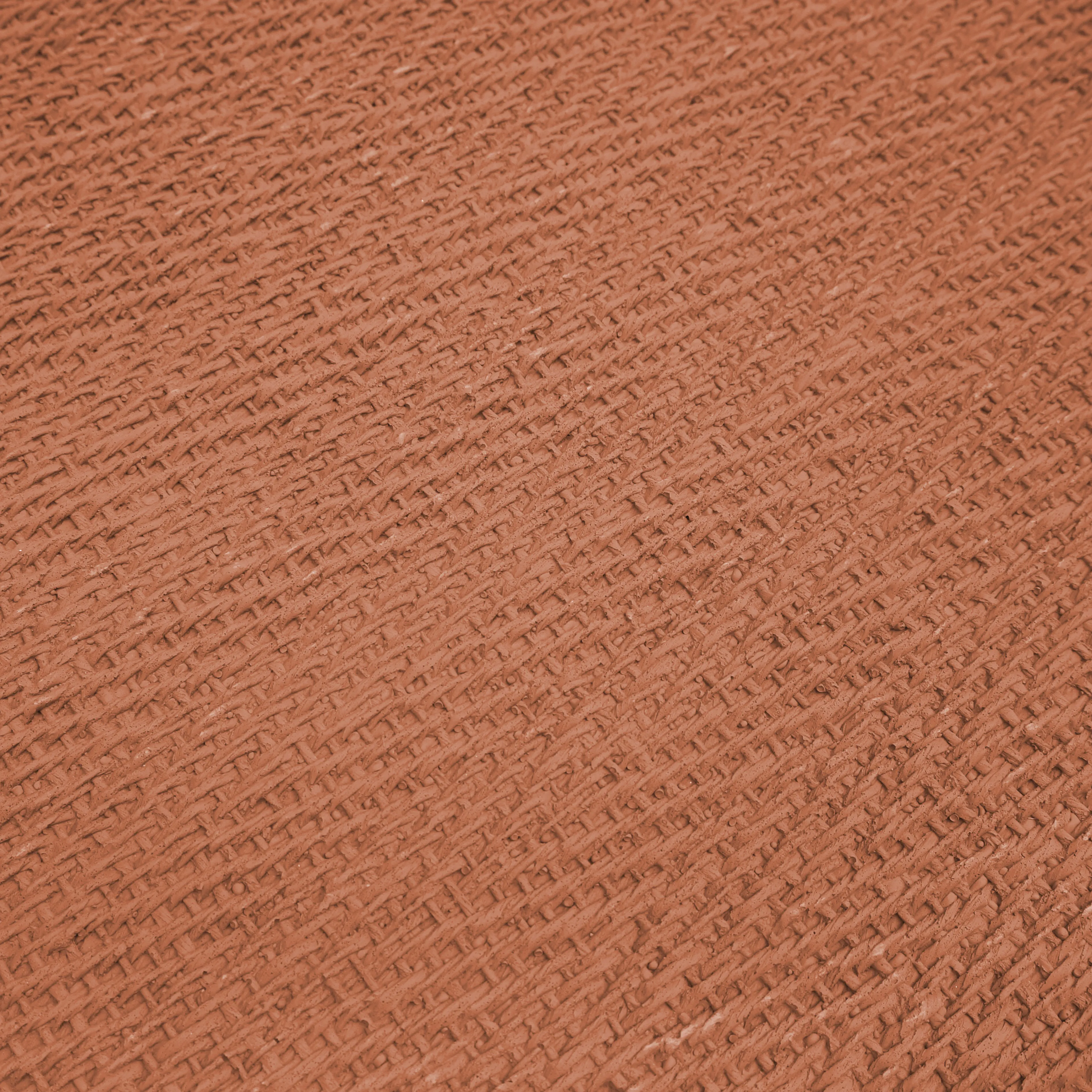
Imagine running your hand over a wall panel that feels like a well-loved blanket—soft, textured, with the subtle crisscross of woven fibers—but instead of wool or cotton, it's made of stone and recycled polyester. That's Weaving (Jacinth) , a panel inspired by traditional jacquard weaving techniques. Its surface mimics the interlacing threads of a textile, with warm, earthy tones (think burnt sienna and amber, like the jacinth gemstone it's named for) that add instant coziness to any space.
But don't let its soft appearance fool you. Weaving (Jacinth) is tough as nails. The stone particles in its matrix make it scratch-resistant, while the polymer binder repels moisture—no mold, no mildew, even in humid bathrooms or covered patios. Unlike vinyl, which feels plastic and cold underfoot, Weaving (Jacinth) has a slight give, making it comfortable to stand on for hours (perfect for a kitchen backsplash or a restaurant bar front). And here's the kicker: it ages like a fine tapestry. Over time, the colors deepen slightly, and the texture becomes more pronounced, as if the panel is absorbing the stories of the people around it.
Clara used Weaving (Jacinth) for Mrs. Henderson's patio ceiling, pairing it with warm wooden beams. "Now, when it rains, the sound is muffled, like being under a canvas tent," Mrs. Henderson later said. "And the color? It glows at sunset. Vinyl never did that."
If Weaving (Jacinth) is the cozy storyteller, the Lunar Peak Series is the quiet adventurer. Available in Silvery , Golden , and Black , these panels mimic the moon's cratered surface—rough, pockmarked, and utterly otherworldly. Run your fingers over Lunar Peak Silvery, and you'll feel tiny indentations and ridges, like the footprints of astronauts. Catch Lunar Peak Golden at dawn, and it shimmers like sunlight on moon dust. Choose Lunar Peak Black, and you get a deep, inky surface that absorbs light, turning walls into dramatic backdrops.
But the Lunar Peak Series isn't just about looks. Its durability is out of this world. The panels are made with a high-density mineral core that resists impact (no chips from stray soccer balls or hailstones) and UV rays (no fading, even in desert sun). Lunar Peak Silvery, in particular, has a reflective surface that bounces heat away from buildings, reducing cooling costs—a feature vinyl, with its heat-absorbing plastic core, can't match. And unlike vinyl, which fades to a uniform gray, Lunar Peak panels develop a subtle patina over time. Rainwater seeps into the tiny craters, leaving behind mineral deposits that add depth; sunlight highlights the ridges, making the texture more pronounced. It's a material that responds to its environment, rather than fighting it.
Travertine has long been beloved for its creamy, porous texture, but Travertine (Starry Green) takes it to another level. This MCM panel starts with real travertine particles, then adds a sprinkle of glass "stars"—tiny, iridescent fragments that catch and reflect light. When dry, it's a muted sage green, with the natural pits and grooves of traditional travertine. But when it rains, or when you wipe it down with a damp cloth? The glass stars come alive, twinkling like a night sky. It's magic, plain and simple.
But Starry Green isn't just a pretty face. Travertine is naturally resistant to mold and mildew, and the MCM version cranks that up a notch with a water-repellent coating. Install it in a garden wall, and it will stand up to rain, snow, and even the occasional splash from a sprinkler. Use it as a backsplash in a kitchen, and grease and stains wipe off with a cloth—no harsh chemicals needed. Unlike vinyl, which can't replicate the depth of real stone, Starry Green feels authentic, with the weight and texture of natural travertine, but without the fragility (traditional travertine is prone to cracking under heavy loads). It's a material that invites interaction: kids love tracing the "stars," guests can't resist touching the pitted surface, and homeowners? They love that it looks just as good on day 1,000 as it did on day 1.
For spaces that need a touch of glamour without the fuss, Foamed Aluminium Alloy Board (Vintage Gold) delivers. This panel is lightweight (so it's easy to install on walls or ceilings), but don't let that fool you—it's tough enough to withstand coastal salt air, industrial fumes, and even the occasional bump from a ladder. Its surface has a brushed finish that mimics aged brass, with warm, golden tones that soften over time, developing a subtle tarnish that adds character (think of an old pocket watch or a vintage mirror frame).
Unlike vinyl "metal-look" panels, which often have a cheap, plastic sheen, Foamed Aluminium Alloy Board feels real—cool to the touch, with a slight metallic resonance when tapped. It's also surprisingly versatile: use it as an accent wall in a modern living room, as a backsplash in a retro diner, or even as exterior cladding on a boutique hotel. And because it's made from recycled aluminum, it's eco-friendly too—vinyl, by contrast, is non-biodegradable and rarely recyclable, ending up in landfills after its short life.
Still on the fence? Let's break down how MCM materials like Weaving (Jacinth) stack up against vinyl in the areas that matter most—durability, maintenance, aesthetics, and sustainability:
| Factor | MCM: Weaving (Jacinth) | Vinyl |
|---|---|---|
| Durability (Lifespan) | 50+ years (resists fading, cracking, and peeling; bends without breaking in extreme temps) | 10–15 years (prone to UV fading, warping in heat, and cracking in cold) |
| Maintenance | Minimal: Wipe with soap and water; no sealing or painting required | High: Requires frequent cleaning to prevent mold; may need repainting or replacement of damaged panels |
| Aesthetics (How It Ages) | Improves with time: Develops a rich patina; texture deepens; colors become more nuanced | Deteriorates: Fades to a flat, uniform color; cracks and peels create an unkempt look |
| Sustainability | Eco-friendly: Made with 80% recycled materials; 100% recyclable at end-of-life | Harmful: Made from PVC (contains toxic chemicals); non-biodegradable; rarely recycled |
| Sensory Appeal | Warm, textured, and authentic—feels like natural stone/textile; invites touch | Cold, plastic-like, and artificial—lacks texture; feels "disposable" |
The numbers speak for themselves, but it's the intangibles that really set MCM apart. Vinyl is a material of compromise; MCM is a material of commitment —to quality, to beauty, and to the stories spaces tell. When you choose MCM, you're not just building a wall or a floor; you're creating something that will outlive trends, witness family gatherings, and become a part of the landscape.
MCM isn't just for homeowners—it's making waves in commercial and public spaces too. Take the Starry Night Café in Seattle, which used Travertine (Starry Green) for its exterior walls. "We wanted something that felt magical, even on gray days," says owner Mia Chen. "Now, when it rains, the glass stars light up, and people stop to take photos. It's become our brand." The café's interior features Weaving (Jacinth) panels behind the bar, which customers often comment on: "It feels like sitting in a cozy cabin, even though we're in the middle of the city," one regular notes.
In Phoenix, the Lunar Peak Community Center chose Lunar Peak Silvery for its facade. "We needed something that could handle 120°F summers and monsoon rains," explains architect Raj Patel. "Traditional stone would have been too heavy and expensive; vinyl would have melted. Lunar Peak has held up perfectly—no fading, no warping, and the kids love climbing on the textured walls during recess."
Even historic buildings are getting in on the action. The Heritage Museum in Boston used Foamed Aluminium Alloy Board (Vintage Gold) to restore its art deco lobby, matching the original brass accents but with a material that won't tarnish or corrode. "It looks like it's been there since the 1920s, but it's tough enough to handle thousands of visitors a year," says curator Elena Torres.
At the end of the day, choosing a building material is about more than cost or convenience. It's about investing in something that will shape how you live, work, and connect with the world around you. Vinyl might save you money upfront, but it costs you in the long run—in replacements, in maintenance, and in the slow erosion of a space's character.
MCM materials like Weaving (Jacinth) , Lunar Peak Series , and Travertine (Starry Green) are different. They're built to last, but they're also built to inspire —to turn a patio into a gathering spot, a lobby into a conversation starter, a facade into a landmark. They're materials with soul, that age like fine wine and tell stories long after the initial installation.
Clara's client, Mrs. Henderson, put it best: "That vinyl patio? I never thought about it. But this new space with Weaving (Jacinth) and Lunar Peak? I look at it every morning and smile. It feels like it's part of the family now."
Materials don't just build spaces—they build memories. Choose ones that will be worth remembering.
Recommend Products












