



Choosing the right wall cladding for a high-traffic area is a huge decision. Think about it: airport terminals, bustling shopping malls, hotel lobbies, and even busy office corridors. These spaces aren't just walked through; they're lived in, bumped into, and constantly under scrutiny. The materials you choose have to be more than just pretty faces. They need to be tough, easy to maintain, safe, and ideally, quick to install to minimize downtime. For decades, the go-to answer has been ceramic tiles. They're the tried-and-true workhorse of the building industry. But what if there's a better way? A more modern, flexible, and ultimately more effective solution?
Enter MCM Wave Panels. MCM, which stands for Modified Cementitious Material, is a game-changing technology that's turning heads in the architecture and design world. As a one-stop solution provider in architectural finishes, we at COLORIA GROUP have seen firsthand how this material is redefining what's possible. This isn't just a new type of tile; it's a completely different approach to surfacing. So, in the ultimate showdown for high-traffic walls, who comes out on top? Let's dive deep and compare the classic ceramic tile with the innovative MCM Wave Panel.
First, Let's Understand the Contenders
Before we put them head-to-head, it's important to know exactly what we're dealing with. They might both end up on a wall, but their journeys from raw material to finished product are worlds apart.
The Old Guard: Ceramic Tiles
You know them, you've seen them everywhere. Ceramic tiles are made from natural clay, sand, and water. This mixture is shaped and then fired in a kiln at incredibly high temperatures (often over 1,000°C). The heat vitrifies the clay, making it hard, dense, and water-resistant. Glazing the surface before the final firing adds color, pattern, and an extra layer of protection.
Their biggest selling points have always been durability (in terms of scratch resistance) and the sheer variety of styles available. They've been a reliable choice for centuries, and there's a certain comfort in that familiarity. However, as projects become more ambitious and timelines get tighter, the limitations of this ancient technology are becoming more apparent. It's heavy, brittle on impact, and the installation process is laborious and messy.
The New Wave: MCM Wave Panels
This is where the innovation really kicks in. MCM is not ceramic, nor is it plastic. It's a unique composite material developed through a breakthrough in material science. At COLORIA GROUP , our MCM products are crafted from a base of modified clay and mineral powders. Unlike ceramics, which are 'cooked' into a rigid state, MCM undergoes a low-temperature curing process. This technical difference is the secret to its incredible properties.
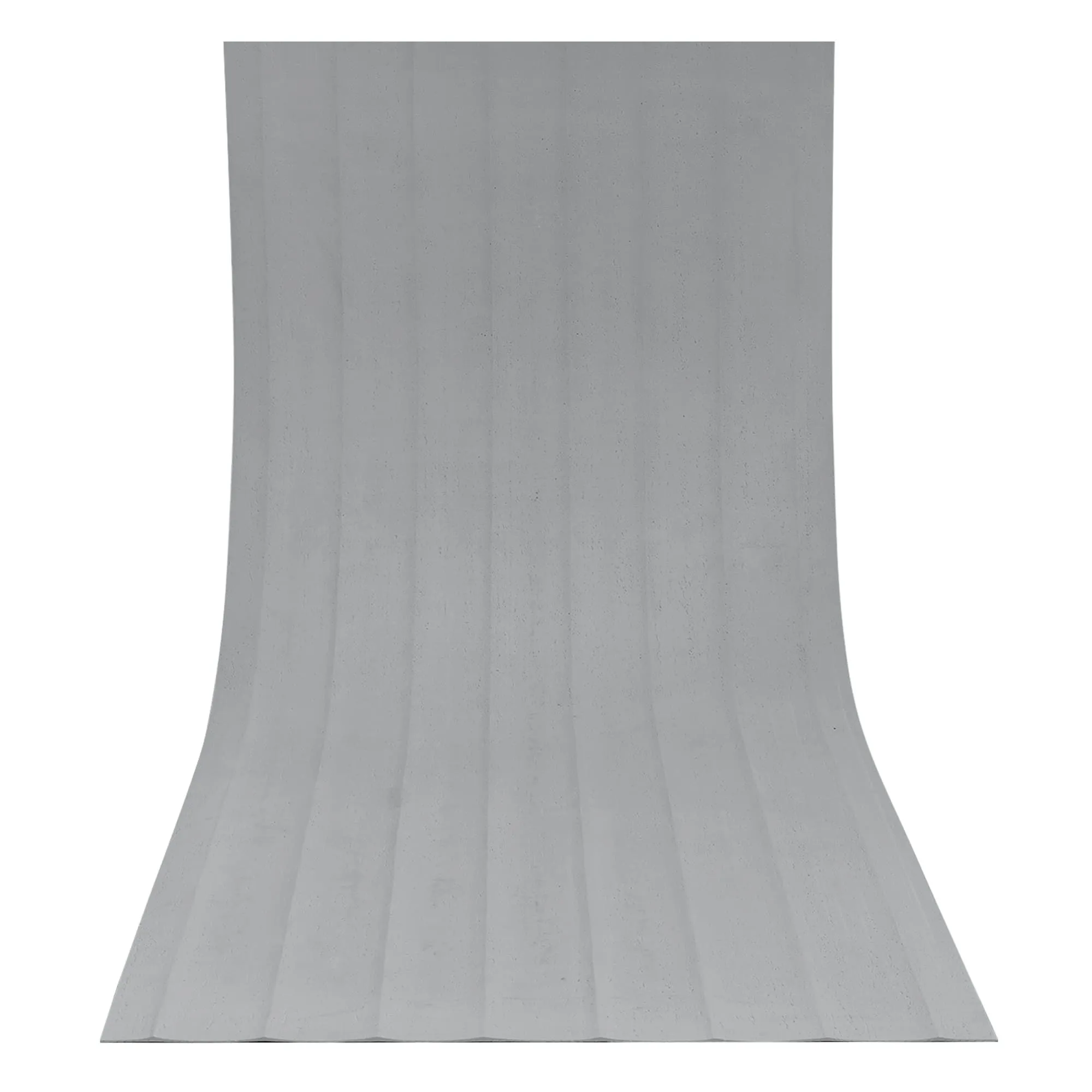
The result is a material that is surprisingly lightweight, flexible, and resilient. The "Wave Panel" aspect refers to the incredible 3D textures and shapes that can be achieved. While ceramic is flat and rigid, MCM can be molded into deep, flowing, organic patterns, and it can even be bent around curves and corners. It combines the aesthetic appeal of natural stone, wood, or even intricate artistic designs with physical properties that are far more suited to the demands of modern construction. It represents a leap forward, moving beyond the grid-like world of tiles into a new realm of seamless, expressive surfaces.
The Head-to-Head Battle: Key Criteria for High-Traffic Areas
Now, let's get down to the nitty-gritty. We'll compare them across the factors that matter most to architects, builders, and facility managers.
1. Durability and Impact Resistance
High-traffic areas mean high impact risk. Luggage carts, strollers, cleaning equipment, and the general clumsiness of a crowd can take a toll.
- Ceramic Tiles: They are very hard, which gives them excellent scratch resistance. That's a plus. However, this hardness comes with a downside: brittleness. A sharp, focused impact—like a dropped tool or a bump from a heavy cart—doesn't get absorbed. Instead, the tile is likely to crack, chip, or even shatter. Replacing a single broken tile in the middle of a wall is a dusty, difficult, and often expensive task, and getting a perfect color match for the grout can be a nightmare.
- MCM Wave Panels: This is where MCM's unique composition shines. Its inherent flexibility allows it to absorb and dissipate impact energy. Instead of shattering, it flexes. It's tough and resilient, not hard and brittle. This makes it far more forgiving in environments where bumps and knocks are a daily occurrence. The chances of seeing a chipped or cracked MCM panel are significantly lower, which translates to a longer-lasting, pristine appearance with less worry.
2. Installation: Time, Cost, and Complexity
In any large-scale project, time is money. An inefficient installation process can lead to delays and budget overruns.
- Ceramic Tiles: Installation is a multi-step, skilled-labor-intensive process. The tiles are heavy, requiring significant effort to transport and handle. They need to be cut with a wet saw, which is messy and noisy. They are then applied using a thick bed of mortar, and each tile must be perfectly spaced. After that, you have to wait for the mortar to cure before you can begin the equally messy process of grouting. Finally, the grout needs to cure. It's a long, disruptive process.
- MCM Wave Panels: The difference is night and day. MCM panels are incredibly lightweight—a fraction of the weight of ceramic tiles of the same size. This makes them easier to handle, transport, and lift into place. They can be cut on-site with a simple utility knife, eliminating the need for heavy machinery and reducing dust and noise. Application is fast and clean, using a specialized adhesive. For massive surfaces, solutions like our MCM Big Slab Board Series can cover huge areas in a fraction of the time, dramatically accelerating project timelines and reducing labor costs.
3. Maintenance and Hygiene
High-traffic areas need to be cleaned constantly. The surface material plays a massive role in how easy, effective, and hygienic this process is.
- Ceramic Tiles: The tile surface itself is usually non-porous and easy to wipe clean. The problem is the thousands of feet of grout lines. Grout is porous. It greedily absorbs dirt, grime, and moisture, making it a perfect breeding ground for mold, mildew, and bacteria. Over time, it discolors, cracks, and becomes a major hygiene concern. It requires regular, harsh chemical cleaning and periodic re-sealing or even complete removal and replacement. It's the Achilles' heel of any tiled surface.
- MCM Wave Panels: This is another huge win for MCM. The panels themselves are water-resistant and have low porosity. More importantly, because they are flexible and come in large formats, they can be installed with nearly invisible seams or even completely seamless finishes on smaller walls. This drastically reduces or eliminates grout lines altogether. No grout means no home for mold and bacteria, no staining, and no cracking. The surface is monolithic and simple to wipe clean, ensuring a far more hygienic and lower-maintenance environment, which is critical for hospitals, schools, and public restrooms.
4. Design Flexibility and Aesthetics
A wall in a high-traffic area is also a major design element. It sets the tone for the entire space.
- Ceramic Tiles: The variety of colors and printed patterns is virtually infinite. However, you are always constrained by the format: a flat, rigid square or rectangle. The final look is inevitably defined by a grid of grout lines. While some 3D ceramic tiles exist, they are typically very heavy, expensive, and limited in their depth and complexity. Wrapping a ceramic tile around a curved column is simply impossible.
-
MCM Wave Panels:
This is where MCM is in a league of its own.
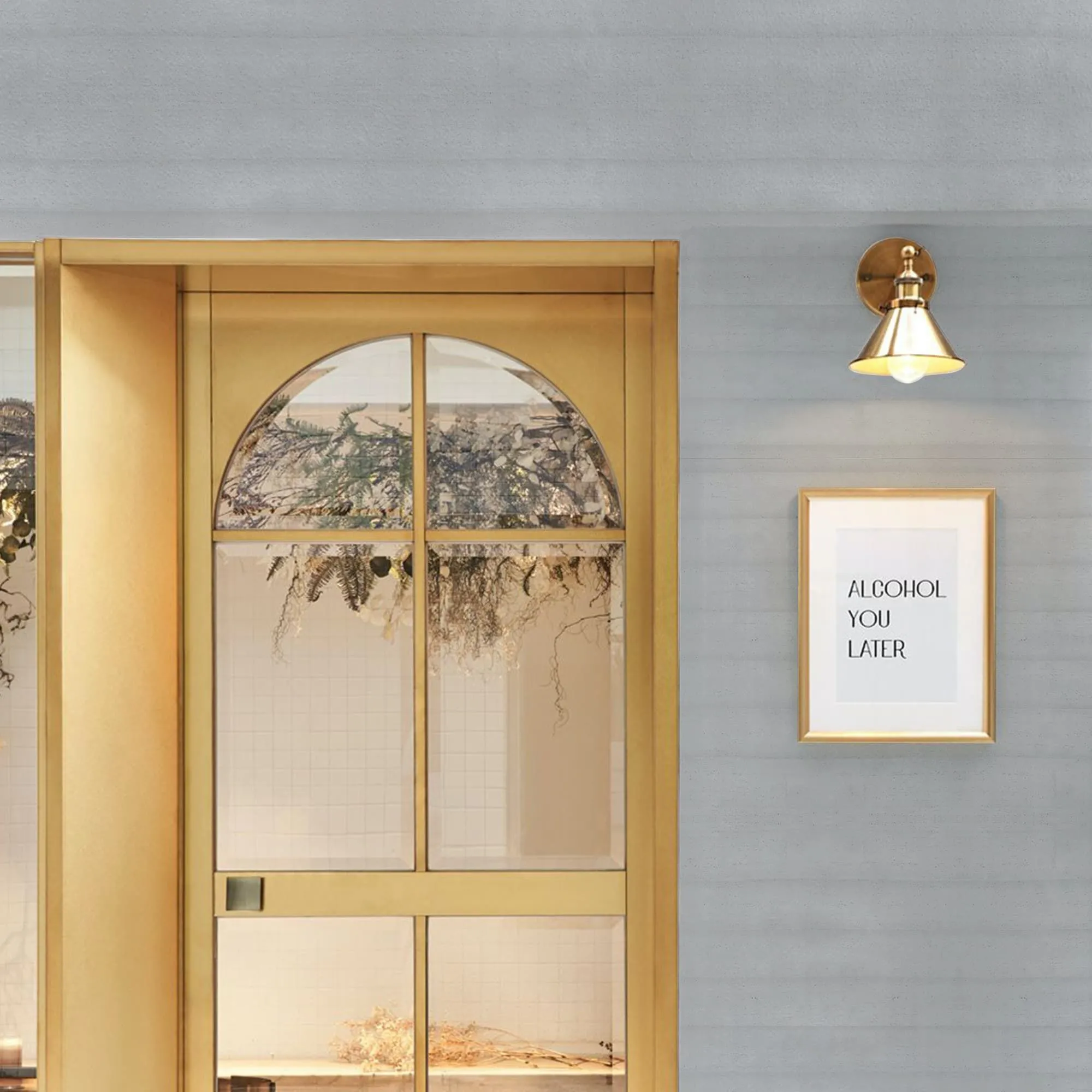
- 3D Texture: The "Wave" in the name is no exaggeration. MCM can be molded into deep, dramatic, and intricate three-dimensional patterns that play with light and shadow, creating a dynamic feature wall that is impossible to achieve with tiles.
- Flexibility: MCM's ability to bend is revolutionary. It can effortlessly wrap around curved walls, columns, and archways, creating a fluid, seamless look that feels organic and high-end. Imagine a reception desk or a support column clad in a single, continuous piece of MCM Flexible Stone —it's a design statement.
- Customization: The technology allows for unparalleled customization. Beyond standard textures, our COLORIA GROUP 's MCM 3D Printing Series can bring almost any digital design to life, creating bespoke surfaces that are unique to a project. This allows for the integration of logos, specific patterns, or artistic motifs directly into the wall cladding.
5. Sustainability and Environmental Impact
In today's world, the green credentials of building materials are no longer an afterthought; they are a primary consideration.
- Ceramic Tiles: The manufacturing process is very energy-intensive. Firing kilns to over 1,000°C consumes vast amounts of energy. Furthermore, the tiles are heavy, which means a higher carbon footprint for transportation from the factory to the project site.
- MCM Wave Panels: The production of MCM is significantly greener. It relies on a low-temperature curing process, consuming about 80% less energy than ceramic production. The raw materials are often derived from natural, and sometimes recycled, sources. The biggest environmental saving, however, comes from its light weight. Lighter materials mean less fuel is needed for transport, reducing the project's overall embodied carbon. This commitment to green building is a core part of the COLORIA GROUP philosophy. For large-scale developments, like those addressed by our MCM Project Board Series , these savings add up significantly.
Summary Table: MCM Wave Panel vs. Ceramic Tile
| Feature | MCM Wave Panels | Ceramic Tiles |
|---|---|---|
| Impact Resistance | Wave Panels"> Excellent. Flexible material absorbs impact, preventing cracks and chips. Highly resilient. | Poor to Fair. Hard but brittle. Prone to cracking, shattering, or chipping upon sharp impact. |
| Installation Speed & Cost | Wave Panels"> Very Fast. Lightweight, easy to cut (utility knife), clean adhesive application. Significantly lower labor costs and project time. | Slow. Heavy material, requires wet saws, messy mortar and grout application, long curing times. High labor costs. |
| Maintenance & Hygiene | Wave Panels"> Superior. Minimal to no grout lines, preventing mold and bacteria growth. Easy to clean, monolithic surface. | Challenging. Grout lines are porous, stain easily, and harbor mold. Requires frequent, harsh cleaning and re-sealing. |
| Design & Aesthetics | Wave Panels"> Exceptional. Can create deep 3D textures. Flexible for wrapping curves and columns. Bespoke customization possible. | Good. Huge variety of flat colors and patterns, but limited to a rigid, grid-based format. Cannot be bent. |
| Weight | Wave Panels"> Very Light. Easy to transport and handle, reduces structural load on buildings. | Very Heavy. Difficult to handle, increases transportation costs and structural load requirements. |
| Environmental Impact | Wave Panels"> Low. Low-energy production process. Lightweight reduces transport emissions. Made from natural/recycled materials. | High. High-temperature firing is energy-intensive. Heavy weight increases carbon footprint during transport. |
| Safety | Wave Panels"> Excellent. Can be made with inherent anti-slip properties. Does not shatter into sharp fragments. | Fair. Can be slippery when wet unless specifically treated. Broken pieces can be extremely sharp and hazardous. |
The Final Verdict: Is It Time to Evolve?
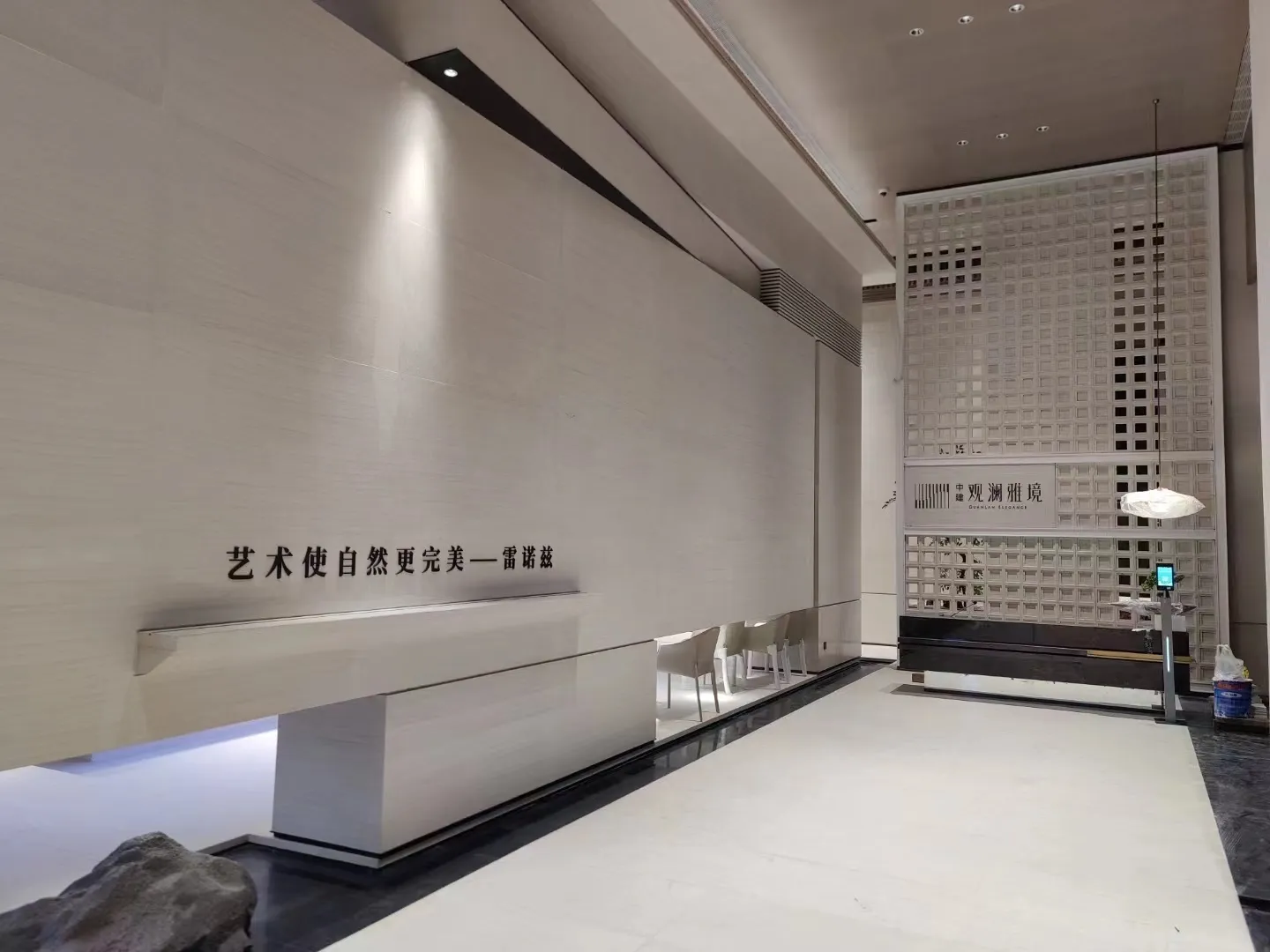
Let's be clear: ceramic tiles aren't going away. For a small bathroom backsplash or a residential kitchen floor, they can still be a perfectly fine choice. But when we're talking about demanding, large-scale, high-traffic commercial environments, the conversation changes. The weaknesses of ceramic—its weight, brittleness, and reliance on problematic grout—are magnified in these settings.
MCM Wave Panels, and the broader family of MCM products from COLORIA GROUP , offer a demonstrably superior alternative across almost every metric that matters in a high-traffic context. They are more durable where it counts, faster and cheaper to install, infinitely more hygienic and low-maintenance, and offer a level of design freedom that traditional materials simply cannot match. The environmental benefits are the icing on the cake, aligning modern projects with crucial sustainability goals.
Choosing MCM Wave Panels over ceramic tiles isn't just about picking a different product. It's about making a strategic decision to embrace innovation. It's about opting for a long-term solution that will look better, perform better, and cost less to maintain over the life of the building. It's about future-proofing your design against the inevitable bumps, scrapes, and challenges of a busy world. For your next project that demands the best, don't just settle for the familiar. Explore what's possible with a material designed for the 21st century.









