
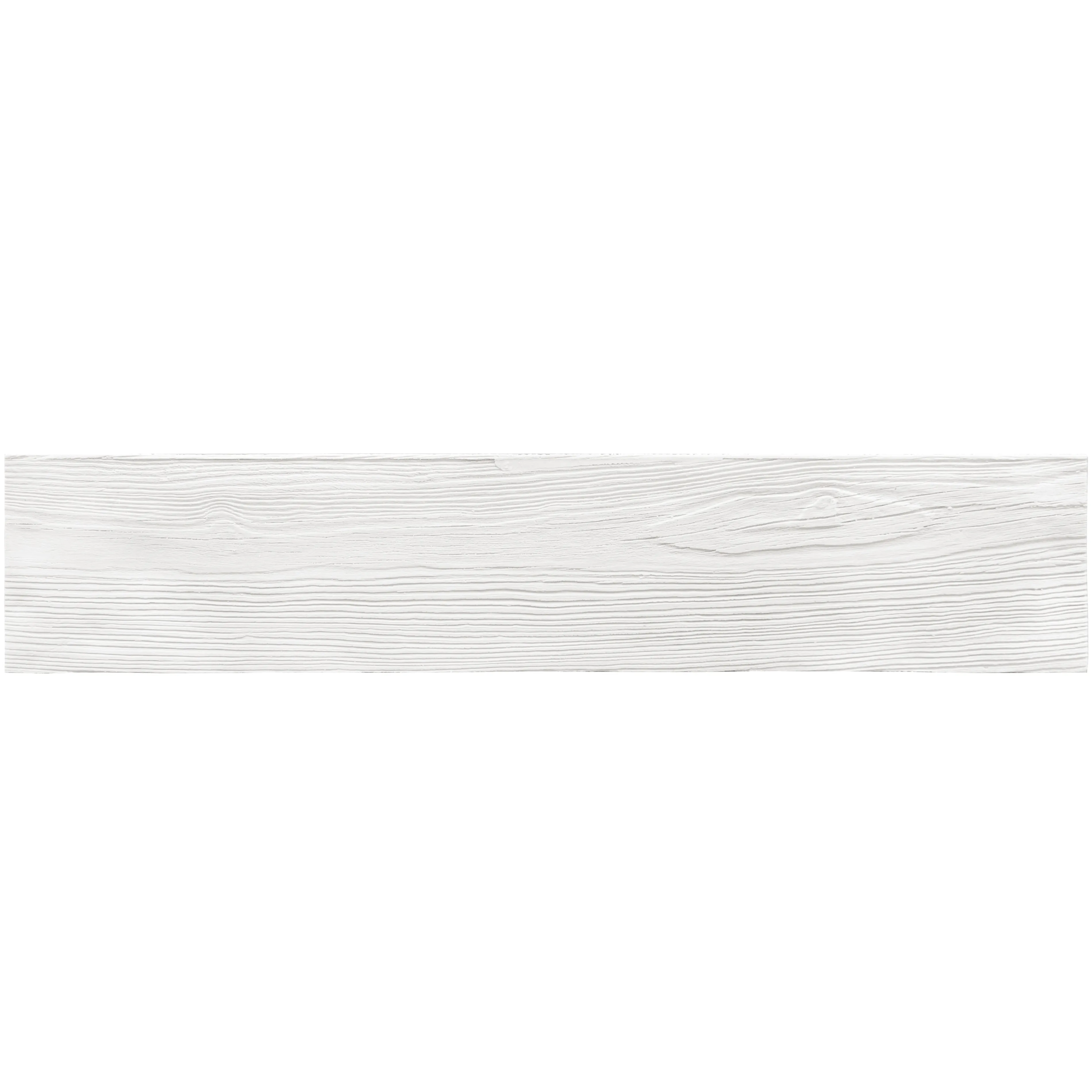
Large-scale construction projects—whether it's a sprawling shopping mall, a sleek corporate headquarters, or a cultural center with expansive facades—come with a unique set of challenges. Architects and contractors often grapple with materials that can't keep up with the demands of size, consistency, and visual impact. Traditional cladding options like natural stone slabs or small-format tiles frequently result in disjointed aesthetics, excessive seams, and logistical headaches. Enter MCM White Wood Big Slab Boards, a standout in the mcm big slab board series that's redefining how we approach large-project design. These boards aren't just another building material; they're a solution crafted for the scale, complexity, and creative ambition of today's most ambitious builds.
At first glance, "white wood" might evoke images of cozy cabins or rustic interiors, but in the form of MCM big slabs, it transforms into something entirely different: a versatile, durable, and strikingly modern cladding option. What makes these boards truly game-changing, though, is their size. Designed specifically for projects where scale matters, they address the pain points that have long plagued large-format installations. Let's dive into how their size advantages, combined with MCM's signature material innovation, are making them a go-to choice for architects and builders alike.
When we talk about "size advantages," we're not just referring to dimensions on a spec sheet. For large projects, the physical size of cladding materials directly impacts everything from installation timelines to the final visual appeal. MCM White Wood Big Slab Boards typically come in formats like 1200x2400mm or larger—far bigger than standard natural stone slabs (which often max out around 900x1800mm) or ceramic tiles (usually 600x600mm or smaller). This extra size translates to three critical benefits that resonate deeply with anyone managing a large build.
First, fewer seams. Imagine covering a 10,000 square foot facade with 600x600mm tiles: that's over 27,000 individual pieces, each requiring precise alignment and grouting. The result? A surface crisscrossed with lines that disrupt the design flow and create weak points for moisture intrusion or wear. With MCM White Wood Big Slabs, the same area might need just 3,500 slabs—a fraction of the seams. Fewer seams mean a cleaner, more cohesive look, whether the design calls for a minimalist white wood aesthetic or a bold pattern that relies on uninterrupted visual flow. For projects aiming for a sense of grandeur—like a museum with a sweeping exterior or a hotel lobby with floor-to-ceiling feature walls—this seamless quality is non-negotiable.
Second, consistency at scale. Natural stone is beautiful, but its variability is a double-edged sword. Two slabs from the same quarry might have veining, color shifts, or texture, making it nearly impossible to achieve uniformity across a large surface. MCM White Wood Big Slab Boards, however, are engineered using flexible stone cladding panels technology, which ensures consistent color, grain pattern, and texture across every slab. This is a lifesaver for projects where brand identity or architectural vision depends on a uniform look—think a retail chain wanting identical storefronts across locations or a cultural center aiming for a monolithic, timeless facade.
Third, reduced labor and material waste. Larger slabs mean fewer cuts, less on-site trimming, and faster installation. A crew can cover more square footage in a day with big slabs than with small tiles, cutting down on labor costs and project timelines. Plus, MCM's precision manufacturing minimizes waste—unlike natural stone, which often results in 10-15% material loss due to hidden fractures or inconsistency. For a project with a tight deadline or budget, these efficiencies add up quickly.
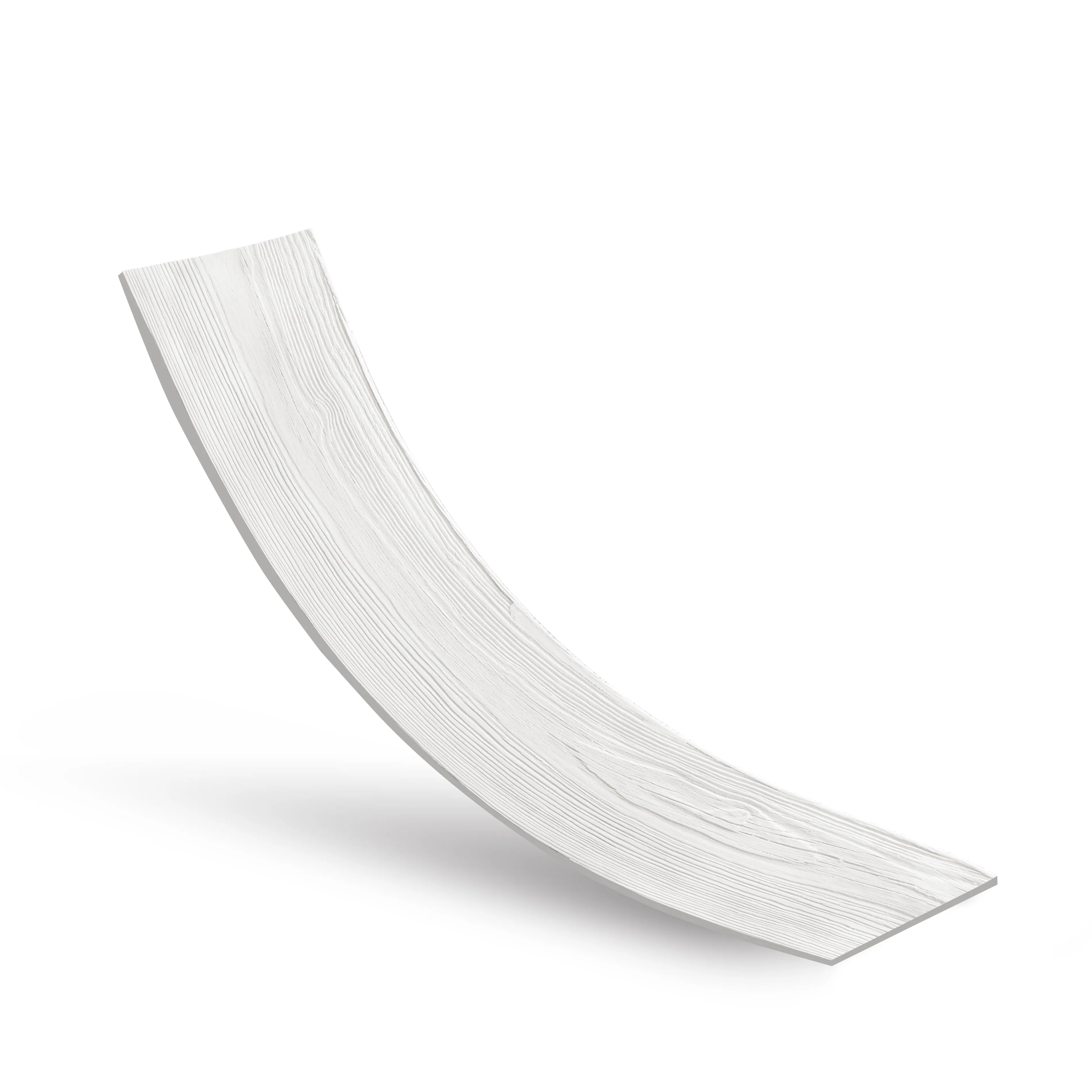
Size alone wouldn't matter if the material couldn't back it up. What sets MCM White Wood Big Slab Boards apart is how their large format pairs with MCM's core technology: modified composite materials. These boards are crafted from a blend of natural minerals, polymers, and reinforcing fibers, resulting in a product that's lightweight, flexible, and incredibly durable—qualities that make their size practical, not problematic.
Lightweight is a game-changer for large projects. Traditional natural stone slabs can weigh 30-40 kg per square meter, requiring heavy machinery, reinforced structural support, and careful handling to avoid breakage. MCM White Wood Big Slabs, by contrast, weigh in at just 8-12 kg per square meter. This reduced weight means less stress on the building's structure, lower transportation costs, and easier installation—no need for cranes to hoist every single slab. For projects with height restrictions or limited access (like urban renovations), this flexibility is invaluable. It also opens doors for retrofits, where adding heavy cladding to an existing structure might otherwise be impossible.
Flexibility is another hidden strength. Unlike rigid natural stone or concrete, MCM slabs have a slight bend to them—enough to adapt to minor surface irregularities without cracking. On large projects, where walls or facades are rarely perfectly flat, this flexibility prevents the unsightly gaps or stress fractures that plague inflexible materials. It also makes the boards suitable for curved surfaces, a design trend growing in popularity for modern buildings. Imagine a performing arts center with a sweeping, organic facade: MCM White Wood Big Slabs can follow those curves seamlessly, whereas natural stone would require expensive, custom cutting (and even then, risk breaking).
Durability, too, is non-negotiable. Large projects demand materials that can withstand the elements—UV rays, rain, temperature fluctuations—and heavy foot traffic (for interior applications). MCM White Wood Big Slab Boards are resistant to fading, moisture, and impact, with a lifespan that rivals traditional materials. They're also low-maintenance: unlike natural wood, they don't require sealing or staining, and unlike concrete, they won't crack or spall over time. For busy facility managers, this means fewer repairs, lower long-term costs, and a surface that stays looking fresh for decades.
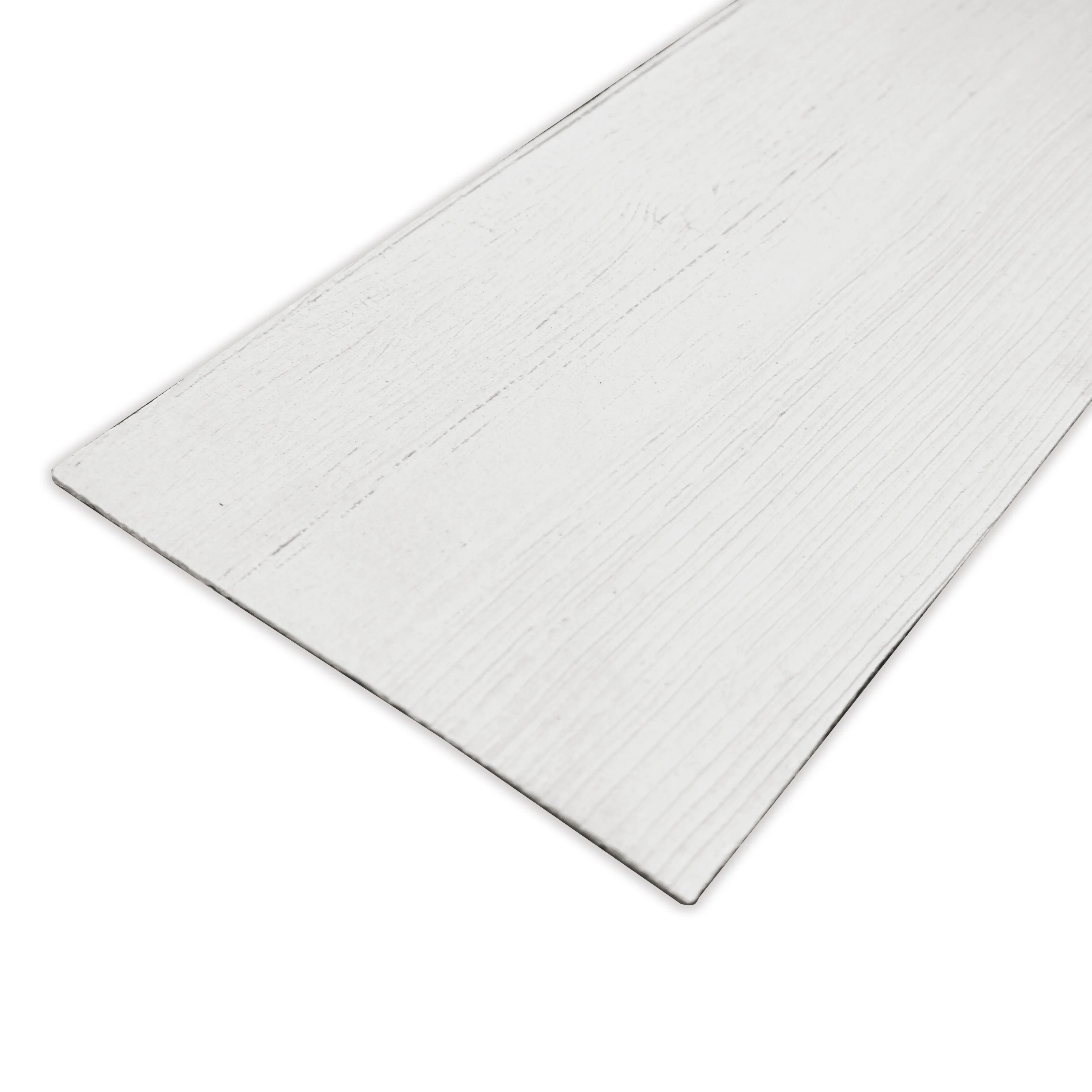
Large projects live or die by efficiency. Delays in one phase can domino into missed deadlines and ballooning budgets. That's why MCM White Wood Big Slab Boards are designed to work with prefabricated mcm panel systems —a streamlined approach that cuts installation time significantly compared to traditional methods.
Prefabrication is the process of assembling components off-site, then transporting them to the construction site for quick installation. With MCM's prefab systems, White Wood Big Slabs are already cut to size, finished, and attached to lightweight backing panels in a controlled factory environment. When they arrive on-site, installers simply mount the prefab panels to the building's structure using a simple rail or clip system. There's no need for on-site cutting, mixing adhesives, or waiting for materials to cure. For a 50,000 square foot project, this can shave weeks (or even months) off the timeline.
Take, for example, a team installing traditional natural stone cladding. Each slab must be individually measured, cut to fit, mortared into place, and allowed to set—often with days between applying each row to prevent slippage. With MCM's prefab panels, a crew can install hundreds of square feet in a single day. The precision of factory fabrication also reduces errors: no mismatched cuts, uneven grout lines, or misaligned patterns. This consistency is a boon for architects, who can trust that the final result will match their renderings exactly.
The lightweight nature of the slabs further speeds up installation. Since each prefab panel is lighter than a comparable stone panel, fewer workers are needed to handle and mount them. There's also less reliance on heavy equipment, which can be a bottleneck on busy construction sites. For urban projects where crane time is limited or expensive, this efficiency is a major cost-saver.
| Material | Typical Size | Weight (kg/m²) | Installation Time (sq ft/day/crew) | Seams per 1000 sq ft |
|---|---|---|---|---|
| MCM White Wood Big Slab | 1200x2400mm | 8-12 | 800-1000 | ~35 |
| Natural Travertine Slab | 900x1800mm | 30-35 | 300-400 | ~65 |
| Ceramic Tile (Large Format) | 600x600mm | 15-20 | 500-600 | ~278 |
| Fair-Faced Concrete | 1000x2000mm | 25-30 | 400-500 | ~50 |
The table above highlights the stark differences in efficiency between MCM White Wood Big Slabs and common alternatives. Even compared to large-format ceramic tiles, MCM slabs cover more area with fewer seams and less labor—making them a clear choice for projects where time and visual cohesion are priorities.

Size and efficiency are critical, but for architects, design flexibility is often the deciding factor. MCM White Wood Big Slab Boards excel here, too, thanks to their "white wood" finish—a warm, textured look that balances organic charm with contemporary sleekness. The finish mimics the grain and subtle variations of real wood but without the drawbacks (like warping or rotting). It's a versatile palette that pairs beautifully with other materials, from glass and metal to stone accents like historical pathfinders stone , creating layered, visually rich designs.
The neutral, light tone of white wood is a blank canvas for creativity. In commercial spaces, it can brighten lobbies and atriums, making them feel more open and inviting. In hospitality projects—like boutique hotels or restaurants—it adds warmth without feeling dated, complementing both modern and rustic decor. For cultural institutions, it strikes a balance between tradition and innovation, especially when paired with materials that nod to heritage, such as historical pathfinders stone. Imagine a museum dedicated to local history: the exterior could feature MCM White Wood Big Slabs for a clean, modern base, with accents of historical pathfinders stone (with its weathered, timeworn texture) to evoke the past. The contrast is striking, yet harmonious—a testament to the slabs' design versatility.
Interior applications benefit, too. Large-format MCM White Wood slabs are ideal for feature walls in corporate offices, adding texture without overwhelming the space. They work in retail, where a seamless, wood-like backdrop makes products stand out. Even in residential high-rises, they can elevate common areas, creating a luxury feel at a fraction of the cost of natural wood or stone. The key is their ability to adapt: whether the design calls for a monochromatic, minimalist look or a bold mix of materials, these slabs fit right in.
Another design advantage is customization. While the white wood finish is a standout, MCM offers color-matching options for projects that need a specific hue. This is particularly useful for brand-focused builds, like a flagship store that wants cladding to match its logo colors. The slabs can also be printed with custom patterns or textures, opening up endless creative possibilities for unique facades or interior features.
To see the size advantages of MCM White Wood Big Slab Boards in action, look no further than Riverfront Plaza, a mixed-use development in a mid-sized U.S. city. The project included a 12-story office tower, a 300-room hotel, and a pedestrian arcade—all with expansive exterior and interior cladding needs. The architects, tasked with creating a cohesive design that would stand out along the riverfront, initially considered natural limestone for the facades but quickly hit roadblocks.
"Limestone slabs were too heavy for the existing structure we were retrofitting, and the color variability meant we couldn't get the uniform look the client wanted," explains Sarah Chen, lead architect on the project. "We also needed to cover 150,000 square feet quickly—limestone would have taken 12 weeks to install; we had 8."
The solution? MCM White Wood Big Slab Boards. The team chose 1200x2400mm slabs in the white wood finish, paired with accents of historical pathfinders stone for the arcade's entranceways. "The size was a game-changer," Chen recalls. "We covered the hotel facade in just 3 weeks, and the lack of seams made the building look taller, more elegant. The white wood finish brightens up the riverfront, especially at sunset, and the crew loved how lightweight the slabs were—no more strained backs or broken materials."
Today, Riverfront Plaza is a local landmark, praised for its sleek, unified design. "The client was blown away by how the slabs transformed the space," Chen adds. "They've already asked us to use MCM for their next project."
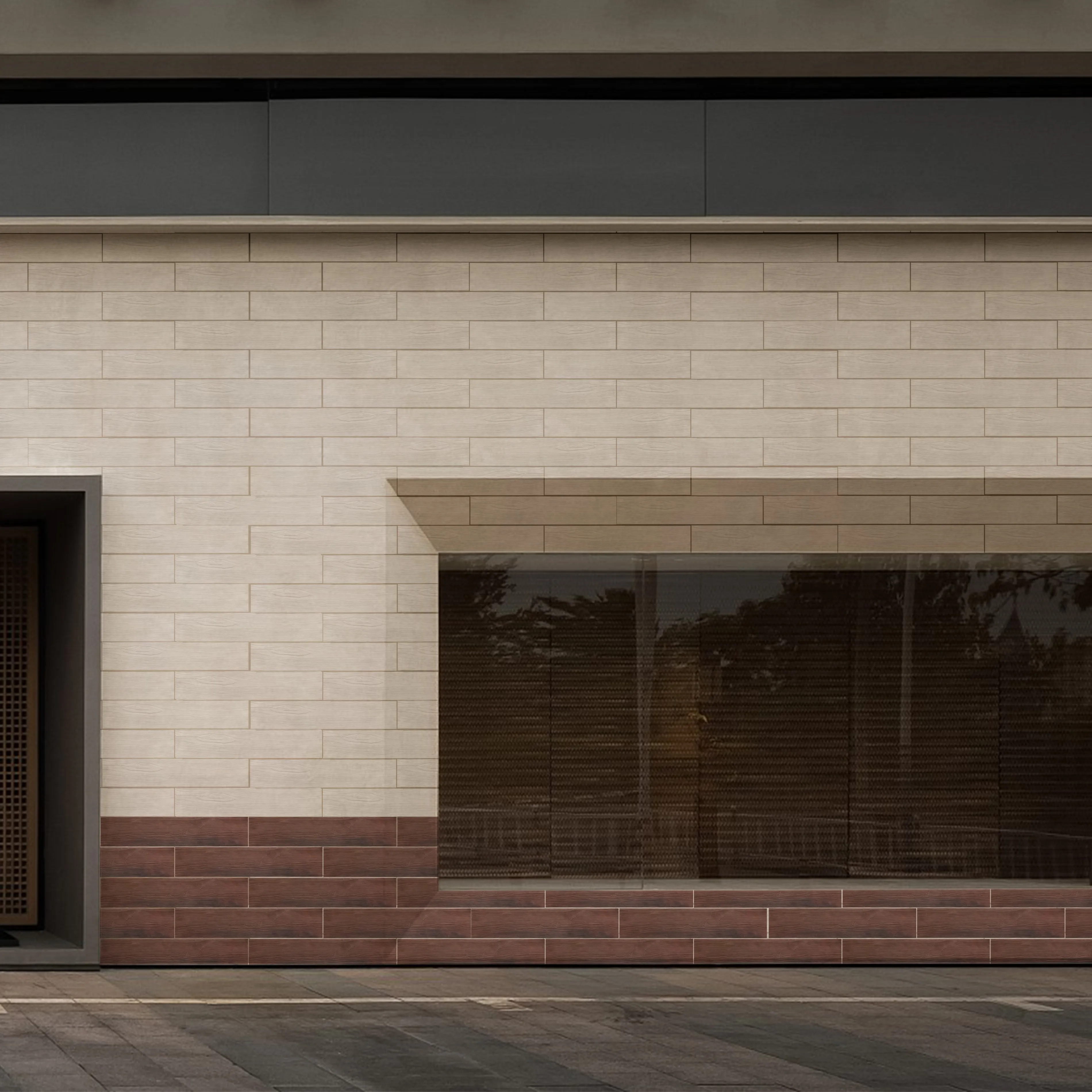
In today's construction landscape, sustainability isn't just a buzzword—it's a requirement. Clients, regulators, and the public demand materials that minimize environmental impact, from production to disposal. MCM White Wood Big Slab Boards align with this ethos, offering a greener alternative to traditional cladding materials.
The production process is a key factor. MCM slabs use recycled minerals and polymers, reducing the need for virgin resources. Unlike natural stone mining, which can disrupt ecosystems and generate massive waste, MCM manufacturing is energy-efficient and produces minimal byproducts. The lightweight nature of the slabs also reduces transportation emissions—trucks can carry more slabs per trip, cutting down on fuel use.
On-site, the prefabricated systems further reduce waste. Since slabs are cut to size in the factory, there's little to no on-site trimming, meaning less material ends up in landfills. The durability of the slabs also contributes to sustainability: a longer lifespan means fewer replacements, reducing the overall carbon footprint of the building over time.
For projects aiming for green building certifications (like LEED or BREEAM), MCM White Wood Big Slab Boards check multiple boxes: low-VOC emissions, recycled content, and energy efficiency (the slabs' insulating properties can help reduce heating and cooling costs). In an era where sustainability is a competitive advantage, this makes them an even more compelling choice.
In large projects, size isn't just about making a statement—it's about solving problems. MCM White Wood Big Slab Boards address the core challenges of scale: they reduce seams for a cleaner look, speed up installation with prefabricated systems, and offer the durability and flexibility needed for complex builds. They're a material designed for the way we build now—ambitiously, efficiently, and with an eye on both aesthetics and practicality.
Whether you're an architect dreaming up a skyline-defining facade, a contractor racing to meet a deadline, or a client wanting a balance of beauty and budget, these slabs deliver. They're proof that when size, material innovation, and design versatility come together, the possibilities for large projects are endless. In a world where "good enough" no longer cuts it, MCM White Wood Big Slab Boards aren't just a choice—they're a path to building better, bolder, and smarter.
So the next time you walk past a large, striking building and find yourself admiring its seamless, cohesive exterior, take a closer look. Chances are, you're looking at the future of cladding—and it might just be MCM White Wood Big Slab Boards leading the way.
Recommend Products












