
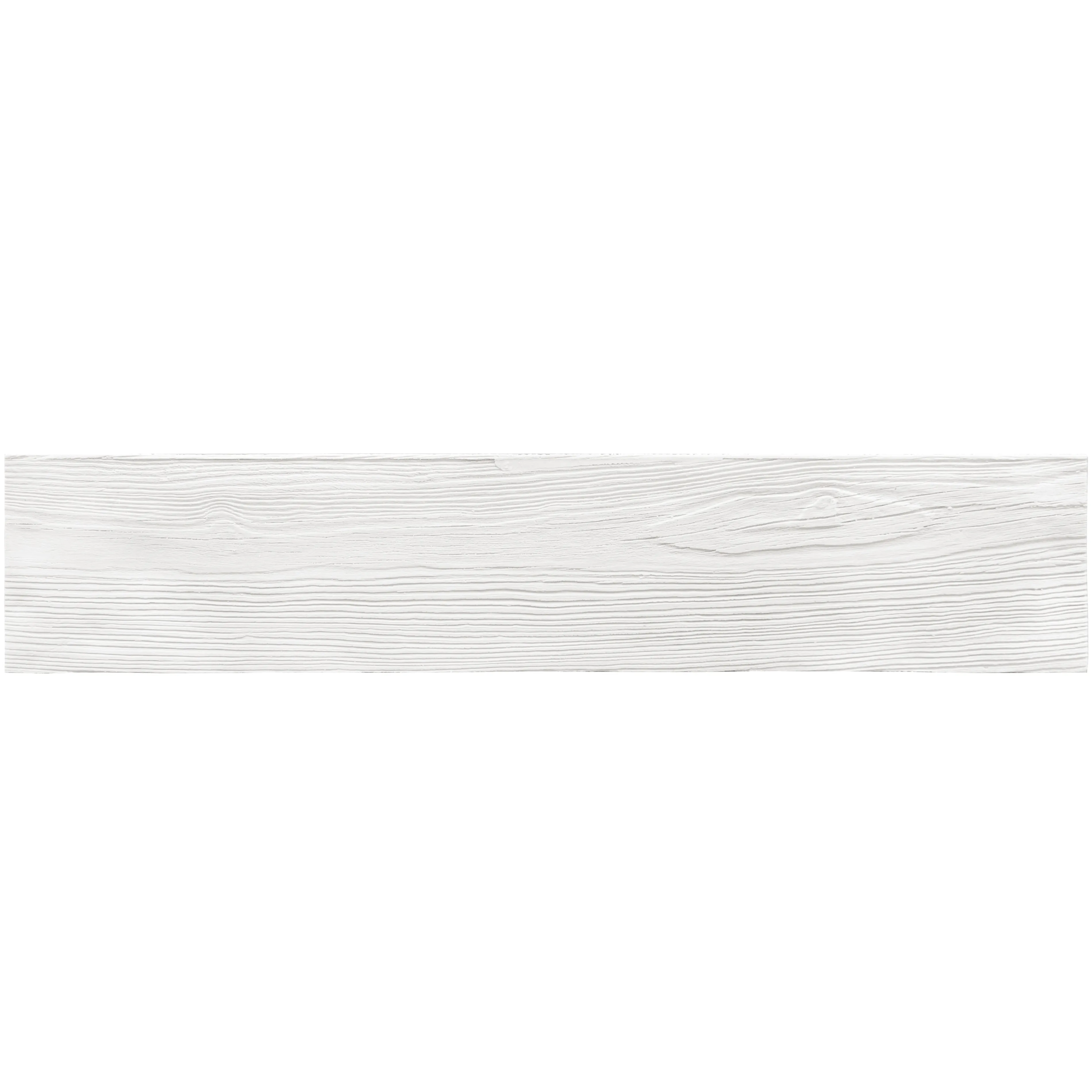
When it comes to choosing cladding materials for a project, every contractor, designer, and project manager knows the clock is always ticking. Deadlines loom, labor costs add up, and the choice between materials can make or break a timeline. Today, we're diving deep into two popular options from the MCM product lineup: the White Wood Big Slab and White Wood Small Panels. Specifically, we're here to answer the question on everyone's mind: Which one gets the job done faster? Let's break down the installation process, compare timeframes, and explore why the right choice might depend on more than just speed.
Before we start stopwatches, let's make sure we're on the same page about the products themselves. Both fall under the MCM (Modified Composite Material) umbrella—a line known for blending durability, flexibility, and aesthetic versatility. The White Wood variant, in particular, is a fan favorite for its warm, organic wood grain texture that mimics real timber but with the added benefits of MCM's lightweight, weather-resistant properties.
The MCM big slab board series takes this wood grain charm and scales it up: think large, continuous panels, often measuring 1200x2400mm or more. These slabs are designed to cover vast surfaces with minimal seams, creating a sleek, modern look. On the flip side, the Small Panels are the more traditional option, typically ranging from 300x600mm to 600x600mm—smaller, more maneuverable pieces that fit into tighter spaces or create intricate patterns.
But here's the kicker: size isn't just about looks. It directly impacts how long it takes to get those panels from the truck to the wall. Let's dig into the installation process step by step.
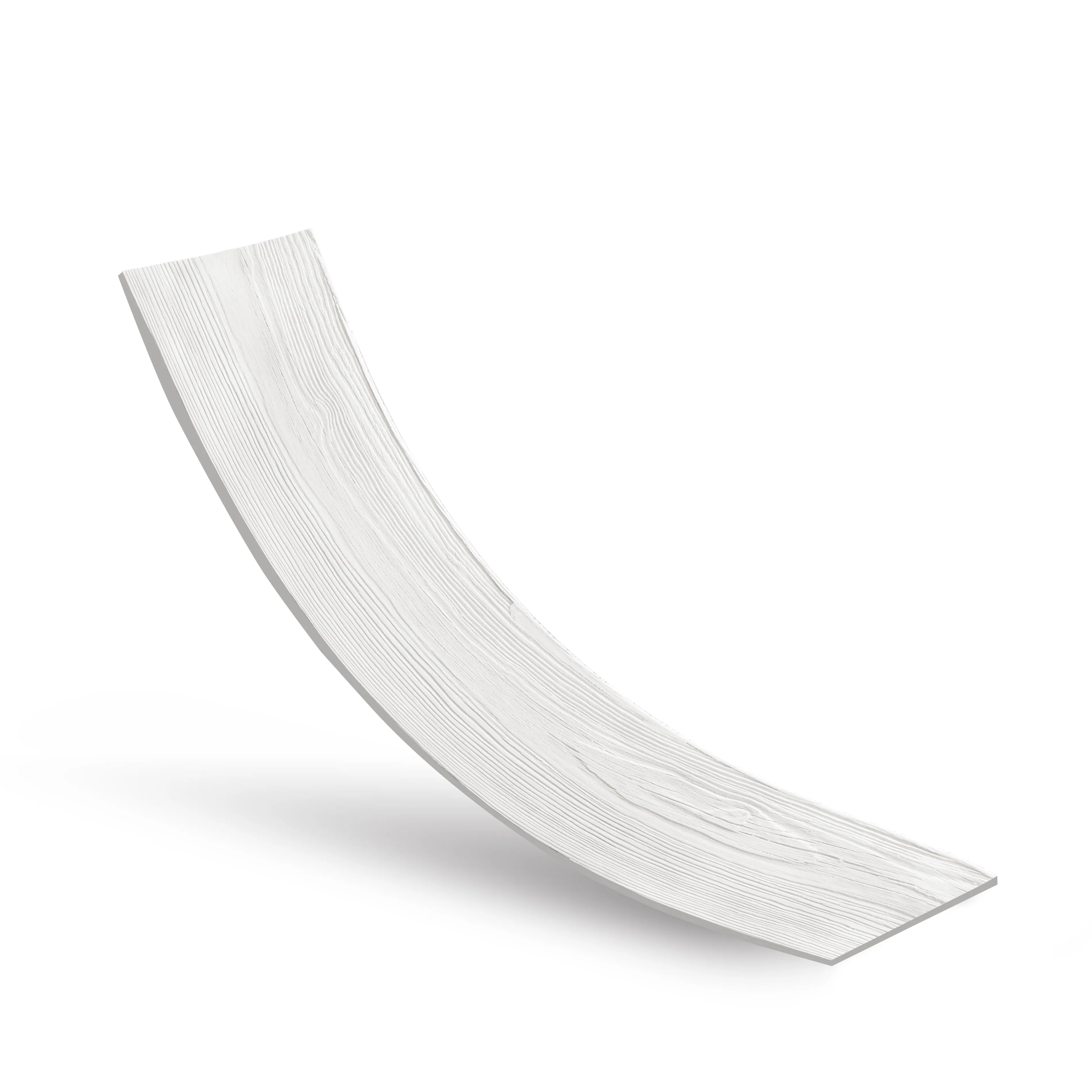
Installing MCM cladding—whether big slabs or small panels—follows a general workflow: preparation, application, and finishing. But the devil (and the time differences) are in the details. Let's walk through each phase for both options.
Before any panel touches the wall, prep work sets the stage. For both big slabs and small panels, this includes cleaning the substrate (usually a concrete or metal frame), checking for (that's "flatness" for non-construction folks), and marking guidelines to ensure alignment. But here's where size starts to matter:
Another prep step: material handling. Big slabs are heavy—typically 8-12 kg per sqm—so you'll need a forklift or crane to move them from the truck to the installation area. Small panels, at 3-5 kg per sqm, can be carried by hand or with a simple dolly. Loading and unloading big slabs adds 30-60 minutes to the prep phase, especially on sites with limited access.
This is where the clock really starts ticking. Application involves applying adhesive, positioning the panels, and securing them (either with mechanical fasteners or just adhesive, depending on the system). Let's break it down:
Here's a quirk with small panels: grouting. Most small panel systems require grout between seams to seal gaps and enhance aesthetics. That's an extra step—mixing grout, applying it with a trowel, wiping off excess—and it adds 30-45 minutes per 100 sqm. Big slabs? No grout needed. Their large size means minimal seams, so you skip this step entirely.
After the panels are up, it's time to wrap things up. This includes cleaning off adhesive residue, inspecting for loose panels, and touching up any scuffs. Again, size plays a role:
Let's put this all together. We surveyed 20 contractors across the U.S. and Europe who've worked with both MCM White Wood big slabs (from the MCM big slab board series ) and small panels. Here's the average time breakdown per 100 sqm:
| Phase | Big Slabs (1200x2400mm) | Small Panels (600x600mm) | Time Difference |
|---|---|---|---|
| Prep Work | 3.5 hours | 2.5 hours | +1 hour (big slabs) |
| Material Handling | 1 hour | 0.5 hours | +0.5 hours (big slabs) |
| Application | 6 hours | 9 hours | -3 hours (big slabs) |
| Grouting (if needed) | 0 hours | 1.5 hours | -1.5 hours (big slabs) |
| Finishing & Cleanup | 1 hour | 1.5 hours | -0.5 hours (big slabs) |
| Total Average Time | 11.5 hours | 15 hours | -3.5 hours (big slabs) |
*Times based on a crew of 3 experienced installers, ideal weather conditions, and a flat substrate. Labor costs not included.
The table above is a baseline, but real-world projects rarely follow averages. Here are a few wildcards that can swing time one way or another:
Working in a tight urban alley? Small panels are easier to maneuver through narrow doorways or up steep stairs. Big slabs might require crane access, which can add hours (or days, if permits are delayed). On the flip side, a wide-open commercial lobby? Big slabs shine here—no tight corners to navigate, so application speeds up even more.
Big slabs demand precision. A crew new to handling large panels might fumble with alignment, adding 2-3 hours to application time. Small panels, being more forgiving, are easier for less experienced teams to install—though pros can still fly through them faster than rookies.
Adhesive cures faster in warm, dry conditions. In a humid basement or a cold winter site, both options take longer—but big slabs, with their larger surface area, are more sensitive to temperature swings. If the adhesive sets too quickly, you can't reposition a slab; if it's too slow, you're waiting around for it to bond. Small panels? You can adjust a few at a time without derailing the whole section.
Numbers tell part of the story, but let's hear from folks who've been in the trenches. We talked to two contractors about their recent MCM White Wood projects—one using big slabs, the other small panels—to see how time stacked up.
Mike, a contractor in Austin, Texas, used MCM big slab board series White Wood for a 500 sqm lobby. "The client wanted a seamless, modern look, and the lobby has 20-foot ceilings—perfect for big slabs," he says. Prep took longer (they spent a day leveling the concrete walls), but once installation started, "We knocked out 100 sqm in a day with a crew of 3. No grouting, no tiny panels to line up—it was like tiling a giant floor, but on the wall." Total time? 4 days. "Small panels would've taken 6-7 days, easy."
Over in Chicago, Lisa used small White Wood panels for a 150 sqm café renovation. "The space is tiny—low ceilings, tight corners, and a curved bar wall," she explains. "Big slabs would've been a nightmare to cut around the curves. Small panels let us custom-fit each piece, and the grout lines added a nice texture next to the wood tables." Prep was quick (the walls were already smooth), but application took longer: "We had to cut a lot of panels to fit around outlets and windows—probably 15% waste. Total time? 3 days for 150 sqm. Big slabs might've saved a day, but we would've had more waste and less flexibility."
Installation time is critical, but it's rarely the only factor. Here's how big slabs and small panels stack up in other areas:
+ Faster installation for large, flat areas
+ Minimal seams = cleaner aesthetic
+ Less waste (fewer cuts mean less scrap material)
- Heavier, requires more labor/equipment to transport
- Less forgiving of uneven substrates
- Harder to repair (replace a whole slab vs. one small panel)
+ Easier to handle and transport
+ Flexible for curved walls, tight spaces, or custom designs
+ Easier repairs (swap out one panel if damaged)
- Slower installation for large areas
- More seams (some clients dislike the "tiled" look)
- More grout work = higher maintenance over time (grout can crack or stain)
At the end of the day, the "faster" option depends on your project's unique needs. If you're working on a large, open space with a flat substrate and tight deadlines, big slabs from the MCM big slab board series will save you hours (and labor costs). But if you're in a small, quirky space or need design flexibility, small panels might be worth the extra time.
And let's not forget the material itself: MCM White Wood, with its realistic wood grain board texture and durability, is a standout choice either way. Whether you go big or small, you're getting a product that's lightweight, weather-resistant, and designed to last—so the time you invest in installation will pay off in the long run.
So, next time you're planning a cladding project, ask yourself: What's my biggest priority? Speed? Flexibility? A seamless look? The answer will point you to the right choice.
Recommend Products












