
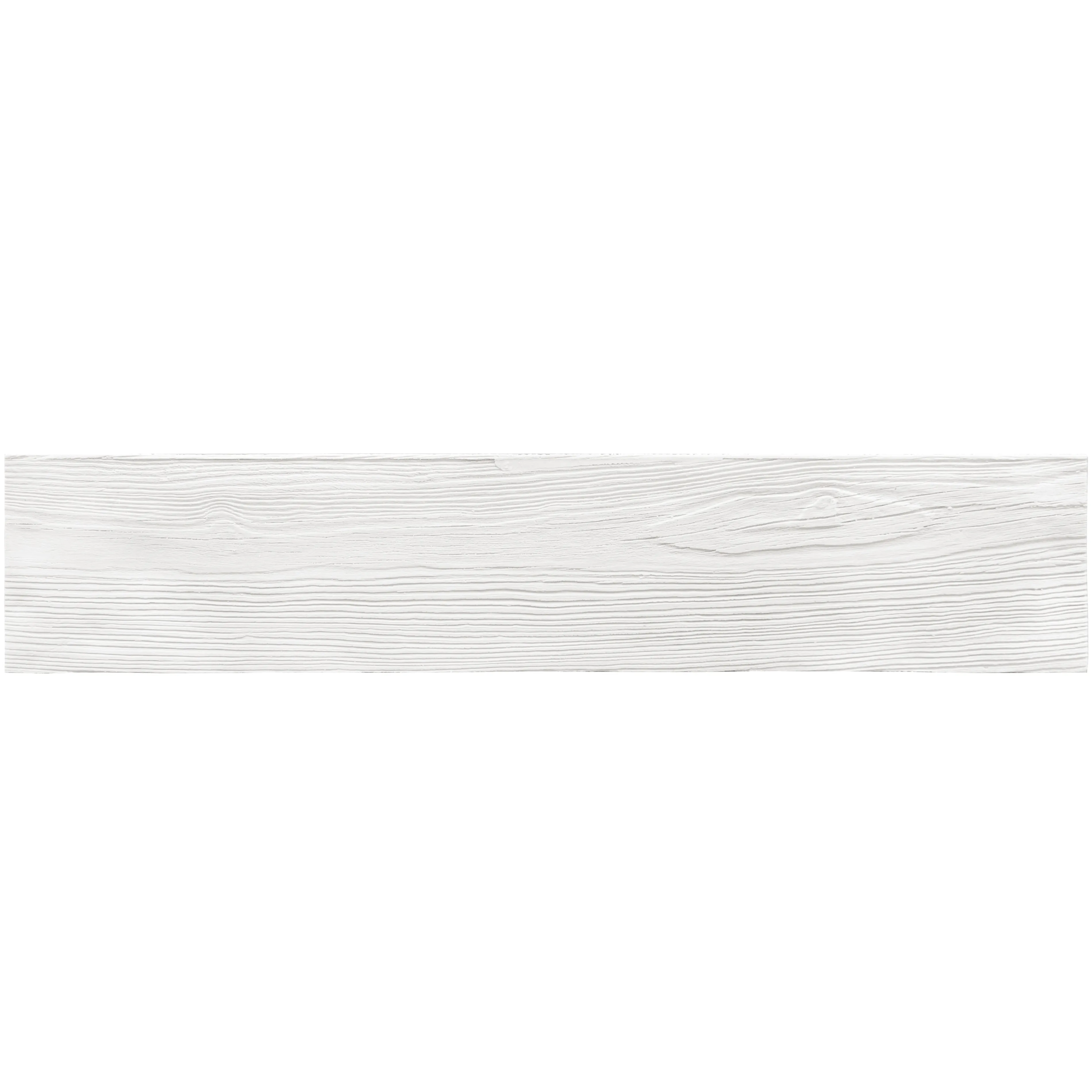
Blending Aesthetics, Durability, and Earth-Friendly Innovation
Walk into a building, and the first thing you might notice is its design—the way light plays off the walls, the texture under your fingertips, the warmth of the materials. But what if that beauty came with a hidden cost? For decades, construction has relied on materials that drain resources, emit harmful emissions, or end up in landfills after just a few decades. Today, though, the tide is turning. Architects, developers, and homeowners alike are waking up to a simple truth: the buildings we live and work in shouldn't just look good—they should do good, too. Enter green building, a movement redefining responsibility in construction, and at its forefront stands MCM, a brand synonymous with innovative, sustainable materials. Among its standout offerings? MCM White Wood —a material that marries the timeless charm of wood with cutting-edge eco-friendly technology.
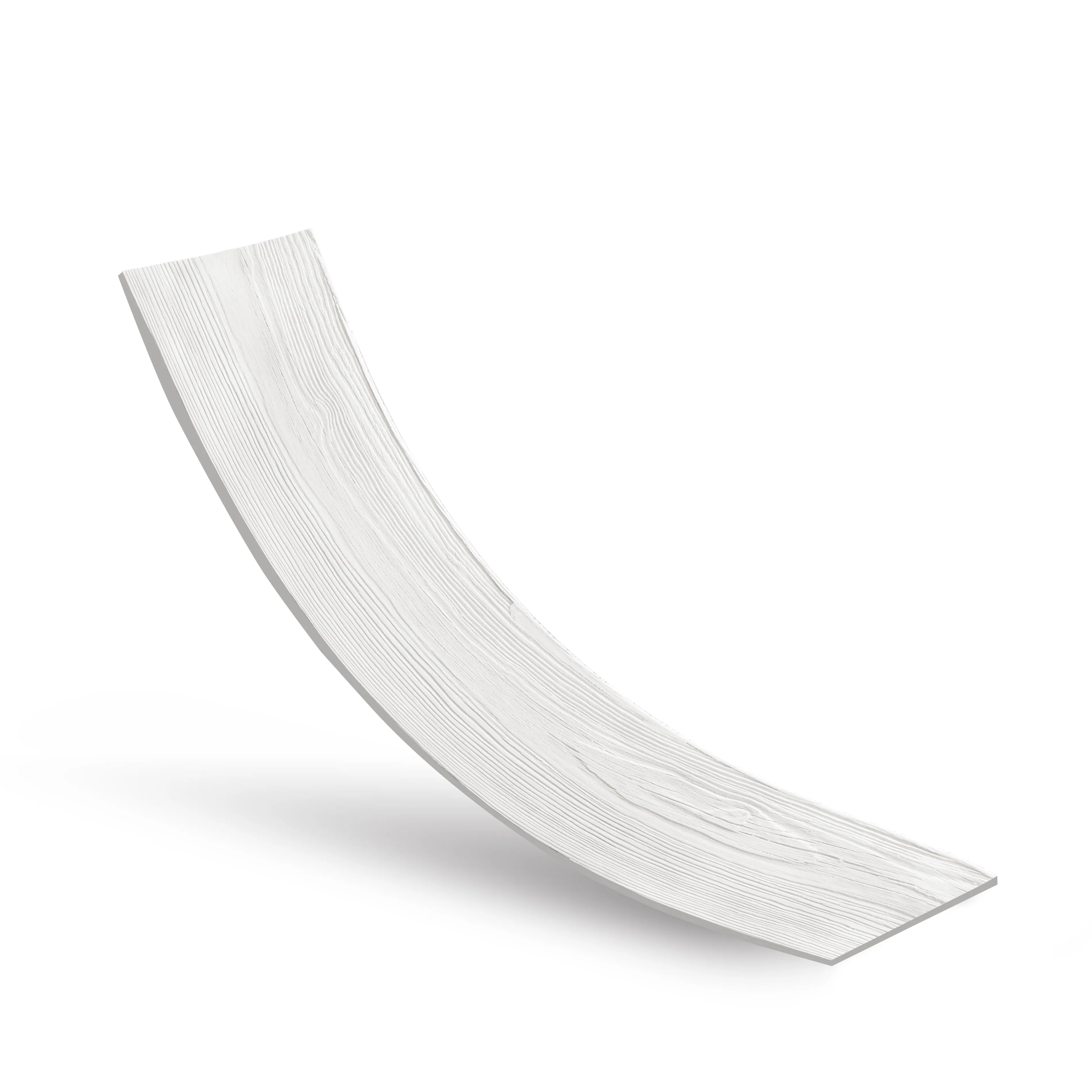
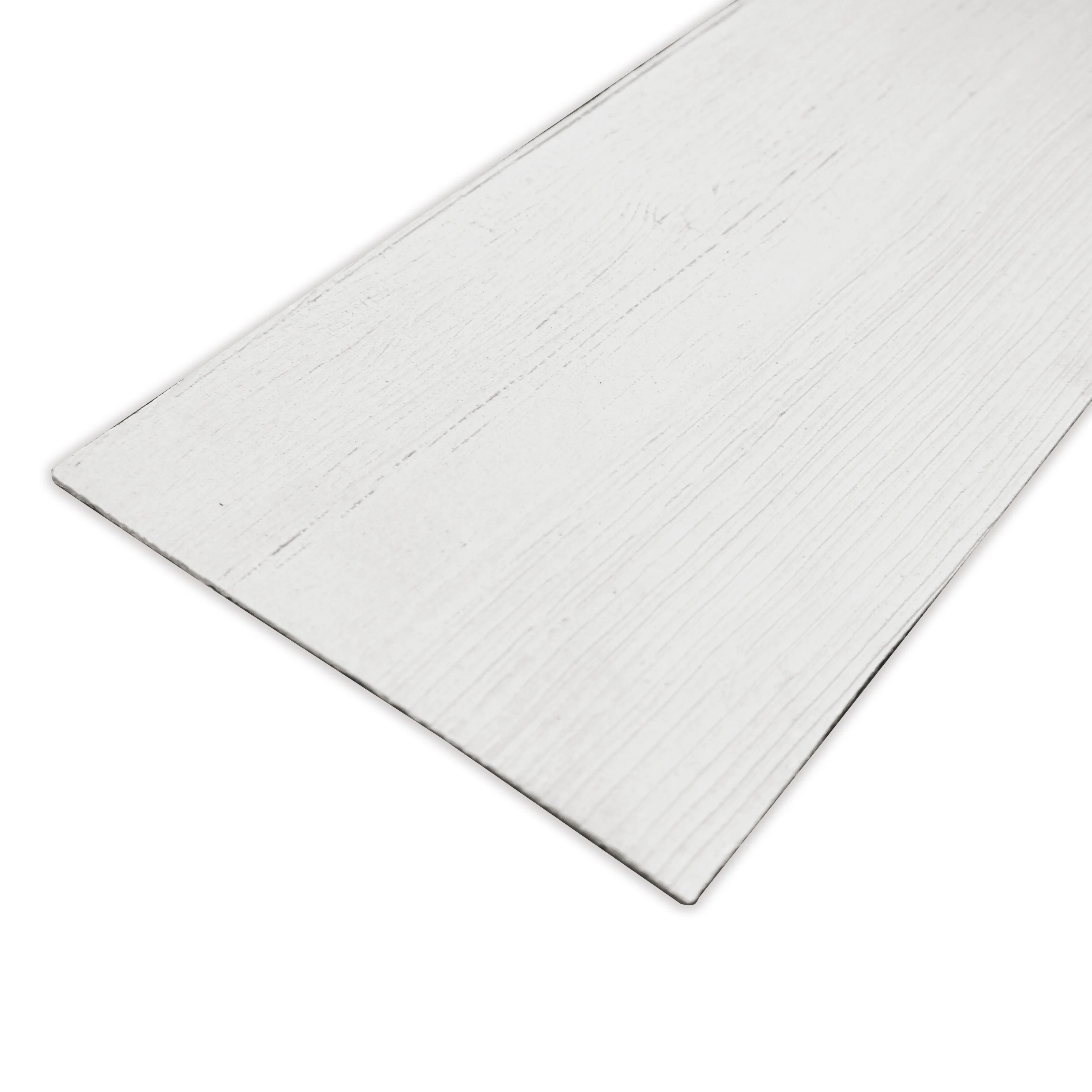
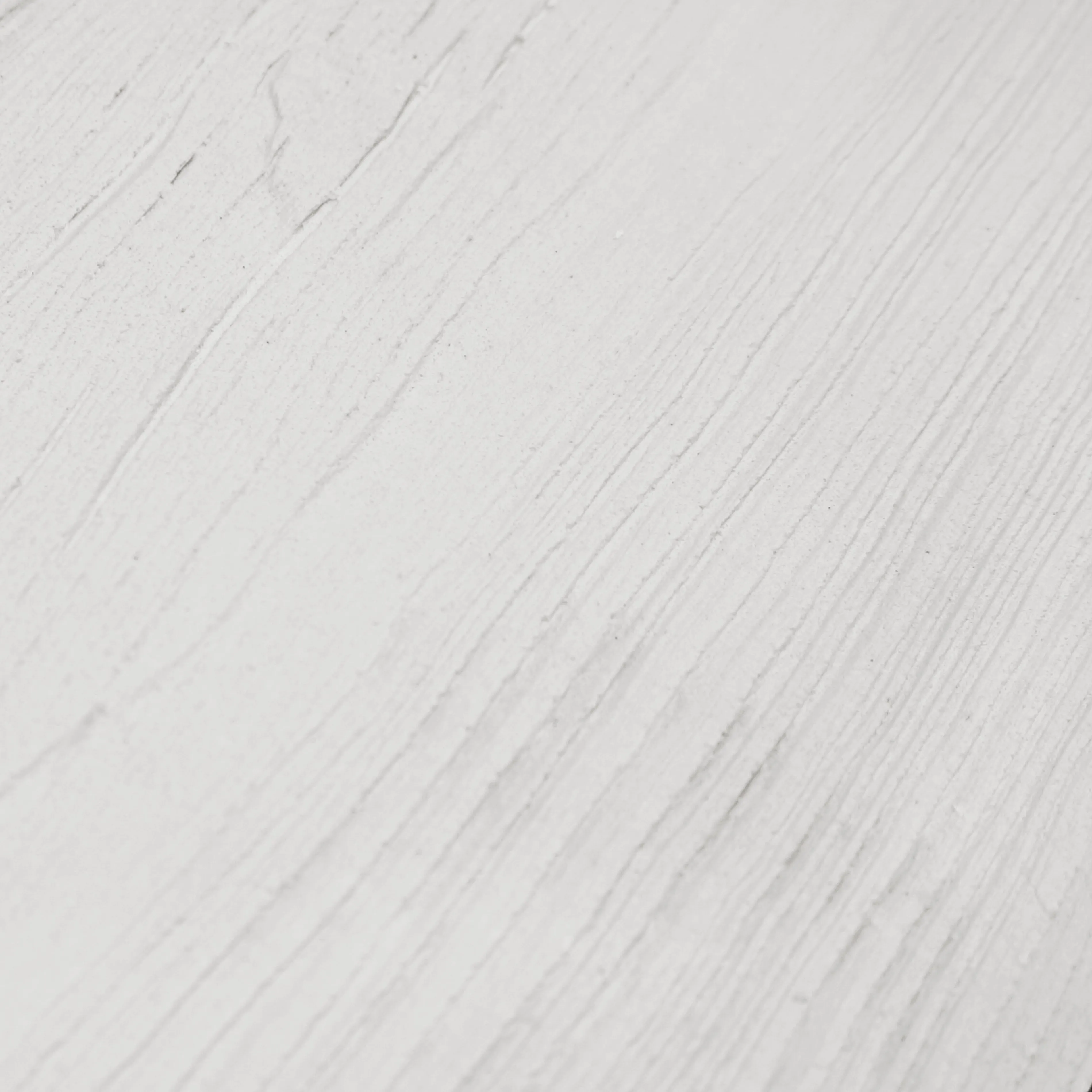
At first glance, MCM White Wood could easily be mistaken for premium natural wood. Its soft, warm tones, intricate grain patterns, and subtle organic texture evoke the comfort of a sunlit forest. But here's the twist: unlike traditional wood, which often requires harvesting old-growth trees or treating with toxic chemicals, MCM White Wood is engineered to honor nature without depleting it. Crafted from recycled wood fibers, plant-based binders, and a proprietary manufacturing process that minimizes waste, it's a material that proves sustainability and beauty don't have to be trade-offs.
But what truly sets MCM White Wood apart is its commitment to transparency—specifically, its adherence to rigorous environmental certifications. In an industry where "green" claims can feel hollow, these certifications are more than just labels; they're a promise that the material has been vetted for its impact on the planet, from production to disposal. And when it comes to green building certifications, one name stands above the rest: LEED.
LEED—short for Leadership in Energy and Environmental Design—is a rating system developed by the U.S. Green Building Council (USGBC) to evaluate the sustainability of buildings. It's not a one-time stamp of approval but a holistic framework that assesses a project's performance across six key categories: Energy and Atmosphere, Materials and Resources, Indoor Environmental Quality, Water Efficiency, Sustainable Sites, and Innovation in Design. Projects earn points for meeting criteria within these categories, with higher point totals leading to certifications: Certified, Silver, Gold, or Platinum.
For materials like MCM White Wood, the "Materials and Resources" category is critical. This category rewards projects that prioritize resource efficiency, waste reduction, and low-impact materials—exactly where MCM White Wood excels. Let's break down how it aligns with LEED's most impactful criteria:
To truly appreciate MCM White Wood's impact, let's compare it to common building materials. The table below highlights key sustainability metrics, showing why MCM White Wood is a clear choice for LEED-focused projects:
| Material | Recycled Content | Embodied Carbon (kg CO₂/m²) | Lifespan (Years) | Recyclability |
|---|---|---|---|---|
| MCM White Wood | 30% post-consumer recycled fiber | 15-20 | 50+ | 100% recyclable at end-of-life |
| Traditional Solid Wood | 0% | 30-40 | 20-30 (prone to warping/rot) | Limited (often ends in landfills) |
| Natural Stone (Marble/Granite) | 0% | 80-100 (high quarrying/transport emissions) | 50+ (but heavy, brittle) | Possible, but energy-intensive |
| Standard Plywood | 5-10% | 25-35 (due to formaldehyde adhesives) | 15-25 | Low (adhesives complicate recycling) |
MCM White Wood is just one piece of MCM's sustainability puzzle. The brand's entire lineup reflects a commitment to green building, with materials that complement each other to help projects achieve LEED certification. Here are a few standout examples:
Traditional natural stone is stunning but resource-heavy—quarrying it disrupts ecosystems, and its weight increases transportation emissions. MCM's flexible stone offers a smarter alternative: made from natural stone powder and a lightweight polymer binder, it's thin enough to bend around curves, reducing cutting waste. Its production uses 70% less water than traditional stone processing, making it a LEED favorite for feature walls and facades.
Aluminium is already the most recyclable metal on Earth, and MCM's foamed aluminium alloy boards take this further. The foaming process creates a lightweight, rigid material with excellent insulation properties, cutting energy use in buildings (a key LEED "Energy and Atmosphere" credit). Available in vintage silver, gold, and metal finishes, they add sleek elegance while keeping projects on track for LEED Gold or Platinum.
Concrete is a construction staple, but its production emits significant CO₂. MCM's fair-faced concrete solves this by using recycled aggregates and minimal processing—no need for paint or sealants, which reduces chemical use. Its raw, industrial aesthetic is perfect for modern designs, and its durability ensures long lifespans, aligning with LEED's focus on longevity.
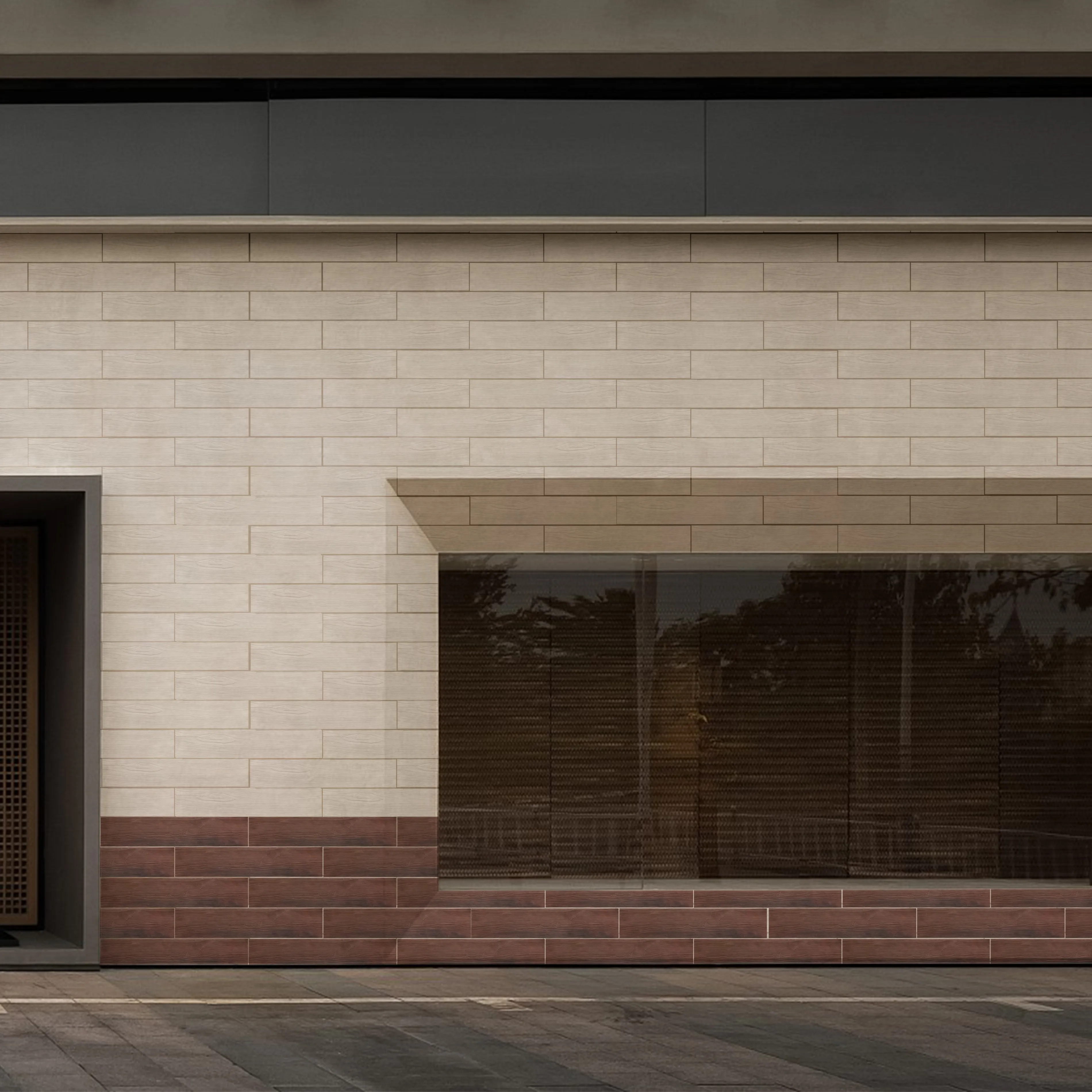
As cities grow and climate concerns mount, the demand for sustainable buildings will only intensify. LEED certification and materials like MCM White Wood are no longer optional—they're essential for creating spaces that are healthy, efficient, and resilient. MCM's commitment to innovation ensures that its products will continue to evolve, meeting new sustainability standards and pushing the boundaries of what's possible in design.
Imagine a world where every building feels as good as it looks—where the walls breathe clean air, the materials tell a story of responsibility, and the design inspires connection. That's the future MCM is building, one panel of White Wood, one sheet of flexible stone, one foamed aluminium alloy board at a time. Because in the end, sustainability isn't just about buildings. It's about creating a world where we can all thrive—now, and for generations to come.
Recommend Products












