
In the world of architecture and interior design, custom projects are where creativity truly shines. But for every stunning facade, unique accent wall, or one-of-a-kind countertop, there's a hidden problem: waste. Picture this: an architect spends weeks perfecting a curved lobby wall, only to watch half the natural stone ordered end up in a landfill because it couldn't be cut to the exact shape needed. A designer agonizes over a boutique café's wood-look ceiling, knowing traditional planks will warp, crack, or leave gaping offcuts that serve no purpose. Waste isn't just a financial drain—it's a creative buzzkill, a sustainability headache, and a constant source of frustration for anyone trying to balance artistry with practicality.
Enter MCM White Wood Flexible Stone. It's not just another building material; it's a solution tailored for the designers, contractors, and dreamers who refuse to let waste derail their vision. In this article, we'll dive into how this innovative product is rewriting the rules of custom design, turning "what if?" into "we did it—without the waste."
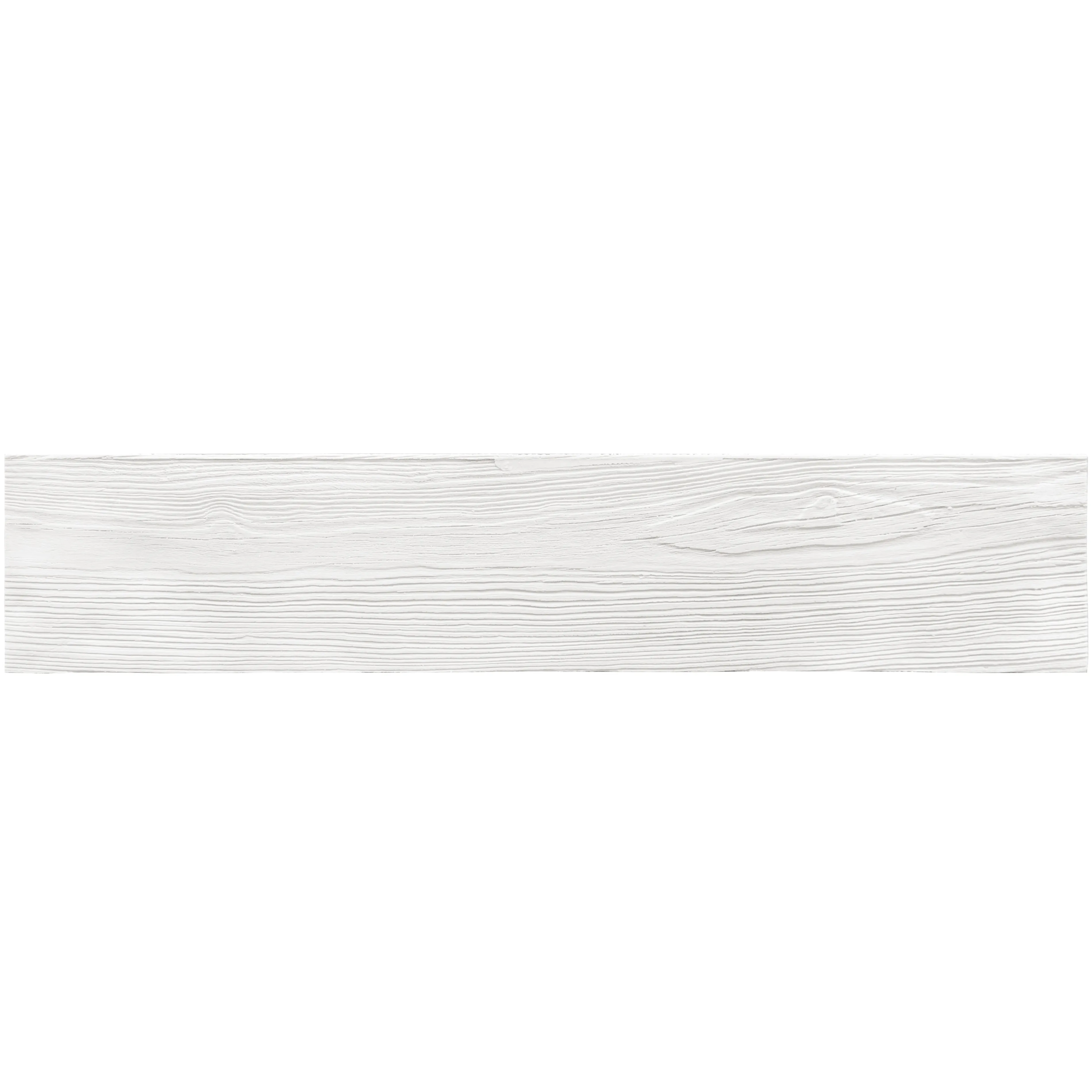
First things first: Let's demystify the name. MCM stands for Modified Composite Material, a category of building products designed to blend the best of natural aesthetics with modern engineering. And "White Wood"? That's the star here—a stone composite that mimics the warm, organic texture of weathered white oak or driftwood, but with the durability of stone. Think of it as nature's beauty, reimagined for the way we build today.
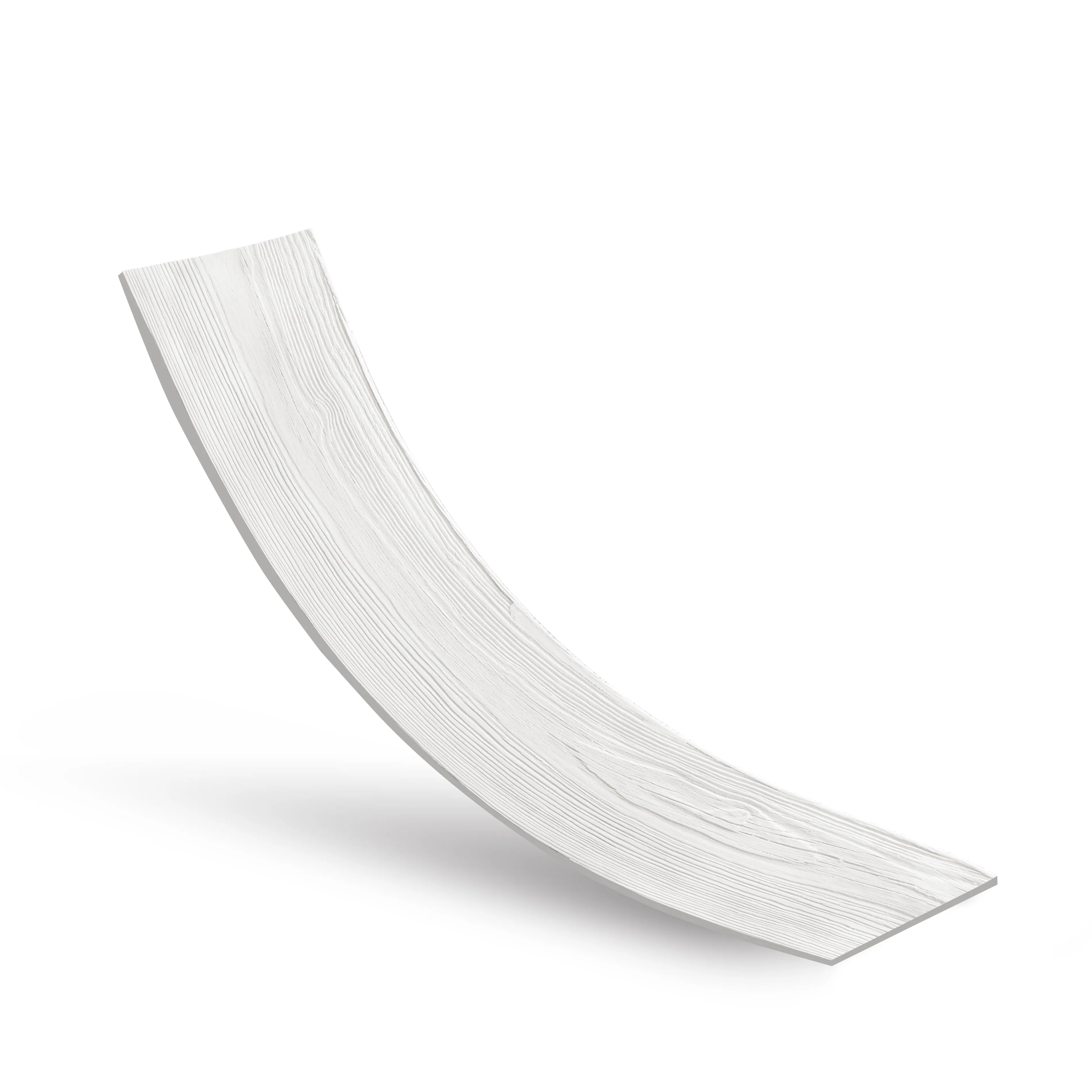
But what really sets it apart is the "flexible" part. Traditional stone is rigid, heavy, and unforgiving. You order a slab, you cut it straight, and if your design demands a curve, a niche, or a custom angle? Good luck—you're either stuck with clunky (pīnjiē, that's "" in Chinese, but we're keeping it English!) or mountains of waste. MCM White Wood, though? It bends. Not like rubber, but enough to hug curves, wrap columns, or conform to irregular surfaces without snapping. It's lightweight, too—about 70% lighter than natural marble—so installing it doesn't require a army of laborers or reinforced structural support.
And here's the kicker: it's customizable down to the millimeter. Want a 12-foot-long panel with a specific wood grain pattern? Done. Need it in a shade that matches the sunset over your coastal project? Consider it handled. This isn't "one-size-fits-most"—it's "your design, exactly as you drew it, with zero compromise."
Before we get into how MCM White Wood solves waste, let's talk about why waste matters. For too long, the building industry has treated material waste as an inevitable byproduct of creativity. But the numbers tell a different story:
Waste isn't just about the environment, though that's a big part of it. It's about cost: wasted material means wasted money. It's about time: waiting for replacement shipments when a slab cracks. And it's about missed opportunities: how many bold, curve-happy designs have been scrapped because "the material can't do that without too much waste"?
Take Sarah, a commercial designer I worked with last year. She was tasked with creating a hotel lobby featuring a 20-foot "wave" wall—smooth, flowing, and entirely unique. Her first instinct? Natural travertine. But after crunching the numbers, she realized the project would generate over 400 square feet of waste stone (that's like throwing away 10 standard doors!) and blow the budget by 30%. "I felt guilty even proposing it," she told me. "We ended up with a flat, boring wall instead. The client was happy, but I knew we'd settled."
Sarah's story isn't unique. It's the norm. Until now.
Let's break it down. MCM White Wood isn't just "less wasteful"—it's engineered to prevent waste at every stage, from factory to finish.
Traditional stone is mined, cut into generic slabs, and shipped. If your project needs a 5'7" panel, you buy a 6' slab, cut off 5 inches, and that 5 inches? Trash. MCM White Wood, though, is made to order. Using digital design files (think CAD, SketchUp, or even a detailed PDF), manufacturers can produce panels in exact lengths, widths, and shapes. No extra inches, no guesswork—just the material you need, and nothing more.
Ever ordered a pizza with "no olives" and still gotten a few rogue olives? That's kind of how traditional material ordering works. MCM White Wood is more like a custom pizza place that reads your order twice. If your design calls for a panel with a 3-inch radius curve at the top and a notch for a light fixture? The factory programs that into their cutting machines, and out comes a panel that fits like a glove. Waste from manufacturing? Less than 2%. That's not a typo—2%.
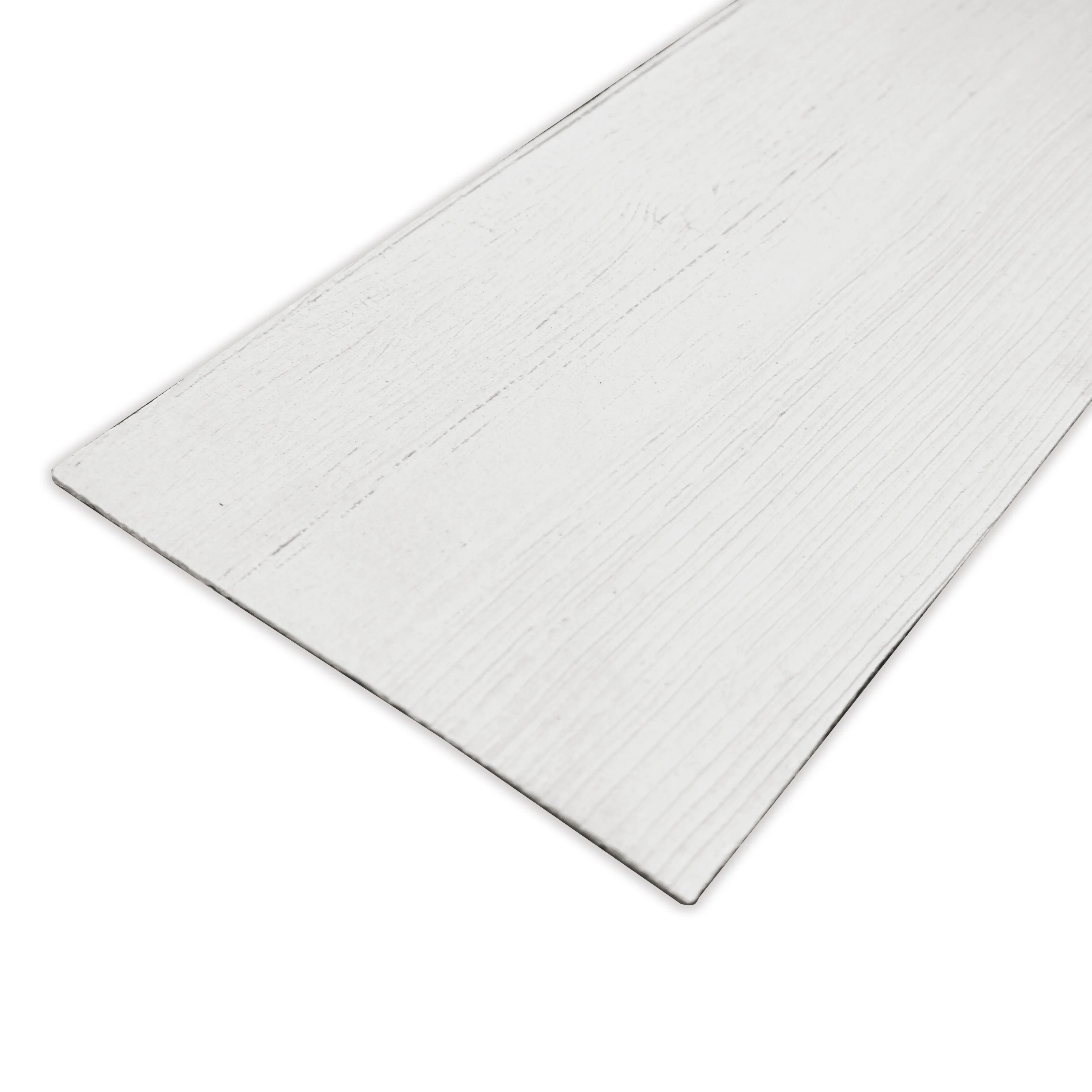
Even with perfect factory cuts, jobsites are chaotic. Measurements get off, walls aren't perfectly straight, and suddenly that "exact" panel you ordered is now ¼ inch too long. With traditional stone, you're stuck: either grind it down (generating dust and waste) or order a new panel. With MCM White Wood? Grab a standard circular saw, make a clean cut, and done. It cuts like wood but sands like stone, so you can trim, shape, or adjust on-site without shattering the material or creating piles of dust. Contractors I've talked to say on-site waste has dropped from 15% to under 3% on projects using MCM—mostly just fine dust that can be swept up and recycled.
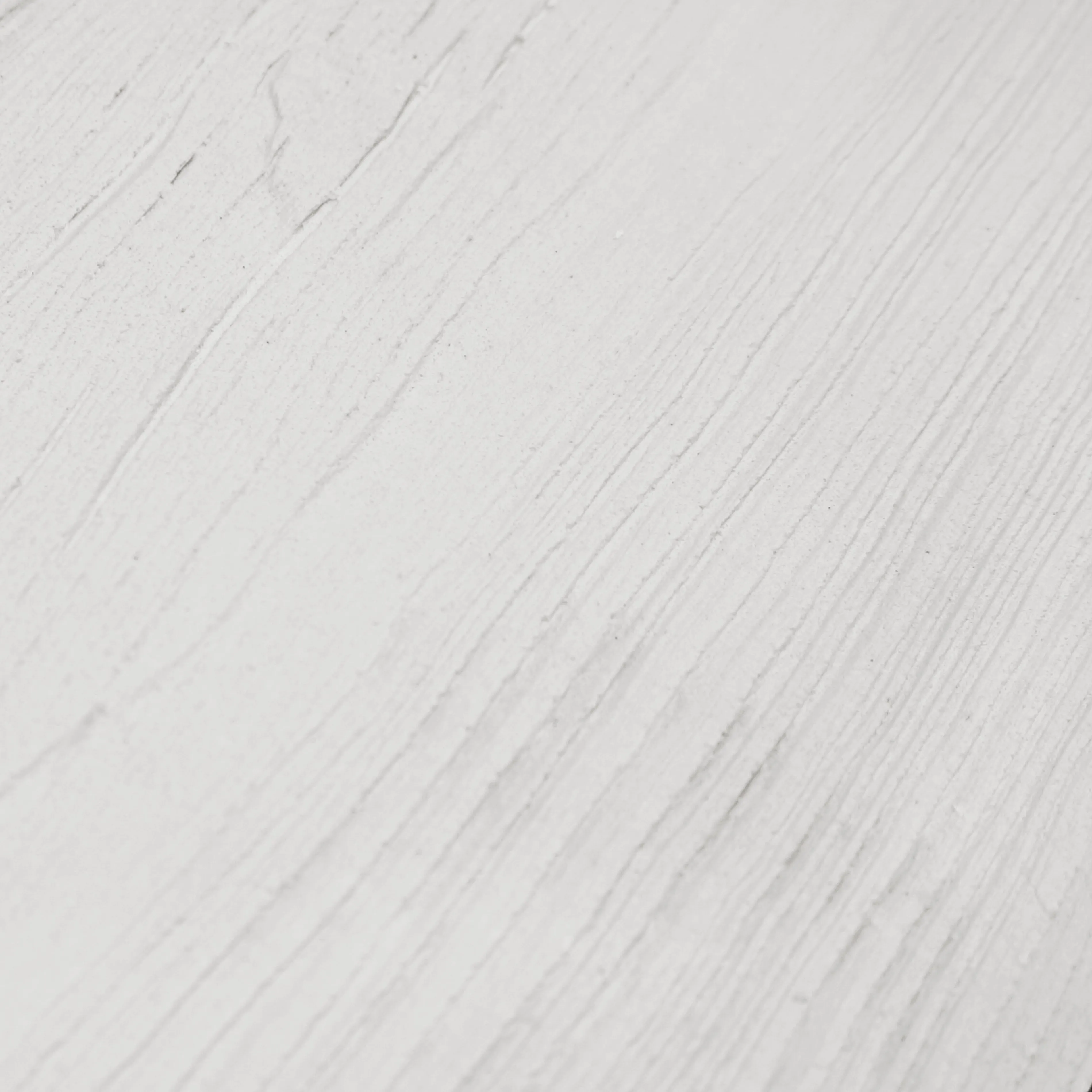
Waste isn't just about the initial install. It's about what happens 5, 10, or 20 years later. Traditional wood rots, stone chips, concrete cracks. When that happens, you're ripping out entire sections and replacing them—more waste, more cost, more hassle. MCM White Wood? It's built to last. It's water-resistant, so it won't warp in humid bathrooms or coastal areas. It's fire-retardant, scratch-resistant, and UV-stable, so that warm white wood tone won't fade to yellow in the sun. One hotel in Miami installed MCM White Wood on their outdoor terrace five years ago; last I checked, it still looks brand-new. No repainting, no refinishing, no replacement. That's long-term waste reduction in action.
Numbers speak louder than words, right? Let's put MCM White Wood head-to-head with two common materials: natural marble (a classic but wasteful choice) and fair-faced concrete (a staple in modern design). We'll measure waste at three stages: manufacturing, installation, and long-term upkeep.
| Material | Manufacturing Waste (%) | Installation Waste (%) | 10-Year Replacement Waste | Total Estimated Waste (Per 100 sq. ft.) |
|---|---|---|---|---|
| Natural Marble | 25-30% | 15-20% | 20% (chips, cracks, fading) | ~45 sq. ft. (almost half!) |
| Fair-Faced Concrete | 8-12% | 10-15% | 15% (cracking, staining) | ~30 sq. ft. |
| MCM White Wood Flexible Stone | < 2% | < 3% | < 5% (minimal wear) | ~8 sq. ft. |
*Estimates based on industry data and case studies from MCM manufacturers. Results may vary by project complexity.
Let that sink in: for every 100 square feet of design, MCM White Wood generates less than 8 square feet of waste over a decade. Compare that to marble's 45 square feet—enough to cover a small bathroom! It's not just a "green" choice; it's a smart choice for anyone tired of watching their budget (and their values) go to waste.
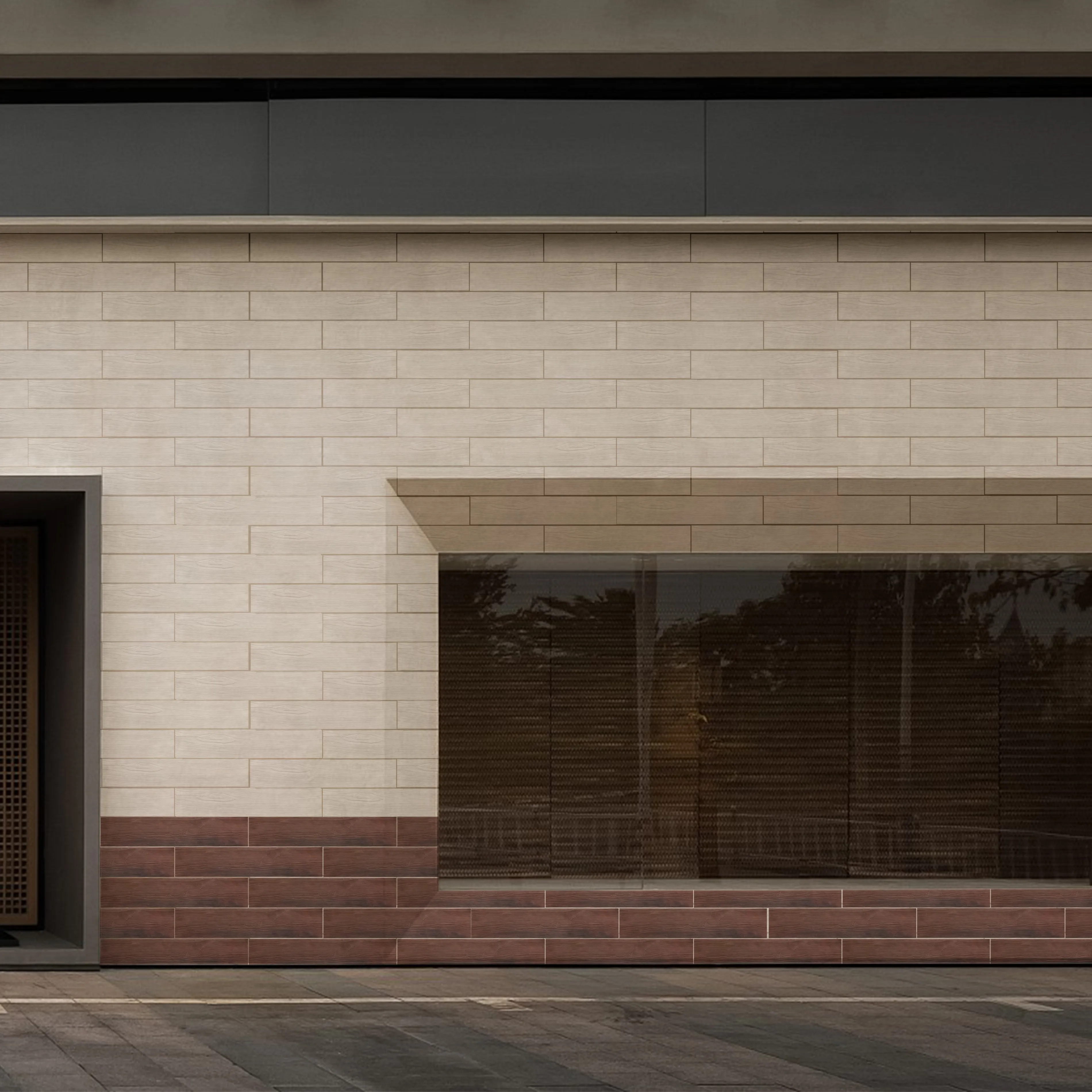
Enough theory—let's talk about a project that actually used MCM White Wood to beat waste. Meet Alex, an architect in Portland, Oregon, who was hired to design a 10,000-square-foot yoga studio with a "cave-like" interior. The client wanted curved walls, niches for meditation, and a ceiling that mimicked the soft undulation of tree branches. Traditional materials? Alex cringed at the thought.
"Natural stone was out of the question—too heavy, too wasteful," he told me. "We considered wood, but with the moisture from the studio's steam rooms, it would've rotted in five years. Then we found MCM White Wood."
Here's how it played out: Alex's team uploaded their 3D model of the curved walls directly to the MCM manufacturer. The panels were produced in custom lengths (some as long as 16 feet!) with pre-cut notches for the niches. On-site, the lightweight panels were installed by two workers in three days—no heavy lifting, no structural reinforcements needed. Any adjustments (like trimming a panel to fit a slightly uneven floor) were done with a standard saw, generating just a small pile of dust.
Total waste? "We ordered 1,200 square feet of paneling and ended up with maybe 30 square feet of offcuts—most of which we repurposed as trim for the reception desk," Alex said. "Compare that to the 400+ square feet of waste we would've had with marble. The client was thrilled, the budget stayed intact, and I slept better knowing we weren't dumping tons of material."
And the result? A studio that feels like a serene, sunlit grove—all soft curves, warm wood tones, and zero guilt. "The clients keep telling me it 'feels alive,'" Alex laughed. "I tell them it's alive with less waste."
MCM White Wood is a standout, but it's part of a larger family of MCM flexible stones that tackle waste in all kinds of designs. Craving the look of starry night skies? Check out Travertine (Starry Green), a speckled, iridescent panel that shimmers like constellations—no need to mine rare stone. Want something edgier? Lunar Peak Silvery mimics the pockmarked texture of the moon's surface, lightweight enough for ceiling installations. Even classics like travertine get a waste-free upgrade with MCM's vintage silver, gold, or black finishes—same timeless look, 80% less waste.
And it's not just stone. MCM's foamed aluminium alloy boards (vintage silver, gold—you name it) bring industrial-chic shine without the weight or waste of solid metal. Their 3D printing series lets you create custom textures—think geometric patterns or organic ripples—that would be impossible with traditional casting, and with zero material waste since it's printed layer-by-layer to exact specs.
At the end of the day, MCM White Wood Flexible Stone isn't just a material—it's a mindset shift. It says, "We don't have to choose between beauty and responsibility." It lets designers dream bigger, contractors work smarter, and clients feel proud of the spaces they build—knowing they didn't cost the Earth (literally).
So the next time you're staring at a design that feels "too custom" or "too wasteful," remember: MCM White Wood exists. It's not magic—it's engineering, creativity, and a little stubbornness to do better. And in a world where every scrap counts, that's something worth building with.
Here's to the projects that don't just look good, but do good. One flexible, waste-free panel at a time.
Recommend Products












