
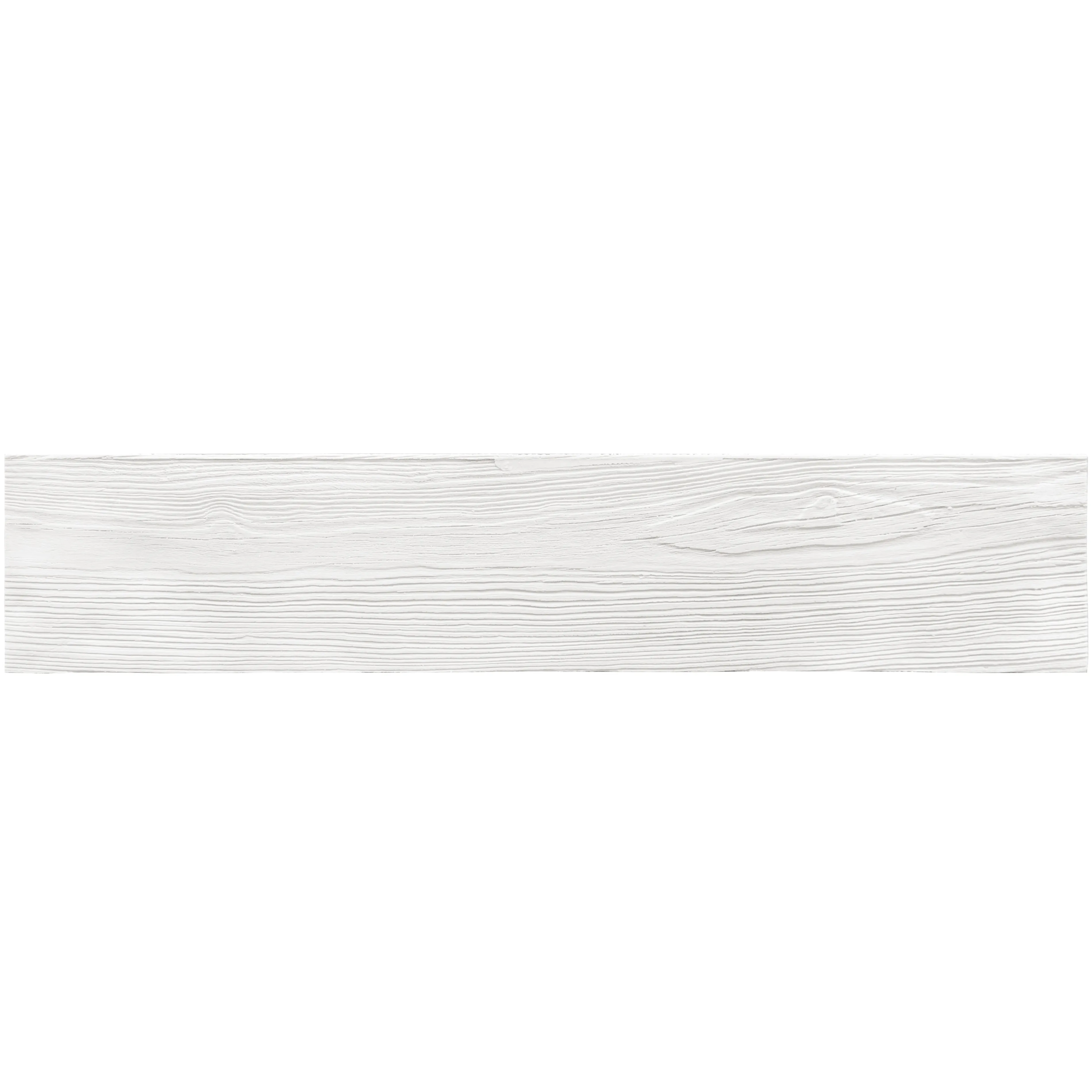
We've all been there: a loud crash echoes through the house, and your heart sinks. You round the corner to find a shattered ceramic tile on the kitchen floor, a souvenir from a dropped dinner plate or a wayward toy truck. For years, ceramic tiles have been the go-to for homeowners craving durability and style, but that split-second of panic—staring at a spiderweb of cracks—reveals a critical flaw: they're surprisingly fragile. Enter MCM flexible stone , a modern marvel in building materials, and more specifically, the MCM White Wood Flexible Stone . Designed to blend resilience with beauty, it's time to ask: does it truly outperform ceramic tiles when the going gets tough? Let's dive into impact resistance results that could change how you think about your floors, walls, and surfaces.
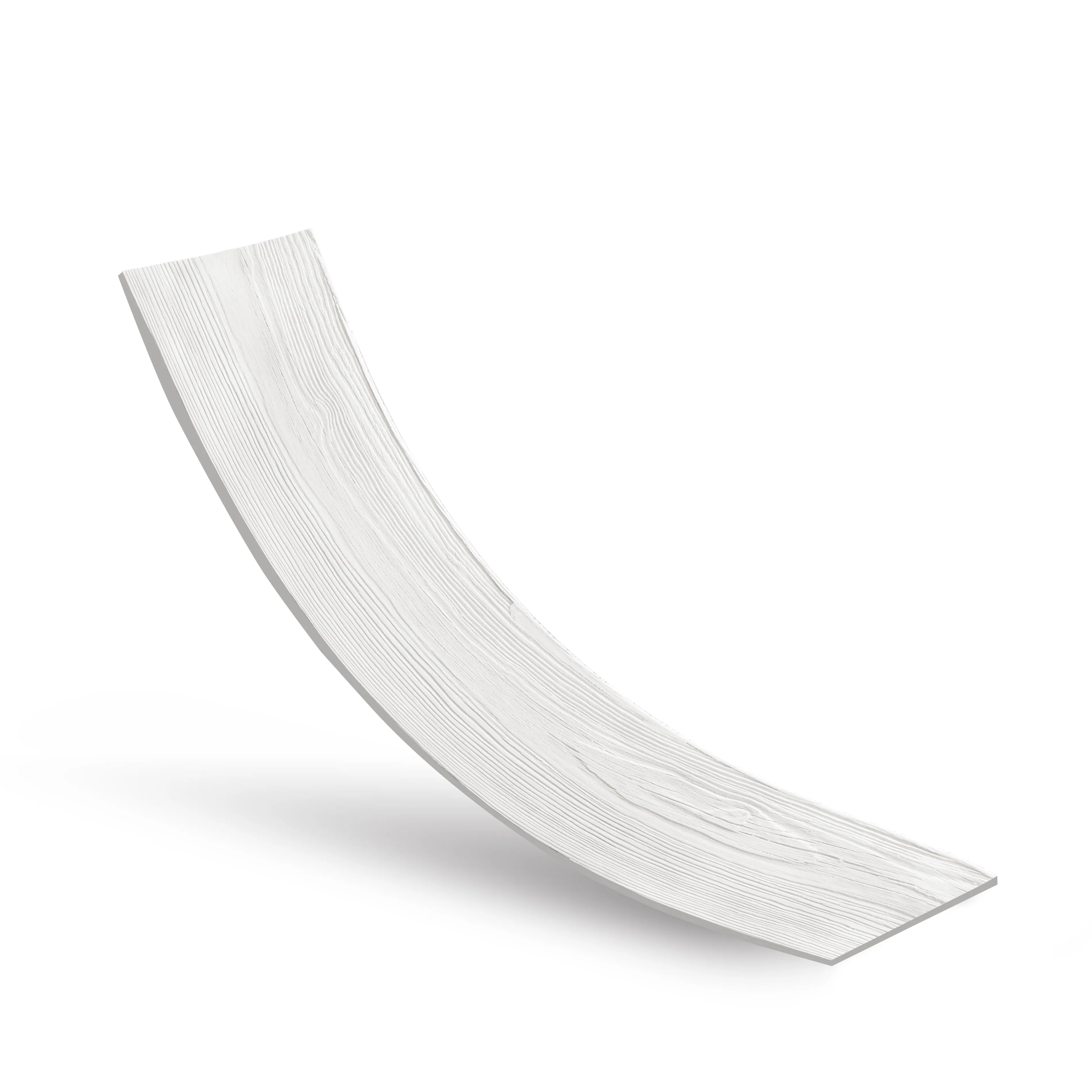
First, let's demystify the star of the show: MCM White Wood Flexible Stone. MCM, or Modified Composite Material, is the backbone here—a category that includes modified composite material panels engineered to combine strength, flexibility, and aesthetics. Unlike traditional stone or ceramic, MCM isn't mined or fired at extreme temperatures; it's crafted in layers, using a mix of natural minerals, polymers, and reinforcing fibers. The result? A material that's lightweight, thin, and—crucially—flexible.
The "White Wood" variant takes this a step further. It mimics the warm, organic texture of white-washed wood, complete with subtle grain patterns that add depth to any space. But don't let the cozy vibe fool you: beneath that wood-like surface lies a core designed to bend, not break. Think of it as the material equivalent of a gymnast—strong, yet able to absorb impact without shattering. It's why architects and designers are increasingly specifying it for high-traffic areas, from busy restaurant floors to family homes where "oops" moments are a daily occurrence.
Ceramic tiles have earned their reputation as a household staple for good reason. They're water-resistant, easy to clean, and come in a rainbow of colors and patterns. Walk into any hardware store, and you'll find rows of them, marketed as "durable" and "long-lasting." But here's the catch: ceramic is inherently rigid. Made by shaping clay and firing it at high temperatures, it forms a dense, homogeneous structure that's great at resisting scratches (thanks to a hard glaze) but terrible at handling sudden impacts. drop a heavy pot from waist height, and you're likely to end up with a spiderweb crack—or worse, a full-on shatter. Even minor impacts, like a chair leg scraping across the floor with too much force, can chip the edges over time.
Why does this happen? Ceramic tiles lack "give." When force is applied, there's no flexibility to absorb the energy, so it transfers directly to the material, causing it to fracture. It's a bit like hitting a glass window with a baseball—you're not just damaging the surface; you're breaking the entire structure. And once a ceramic tile cracks, it's not a quick fix. You can't "bend" it back into shape; you have to replace the entire tile, which often means matching colors (a nightmare if the style is discontinued) and dealing with the hassle of removal and reinstallation.
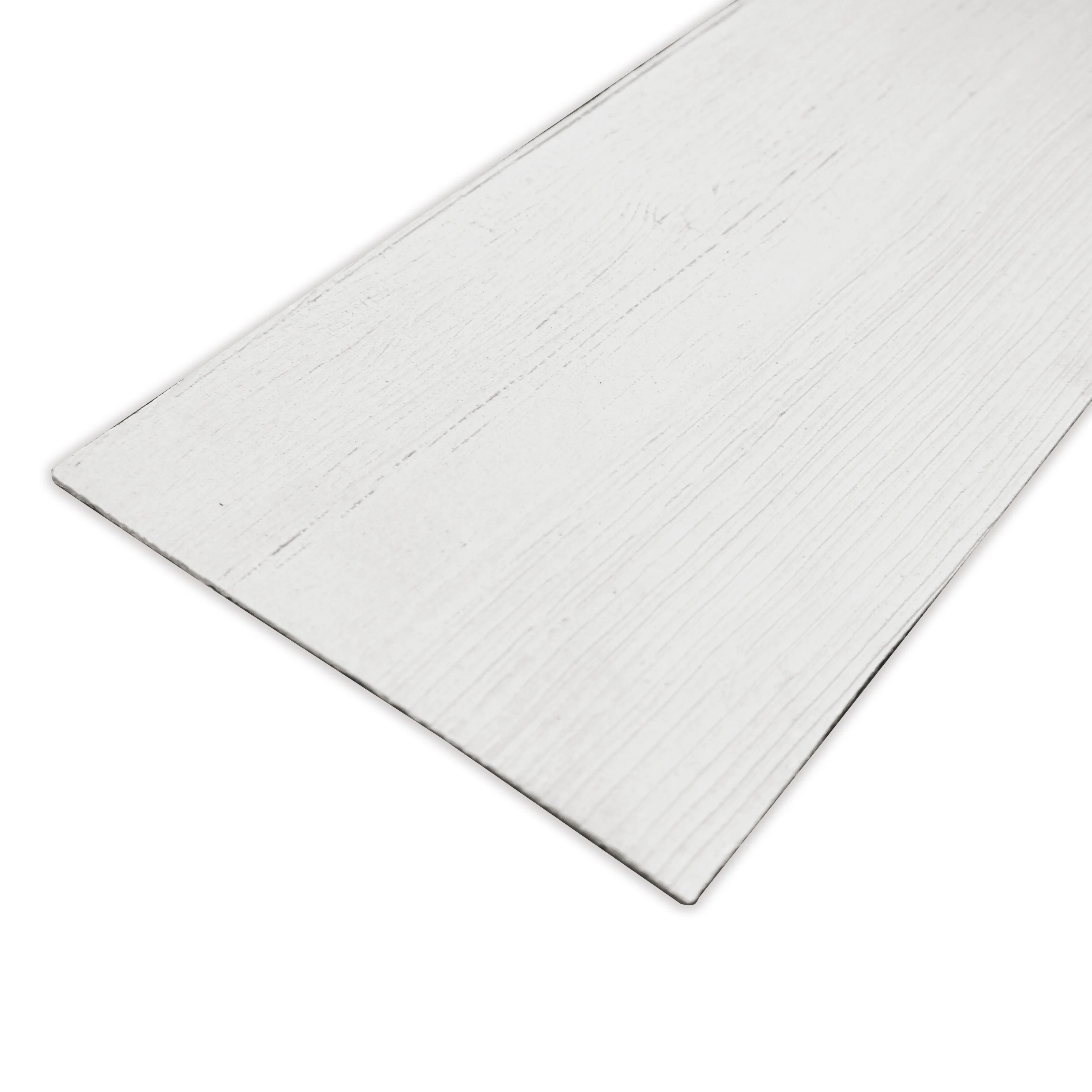
To settle the debate, we set up a real-world impact test—no lab coats required, just everyday scenarios that mirror life at home. We sourced samples of MCM White Wood Flexible Stone (6mm thick) and standard ceramic tiles (10mm thick, labeled "high-strength" by the manufacturer). Then, we three common impact scenarios:
The results? Let's break them down, with a little help from our test table:
| Impact Scenario | MCM White Wood Flexible Stone | Ceramic Tile |
|---|---|---|
| Toy Truck drop (2kg, 1.2m) | No visible damage. The panel flexed slightly on impact, then returned to its original shape. No cracks, chips, or scratches. | Small, star-shaped crack radiating from the impact point. The glaze chipped off, exposing the lighter clay beneath. |
| Furniture Scrape (15kg chair) | Minor scuffing on the surface, easily wiped away with a damp cloth. No indentations or permanent marks. | Deep scratch along the path of the chair leg. The glaze was completely removed in a 5cm line, leaving a rough, unprotected edge. |
| Cast-Iron Skillet drop (3kg, 0.8m) | A faint, temporary indentation that faded within 10 minutes as the material "recovered." No structural damage. | Full-on fracture: the tile split into two large pieces, with sharp edges. The impact also cracked the subfloor beneath (we used plywood, as in typical installations). |
The takeaway? Ceramic tiles showed signs of damage in every scenario, while MCM White Wood Flexible Stone brushed off impacts like a pro. The difference boils down to flexibility: MCM absorbs energy by bending, then rebounds, whereas ceramic tiles have nowhere to go—so they break.
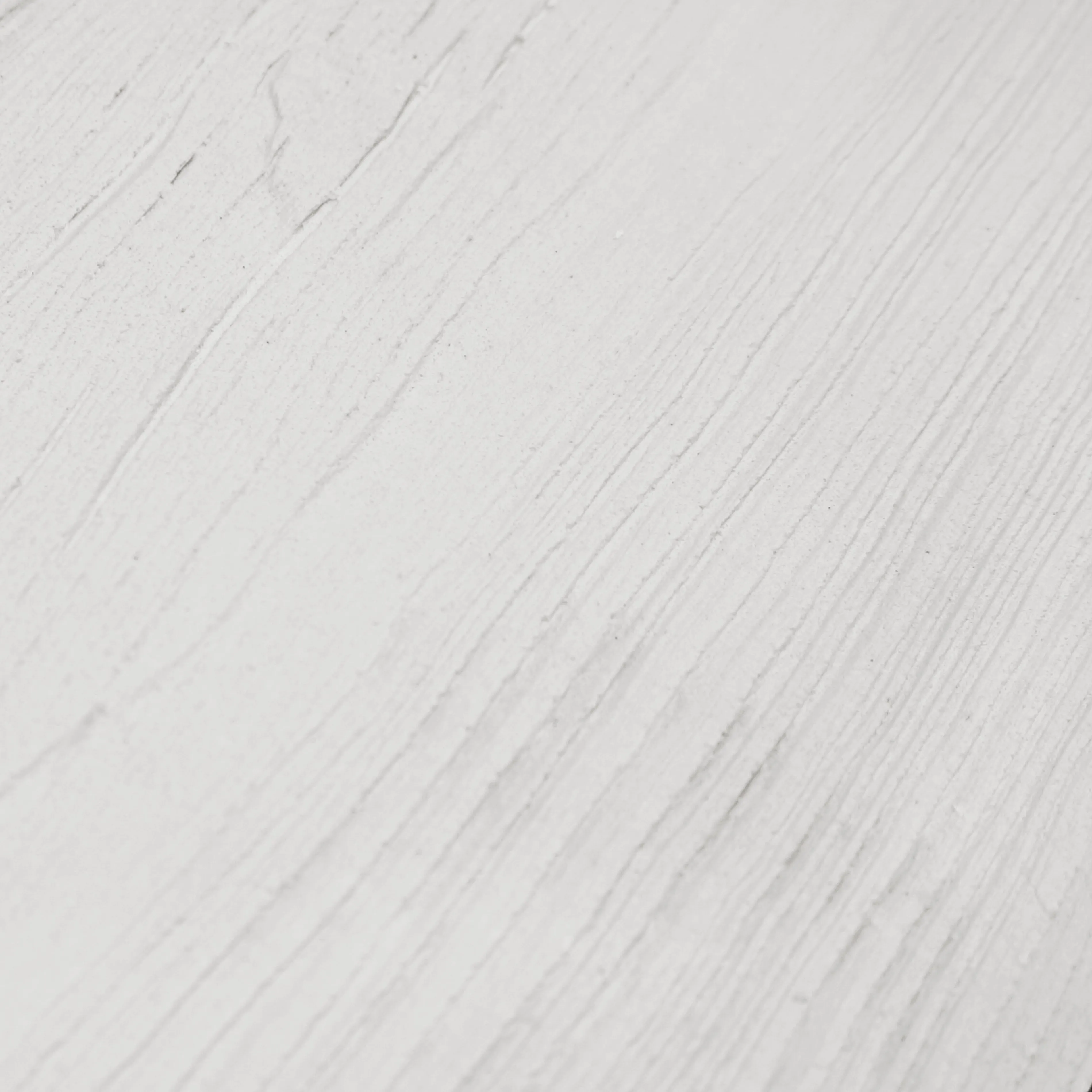
So, what makes MCM White Wood so tough? Let's get into the nitty-gritty. Traditional ceramic tiles are monolithic—they're one solid piece of fired clay. When you hit them, the force travels straight through, and if it exceeds the tile's breaking point, it cracks. MCM, on the other hand, is a sandwich of sorts. It has a rigid outer layer (for scratch resistance and aesthetics) and a flexible core (often made of polymer resins or fiberglass) that acts like a shock absorber. When impact occurs, the core compresses, spreading the force across a larger area instead of concentrating it in one spot.
Think of it like comparing a brick to a yoga mat. The brick is hard, but hit it with a hammer, and it shatters. The yoga mat? It bends, absorbs the blow, and springs back. MCM's flexibility also helps with another common issue: thermal expansion. In homes, temperatures fluctuate—sunlight heats up floors, AC cools them down—and rigid materials like ceramic can crack as they expand and contract. MCM moves with the temperature, reducing stress on the material over time.
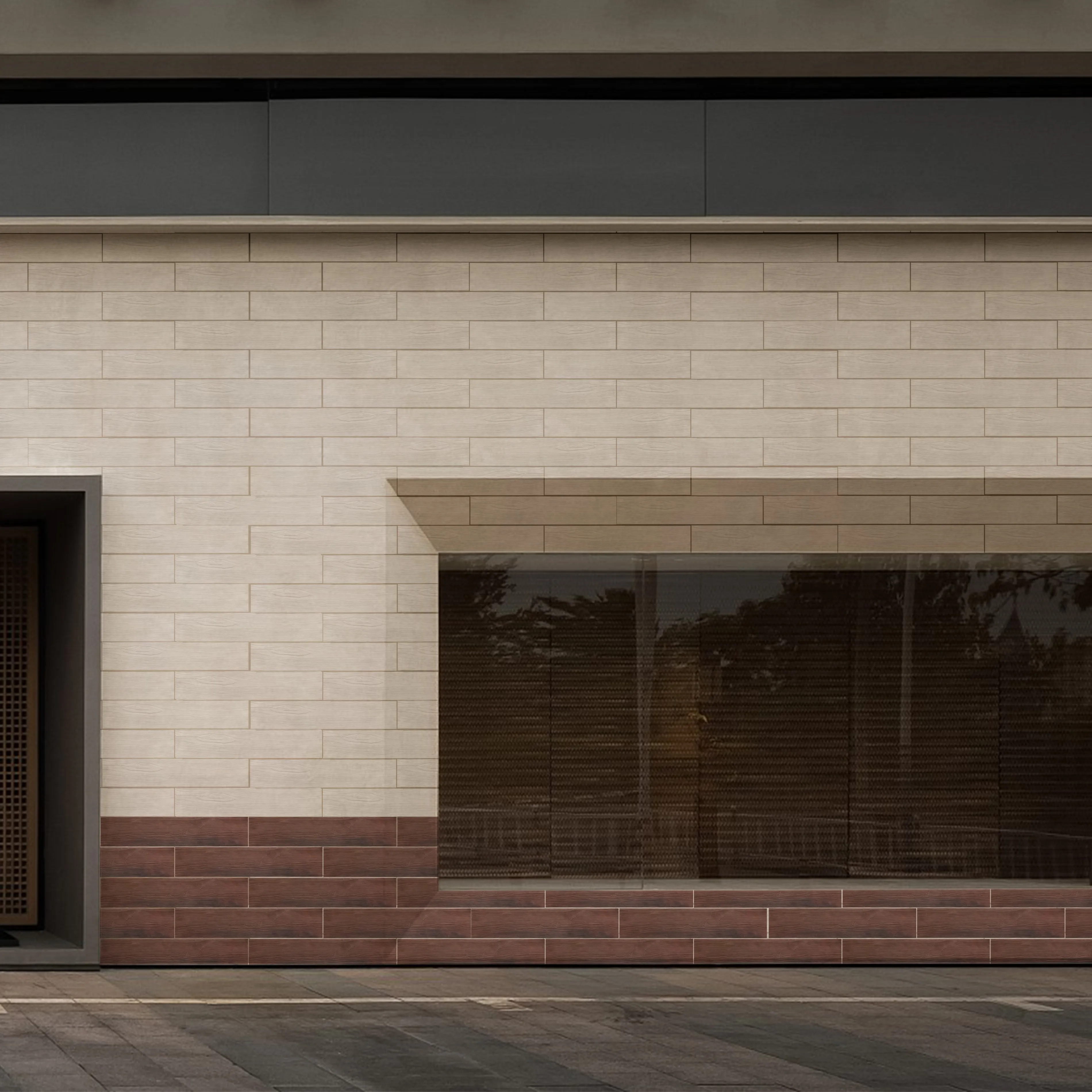
Numbers and tests are great, but let's hear from someone who's lived the difference. Sarah, a mom of two in Chicago, recently renovated her kitchen with MCM White Wood Flexible Stone after years of battling cracked ceramic tiles. "We have a 4-year-old and a golden retriever—so between toy cars, dropped sippy cups, and the dog zooming around with a bone, our old tiles looked like a war zone," she laughs. "In six months with MCM, we've had zero cracks. The other day, my son dropped a full can of soup from the counter, and I braced for the worst. But the floor just… flexed. No damage. I almost cried—no more hiding cracks with area rugs!"
Commercial spaces tell a similar tale. A busy café in downtown Portland switched to MCM White Wood for its floors last year, citing "fewer repairs and happier customers." Manager Jake explains: "We used to replace at least two ceramic tiles a month—from chairs sliding, delivery guys dropping boxes, you name it. Now? Nothing. And the wood look keeps the space warm, which our customers love. It's a win-win."
Impact resistance is a standout feature, but MCM White Wood has more to offer. Let's talk installation: ceramic tiles are heavy and brittle, meaning installers often break 5-10% of tiles during setup (adding to costs). MCM panels are lightweight (about 1/3 the weight of ceramic) and flexible, so they're easier to transport and cut—resulting in less waste and lower labor bills.
Then there's longevity. Ceramic tiles can fade over time, especially in direct sunlight, and their grout lines are prone to discoloration and mold. MCM's color runs through the material (not just a surface glaze), so scratches don't reveal a different shade, and it's mold-resistant. Plus, if a panel does get damaged (though rare), replacing it is a breeze—no need to tear up surrounding tiles, just pop off the old one and stick on a new one.
And let's not forget aesthetics. While ceramic tiles can feel cold and sterile, MCM White Wood adds warmth. Its wood-like texture softens modern spaces, making kitchens feel cozier and bathrooms less clinical. It's versatile, too—use it on walls as a backsplash, or outdoors on a patio (it's frost-resistant!). Ceramic tiles, by contrast, often look best in traditional or minimalist settings, limiting design flexibility.
When it comes to impact resistance, the results are clear: MCM White Wood Flexible Stone outperforms ceramic tiles by a mile. It bends, absorbs, and rebounds, while ceramic tiles crack, chip, and shatter. But it's more than just a tough material—it's a practical, beautiful choice for anyone who wants surfaces that can keep up with life. Whether you're a parent, a business owner, or someone who values both style and durability, MCM White Wood proves that you don't have to sacrifice one for the other.
So, the next time you're planning a renovation, ask yourself: do I want a surface that looks great until the first accident, or one that stays beautiful for years, no matter what life throws at it? For us, the answer is clear. MCM flexible stone isn't just the future of building materials—it's the smarter choice, today.
Recommend Products












