
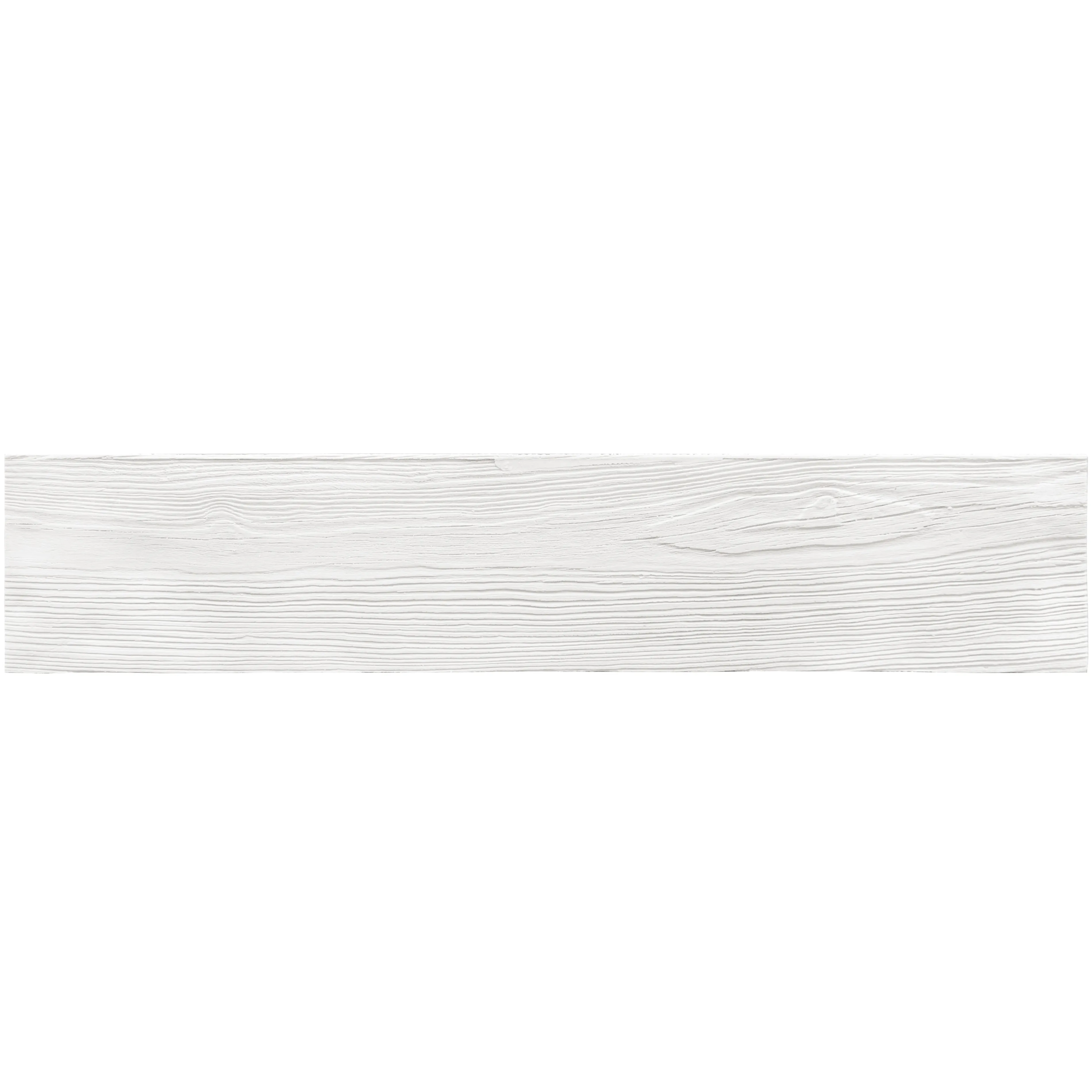
Walk into any modern building today, and you'll likely notice a quiet revolution happening on its walls, ceilings, and facades. Architecture, once bound by the limitations of stone, brick, and solid wood, is now embracing materials that blend innovation with warmth—materials that don't just build spaces but breathe life into them. Among these game-changers is a product that's been turning heads in design circles: MCM White Wood Panels. More than just a cladding solution, these panels represent a shift toward materials that prioritize both aesthetics and practicality, offering architects, designers, and homeowners a way to infuse spaces with the timeless charm of wood without the headaches of traditional lumber. In this article, we'll dive into what makes MCM White Wood Panels stand out, exploring their key features, the architectural benefits they bring to the table, and why they're quickly becoming a go-to choice for projects that demand both style and substance.
Before we get into the specifics of White Wood Panels, let's take a step back to understand the "MCM" in their name. MCM stands for Modified Composite Material—a category of engineered materials designed to address the flaws of traditional building products. Think about it: natural wood is beautiful, but it warps in humidity, rots in rain, and succumbs to pests. Concrete is durable, but it's heavy, rigid, and lacks warmth. Stone is timeless, but it's expensive and hard to install. MCM technology was born from the need to bridge these gaps—to create materials that borrow the best qualities of nature while adding the reliability of modern engineering.
MCM panels, including the White Wood series, are part of a broader family that includes innovations like MCM flexible stone and the MCM big slab board series. What ties them all together is their core philosophy: to create lightweight, durable, and versatile cladding solutions that can mimic the look of natural materials (wood, stone, concrete) with greater consistency and fewer limitations. And when it comes to wood-look materials, MCM White Wood Panels have emerged as a standout, offering a fresh take on "white wood"—a finish that's bright, airy, and surprisingly versatile, whether used in a minimalist home or a bustling commercial space.
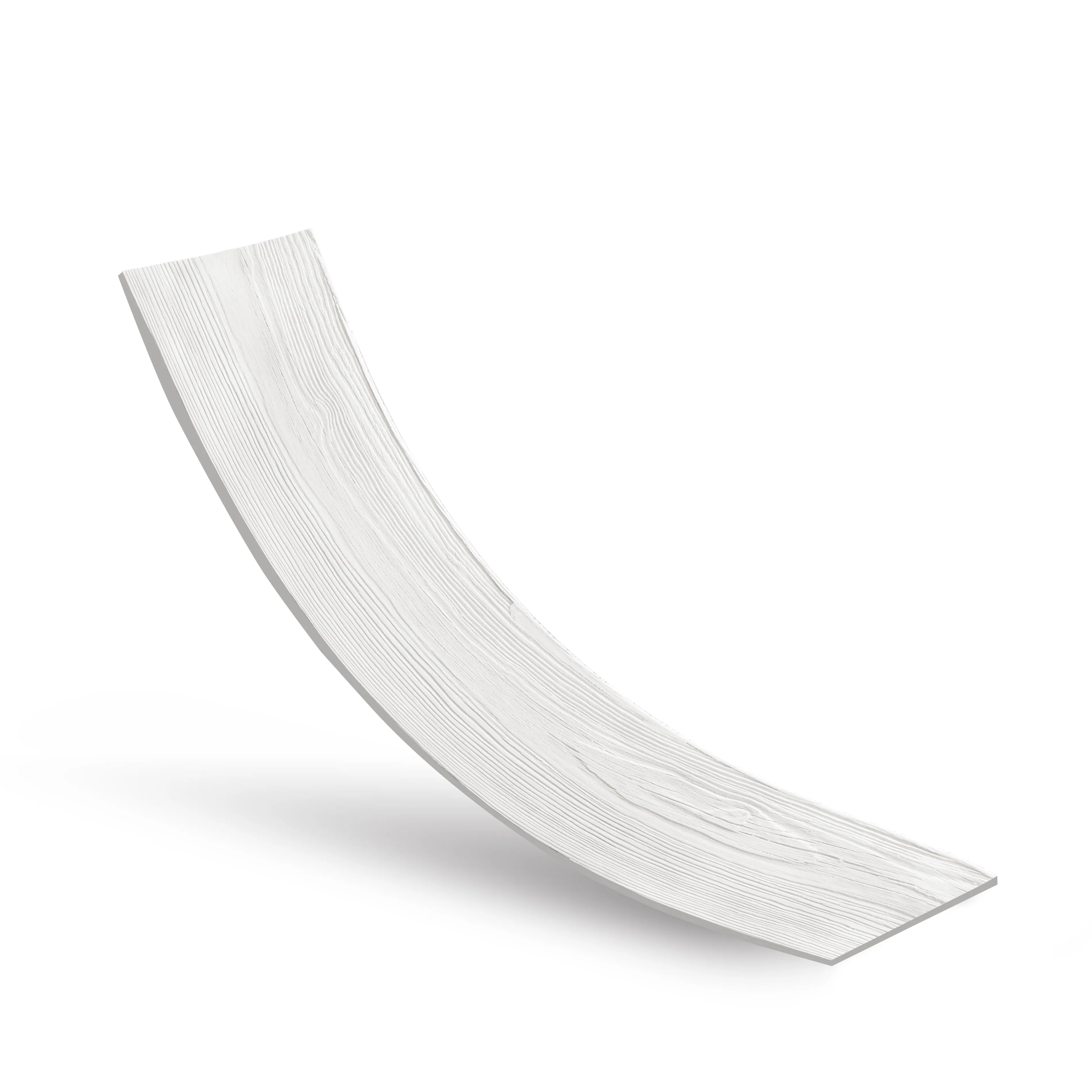
At first glance, MCM White Wood Panels might look like high-quality painted wood. But run your hand over their surface, and you'll start to notice the differences. These panels are engineered to be more than just a pretty face—they're a masterclass in balancing form and function. Let's break down their most notable features.
One of the biggest frustrations with natural wood cladding is its vulnerability to the elements. Even treated lumber can warp, crack, or fade when exposed to rain, sun, or humidity. MCM White Wood Panels, by contrast, are built to stand up to the world around them. Their core is made from a blend of wood fibers, mineral composites, and high-performance polymers—materials chosen for their ability to resist moisture, pests, and wear. Unlike solid wood, these panels won't swell in damp basements or shrink in dry desert air. They're also resistant to termites and rot, which means you won't be scheduling regular treatments or replacements.
Fire resistance is another key advantage. Traditional wood is, of course, flammable, but MCM White Wood Panels are engineered to meet strict fire safety standards, often achieving Class A or B fire ratings depending on the application. This makes them a smarter choice for commercial buildings, multi-family homes, or any space where safety is a top priority. And when it comes to UV resistance? These panels hold their color surprisingly well, even in direct sunlight. No more uneven fading or blotchy patches after a few years—just consistent, bright white wood tones that stay true over time.
Imagine trying to install a 10-foot solid wood plank on a curved wall. It's heavy, rigid, and likely to crack under the pressure. MCM White Wood Panels, though, are a different beast. Thanks to their composite construction, they're significantly lighter than both solid wood and even some wood grain board alternatives—typically weighing in at just 4-6 kg per square meter. This lightness isn't just about ease of transport (though contractors will tell you that's a huge plus); it opens up design possibilities that were once impossible.
These panels are flexible, too. Not bendy like rubber, but pliable enough to be curved around columns, wrapped over arches, or shaped into custom geometries that add visual interest to a space. Architects have used this flexibility to create everything from undulating feature walls in hotels to gently curved ceilings in residential living rooms. And because they're available in large formats (thanks to the MCM big slab board series heritage), you can cover more area with fewer seams, creating a sleek, uninterrupted look that traditional wood panels—with their inevitable joints—can't match.
"White wood" might sound one-note, but MCM White Wood Panels prove that's far from the case. These panels come in a range of finishes and textures that mimic the subtle variations of natural wood, from soft, whitewashed oak to crisp, bleached pine. Some options feature visible wood grains that add depth, while others have a smoother, more uniform surface for a modern, minimalist vibe. The key here is control: unlike natural wood, which can have unpredictable knots, color variations, or grain patterns, MCM panels offer consistency. That means you can achieve a cohesive look across an entire wall, room, or even a whole building—no more hunting for matching planks or compromising on your vision.
And while "white" is their signature, many MCM White Wood Panels also come in off-white, cream, or soft gray tones, giving designers even more flexibility. Want a coastal-inspired home with bright, beachy walls? Opt for a pure white with subtle grain. Building a Scandinavian-style office? Try a warm off-white that pairs well with light woods and neutral textiles. The panels can also be painted or stained if you want to customize the color further—though most designers agree that their natural finish is part of their charm.
In an era where sustainability is no longer a "nice-to-have" but a necessity, MCM White Wood Panels shine. Traditional wood harvesting can contribute to deforestation, and even FSC-certified wood requires significant resources to process and treat. MCM panels, by contrast, are often made with recycled wood fibers and mineral composites, reducing the demand for virgin timber. Their production process also tends to use less water and energy than traditional wood processing, and many manufacturers prioritize low-VOC (volatile organic compound) adhesives and coatings, making the panels safer for indoor air quality.
There's also the longevity factor. A sustainable material isn't just about how it's made—it's about how long it lasts. Since MCM White Wood Panels resist rot, pests, and fading, they need to be replaced far less frequently than natural wood, reducing waste over time. And when they do reach the end of their life, many are recyclable, closing the loop on their environmental impact. For designers and homeowners who want to reduce their carbon footprint without giving up on style, this is a huge win.
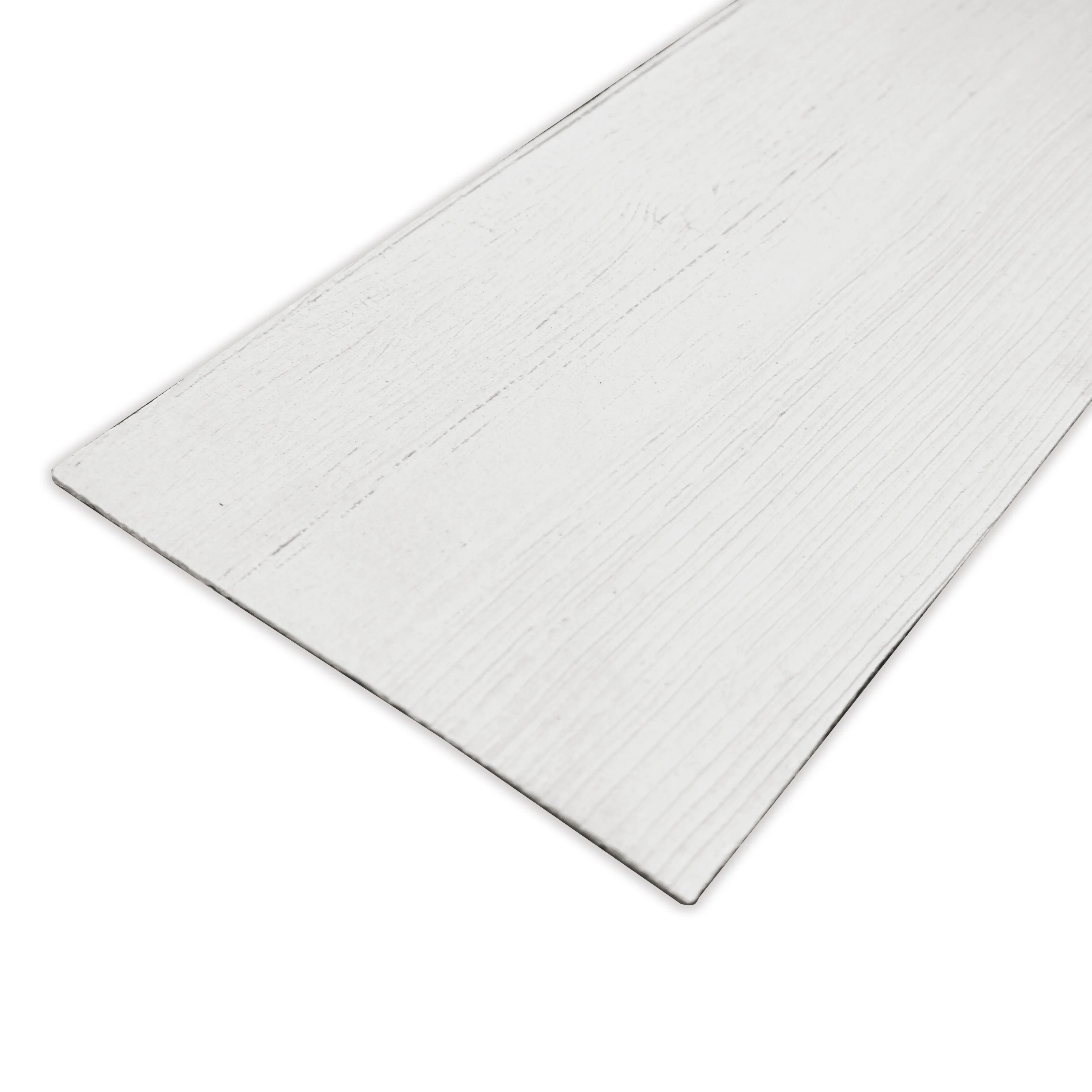
Features are important, but what do they mean for the people actually building and using spaces? Let's translate those technical specs into real-world architectural benefits—how MCM White Wood Panels make projects better, more efficient, and more inspiring.
Architects and designers often talk about the "gap" between a concept drawing and the finished product. Traditional materials can limit what's possible—wood might warp, concrete might crack, stone might be too heavy. MCM White Wood Panels, though, help bridge that gap. Their flexibility and light weight mean that bold ideas—like a 20-foot-tall curved feature wall in a lobby or a white wood ceiling that slopes gently over a restaurant dining area—can actually be built, and built well.
Take, for example, the trend toward "biophilic design"—creating spaces that connect people with nature. MCM White Wood Panels, with their wood-like texture and bright, airy color, bring a sense of the outdoors in, even in urban environments. They pair beautifully with plants, natural light, and other organic materials, creating spaces that feel calm and inviting. And because they're so versatile, they work across styles: modern, rustic, industrial, coastal—you name it. A designer working on a boutique hotel in Bali might use them to create a serene, spa-like atmosphere, while a commercial architect in New York could pair them with steel and glass for a sleek, contemporary office.
Time is money in construction, and MCM White Wood Panels are designed to save both. Their lightweight nature makes them easier to handle than solid wood or concrete panels—no need for heavy machinery or extra labor to hoist them into place. They can be cut on-site with standard tools (circular saws, jigsaws), and many come with interlocking systems or simple adhesive backing, which speeds up installation. What might take a team of carpenters a week to install with traditional wood planks could take half the time with MCM panels.
This efficiency also reduces labor costs, which can make a big difference in project budgets. And because the panels are pre-finished, there's no need for on-site painting or staining—another time-saver. Imagine a restaurant renovation that needs to be completed in six weeks instead of eight because the wall cladding goes up faster. That's the kind of impact MCM White Wood Panels can have on a project timeline.
Let's talk about cost. At first glance, MCM White Wood Panels might have a higher upfront price tag than basic plywood or even some wood grain board options. But here's the thing: they're an investment that pays off over time. Traditional wood requires regular maintenance—sanding, painting, sealing, replacing damaged boards—and those costs add up. MCM panels, with their resistance to moisture, pests, and fading, need almost no maintenance beyond occasional cleaning with soap and water. No more annual trips to the hardware store for wood treatments, no more unexpected repair bills when a plank rots. Over 10-15 years, the total cost of ownership is often lower than natural wood, making them a smarter financial choice for both residential and commercial projects.
Many building materials are strictly indoor or outdoor. Natural wood, for example, can work indoors but struggles outdoors without heavy treatment. MCM White Wood Panels, though, are built to thrive in both environments. Their resistance to moisture and UV rays makes them suitable for exterior cladding—think siding on a beach house, a patio ceiling, or a poolside cabana. And because they look the same indoors and out, they allow for seamless transitions between spaces. A homeowner might use them on the exterior of their home and continue the same paneling into the indoor living area, creating a cohesive look that blurs the line between inside and out.
When architect Maria Gonzalez was tasked with designing a coastal home in Cape Cod, she knew the exterior needed to withstand harsh salt air and heavy rain, while the interior needed to feel bright and warm. Traditional wood siding was off the table—it would require constant maintenance. Instead, she chose MCM White Wood Panels for the home's exterior cladding and continued them indoors on the living room walls and ceiling. "The panels were lightweight enough to install on the home's second story without reinforcing the structure, and their bright white finish,," Gonzalez explains. "Indoors, they reflect natural light from the large windows, making the space feel open and airy. The homeowners love that they don't have to worry about sand or saltwater damaging the walls—they just hose down the exterior panels once a year and they look brand new."
Beyond aesthetics and efficiency, MCM White Wood Panels also contribute to safer, more comfortable spaces. Their fire resistance, as we mentioned earlier, adds a layer of protection in commercial and residential buildings. But they also offer acoustic benefits. The composite material helps absorb sound, reducing echo in large rooms like restaurants or office lobbies. In a busy open-plan office, for example, installing MCM White Wood Panels on the ceiling can help dampen noise, making the space more productive.
They're also a smart choice for allergy sufferers. Unlike natural wood, which can trap dust and release volatile organic compounds (VOCs) from stains and treatments, MCM panels have a smooth, non-porous surface that's easy to clean and low in VOCs. This makes them ideal for hospitals, schools, and homes where indoor air quality is a priority.
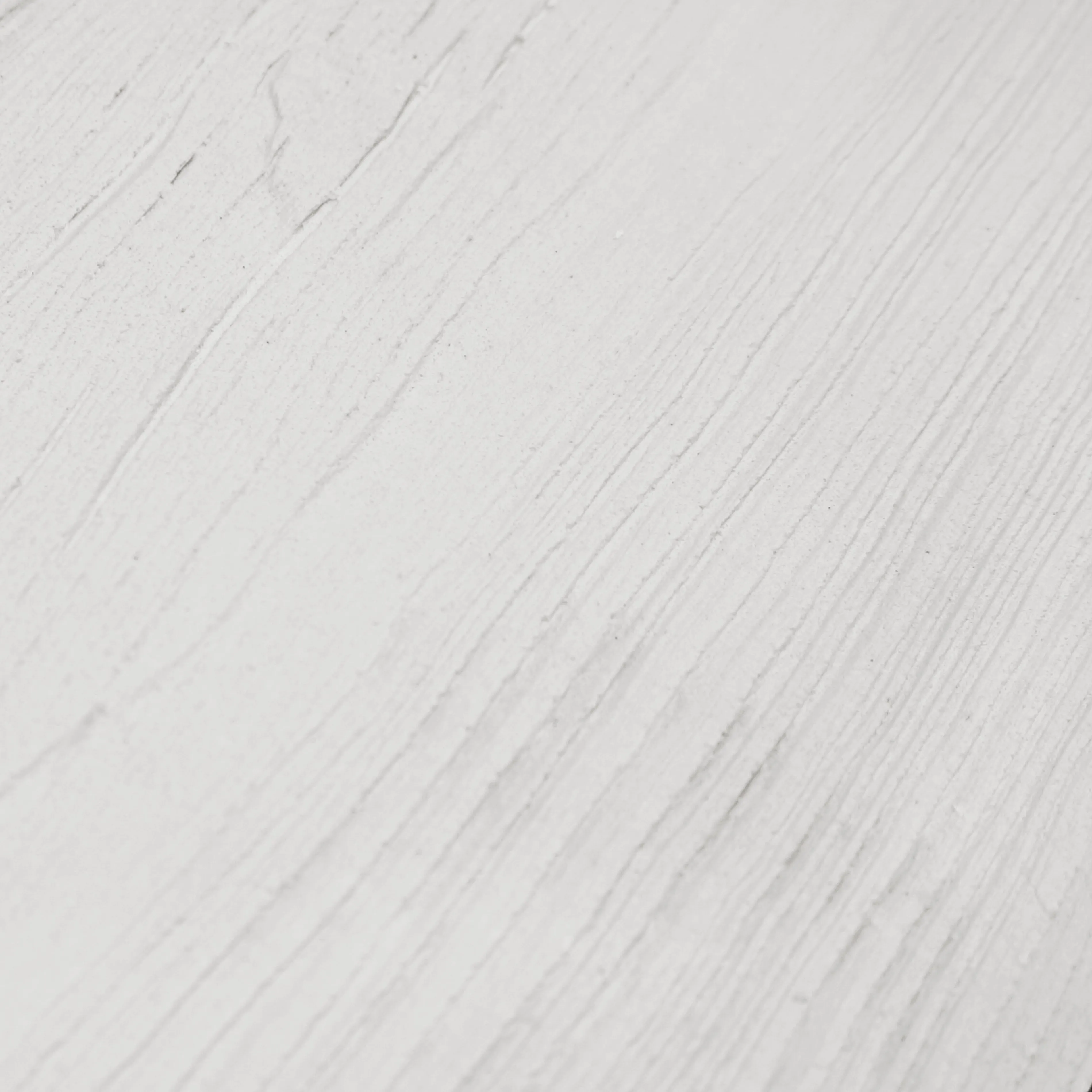
To really understand the value of MCM White Wood Panels, it helps to see how they compare to other popular materials. Let's take a look at how they measure up against two common alternatives: traditional wood grain board and fair-faced concrete.
| Feature | MCM White Wood Panels | Wood Grain Board | Fair-Faced Concrete |
|---|---|---|---|
| Material | Modified composite (wood fibers, minerals, polymers) | Engineered wood (wood fibers + resin) | Concrete (cement, aggregates, water) |
| Weight (per sqm) | 4-6 kg | 8-12 kg | 20-30 kg |
| Flexibility | High (can be curved) | Low (rigid, prone to cracking if bent) | Very low (brittle, inflexible) |
| Durability | High (resists moisture, pests, UV, fire) | Medium (needs sealing; vulnerable to moisture/pests) | High (resistant to weather, but prone to cracking) |
| Sustainability | High (recycled materials, low VOC, long lifespan) | Medium (depends on sourcing; requires treatments) | Medium (high carbon footprint in production) |
| Aesthetic Options | Wide (white/off-white tones, wood grains, textures) | Medium (limited to wood tones; prone to color variation) | Low (gray/neutral; limited texture options) |
| Installation Time | Fast (lightweight, easy to cut/shape) | Medium (heavier; requires precise cutting) | Slow (heavy; requires formwork, curing time) |
As the table shows, MCM White Wood Panels offer a unique balance of durability, flexibility, and aesthetics that's hard to match. They're lighter and more versatile than wood grain board, more sustainable and visually warm than fair-faced concrete, and overall, a more practical choice for projects that demand both style and performance.
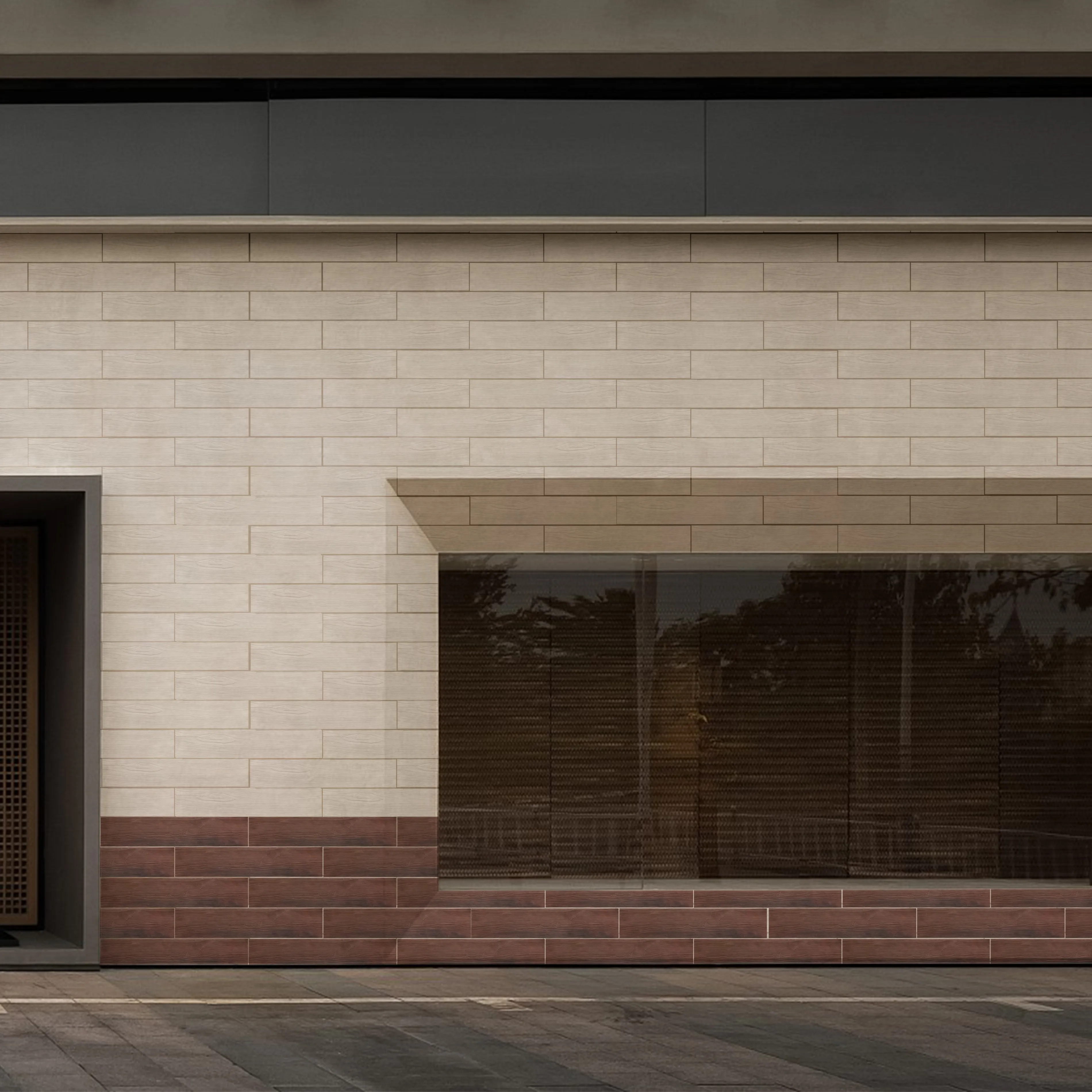
Theory is great, but nothing beats seeing a material in action. Let's explore some of the most common applications for MCM White Wood Panels and how they're transforming spaces across industries.
In homes, MCM White Wood Panels are everywhere—from accent walls in bedrooms to full ceiling treatments in kitchens. Homeowners love them for their clean, modern look and low maintenance. In a small apartment, they can make rooms feel larger by reflecting light. In a mountain cabin, they add a touch of modernity without losing warmth. One popular trend is using them in bathrooms: their moisture resistance makes them a great alternative to tile, creating a spa-like vibe with wood-like texture.
Retail stores, offices, and co-working spaces are using MCM White Wood Panels to create brand identities. A boutique clothing store might use them to a minimalist, high-end feel, while a tech startup could pair them with neon lights for a modern, creative workspace. Restaurants and cafes love them too—they're easy to clean, resist food stains, and create a warm, inviting atmosphere that keeps customers coming back.
Hotels, resorts, and spas thrive on ambiance, and MCM White Wood Panels deliver. Imagine walking into a hotel lobby with a soaring white wood ceiling and curved walls—immediately, you feel calm and luxurious. In beach resorts, they stand up to saltwater and sand, while in mountain lodges, they complement natural stone and timber. Even cruise ships are starting to use them—their lightweight nature is a huge plus on boats, where every kilogram counts.
MCM White Wood Panels are more than just a new building material—they're a reflection of how architecture is evolving. As designers and homeowners alike demand spaces that are beautiful, sustainable, and practical, materials that can deliver on all three fronts are becoming essential. With their durability, flexibility, and timeless aesthetic, MCM White Wood Panels check every box. They're lightweight enough to open up design possibilities, tough enough to handle the elements, and warm enough to make any space feel like home.
Whether you're building a new home, renovating a commercial space, or just dreaming up your next design project, these panels offer a way to infuse your vision with the charm of wood without the limitations of traditional materials. They're a reminder that innovation in architecture isn't just about technology—it's about creating spaces that connect with people, stand the test of time, and make the world a little more beautiful, one panel at a time.
So the next time you walk into a space that feels bright, warm, and effortlessly stylish, take a closer look at the walls. Chances are, you might be looking at the future of architectural cladding: MCM White Wood Panels, where innovation meets heart.
Recommend Products












