
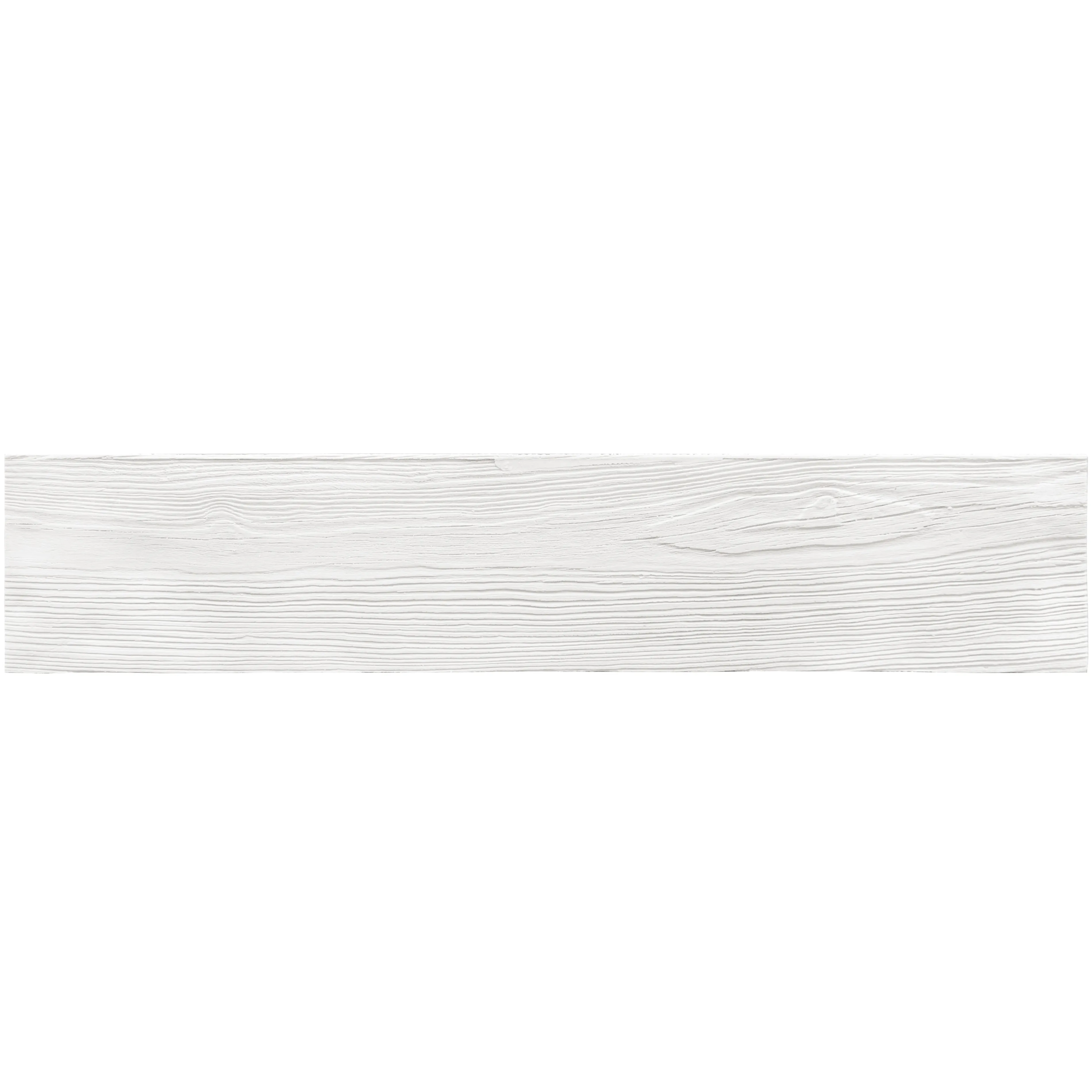
Walk into any modern café, boutique hotel, or high-end residential space these days, and there's a good chance you'll spot a material that feels both timeless and fresh—warm like natural wood, yet sleek enough to fit a minimalist aesthetic. Designers have been raving about it, architects are specifying it in their blueprints, and homeowners are asking for it by name: the MCM White Wood Series. But what exactly is it about this material that's making it a standout in a crowded market of building materials? Let's dive in.
For designers, the struggle is real: balancing beauty with practicality. You want a material that looks organic and inviting, but you also need it to stand up to spills, scratches, humidity, and the wear and tear of daily life. Traditional solid wood warps in moisture, laminate feels cheap, and even some engineered woods lack the durability to last in high-traffic areas. Enter MCM White Wood Series—a game-changer that checks all these boxes and more. It's not just a material; it's a solution to the very problems designers lose sleep over.
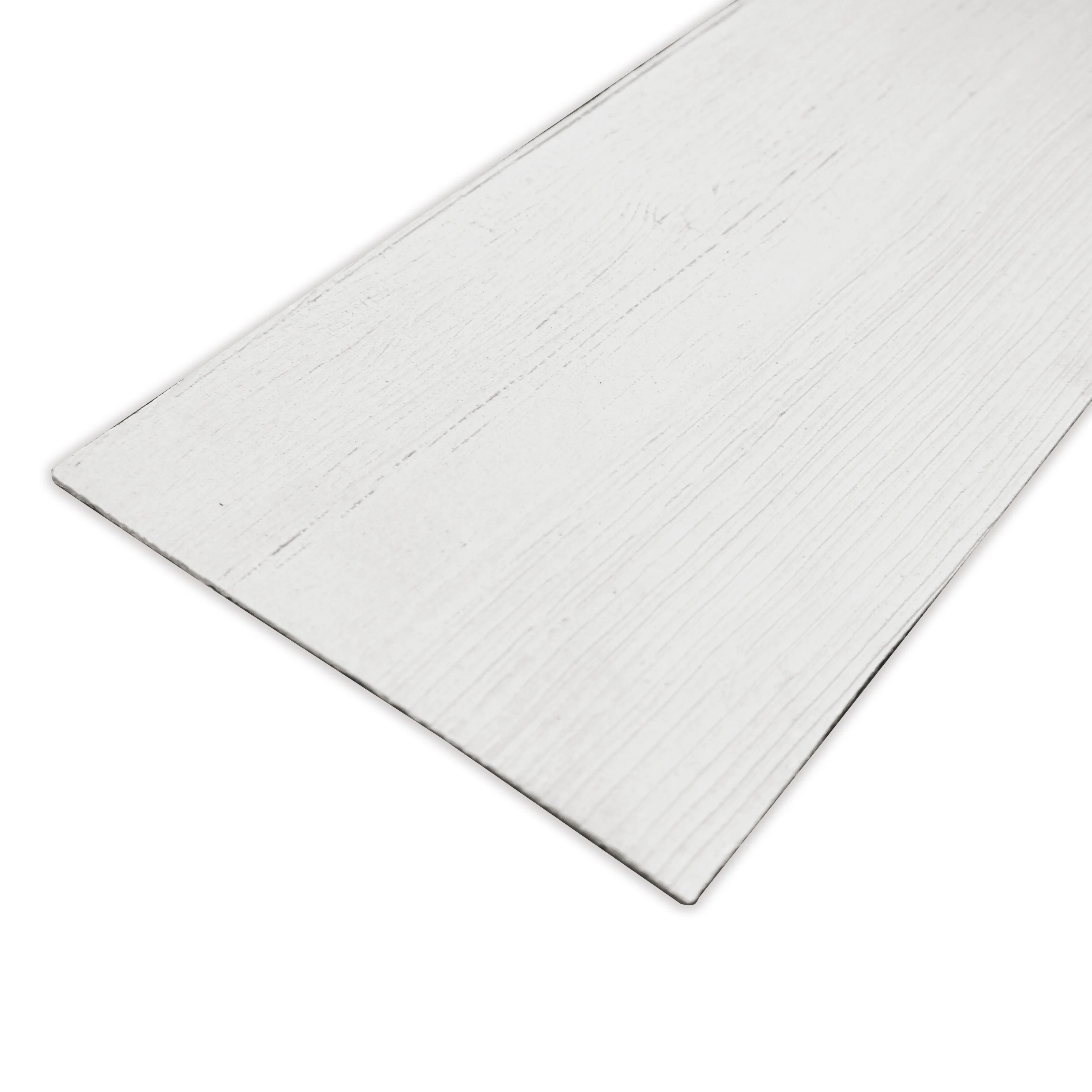
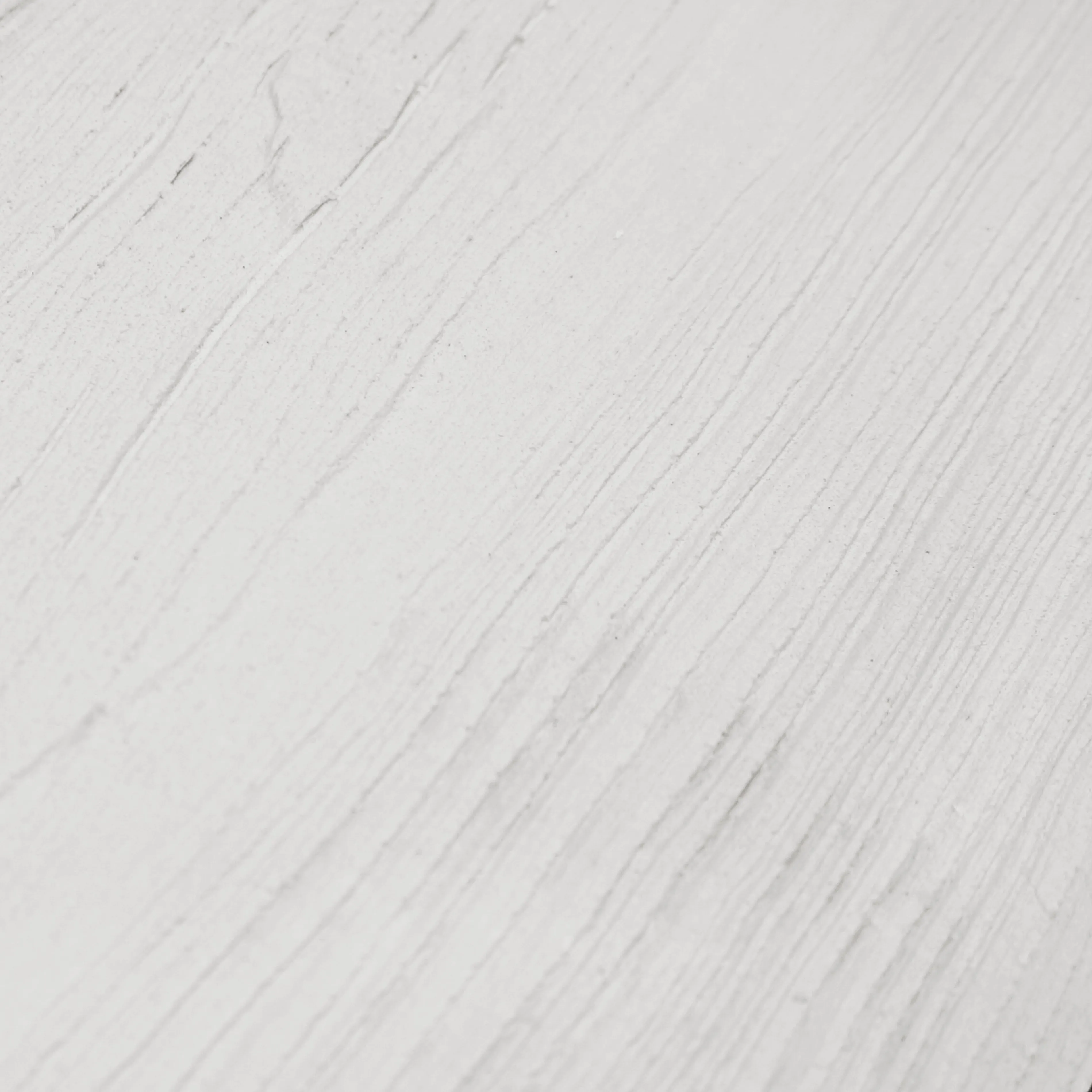
Designers thrive on flexibility. A material that can adapt to different spaces, moods, and design languages is worth its weight in gold. MCM White Wood Series delivers that versatility in spades. Let's start with the obvious: its aesthetic. The "white wood" finish isn't a stark, clinical white, but a soft, warm off-white with subtle wood grain patterns that mimic the look of aged oak or maple. It's neutral enough to pair with bold accent colors—think emerald greens, terracottas, or charcoal grays—but it also holds its own as a statement piece when left unadorned.
Take, for example, a recent project by Sarah Lin, an interior designer based in Chicago. She used MCM White Wood Series for a restaurant's ceiling and bar front. "The client wanted a space that felt cozy but not rustic, modern but not cold," Sarah explains. "MCM White Wood was perfect because we could install it in large, seamless panels on the ceiling to create height, then use smaller, textured pieces on the bar to add depth. It tied the whole room together without overwhelming the other elements—like the woven (khaki) seating and brass fixtures we paired it with."
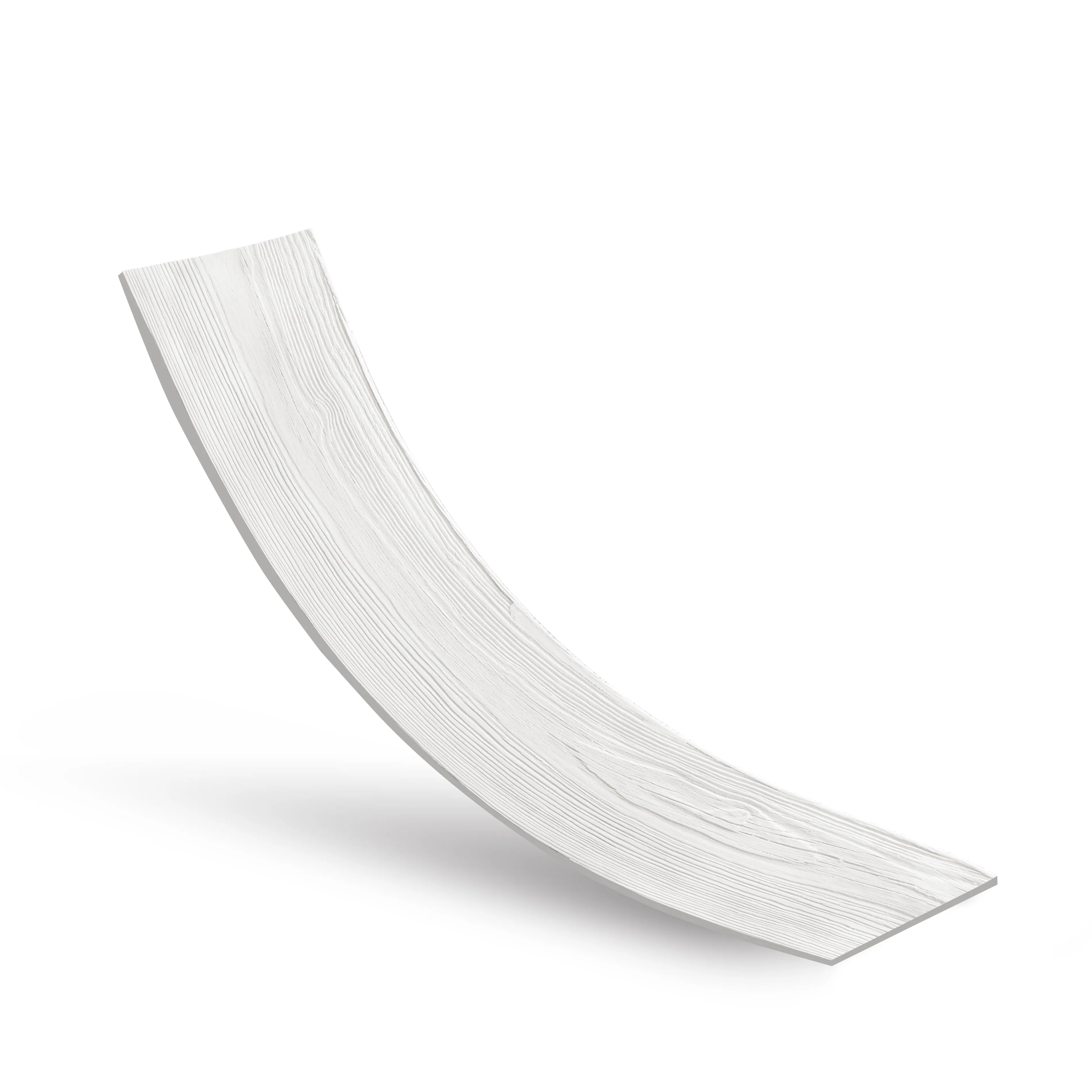
But what really sets MCM White Wood apart is its ability to bend and conform to unique shapes. Unlike rigid materials like fair-faced concrete or solid wood planks, MCM White Wood is built on a flexible composite core (thanks to MCM flexible stone technology), which means it can be curved, wrapped around columns, or even used in 3D installations. Imagine a retail store with a sweeping, curved wall that feels like a wave—MCM White Wood makes that possible without the need for custom (and expensive) moldings.
Let's get technical for a minute— but don't worry, we'll keep it conversational. MCM stands for Modified Composite Material, a proprietary technology that combines natural minerals, recycled polymers, and reinforcing fibers. The result? A material that's lighter than traditional stone, more durable than solid wood, and infinitely more versatile than laminates. And the White Wood Series takes this innovation a step further by focusing on that coveted wood-like texture and color.
One of the key advantages here is durability. Traditional wood is prone to scratches, water damage, and fading from sunlight. MCM White Wood, on the other hand, is resistant to all of these. It's also fire-retardant, which is a big win for commercial spaces, and it doesn't harbor mold or mildew—making it ideal for bathrooms, kitchens, or even outdoor covered patios. "I used it in a beach house renovation last year," says Miami-based architect Juan Carlos. "The client was worried about saltwater and humidity ruining the wood-look walls. Six months later, the MCM White Wood panels still look brand new. No warping, no discoloration—just that same soft, warm finish we started with."
Another standout feature is its weight. At just 4-5 kg per square meter, MCM White Wood is significantly lighter than fair-faced concrete (which can weigh up to 24 kg per square meter) or solid stone. This makes installation faster and easier, reducing labor costs and construction time. For high-rise buildings or spaces with weight restrictions (like historic renovations), this is a game-changer. "We recently used it in a 1920s apartment building in New York," says Carlos. "The original structure couldn't handle heavy materials, but MCM White Wood was light enough to install on the walls and ceiling without any structural modifications. The client was blown away by how much character it added without the hassle."
| Feature | MCM White Wood Series | Traditional Solid Wood | Fair-Faced Concrete |
|---|---|---|---|
| Weight (per sqm) | 4-5 kg | 12-15 kg | 20-24 kg |
| Water Resistance | High (resistant to mold/mildew) | Low (prone to warping) | Medium (needs sealing) |
| Installation Time | Fast (lightweight, flexible) | Slow (requires cutting, sanding, sealing) | Slow (heavy, requires specialized labor) |
| Sustainability | High (recycled materials, low VOC) | Medium (depends on sourcing; can contribute to deforestation) | Low (high carbon footprint in production) |
| Design Flexibility | High (can be curved, wrapped, 3D installations) | Low (rigid, limited to straight cuts) | Low (rigid, requires formwork for shapes) |
These days, sustainability isn't just a buzzword—it's a non-negotiable for many designers and clients. MCM White Wood Series shines here, too. Unlike traditional wood, which often comes from old-growth forests or requires intensive logging, MCM White Wood is made with up to 60% recycled materials, including reclaimed stone dust and recycled polymers. Its production process also uses minimal water and energy compared to manufacturing concrete or mining natural stone, and it emits low levels of volatile organic compounds (VOCs), making it safer for indoor air quality.
"Sustainability is a top priority for my clients, especially in the hospitality sector," says Mark Chen, a commercial designer in Los Angeles. "They want to tell a story about their brand's values, and using eco-friendly materials is a big part of that. MCM White Wood lets me do that without sacrificing style. I recently used it in a boutique hotel in Santa Barbara, and we were able to market the property as 'green-certified' because of the material's low environmental impact. Guests love knowing they're staying in a space that's both beautiful and responsible."
Another sustainability win? MCM White Wood is long-lasting. Unlike paint or wallpaper, which need to be replaced every few years, or even traditional wood, which may require refinishing, MCM White Wood can last decades with minimal maintenance. That means less waste over time—a key factor in reducing a project's carbon footprint.
To really understand why designers are obsessed with MCM White Wood Series, let's look at some real-world examples. These projects show just how adaptable the material is across different spaces and design styles.
A small café in Brooklyn wanted to maximize its limited space while creating a cozy, Instagram-worthy atmosphere. The designer, Mia Patel, chose MCM White Wood for the walls and ceiling. "The space was narrow, so we needed something that would reflect light and make it feel larger," Mia says. "MCM White Wood's light color opened up the room, and the wood grain added warmth so it didn't feel sterile. We also wrapped it around the counter, which curves into the seating area—something we couldn't have done with solid wood. The result? Lines out the door, and customers raving about the 'vibe.'"
With more people working from home, home offices have become a priority. For a client in Seattle, designer James Wilson used MCM White Wood for the desk surface and accent wall. "The client wanted a space that felt professional but not cold, and they needed the desk to withstand daily use—laptops, coffee cups, the works," James explains. "MCM White Wood was perfect because it looks like a high-end wooden desk, but it's scratch-resistant and easy to clean. The accent wall behind the desk ties the whole room together, and since it's moisture-resistant, we didn't have to worry about the Seattle rain causing damage."
A luxury fashion brand in London wanted a storefront that would stand out on a busy street. Architect Lisa Wong proposed using MCM White Wood panels for the exterior facade. "The brand is all about timeless elegance, so we needed a material that would age well and look sophisticated," Lisa says. "MCM White Wood's durability was key here—it can handle London's rain and pollution without fading or deteriorating. We also used it in a vertical slat design, which creates beautiful shadows throughout the day. The store has become a landmark now, and customers often comment on how unique the facade is."
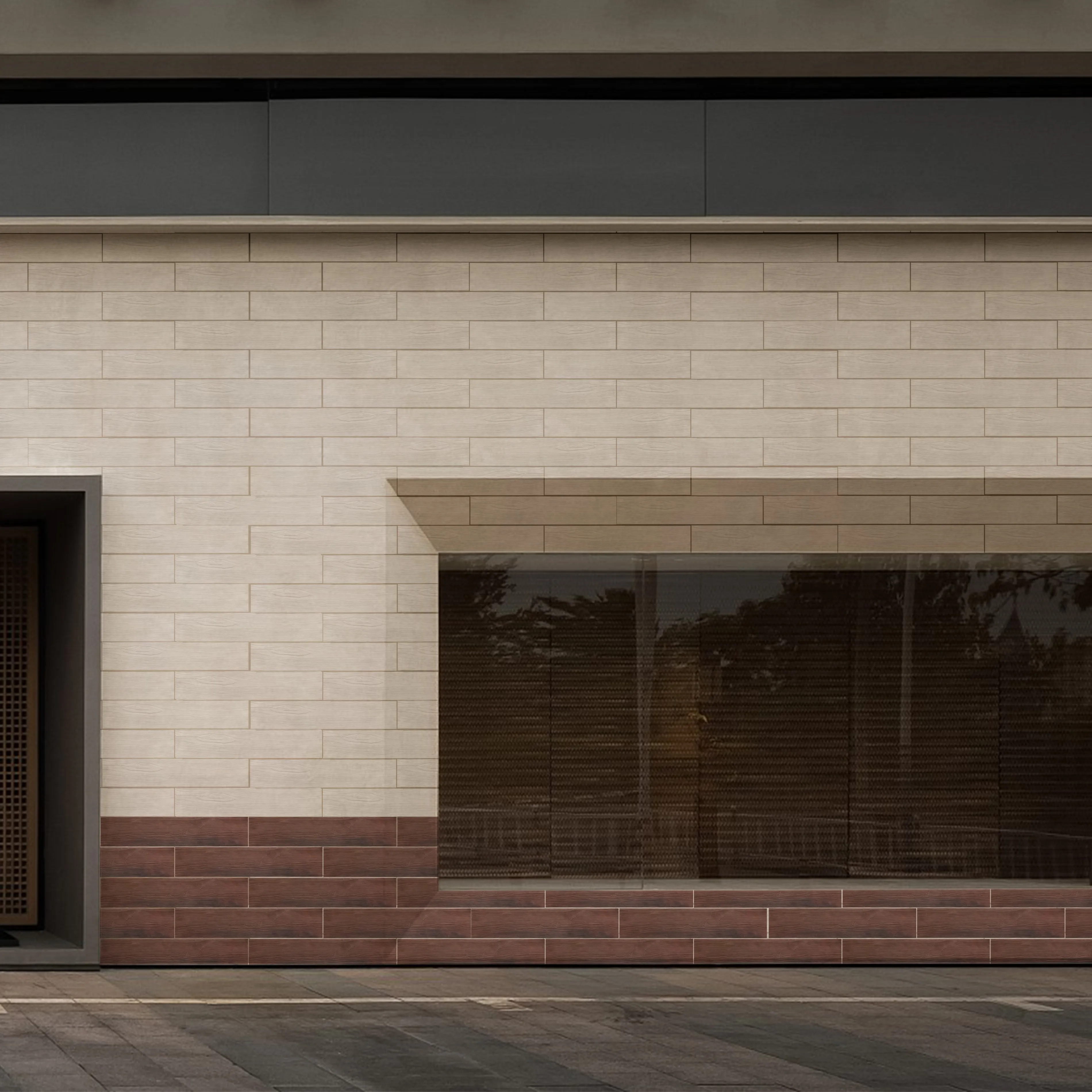
Let's be honest: there are plenty of "wood-look" materials on the market. So why is MCM White Wood Series winning over designers? Let's compare it to two common alternatives: wood grain board and fair-faced concrete.
Wood grain board is popular for its affordability, but it often looks flat and artificial. MCM White Wood, by contrast, has a depth and texture that's hard to replicate—its wood grain patterns are scanned from real wood, giving it an authentic, organic look. Plus, wood grain board is typically made with a paper or vinyl top layer that can peel or scratch easily, whereas MCM White Wood's surface is a durable composite that resists damage.
Fair-faced concrete is beloved for its industrial-chic vibe, but it's heavy, hard to install, and can feel cold in residential spaces. MCM White Wood offers a similar sleekness but with warmth. "I love concrete, but it's not always the right fit for a home or a café where you want people to relax," Sarah Lin says. "MCM White Wood gives you that clean, modern look without the chill. It's like concrete's friendlier cousin."
Then there's bamboo mat board, another eco-friendly option. While bamboo is sustainable, it's still a natural material that can warp in humidity. MCM White Wood, with its composite core, avoids that issue. "I used bamboo mat board in a bathroom once, and within a year, it started to bow," Mark Chen recalls. "MCM White Wood would have held up better because it's moisture-resistant. It's the best of both worlds—eco-friendly and practical."
At the end of the day, designers choose materials that make their jobs easier and their projects better. MCM White Wood Series does both. It solves the age-old problem of balancing beauty and durability, offers endless design possibilities, and aligns with the growing demand for sustainable materials. It's not just a trend—it's a material that's here to stay because it addresses real needs.
Whether you're designing a tiny café, a sprawling home, or a commercial space, MCM White Wood Series invites creativity. It's warm, it's tough, it's kind to the planet, and it looks good doing it. So the next time you walk into a space that feels effortlessly beautiful, take a closer look—chances are, you're looking at MCM White Wood Series. And once you experience it, you'll understand why designers can't stop talking about it.
In a world where design trends come and go, MCM White Wood Series is a constant—a material that adapts, endures, and inspires. And that, more than anything, is why it's a top choice for designers everywhere.
Recommend Products












