
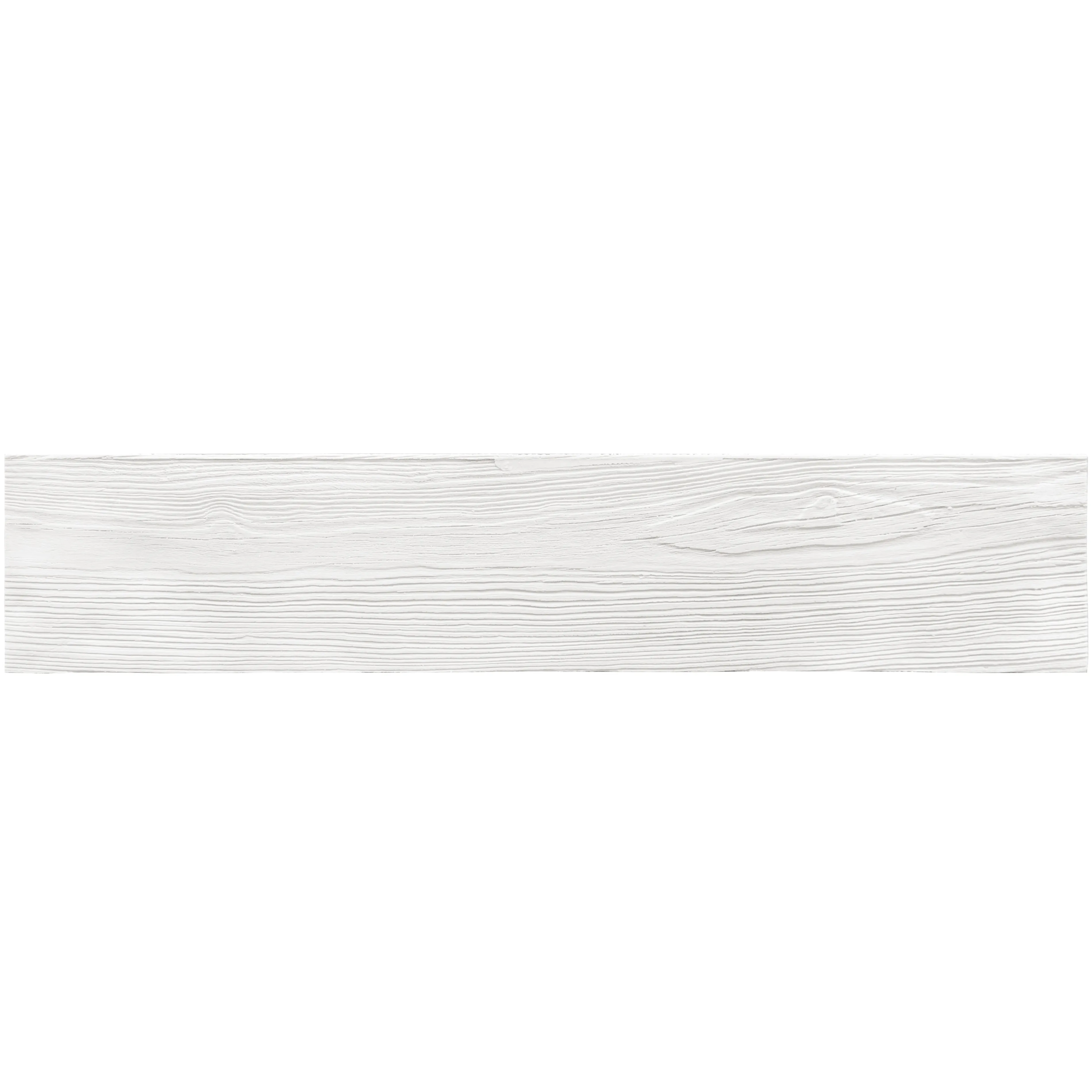
Let's start with a scenario we've all lived (or at least heard of): You've spent months planning your home renovation. You've pinned inspiration photos, picked out paint colors, and even created a Pinterest board titled "Dream Exterior." Then comes the hard part: choosing the right cladding material. If you're torn between the warm, organic look of wood and the timeless elegance of stone, you're not alone. But here's the thing no one tells you upfront: the success of your project might hinge less on aesthetics and more on two critical factors: weight and installation ease .
Today, we're diving deep into two popular options: MCM White Wood (a star player in the modified composite material family) and traditional Stone Veneer . We'll break down why weight matters more than you think, how installation complexity can make or break your timeline, and why thousands of builders and homeowners are swapping heavy stone for lighter, smarter alternatives. By the end, you'll know which material deserves a spot on your "Dream Exterior" board—and which might end up as a costly regret.
Let's get real: If you've ever tried to lift a 40-pound bag of concrete mix, you know how quickly heavy materials turn a DIY project into a two-person job. Now imagine that weight multiplied by hundreds of square feet. Stone veneer, while stunning, has a dirty little secret: it's heavy . We're talking 15–25 pounds per square foot, depending on the type. For a 200-square-foot accent wall, that's 3,000–5,000 pounds of material to haul, hoist, and secure. That's not just a workout—it's a logistical nightmare.
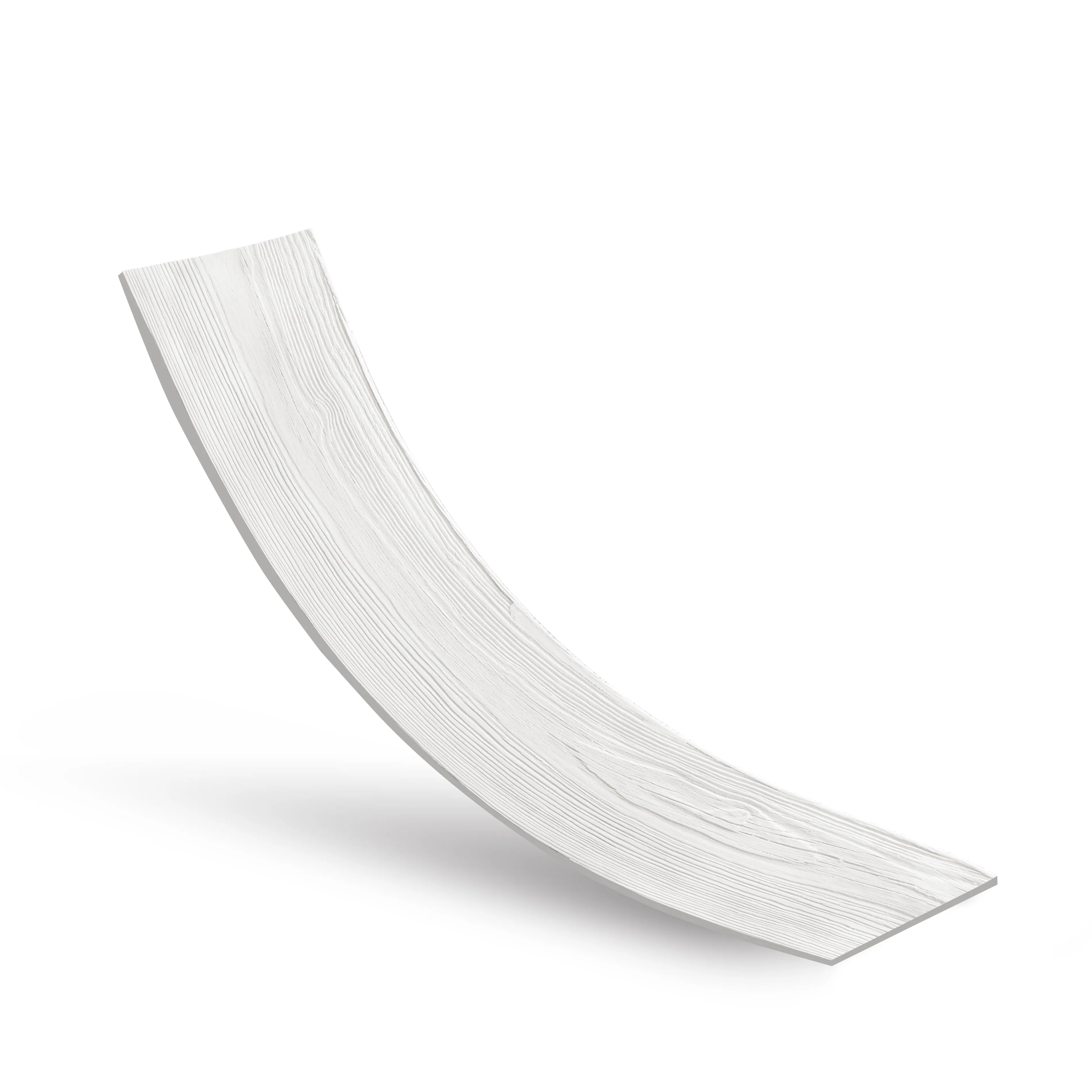
MCM White Wood, on the other hand, is a product of modern engineering. Made from a blend of natural fibers, polymers, and minerals, it clocks in at a featherlight 3–5 pounds per square foot . To put that in perspective: a 4x8-foot sheet of MCM White Wood weighs about as much as a large backpack, while a comparable stone veneer panel would feel like carrying a small refrigerator. Why does this matter? Let's count the ways.
Heavy materials don't just make your arms sore—they hit your wallet, your timeline, and even your home's structural integrity. Here's how:
MCM White Wood skips all these headaches. Its lightweight design means you can transport panels in a standard SUV, carry them solo up a ladder, and install them without reinforcing your walls. One homeowner in Colorado told us, "I installed 300 square feet of MCM White Wood on my garage in a single weekend—just me and my 16-year-old son. With stone veneer, I would've needed to rent a crane and hire a crew. The savings alone paid for our new grill."
Weight is half the battle. The other half? Actually getting the material on the wall. Let's talk about installation—the step where stone veneer often turns from "dream material" to "nightmare project."
Traditional stone veneer installation reads like a DIY horror story. First, you need to mix mortar—a messy, time-consuming process that requires precise water-to-powder ratios. Then, you trowel it onto the wall, press the stone into place, and hope it doesn't slide before the mortar sets. Oh, and you'll need to keep a level handy, because even a 1/4-inch misalignment will throw off the entire look.
Worst of all? Stone veneer isn't forgiving. If you make a mistake—say, a panel shifts or the mortar dries too quickly—you'll spend hours chiseling it off and starting over. And forget about cutting panels to fit around windows or corners: natural stone is brittle, so you'll need specialized diamond-tipped saws (hello, $500 tool rental) and a steady hand to avoid cracks.
One contractor summed it up: "Stone veneer is beautiful, but it's not for rookies. I once had a client try to install it themselves and ended up with gaps so big you could see daylight through the wall. We had to tear it all down and start over—costing them an extra $4,000."
MCM White Wood flips the script on installation. Thanks to its mcm flexible stone core and engineered design, it's built for ease. Here's how the process typically works:
But don't just take our word for it. Let's hear from Sarah, a first-time homeowner in Texas who tackled an exterior accent wall with MCM White Wood: "I'd never installed anything more complicated than a shelf before. But the MCM panels were so easy to cut and hang—they even came with a step-by-step video. My neighbor, who's a contractor, stopped by to check on me and said, 'This looks like a pro job.' I still can't believe I did it myself."
Commercial projects love MCM for a reason. Take the MCM flexible cladding stone wall at the Riverfront Café in Portland, Oregon. The design called for a 50-foot-long exterior wall with a mix of wood-look and stone-look panels. With traditional stone veneer, the project would've required:
Instead, they chose MCM flexible stone panels. The result? No structural reinforcement needed, a 2-person crew finished in 2 days, and zero crane rental. Total savings: $11,000. "We were on a tight deadline to open before tourist season," said the café owner. "MCM didn't just save us money—it saved our opening date."
Still on the fence? Let's break down the key differences with hard data. The table below compares MCM White Wood and Stone Veneer across the metrics that matter most:
| Metric | Stone Veneer | MCM White Wood |
|---|---|---|
| Weight per Square Foot | 15–25 lbs | 3–5 lbs |
| Installation Time (100 sq ft) | 2–3 days (professional crew) | 3–4 hours (DIY-friendly) |
| Required Tools | Mortar mixer, trowel, diamond saw, level, scaffolding | Circular saw, drill, level, tape measure |
| Structural Requirements | Reinforced framing often needed | Standard wall framing (2x4s) sufficient |
| Labor Cost (per sq ft) | $25–$40 | $5–$10 |
| Transportation Ease | Requires flatbed truck or crane | Fits in SUV or pickup truck |
| Waste Factor | 15–20% (due to breakage during cutting/installation) | 2–5% (minimal breakage, panels can be reused) |
Notice a pattern? MCM White Wood outperforms stone veneer in every category that impacts your time, money, and sanity. And here's the kicker: it doesn't sacrifice durability for convenience. MCM panels are engineered to withstand extreme weather (from -40°F winters to 120°F summers), resist moisture and pests, and maintain their color for decades. Unlike natural wood, they won't rot or warp. Unlike stone, they won't crack or fade. It's the best of both worlds.
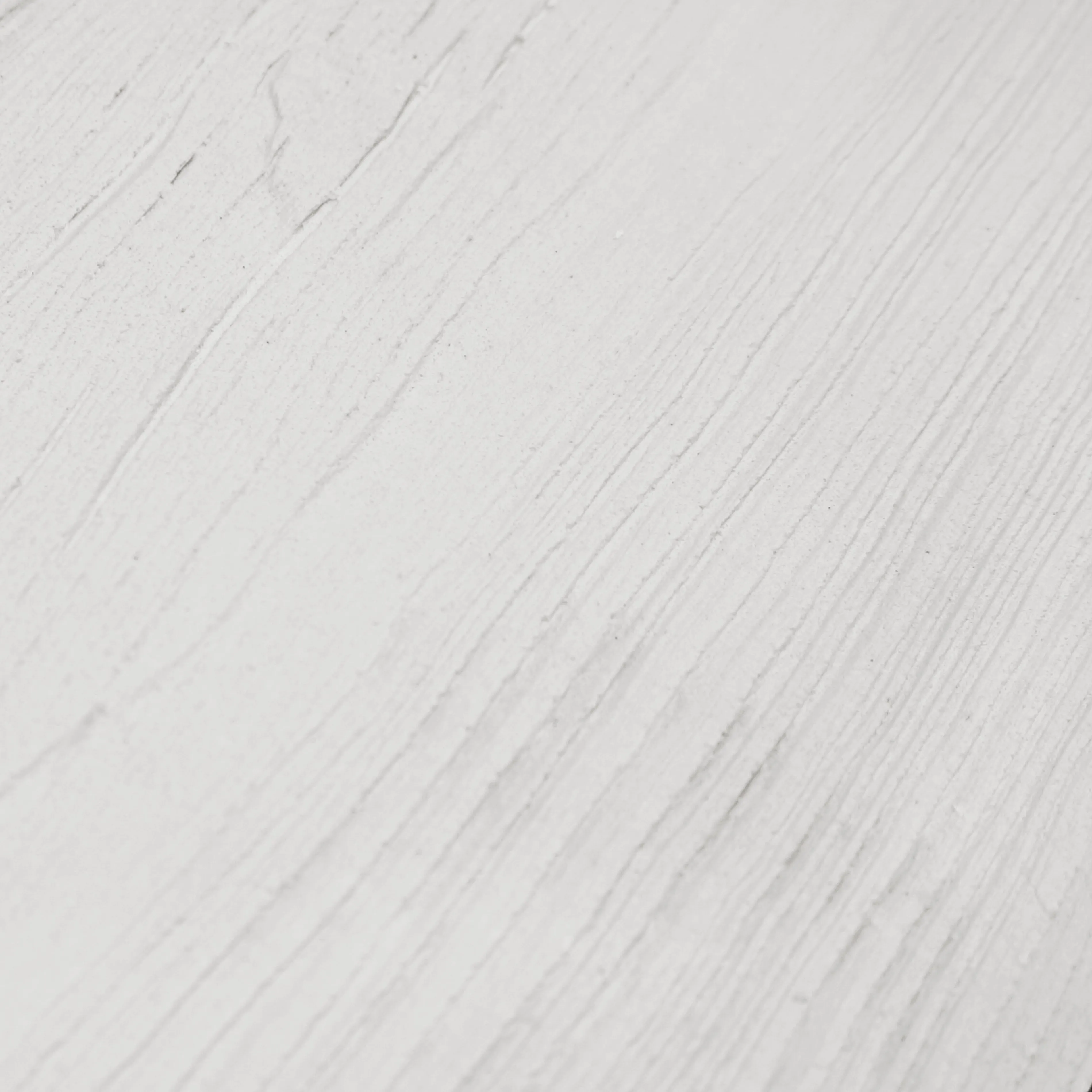
Okay, so MCM White Wood is light and easy to install. But does it look "cheap"? We get it—no one wants their home to look like it's clad in plastic siding. The good news? MCM has come a long way from the "fake wood" of the 90s. Modern MCM panels use advanced 3D printing and texture mapping to mimic the look and feel of real wood (or stone, or concrete) with stunning accuracy.
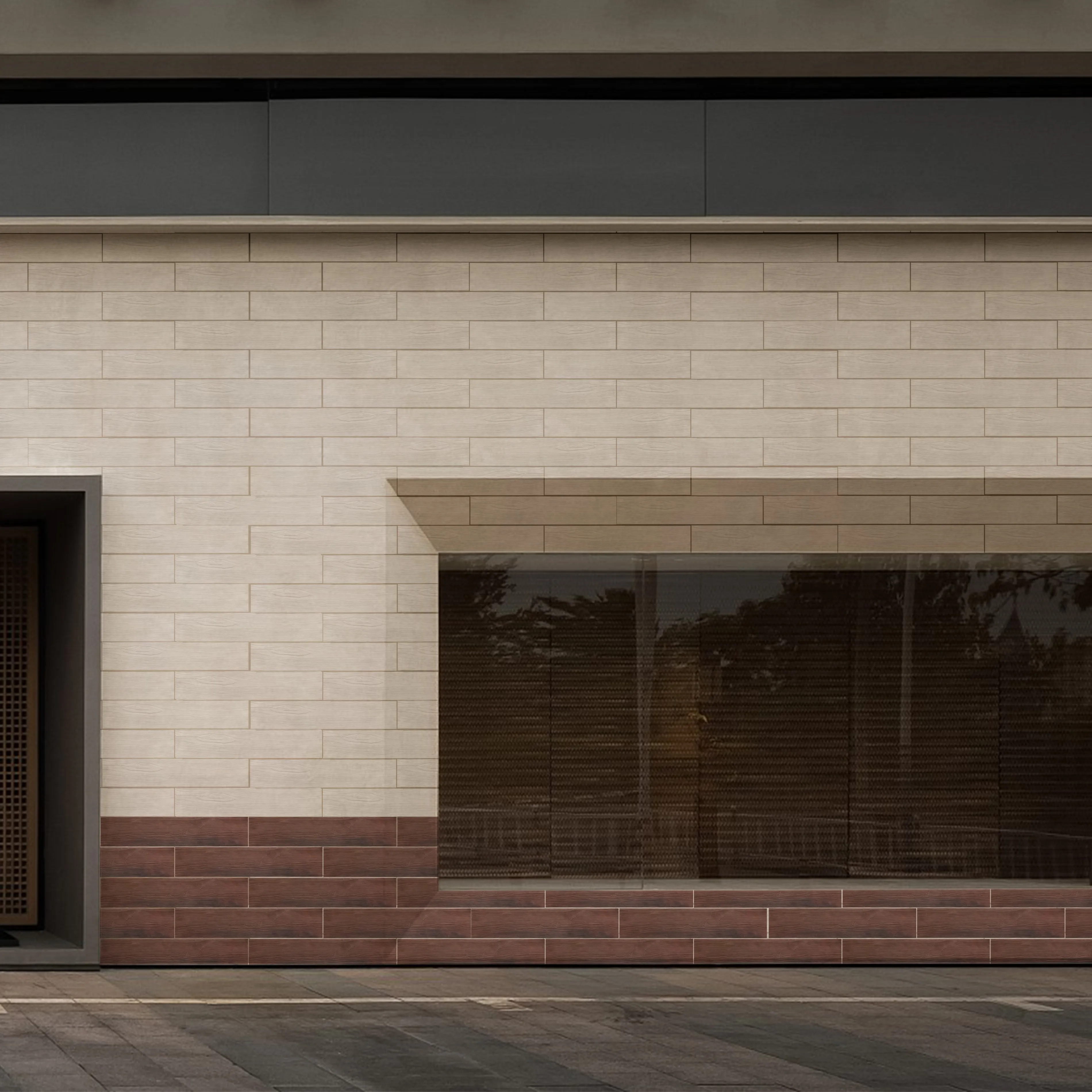
MCM White Wood, for example, features subtle grain patterns, natural knots, and a matte finish that looks just like freshly sanded cedar—without the splinters, maintenance, or price tag. One designer we interviewed said, "Clients often can't tell the difference between MCM and real wood until they touch it. And when they hear it's more durable? They're sold."
Stone veneer, of course, has its own beauty—natural veining, unique color variations, and that "hewn from the earth". But here's the tradeoff: natural stone is inconsistent. You might order 100 square feet of "beige travertine" and end up with panels ranging from cream to tan to light brown. MCM, by contrast, offers color consistency across every panel, so your wall looks intentional, not haphazard.
And let's talk durability again. Stone veneer is porous, meaning it absorbs water, which can lead to mold, mildew, or cracking in freeze-thaw climates. MCM panels are non-porous and moisture-resistant—perfect for rainy regions or humid basements. One homeowner in Florida told us, "After Hurricane Ian, my neighbor's stone veneer wall had water damage and needed to be replaced. My MCM White Wood wall? Not a scratch. It even held up better than my vinyl siding."
We're not here to bash stone veneer entirely. There are scenarios where it still makes sense: historic homes with strict preservation rules, projects where "authenticity" is non-negotiable (like a heritage museum), or small accent pieces (think: a fireplace surround) where weight and installation time are less critical.
But for most homeowners and builders—especially those working on large exterior walls, DIY projects, or tight budgets—MCM White Wood is the clear winner. It's lighter, faster to install, more durable, and (surprise!) often more affordable when you factor in labor and transportation costs.
As building technology evolves, materials like MCM are leading the charge. They're not just "alternatives"—they're better solutions. mcm flexible stone , for example, is revolutionizing commercial construction, allowing architects to design curved walls, floating facades, and intricate patterns that would be impossible with heavy stone. And with the rise of sustainable building practices, MCM's eco-friendly credentials (many panels are made from recycled materials and require less energy to produce than natural stone) are icing on the cake.
Fair-faced concrete, another traditional heavyweight, is facing similar competition from MCM alternatives. Builders are swapping 80-pound concrete panels for 10-pound MCM concrete-look boards, cutting construction time in half and reducing carbon footprints. It's a win-win for the planet and your project timeline.
At the end of the day, choosing between MCM White Wood and stone veneer isn't just about looks—it's about practicality. It's about whether you want to spend weekends wrestling with mortar or enjoy your new wall in a fraction of the time. It's about saving money for the things that matter (like that grill, or a family vacation) instead of pouring it into labor and equipment rentals. It's about building a home that's beautiful, durable, and smart .
So, as you revisit that "Dream Exterior" Pinterest board, ask yourself: What do I value more? The stress of heavy materials and complicated installation, or the freedom to create something amazing—on your time, your budget, and your terms?
We know which one we'd choose.
Recommend Products












