
In the sun-drenched landscape of Saudi Arabia, residential villas are more than just homes—they're sanctuaries where tradition meets modernity, where family gatherings and quiet moments alike find their perfect backdrop. Walk through any contemporary villa, and you'll notice a shift: gone are the days of overly ornate finishes; instead, there's a focus on materials that breathe, that tell a story, and that turn spaces into experiences. At the heart of this evolution lies a material that feels both familiar and revolutionary: MCM's wood concrete board. But it doesn't stand alone. Paired with textures like travertine (beige), the industrial chic of fair-faced concrete, the softness of weaving (khaki), and the celestial glow of lunar peak silvery, it's redefining what luxury looks like in Saudi interiors. Let's step into these spaces—not through a screen, but through the vivid details of real photos that capture the soul of modern villa design.
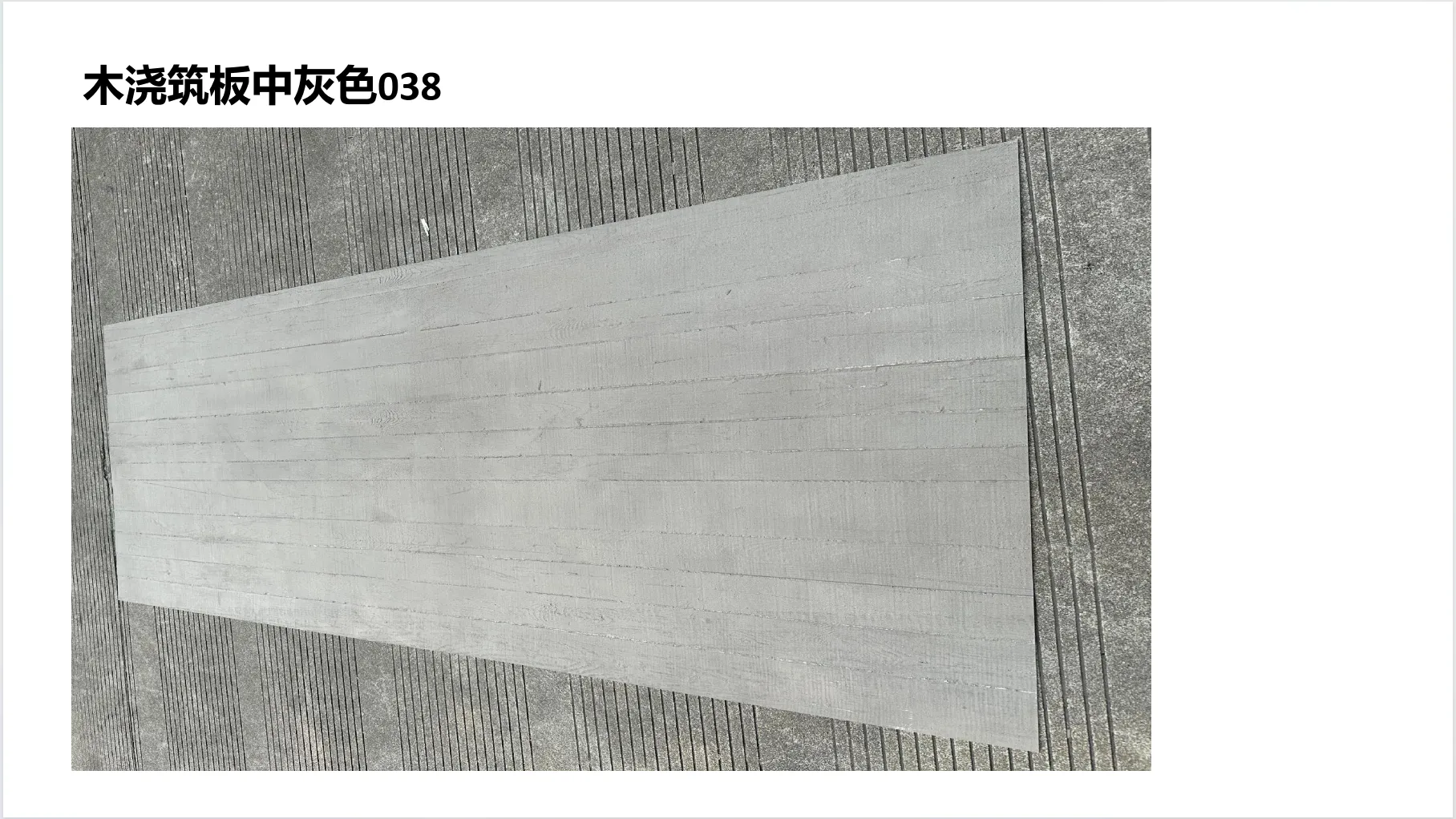
There's a reason wood concrete board has become a darling of Saudi villa designers. It's the material equivalent of a well-loved storybook—warm, reliable, and full of character. Run your hand over its surface, and you'll feel the best of both worlds: the gentle grain of wood, as if plucked from a forest, and the quiet solidity of concrete, built to last. In real photos of villa interiors, it often stars as a feature wall in the living room, its earthy tones grounding the space while its texture adds depth that flat paints could never achieve.
Take, for example, a photo of a Riyadh villa's family room: the wood concrete board spans the entire wall behind the sofa, its horizontal grain mimicking the rolling dunes outside. The light from the afternoon sun filters through sheer curtains, casting soft shadows that make the texture pop. It's not just a wall—it's a conversation starter. "Guests always reach out to touch it," one homeowner (laughs, recalling). "They expect it to feel cold like concrete, but it's surprisingly warm, almost alive." That warmth is intentional. MCM's wood concrete board blends wood fibers with high-performance concrete, creating a material that doesn't just resist Saudi Arabia's heat and humidity; it embraces the climate, aging gracefully over time, like a favorite piece of furniture.
Great design is never about one star—it's about the ensemble. Wood concrete board shines brightest when paired with materials that complement its strengths and add their own flair. Let's explore the cast of characters that often share the stage in these real villa photos:
| Material | Texture | Ambiance | Best For |
|---|---|---|---|
| Wood Concrete Board | Warm wood grain with subtle concrete grit | Cozy, grounded, lived-in | Living rooms, bedrooms, home offices |
| Travertine (Beige) | Soft, porous surface with natural veining | Elegant, timeless, sunlit | Flooring, dining areas, bathroom walls |
| Fair-Faced Concrete | Smooth yet raw, with tiny air bubbles and tool marks | Industrial chic, minimalist, unpretentious | Kitchen islands, accent walls, outdoor patios |
| Weaving (Khaki) | Loose, tactile threads with a matte finish | Inviting, bohemian, soft | Rugs, throw pillows, wall hangings |
| Lunar Peak Silvery | Metallic sheen with a slightly hammered texture | Modern, celestial, reflective | Side tables, light fixtures, accent pieces |
In photo after photo, travertine (beige) emerges as wood concrete board's most loyal partner. Its creamy, honeyed tones mirror the desert landscape, creating a connection between indoor and outdoor spaces. In a Jeddah villa's dining area, the travertine (beige) flooring flows seamlessly from the entrance hall into the dining room, where a wood concrete board ceiling—with exposed beams—adds height and warmth. The table, crafted from fair-faced concrete, sits atop the travertine, its cool surface balanced by the warmth of woven (khaki) chairs. "We wanted the space to feel like a desert oasis," the designer explains in the photo's caption. "Travertine brings the earth in, wood concrete adds the shelter, and the weaving? That's the shade under the palm tree."
Fair-faced concrete might sound cold, but in these photos, it's anything but. Stripped of polish, it wears its imperfections proudly—small air bubbles, tiny tool marks—telling the story of how it was made. In a Dammam villa's kitchen, the backsplash is fair-faced concrete, its gray tones playing off the wood concrete board cabinets. The contrast is striking: the concrete adds an industrial edge, while the wood concrete softens it, making the kitchen feel less like a utilitarian space and more like a place where family recipes are passed down. A photo captures a morning scene: sunlight hits the concrete, turning its gray into a warm taupe, while the wood concrete cabinets glow, as if lit from within. It's a reminder that beauty often lies in the balance of opposites.
Details matter, and in these real photos, the little things make the biggest impact. Weaving (khaki) appears in unexpected places: a runner on the staircase, its threads catching the light; a throw blanket draped over the arm of a leather sofa, inviting a midday nap; even a wall hanging in the bedroom, adding texture without overwhelming the space. Its softness is the perfect counterpoint to the harder materials, turning "house" into "home."
Then there's lunar peak silvery—a material that shimmers like moonlight on sand. In one photo, a lunar peak silvery side table sits beside the wood concrete board bed, its metallic surface reflecting the lamp's glow. It's not flashy; it's subtle, like a quiet nod to modernity in a room rooted in tradition. "My wife wanted something that felt 'new,' but not out of place," the homeowner says of the table. "Lunar peak silvery does that—it's like adding a star to the desert sky."
Enough about materials—let's walk through the spaces themselves. These real photos don't just show rooms; they show moments: a child's laughter in the living room, a family dinner under the travertine ceiling, a quiet morning in bed with the sun on the wood concrete walls. Here's what they reveal:
The living room is the heart of the villa, and in these photos, it's easy to see why. Wood concrete board lines the main wall, its grain running vertically, creating the illusion of height. Below it, travertine (beige) flooring stretches across the room, warm and inviting. A large area rug, woven in khaki threads, defines the seating area, where a modular sofa in sand-colored fabric faces a fair-faced concrete coffee table. On the table, a lunar peak silvery bowl holds fresh dates—a nod to Saudi hospitality. The windows, floor-to-ceiling, frame the desert beyond, but the real view is inside: a photo captures the family gathered here, the wood concrete wall behind them like a silent storyteller, (witnessing) the joy of togetherness.
In the master bedroom, the pace slows down. Wood concrete board covers the headboard wall, its texture softening the room, while the bed, draped in cream linens, sits on a travertine (beige) platform. To the side, a fair-faced concrete nightstand holds a lamp with a woven (khaki) shade, its light diffused into a warm glow. The star of the room? A lunar peak silvery mirror above the dresser, reflecting the morning light and making the space feel larger. A photo taken at dawn shows the room bathed in soft pink light: the wood concrete board looks almost golden, the travertine glows, and the mirror shimmers. It's not just a bedroom—it's a retreat, where the chaos of the day melts away.
Saudi villas live outdoors as much as in, and these photos celebrate that connection. The patio, covered by a wood concrete board pergola, features travertine (beige) flooring that extends from the indoor living room, creating a seamless transition. A dining set with fair-faced concrete tabletop and woven (khaki) chairs sits under the pergola, while lunar peak silvery planters hold date palms. A photo taken at sunset shows the space in golden light: the wood concrete board pergola casts dappled shadows, the travertine glows, and the lunar peak silvery planters sparkle like stars. It's a reminder that luxury isn't about being closed off—it's about opening up to the beauty around you.
At the end of the day, the magic of these real photos isn't just in the materials—it's in how they make people feel. Wood concrete board doesn't just look good; it feels like a hug when you walk into a room. Travertine (beige) doesn't just cover the floor; it grounds you, connecting you to the earth. Fair-faced concrete doesn't just add edge; it adds authenticity, a reminder that imperfection is beautiful. Weaving (khaki) doesn't just add texture; it adds warmth, making spaces feel lived-in. Lunar peak silvery doesn't just shine; it dreams, inviting you to look up and imagine.
In a culture that values family, heritage, and longevity, these materials make sense. They're not fleeting trends; they're investments in a home that will grow with the family, that will see birthdays, weddings, and quiet evenings. As one photo's caption puts it: "These walls won't just hold up the house—they'll hold the memories."
In the world of Saudi villa design, MCM's wood concrete board isn't just a material—it's a storyteller. Paired with travertine (beige), fair-faced concrete, weaving (khaki), and lunar peak silvery, it's creating spaces that are as beautiful as they are meaningful. These real photos don't just show us rooms; they show us a way of life—one that honors the past, embraces the present, and builds a future where home isn't just a place, but a feeling. And in the end, isn't that what we all want? A home that feels like *us*—warm, authentic, and full of life.
Recommend Products












