
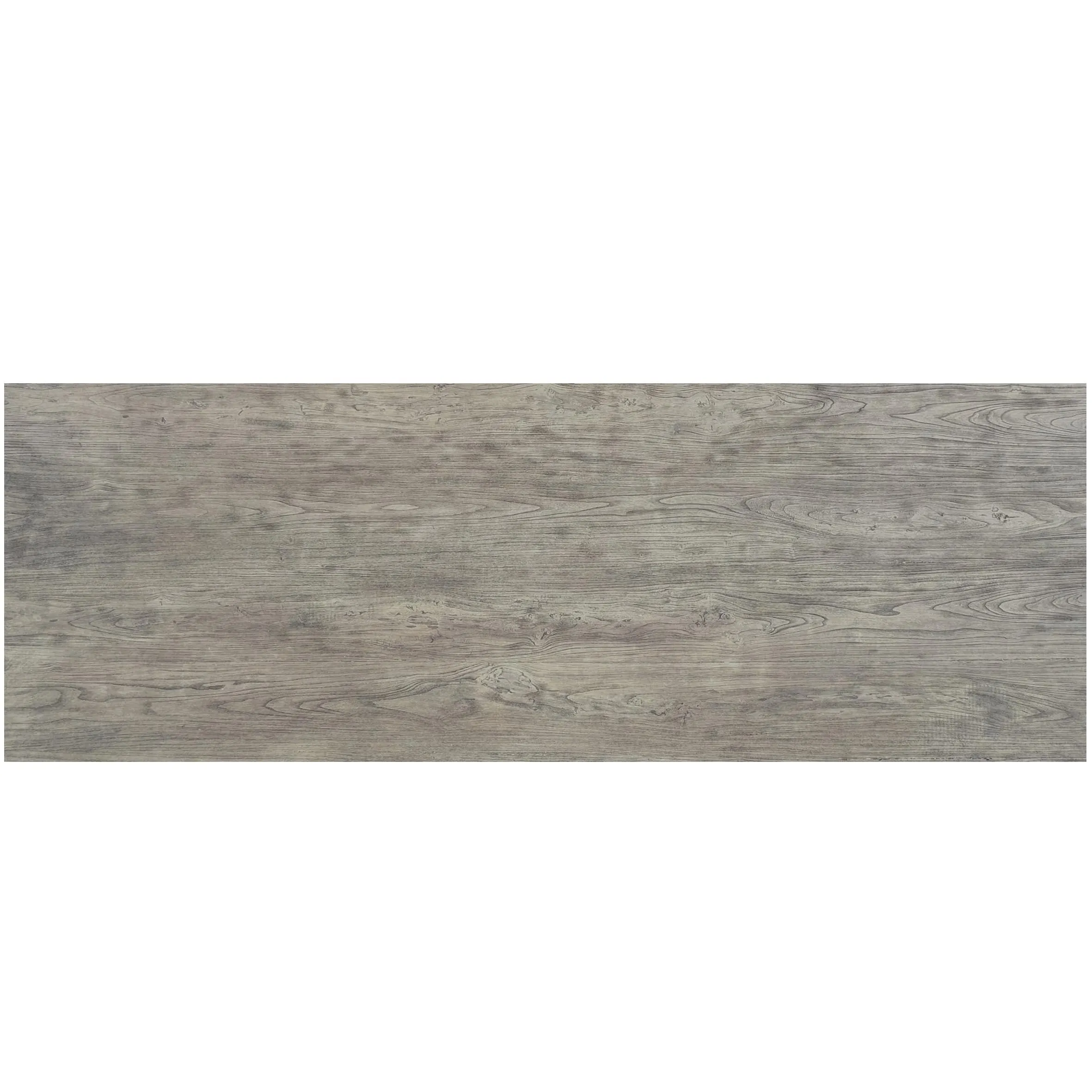
In the heart of the Middle East, Saudi Arabia's architectural landscape is undergoing a remarkable transformation. From the soaring skyscrapers of Riyadh to the cultural landmarks of Jeddah, modern design is embracing both the region's rich heritage and the demands of a rapidly evolving world. Yet, with this evolution comes a critical challenge: balancing bold aesthetic vision with the strict building codes and standards that ensure safety, durability, and cultural respect. Enter MCM Wood Grain Board —a material that doesn't just meet these standards but redefines what's possible for architects and builders across the Kingdom.
Saudi Arabia's building regulations are among the most rigorous in the world, shaped by factors like extreme climate conditions (scorching summers, occasional sandstorms), cultural preservation, and a commitment to sustainability under initiatives like Saudi Vision 2030. For materials to earn a place in Saudi construction, they must pass stringent tests for fire resistance, thermal stability, moisture tolerance, and environmental impact. MCM Wood Grain Board, part of the broader MCM project board series , was developed with these exact challenges in mind. It's not just a surface finish; it's a solution crafted to align with the Kingdom's vision for resilient, beautiful, and responsible architecture.
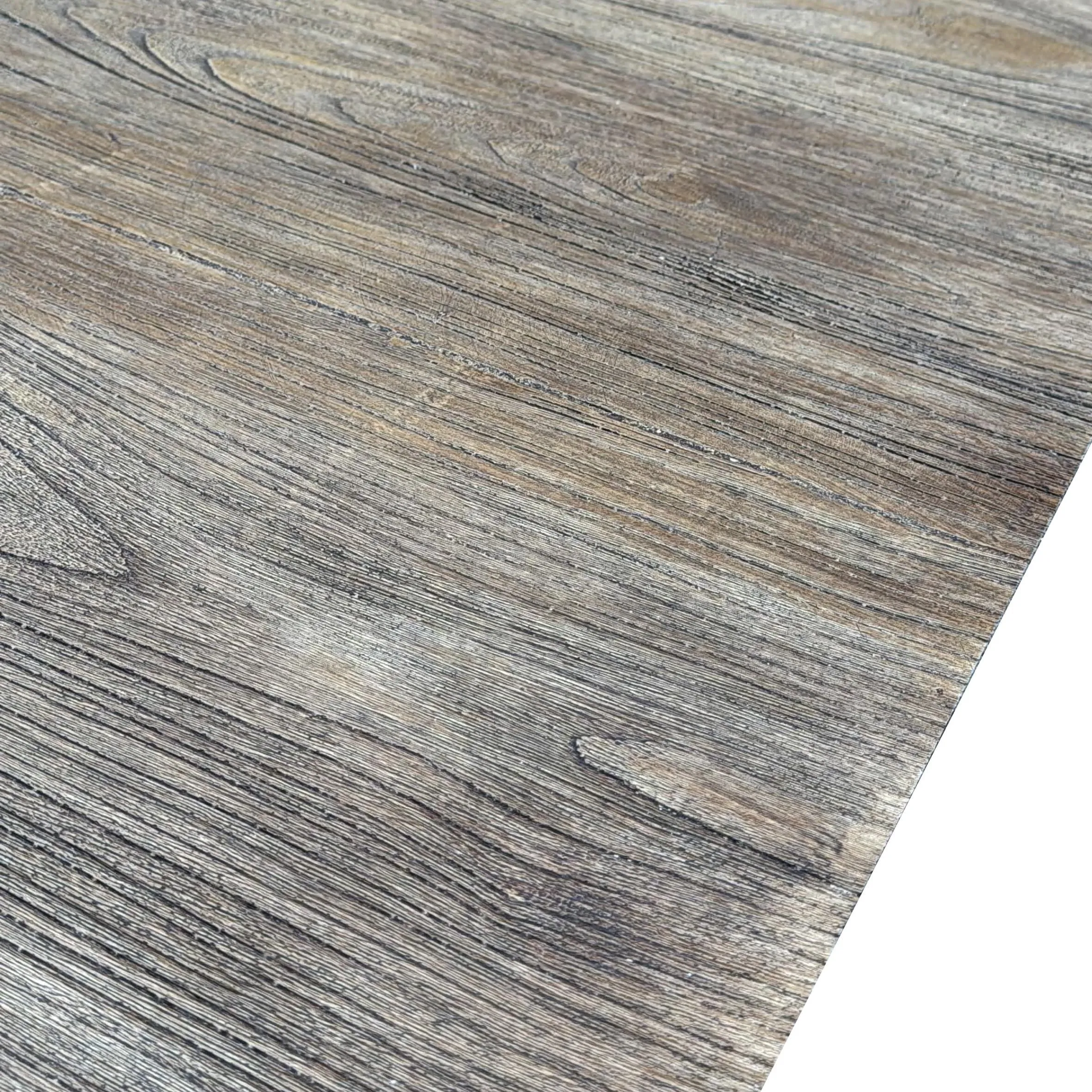
Before diving into what makes MCM Wood Grain Board stand out, let's unpack the key requirements that guide construction in Saudi Arabia. The Saudi Building Code (SBC), overseen by the Ministry of Municipal and Rural Affairs and Housing (MOMRAH), sets the bar for everything from structural integrity to energy efficiency. Here are the core areas where materials like MCM Wood Grain Board must excel:
These aren't just checkboxes; they're the foundation of buildings that serve communities for decades. For architects and contractors, choosing materials that meet all these criteria without compromising on design flexibility can feel like a tightrope walk. That's where MCM Wood Grain Board steps in.
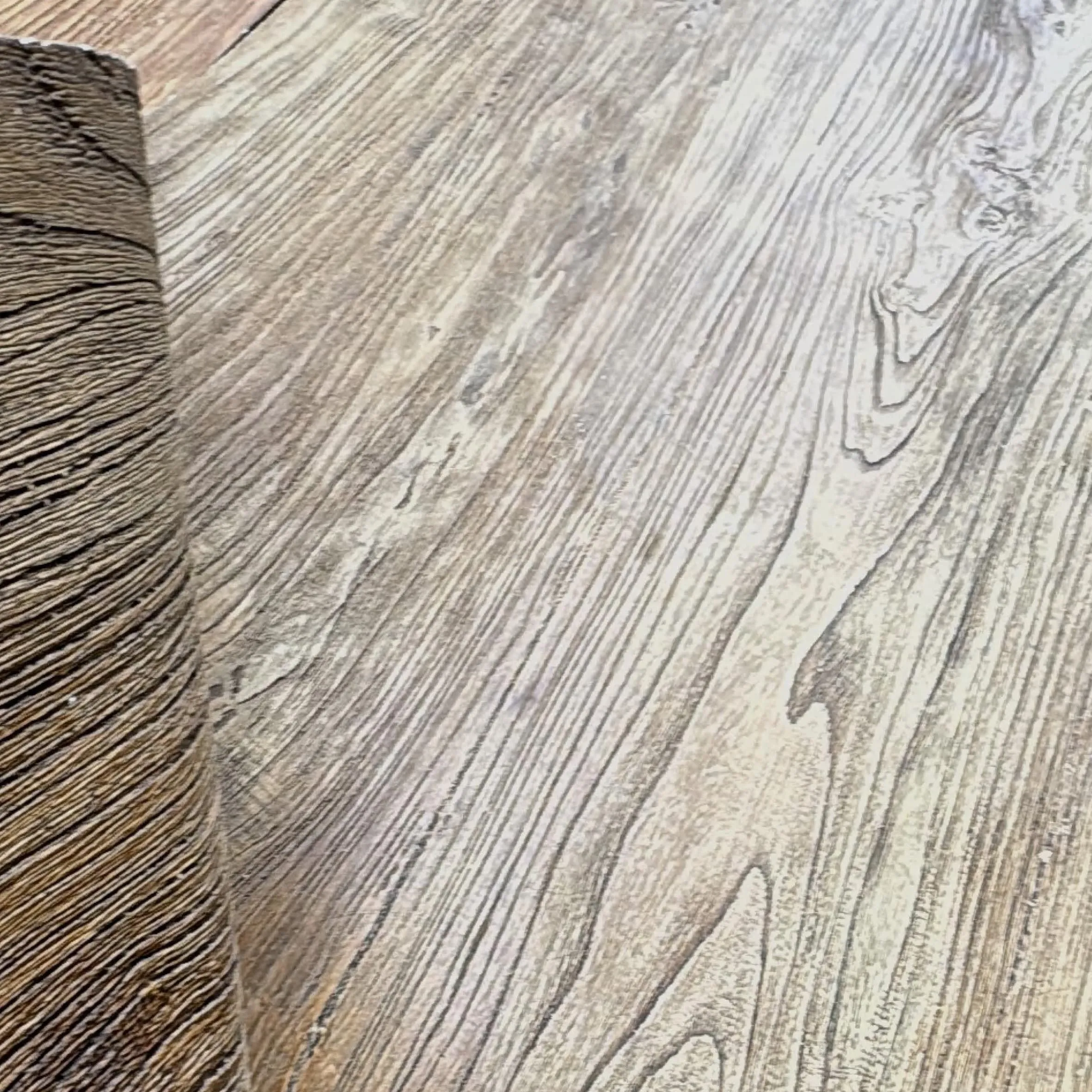
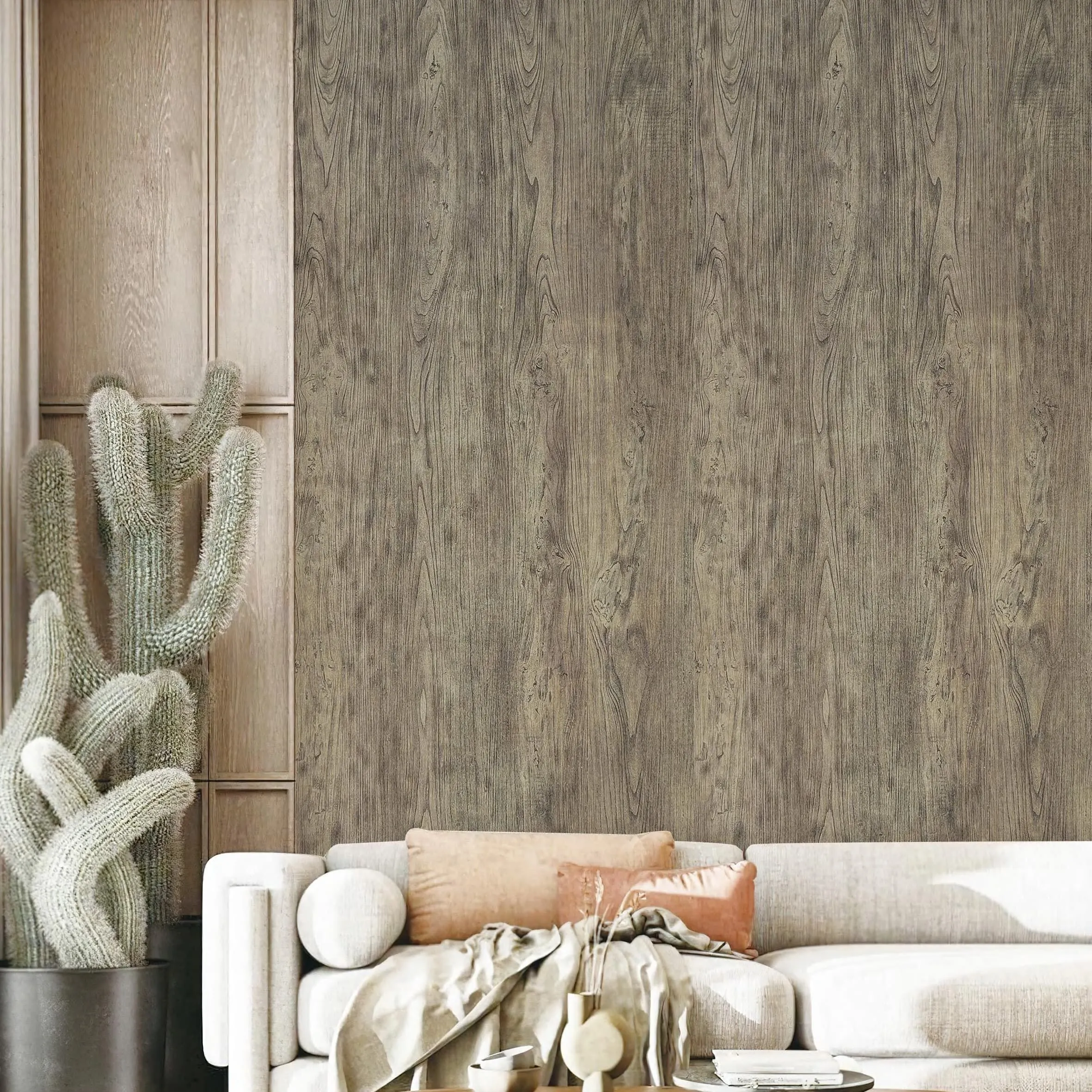
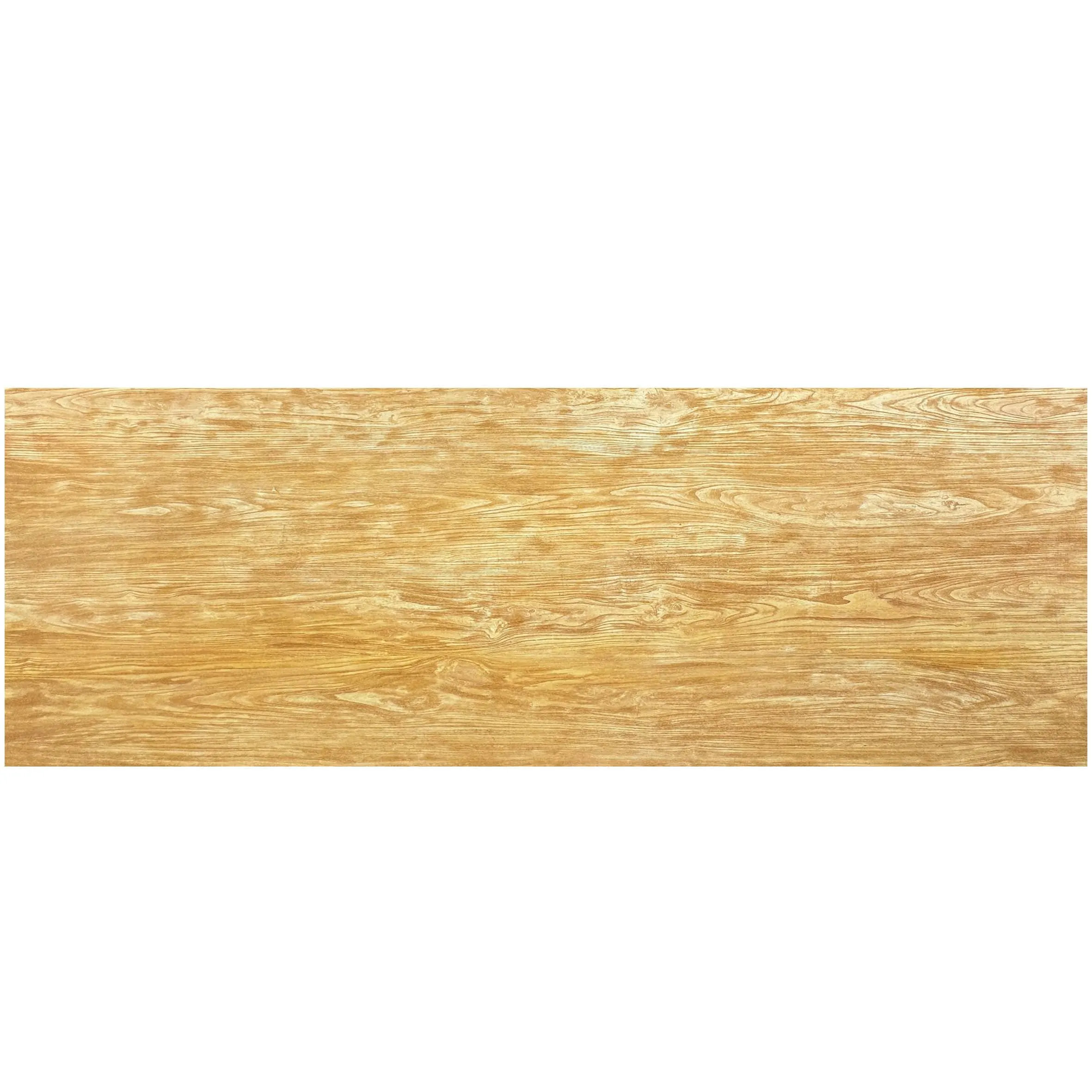
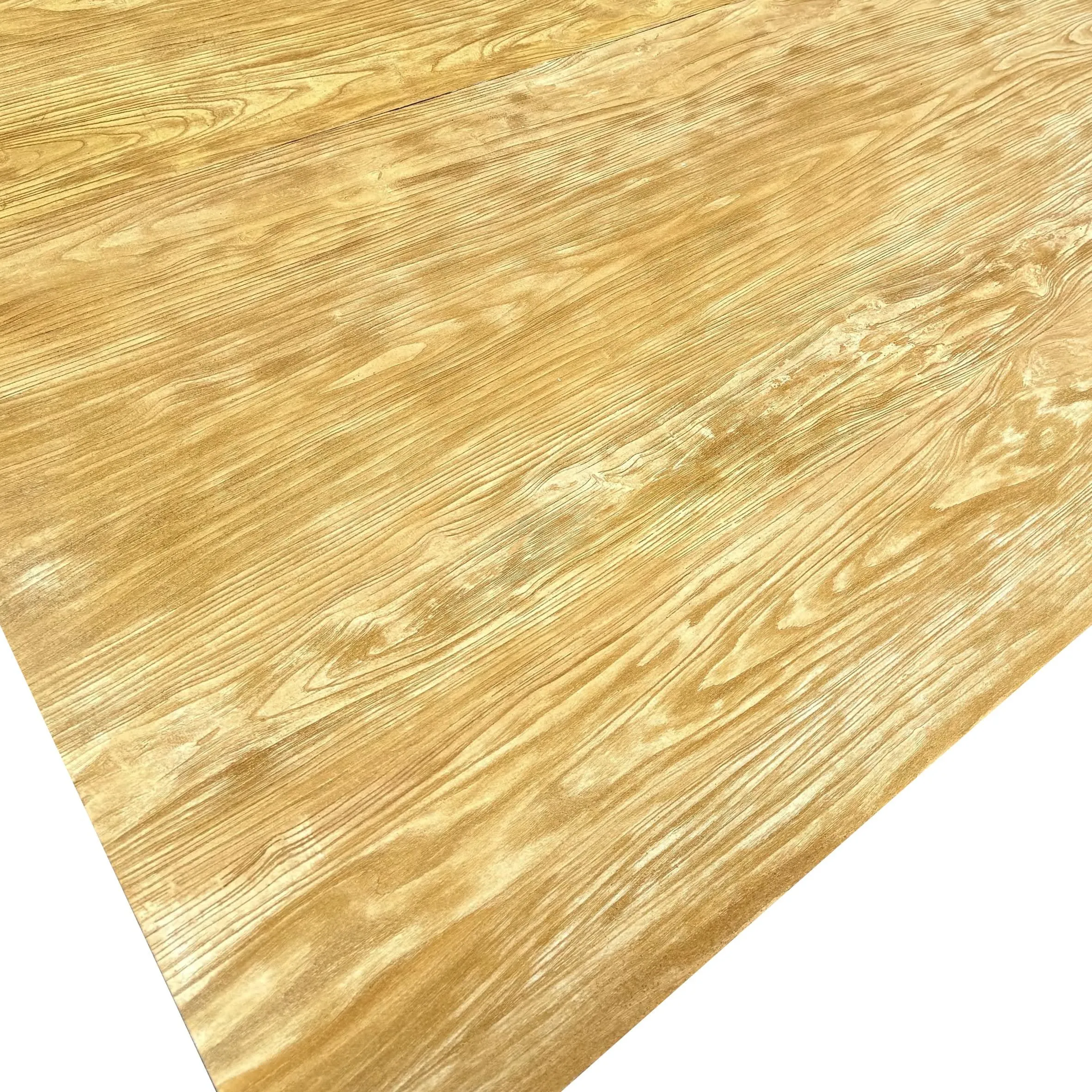
At its core, MCM (Modified Composite Material) is a cutting-edge cladding solution that combines the best of natural aesthetics with advanced engineering. MCM Wood Grain Board, in particular, mimics the warm, organic texture of wood—think the rich grain of teak or the soft patina of aged oak—while delivering the performance of a high-tech composite. But what exactly makes it compliant with Saudi building codes? Let's break it down:
Unlike natural wood, which can crack or fade under Saudi sun, MCM Wood Grain Board is constructed from a lightweight, rigid core (often aluminum or mineral-reinforced polymer) coated with a durable, UV-resistant film. This film is tested to withstand prolonged exposure to intense sunlight without losing color or structural integrity. In fact, independent lab tests show that MCM panels retain over 95% of their original color after 10,000 hours of accelerated UV exposure—far exceeding the SBC's requirement of 80% retention over 5,000 hours.
Sandstorms are another concern, but MCM's hard, scratch-resistant surface (rated 6H on the pencil hardness scale) stands up to flying debris better than traditional materials like lime stone (beige) or even some types of travertine . Its flexibility—thanks to the MCM flexible stone technology—also helps it absorb minor impacts without cracking, a critical feature in regions prone to sudden temperature fluctuations that can stress rigid materials.
Fire safety is non-negotiable in Saudi construction, and MCM Wood Grain Board doesn't cut corners. The core material is inherently non-combustible (aluminum or mineral-based), and the decorative film is treated with flame-retardant additives. This combination earns it a Class A fire rating (ASTM E84), the highest possible for building materials, meaning it doesn't contribute to flame spread or release toxic smoke in the event of a fire. For high-rise projects or public buildings like schools and hospitals, this compliance is a game-changer, giving architects peace of mind that their designs prioritize safety.
Saudi Arabia's push for sustainability isn't just about reducing carbon emissions—it's about building a circular economy. MCM Wood Grain Board aligns with this vision in several ways: it's lightweight (up to 70% lighter than natural stone), reducing transportation emissions; it contains recycled content (up to 30% in some formulations); and it's fully recyclable at the end of its lifespan. Unlike fair-faced concrete , which has a high carbon footprint due to cement production, MCM panels require minimal energy to manufacture and install. This makes them an ideal choice for projects aiming to achieve LEED or Estidama certification, two key sustainability frameworks in the Kingdom.
Saudi architecture is a dialogue between past and present—think mud-brick heritage villages alongside glass-and-steel megaprojects. MCM Wood Grain Board honors this dialogue by offering a range of wood-like textures and tones that complement traditional materials like historical pathfinders stone or gobi panel , while adding a contemporary twist. Whether designers are aiming for the warm beige of travertine (beige) or the earthy richness of rust square line stone , MCM Wood Grain Board can be customized to match, ensuring cultural compatibility without limiting creativity.
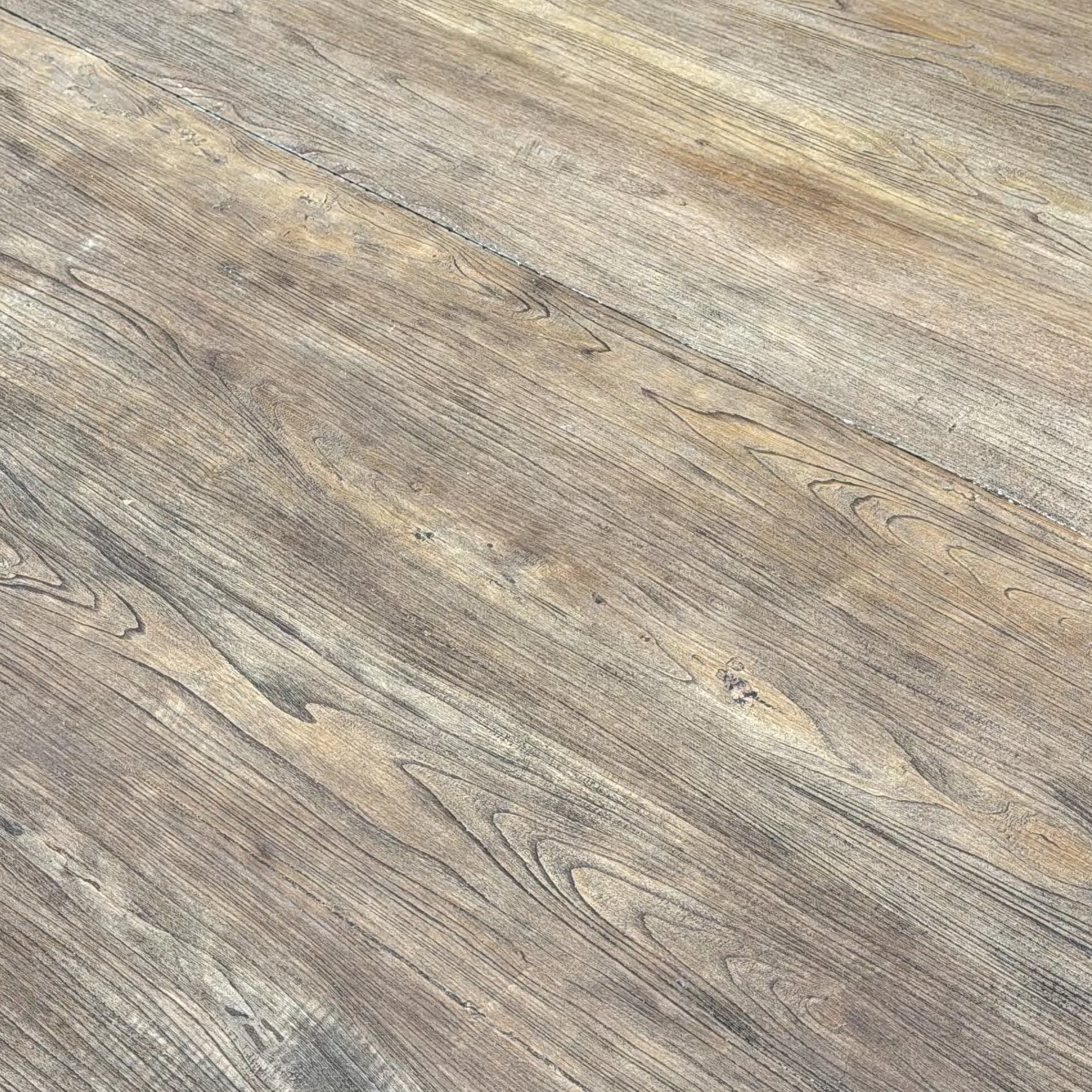
To truly appreciate MCM Wood Grain Board's compliance edge, let's compare it to two common alternatives in Saudi construction: traditional natural stone (like travertine) and fair-faced concrete. The table below highlights key factors where compliance, performance, and practicality intersect:
| Feature | MCM Wood Grain Board | Natural Travertine (Beige) | Fair-Faced Concrete |
|---|---|---|---|
| Saudi Code Compliance | Meets SBC standards for fire (Class A), UV resistance, and sustainability (LEED-friendly) | Fire-resistant but may require sealing; UV fading common in direct sunlight | Fire-resistant but high embodied carbon; may not meet strict sustainability targets |
| Durability in Climate | Resists warping, fading, and sandstorm impacts; 15–20 year lifespan with minimal maintenance | Prone to staining and cracking in extreme heat; requires annual sealing | Prone to spalling in freeze-thaw (rare in KSA but possible in high-altitude areas); surface scaling over time |
| Installation & Weight | Lightweight (4–6 kg/m²); quick, dry installation (no mortar); reduces structural load | Heavy (20–30 kg/m²); requires structural reinforcement; messy, time-consuming mortar application | Heavy (2400 kg/m³); requires formwork; longer curing time |
| Sustainability | Recyclable core; low carbon footprint; energy-efficient (reflects heat, reducing AC use) | Non-recyclable; quarrying has high environmental impact; heavy transportation emissions | High CO2 emissions from cement production; limited recyclability |
| Aesthetic Flexibility | Customizable wood grains, colors, and textures; consistent finish across large panels | Unique but inconsistent veining; limited color range; natural pores require filling | Uniform but limited texture; prone to discoloration from weathering |
The takeaway? While natural stone and concrete have their place, MCM Wood Grain Board offers a more balanced package of compliance, durability, and practicality—especially in Saudi Arabia's unique context. It's no wonder that architects working on projects like Riyadh's King Abdullah Financial District or Jeddah's waterfront developments are turning to MCM panels for their code-friendly versatility.
Compliance is only meaningful if a material can be applied across diverse projects. MCM Wood Grain Board, part of the MCM big slab board series , excels in everything from residential villas to large-scale commercial complexes. Here are a few scenarios where it has made a tangible difference in Saudi construction:
In Riyadh's upscale compounds, homeowners crave both modern comfort and a connection to Saudi heritage. MCM Wood Grain Board has been used for exterior cladding and privacy screens, mimicking the look of traditional wooden mashrabiyas (latticed windows) but with the durability to withstand Riyadh's heat. Its lightweight nature also reduces the load on villa structures, a key consideration for multi-story additions.
Shopping malls and office buildings in cities like Dammam demand materials that can handle heavy foot traffic, frequent cleaning, and strict fire codes. MCM Wood Grain Board's scratch-resistant surface and Class A fire rating make it ideal for interior accent walls or exterior facades. For example, a recent retail project in Jeddah used MCM Wood Grain Board in its food court, where it resisted stains from spills and maintained its finish despite daily exposure to heat and humidity.
Saudi Arabia's focus on cultural preservation, seen in projects like the Red Sea Project's heritage villages, requires materials that evoke tradition without sacrificing longevity. MCM Wood Grain Board, paired with historical pathfinders stone , was used in a museum extension in Al-Ula, blending the warmth of wood-like textures with the ruggedness of stone to tell the region's story. Its compliance with SBC's cultural heritage guidelines ensured it fit seamlessly into the project's vision.
As Saudi Arabia continues to grow—with megaprojects like NEOM, Qiddiya, and the Riyadh Metro reshaping its cities—the demand for compliant, innovative materials will only rise. MCM Wood Grain Board, and the broader MCM 3d printing series , represents the future of construction: materials that don't just meet standards but inspire new design possibilities. Its flexibility (a nod to MCM flexible stone technology) allows architects to create curved surfaces or intricate patterns that would be impossible with rigid stone or concrete, all while staying within code.
Sustainability, too, will remain a driving force. With Vision 2030 aiming for net-zero carbon emissions by 2060, materials like MCM Wood Grain Board—lightweight, recyclable, and energy-efficient—will be critical. They reduce the need for heavy machinery during installation, lower transportation emissions, and even contribute to better indoor air quality (no volatile organic compounds, unlike some paints or sealants).
MCM Wood Grain Board isn't just a product; it's a testament to how innovation can honor both regulation and creativity. In Saudi Arabia, where building codes are as much about protecting communities as they are about shaping the future, it stands out as a material that delivers on every promise: durability in extreme heat, safety in fire, sustainability for the planet, and beauty that resonates with the Kingdom's cultural soul.
Whether you're designing a private villa in Riyadh, a commercial tower in Jeddah, or a cultural center in Al-Ula, MCM Wood Grain Board offers the compliance, performance, and aesthetic flexibility to turn vision into reality. It's not just compliant with Saudi building codes—it's aligned with Saudi Arabia's vision for a built environment that's as resilient as it is inspiring. In the end, that's the true measure of a material's worth: not just how well it follows the rules, but how well it helps us build a better future.
Recommend Products












