
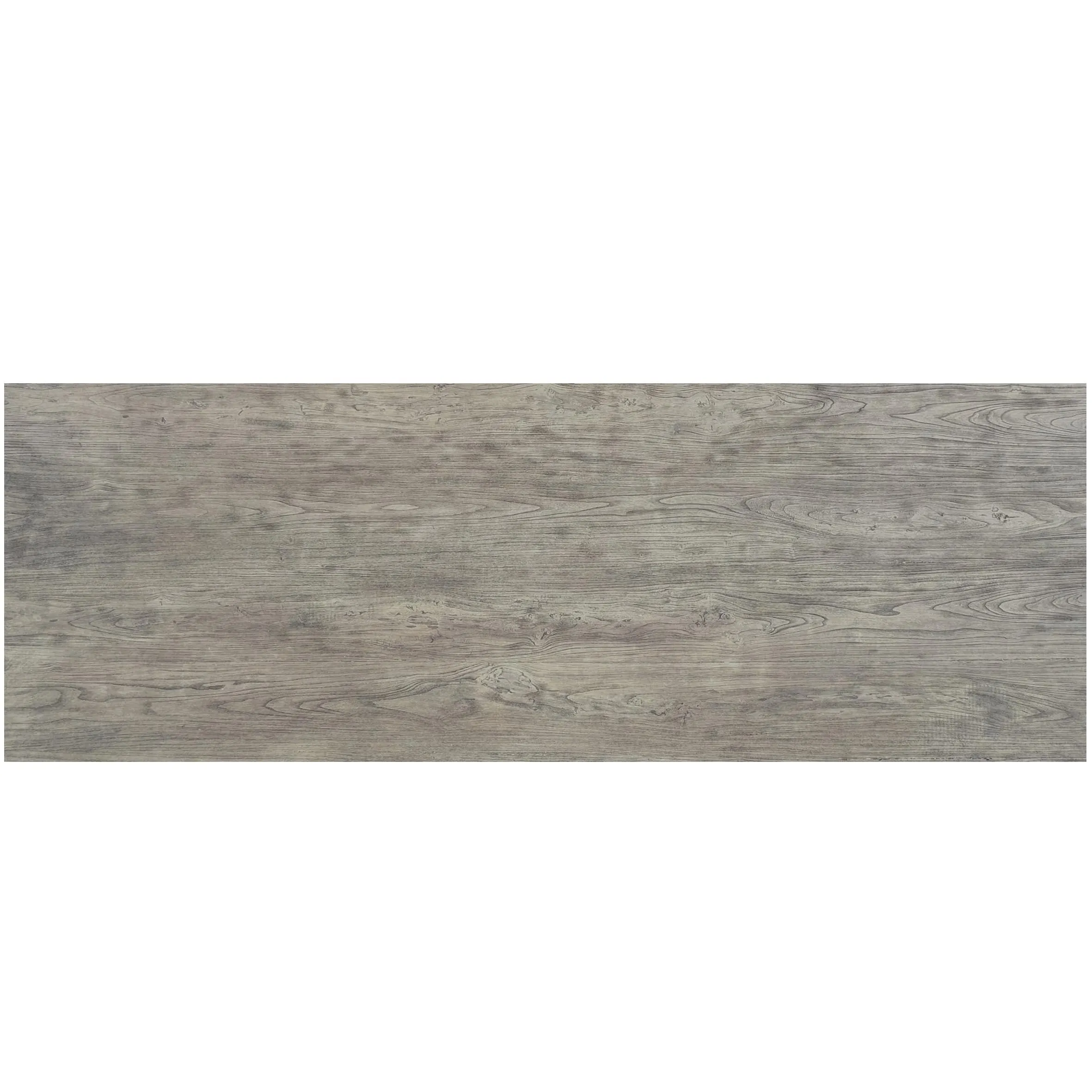
Walking into a bustling café downtown last month, I struck up a conversation with the owner, Maria. She'd recently renovated the space, and her eyes lit up as she described the warm, inviting vibe she'd aimed for—exposed wooden beams, earthy textures, and a color palette that felt like a hug. But when I asked about the materials she'd chosen, her tone shifted. "You know, the hardest part wasn't picking the colors," she said. "It was knowing that whatever I put on these walls and ceilings had to keep people safe. A fire? That's my worst nightmare."
Maria's concern isn't unique. For anyone designing or renovating a commercial space—whether it's a restaurant, office, retail store, or hotel—fire safety isn't just a box to check. It's the foundation of trust. You want customers to feel comfortable, employees to feel secure, and regulators to know you've prioritized protection. That's where materials like MCM Wood Grain Board come into play: blending the aesthetic warmth businesses crave with the fire resistance they can't afford to compromise on. Let's dive into what makes this material a standout choice, its safety ratings, and why it's becoming a go-to for commercial spaces worldwide.
Commercial spaces are high-traffic zones, often packed with people, electrical equipment, and in some cases, flammable materials (think kitchen grease in restaurants or fabric displays in retail). According to the National Fire Protection Association (NFPA), U.S. fire departments respond to over 3,300 office building fires and 7,400 restaurant fires annually. Even a small incident can lead to injuries, property damage, or worse. That's why building codes—from the International Building Code (IBC) to local regulations—are strict about fire-rated materials. They dictate everything from wall coverings to ceiling panels, ensuring that in the event of a fire, materials slow its spread, emit minimal smoke, and buy precious time for evacuation.
But here's the catch: traditional fire-resistant materials often feel… clinical. Heavy concrete, plain drywall, or industrial metals. They get the job done, but they don't always align with the brand identity businesses want to convey. A tech startup might want a sleek, modern look; a boutique café might lean into rustic charm. This is the tension Maria faced: how to balance safety with soul. MCM Wood Grain Board solves this by offering the best of both worlds.
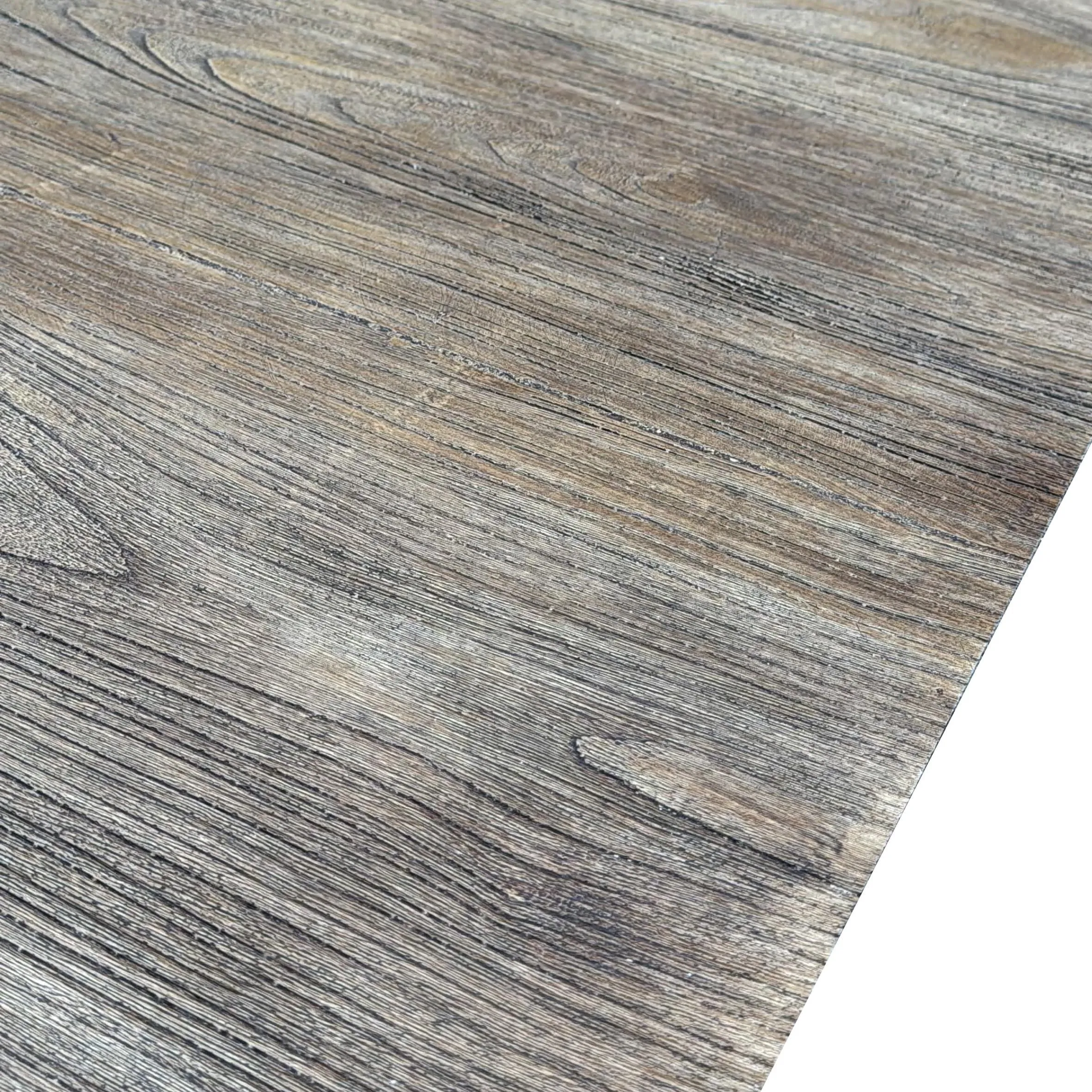
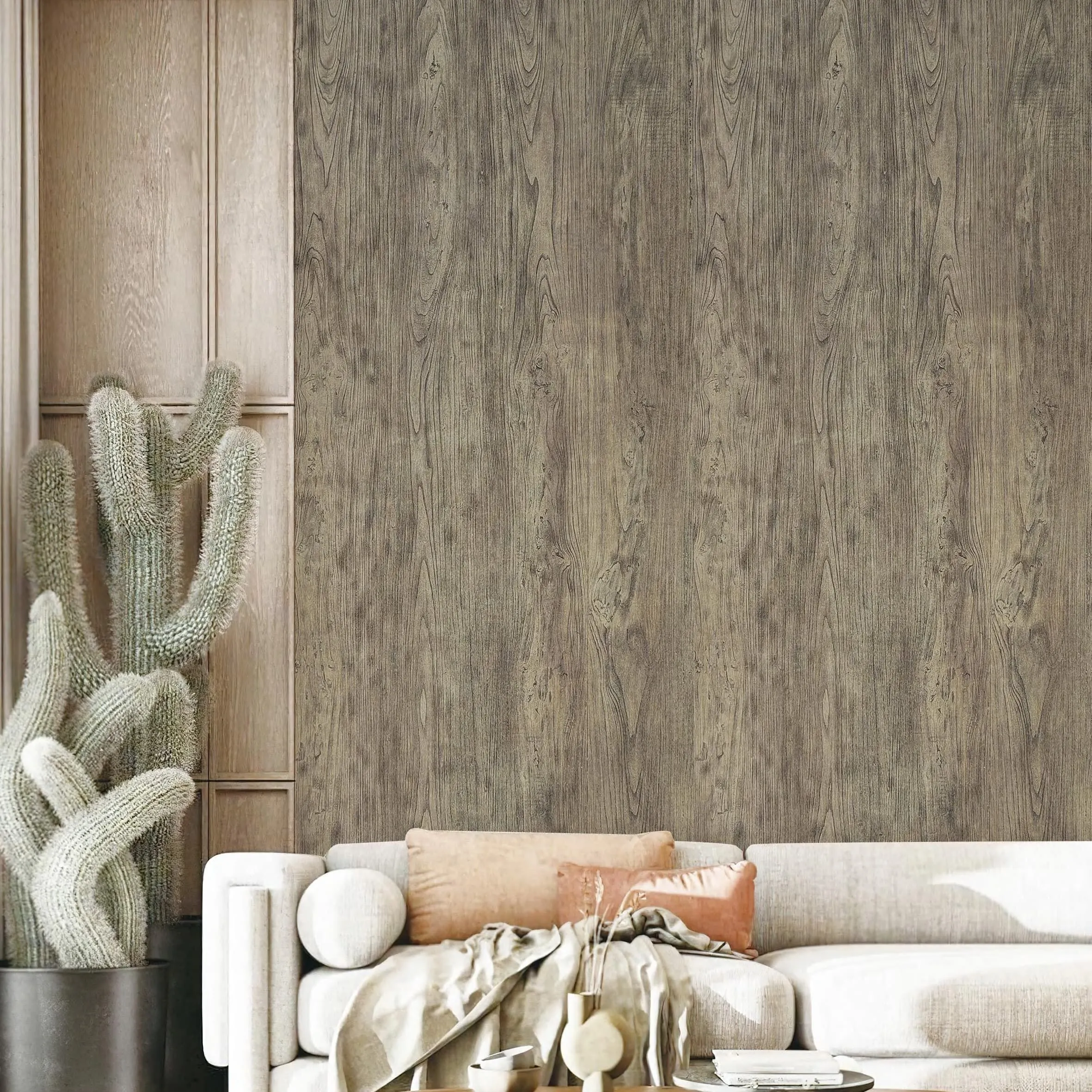
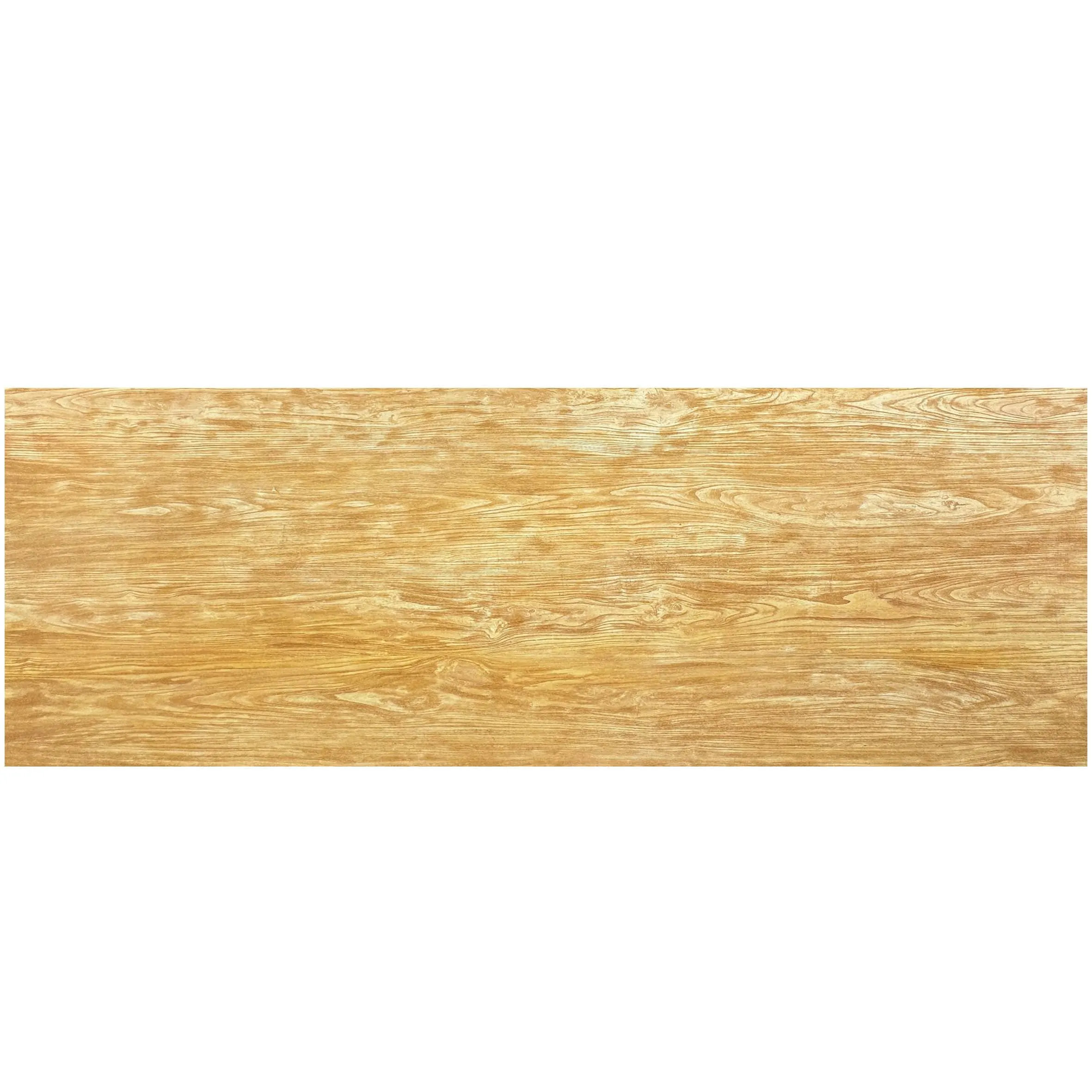
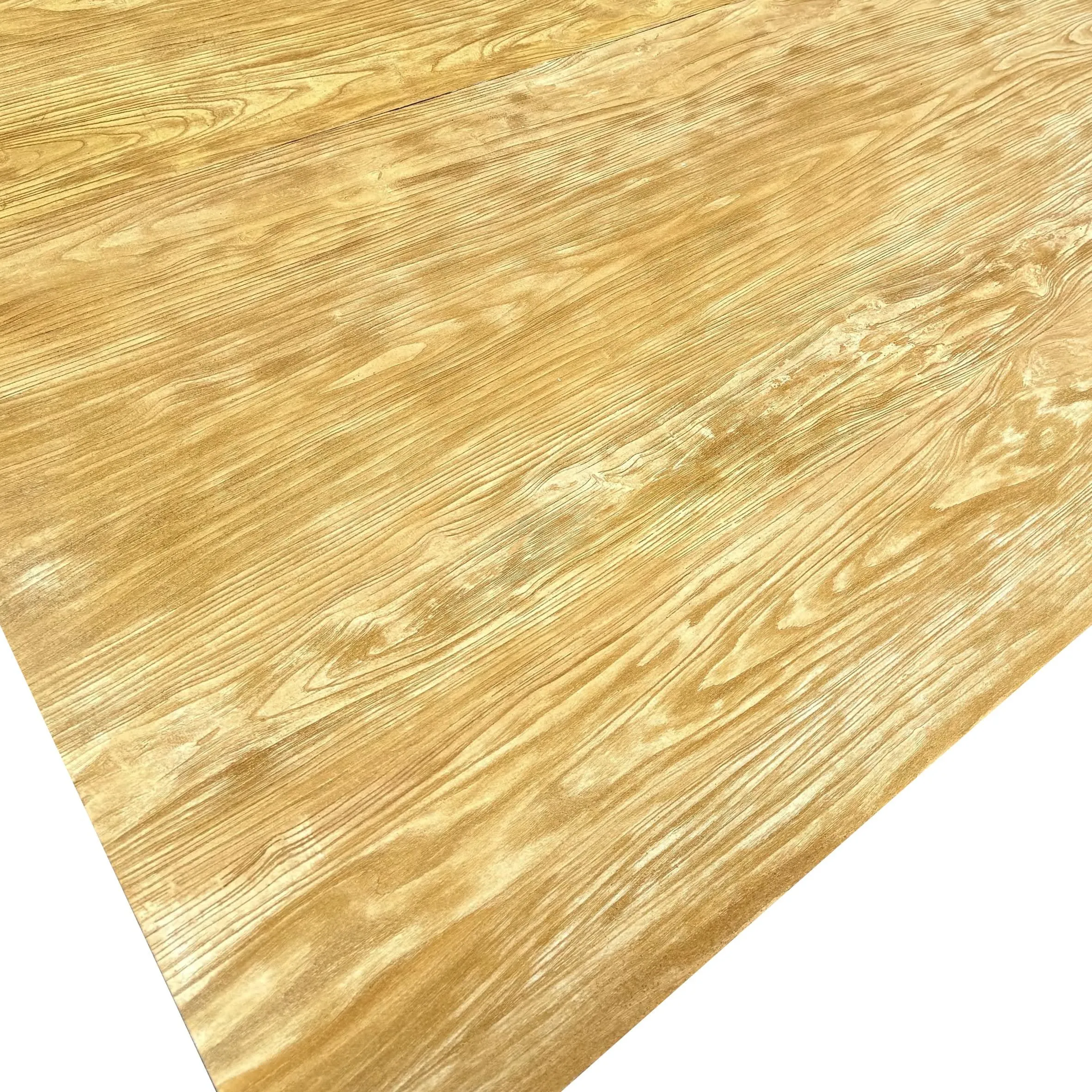
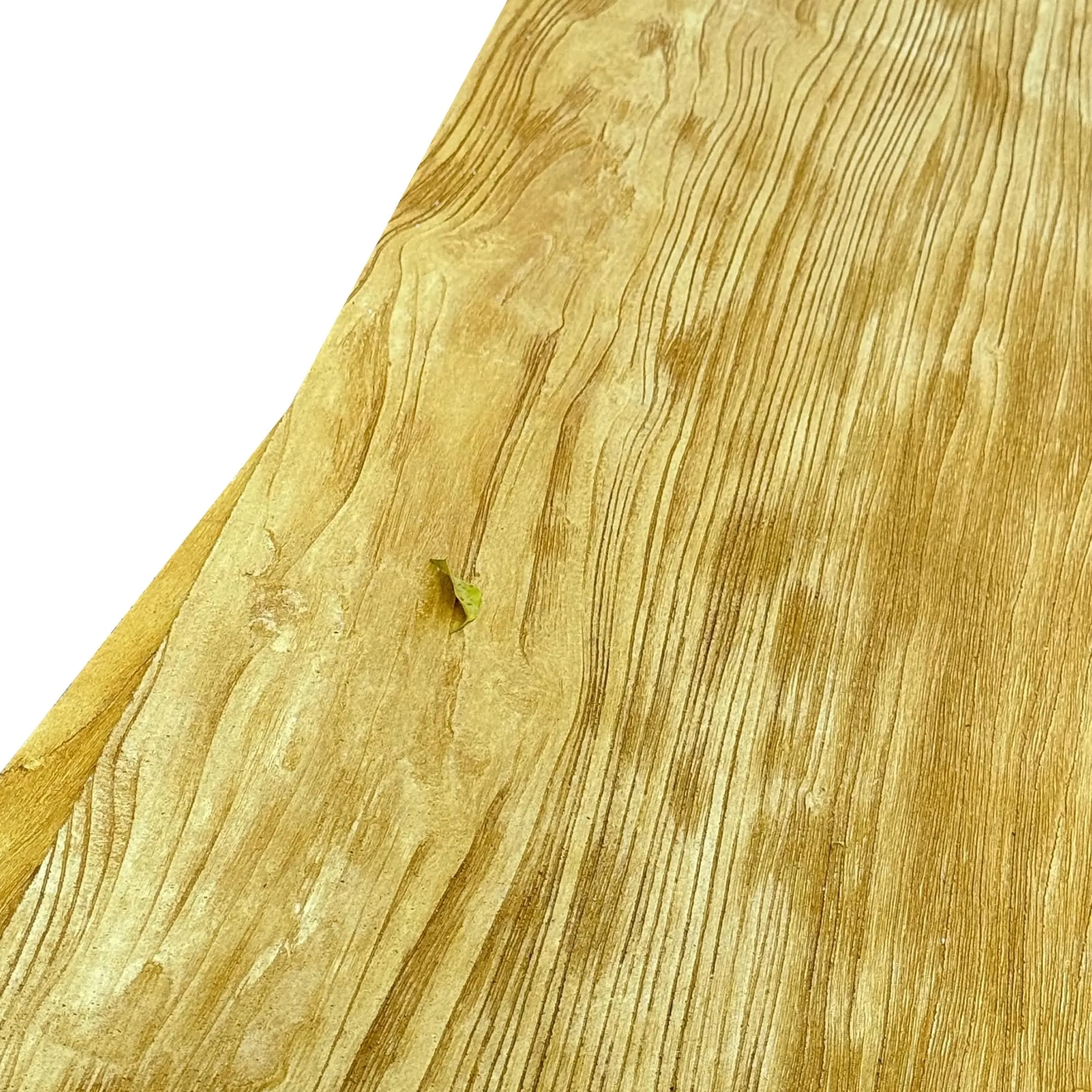
First, let's clarify: MCM stands for Modified Composite Material, a category of engineered materials designed to mimic natural textures—wood, stone, metal—while outperforming them in durability, sustainability, and yes, fire resistance. MCM Wood Grain Board is a star in this lineup, crafted to replicate the look and feel of real wood—complete with grain patterns, knots, and warm tones—without the fire risks of solid timber.
So how is it made? Think of it as a sandwich: a core of fire-retardant materials (often mineral-filled polymers or fiberglass) is layered between thin, high-performance surface films that mimic wood. This construction isn't just about looks. It's engineered to withstand high temperatures, resist ignition, and limit the spread of flames. Unlike real wood, which can catch fire quickly and burn aggressively, MCM Wood Grain Board is designed to char slowly, maintain structural integrity longer, and release less toxic smoke—all critical factors in fire safety.
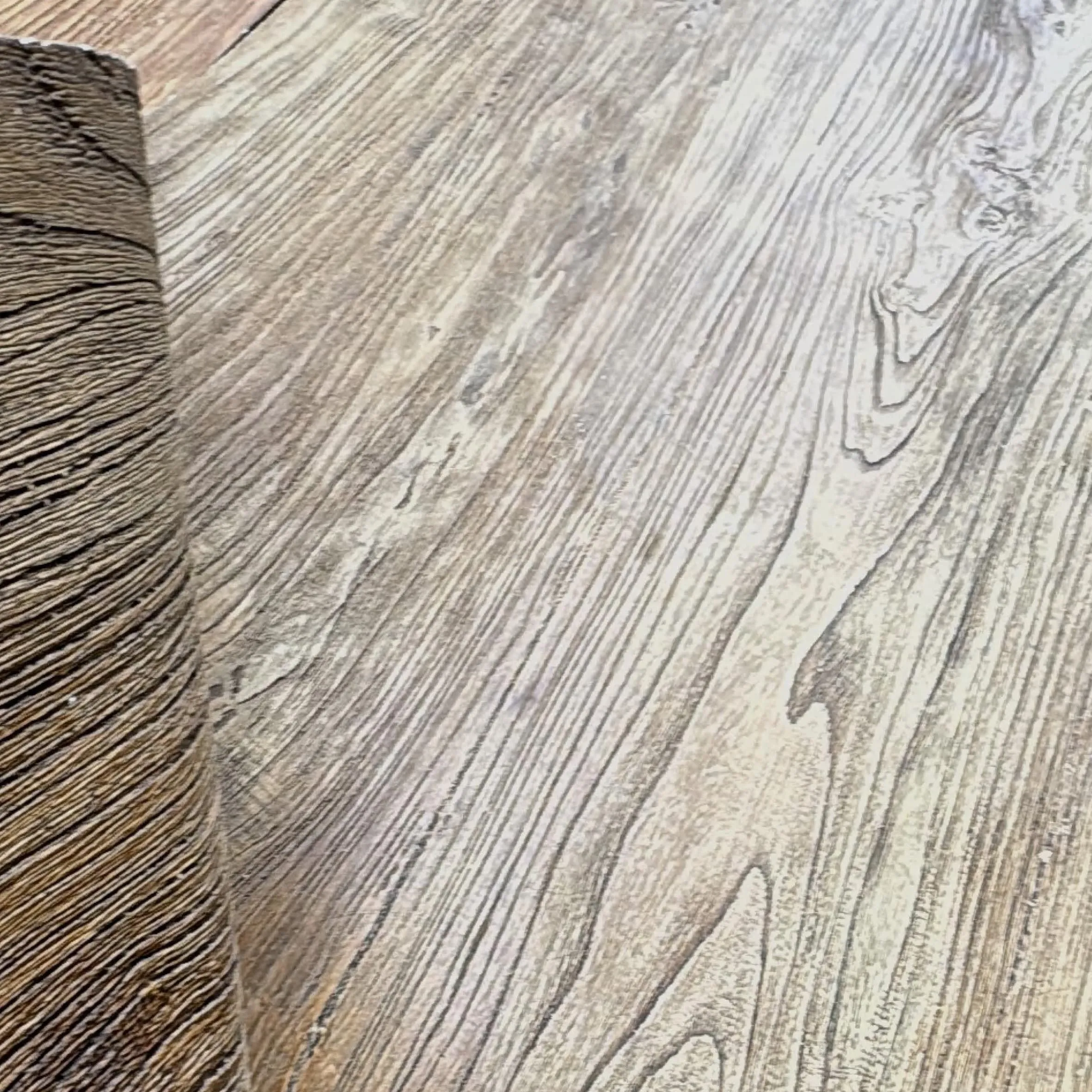
Fire resistance isn't a vague claim; it's measured through rigorous testing. MCM Wood Grain Board undergoes a battery of assessments to earn its credentials, and understanding these ratings helps businesses like Maria make informed choices. Let's break down the key standards:
If you've ever heard the term "flame spread index," this is where it comes from. ASTM E84, also known as the Steiner Tunnel Test, measures how quickly fire spreads across a material's surface and how much smoke it produces. Materials are rated on two scales: Flame Spread Index (FSI) and Smoke Developed Index (SDI). A lower FSI means slower spread; a lower SDI means less smoke.
MCM Wood Grain Board typically scores an FSI of 0–25, placing it in the "Class A" category—the highest rating for fire resistance. To put that in perspective: untreated wood can have an FSI of 75–400, while Class A materials like brick or stone fall in the 0–25 range. That means if a fire starts, MCM Wood Grain Board won't act as fuel; it will resist burning and slow the fire's progress. Its SDI is equally impressive, often below 50, ensuring that in a fire, visibility remains higher (critical for evacuation) and toxic smoke inhalation risks are reduced.
For businesses operating in Europe or adhering to international standards, EN 13501-1 is the benchmark. This standard classifies materials based on reaction to fire, with ratings like A1 (non-combustible), A2 (limited combustibility), B, C, D, E, and F (increasingly flammable). MCM Wood Grain Board typically falls into A2-s1, d0 or A2-s2, d0 categories. The "s" refers to smoke production (s1 = very low, s2 = low), and "d" refers to flaming droplets (d0 = no droplets). For commercial spaces, A2 ratings are ideal—they offer peace of mind without sacrificing design flexibility.
When MCM Wood Grain Board is used as an exterior or interior wall cladding, it's often part of a larger assembly (think panels attached to a substrate like plywood or metal studs). NFPA 285 tests how these entire systems perform in a fire, ensuring that the combination of materials doesn't create a hidden fire hazard. MCM Wood Grain Board systems consistently pass this test, proving that they don't contribute to flame spread within wall cavities—a common weak point in many constructions.
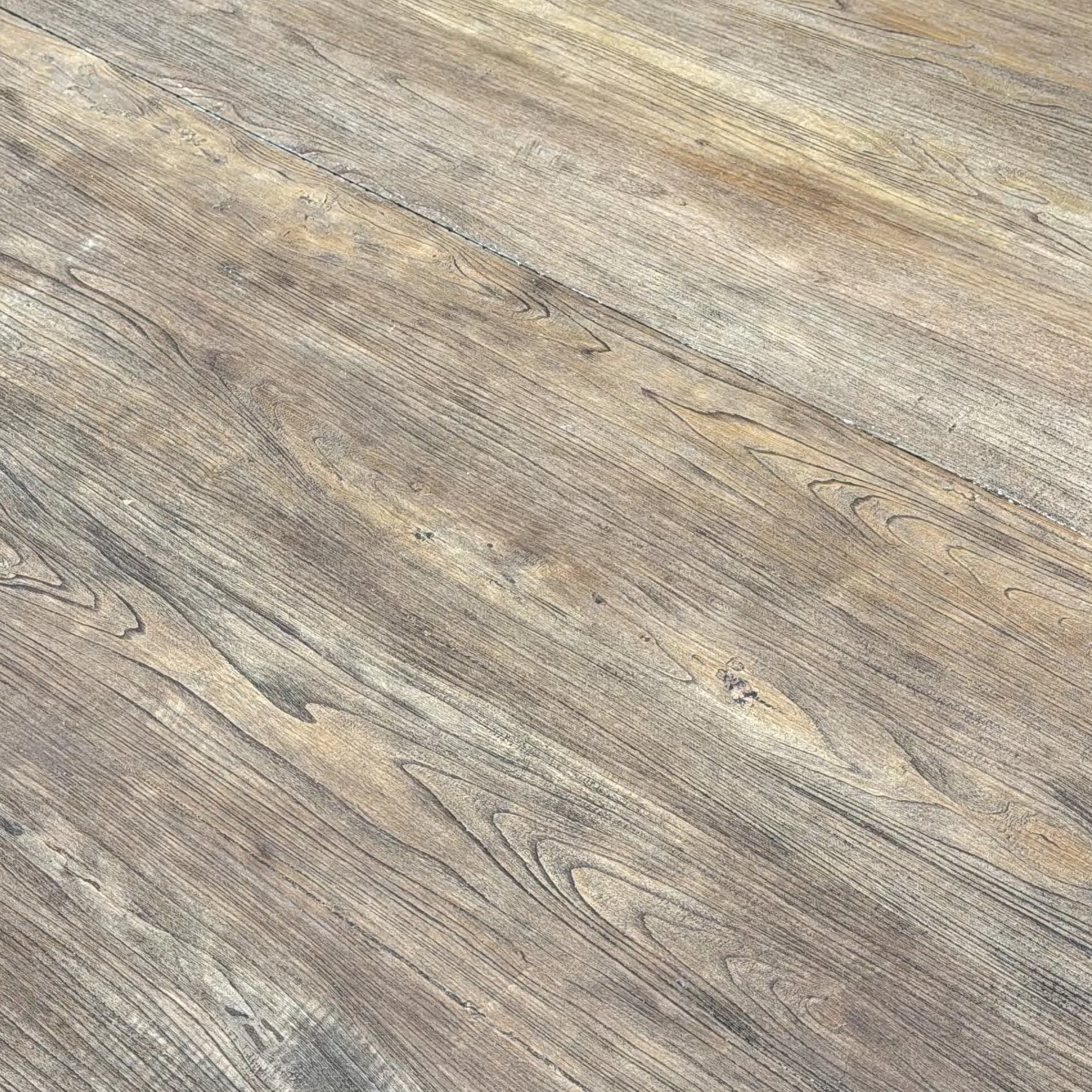
To really appreciate MCM Wood Grain Board's fire resistance, let's stack it against materials businesses often consider:
| Material | Flame Spread Index (ASTM E84) | Smoke Production (EN 13501-1) | Key Fire Risk |
|---|---|---|---|
| MCM Wood Grain Board | 0–25 (Class A) | s1 (very low smoke) | Minimal: Resists ignition, chars slowly, no flaming droplets |
| Solid Wood Paneling | 75–400 (Class C or unrated) | s3 (high smoke) | Highly flammable; burns rapidly, releases toxic smoke |
| Vinyl Wall Coverings | 50–100 (Class B) | s2–s3 (moderate to high smoke) | Melts and drips flaming material; releases harmful gases |
| Unfinished Drywall | 0–25 (Class A) | s1 (very low smoke) | Durable but lacks aesthetic appeal; requires additional finishing |
| Natural Stone (e.g., Marble) | 0–25 (Class A) | s1 (very low smoke) | Heavy; difficult to install on large surfaces; limited design options |
The takeaway? MCM Wood Grain Board matches or exceeds the fire safety of non-combustible materials like drywall and stone while offering the warmth of wood. It outperforms vinyl and solid wood by a mile, making it a no-brainer for spaces where both safety and aesthetics matter.
Let's step out of the test lab and into real spaces. Here are a few examples of how businesses are using MCM Wood Grain Board to balance safety and style:
Restaurants are fire risk hotspots—stoves, ovens, electrical appliances, and sometimes open flames (hello, candlelit dinners). MCM Wood Grain Board is a favorite for accent walls, ceiling panels, and even backsplashes. Take a popular chain in Chicago that recently renovated its locations: they replaced old wooden wainscoting with MCM Wood Grain Board in a rich walnut finish. The vibe? Still warm and inviting. The difference? The new panels are Class A fire-rated, so even if a kitchen fire sparks, the walls won't fuel its spread. Plus, they're easy to clean—no more worrying about grease buildup weakening fire resistance.
Modern offices often opt for open layouts with exposed ceilings and collaborative spaces. MCM Wood Grain Board adds texture to these areas without compromising safety. A tech firm in Seattle used it to clad their meeting room walls, pairing it with glass partitions for a sleek, industrial-chic look. During a routine fire inspection, the inspector noted that the MCM panels would delay flame spread by up to 30 minutes compared to traditional wood—time that could mean the difference between a contained incident and a disaster.
Retailers live and die by their brand's visual identity. A luxury boutique might want a high-end, woodsy feel; a children's store might lean into playful, natural textures. MCM Wood Grain Board lets them do both safely. A clothing brand in New York used it for their in-store displays and fitting room walls, choosing a light oak finish that complemented their organic clothing line. When asked why, the store manager said, "We didn't want to choose between looking good and keeping our customers safe. This material let us have both. And honestly? Our customers comment on how 'real' it looks—they can't believe it's not solid wood."
MCM Wood Grain Board is just one player in the MCM lineup, and many of its siblings bring similar fire-resistant benefits. For example, MCM Flexible Stone offers the look of natural stone—think the earthy greens of travertine (starry green) or the dynamic patterns of wave panel—with the same A2 or Class A fire ratings. It's lightweight, easy to install on curved surfaces, and perfect for accent walls or exterior cladding. Imagine a hotel lobby with a feature wall of wave panel in soft greys: it adds movement and elegance, but if a fire breaks out, it won't contribute to the blaze.
Then there's the MCM Big Slab Board Series, designed for larger applications like ceiling panels or exterior facades. These slabs come in a range of textures—from the rough-hewn look of boulder slab to the sleek finish of fair-faced concrete—and are engineered to meet the strictest fire codes. A convention center in Dubai recently used them for their main hall ceiling, spanning over 10,000 square feet. The result? A grand, open space that feels airy and modern, with the peace of mind that every inch of that ceiling is fire-tested.
Fire safety is the headline, but MCM Wood Grain Board has more to offer. Let's talk about the extras that make it a long-term investment:
Unlike solid wood, MCM Wood Grain Board doesn't warp, crack, or rot. It's resistant to moisture, pests, and UV rays, so it holds up in high-humidity spaces (looking at you, indoor pools or coastal restaurants) or areas with direct sunlight. Maria, the café owner I mentioned earlier,, "I used to repaint my wooden accent wall every year because it would fade or get water damage from the coffee machines. With MCM, it still looks brand new two years later. That's money saved on maintenance."
MCM materials are often made with recycled content and require less energy to produce than traditional stone or solid wood. They're also lightweight, which reduces transportation emissions. For businesses prioritizing eco-friendly practices, this is a win. A co-working space in Portland proudly displays their "sustainably sourced" badge, thanks in part to their MCM Wood Grain Board walls. It's a selling point for environmentally conscious members—and a reminder that safety and sustainability can go hand in hand.
MCM Wood Grain Board comes in a range of finishes—from light ash to dark walnut, smooth to textured—and can be cut, shaped, or curved to fit any design vision. Want a herringbone pattern on your feature wall? No problem. Need panels that wrap around a column? Easy. It even pairs beautifully with other MCM products, like woven textures or metallic foamed aluminium alloy board (vintage silver), for a layered, custom look. As one architect put it, "MCM doesn't box you into 'safe' designs. It lets you be bold—because you know the safety is already there."
At the end of the day, commercial spaces are about people—connecting, working, celebrating. Fire safety shouldn't make those spaces feel cold or clinical. MCM Wood Grain Board gets that. It's a material that says, "We care about how you feel, and we care about keeping you safe." It's for the Maria's of the world, who want their customers to walk in and think, "This place feels like home"—and to walk out knowing they were protected the whole time.
Whether you're designing a cozy café, a bustling office, or a high-end retail store, remember: fire resistance isn't a trade-off. With materials like MCM Wood Grain Board, it's a foundation—one that lets your space's personality shine, without ever compromising on what matters most.
Recommend Products












