
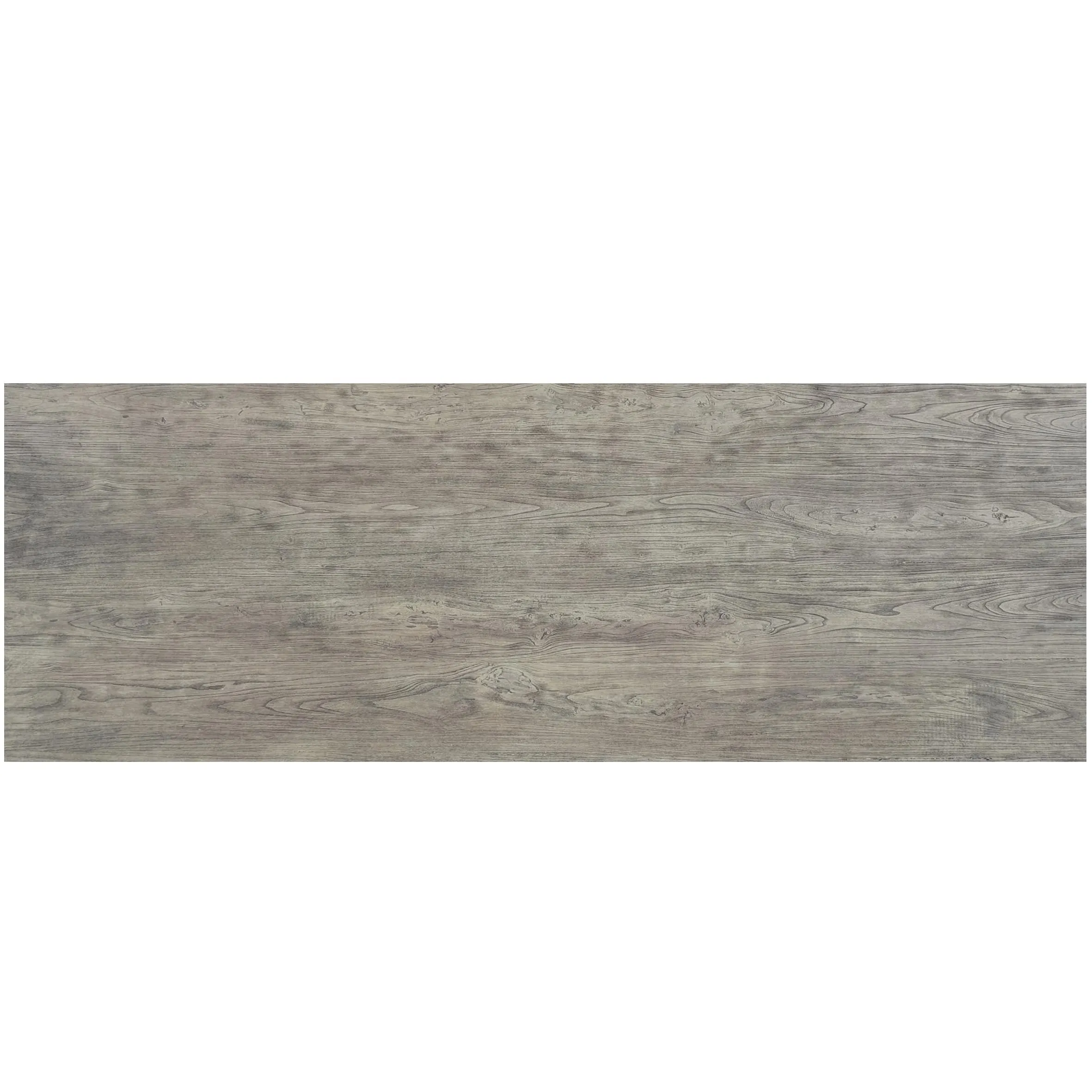
Elevating healing spaces with nature-inspired design and clinical-grade functionality
Walk into any healthcare facility, and the first thing you notice isn't just the smell of antiseptic or the hum of medical equipment—it's the feel of the space. Cold, sterile walls can heighten anxiety; harsh lighting can strain tired eyes; and surfaces that feel unwelcoming? They don't just look uninviting—they can make patients, families, and even staff feel disconnected from the comfort they need most. In a place where healing is the goal, every detail matters. And that includes the materials we choose to build with.
Healthcare design has come a long way from the stark, utilitarian spaces of the past. Today, we know that environment plays a critical role in patient outcomes. Studies show that spaces with natural elements—warm textures, soft colors, organic patterns—can reduce stress, lower blood pressure, and even speed up recovery times. But healthcare materials can't just be "nice to look at." They need to fight bacteria, stand up to endless cleaning, and keep up with the chaos of a busy hospital or clinic. That's where MCM Wood Grain Board steps in: a material that doesn't just check the boxes for functionality, but brings a little bit of warmth back to spaces that need it most.
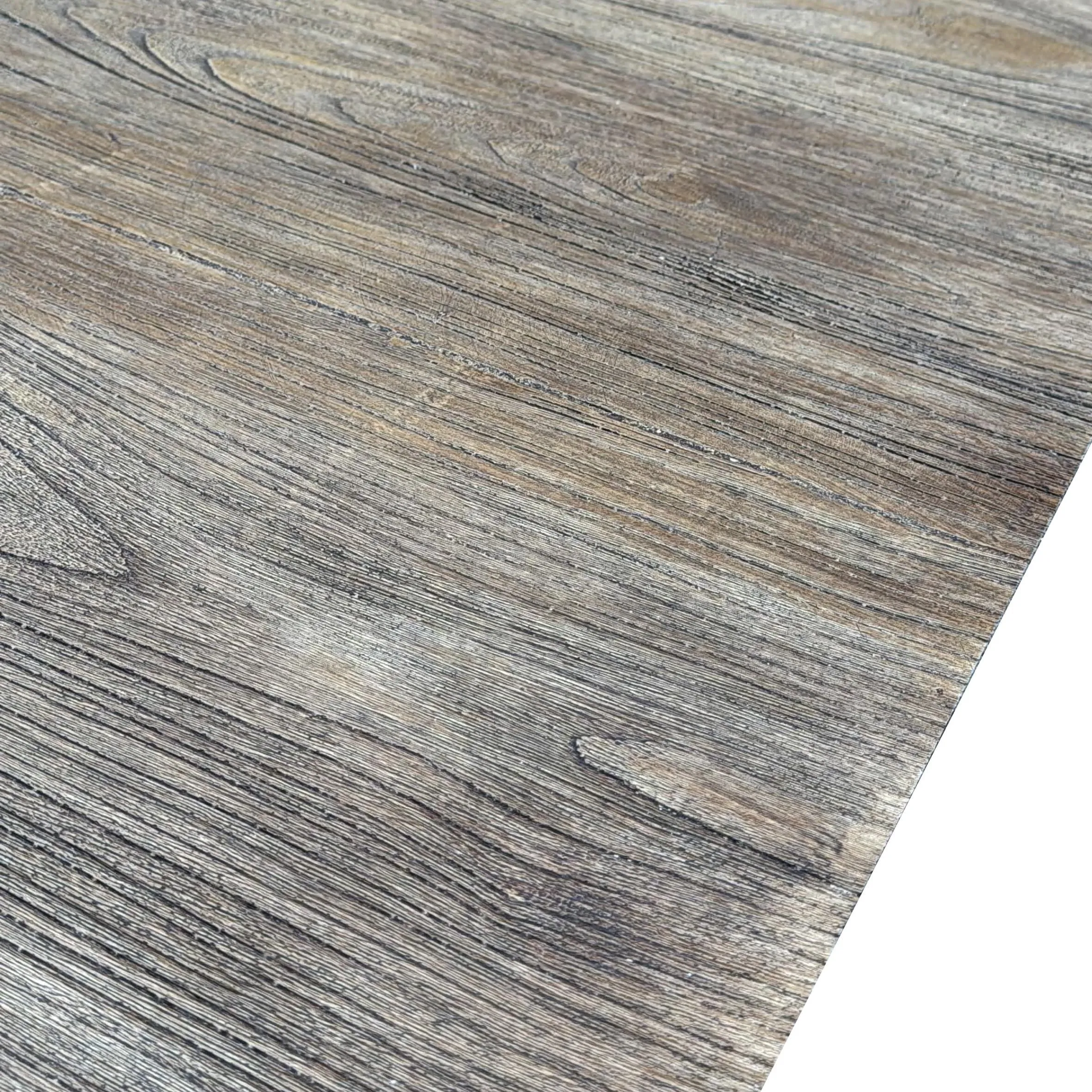
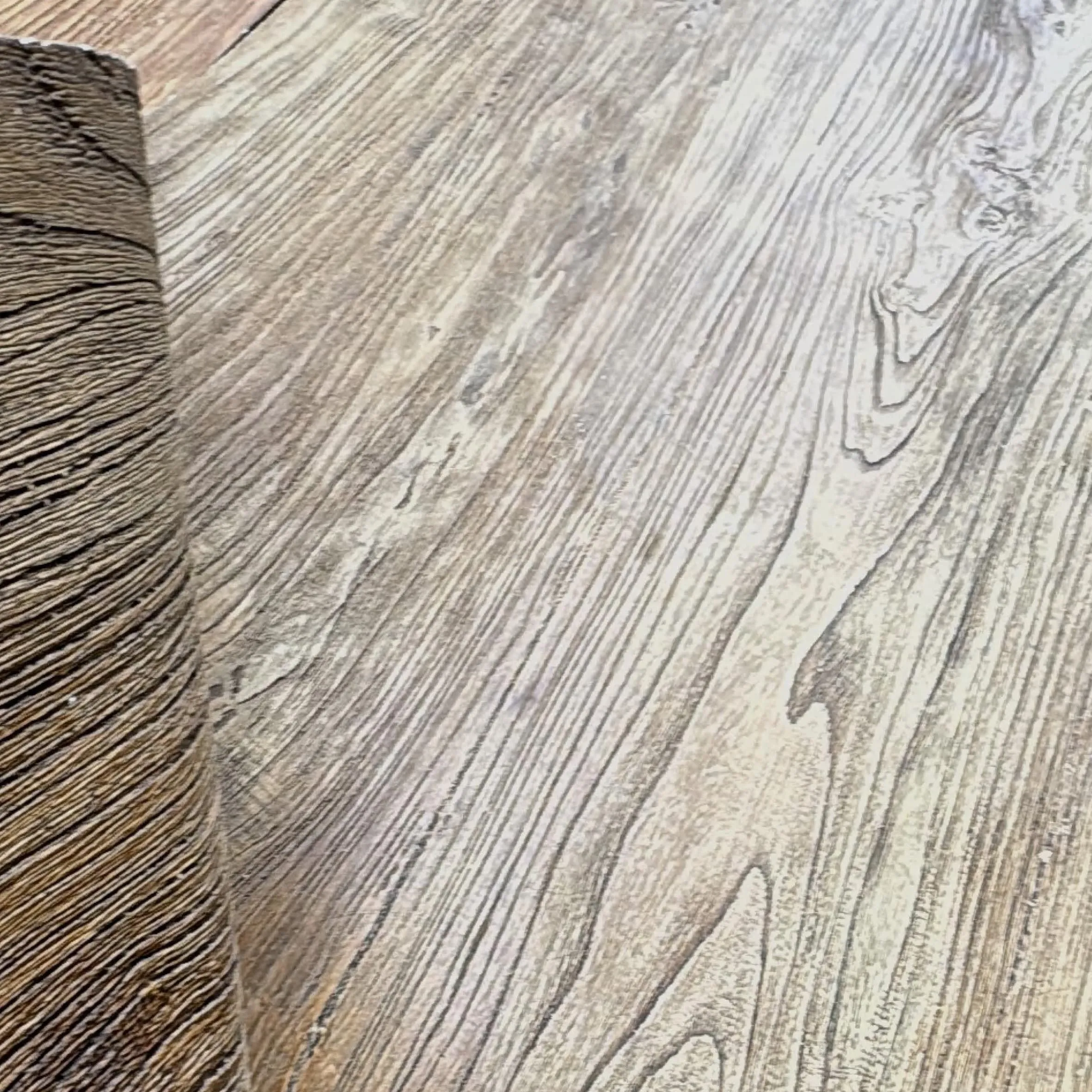
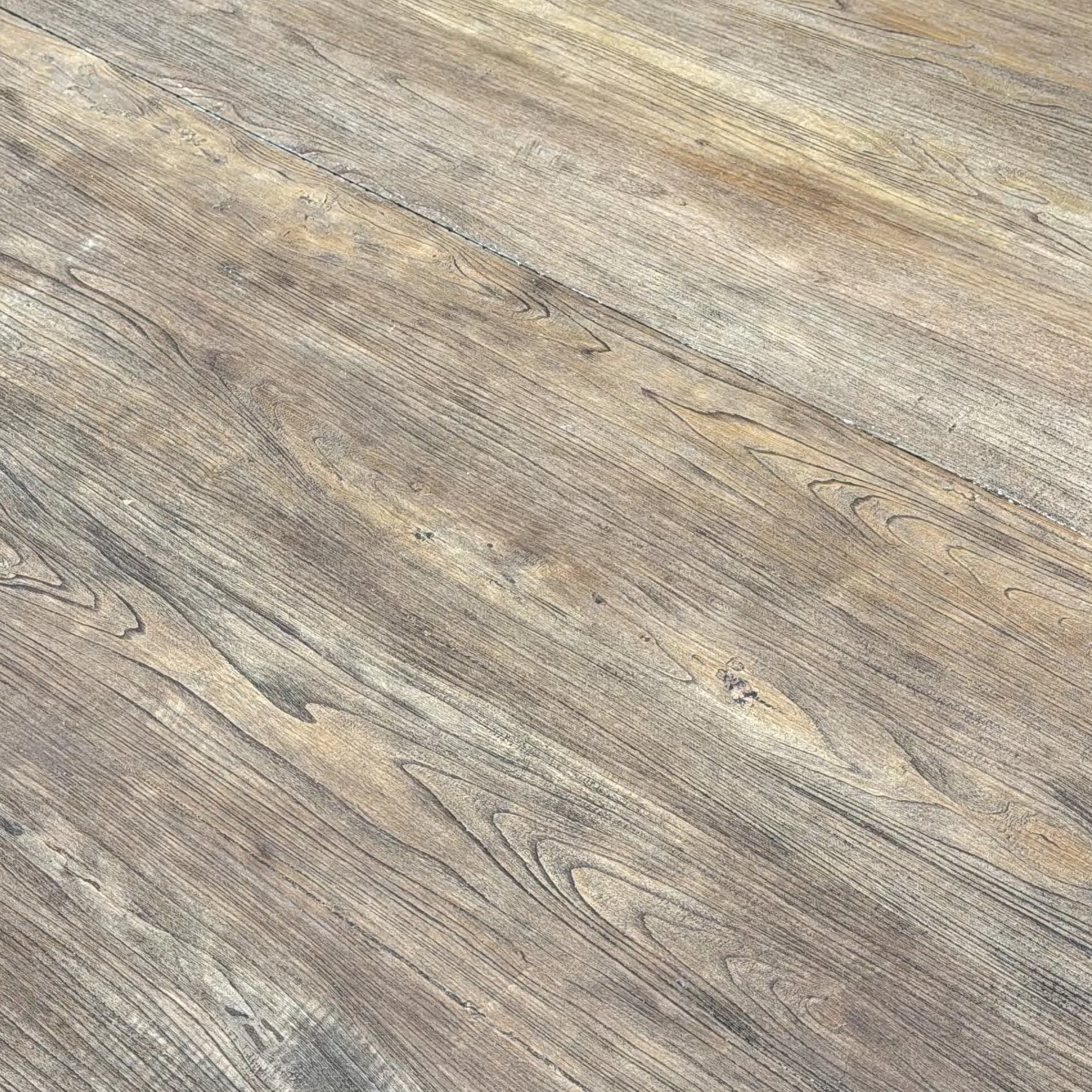
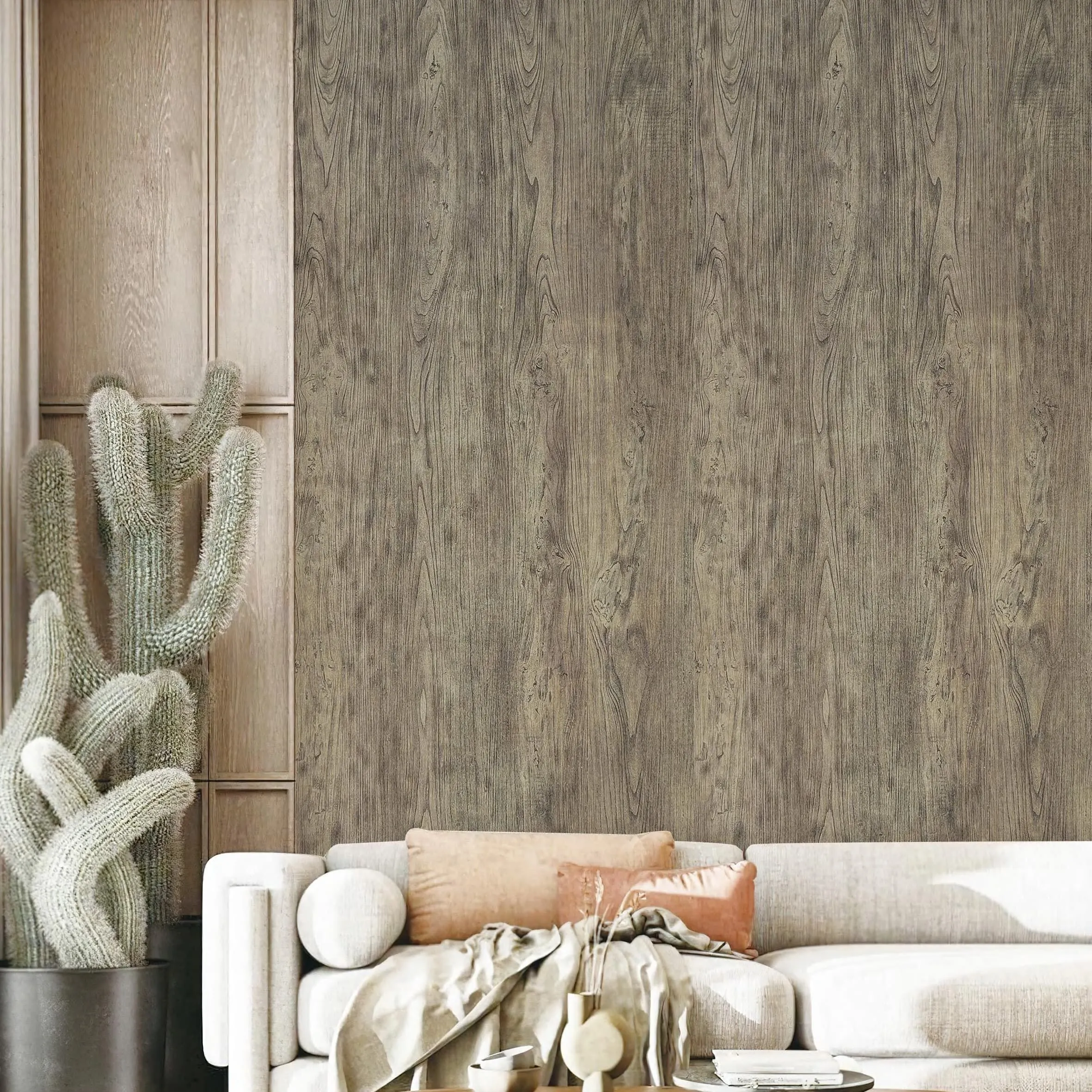
Imagine a patient, recovering from surgery, lying in bed. Outside the window, maybe there's a tree, but inside, the walls are a flat, institutional beige. Now, picture those same walls wrapped in the soft, familiar texture of wood—warm, inviting, like a snippet of home. That's the power of MCM Wood Grain Board. It captures the organic beauty of real wood—the subtle grain patterns, the gentle variation in tone—without any of the drawbacks that make real wood a nightmare in healthcare settings.
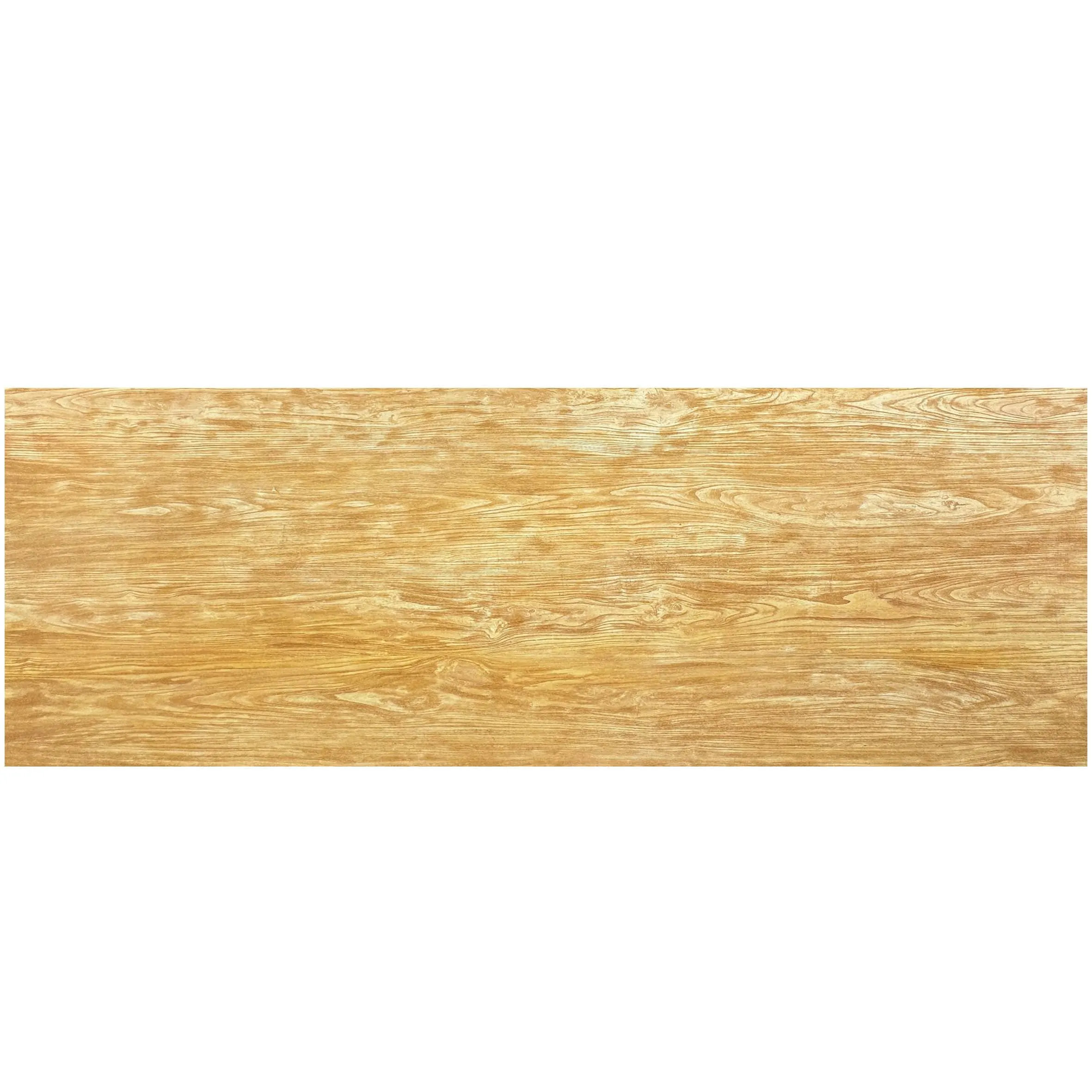
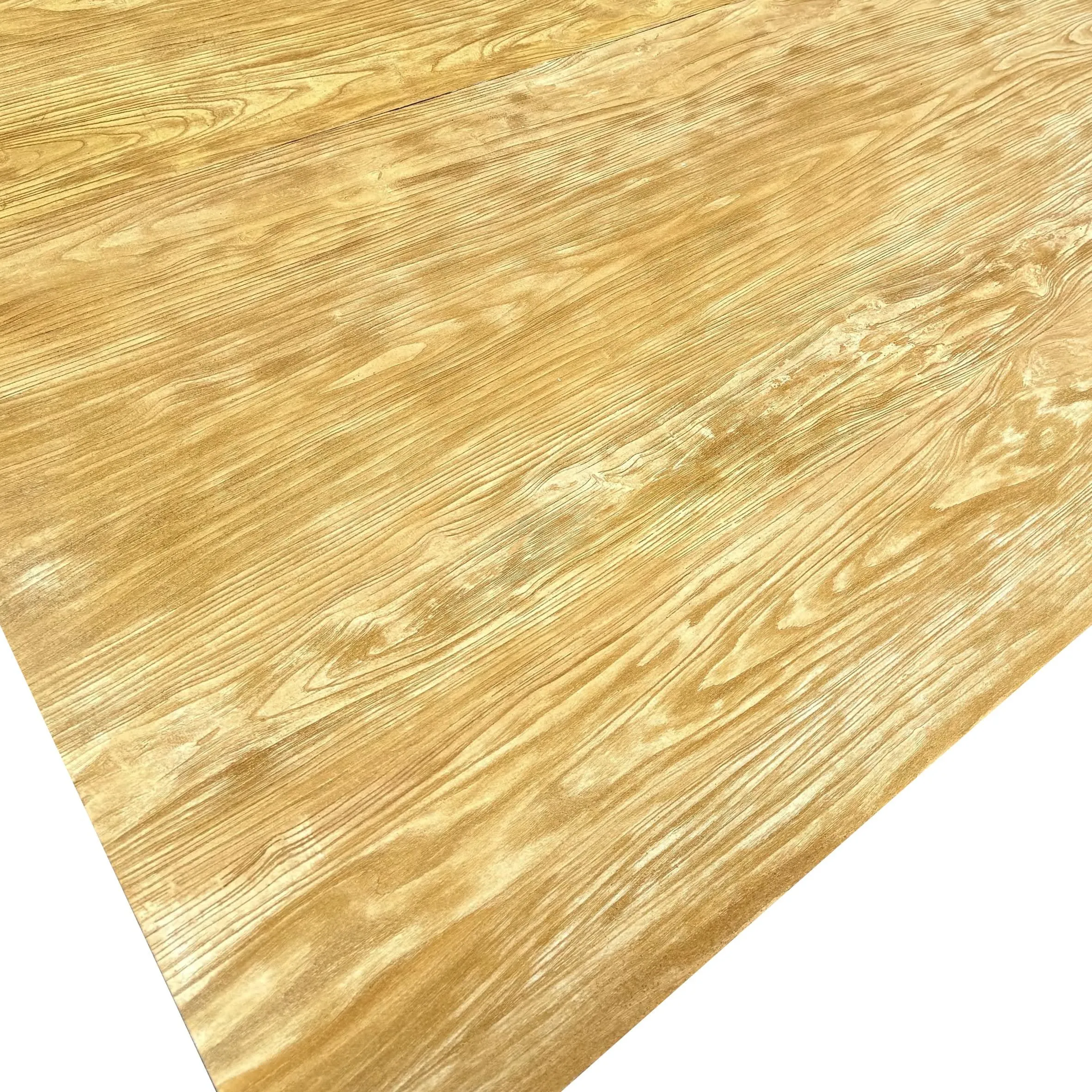
Real wood has a timeless charm, but in healthcare, it's a liability. It warps with moisture, scratches easily, and harbors bacteria in its porous surface. MCM Wood Grain Board solves that by using modified composite materials (MCM) to replicate wood's warmth—down to the tiny details of knot patterns and grain direction—while being 100% synthetic. The result? A surface that feels authentic , not like a cheap imitation. Whether it's the soft claybank hues of linear travertine or the rich depth of wood grain board, these panels add a layer of visual comfort that helps patients relax. In waiting rooms, where stress runs high, that warmth can turn a tense atmosphere into one that feels almost… calming.
In healthcare, "easy to clean" isn't a luxury—it's a necessity. MCM Wood Grain Board's non-porous surface is a game-changer here. Unlike real wood, which can trap germs in cracks and pores, these panels repel liquids and resist bacterial growth. A quick wipe with disinfectant is all it takes to keep them sterile, even in high-traffic areas like nurse stations or patient bathrooms. For staff, that means less time scrubbing and more time focusing on patient care. For patients, it means one less worry about hospital-acquired infections. It's a small detail, but in a space where health is everything, it matters.
Healthcare spaces are tough on materials. Stretchers bump into walls, wheelchairs scrape floors, and cleaning crews use harsh chemicals daily. MCM Wood Grain Board is built to withstand all of that. It's scratch-resistant, so a stray wheelchair wheel won't leave a permanent mark. It's water-resistant, making it ideal for areas like recovery rooms or therapy pools where moisture is common. And unlike real wood, it won't fade under harsh fluorescent lighting or warp in humid conditions. This durability isn't just about longevity—it's about keeping spaces looking fresh and welcoming, even after years of heavy use.
MCM Wood Grain Board is a standout, but it's just one piece of the puzzle. The MCM product line includes a range of materials designed to work together, giving healthcare designers the flexibility to create cohesive, functional spaces. Let's explore two key players: MCM Flexible Stone and the MCM Project Board Series.
Healthcare design isn't all straight walls and flat surfaces. Maybe a pediatric clinic wants a rounded accent wall to feel friendlier, or a rehabilitation center needs a curved partition to divide therapy spaces. That's where MCM Flexible Stone shines. As the name suggests, this material bends—allowing designers to create soft, organic shapes that break up the rigidity of traditional healthcare architecture. It comes in a range of textures, from the smooth elegance of marble veil white to the earthy texture of gobi panel, and it's lightweight enough to install on curved surfaces without heavy structural support. Best of all, it shares the same hygienic and durable properties as MCM Wood Grain Board, so style never compromises safety.
Hospitals and medical campuses are massive undertakings. When you're covering thousands of square feet, consistency is key. The MCM Project Board Series is engineered for exactly that. These panels are manufactured to strict quality standards, ensuring uniform color, thickness, and texture across every piece. No more mismatched batches or frustrating delays because a shipment arrived with inconsistent patterns. For designers working on large projects—like a new wing of a hospital or a sprawling outpatient center—this reliability is a lifesaver. It also means faster installation, since panels can be pre-cut to size and installed in sections, minimizing disruption to ongoing healthcare services.
In healthcare, every decision comes down to two questions: "Will this improve patient care?" and "Can we afford it—both now and later?" MCM materials check both boxes, thanks to their ease of installation, low maintenance costs, and eco-friendly design.
Traditional building materials like marble or granite are heavy—requiring cranes, specialized labor, and days (or weeks) of installation. MCM panels, including Wood Grain Board and Flexible Stone, are lightweight (often less than 5kg per square meter) and easy to handle. That means two things: lower labor costs and less downtime. In a hospital, where construction can't interrupt patient care, this is a game-changer. Imagine renovating a patient wing over a weekend instead of a month—all because the materials are light enough to carry by hand and install with basic tools. It's not just efficient; it's respectful of the healthcare facility's primary mission: keeping patients safe and cared for.
Real wood needs staining, sealing, and refinishing every few years. Natural stone can etch with acidic cleaners. MCM materials? They're practically maintenance-free. A quick wipe with a mild disinfectant is all it takes to keep them looking new. No special cleaners, no expensive treatments, no downtime for refinishing. Over the lifespan of a healthcare facility, that adds up to significant savings. For budget-strapped hospitals, where every dollar counts, that's not just a benefit—it's a necessity.
Healthcare is about healing, and that shouldn't stop at patients—it should extend to the planet. MCM materials are made with recycled content, including reclaimed stone and metal, and they're 100% recyclable at the end of their life. They also have low volatile organic compounds (VOCs), meaning they don't release harmful chemicals into the air—a critical feature for indoor air quality in healthcare spaces. Even better, their lightweight design reduces transportation emissions, and their durability means less frequent replacement, cutting down on waste. For healthcare facilities aiming for LEED certification or simply committed to sustainability, MCM is a responsible choice.
It's one thing to talk about benefits; it's another to see them in action. Let's take a look at how MCM Wood Grain Board and complementary products are transforming real healthcare spaces.
Patient rooms are where the healing happens, and stress is often at its highest. A study by the Journal of Environmental Psychology found that patients in rooms with natural elements reported 23% lower anxiety levels than those in sterile spaces. MCM Wood Grain Board brings that "natural element" indoors. At Citywide Medical Center in Boston, designers used wood grain board on accent walls in pediatric rooms, pairing it with soft lighting and nature-inspired art. Parents reported their children were calmer during stays, and nurses noted fewer instances of agitation. "It's like the walls themselves are helping to soothe the kids," one nurse said. "That makes our jobs easier, too."
Waiting rooms are often the first impression of a healthcare facility, and they're usually filled with tension. MCM materials are changing that. At Green Valley Clinic in Portland, the waiting area features MCM Flexible Stone in lunar peak silvery for the main walls, paired with wood grain board paneling on the reception desk. The result is a space that feels modern yet warm—more like a cozy café than a clinic. Patients now arrive early just to sit and read, and staff report a noticeable shift in mood: "People aren't as on edge," says the clinic administrator. "They smile more. That energy makes the whole clinic feel friendlier."
Hospital corridors see more foot traffic than almost any other space—staff rushing to emergencies, patients in wheelchairs, carts loaded with supplies. Real wood or even standard drywall would show wear within months. MCM Project Board Series panels, with their scratch-resistant surface and impact resistance, stand up to this chaos. At Regional Trauma Center in Chicago, corridors were renovated with MCM Project Board in lime stone (beige) and wood grain board accents. Two years later, the walls still look brand-new, with no dents, scratches, or discoloration. "We used to repaint corridors every six months," says the facilities manager. "Now? We might not need to touch them for five years. That's a huge cost savings."
Still wondering how MCM Wood Grain Board stacks up against other common healthcare materials? Let's break it down.
| Feature | MCM Wood Grain Board | Real Wood | Fair-Faced Concrete | Polish Concrete |
|---|---|---|---|---|
| Hygiene | Non-porous; resists bacteria; easy to disinfect | Porous; traps bacteria; hard to fully clean | Non-porous; easy to clean but cold, clinical feel | Non-porous; easy to clean but limited design options |
| Durability | Scratch/water/moisture resistant; 20+ year lifespan | Warp-prone; scratches easily; 5-7 year lifespan in healthcare | Durable but prone to staining; chips with impact | Durable but can crack with heavy impact |
| Aesthetics | Warm, natural wood look; customizable colors/patterns | Warm, authentic look but limited color options | Industrial, cold appearance; minimal warmth | Sleek, modern but lacks organic texture |
| Installation Cost | Moderate; lightweight = lower labor costs | High; expensive materials + specialized labor | High; heavy = higher structural/labor costs | Moderate-high; requires professional polishing |
| Maintenance Cost | Low; occasional cleaning only | High; regular staining, sealing, refinishing | Moderate; occasional sealing to prevent staining | Moderate; occasional resealing |
| Sustainability | Recycled materials; low VOC; 100% recyclable | Deforestation concerns; non-recyclable | High carbon footprint from production | High carbon footprint from production |
Healthcare design is evolving. It's no longer enough to build spaces that "work"—they need to heal . Holistic healthcare recognizes that physical health is tied to emotional well-being, and the environment plays a huge role in that. MCM materials, with their blend of functionality and warmth, are at the forefront of this shift.
Imagine a future where every healthcare space feels less like a "hospital" and more like a sanctuary—a place where the walls themselves contribute to healing. MCM Wood Grain Board, MCM Flexible Stone, and the MCM Project Board Series are making that future possible. They're not just building materials; they're tools for creating spaces that care for patients, support staff, and honor the hard work of healthcare professionals.
At the end of the day, healthcare is about people. And people deserve spaces that feel human. MCM Wood Grain Board doesn't just build walls—it builds connections: between patients and comfort, between staff and efficiency, between design and healing. That's the real power of MCM: it turns buildings into places where healing can truly begin.
Recommend Products












