
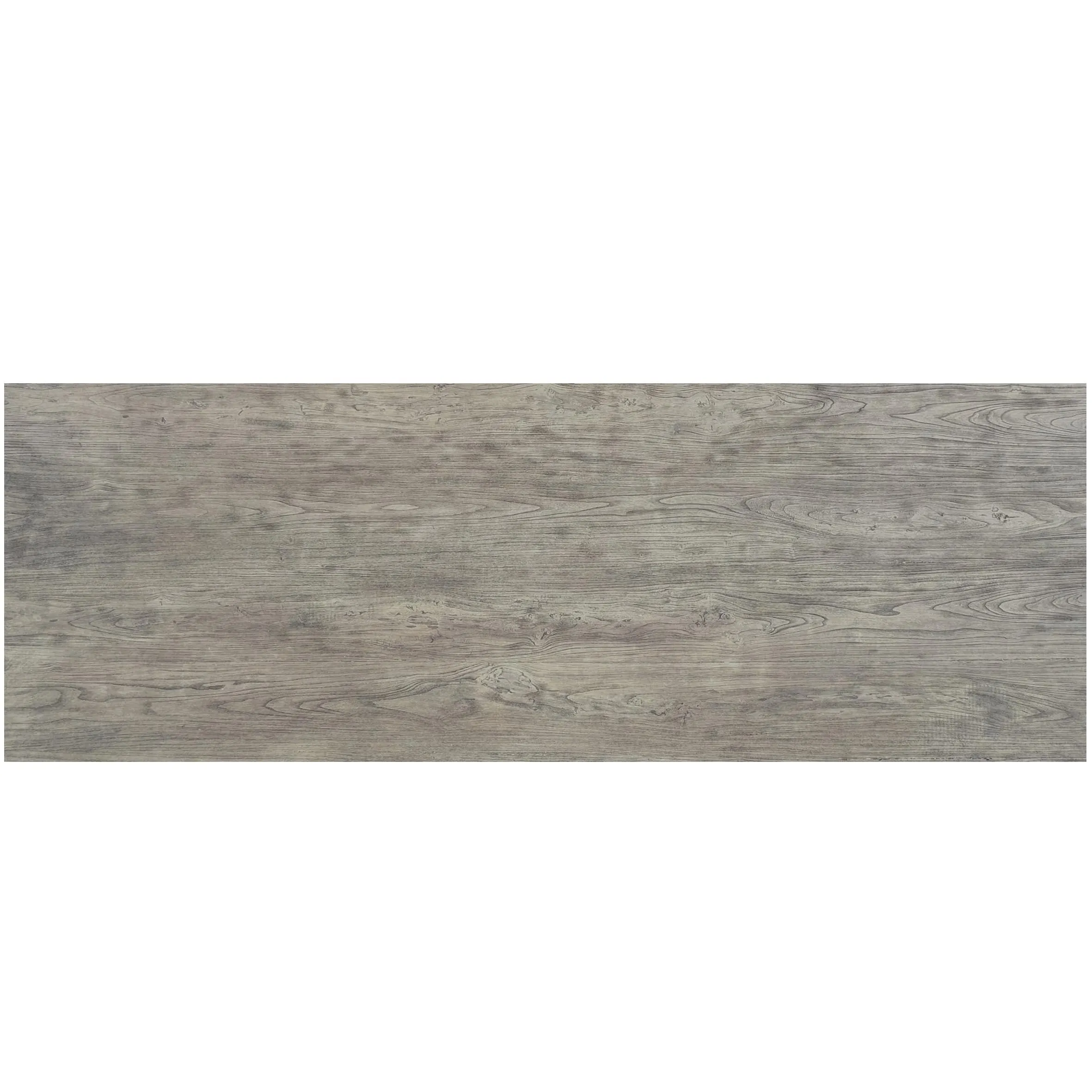
Walk into any retail space, and before you even glance at the products, your senses are already processing the environment: the warmth of the lighting, the softness of the music, the texture of the walls, and the feel of the floors beneath your feet. These elements aren't just background noise—they're the building blocks of customer experience. In an era where shoppers crave connection over transaction, the materials that clothe a store's walls, line its floors, and frame its displays have never mattered more. Enter MCM Wood Grain Board: a material that doesn't just cover surfaces, but tells a story, evokes emotion, and turns ordinary retail spaces into memorable destinations. Let's dive into how this innovative material is redefining what it means to create a welcoming, engaging, and customer-centric store.
Retail design is a silent conversation between brand and customer. Every choice—from color palettes to furniture—sends a message about who the brand is and what it values. But materials? They're the most tactile, immediate part of that conversation. A rough-hewn wooden shelf might whisper "artisanal" or "heritage," while a sleek marble countertop screams "luxury" or "modernity." The problem? Traditional materials often force brands to choose between form and function. Natural wood, for example, is warm and inviting but prone to warping, staining, and fading under heavy foot traffic. Fair-faced concrete, while trendy and industrial, can feel cold and unwelcoming in spaces meant to encourage lingering. And marble, though elegant, is high-maintenance and budget-prohibitive for many businesses. This is where MCM (Modified Composite Material) steps in—offering the best of both worlds, with its flexible stone base and hyper-realistic finishes, including the ever-popular wood grain design.
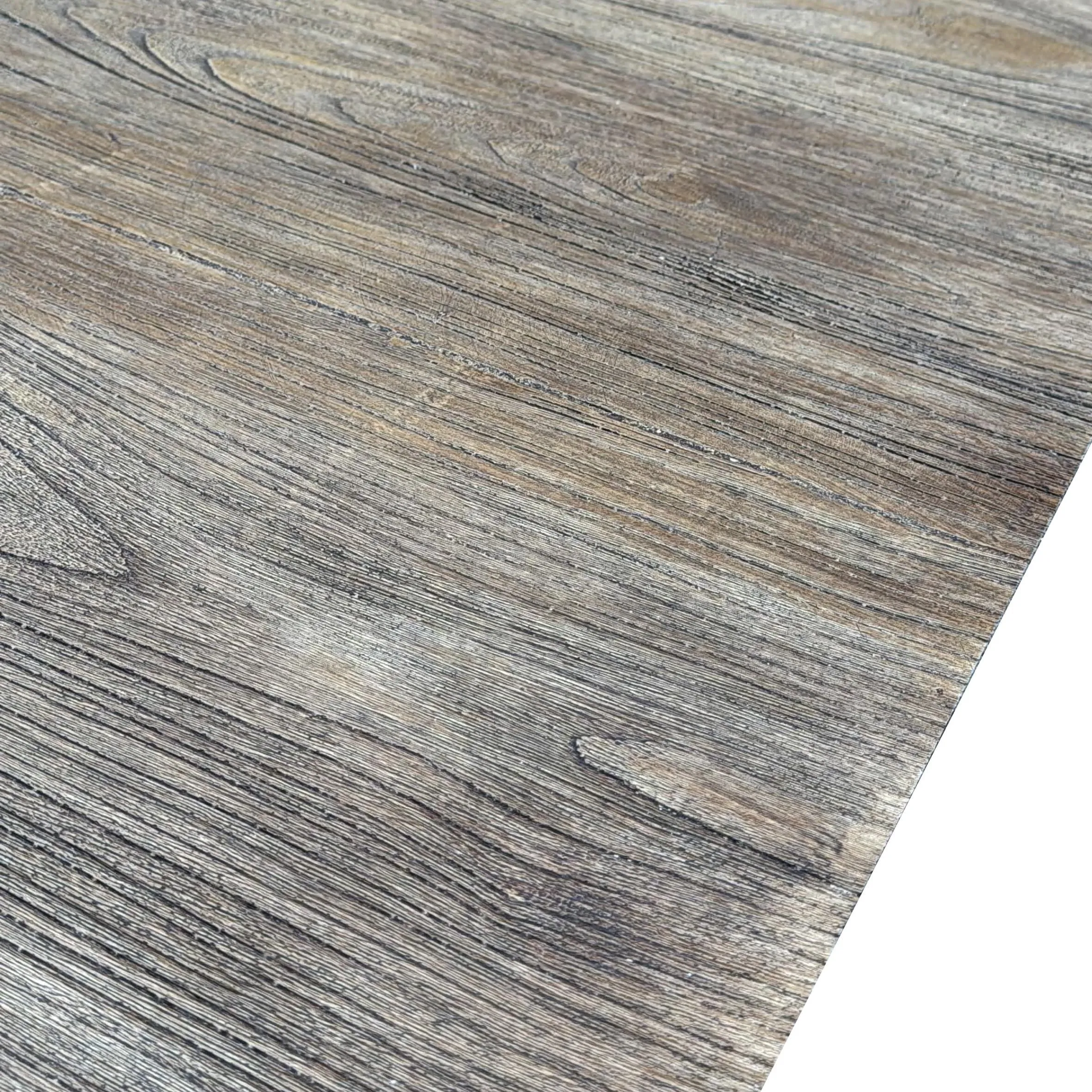
At its core, MCM is a revolutionary category of building materials known for its flexibility, durability, and lightweight properties—often referred to as MCM flexible stone. Unlike rigid traditional stones or fragile laminates, MCM panels bend without breaking, making them adaptable to curved walls, uneven surfaces, and creative installations that would be impossible with heavier materials. And when this technology is paired with the timeless beauty of wood grain? The result is MCM Wood Grain Board: a material that captures the organic warmth of real wood but leaves behind its practical pitfalls.
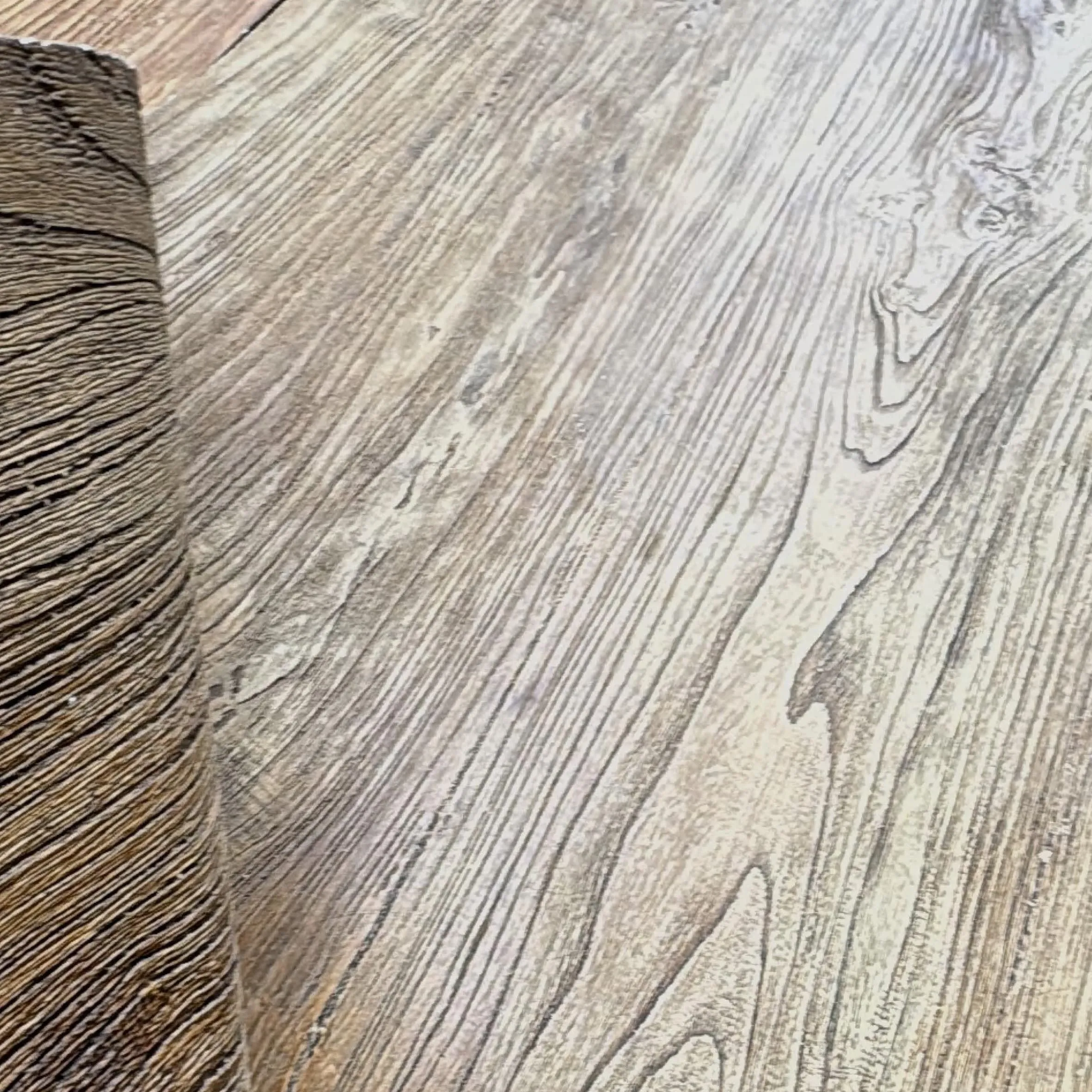
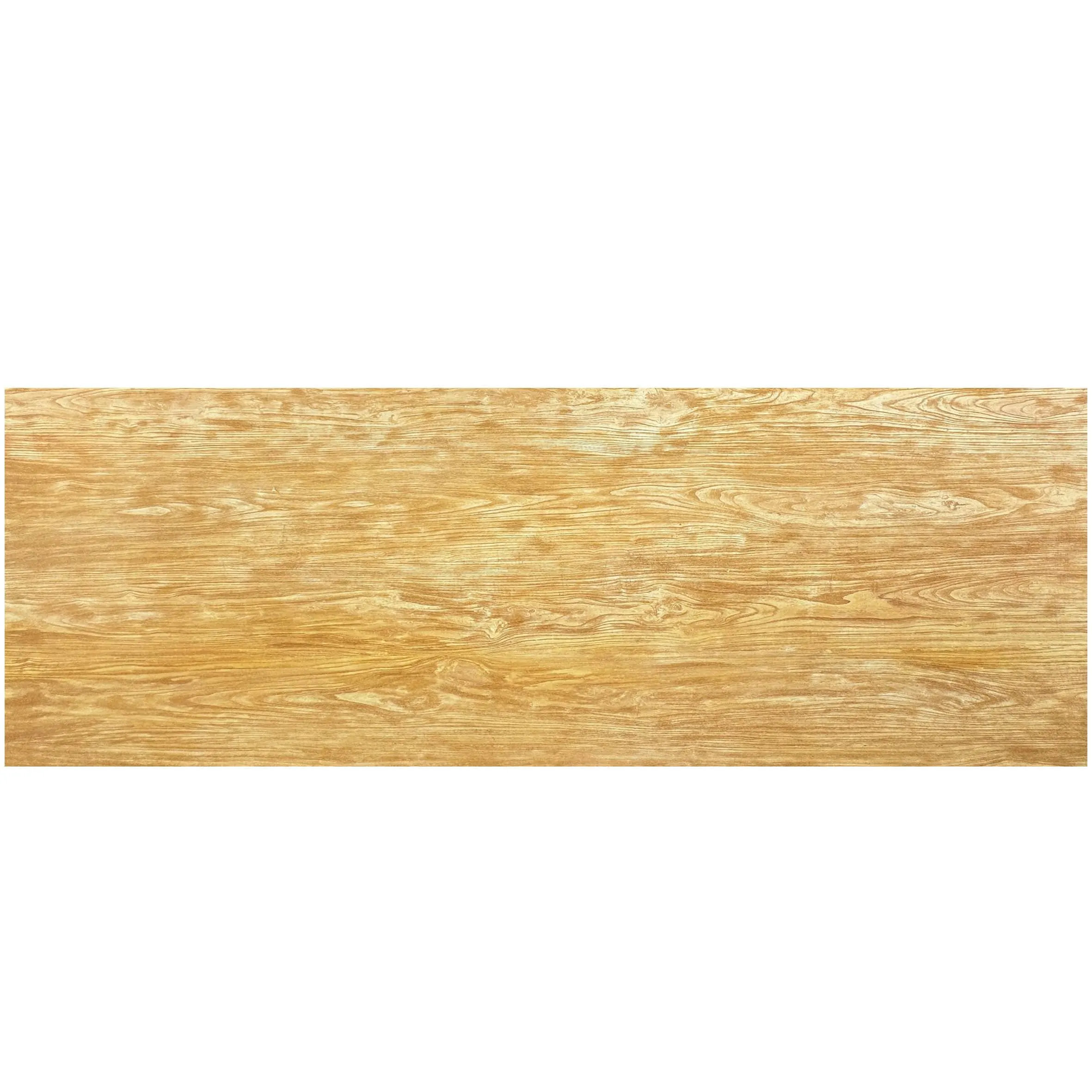
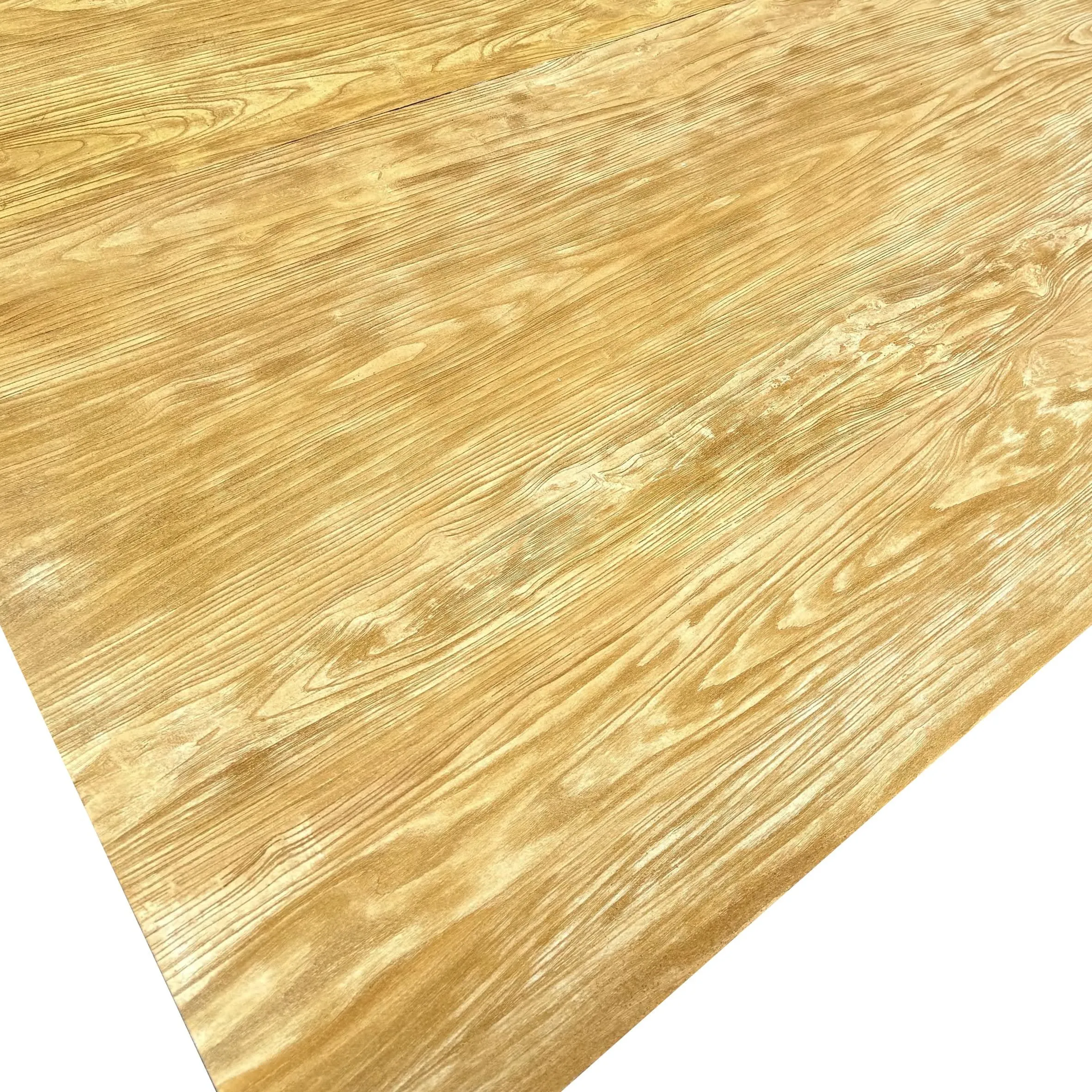
What makes MCM Wood Grain Board stand out? Start with the aesthetics. Run your hand over its surface, and you'll feel the subtle ridges and valleys of authentic wood grain—no two panels are identical, thanks to advanced 3D printing techniques that mimic the natural variation of tree rings and knots. The color range is equally impressive: from soft oak and warm walnut to rich mahogany and weathered pine, each shade is designed to evoke a specific mood. Want a cozy, cabin-like vibe? Opt for honey-toned maple. Going for a sleek, Scandinavian look? A pale ash finish might be perfect. And for brands aiming for a vintage or industrial edge, there are even options with distressed textures or muted, gray-washed tones that feel like they've been loved for decades.
But MCM Wood Grain Board isn't just about looks. Its practical benefits are a game-changer for retailers. Weighing in at just a fraction of real wood or stone, it's easy to transport and install, cutting down on labor costs and project timelines. Scratch-resistant and water-proof, it stands up to the chaos of daily retail life—think shopping carts, spilled lattes, and enthusiastic kids dragging their hands along the walls. And unlike real wood, it won't warp in humid climates or fade under harsh sunlight, ensuring that your store's interior looks fresh and inviting for years to come. For busy retail managers, this means less time worrying about maintenance and more time focusing on what matters: customers.
Still on the fence? Let's put MCM Wood Grain Board head-to-head with some common retail materials. The table below breaks down how it performs in key areas that matter most to store owners and designers:
| Material | Aesthetic Appeal | Durability | Maintenance | Cost-Effectiveness | Environmental Impact |
|---|---|---|---|---|---|
| MCM Wood Grain Board | High: Realistic wood texture, customizable colors, natural variation | Excellent: Scratch, water, and fade-resistant; flexible (no cracking) | Low: Wipe clean with mild soap; no sealing or refinishing needed | High: Mid-range upfront cost, but long lifespan reduces replacement expenses | Low: Made from recycled materials; no deforestation; low carbon footprint in production |
| Real Wood Panels | High: Authentic warmth, natural beauty | Low: Prone to warping, staining, and insect damage; fades over time | High: Requires regular sealing, polishing, and refinishing; sensitive to moisture | Low: High upfront cost + ongoing maintenance expenses | High: Contributes to deforestation; requires chemical treatments for preservation |
| Fair-Faced Concrete | Medium: Industrial, modern look; limited warmth | High: Strong and durable, but prone to cracking if not installed perfectly | Medium: Stains easily; requires periodic sealing; cold to the touch | Medium: Low upfront cost, but heavy (high installation labor costs) | Medium: High carbon footprint in production; limited customization |
| Marble/Luxury Stone | Very High: Timeless elegance, high-end appearance | Low: Soft and porous; scratches and etches easily | Very High: Regular sealing; professional cleaning required for stains | Very Low: Extremely high upfront cost; expensive to repair/replace | High: Quarrying impacts ecosystems; heavy transportation emissions |
The takeaway? MCM Wood Grain Board doesn't just compete with traditional materials—it outperforms them in nearly every category, especially when it comes to balancing beauty, practicality, and sustainability. For retailers looking to invest in their space without breaking the bank or sacrificing style, it's a clear winner.
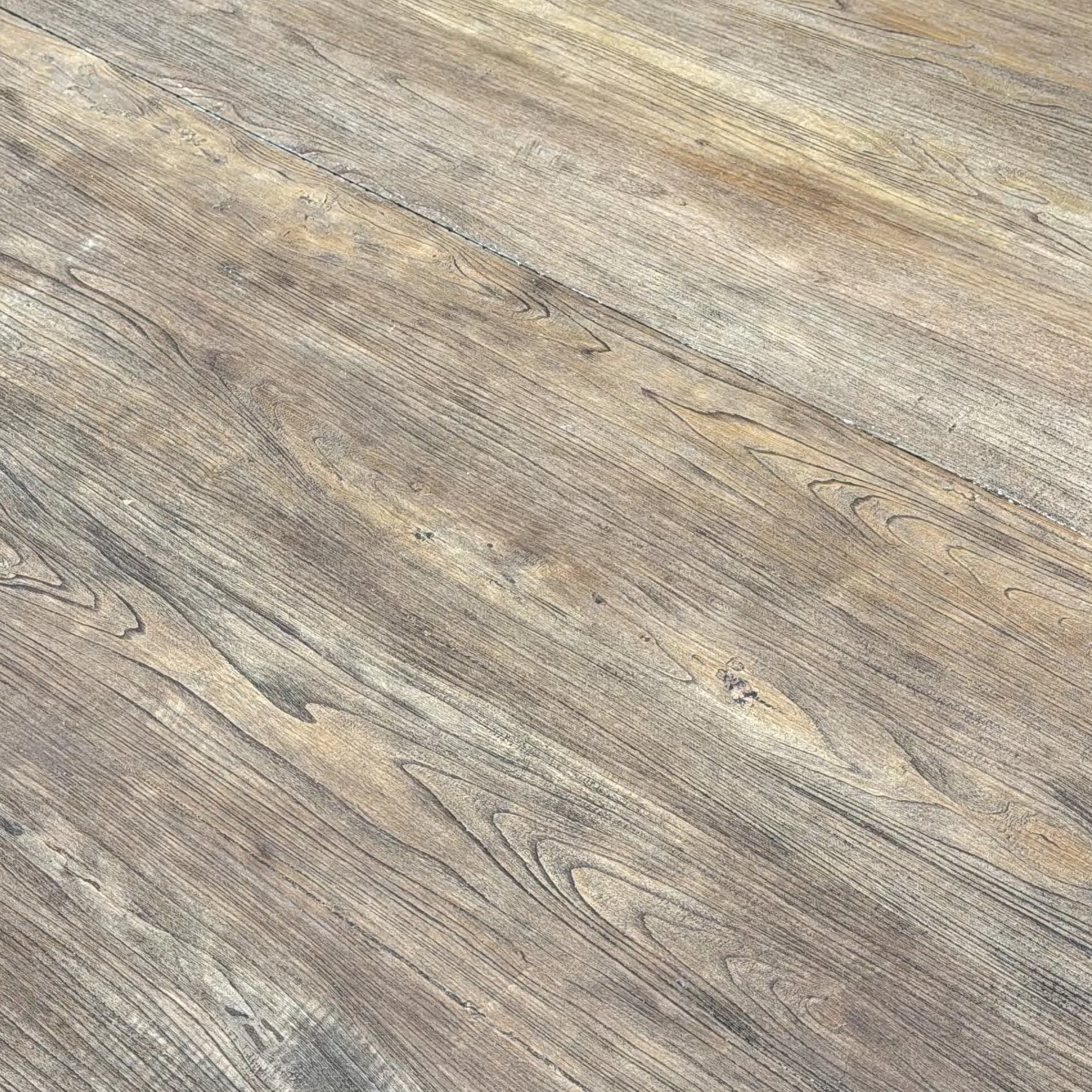
At the end of the day, retail is about people. And people don't just buy products—they buy feelings. MCM Wood Grain Board excels at creating the kind of emotional connections that turn first-time visitors into loyal customers. Here's how:
Wood has a universal appeal—it's the material of childhood treehouses, family dining tables, and cozy fireplaces. When customers step into a store clad in MCM Wood Grain Board, their brains associate the space with comfort and safety. This isn't just anecdotal: studies show that warm, natural materials can lower stress levels and increase the amount of time shoppers spend in a store. Imagine a boutique clothing store with wood grain walls, soft lighting, and plush rugs. Compare that to a store with stark white drywall and cold fair-faced concrete. Which one makes you want to linger, try on more clothes, and chat with the staff? The answer is obvious. MCM Wood Grain Board turns transactional spaces into places where customers feel relaxed enough to explore—and that exploration often translates to higher sales.
Great retail design engages all five senses, and MCM Wood Grain Board checks multiple boxes. Visually, its organic patterns draw the eye, guiding customers through the store and highlighting key displays (think a wood grain backdrop for a featured product or a textured accent wall that anchors the checkout area). Tactilely, its smooth-yet-textured surface invites touch—a subtle but powerful way to create connection. How many times have you run your hand over a wooden table or shelf without even thinking about it? That instinctive behavior is a form of engagement, and MCM Wood Grain Board encourages it. Even acoustically, wood-like materials absorb sound better than hard surfaces like concrete or tile, reducing echo and creating a quieter, more pleasant shopping environment—perfect for stores that play soft music or host in-store events.
Today's consumers care about more than what a brand sells—they care about what it stands for. MCM Wood Grain Board is a versatile tool for brands looking to communicate their values. For eco-conscious retailers, the fact that MCM is made from recycled materials and requires no deforestation is a selling point they can highlight in marketing materials or in-store signage. For artisanal brands, the handcrafted look of the wood grain (even though it's machine-made) reinforces a commitment to quality and attention to detail. And for heritage brands, weathered wood grain finishes can evoke nostalgia, reminding customers of the brand's long history. In a world of generic chain stores, MCM Wood Grain Board helps brands stand out by telling a unique visual story.
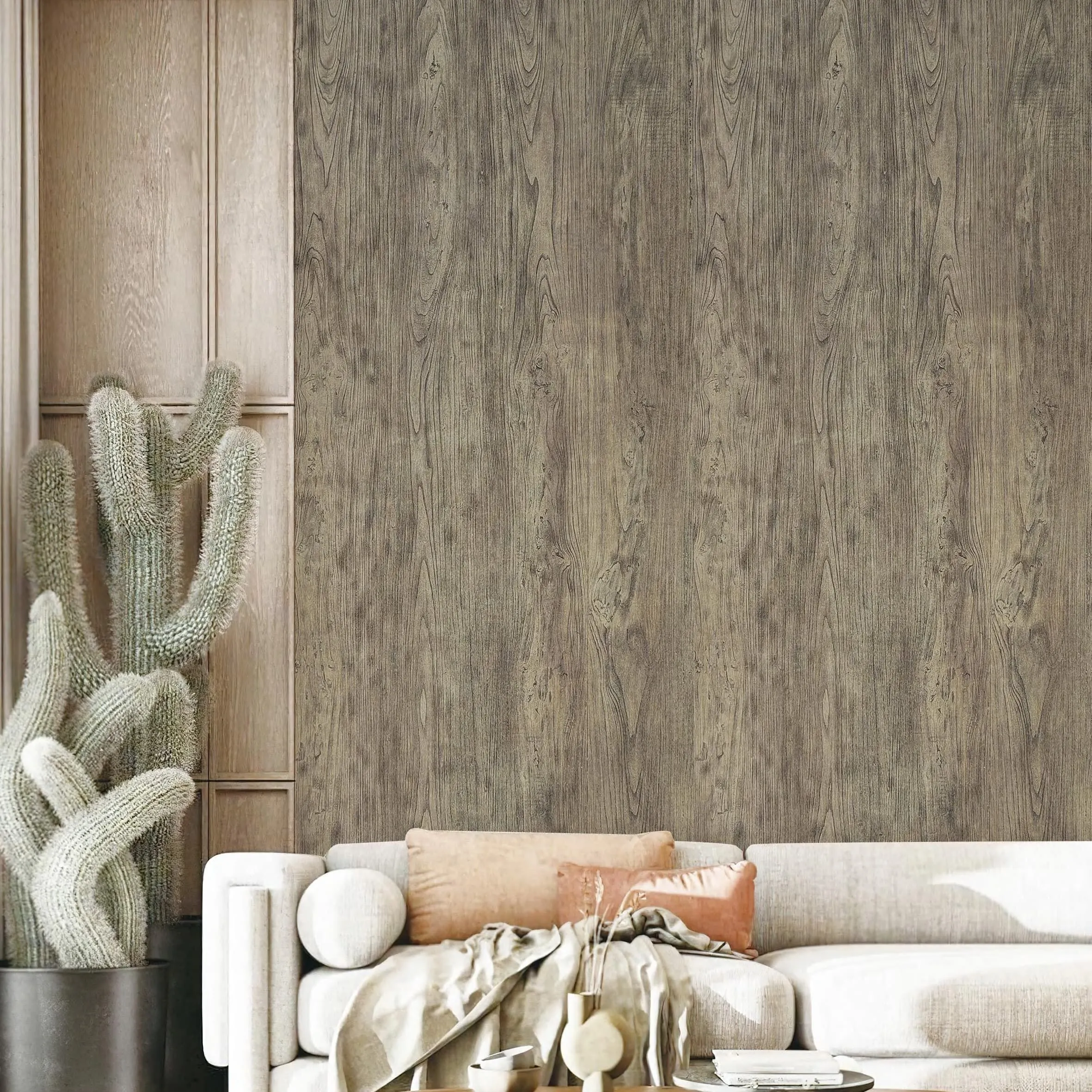
When The Rustic Nook, a independent bookstore in Portland, decided to renovate its 1,200-square-foot space, owner Sarah Chen wanted to create a "living room for book lovers." Traditional wood paneling was her first thought, but concerns about cost and maintenance (Oregon's rainy climate is tough on real wood) led her to MCM Wood Grain Board. She opted for a weathered oak finish for the walls and a lighter ash tone for the bookshelves. The result? "Customers keep telling us the store feels 'like home,'" Sarah says. "We've seen a 25% increase in foot traffic since the renovation, and people are staying longer—some even bring their laptops and work here for hours. The wood grain walls make the space feel cozy, and since the panels are water-resistant, we don't have to panic when someone spills their coffee near the shelves. It was the best design decision we ever made."
Bloom & Co., a trendy plant and home goods store in Chicago's Wicker Park neighborhood, wanted to blend urban chic with natural warmth. Designer Mia Rodriguez chose MCM Wood Grain Board in a rich walnut finish for the store's accent wall, pairing it with sleek metal fixtures and vibrant green plants. "The contrast between the wood grain and the modern elements is striking," Mia explains. "Customers often comment on how the wood makes the plants pop—it's like bringing the outdoors in, but in a polished way. Plus, since the panels are lightweight, we were able to install them ourselves over a weekend, which saved us a ton on labor. The store now has over 500 five-star reviews mentioning the 'beautiful, inviting atmosphere,' and sales of high-end planters have doubled."
As retail continues to evolve, so too will the materials that shape it. MCM Wood Grain Board is at the forefront of this evolution, thanks to its adaptability and focus on customer experience. Looking forward, we can expect to see even more innovation in this space: customizable patterns that incorporate brand logos or local motifs, panels with integrated lighting for dynamic displays, and even smart materials that change color based on lighting or time of day. But no matter how technology advances, the core appeal of MCM Wood Grain Board—its ability to blend nature and innovation, beauty and practicality—will remain timeless.
In the competitive world of retail, every detail counts. MCM Wood Grain Board isn't just a surface material; it's a strategic investment in customer experience. By combining the warmth of wood with the durability of MCM flexible stone, it creates spaces that feel welcoming, engaging, and uniquely branded. Whether you're a small boutique owner or a large retail chain, choosing materials that prioritize emotion and practicality is no longer a luxury—it's a necessity. And with MCM Wood Grain Board, that choice is easier than ever.
So the next time you walk into a store and find yourself lingering, smiling, or reaching out to touch the wall—take a closer look. Chances are, you're experiencing the magic of MCM Wood Grain Board: where innovation meets humanity, and shopping becomes something more than just a task.
Recommend Products












