
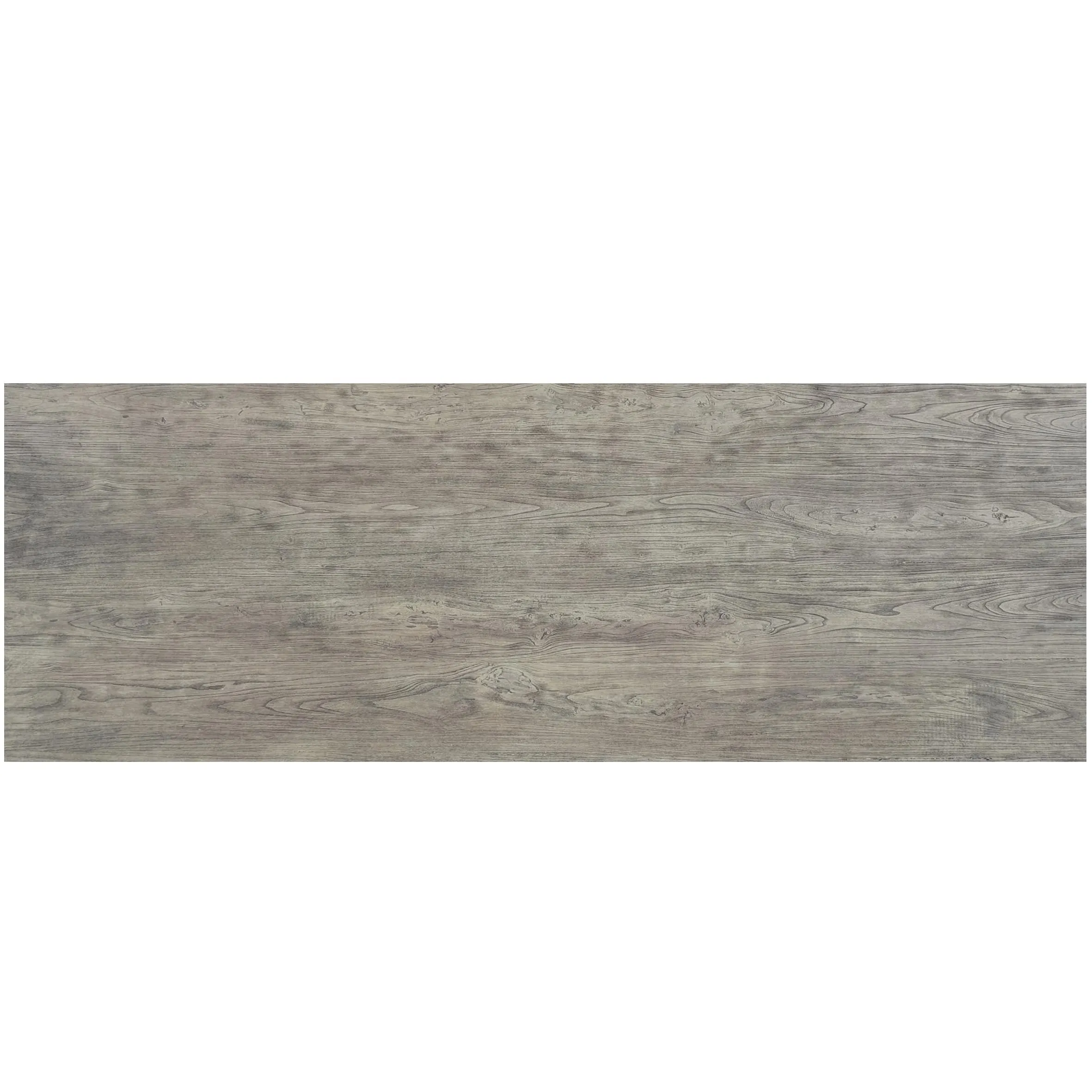
In the world of modern architecture, materials aren't just building blocks—they're storytellers. They shape how we experience spaces, blending form and function to create environments that feel both innovative and inviting. Today's architects and designers are on a quest for materials that do more than just serve a purpose: they want textures that evoke emotion, durability that stands the test of time, and sustainability that honors our planet. From the raw simplicity of fair-faced concrete to the earthy solidity of rough granite stone (beige), the palette is vast—but few materials strike the balance between warmth and modernity quite like MCM Wood Grain Board. Let's dive into why this material is becoming a staple in contemporary design, and how it's redefining what's possible in architectural expression.
First things first: MCM stands for Modified Composite Material, a cutting-edge category of building materials known for its flexibility, strength, and versatility. MCM products—think MCM flexible stone, 3D printing series, or big slab board series—are engineered by layering durable polymers with natural minerals, creating a material that's lightweight yet surprisingly tough. MCM Wood Grain Board takes this technology a step further, using advanced imprinting techniques to replicate the look and feel of real wood, right down to the subtle knots, grains, and warm undertones we associate with timber.
But it's not just about mimicry. Unlike traditional wood, MCM Wood Grain Board skips the drawbacks: no warping, no rotting, no susceptibility to pests. It's a material designed for the way we live now—busy, design-conscious, and increasingly eco-aware. And when paired with complementary MCM products like bamboo mat board, wood line, or even wave panel, it opens up a world of design possibilities that blend organic warmth with industrial edge.
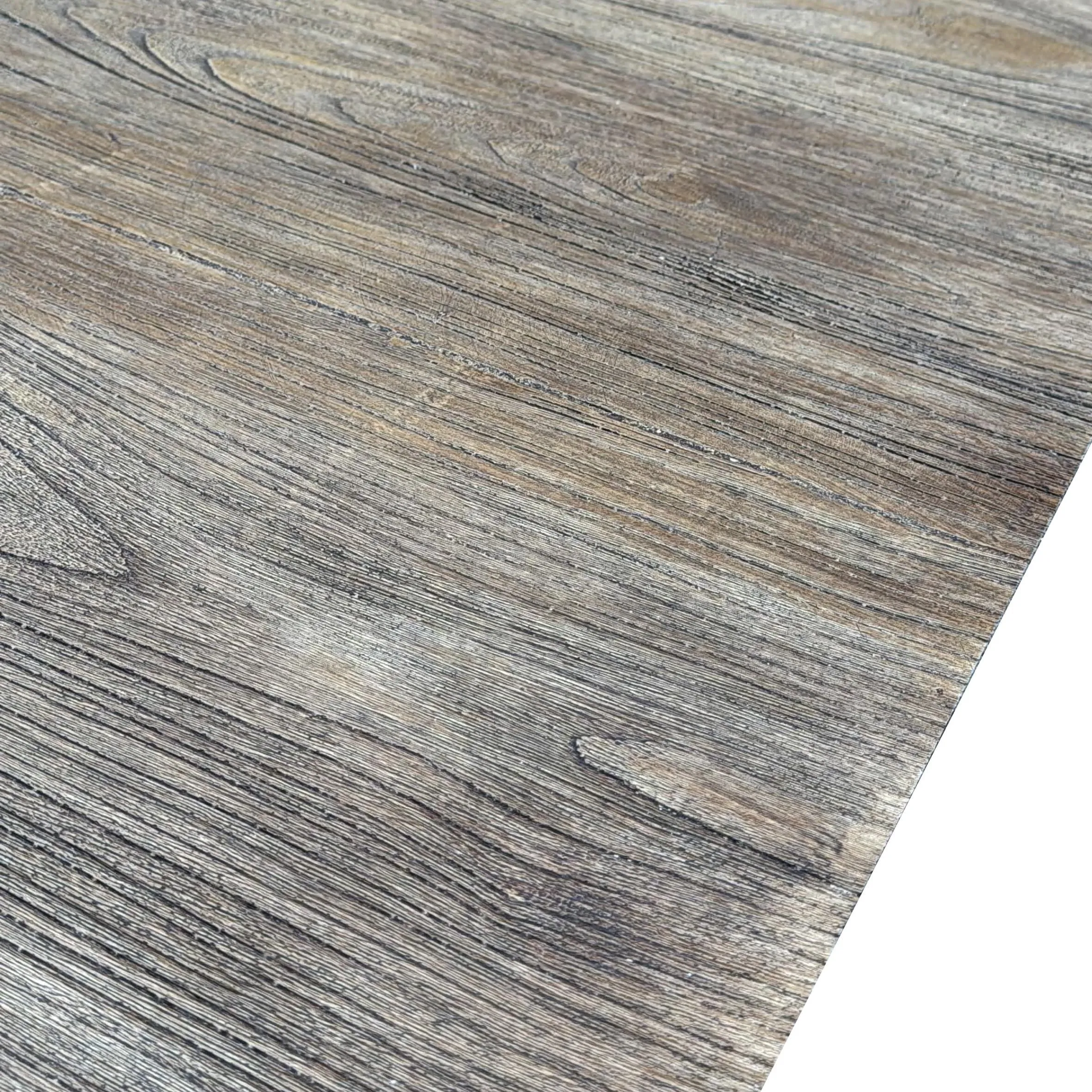
Let's break down what makes MCM Wood Grain Board a standout choice for architects and designers. These features aren't just technical specs—they're the reasons spaces feel more alive when this material is involved.
Close your eyes and picture a sunlit room with wooden walls. You can almost feel the texture, the way light plays off the grain, the subtle variations that make each plank unique. MCM Wood Grain Board captures that magic, but with a precision that natural wood can't always match. Using high-definition printing and texturing, it replicates the look of everything from weathered oak to smooth teak, right down to the tiny cracks and mineral deposits that give real wood its character. Unlike real timber, though, it won't fade under UV rays, swell in humidity, or shrink in dry climates. It's the best of both worlds: the soul of wood, with the resilience of modern engineering.
Designers love pairing it with materials like travertine (beige) or bamboo mat board to create layered, nature-inspired palettes. Imagine a restaurant interior where MCM Wood Grain Board lines the ceiling, its warm tones contrasting softly with the cool, porous surface of travertine (beige) walls. The effect? A space that feels grounded yet airy, traditional yet fresh.
One of MCM's biggest selling points is its flexibility—literally. Unlike rigid materials like boulder slab or dolomitic travertine (dark grey), MCM Wood Grain Board bends and curves, making it ideal for unconventional designs. Want a curved accent wall in a boutique hotel? Or a rounded facade that softens the sharp lines of a modern home? This material adapts, turning architectural visions into reality without the limitations of heavy, inflexible stone or wood.
Take the "wood line" trend, for example—a design approach that uses linear wood textures to guide the eye and create flow. MCM Wood Grain Board excels here, whether it's paired with sleek ripple board (grey) for a contemporary twist or woven (khaki) panels for a bohemian vibe. Its flexibility also makes installation a breeze, even in hard-to-reach spaces, saving time and labor compared to traditional materials.
Let's talk practicality: no one wants a beautiful material that falls apart after a few years. MCM Wood Grain Board is built to last, with a resistance to moisture, UV rays, and pests that puts traditional wood to shame. Unlike charcoal burnt wood board, which requires regular sealing to stay intact, MCM Wood Grain Board holds up in rain, snow, and harsh sunlight without warping, cracking, or fading. It's why coastal homes in hurricane zones and urban high-rises in polluted cities alike are turning to this material—they need something tough, and MCM delivers.
Consider the Gobi panel, another MCM favorite known for its desert-inspired texture. When paired with MCM Wood Grain Board in a commercial project, the two materials create a facade that's both rugged and refined, standing strong against sandstorms and extreme temperatures. It's durability with design flair—exactly what modern architecture demands.
Weight matters in construction. Heavier materials like rough granite stone (dark grey) or marble interstellar gray require reinforced structures, driving up costs and limiting design freedom. MCM Wood Grain Board, by contrast, is surprisingly lightweight—around 3-5 kg per square meter—making it easier to transport, install, and integrate into existing builds. This lightness doesn't sacrifice strength, though; its composite layers give it a tensile strength that rivals traditional materials.
Architects working on retrofits or historic renovations especially appreciate this. Imagine updating a 1920s building with a modern extension: using MCM Wood Grain Board instead of solid wood or stone reduces stress on the original structure, preserving its character while adding a contemporary touch. It's a material that respects the past while embracing the future.
These days, sustainability isn't a "nice-to-have"—it's a necessity. MCM Wood Grain Board checks this box with gusto. Unlike traditional wood, which often comes from deforested areas, or stone like travertine (starry blue), which requires energy-intensive quarrying, MCM is made from recycled minerals and polymers, cutting down on waste and reducing its carbon footprint. Its production process uses less water and energy than mining rough granite stone, and its longevity means fewer replacements over time—another win for the planet.
Plus, it's low-maintenance. No need for toxic sealants or frequent treatments; a simple wipe with soap and water keeps it looking fresh. Compare that to real wood, which needs staining every few years, or foamed aluminium alloy board (vintage silver), which can scratch easily and require specialized care. MCM Wood Grain Board proves that sustainability and convenience can go hand in hand.
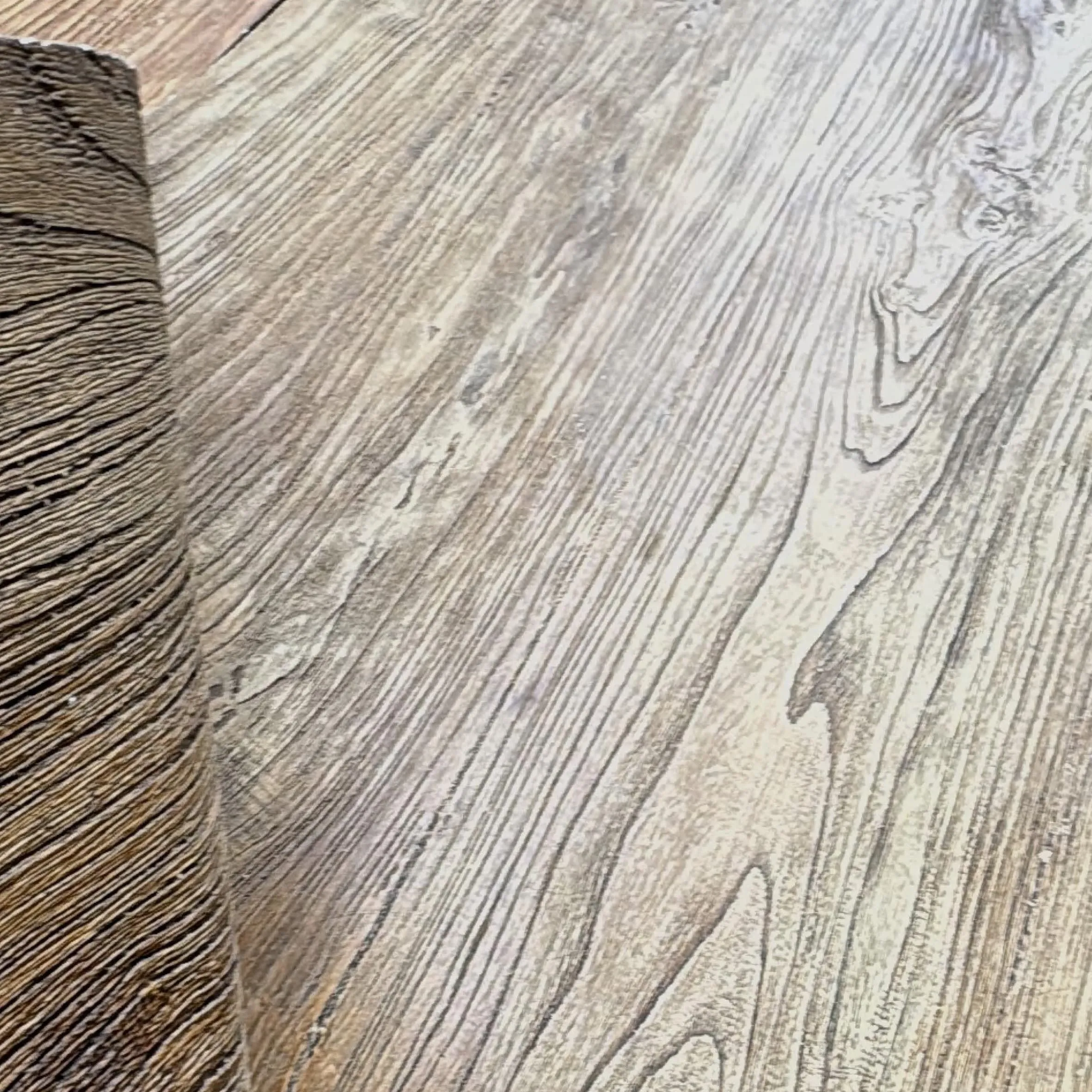
To truly appreciate MCM Wood Grain Board, it helps to see how it measures up against other popular options. Let's break down the key differences in a side-by-side comparison:
| Material | Durability | Weight (per sqm) | Installation Time | Maintenance Needs | Sustainability |
|---|---|---|---|---|---|
| MCM Wood Grain Board | High (resists moisture, UV, pests) | 3-5 kg | Fast (lightweight, flexible) | Low (soap and water cleaning) | High (recycled materials, low energy production) |
| Real Wood | Low (prone to rot, warping, pests) | 8-12 kg | Slow (requires sealing, precise cutting) | High (staining, sealing every 2-3 years) | Low (deforestation, high water use) |
| Fair-Faced Concrete | High (cracks over time, stains easily) | 20-25 kg | Slow (curing time, heavy lifting) | Medium (sealing needed to prevent staining) | Medium (high carbon footprint in production) |
| Rough Granite Stone (Beige) | Very High (scratch-resistant, heatproof) | 25-30 kg | Very Slow (requires specialized tools, reinforcement) | Medium (sealing to prevent water damage) | Low (quarrying harms ecosystems, high energy use) |
| Travertine (Beige) | Medium (porous, stains easily) | 18-22 kg | Slow (needs careful cutting, grouting) | High (frequent sealing, prone to etching) | Low (mining impacts, limited recyclability) |
As the table shows, MCM Wood Grain Board outperforms traditional materials in nearly every category—especially when it comes to weight, installation speed, and sustainability. It's a material that doesn't force designers to choose between beauty and practicality.
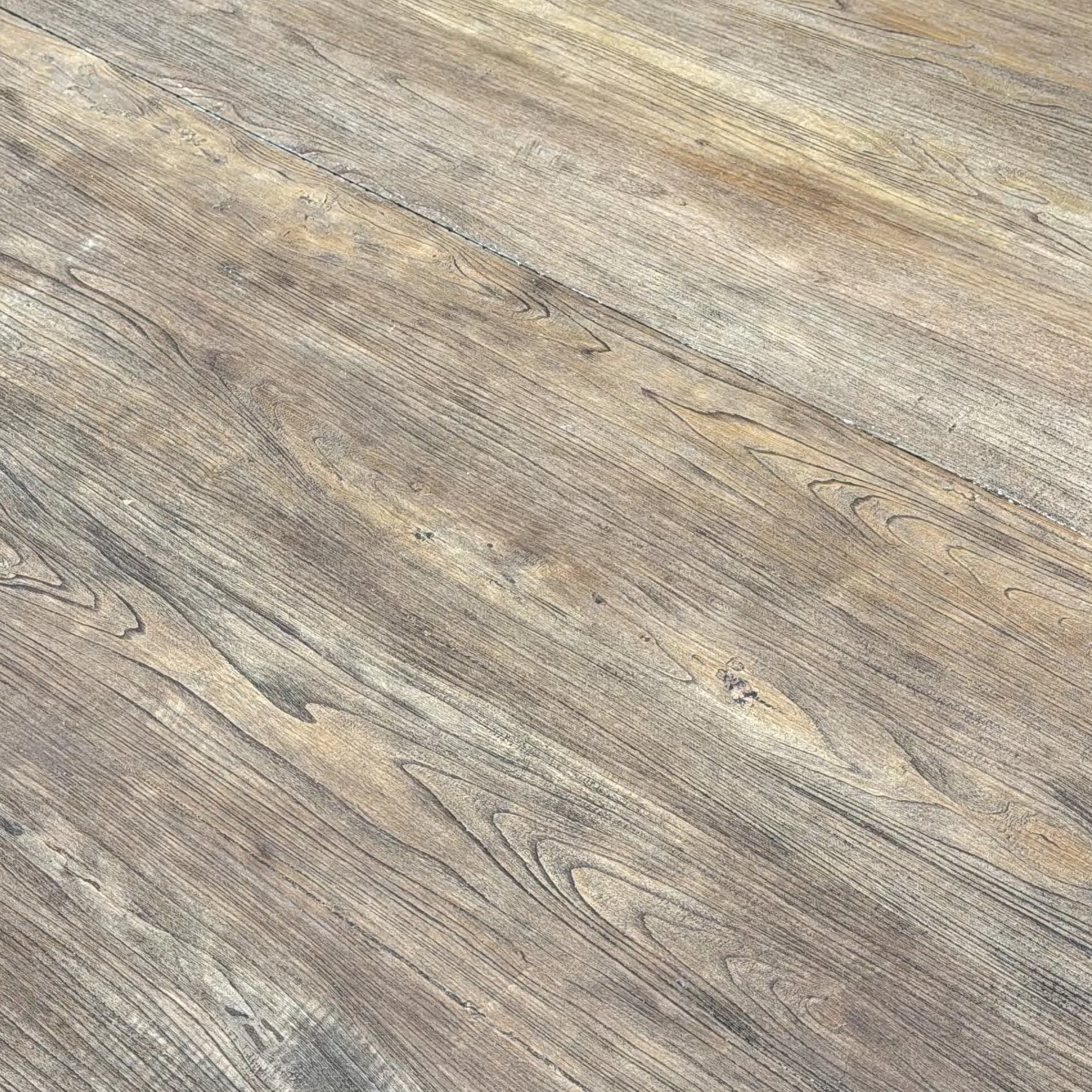
Numbers and specs tell part of the story, but real-world applications bring it to life. Let's look at a few examples of how MCM Wood Grain Board is making waves in architecture today:
In a recent project in Portland, Oregon, architect Lisa Chen used MCM Wood Grain Board to clad the exterior of a row of townhomes. She paired it with bamboo mat board accents and stream limestone (claybank) for a look that's modern yet welcoming. "The neighborhood wanted something that felt cohesive but not cookie-cutter," Chen explains. "MCM Wood Grain Board gave us the warmth of wood without worrying about the Pacific Northwest rain rotting it away. The homeowners love how it ages gracefully—no peeling or fading, just a rich, consistent texture year after year."
A boutique coffee chain in Chicago took a bold approach, using MCM Wood Grain Board on ceilings and walls to create a cozy, cabin-like atmosphere—even in the heart of the city. They mixed in wood line paneling and travertine (vintage gold) countertops for a layered, tactile experience. "We wanted customers to feel like they were stepping into a retreat," says the chain's design director, Mark Rivera. "MCM Wood Grain Board was key—its texture feels so real, people often ask if it's solid oak. But unlike oak, it stands up to spills, scratches, and the constant foot traffic of a busy café."
A resort in Bali recently renovated its lobby, swapping out heavy marble stream stone for MCM Wood Grain Board and lunar peak golden accents. The result? A lighter, airier space that still feels luxurious, with a fraction of the environmental impact. "Marble is beautiful, but it's so heavy and hard to source sustainably," says the resort's architect, Wayan Putra. "MCM Wood Grain Board let us keep the organic vibe while cutting our carbon footprint by 30%. Plus, it's cooler to the touch than marble, which is a big plus in Bali's tropical heat!"
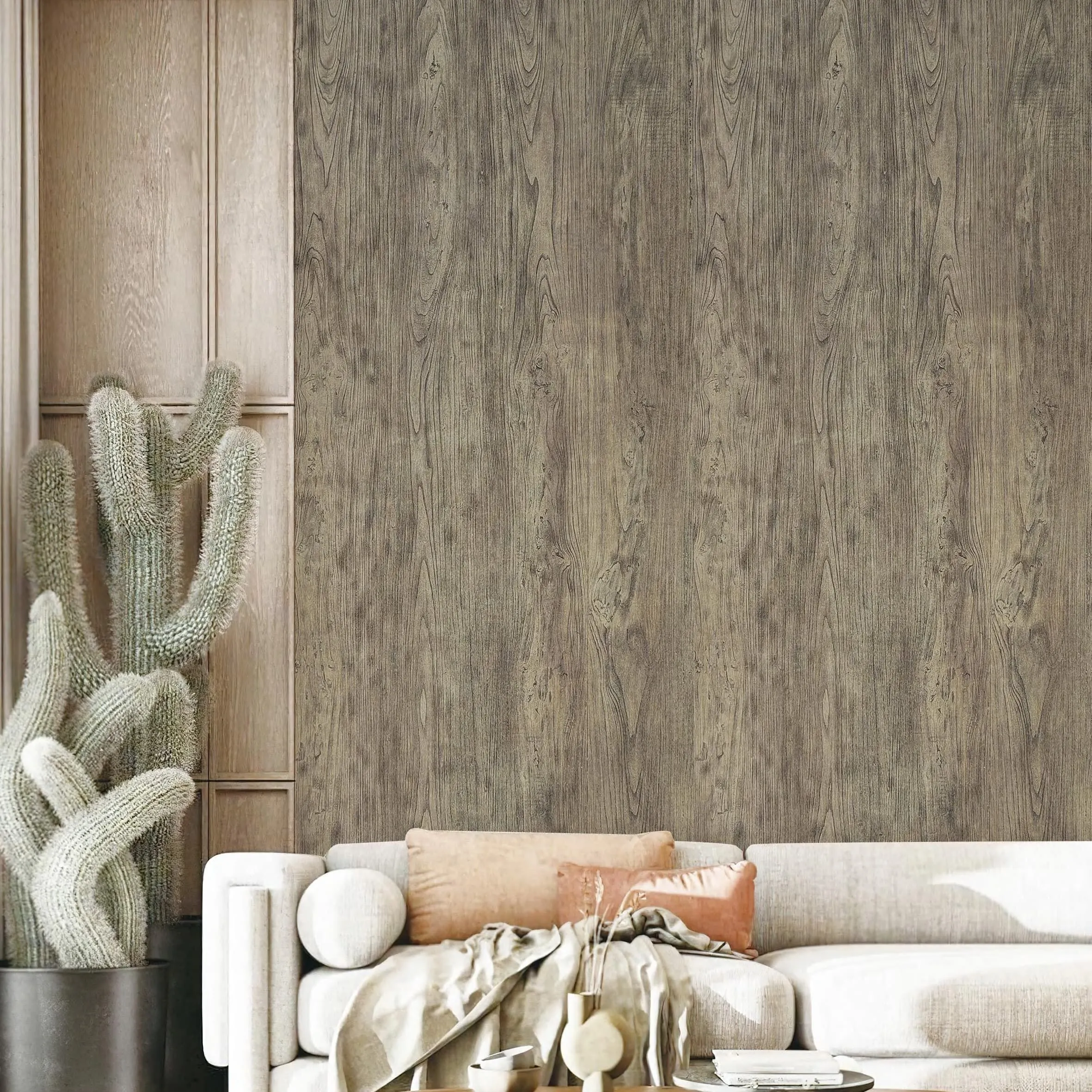
Modern architecture is all about balance—between innovation and tradition, function and beauty, progress and preservation. MCM Wood Grain Board embodies that balance, offering the warmth of wood with the durability of modern composites. Its flexibility sparks creativity, its sustainability honors our planet, and its versatility makes it a fit for any project, big or small.
Whether you're designing a residential facade, a commercial interior, or a hospitality space, this material invites you to dream bigger. Pair it with MCM flexible stone for a dynamic texture mix, or use it alongside weaving (beige) panels for a bohemian flair—the possibilities are endless. In a world where materials often feel cold or generic, MCM Wood Grain Board reminds us that architecture can be both cutting-edge and deeply human.
So, here's to the future of building—one where every texture tells a story, and every material works as hard as the people who design with it. MCM Wood Grain Board isn't just a material; it's a new chapter in that story. And we can't wait to see where it goes next.
Recommend Products












