
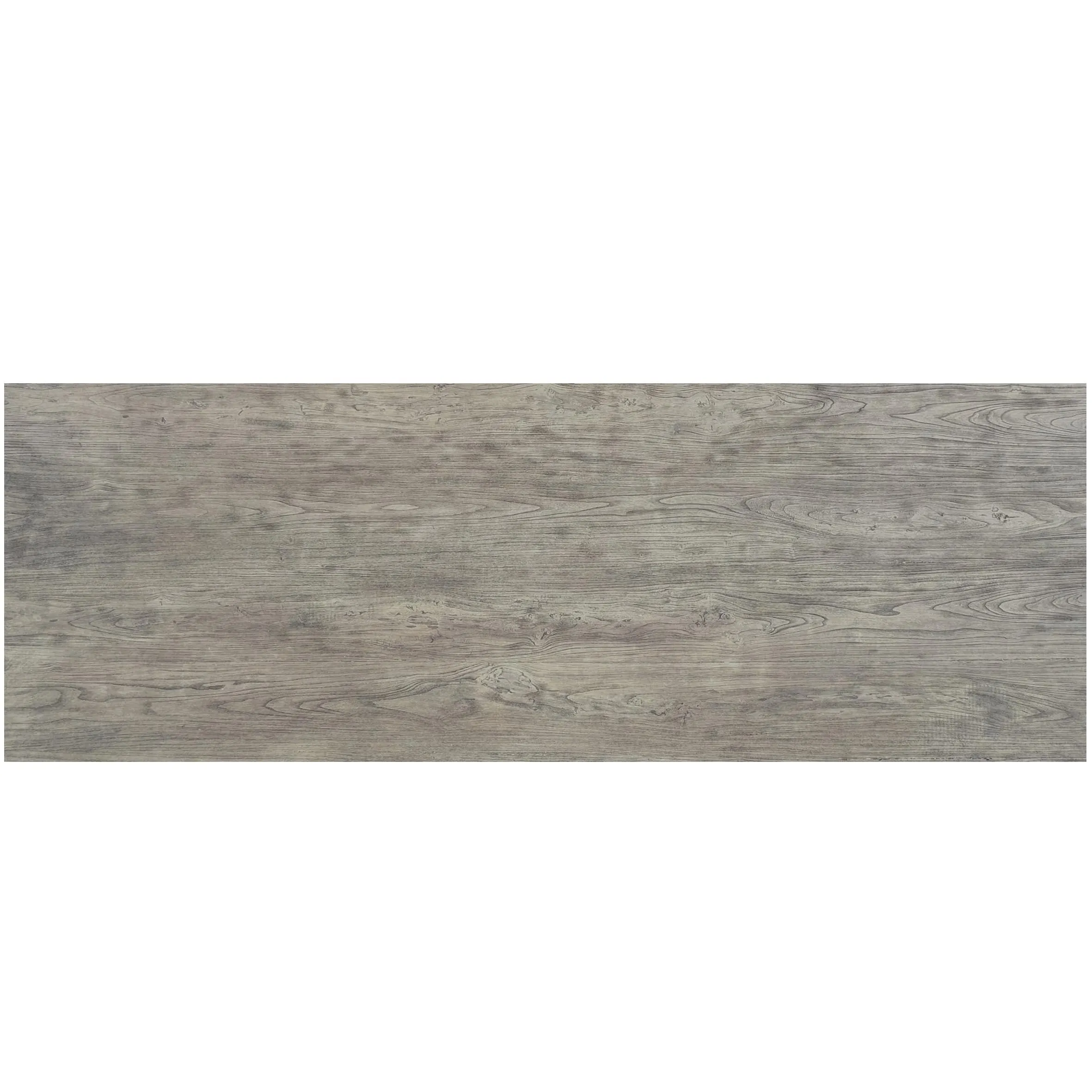
Let's talk about a dilemma that's crossed the mind of nearly every homeowner, designer, and even café owner I've ever chatted with: to wood, or not to wood? But not just any wood—we're diving into the showdown between MCM Wood Grain Board and traditional solid wood. If you've ever stood in a hardware store, staring at samples of warm, textured planks and wondered, "Is the real thing worth the splurge?" or "Will this engineered option hold up when my kids (or my clumsy self) inevitably spill coffee on it?"—you're in the right place.
Cost-effectiveness isn't just about the price tag you see today. It's about the headaches you avoid tomorrow, the repairs you won't have to budget for next year, and whether that "investment" still looks stunning a decade down the line. So let's roll up our sleeves and break this down—no jargon, no sales pitches, just real talk about which option gives you the most bang for your buck, both now and later.
First things first: let's talk numbers. Walk into a lumber yard, and solid wood—oak, maple, teak, you name it—will hit you with a price that makes you pause. A standard 4x8 sheet of solid hardwood paneling? We're talking $150 to $300, easy. And that's before factoring in the grade—clear, knot-free boards cost even more. If you're covering a large wall or a commercial space, those numbers add up faster than you can say "sustainability."
Now, MCM Wood Grain Board? It's part of MCM's lineup of modified composite materials, designed to mimic natural textures without the natural price tag. A comparable sheet runs about $60 to $120. That's roughly 30-50% cheaper upfront. But wait—before you high-five yourself for saving cash, let's ask: why the difference? Solid wood is a finite resource, harvested from trees that take decades to grow. MCM, on the other hand, uses a blend of recycled fibers, resins, and natural minerals, which keeps production costs lower. It's like choosing between a handcrafted leather jacket and a high-quality vegan alternative—both look great, but one skips the premium for raw materials.
But here's the catch: some folks swear by "you get what you pay for." Is the higher upfront cost of solid wood justified? Let's keep digging.
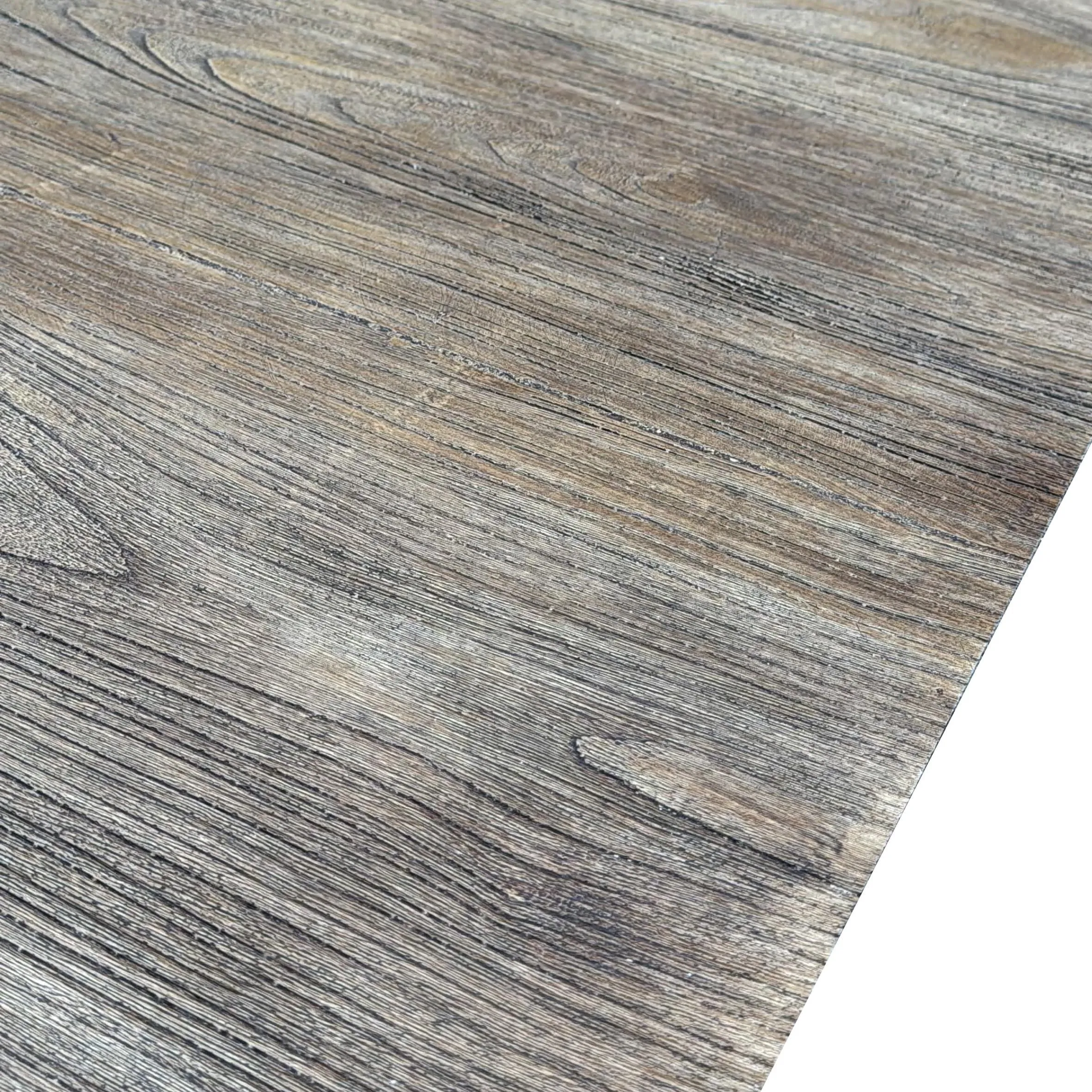
Imagine this: you install solid wood paneling in your bathroom. It looks gorgeous—warm, natural, exactly what you wanted. Six months later, you notice the edges are warping. A year after that, there's a water stain from a leaking shower caddy, and a tiny crack where the humidity expanded the wood. Sound familiar? Solid wood is alive, in a way—it breathes, expands, and contracts with moisture and temperature. In dry climates, it shrinks; in humid ones, it swells. And that movement? It leads to cracks, warping, and even mold if you're not vigilant.
MCM Wood Grain Board, though? It's engineered to be a rock. Thanks to its composite makeup, it's water-resistant (no warping in bathrooms or kitchens), scratch-resistant (goodbye, pet claws and chair scrapes), and doesn't care if your basement gets a little damp or your attic bakes in the summer sun. I visited a beach house in Florida last year where the owners used MCM Wood Grain Board for their outdoor patio ceiling. After five hurricane seasons, it still looks brand-new. The neighbor's solid wood deck? Replaced twice in the same timeframe. Durability isn't just about "toughness"—it's about avoiding the cost of replacement. And in that department, MCM is a heavyweight.
Let's put this in perspective: solid wood, with proper care (sealing every 1-2 years), might last 15-20 years indoors. Outdoors? Maybe 5-10 before it needs major repairs. MCM Wood Grain Board? It's rated for 30+ years indoors and 15+ outdoors, no sealing required. Do the math: replacing solid wood once every decade vs. MCM once every three decades. Which one saves you money long-term? Spoiler: it's not the wood that warps.
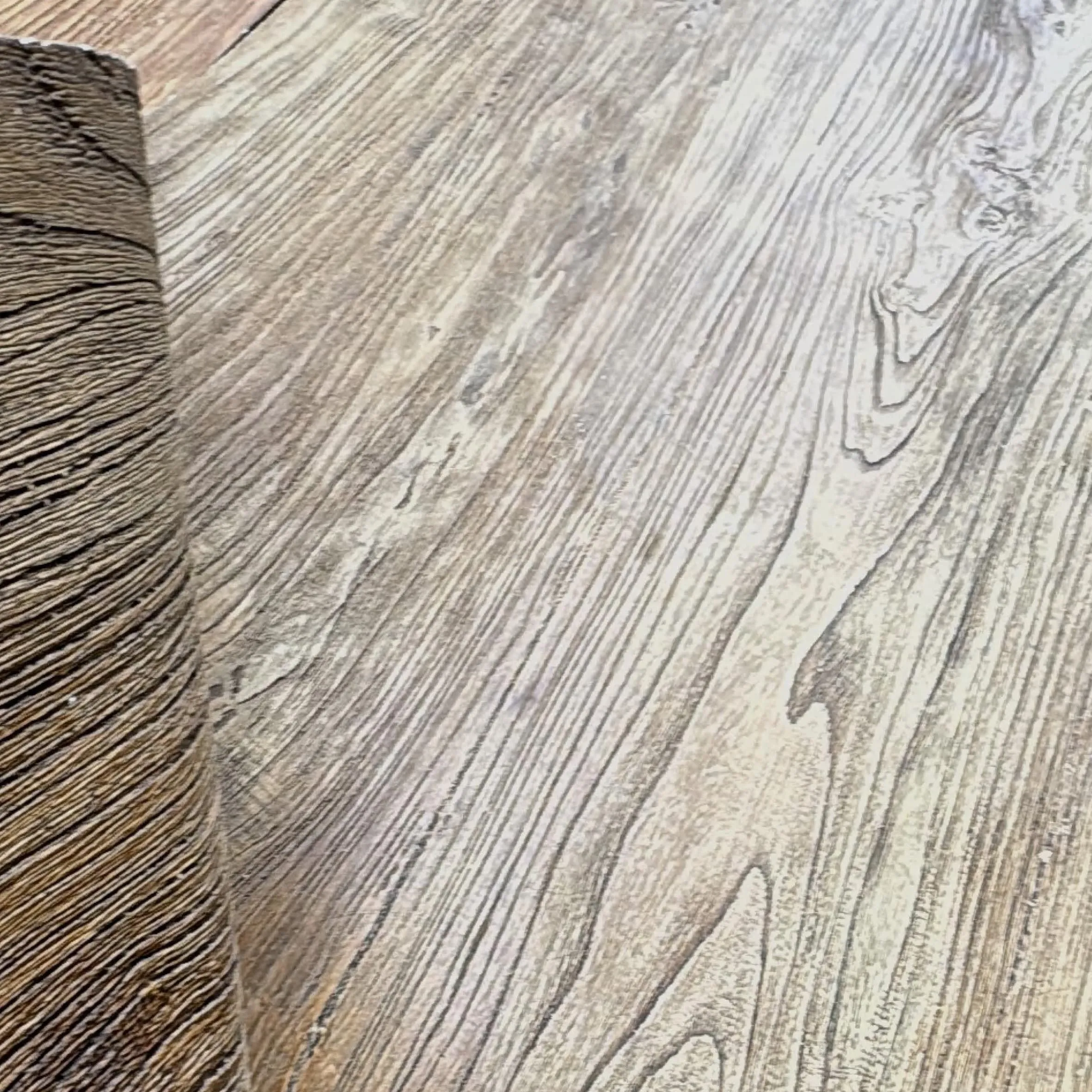
Let's be real: no one wants to spend their weekends maintaining building materials. Solid wood demands attention. You'll need to sand it, stain it, seal it with polyurethane or wax— every single year if it's in a high-traffic area or exposed to moisture. A gallon of quality wood stain? $40-$80. A weekend of your time? Priceless (but let's be honest, you could be hiking, binge-watching, or doing literally anything else). Miss a year, and you'll start seeing water spots, fading, or even mildew.
MCM Wood Grain Board? It's the low-maintenance friend we all need. Spill coffee on it? Wipe it with a damp cloth and mild soap. Kids scribble on it with crayons? A little baking soda and water takes it right off. No sanding, no staining, no sealing. The color is infused into the material, so it won't fade in sunlight (unlike solid wood, which bleaches over time). Even in commercial spaces—restaurants, hotels, retail stores—where wear and tear is constant, MCM holds up without extra effort. That's not just convenience; that's money saved on maintenance products and labor. Over 10 years, you could easily spend $500+ on maintaining solid wood. MCM? Maybe $50 total. The choice here feels like a no-brainer.
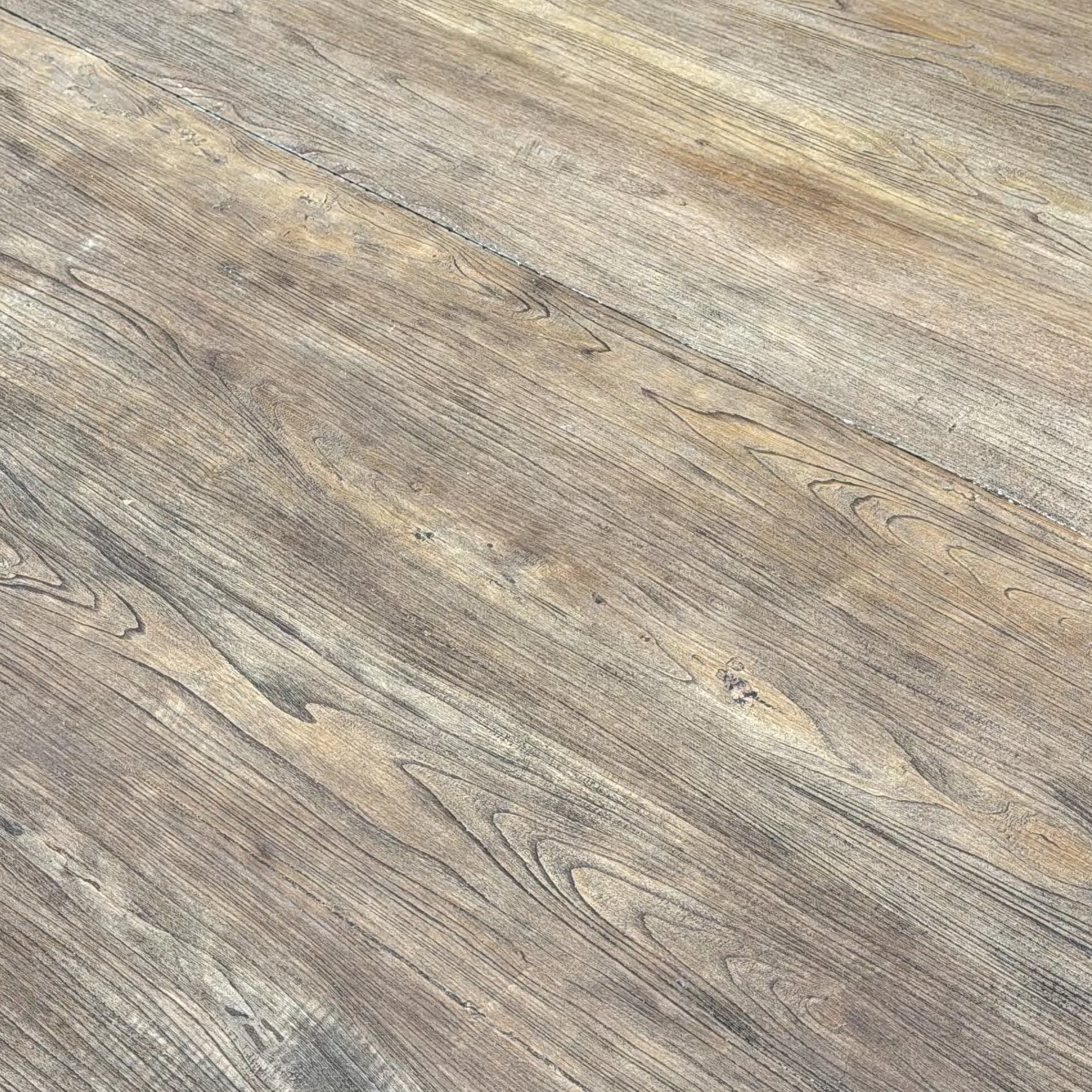
Okay, so solid wood has a reputation for "timeless beauty." And it's true—natural grain patterns are unique, and there's a warmth to real wood that's hard to replicate. But here's the thing: trends change. That honey oak you loved in 2010 might feel dated by 2030. Refinishing solid wood to match a new trend? That's a $2,000+ project for a single room. Stain it too dark? Now you're stuck with it, or you'll have to sand it down and start over (more time, more money).
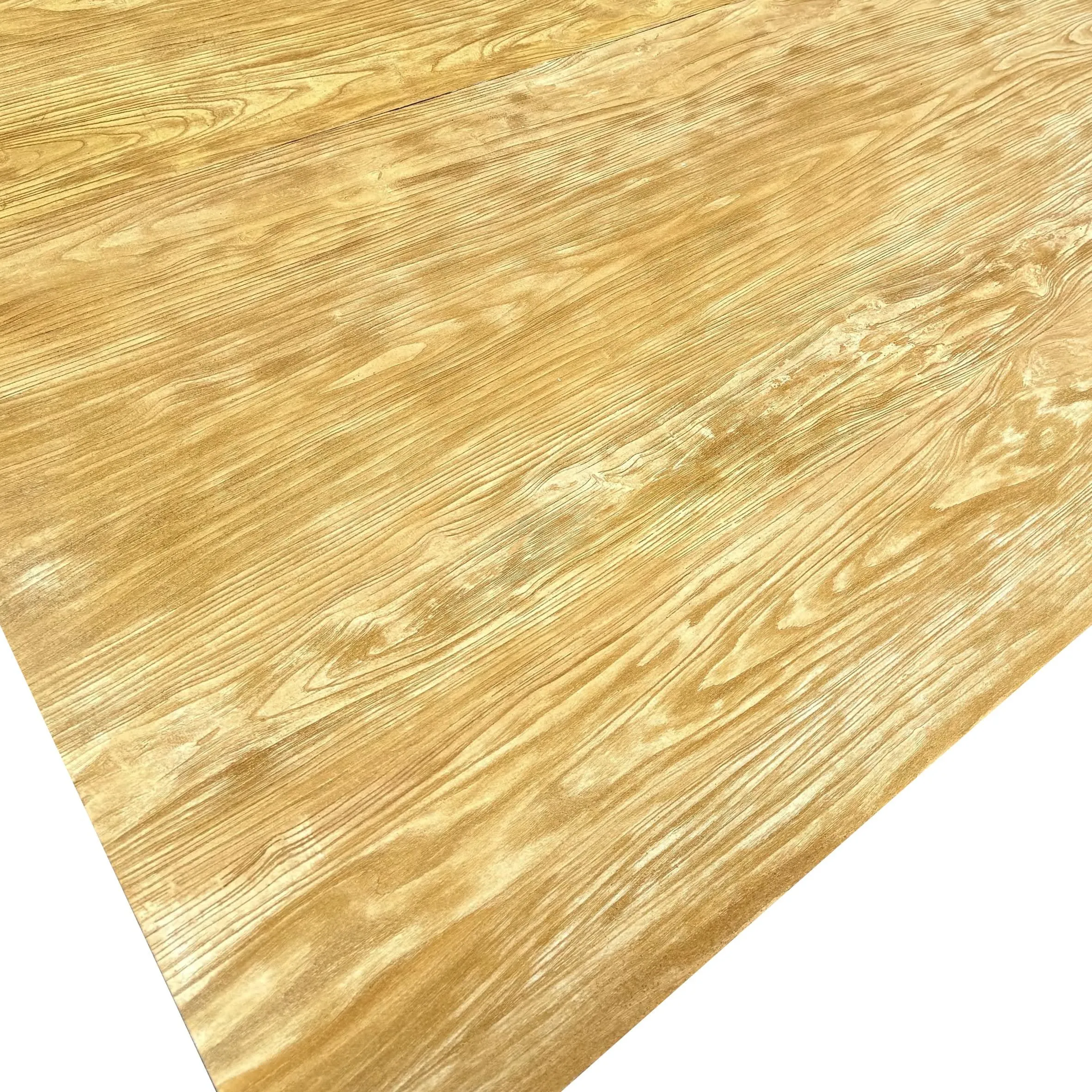
MCM Wood Grain Board, though, is all about flexibility. MCM offers a range of finishes—from "vintage oak" to "smoked walnut" to "natural teak"—so you can pick the exact look you want, no guessing if the stain will turn out right. And if you get bored? Since it's lightweight and easy to install, you can swap out panels without tearing down walls. I worked with a café owner who redid their accent wall with MCM's "linear travertine (claybank)" one year and switched to "wood grain board" the next—total cost? $300 and a day's work. Try that with solid wood, and you'd be looking at $1,500 and a week of downtime.
And let's talk about "oops" moments. Dented solid wood? You'll need to fill it with wood putty, sand it, and restain the entire panel to match. Cracked MCM? replace the single damaged panel—no one will notice the difference. It's like comparing a sweater with a single loose thread (easily fixed) to one that unravels if you pull it (total disaster). Aesthetic flexibility isn't just about looks; it's about avoiding the cost of a full redesign when your taste changes.
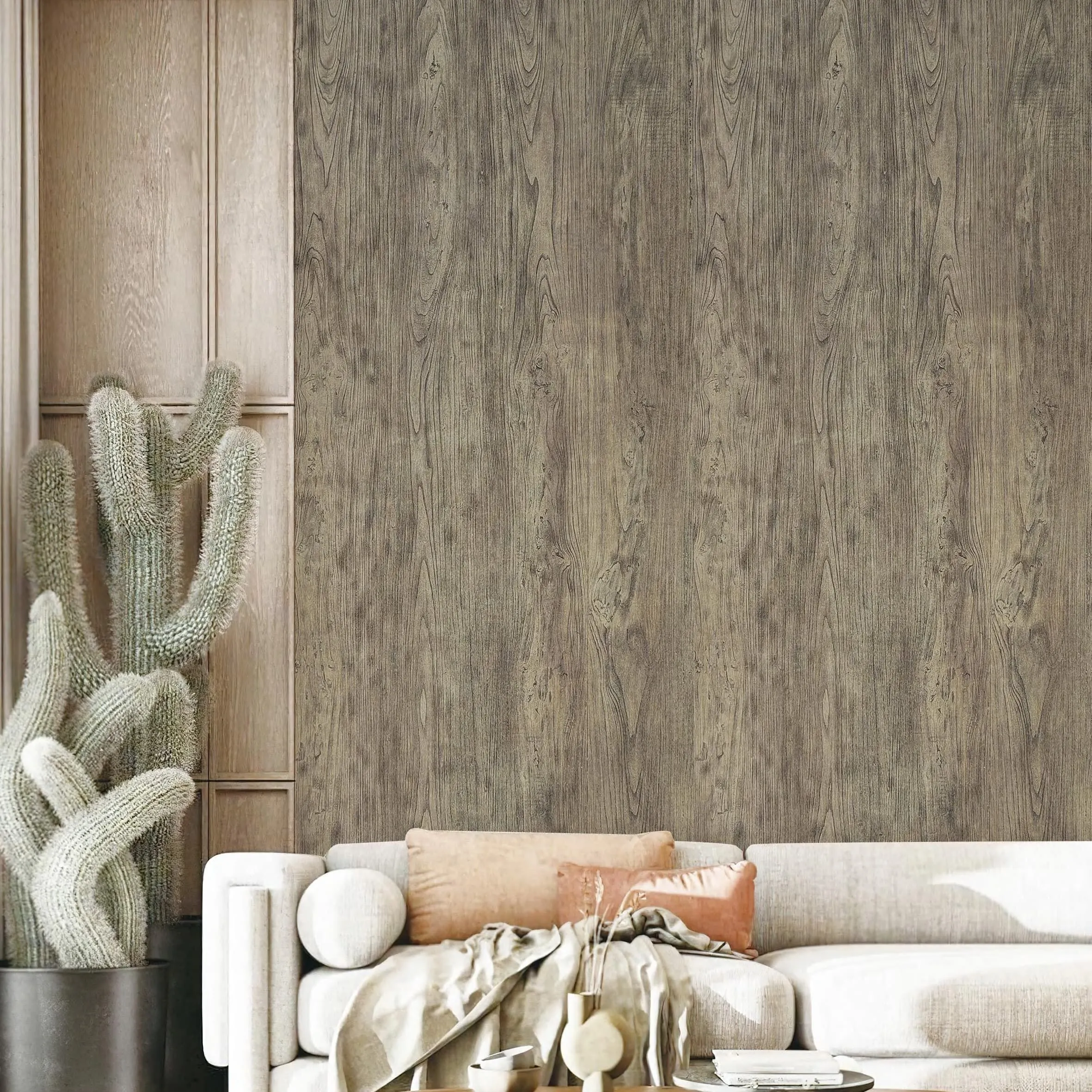
Sustainability isn't just a buzzword—it affects costs, too. Solid wood, when sourced from FSC-certified forests, is renewable, but it's still resource-intensive. Trees take decades to grow, and harvesting them contributes to deforestation (even with responsible practices). Plus, transporting heavy solid wood from forests to mills to your home? That's a carbon footprint that adds up, and those costs get passed to you.
MCM Wood Grain Board is designed with sustainability in mind. It uses recycled materials—up to 40% post-consumer waste in some formulations—and requires less energy to produce than solid wood. Since it's lightweight, shipping costs are lower (hello, cheaper delivery fees). And because it lasts longer, you're not contributing to landfill waste by replacing it every decade. Some MCM products, like their foamed aluminium alloy board or fair-faced concrete , take this even further, but wood grain board is a standout for eco-conscious buyers. Plus, many green building certifications (LEED, BREEAM) offer tax incentives or rebates for using recycled materials. That's not just good for the planet—it's good for your wallet.
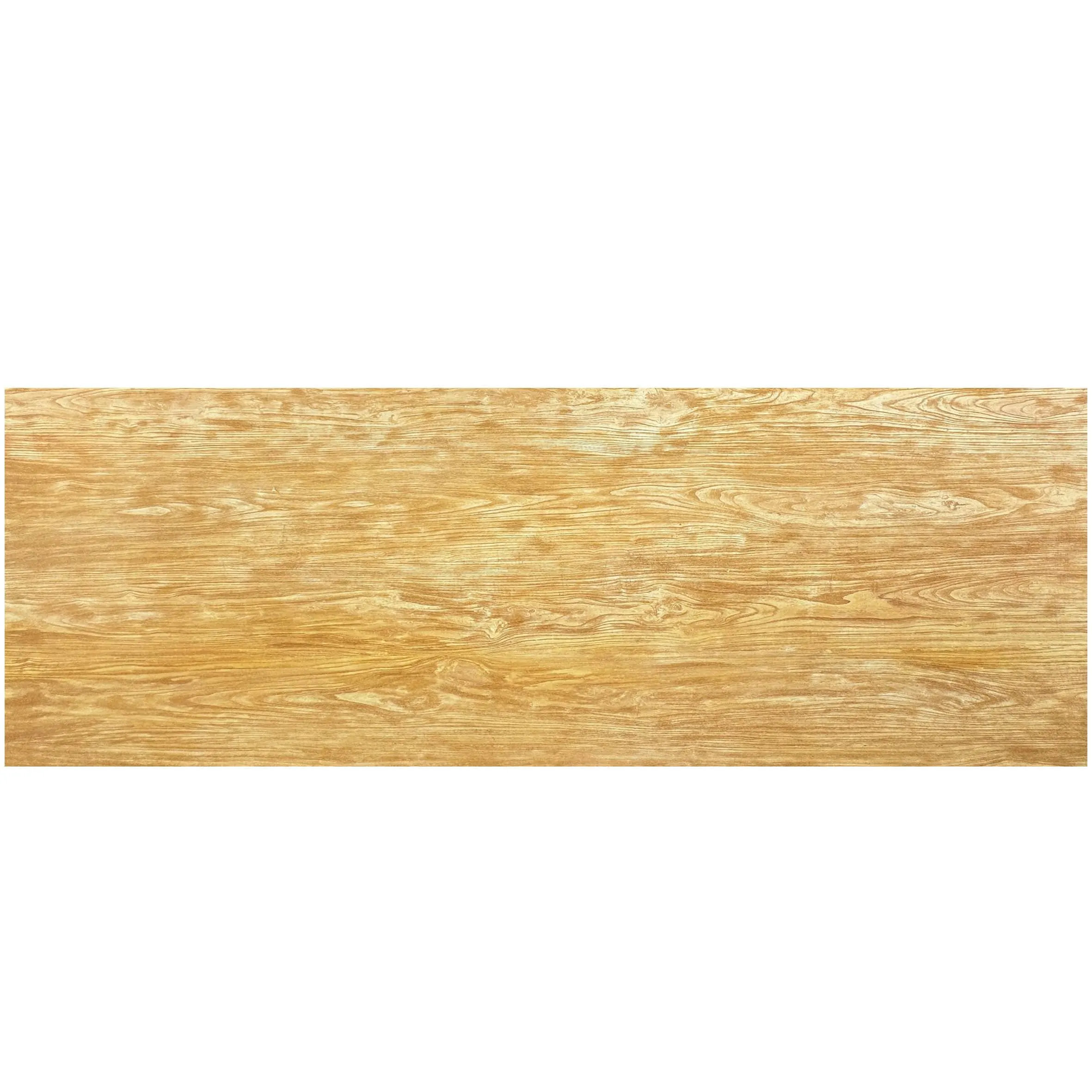
Installation costs can sneak up on you. Solid wood is heavy—really heavy. A 4x8 sheet of oak paneling weighs 50-70 pounds. You'll need two people to carry it, and if you're hiring professionals, labor costs jump because it's physically demanding. Cutting solid wood also requires specialized tools (table saws, miter saws) and expertise to avoid splintering. Mistakes? You've just wasted a $200 board.
MCM Wood Grain Board? It's lightweight—around 15-20 pounds per sheet. One person can carry it. It cuts with a regular utility knife or jigsaw, no fancy tools needed. Many homeowners install it themselves over a weekend, saving $500-$1,000 on labor. Even if you hire pros, installation time is cut in half, so their hourly rate adds up less. And because MCM is more flexible, it can be installed on uneven surfaces (hello, old homes with wonky walls) without cracking—a problem that plagues solid wood installations. Less time, less labor, less risk of mistakes? That's cost-effective in anyone's book.
| Factor | MCM Wood Grain Board | Solid Wood |
|---|---|---|
| Upfront Cost (per 4x8 sheet) | $60-$120 | $150-$300 |
| Expected Lifespan (Indoors) | 30+ years | 15-20 years (with maintenance) |
| Annual Maintenance Cost | $5-$10 (soap, water) | $50-$100 (stain, sealant, tools) |
| Water/Scratch Resistance | High (no warping, scratch-resistant) | Low (prone to warping, scratches, stains) |
| Installation Labor Cost | $100-$300 (DIY-friendly) | $500-$1,000 (professional recommended) |
| Environmental Impact | Low (recycled materials, low energy use) | Medium-High (resource-intensive, heavy shipping) |
| Repair Ease | Easy (replace single panels) | Hard (requires sanding, staining, matching grain) |
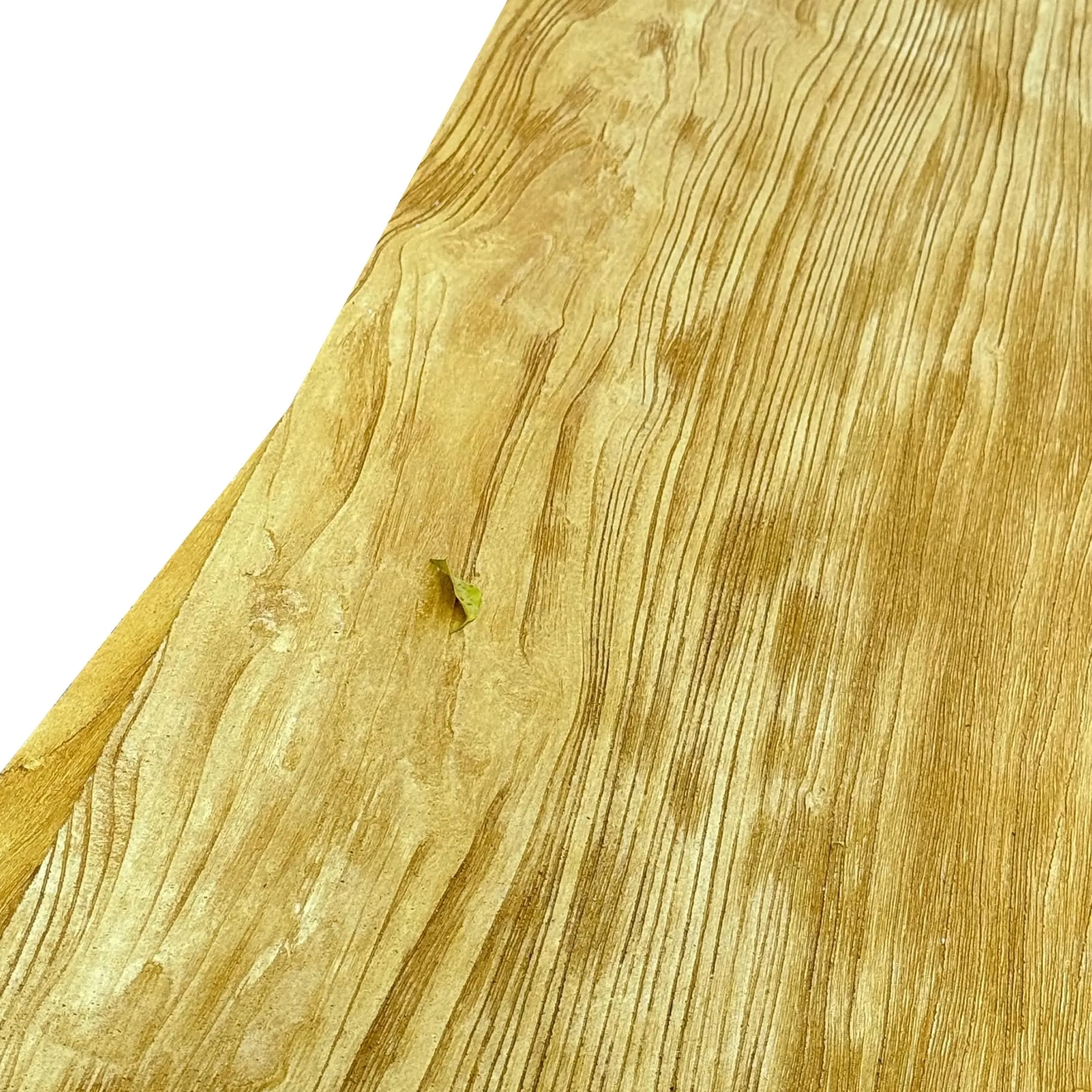
A small café in Charleston, SC, wanted a "beachy wood" vibe for their interior walls. They initially considered solid cedar, drawn to its natural resistance to moisture. But with a 1,200 sq ft space, the upfront cost was $24,000—way over budget. They pivoted to MCM Wood Grain Board in "natural teak" finish, totaling $9,600. Three years later, the owner laughs and says, "We've had hurricanes, salt air, and customers spilling iced coffee daily. The walls still look brand-new. If we'd gone with cedar, we'd already be sanding and restaining—probably spent $3,000 on maintenance by now. MCM was the best call we made."
The Johnsons, a family of four with two dogs, wanted wood-look walls in their playroom. They chose solid pine paneling, thinking it was "kid-friendly." Within a year, there were scratch marks from the dogs, crayon stains, and a warped corner from a spilled sippy cup. They spent $800 on repairs and restaining. Frustrated, they replaced the playroom with MCM Wood Grain Board (cost: $600). Five years later, the walls are still flawless. "No more Saturday mornings spent sanding," Mrs. Johnson says. "The kids draw on it, the dogs scratch it, and it just wipes clean. We saved so much time—and money—we could take a family vacation instead of fixing walls."
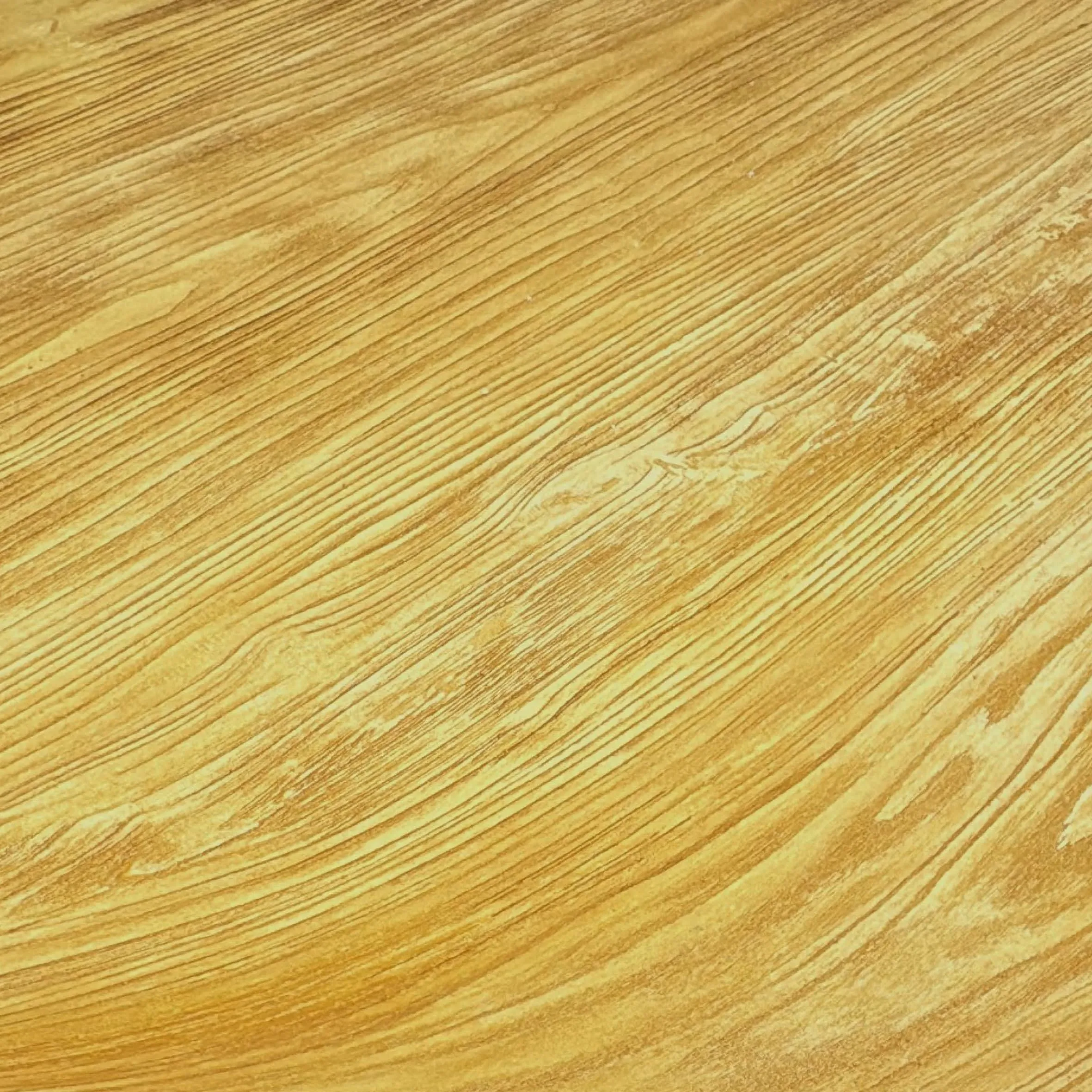
Let's cut to the chase: MCM Wood Grain Board wins the cost-effectiveness battle for 90% of people. It's cheaper upfront, lasts longer, requires minimal maintenance, and is easier to install. The only time solid wood makes sense is if you're chasing a very specific, irreplaceable aesthetic—like restoring a historic home where authenticity is legally required—or if you're willing to pay a premium for the "feel" of real wood, even if it costs you more in the long run.
Think of it this way: solid wood is like a luxury car. It's beautiful, prestigious, and fun to show off, but it costs a fortune to maintain and depreciates quickly. MCM Wood Grain Board is the reliable sedan—stylish enough, but built to last, easy to care for, and leaves you with extra cash for the things that matter (vacations, college funds, that fancy espresso machine). At the end of the day, cost-effectiveness isn't about being cheap; it's about getting the most value for every dollar you spend. And when you factor in all the hidden costs of solid wood, MCM doesn't just compete—it dominates.
So next time you're staring at wood samples, remember: the real "investment" isn't the one with the higher price tag. It's the one that still looks great, costs you nothing in upkeep, and lets you enjoy your space without stress. Spoiler: that's MCM Wood Grain Board.
Recommend Products












