
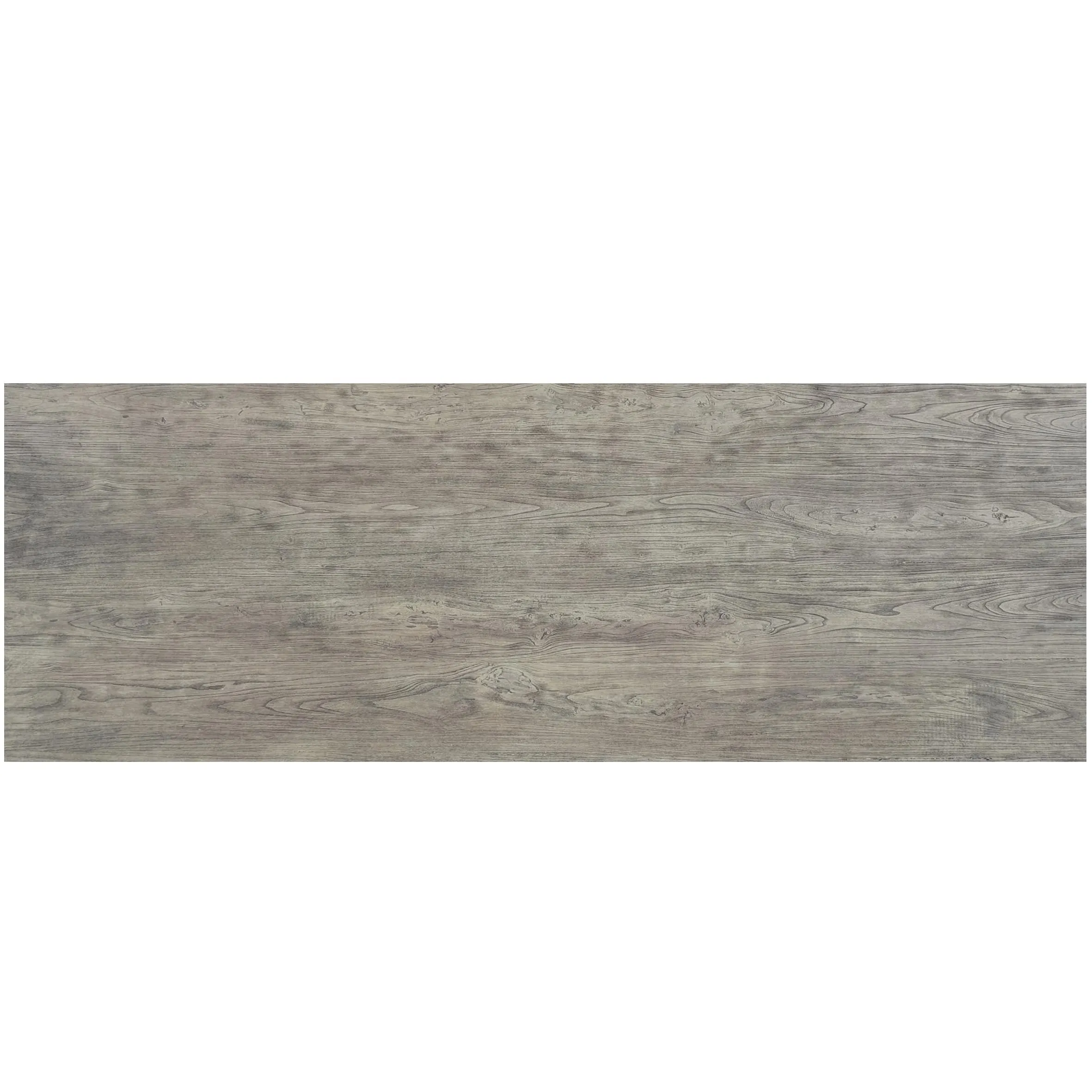
Look around any modern city, and you'll notice a skyline reaching ever higher—skyscrapers that don't just pierce the clouds but redefine what's possible in architecture. Yet behind every gleaming facade and soaring height lies a quiet challenge: balancing ambition with practicality. When it comes to building materials, one factor often flies under the radar but carries enormous weight (pun intended): how heavy those materials are. In high-rise construction, where every kilogram affects structural integrity, installation efficiency, and long-term sustainability, lightweight panels like the MCM Wood Grain Board are emerging as unsung heroes. Let's dive into why weight matters, and how this innovative material is changing the game.
High-rises aren't just tall buildings—they're ecosystems where every component interacts. Imagine a 50-story tower: each floor, each wall, each panel adds up. Traditional building materials, while reliable, often come with a hidden price tag: their weight. Let's break down the ripple effects:
A building's foundation is its backbone, but even the strongest backbone can falter under excess weight. Heavy materials like solid stone or thick concrete panels increase the "dead load"—the static weight a structure must support 24/7. Engineers compensate by reinforcing foundations with more steel, thicker concrete, or deeper pilings, driving up construction costs and limiting design flexibility. For example, a single square meter of traditional fair-faced concrete can weigh upwards of 25 kg; multiply that by thousands of square meters across a high-rise, and you're looking at a foundation working overtime.
Construction sites are bustling with activity, but heavy panels slow things down. Lifting a 30 kg concrete slab requires cranes, rigging teams, and careful coordination—mistakes can lead to delays or, worse, accidents. Lighter materials, by contrast, are easier to handle. A construction worker can carry a lightweight MCM panel with one hand, reducing reliance on heavy machinery and cutting installation time by up to 40%, according to industry reports. When deadlines are tight (and they always are), speed without sacrificing safety is everything.
Buildings age, and heavy materials accelerate that process. Over decades, the constant stress of supporting excess weight can lead to cracks in walls, sagging floors, or degraded structural joints. Maintenance crews then face costly repairs, from reinforcing beams to replacing damaged panels. Lightweight materials ease this burden, letting buildings age gracefully without constant upkeep.
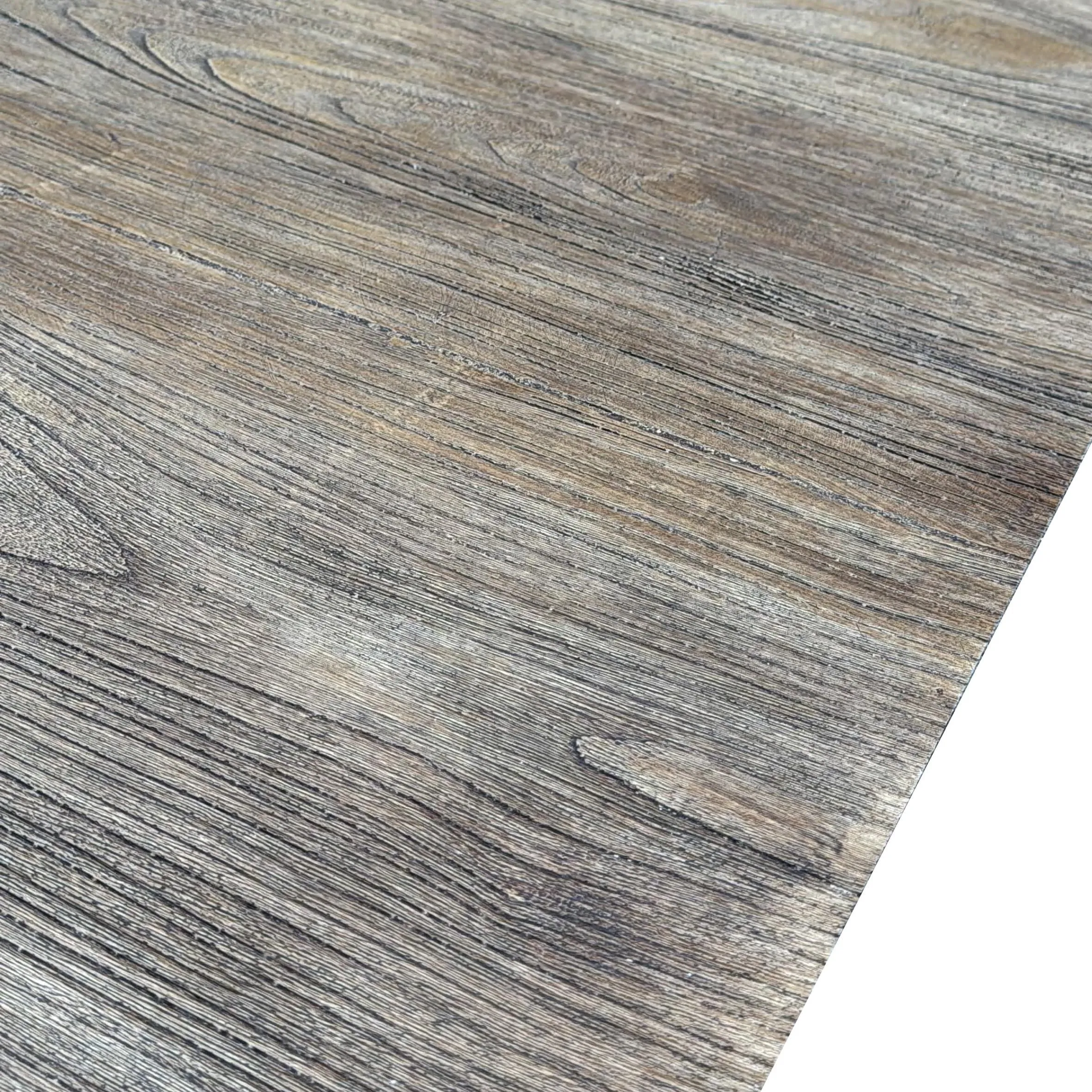
Enter the MCM Wood Grain Board, part of the broader MCM Project Board Series—a line of materials engineered to solve the weight dilemma without compromising on style or strength. MCM, short for Modified Composite Material, blends polymers, minerals, and natural fibers into a panel that's featherlight but surprisingly tough. Think of it as the architectural equivalent of a carbon fiber bike: strong enough to perform, light enough to make the ride easier.
Traditional wood panels rely on solid timber, which is dense and heavy. MCM Wood Grain Board, however, uses a honeycomb core structure—think of the inside of a beehive—sandwiched between thin, durable outer layers. This design cuts weight dramatically (typically 6–8 kg per square meter, compared to 15–20 kg for solid wood) while maintaining rigidity. Add in advanced bonding agents and fire-resistant additives, and you get a panel that's not just light, but built to last.
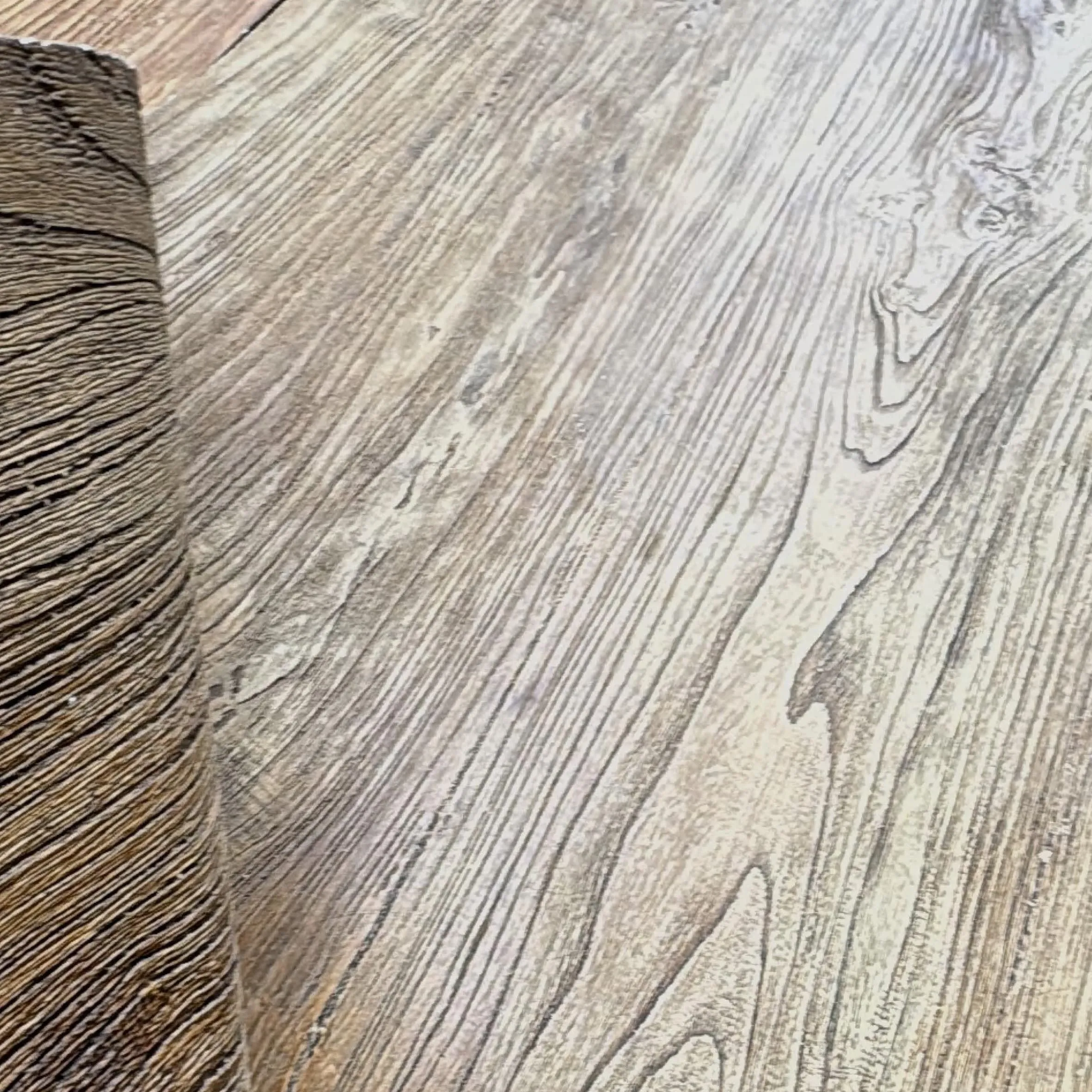
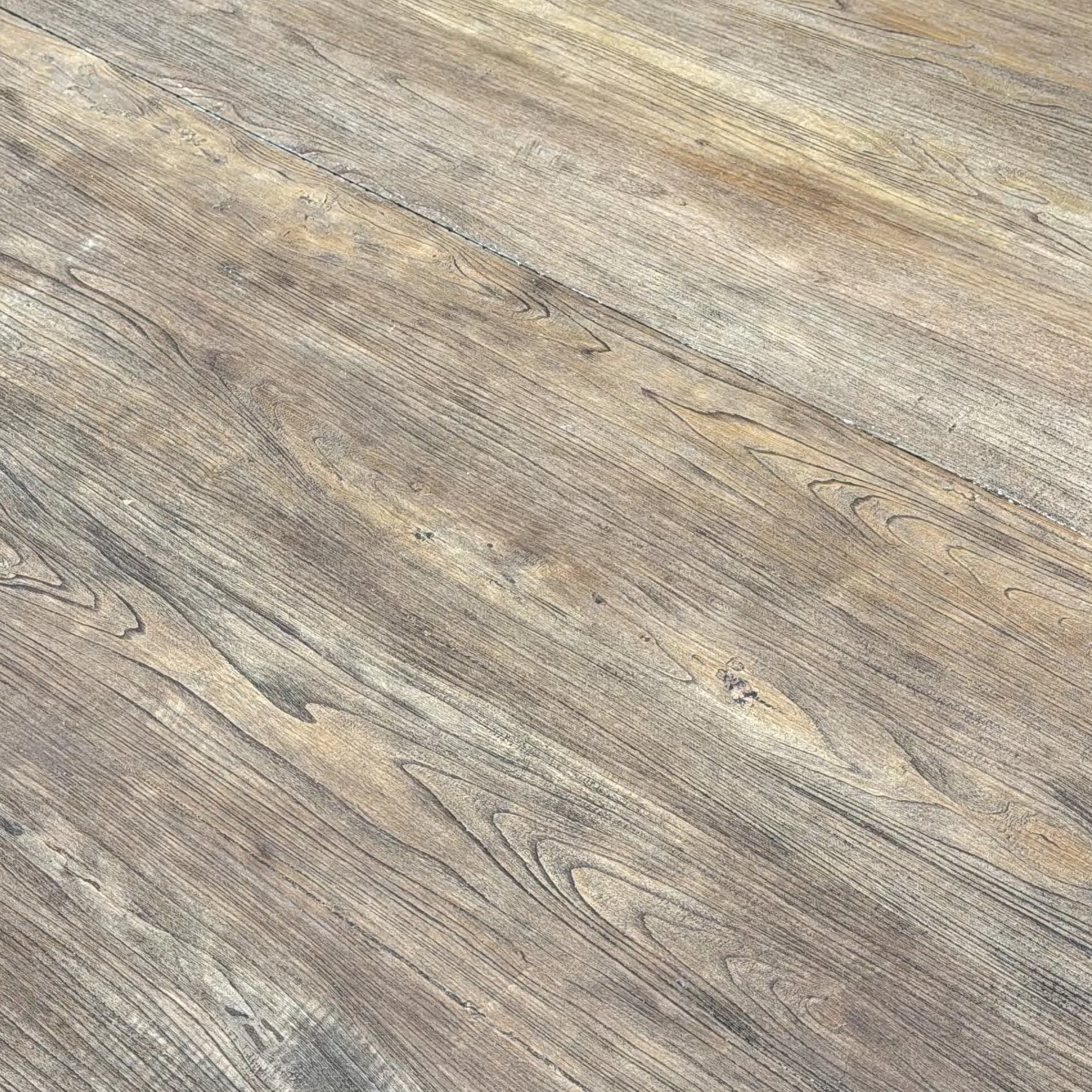
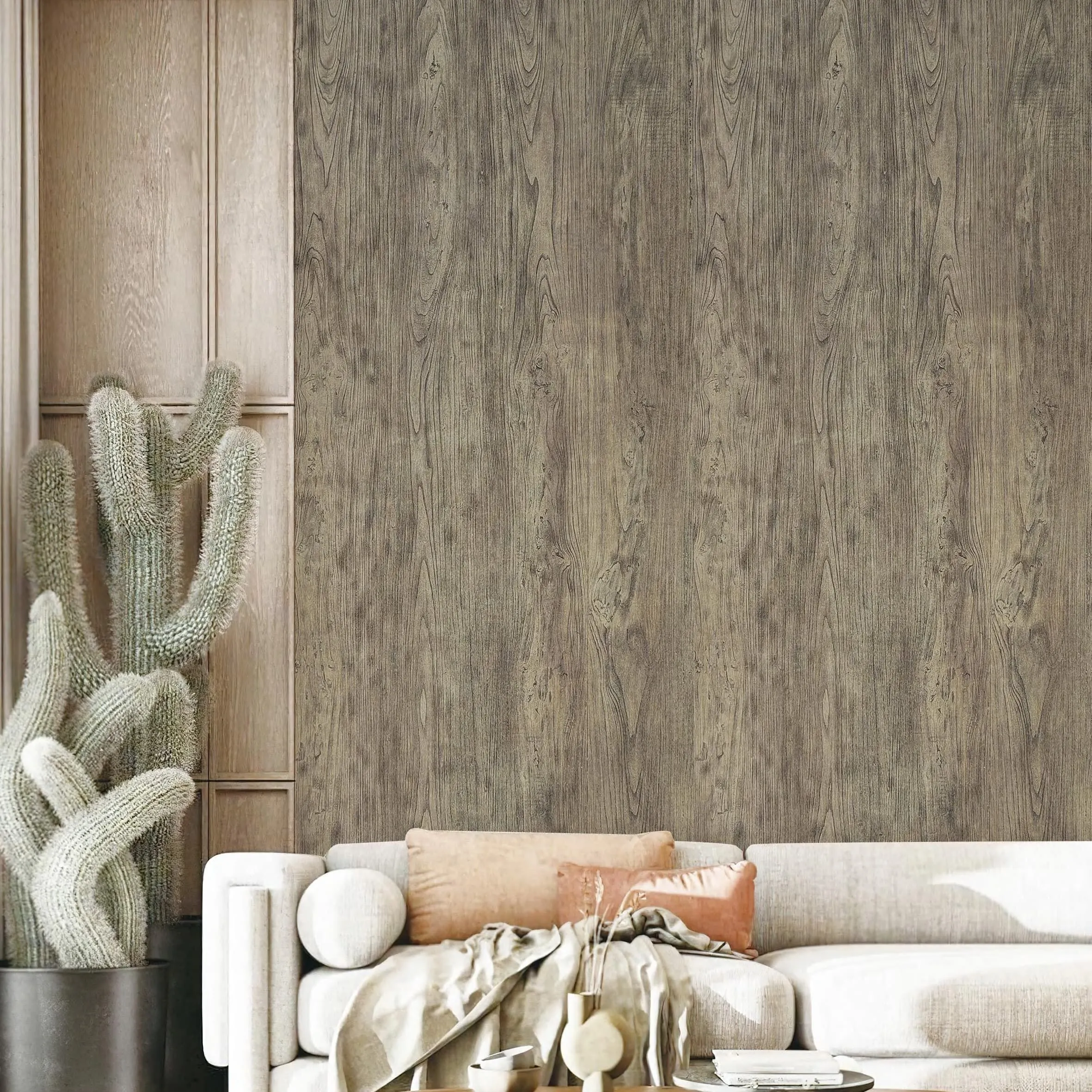
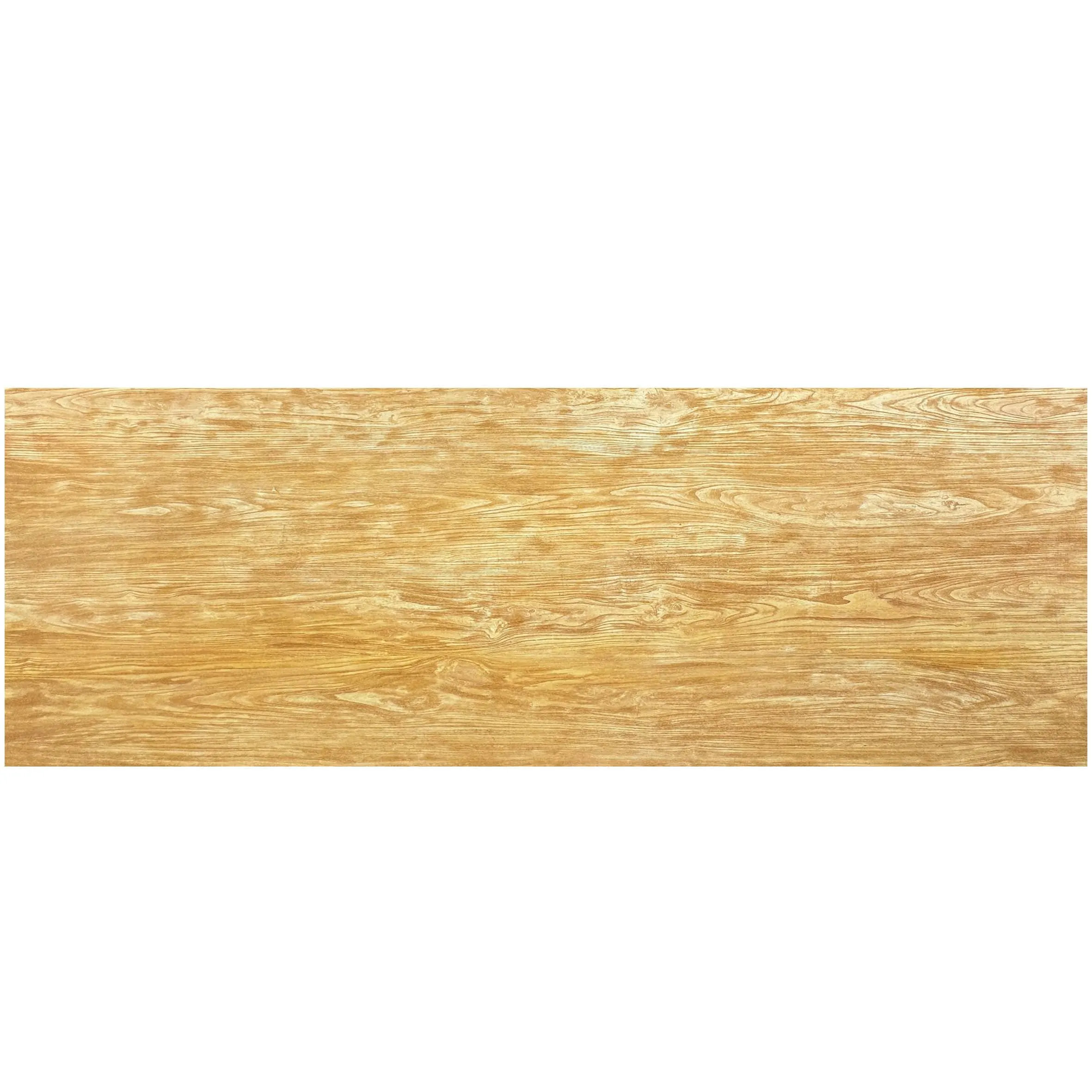
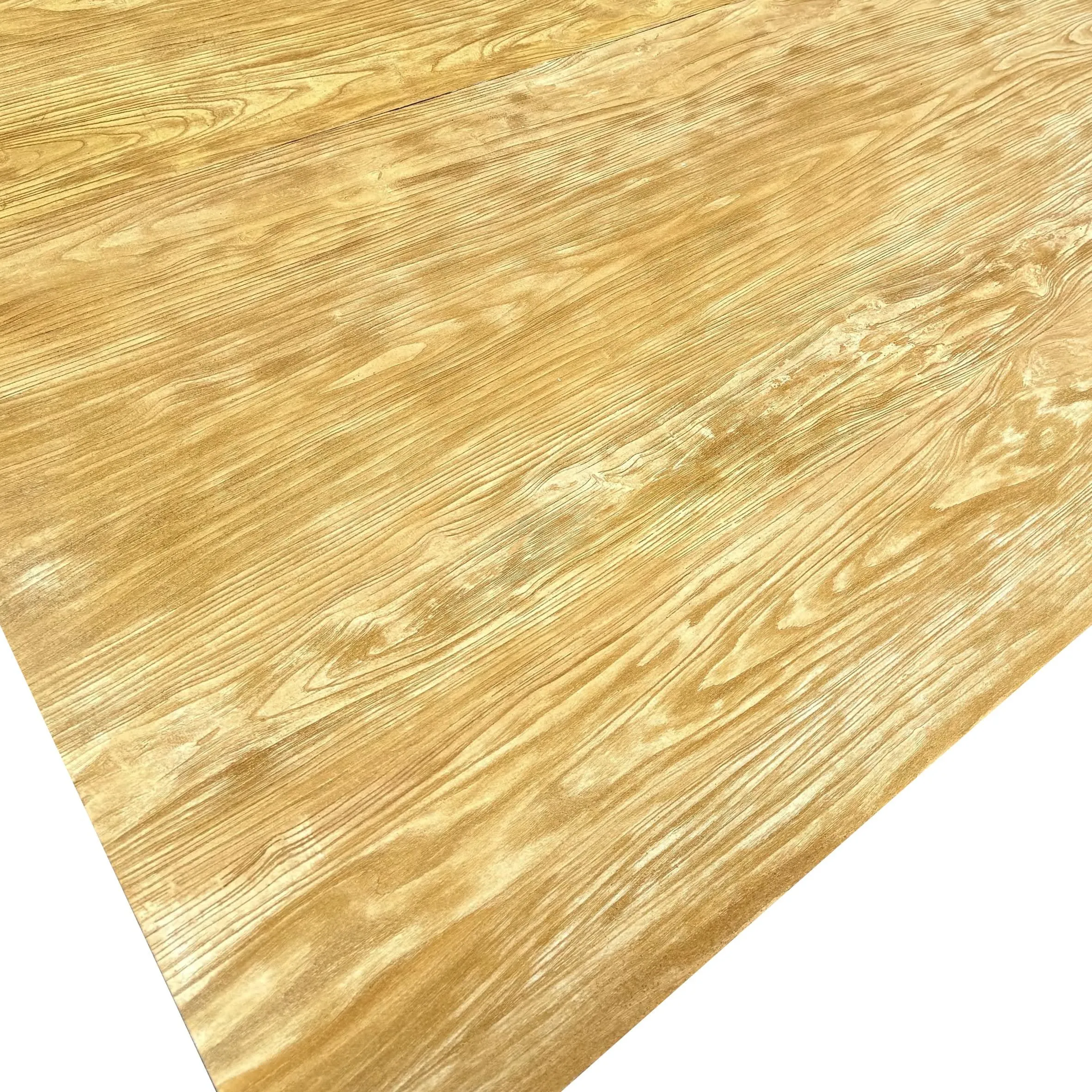
Lightweight doesn't mean boring. The MCM Wood Grain Board's claim to fame is its uncanny replication of natural wood textures—from warm oak grains to rich walnut patterns—making it a favorite for designers craving that "organic modern" look. Unlike real wood, it resists warping, rotting, or fading under sun and rain, making it ideal for high-rise exteriors. Pair it with complementary MCM lines like the Lunar Peak Silvery for metallic accents, and you've got a facade that's both cohesive and eye-catching.
Numbers tell the story best. Let's compare the MCM Wood Grain Board to two common alternatives: traditional solid wood panels and fair-faced concrete. The results might surprise you.
| Material | Weight (kg/m²) | Installation Time (per 100m²) | Expected Lifespan (years) | Maintenance Needs |
|---|---|---|---|---|
| MCM Wood Grain Board | 6–8 | 1–2 days | 30–40 | Minimal (occasional cleaning) |
| Traditional Solid Wood Panel | 15–20 | 3–4 days | 15–20 (prone to rot/fading) | Regular sealing, staining, repairs |
| Fair-Faced Concrete | 22–28 | 5–7 days | 50+ (but heavy structural load) | Sealing, crack repairs, water damage checks |
The takeaway? MCM Wood Grain Board isn't just lighter—it's faster to install, longer-lasting, and easier to maintain. For high-rise projects where every day and dollar counts, that's a triple win.
Talk is cheap; real projects tell the truth. Take the Azure Tower, a 42-story residential building in downtown Vancouver. Originally designed with traditional stone panels, the project faced delays due to weight-related foundation issues. The team switched to MCM Wood Grain Board for the exterior cladding, cutting the dead load by 35% and shaving three weeks off the construction timeline. Residents now enjoy warm, wood-like facades without the worry of warping or rot, and the developer saved over $2 million in foundation reinforcement costs.
Or consider the Horizon Office Park in Singapore, where architects paired MCM Wood Grain Board with MCM Flexible Stone for a dynamic, textured facade. The lightweight panels allowed for cantilevered design elements—overhanging balconies and angular accents—that would have been impossible with heavier materials. Today, it's one of the city's most photographed buildings, proving that lightweight doesn't mean compromising on bold design.
Skeptics might wonder: If it's so light, is it strong enough? The answer lies in rigorous testing. MCM panels undergo brutal assessments: wind tunnel tests simulating 200 km/h gales, impact tests with falling debris, and fire resistance trials lasting over an hour. The Wood Grain Board passes with flying colors, meeting international standards like ASTM E119 for fire safety and ISO 12944 for weather resistance. In short, it's built to withstand the worst Mother Nature (or urban life) can throw at it.
As cities grow taller and greener, lightweight materials will only become more critical. The MCM 3D Printing Series, an extension of the MCM line, hints at what's next: panels custom-printed to unique shapes, reducing waste and allowing for hyper-personalized designs. Imagine a high-rise where every panel is tailored to its position—curved for wind resistance, textured for solar reflection—all made possible by lightweight composites.
Sustainability is another driver. MCM panels use recycled materials in their cores, and their lightweight nature reduces carbon emissions during transportation and installation (fewer trucks, less fuel). When a building reaches the end of its life, MCM panels are recyclable, closing the loop on waste. In a world focused on net-zero goals, materials that work with the planet, not against it, are non-negotiable.
High-rises are more than symbols of progress—they're testaments to human ingenuity. The MCM Wood Grain Board embodies that ingenuity: a material that solves a practical problem (weight) while elevating design possibilities. It reminds us that the future of construction isn't just about building taller, but building smarter—with materials that respect the limits of physics, the demands of efficiency, and the beauty of human creativity.
So the next time you gaze up at a gleaming skyscraper, spare a thought for the panels that clothe it. Chances are, some of them are light as a feather, tough as nails, and quietly changing how we build our world—one lightweight board at a time.
Recommend Products












