
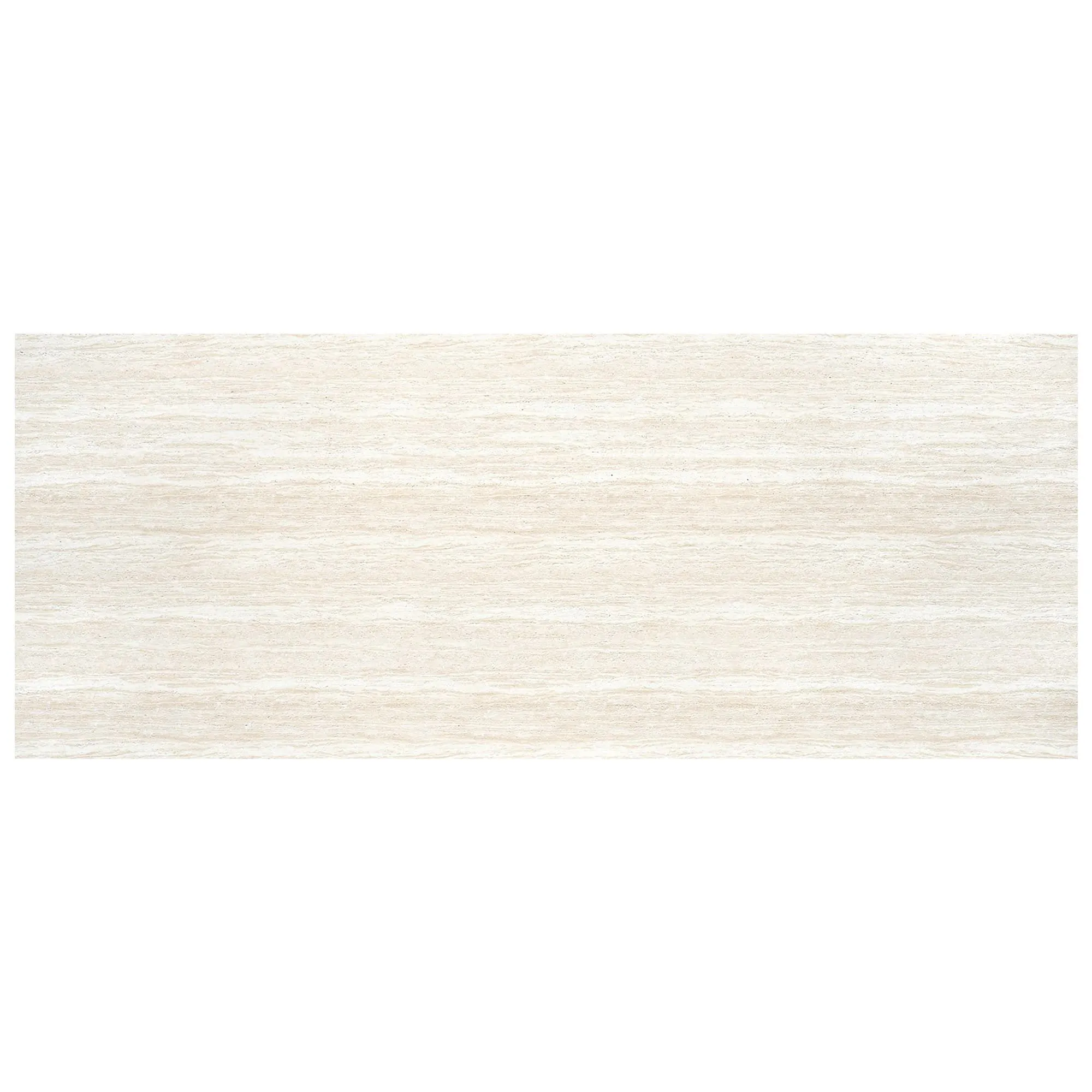
There's something almost primal about our love for wood. It's in the way sunlight filters through a wooden bookshelf, casting dappled shadows on the floor. It's in the warmth of a wooden dining table where families gather, or the rustic charm of a cabin's log walls. For centuries, wood has been more than just a building material—it's a storyteller, carrying the marks of time, weather, and growth. But here's the thing: nature's perfection is imperfect. No two trees are the same, and replicating that unique, organic beauty in modern design? That's always been the challenge. Enter MCM Wood Line 3D Printing, a game-changer that's redefining how we bring wood's timeless allure into spaces, without the limitations of traditional materials.
Walk into any home improvement store, and you'll find rows of wood panels, planks, and boards. Some are real wood, harvested from forests; others are veneers, thin slices glued to cheaper materials. But both come with trade-offs. Real wood warps in humidity, fades in sunlight, and can be pricey—especially if you want rare or exotic species. Veneers, on the other hand, often look flat, lacking the depth and variation that make natural wood so captivating. Designers and architects have long dreamed of a material that captures wood's soul—the swirls, knots, and grain patterns—without the maintenance headaches or environmental impact.
Think about it: when you want a wall that looks like reclaimed barn wood, you either track down actual barn wood (which is finite and expensive) or settle for a printed wallpaper that peels after a few years. When you're designing a commercial space, like a restaurant, and you want wood accents that can withstand spills, scratches, and heavy foot traffic, traditional wood just isn't up to the task. And let's not forget sustainability. Deforestation is a global concern, and while responsible sourcing helps, the demand for wood-inspired materials keeps growing. We needed a better way—a way to honor wood's beauty while embracing innovation.
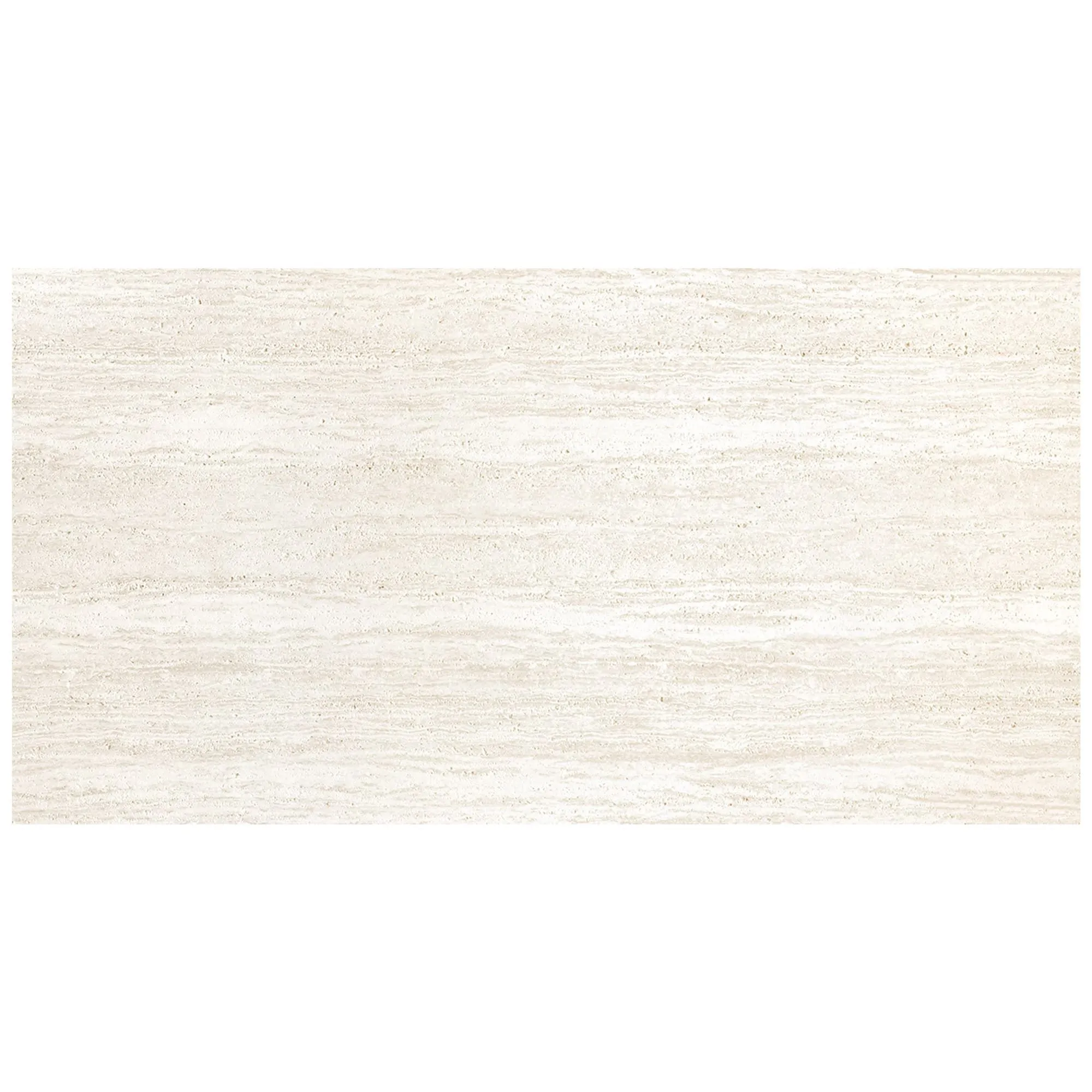
MCM (Modified Composite Material) has been quietly revolutionizing the building materials industry for years, with products like flexible stone and foamed aluminium alloy board pushing the boundaries of what's possible. But the Wood Line 3D Printing series? That's where they've truly merged technology with art. This isn't just about printing a flat image of wood grain on a panel. It's about creating a three-dimensional texture that feels like the real thing—so much so that you'll find yourself running your hand over it, half-expecting to feel splinters (you won't).
The magic starts with digital design. MCM's team of artists and engineers have spent years scanning real wood samples—old oak beams from European castles, weathered teak from coastal homes, even driftwood found on remote beaches—to create a library of grain patterns. These patterns aren't just images; they're 3D models, capturing every rise and fall of the wood's surface. Then, using advanced 3D printing technology, the MCM machines layer modified composite materials (a blend of minerals, polymers, and natural fibers) to recreate those patterns with stunning accuracy. The result? A material that looks, feels, and even smells like wood, but with none of the drawbacks.
What's remarkable is the level of detail. You'll see tiny knots that look like they've been growing for decades, grain lines that twist and turn as if guided by the tree's search for sunlight, and even subtle color variations—from honeyed golds to deep amber—that mimic the way wood ages. It's not just replication; it's reimagination. MCM's 3D printers can take a single grain pattern and tweak it, scaling it up for a statement wall or softening it for a delicate accent piece. The possibilities are as endless as nature itself.
At the heart of the Wood Line is the wood grain board—a versatile panel that's become a favorite among designers. Unlike traditional wood panels, which are thick and heavy, MCM's wood grain board is lightweight and flexible, making installation a breeze (no need for heavy machinery or specialized tools). But don't let its lightness fool you; it's tough. Water-resistant, fire-retardant, and resistant to scratches and fading, it's built to handle the chaos of everyday life. Imagine a kitchen backsplash that looks like oak but won't warp when you splash water on it, or a bathroom wall that feels like cedar but won't mold. That's the wood grain board in action.
I recently visited a design studio in Chicago where they had a wall covered in MCM wood grain board, and I'll admit—I was skeptical at first. From across the room, it looked like any other wood paneling. But when I got closer and ran my hand over it, I was shocked. The texture was so authentic, with tiny ridges and valleys that mirrored real wood. The designer told me they'd chosen a pattern inspired by reclaimed pine from a 19th-century barn in Vermont. "We wanted that weathered, lived-in look," she said, "but we needed something that could stand up to the studio's humidity and the kids who sometimes run around during client meetings. This board checked all the boxes."
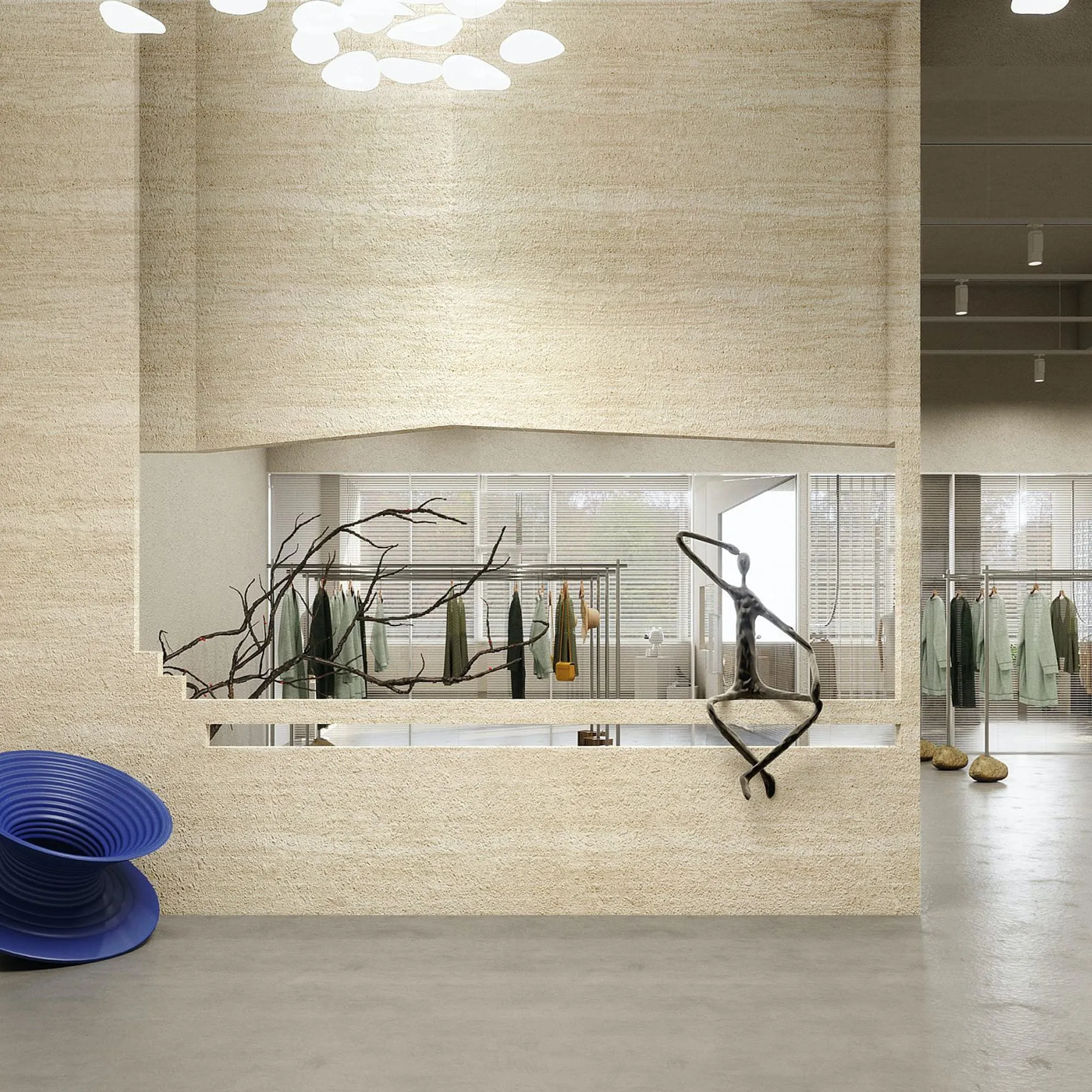
The beauty of MCM's approach is that it's not limited to wood. The Wood Line 3D Printing series plays well with other MCM materials, like flexible stone and foamed aluminium alloy board, creating stunning combinations that add depth and contrast to spaces. For example, imagine a feature wall where wood grain board serves as the base, accented with strips of flexible stone in a earthy beige—a nod to the way wood and stone coexist in nature. Or a modern office where wood grain panels are paired with foamed aluminium alloy board in vintage silver, blending warmth with industrial edge.
Flexible stone, in particular, is a standout. Made from natural stone particles bonded with eco-friendly polymers, it's thin enough to bend around curves (perfect for rounded walls or custom furniture) but strong enough to withstand the elements. When paired with wood grain board, it creates a texture story that feels grounded and organic. And foamed aluminium alloy board? It adds a touch of luxury, with its metallic sheen complementing the wood's warmth. Together, these materials let designers create spaces that are visually rich and emotionally resonant—spaces that feel both familiar and fresh.
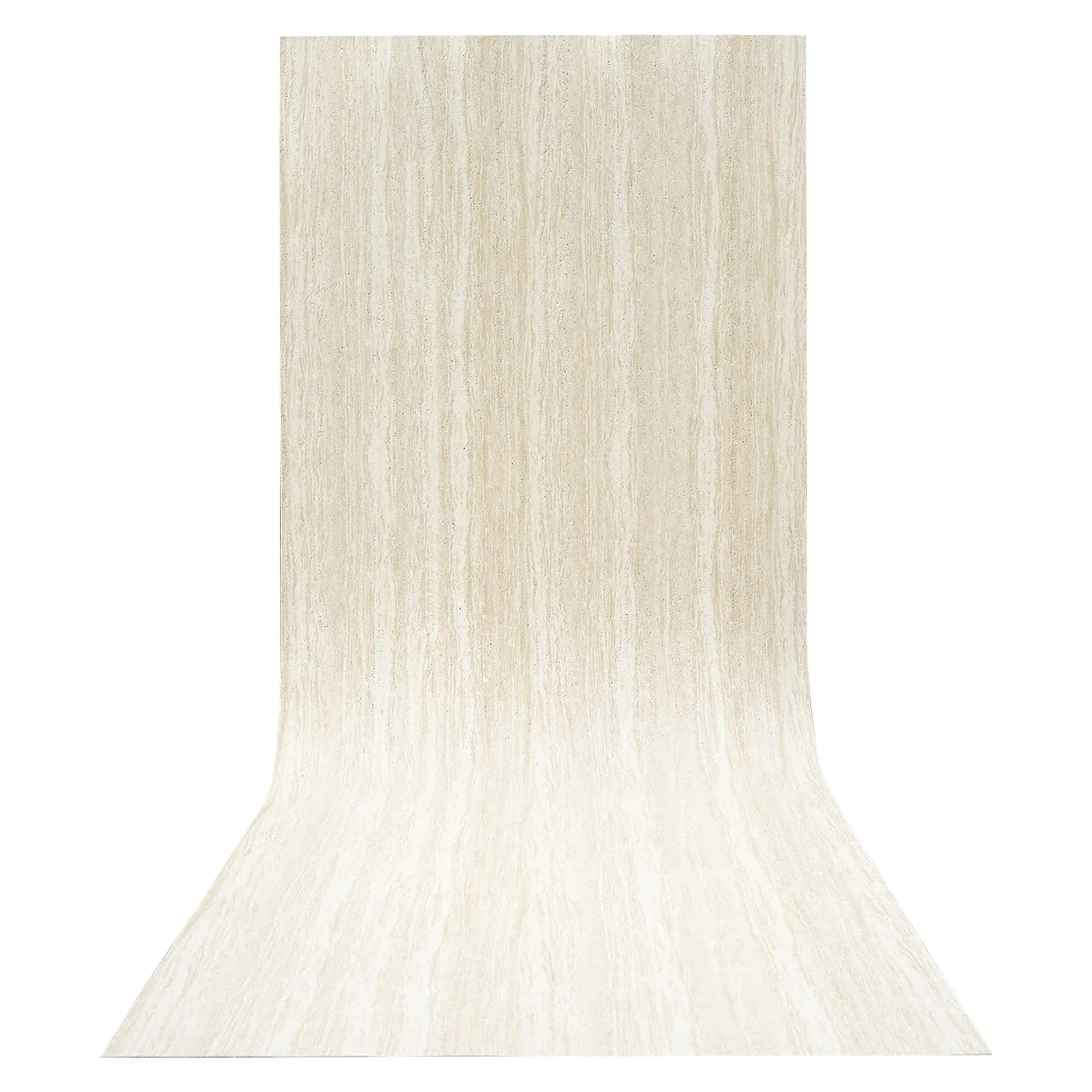
So, why choose MCM Wood Line 3D Printing over traditional wood or other imitations? Let's break it down. For designers, it's about freedom—freedom to create without worrying about material limitations. For builders, it's about efficiency—lighter materials, easier installation, and less waste. And for homeowners and business owners, it's about peace of mind—knowing their space will look beautiful for years to come. Here's a closer look at the benefits:
| Aspect | Traditional Wood Paneling | MCM Wood Line 3D Printing (Wood Grain Board) |
|---|---|---|
| Material Source | Harvested from trees; limited by availability of species. | Modified composite materials; sustainable and eco-friendly. |
| Customization | Limited to natural grain patterns of available wood. | Endless patterns, sizes, and colors; 3D models can be tweaked. |
| Durability | Prone to warping, rotting, and insect damage; fades in sunlight. | Water-resistant, fire-retardant, scratch-resistant; UV-stable. |
| Installation | Heavy; requires specialized tools and skilled labor. | Lightweight and flexible; easy to cut, drill, and install. |
| Sustainability | Can contribute to deforestation if not sourced responsibly. | Made from recycled materials; reduces reliance on natural wood. |
In a world where sustainability is no longer a trend but a necessity, MCM's approach shines. The Wood Line 3D Printing series uses a high percentage of recycled materials, including post-consumer plastics and industrial byproducts, reducing the demand for virgin resources. And since it doesn't require cutting down trees, it helps preserve forests and biodiversity. Even the production process is eco-conscious—MCM's factories use energy-efficient machinery and minimize waste, with leftover materials recycled back into the production cycle.
I spoke with an architect in Portland who specializes in green building, and she raved about MCM's sustainability credentials. "We're always looking for materials that align with our clients' values," she said. "A lot of them want the look of wood but don't want to contribute to deforestation. MCM's wood grain board lets us give them that warm, natural feel without the environmental guilt. Plus, it's low-VOC, so it doesn't off-gas harmful chemicals—important for indoor air quality."
Let's talk about the real-world test: kids, pets, spills, and time. Traditional wood panels can scratch if a dog runs past with a toy, warp if a pipe leaks, or fade if they're in direct sunlight. MCM's wood grain board? It laughs off these challenges. Its composite material is dense and non-porous, so spills wipe right off (no more permanent coffee stains on the kitchen backsplash). It's resistant to mold and mildew, making it ideal for bathrooms and basements. And unlike real wood, it doesn't expand or contract with temperature changes, so you won't see gaps or warping over time.
One homeowner in Florida, where humidity and hurricanes are a fact of life, shared her experience: "We installed MCM wood grain board in our outdoor patio area three years ago. It's been through two hurricanes, countless rainstorms, and scorching sun, and it still looks brand new. The real wood deck we had before needed to be refinished every year and still rotted along the edges. This stuff? We hose it off, and it's good as new. Best home improvement decision we ever made."
Here's where MCM truly excels: customization. Whether you're a designer working on a high-end hotel or a homeowner wanting to personalize your living room, MCM's 3D printing technology lets you bring your vision to life. Want a grain pattern that matches the oak tree in your childhood backyard? MCM can scan it and recreate it. Need a panel that's 20 feet long with no seams? They can print it. Prefer a color that's somewhere between "honey maple" and "walnut"? They can mix it. The only limit is your imagination.
A restaurant owner in New York told me about her custom project: "I wanted the walls of my Italian bistro to feel like the inside of an old Tuscan villa—warm, rustic, with wood that looks like it's been there for centuries. MCM worked with me to create a custom grain pattern that included subtle cracks and discoloration, like wood that's been exposed to the elements. They even added tiny 'nail holes' to mimic the look of old planks. When customers walk in, they say, 'This feels so authentic!' Little do they know it's 3D printed. It's exactly what I wanted, and it was ready in weeks, not months."
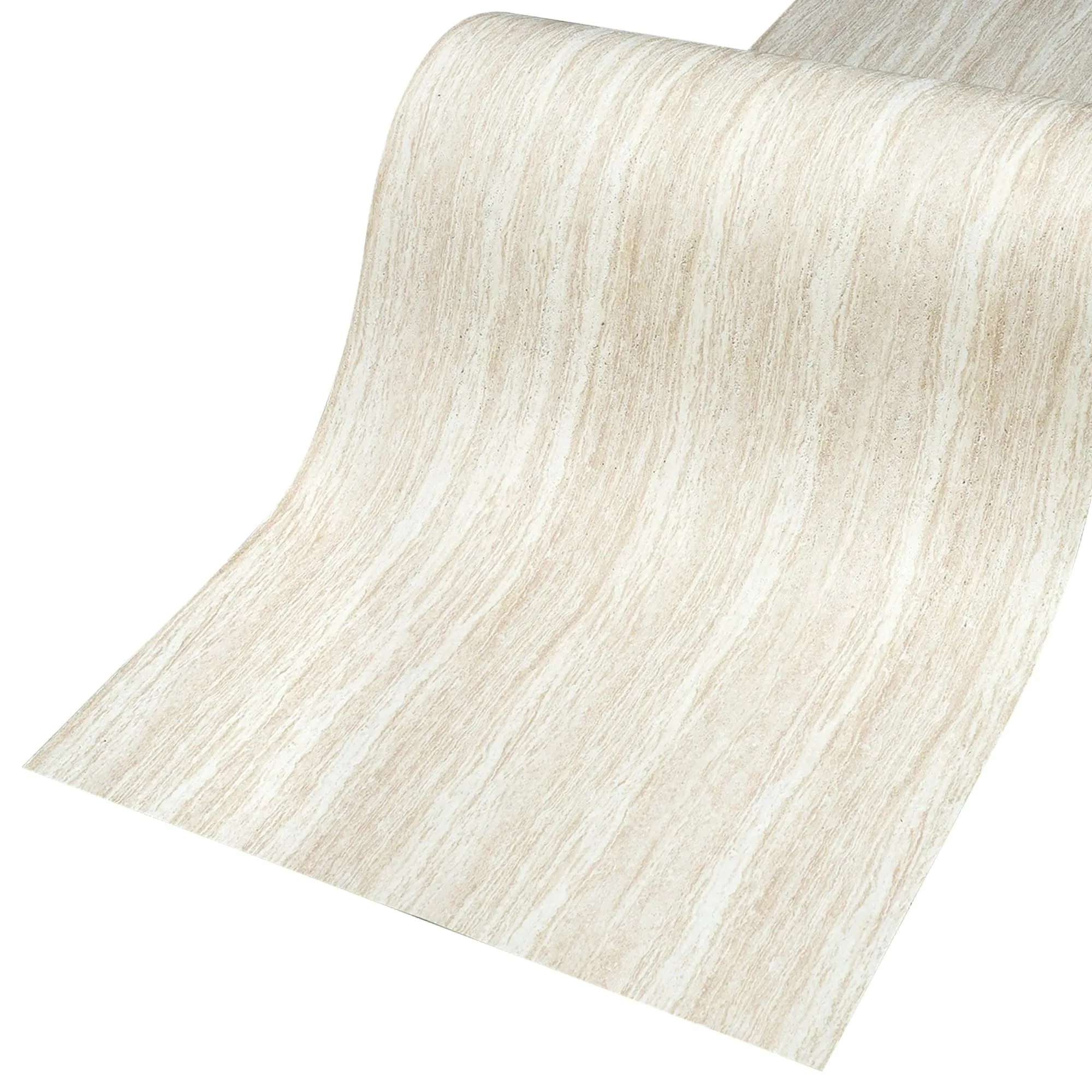
Numbers and features tell part of the story, but it's the spaces themselves that really bring MCM Wood Line 3D Printing to life. Let's dive into a couple of real-world examples where this technology has transformed ordinary rooms into extraordinary experiences.
Portland's coffee scene is competitive, with new cafés popping up every month. So when Sarah, the owner of "Grain & Bean," wanted to stand out, she knew she needed a space that felt like a home away from home. Her vision? A warm, inviting interior that celebrated the Pacific Northwest's love of nature, without feeling cliché.
Working with a local designer, Sarah chose MCM wood grain board for the main walls, paired with flexible stone in a soft beige for the counterfront. The wood grain pattern they selected was inspired by the Douglas fir trees that surround Portland, with deep, swirling grains and warm amber tones. To add contrast, they used foamed aluminium alloy board in vintage gold for the light fixtures and shelf accents, giving the space a subtle touch of elegance.
"The reaction has been amazing," Sarah said. "Customers walk in and immediately comment on how 'cozy' and 'welcoming' the space feels. They run their hands over the walls and ask where we found such beautiful wood. When we tell them it's 3D printed, they're shocked—then they ask for the MCM contact info! We've even had other café owners come in to take photos. It's become part of our brand."
In Tokyo, where space is at a premium, modern homes often prioritize sleek, minimalist design. But Takashi, a software engineer, wanted his apartment to feel "warm, not cold"—a balance of modern efficiency and natural comfort. His solution? MCM wood grain board in the living area, paired with fair-faced concrete floors and large windows that let in plenty of natural light.
"I love the look of traditional Japanese wood homes, but they're hard to maintain in a city apartment," Takashi explained. "MCM's wood grain board gave me that same warmth but with the durability I need. I have a small dog who scratches everything, and a toddler who loves to draw on walls (don't tell my wife I said that). The MCM board handles both—scratches wipe off, and crayon comes off with a damp cloth. Plus, it's lightweight, so we didn't have to reinforce the walls. Installation took two days, and now our living room feels like a little oasis in the middle of the city."
MCM's Wood Line 3D Printing is just the beginning. As technology advances, the possibilities for innovation are endless. The MCM team is already experimenting with integrating smart technology into their materials—imagine wood grain panels that can change color with a touch, or flexible stone that doubles as a touchscreen. They're also exploring new sustainable materials, like using mushroom mycelium (a natural, eco-friendly alternative to plastic) in their composites, further reducing their environmental footprint.
Another exciting area is collaboration. MCM has partnered with artists and designers from around the world to create limited-edition grain patterns, each telling a unique cultural story. From the intricate carvings of Indian temples to the clean lines of Scandinavian design, these collaborations are turning MCM materials into works of art. And with the rise of virtual reality, designers can now "walk through" a space and tweak MCM patterns in real time before production even begins, ensuring every detail is perfect.
Perhaps most importantly, MCM is committed to making this technology accessible. While 3D printing might sound like something only luxury projects can afford, MCM has worked to keep costs competitive with traditional materials. "We believe everyone deserves spaces that inspire them," said a company spokesperson. "That's why we're focused on scaling our technology and making these materials available to designers, builders, and homeowners of all budgets."
Wood has been with us for millennia, and its appeal is as strong as ever. But in a world where we need to build smarter, more sustainably, and more creatively, traditional materials can only take us so far. MCM Wood Line 3D Printing isn't replacing wood—it's reimagining it, honoring its beauty while fixing its flaws. It's technology with a human touch, creating materials that don't just look good, but feel good too.
Whether you're designing a café that feels like a hug, a home that grows with your family, or a commercial space that leaves a lasting impression, MCM's Wood Line 3D Printing series offers something truly special: the ability to bring nature's imperfection into your space, perfectly. So the next time you walk into a room and feel that familiar warmth of wood, take a closer look. It might just be MCM, quietly revolutionizing the way we build, design, and live.
Recommend Products












