
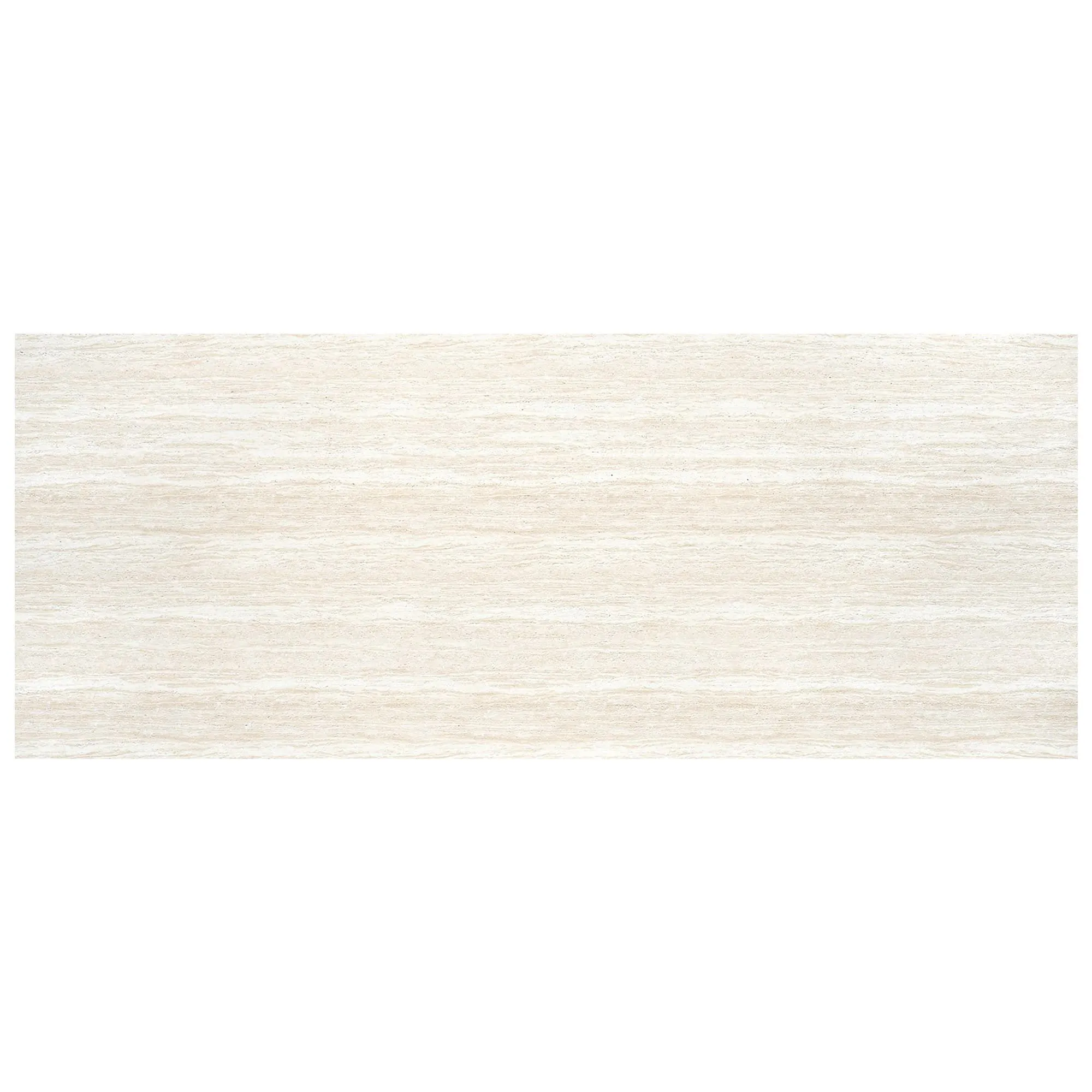
Walk into any thoughtfully designed space, and you'll notice something subtle but powerful: continuity. It's the quiet force that makes a room feel cohesive, a building feel intentional, and a neighborhood feel connected. Design continuity isn't just about matching colors or styles—it's about how materials, textures, and lines flow together to tell a unified story. And in today's architecture, where bold visions meet practical constraints, the choice of building materials can make or break that story. Enter MCM Wood Line Big Slab Sizes—a game-changer in the world of cladding and surfacing that's redefining how we think about continuity in design.
For too long, architects and designers have grappled with a trade-off: the beauty of natural materials versus the practicality of modern construction. Traditional wood panels warp; natural stone slabs crack under their own weight; and smaller, fragmented materials create visual clutter with seams and breaks. But what if there was a material that offered the warmth of wood, the durability of stone, and the flexibility to span large surfaces without sacrificing flow? That's exactly what the MCM big slab board series brings to the table—especially with its Wood Line collection.
First, let's break down the basics. MCM stands for Modified Composite Material, a cutting-edge blend of natural minerals, polymers, and reinforcing fibers designed to mimic the look and feel of natural materials while outperforming them in key areas. Think of it as nature's beauty, supercharged by technology. And within the MCM family, the Wood Line is a love letter to organic texture—crafted to replicate the grain, knots, and warmth of real wood, but with a twist: big slab sizes that redefine possibility.
When we talk about "big slabs" here, we're not just talking slightly larger than average. The MCM Wood Line big slabs come in sizes that make traditional panels look tiny—think 2400mm x 1200mm (that's nearly 8 feet by 4 feet) and even custom sizes for ambitious projects. This matters because size directly impacts continuity. Imagine trying to paint a mural with tiny tiles versus a single large canvas; the latter lets the vision shine without interruption. That's the difference big slabs make.
But the Wood Line isn't just about size. It's about detail, too. The wood grain board patterns are so lifelike, you'll find yourself reaching out to check if it's real. From the soft swirls of oak to the bold stripes of teak, each slab is engineered to capture the uniqueness of natural wood—without the natural drawbacks. And when paired with MCM's flexible stone core, these slabs become something even more special: a material that bends, adapts, and fits into spaces traditional wood or stone never could.
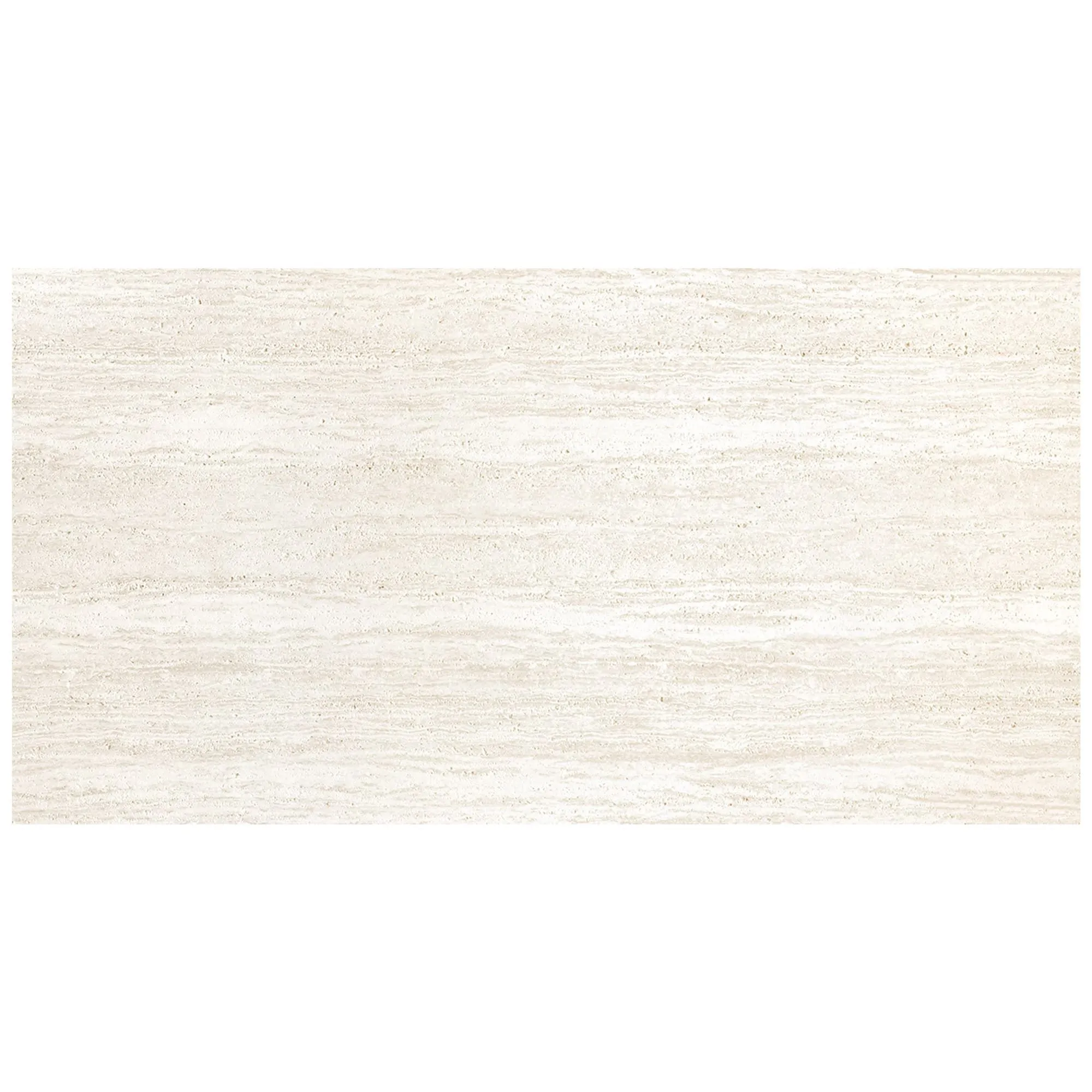
Design continuity falters most often at the seams. Every time a material ends and another begins—whether it's a gap between tiles, a misaligned grain in wood panels, or a crack in stone—it creates a visual "speed bump" that disrupts the flow. Big slabs eliminate that problem by reducing the number of seams dramatically. Let's say you're cladding a 10-meter wall with standard 600mm-wide wood panels: you'd need 17 panels, resulting in 16 visible seams. Swap those out for 2400mm MCM Wood Line slabs, and you'd need just 5 slabs—with only 4 seams. That's a 75% reduction in visual interruptions. Suddenly, the wall stops looking like a patchwork and starts looking like a single, intentional statement.
But it's not just about fewer seams—it's about the quality of the flow. With traditional small panels, aligning grain patterns is a nightmare. Each panel might have a grain that runs left, right, up, or down, creating a chaotic, disjointed look. MCM Wood Line big slabs, however, are engineered with consistent grain direction across the entire slab. That means you can run the grain vertically from floor to ceiling, horizontally across a facade, or even diagonally for a dynamic effect—all without the pattern breaking. It's like laying down a single roll of high-definition wallpaper, but for walls (and exteriors, and ceilings…).
Customization plays a role here, too. Architects and designers don't just want fewer seams—they want control over how the material behaves. MCM Wood Line big slabs can be cut, shaped, and even curved to fit specific design needs. Want a feature wall that wraps around a curved staircase? No problem. Need a facade that tapers at the top? The flexibility of MCM's core (thanks to its flexible stone properties) allows the slabs to bend without cracking, keeping the grain pattern intact. Traditional materials? They'd require cutting the slab into smaller, curved pieces, which brings back those dreaded seams and breaks the continuity.
| Feature | MCM Wood Line Big Slabs | Traditional Wood Panels |
|---|---|---|
| Standard Slab Sizes | Up to 2400mm x 1200mm (custom sizes available) | Typically 600mm x 1200mm or smaller |
| Seam Count (per 10m² Wall) | 4-5 seams | 15-20 seams |
| Grain Pattern Consistency | Engineered for continuous, aligned grain | Inconsistent; hard to align across panels |
| Flexibility | Can bend up to 30° (flexible stone core) | Rigid; prone to cracking if bent |
| Installation Time (per 10m²) | 3-4 hours | 6-8 hours (more seams = more labor) |
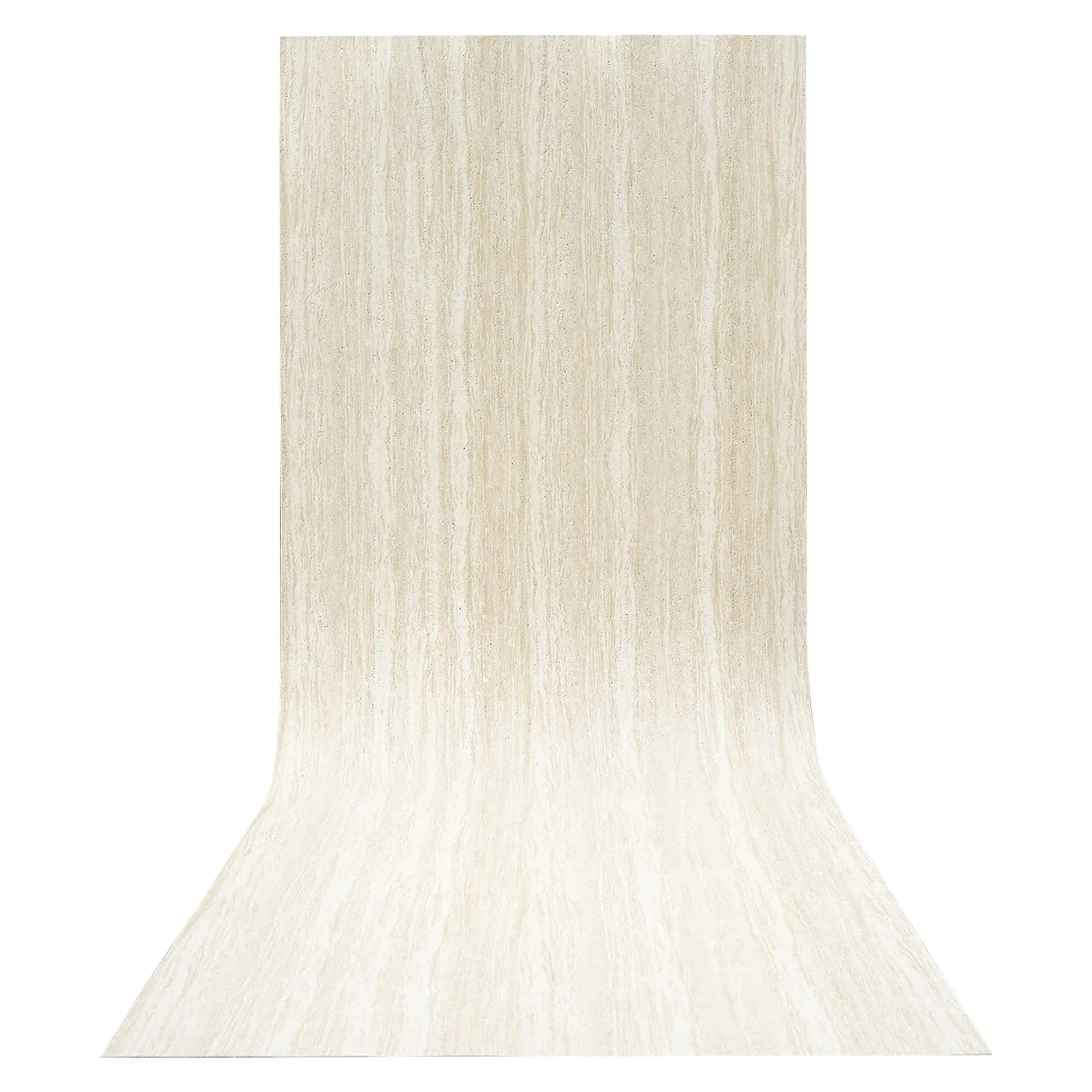
At the heart of the MCM Wood Line's appeal is its dual nature: it looks and feels like wood, but performs like a high-tech composite. That's where flexible stone comes into play. Unlike natural stone, which is rigid and brittle, MCM's flexible stone core is made from a blend of mineral powders and polymers that give it bendable strength. This means the big slabs can be installed on curved surfaces—a curved facade, a rounded interior wall, or even a spiral staircase surround—without breaking or losing their shape. Traditional wood panels might warp or crack under such stress; natural stone would shatter. But MCM? It adapts, keeping the wood grain pattern smooth and continuous even when the surface isn't flat.
Durability is another piece of the puzzle. Real wood is vulnerable to the elements: rain swells it, sun fades it, pests eat it. MCM Wood Line big slabs, though, are built to resist all that. They're UV-stable, so the wood grain color won't fade in direct sunlight. They're moisture-resistant, making them ideal for bathrooms, kitchens, or outdoor use (no more rotting deck boards!). And they're pest-proof—termites and wood-boring insects can't digest the composite core. For architects designing spaces that need to look good and last, this is a game-changer. Continuity isn't just about how a space looks on day one; it's about how it looks ten years later. With MCM, that warm, continuous wood aesthetic stays intact, no matter the wear and tear.
Lightweight is another unsung hero here. Traditional stone slabs of comparable size can weigh hundreds of pounds, requiring heavy machinery to transport and install. MCM Wood Line big slabs, by contrast, are lightweight—around 8-10 kg per square meter. That means installers can handle them manually, reducing labor costs and installation time. It also reduces the structural load on buildings, making it feasible to use them on upper floors or in retrofits where weight is a concern. Imagine cladding a high-rise facade with wood-look panels that don't require reinforcing the building's frame—that's the flexibility (literal and figurative) MCM brings.
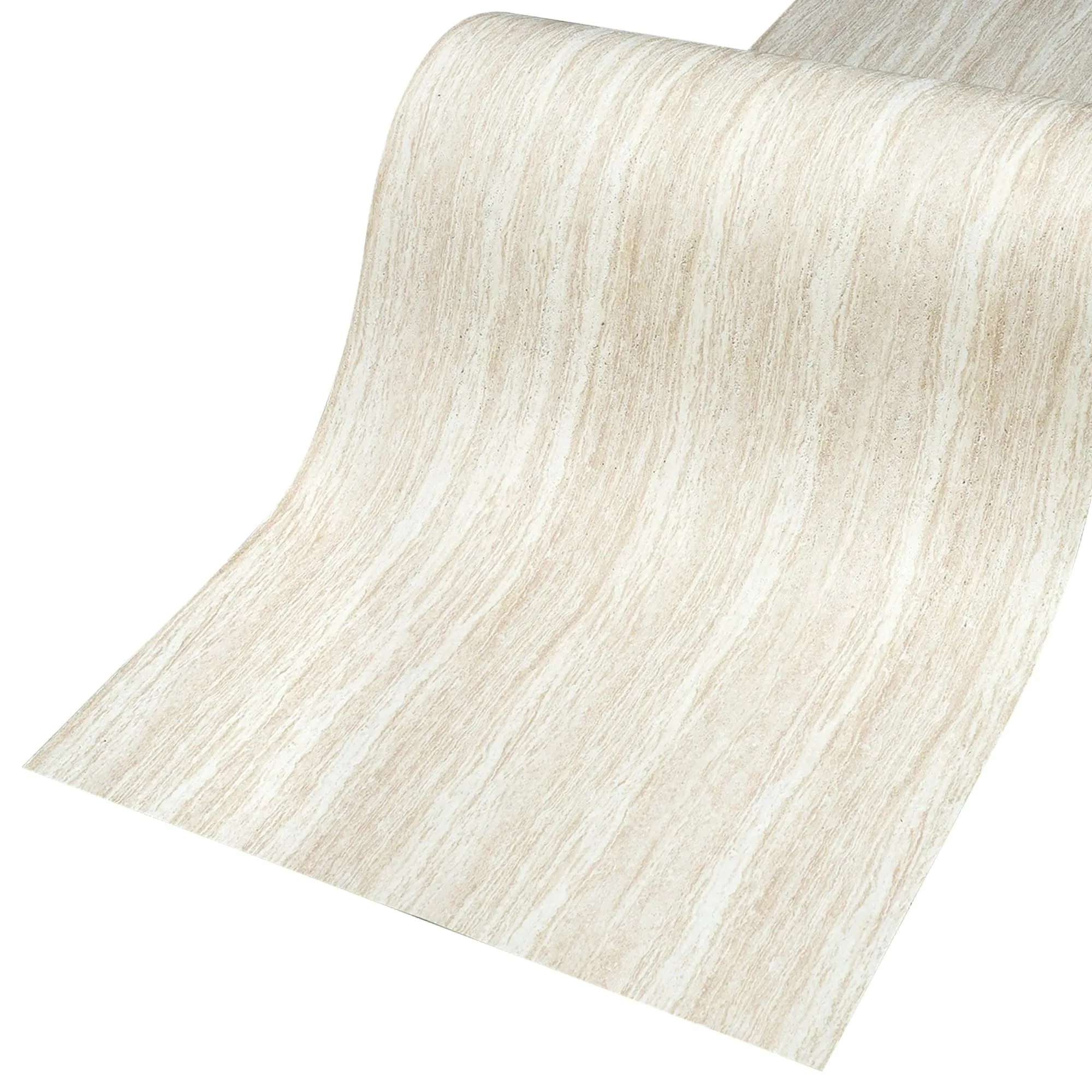
Residential architecture has embraced MCM Wood Line big slabs for their ability to turn houses into homes. Take the modern farmhouse trend, where warm wood exteriors are a staple. Traditional wood siding requires frequent painting and is prone to warping, but MCM Wood Line slabs offer the same cozy vibe with zero maintenance. A homeowner in Portland, Oregon, recently replaced their rotting wood facade with 2400mm MCM Wood Line slabs in a light oak finish. "From the street, you can't tell it's not real wood," they noted. "But now I don't spend every summer scraping and repainting. And the best part? The grain runs all the way across the front of the house—no random seams breaking up the pattern. It feels like the house has a single, solid personality."
Commercial spaces are equally eager to adopt the trend. Restaurants, in particular, thrive on atmosphere, and MCM Wood Line big slabs help create that "welcoming yet polished" vibe. Imagine a bistro with a feature wall spanning 12 meters, its wood grain flowing uninterrupted from the host stand to the back bar. Patrons notice that—subconsciously, it makes the space feel larger, calmer, and more intentional. Retail stores, too, are using the slabs for facades and interior walls, creating brand consistency that customers remember. A clothing boutique in Tokyo, for example, used MCM Wood Line big slabs in a rich walnut finish for both its exterior and fitting room walls. The result? Shoppers report feeling "more relaxed" and "more connected to the brand's earthy aesthetic"—all because the wood texture didn't stop at the door.
Public spaces, from libraries to community centers, are also getting in on the action. These spaces need to feel inclusive and durable, and MCM Wood Line delivers on both. A community library in Seattle replaced its cold, concrete walls with wood grain board big slabs, creating reading nooks that feel warm and inviting. "Kids used to avoid the corner by the concrete wall," said the head librarian. "Now it's their favorite spot—they sit with their backs against that wood wall like it's a giant, cozy bookshelf. The continuity of the grain makes the whole room feel like one big, safe space."
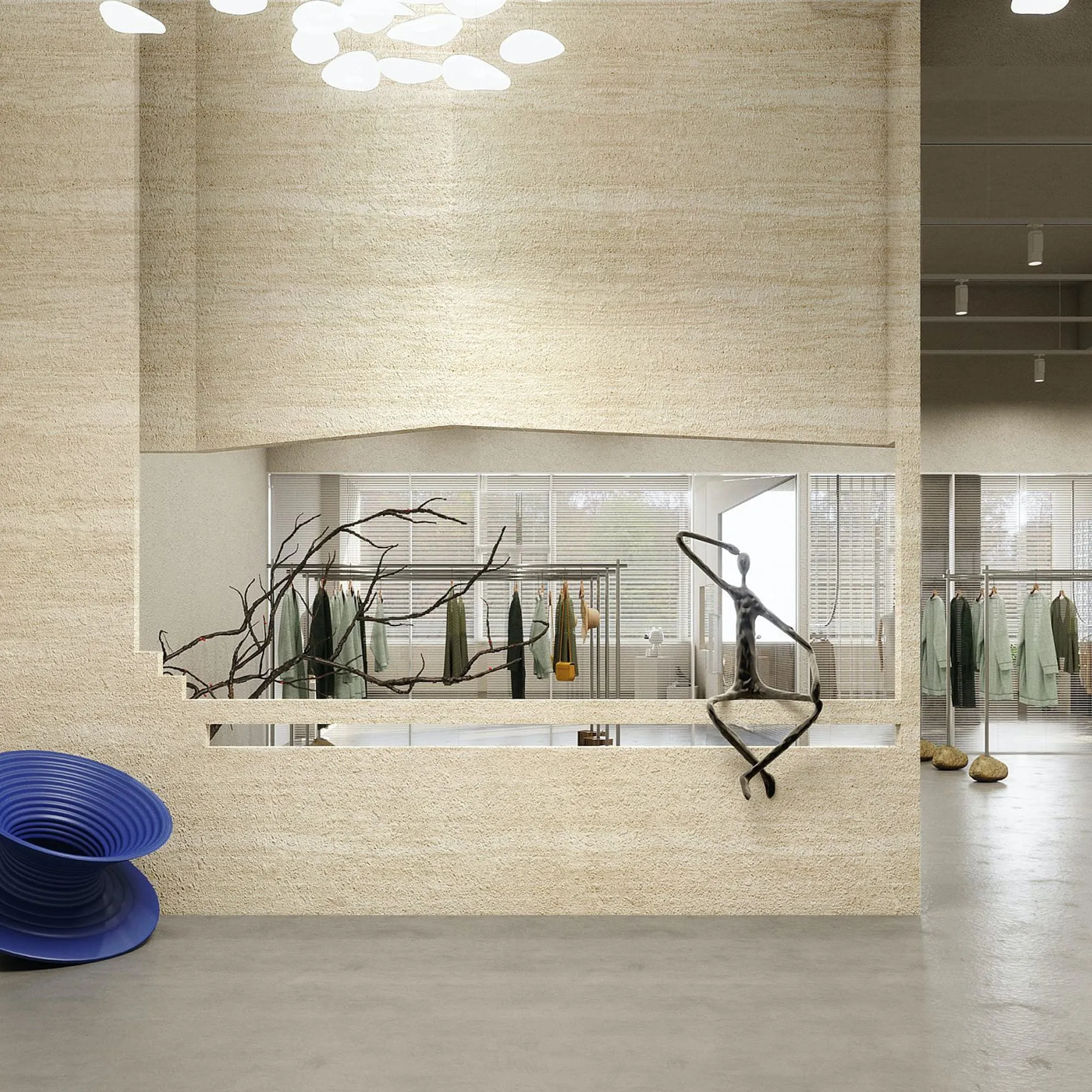
Let's be clear: natural wood is beautiful. There's a reason it's been a staple in architecture for centuries. But beauty alone isn't enough. Real wood requires constant upkeep—staining, sealing, repairing rot—and even then, it doesn't last forever. MCM Wood Line big slabs offer the same visual warmth without the hassle. They don't need to be stained, sealed, or painted. A quick wipe with a damp cloth is all it takes to keep them looking new.
Natural stone, too, has its merits—luxury, durability, uniqueness. But natural stone slabs are heavy, expensive, and hard to work with in large sizes. A single 2400mm natural stone slab might weigh 200 kg or more, making installation risky and costly. MCM, by contrast, is lightweight and easy to handle, with none of the brittleness of stone. And while natural stone's veining is unpredictable (which some love), MCM's wood grain patterns are consistent and customizable. Want the grain to run vertically on one wall and horizontally on another? No problem. With MCM, you're in control of the continuity, not at the mercy of nature.
Even other composite materials often fall short. Many wood-look composites are limited to small panel sizes or lack the flexibility to handle curves. MCM's big slab sizes and flexible stone core set it apart, making it the only material that truly delivers on the promise of seamless design continuity.
As architects and designers push for more immersive, human-centered spaces, materials that enable continuity will only grow in importance. We're moving beyond "rooms" and toward "experiences"—spaces that feel like they belong together, that tell a story without words. MCM Wood Line big slabs are more than just a building material; they're a tool for that storytelling. They let designers create spaces where the line between interior and exterior blurs, where texture flows without interruption, and where beauty and practicality coexist.
Consider the rise of biophilic design—the idea that connecting people to nature improves well-being. Wood is a classic biophilic element, but real wood can't always fit into modern, high-performance buildings. MCM Wood Line bridges that gap, bringing the calming effect of wood into skyscrapers, airports, and hospitals where real wood would fail. It's sustainability, too: MCM uses recycled materials in its core, reducing reliance on harvested wood or quarried stone. For eco-conscious designers, that's a win-win—continuity of design and continuity of environmental responsibility.
At the end of the day, architecture is about people. It's about how a space makes us feel—whether it's calm, inspired, or connected. Design continuity plays a huge role in that feeling, and MCM Wood Line big slabs are helping architects and designers deliver on that promise. They're not just changing how buildings look; they're changing how we experience them. And in a world that often feels fragmented, that's a continuity we can all appreciate.
Recommend Products












