
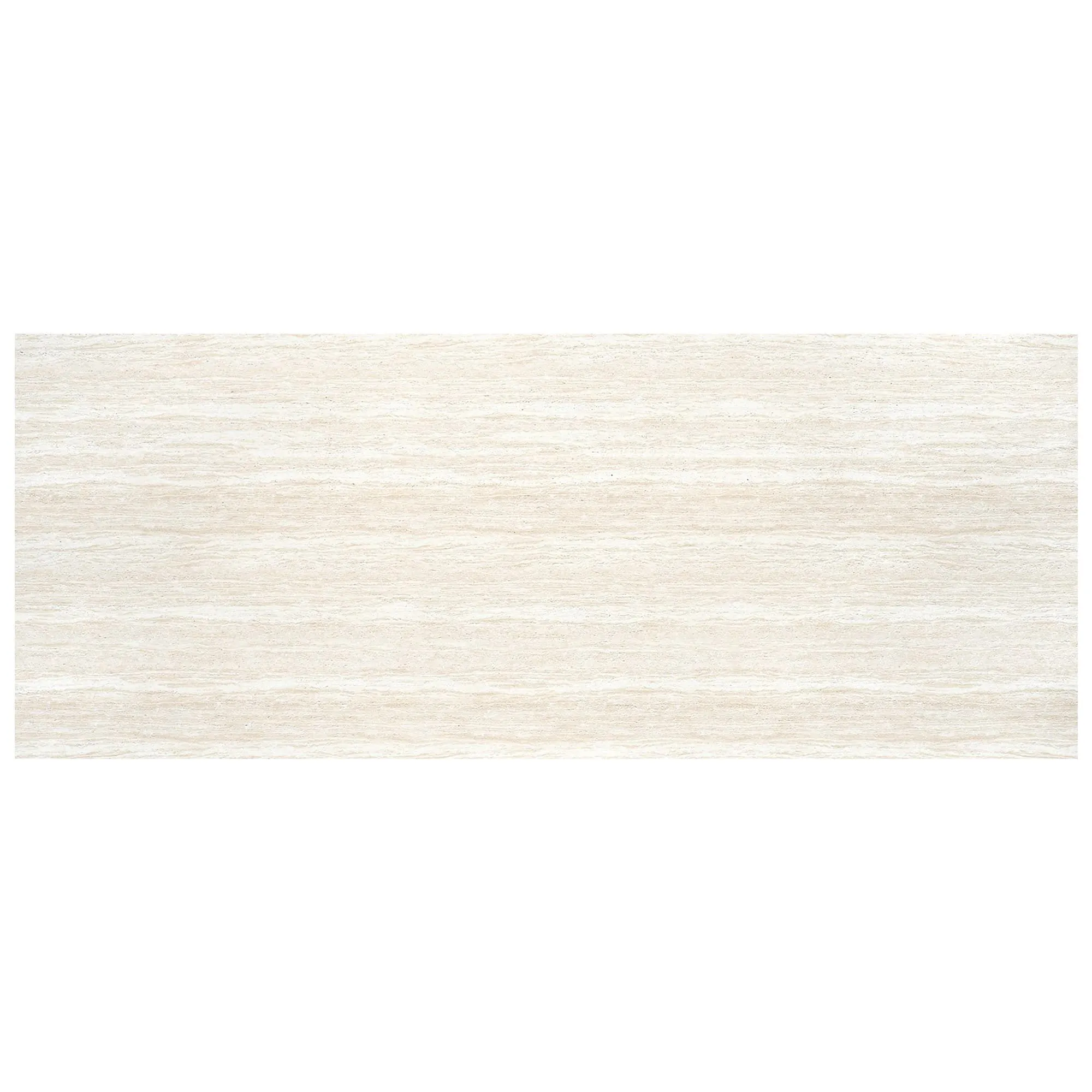
There's something almost magical about wood. It's not just a material—it's a storyteller. Think about the way sunlight filters through a wooden bookshelf, casting warm streaks across the pages. Or how a well-loved dining table bears the marks of years: a water ring from a summer lemonade, a tiny scratch from a child's toy truck. Wood doesn't just fill a space; it lives in it, growing more characterful with time. In a world of sleek metals and cold plastics, wood remains our quiet anchor to nature, to warmth, to the feeling of "home."
But here's the thing: real wood, for all its beauty, comes with trade-offs. It warps in humidity, fades in harsh sunlight, and needs constant care to stay looking its best. That's where innovation steps in. Enter MCM Wood Line—a collection that doesn't just replicate the look of wood, but captures its essence . Crafted with modified composite materials, it marries the timeless charm of natural wood with the durability modern spaces demand. Today, we're diving into its color palette: a spectrum that spans from sun-drenched light oak to the deep, moody elegance of dark walnut. Whether you're designing a cozy cottage kitchen or a minimalist urban loft, there's a shade here that feels like it was made for your story.
Before we talk colors, let's get to know the star of the show: MCM Wood Line. Imagine taking the best parts of oak, walnut, and maple—their grain patterns, their subtle color shifts, their tactile warmth—and reimagining them for the way we live now. That's the idea behind this collection. It's not about mimicking wood perfectly; it's about honoring it. The team at MCM spent years studying real wood species, from the weathered planks of a 100-year-old barn to the polished floors of a mountain chalet, to capture those tiny, irreplaceable details: the way a knot adds a whisper of imperfection, how grain lines flow like rivers across the surface.
At the heart of Wood Line is wood grain board —a core material engineered to replicate the texture of real wood so closely, you'll find yourself running a hand over it just to check. It's paired with other complementary materials, like bamboo mat board , which adds a subtle, woven texture that plays beautifully against Wood Line's smooth grains. Together, they create a range that's not just visually stunning, but built to last. Spills? Sunlight? Humidity? Wood Line laughs them off, so your space stays as warm and inviting as the day you first fell for it.
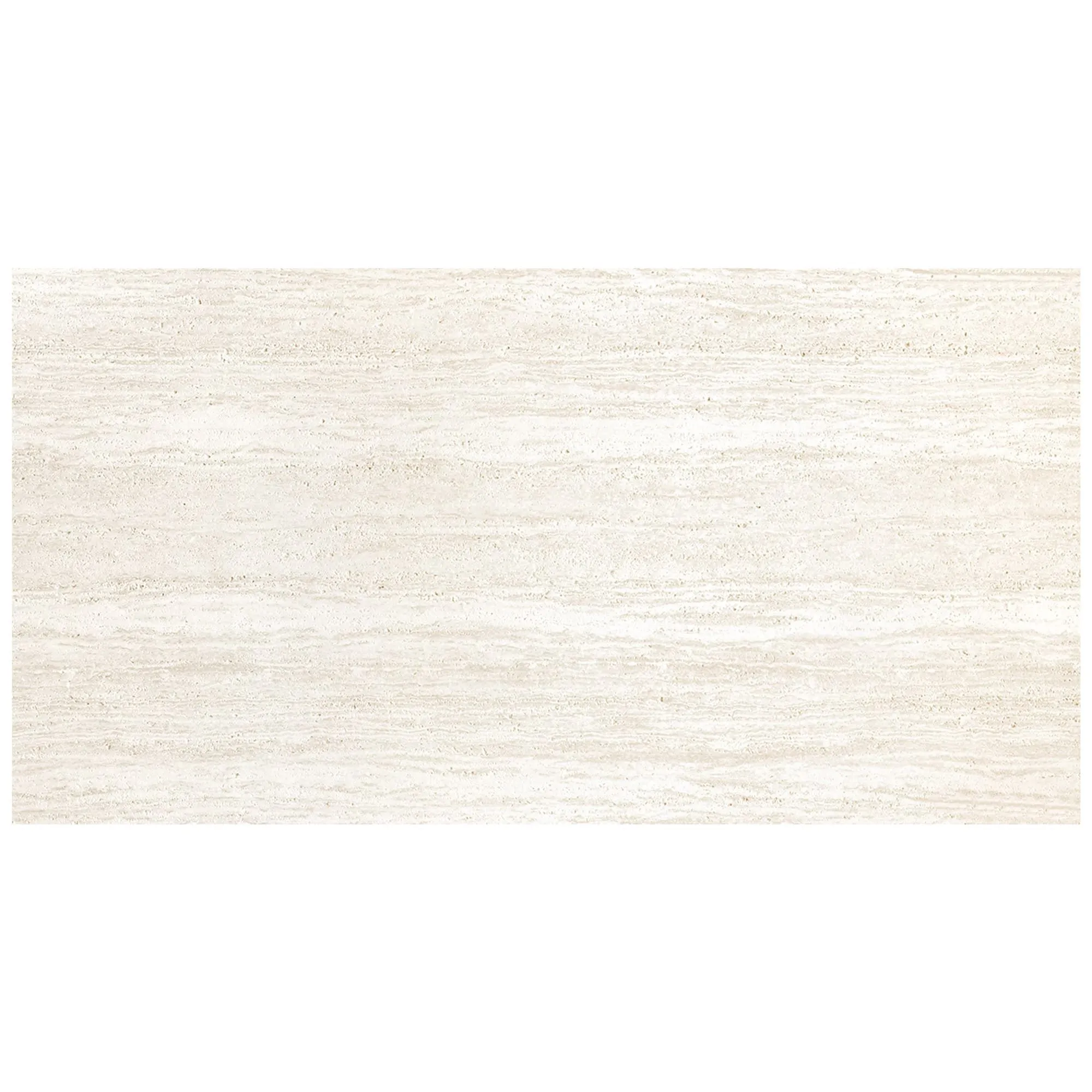
Wood tones aren't one-size-fits-all. A beach house calls for something bright and airy; a study might crave depth and focus. MCM Wood Line's palette is designed to follow the natural arc of light—from the soft glow of morning to the rich hues of evening. Let's walk through the spectrum, one shade at a time.
Light wood tones are like a breath of fresh air. They open up spaces, reflect light, and make even the smallest rooms feel expansive. They're the quiet optimists of the design world—cheerful without being overwhelming, versatile enough to pair with bold accents or soft neutrals.
Light Oak is the poster child of this category. Picture the first rays of sunrise hitting a stand of oak trees—pale gold with subtle honey undertones, and a grain pattern that's delicate but defined. It's not stark white; there's warmth here, like the inside of a seashell or a cup of chamomile tea. Light Oak works wonders in kitchens, where it brightens up cabinetry without clashing with colorful backsplashes. In a home office, it keeps the mood calm and focused, so you can tackle that to-do list without feeling closed in. And in a bathroom? Thanks to Wood Line's moisture resistance, you can bring that "spa retreat" vibe without worrying about warping.
Natural Beige is Light Oak's softer cousin. If Light Oak is sunrise, Natural Beige is the glow of mid-morning—warmer, with a hint of sand and cream. Its grain is more muted, almost like a watercolor wash, making it perfect for spaces where you want texture without too much pattern. Think: a bedroom with linen sheets and potted plants, where the walls (clad in Natural Beige) feel like a gentle hug. Or a café with mismatched vintage chairs, where the tables in Natural Beige ground the chaos in something calm and familiar.
Medium wood tones are the unsung heroes of design. They're not as loud as dark woods or as delicate as light ones—they're the "just right" middle ground that works with almost anything. They add warmth without weighing a space down, and they play well with both cool and warm accents.
Warm Walnut is like a cozy sweater for your walls. It has a rich, nutty base (hence the name) with undertones of amber and caramel. The grain here is more pronounced than in lighter shades—think soft waves of darker brown that add movement without being busy. Warm Walnut is a chameleon: in a living room with a fireplace, it amplifies the coziness, making movie nights feel like a cabin getaway. In a restaurant, it sets a relaxed, inviting mood—like dining at a friend's house instead of a sterile eatery. And paired with bamboo mat board accents? Magic. The woven texture of the bamboo adds a layer of depth, turning a simple accent wall into a focal point.
Honey Maple leans a touch brighter than Warm Walnut, with golden undertones that sparkle in natural light. If Warm Walnut is a winter evening, Honey Maple is a crisp autumn afternoon—vibrant but not overwhelming. Its grain is fine and even, with occasional swirls that mimic the growth rings of real maple trees. This shade shines in spaces where you want energy without chaos: a home gym, where the walls keep you motivated but not distracted; a playroom, where it stands up to sticky fingers and still looks cheerful; or a kitchen with white countertops, where it adds warmth without competing for attention.
Dark wood tones are for the bold, the moody, the lovers of atmosphere. They add instant drama, turning a plain room into something cinematic. But don't mistake "dark" for "gloomy"—when done right, dark wood feels luxurious, intimate, and full of character.
Espresso Walnut is the dark horse of the collection. Imagine the deepest, richest cup of coffee you've ever had—deep brown with hints of chocolate and a subtle reddish undertone that glows when the light hits it. Its grain is bold and striking, with wide, dark lines that create a sense of movement. Espresso Walnut isn't for the faint of heart, but when paired with light accents—cream sofas, white artwork, brass fixtures—it's breathtaking. A home theater with Espresso Walnut walls? You'll feel like you're in a private screening room. A master bedroom with a feature wall in this shade? It's intimate, romantic, and just a little bit mysterious.
Dark Walnut is Espresso's slightly softer sibling. It has the same depth but with more taupe undertones, making it easier to pair with other colors. Think of a stormy sky at dusk—deep, moody, but with a hint of warmth beneath the surface. Its grain is more muted than Espresso, with fine lines that add texture without overwhelming. Dark Walnut is perfect for spaces where you want sophistication without severity: a study with leather chairs and built-in bookshelves, where it fosters focus and creativity; a bathroom with black fixtures, where it adds luxury without feeling cold; or a dining room with a statement chandelier, where it lets the light fixture shine while grounding the space.
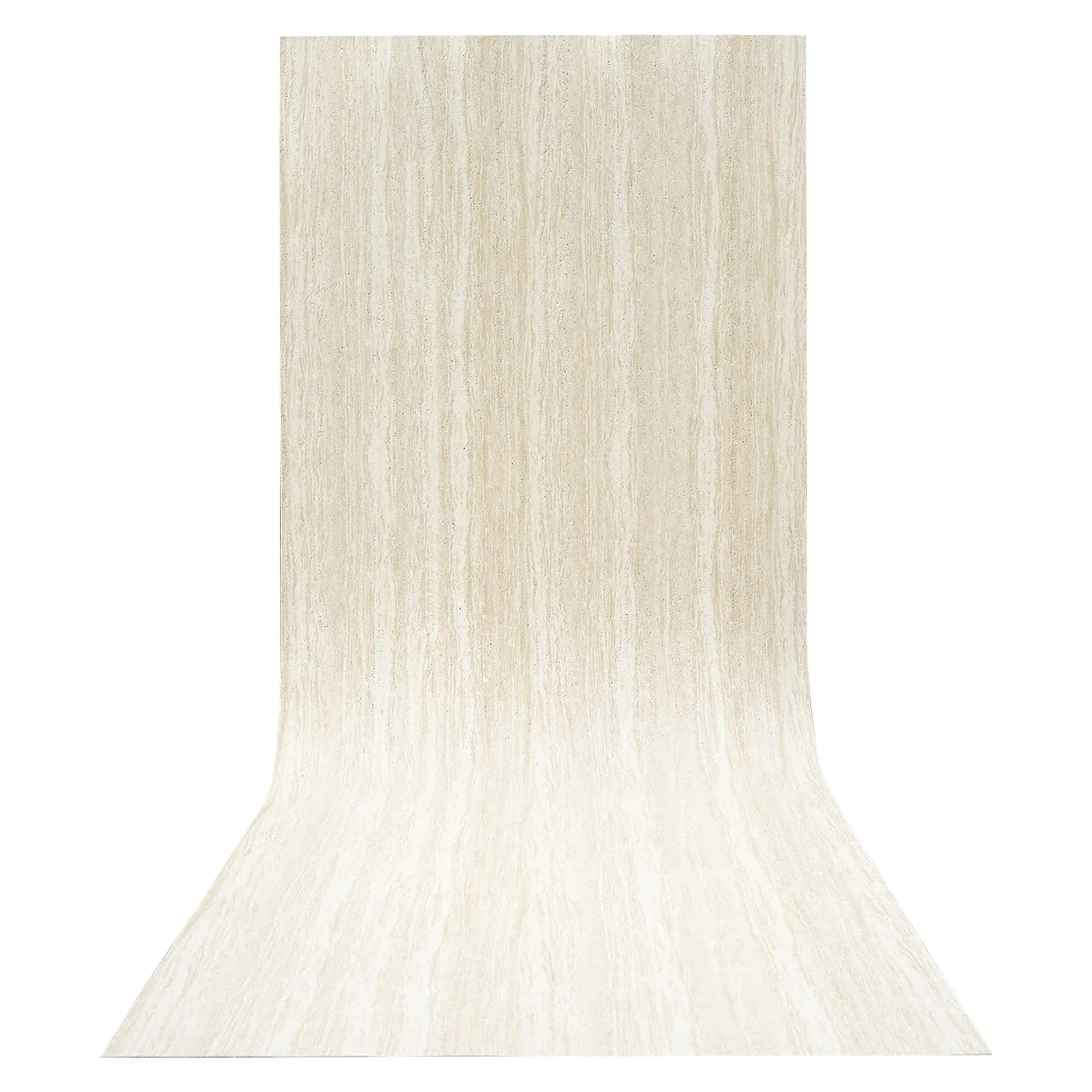
With so many options, it can help to see them side by side. Here's a breakdown of the key shades, their personalities, and where they thrive:
| Color | Undertones & Grain | Ideal Spaces | Complementary Accents |
|---|---|---|---|
| Light Oak | Pale gold with honey hints; delicate, even grain | Kitchens, bathrooms, small rooms | Navy blue, sage green, white |
| Natural Beige | Sand/cream with warm undertones; soft, watercolor-like grain | Bedrooms, spas, nurseries | Blush pink, light gray, rattan |
| Warm Walnut | Nutty amber with caramel hints; wavy, medium grain | Living rooms, restaurants, offices | Bamboo mat board , mustard yellow, terracotta |
| Honey Maple | Bright gold with orange undertones; fine, swirled grain | Playrooms, gyms, kitchens | Turquoise, black, stainless steel |
| Espresso Walnut | Deep brown with chocolate/red hints; bold, wide grain | Home theaters, master bedrooms, libraries | Brass, cream, emerald green |
| Dark Walnut | Deep taupe with warm undertones; muted, fine grain | Studies, dining rooms, bathrooms | White marble, silver, charcoal gray |
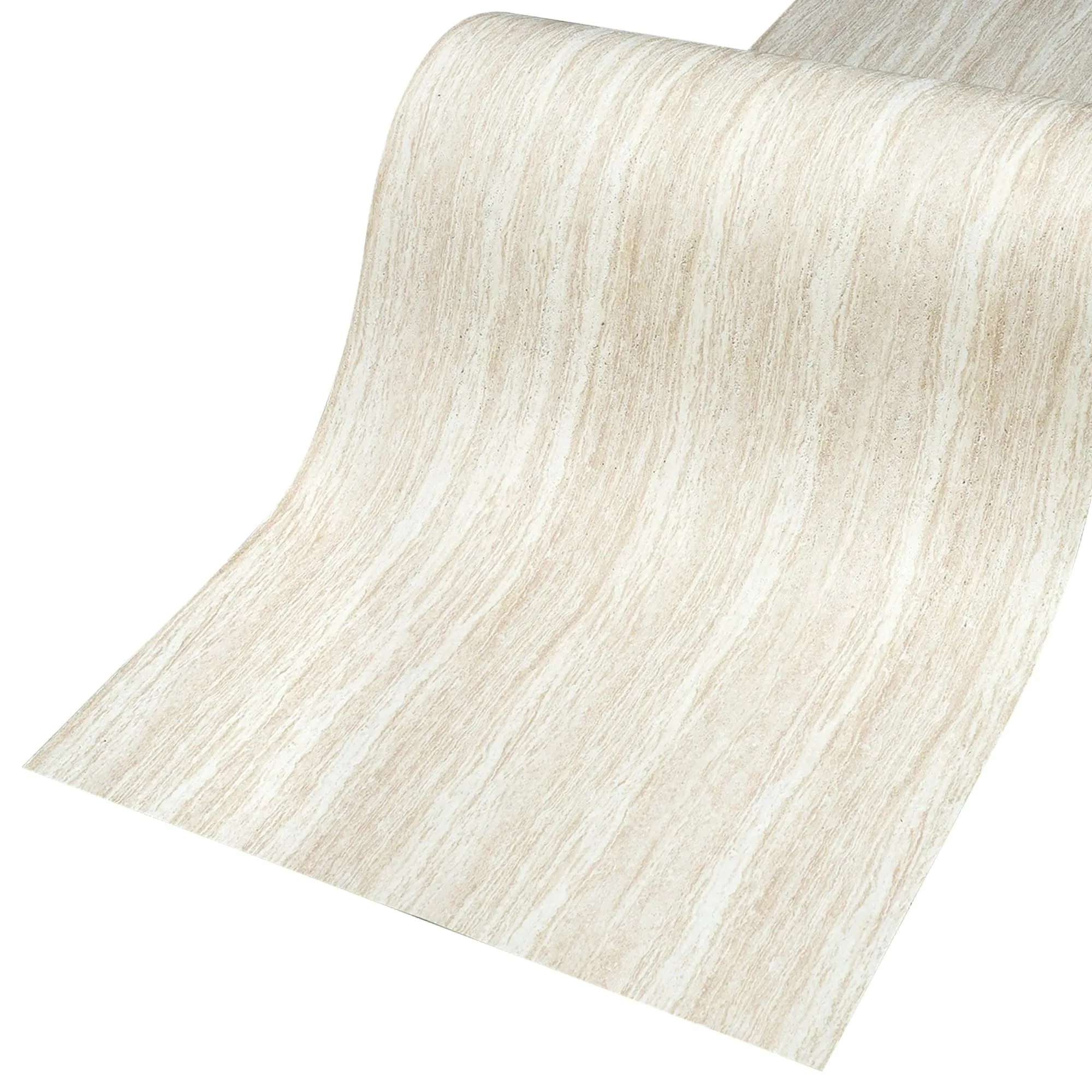
Let's be real: there are plenty of "wood-look" products out there. So what makes MCM Wood Line different? It's not just about the color—it's about the experience . When you run your hand over a Wood Line panel, you're not met with the plastic-y smoothness of cheap laminates. You feel the texture of the wood grain board —the tiny ridges and valleys that make real wood so satisfying to touch. It's a sensory detail that turns a "surface" into something you connect with.
Then there's the practical stuff. We've all been there: you splurge on a beautiful wooden table, only to watch it fade after a few months in the sun. Or you install hardwood floors in the bathroom, and within a year, they're warped beyond repair. MCM Wood Line? It's built to outlast those frustrations. UV-resistant? Check. Moisture-resistant? Absolutely. Scratch-resistant? You bet. This isn't just a design choice—it's a life choice. It's for people who want their spaces to feel beautiful and be functional; who don't want to choose between "loving their home" and "living in it."
And let's talk sustainability. Real wood harvesting can take a toll on forests, but MCM Wood Line uses modified composite materials that reduce the need for virgin timber. It's a small way to love the planet while still loving the look of wood. Plus, since it lasts longer, you'll replace it less often—another win for both your wallet and the environment.
Design is best understood through stories. Here are a few ways people have brought MCM Wood Line to life:
The Coastal Cottage: Sarah, a designer in Cape Cod, wanted to bring the beach indoors without the "theme park" vibe. She chose Light Oak for the kitchen cabinets and Natural Beige for the living room walls. "It's like bringing the sand and driftwood inside," she says. "The light tones reflect the ocean sunlight, and the wood grain board texture feels like weathered beach wood—without the splinters!" She paired it with navy blue sofas and rope accents, and now the space feels like a permanent vacation.
The Urban Loft: Mark, a tech entrepreneur in Chicago, had a 1,200-square-foot loft with high ceilings and industrial windows. He wanted warmth to balance the concrete floors and steel beams. "I went with Warm Walnut on one accent wall and bamboo mat board on the opposite wall," he explains. "The bamboo adds this cool, textured contrast, and the Walnut makes the place feel like a home, not a warehouse. My friends always comment on how 'un-Chicago' it feels—cozy, not cold."
The Mountain Retreat: A family in Colorado built a cabin-style home and chose Dark Walnut for the great room. "We wanted that 'log cabin' feel but with a modern twist," says the homeowner. "Dark Walnut on the walls, paired with a stone fireplace and leather furniture—it's exactly what we imagined. And since it's MCM, we don't have to worry about the mountain humidity warping it. We can enjoy the view without stressing over the walls!"
At the end of the day, the "right" Wood Line shade is the one that feels like you . Here are a few questions to ask yourself:
Wood has been shaping our spaces for centuries, and for good reason. It's more than a trend; it's a tradition. MCM Wood Line takes that tradition and reimagines it for today—adding durability, sustainability, and a spectrum of colors that cater to every story. Whether you're drawn to the sunlit glow of Light Oak or the deep drama of Dark Walnut, one thing's for sure: with Wood Line, your space won't just look beautiful. It'll feel like home.
So go ahead—touch the samples, imagine the light, and let the wood guide you. After all, the best spaces aren't just designed. They're felt .
Recommend Products












