The Heartbreak of Fading Colors: When Exteriors Lose Their Spark
We've all seen it—the house on the corner that once turned heads. Maybe it was a warm cedar siding that glowed in the afternoon sun, or a rich wood-grain facade that felt like a hug every time you passed by. But then, slowly, something changed. The sun beat down, the rain lashed, and that vibrant color faded into a dull, lifeless version of its former self. For homeowners, it's more than just a cosmetic issue; it's a loss of pride. For designers, it's a blow to the vision they spent months crafting. Fading exteriors don't just look sad—they feel like a broken promise.
Color retention might not be the first thing you think about when choosing exterior materials, but it's the quiet hero that turns a "nice for now" home into a "stunning for decades" one. And in a world where UV radiation is stronger than ever, finding a material that can stand up to the sun's relentless rays isn't just a luxury—it's a necessity. That's where MCM Wood Line steps in.
Why UV Exposure Wrecks Traditional Materials: The Hidden Enemy
Let's talk about the villain here: ultraviolet (UV) radiation. Those invisible rays from the sun don't just give us sunburns—they attack the molecular structure of almost every material they touch. Traditional wood siding, for example, contains lignin, a compound that breaks down under UV exposure, turning once-rich tones into a grayish blur. Paint and stains? They fade as their pigments degrade, leaving behind patchy, uneven surfaces that require constant reapplication.
Even some modern alternatives fall short. Vinyl siding, once hailed as a low-maintenance option, can become brittle and discolored after years of sun exposure. Fiber cement, while durable, often loses its vibrancy, especially in lighter shades. The result? Homeowners stuck in an endless cycle of repainting, restaining, or replacing—costing time, money, and peace of mind.
Designers, too, face frustration. A project that took weeks to perfect, with color swatches tested under different lights, can lose its intended impact within a year. "I had a client who fell in love with a warm wood-grain finish for their beach house," recalls a California-based architect. "We installed it, and by the next summer, it looked like it had aged 10 years. They were heartbroken. I felt like I'd let them down."
MCM Wood Line: A Game-Changer in Color Retention
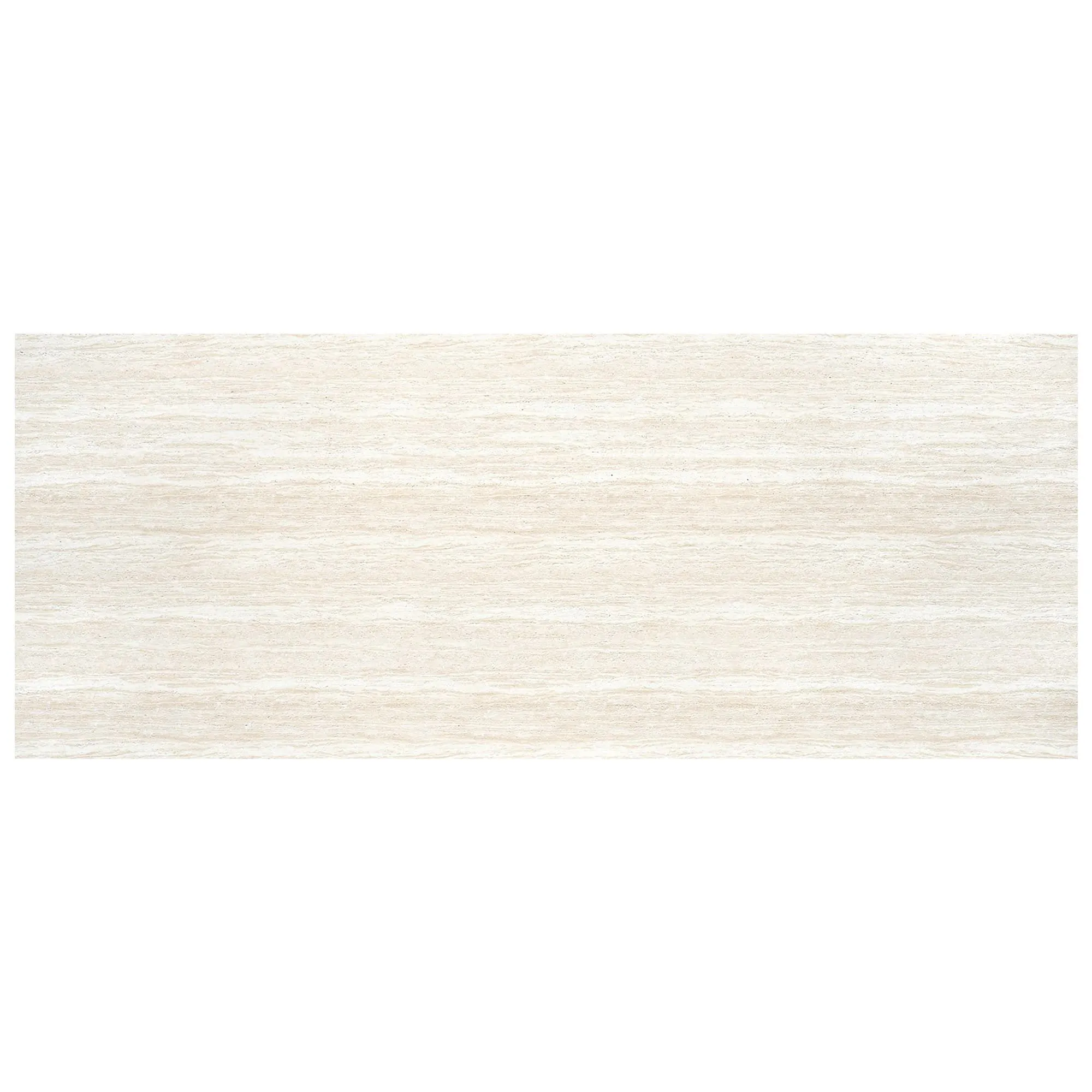
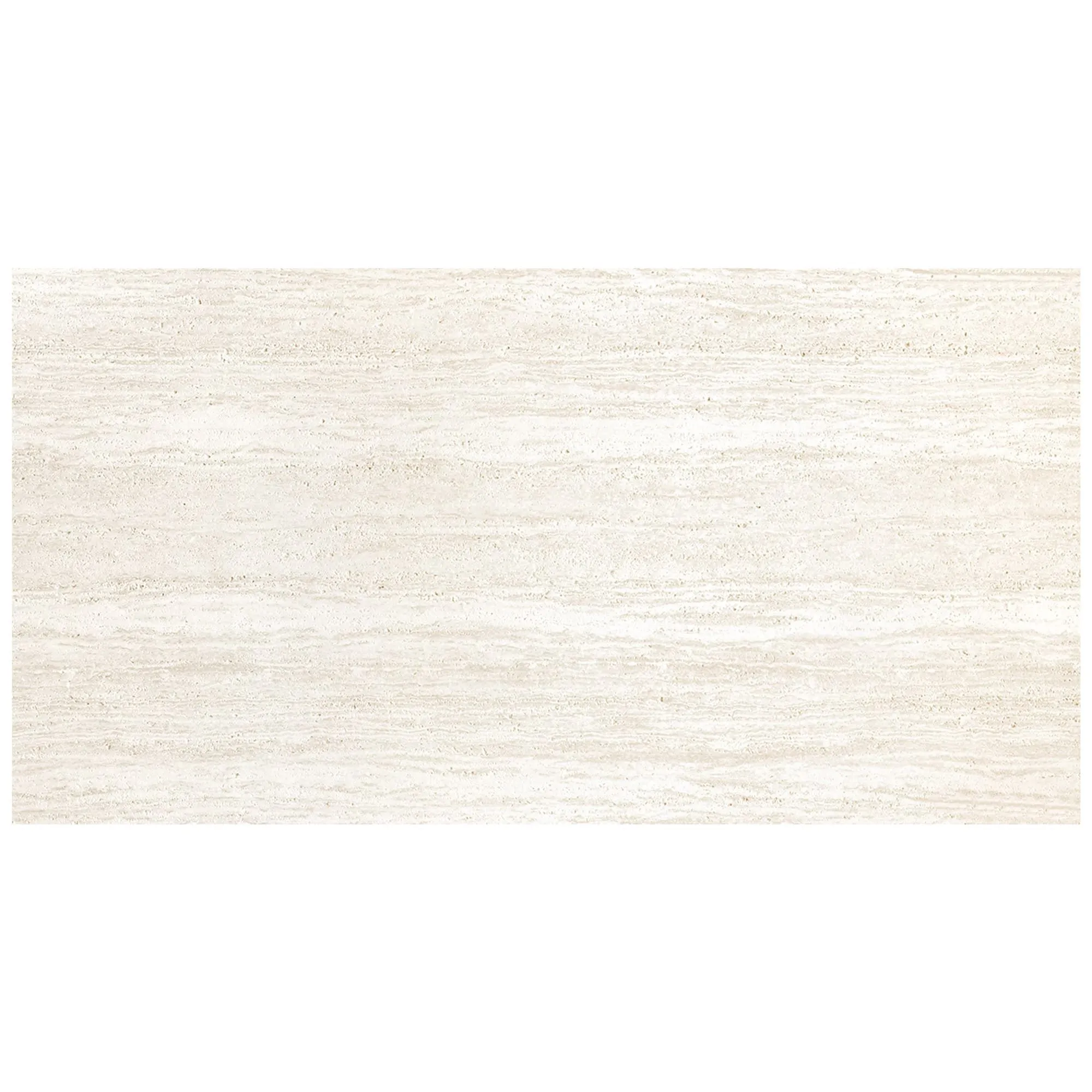
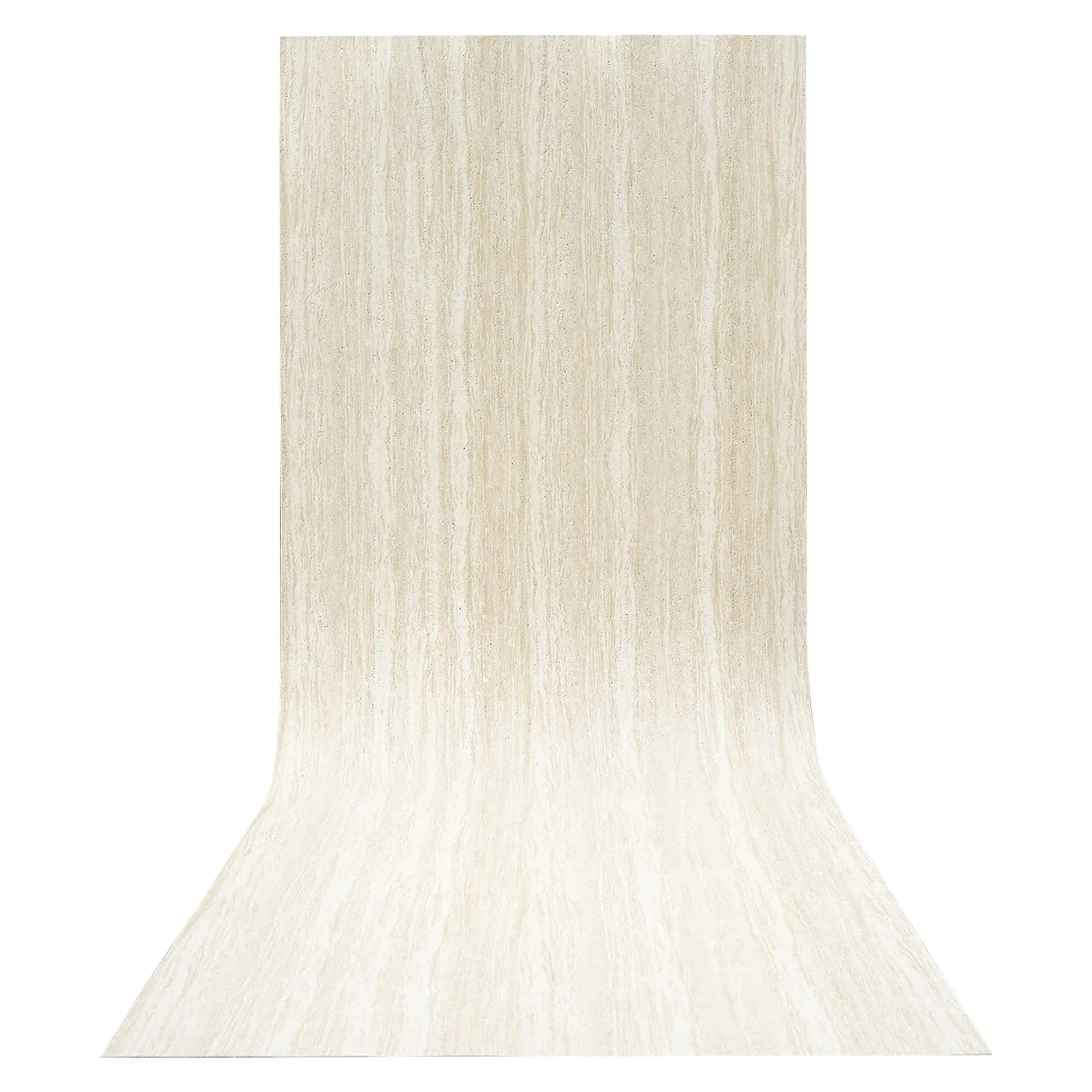
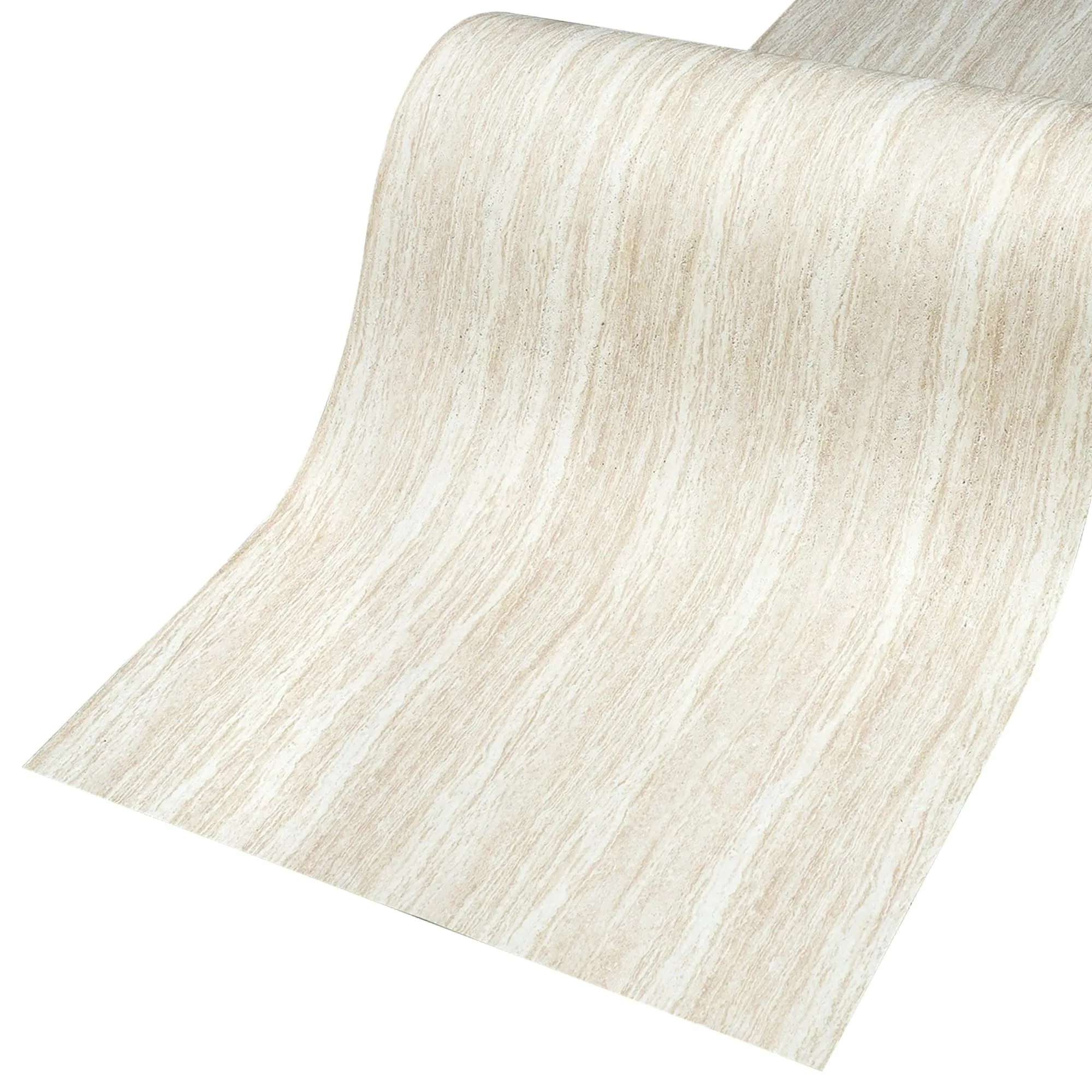
Enter MCM Wood Line—a product born from the idea that exterior materials shouldn't have to choose between beauty and longevity. Part of MCM's innovative series of modified composite materials, Wood Line isn't just a "wood-look" panel; it's a reimagining of what wood-inspired exteriors can be. With its lifelike wood grain patterns and rich, consistent colors, it's designed to mimic the warmth of real wood—without the fade.
But what makes MCM Wood Line different? It starts with the core: a blend of natural minerals and high-performance polymers that's engineered to resist UV damage at the molecular level. Unlike traditional wood, which relies on surface treatments to protect against the sun, MCM Wood Line's color is integrated throughout the material, not just painted on top. That means even if the surface is scratched (a rare occurrence, thanks to its durability), the color underneath remains consistent.
And it's not just about color. MCM Wood Line is flexible, lightweight, and easy to install—making it a favorite among contractors and designers alike. But for homeowners and designers, its biggest selling point? It stays beautiful, year after year, even in the harshest climates.
The Science Behind the Resistance: How MCM Wood Line Fights UV Rays
So, how exactly does MCM Wood Line stand up to the sun? Let's break it down. MCM (Modified Composite Material) is a proprietary blend that combines the best of natural and synthetic materials. For Wood Line, the process starts with selecting pigments that are UV-stable—meaning they don't break down when exposed to sunlight. But MCM takes it a step further with a multi-layered protection system:
-
The Core Layer:
A dense composite of minerals and polymers that forms the panel's structure. This layer is infused with UV-resistant additives that act like a shield, preventing radiation from penetrating deep into the material.
-
The Color Layer:
Unlike traditional materials where color sits on the surface, MCM Wood Line's color is integrated into this layer, ensuring that even minor wear doesn't reveal a different shade.
-
The Top Coat:
A clear, durable finish that adds an extra barrier against UV rays, moisture, and pollutants. This coat is tested to withstand thousands of hours of accelerated UV exposure—simulating decades of real-world conditions.
But don't just take MCM's word for it. Independent labs have put Wood Line through rigorous testing, exposing panels to intense UV light for 2,000 hours (the equivalent of about 10 years of Florida sunshine). The result? Less than 5% color change—compared to 30-40% for traditional wood siding and 15-20% for standard vinyl.
Comparing MCM Wood Line to Other Exterior Solutions
To truly understand MCM Wood Line's superiority, let's put it head-to-head with other popular exterior materials—including other MCM products like flexible stone and fair-faced concrete. The table below compares key metrics, with a focus on color retention:
|
Material
|
UV Resistance (1-5)
|
Color Retention After 5 Years (%)
|
Maintenance Needs
|
Installation Flexibility
|
|
Traditional Wood Siding
|
2/5
|
60-70%
|
Annual staining/repainting
|
Medium (heavy, requires sealing)
|
|
MCM Flexible Stone
|
4/5
|
85-90%
|
Minimal (occasional cleaning)
|
High (lightweight, bendable)
|
|
MCM Fair-Faced Concrete
|
4/5
|
88-92%
|
None (resistant to staining)
|
Medium (rigid panels)
|
|
MCM Wood Line
|
5/5
|
95-98%
|
None (just occasional washing)
|
High (lightweight, easy to cut)
|
What stands out? MCM Wood Line's color retention is unmatched, with 95-98% of its original color remaining after 5 years. Compare that to traditional wood, which retains just 60-70%—and requires annual maintenance to even hit that number. Even MCM's own flexible stone and fair-faced concrete, both industry leaders, take a backseat to Wood Line in this category.
"We specify MCM Wood Line for almost all our wood-inspired projects now," says a Texas-based designer. "Not only does it look incredible, but we can promise clients their exterior will look the same 10 years from now as it does on day one. That peace of mind is priceless."
Real Stories: Designers and Homeowners Who Trust MCM Wood Line
The Mountain Home Makeover:
Sarah and Mark, a couple in Colorado, wanted their mountain cabin to feel cozy and rustic—without the upkeep of real wood. "We'd had bad experiences with wood siding on our previous home," Sarah says. "It faded so quickly, and we were always repainting. With MCM Wood Line, we chose a warm oak finish. Two years later, it still looks brand new. Even after that brutal winter with heavy snow and intense sun, the color hasn't budged. We love coming home to a cabin that still feels like the day we moved in."
The Coastal Commercial Project:
A restaurant owner in Miami needed an exterior that could withstand salt air, humidity, and relentless sun. "We wanted a beachy, driftwood-inspired look," explains the owner. "Our contractor suggested MCM Wood Line, and we were skeptical at first—we'd tried 'wood-look' products before that faded in months. But two years later, the panels still have that soft, weathered wood tone we fell in love with. Customers comment on how fresh the exterior looks, even in the Florida sun. It was the best decision we made for the restaurant."
Beyond Color: The Full Package of MCM Wood Line
Color retention is MCM Wood Line's star feature, but it's far from the only one. This material checks all the boxes for modern homeowners and designers:
-
Durability:
Resistant to moisture, mold, and pests—no more rot, warping, or termite damage.
-
Flexibility:
Lightweight and bendable, it can be installed on curved surfaces, gables, and unique architectural features that traditional wood can't handle.
-
Sustainability:
Made from recycled materials and free from harmful chemicals, it's an eco-friendly choice for green builds.
-
Low Maintenance:
A quick hose-down is all it takes to keep it looking fresh—no sanding, staining, or painting required.
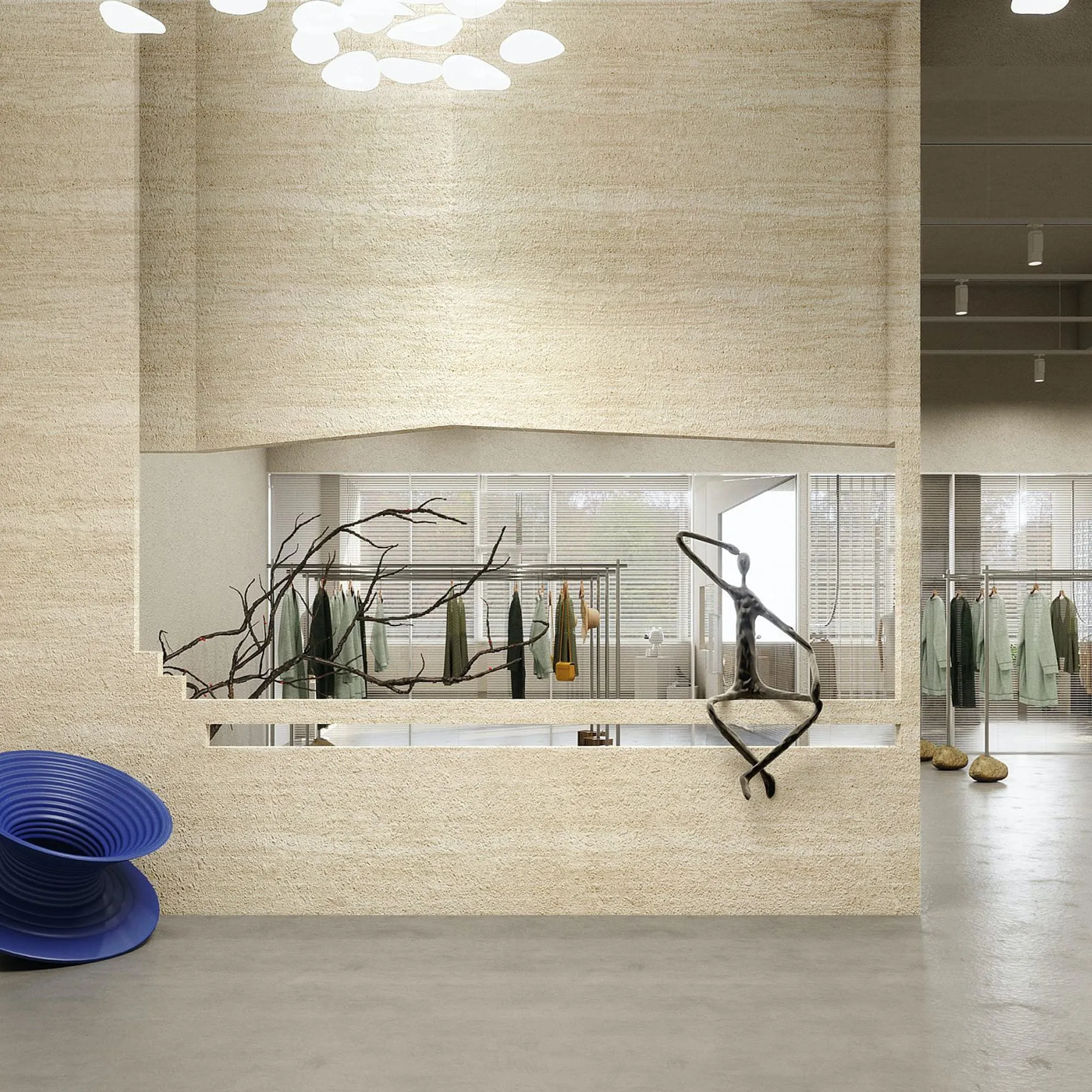
And let's not forget aesthetics. MCM Wood Line isn't a one-note product. With a range of wood grain patterns and colors—from rich mahogany to soft pine—it can mimic almost any wood species, giving designers endless creative freedom. "I love that I can mix and match Wood Line with other MCM products, like travertine (beige) or fair-faced concrete, to create unique textures," says an interior designer in New York. "It's like having a whole palette of natural materials at my fingertips—without the fade."
Conclusion: Investing in Timeless Beauty
At the end of the day, choosing exterior materials is about more than just looks. It's about investing in a home that grows with you, that remains a source of pride for years to come, and that doesn't demand constant attention. MCM Wood Line isn't just a product—it's a promise: that your home's exterior can be both stunning and enduring, that the colors you love today will still turn heads tomorrow, and that you can stop worrying about fading and start enjoying your space.
For designers, it's a tool to create projects that stand the test of time—ones that clients will rave about for decades. For homeowners, it's the freedom to fall in love with their home all over again, every time they pull into the driveway.
So, if you're tired of watching your exterior fade away, or if you're designing a space that deserves to stay beautiful for years to come, consider MCM Wood Line. It's not just about resisting UV rays—it's about resisting the passage of time, one vibrant panel at a time.