
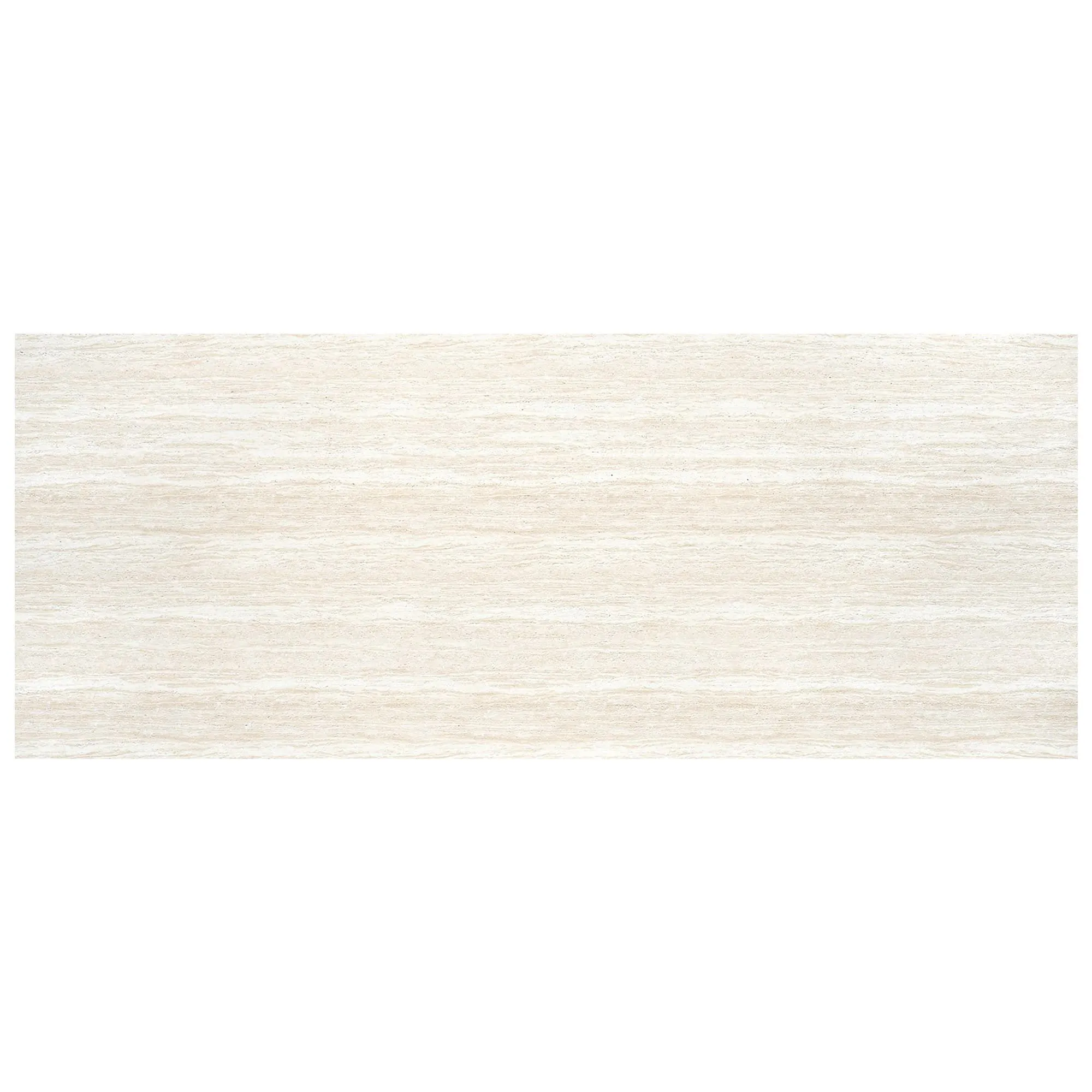
Before we start crunching numbers, let's make sure we're all on the same page. MCM Wood Line is part of a broader family of Modified Composite Material (MCM) products, which includes popular options like MCM flexible stone and wood grain board. Think of it as a high-tech mimic: it's engineered to (replicate) the texture, color, and even the subtle grain patterns of real wood, but with a twist—it's made from a durable composite blend that's lightweight, flexible, and built to withstand the elements.
Unlike natural wood, which is prone to warping, rotting, or attracting pests, MCM Wood Line is designed for resilience. It's often used for exteriors (decks, siding, fences) and interiors (accent walls, ceilings, furniture panels), and it's gaining traction among architects and homeowners who want that woodsy vibe without the upkeep. But how does it stack up cost-wise against the real thing? Let's start with the first hurdle: initial expenses.
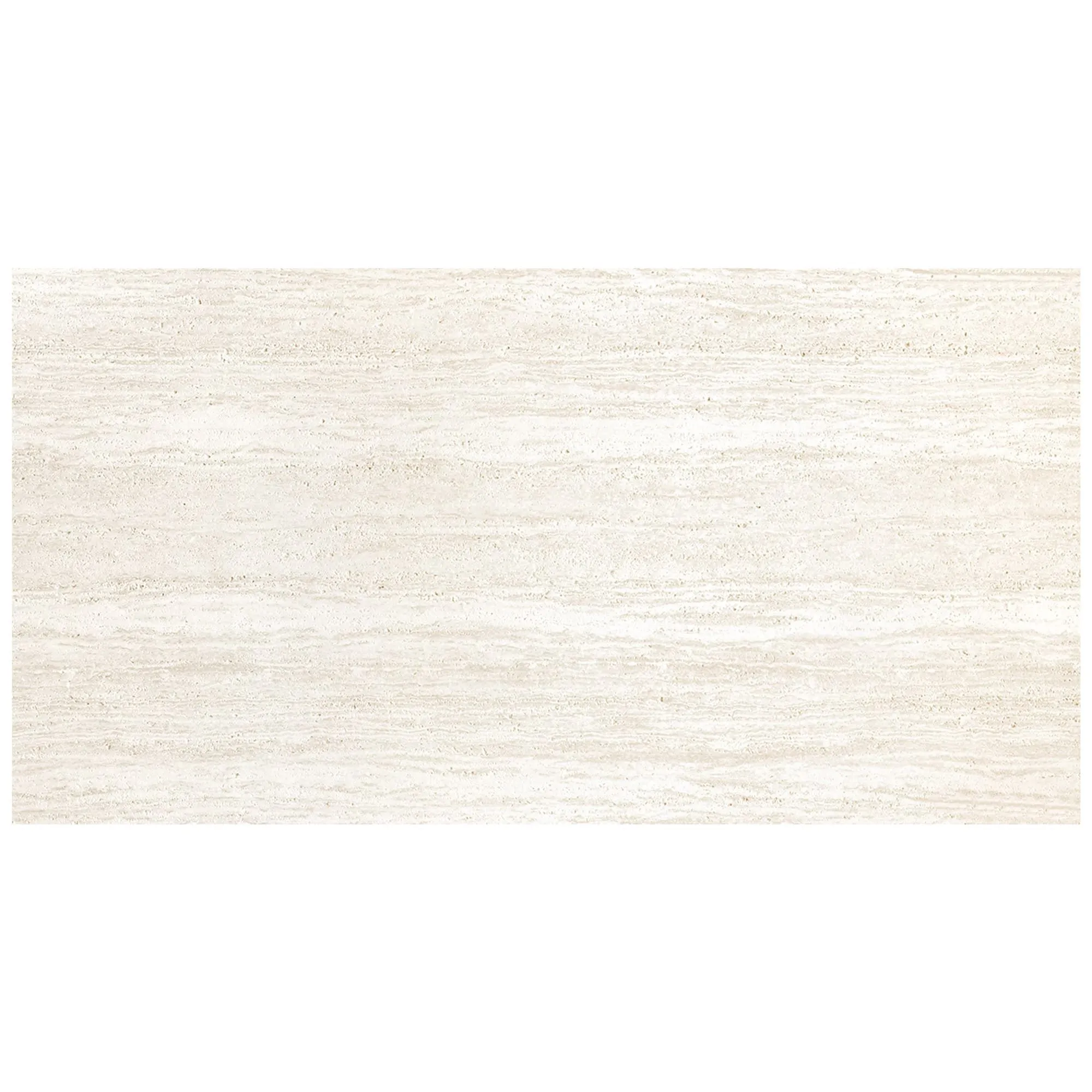
When most people compare materials, they fixate on the initial cost. And sure, that's important—but it's only part of the story. Let's break down what you'll pay to get either material from the store to your wall (or deck, or ceiling).
Natural wood prices vary wildly depending on the type. Let's take a few common options:
Then there's installation. Natural wood is heavy, and cutting it to size (especially for custom designs) requires skilled labor. Carpenters might charge $5 to $10 per square foot for installation, and that's not including extra costs like underlayment, fasteners, or waste (wood often has 10-15% waste due to cutting errors or defects).
Example: A 200 sq ft oak accent wall. Material cost: $12/sq ft x 200 = $2,400. Installation: $8/sq ft x 200 = $1,600. Waste: ~10% = $240. Total initial cost? Around $4,240.
MCM Wood Line material costs are typically in the $4 to $9 per square foot range—so right in the middle of softwoods and hardwoods. But here's where it gets interesting: installation is often cheaper. Why? Because MCM is lightweight (about 1/5 the weight of natural wood) and flexible, so it's easier to handle and cut. Many installers charge $3 to $6 per square foot for MCM, and waste is minimal (usually 5% or less) because the material is consistent—no knots or warps to discard.
Example: That same 200 sq ft accent wall with MCM Wood Line. Material cost: $7/sq ft x 200 = $1,400. Installation: $5/sq ft x 200 = $1,000. Waste: 5% = $70. Total initial cost? Around $2,470. That's nearly $1,800 less upfront than oak.
| Cost Category | Natural Wood (Oak, 200 sq ft) | MCM Wood Line (200 sq ft) |
|---|---|---|
| Material Cost | $2,400 ($12/sq ft) | $1,400 ($7/sq ft) |
| Installation Labor | $1,600 ($8/sq ft) | $1,000 ($5/sq ft) |
| Waste (10% for wood, 5% for MCM) | $240 | $70 |
| Total Initial Cost | $4,240 | $2,470 |
At first glance, MCM Wood Line has a clear edge here. But remember: initial cost is just the opening chapter. The real test is how much you'll spend over the years.
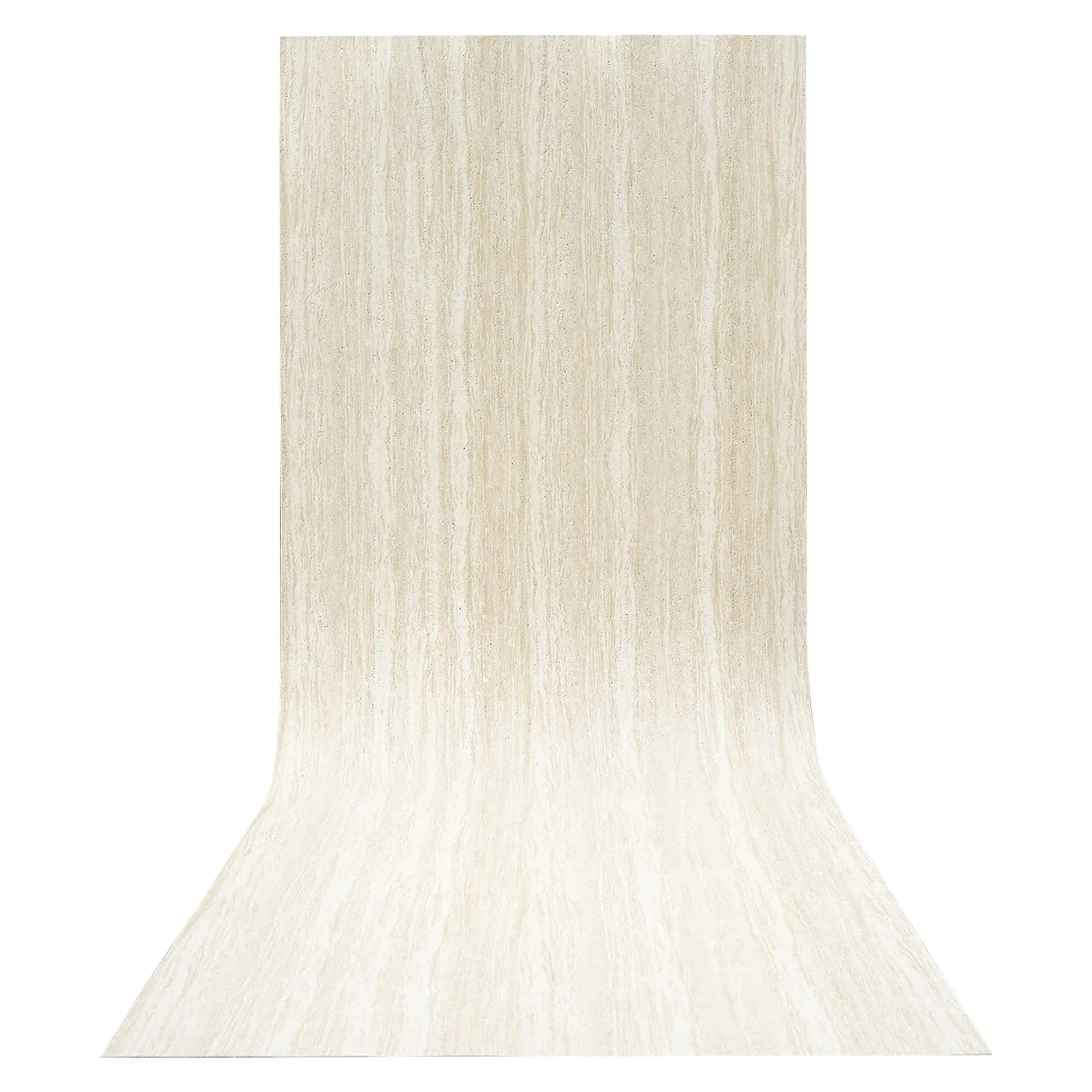
Natural wood is like a high-maintenance pet—it's lovely, but it needs constant attention. MCM Wood Line? More like a low-effort houseplant. Let's break down the annual costs of keeping both looking their best.
Even the toughest natural wood needs regular care to avoid disaster. Here's what you're signing up for:
Total annual maintenance for natural wood? Roughly $300 to $600, depending on the wood type and environment (outdoor wood costs more to maintain than indoor).
MCM Wood Line was built to be low-maintenance. Here's the good news:
Total annual maintenance for MCM Wood Line? About $30. That's less than 10% of what you'd pay for natural wood.
| Maintenance Task | Natural Wood (Annual Cost) | MCM Wood Line (Annual Cost) |
|---|---|---|
| Sealing/Staining | $200 - $500 | $0 |
| Repairs/Replacements | $80 - $150 | $10 |
| Pest Control/Inspections | $100 - $200 | $0 |
| Cleaning | $20 - $50 | $20 |
| Total Annual Maintenance | $400 - $900 | ~$30 |
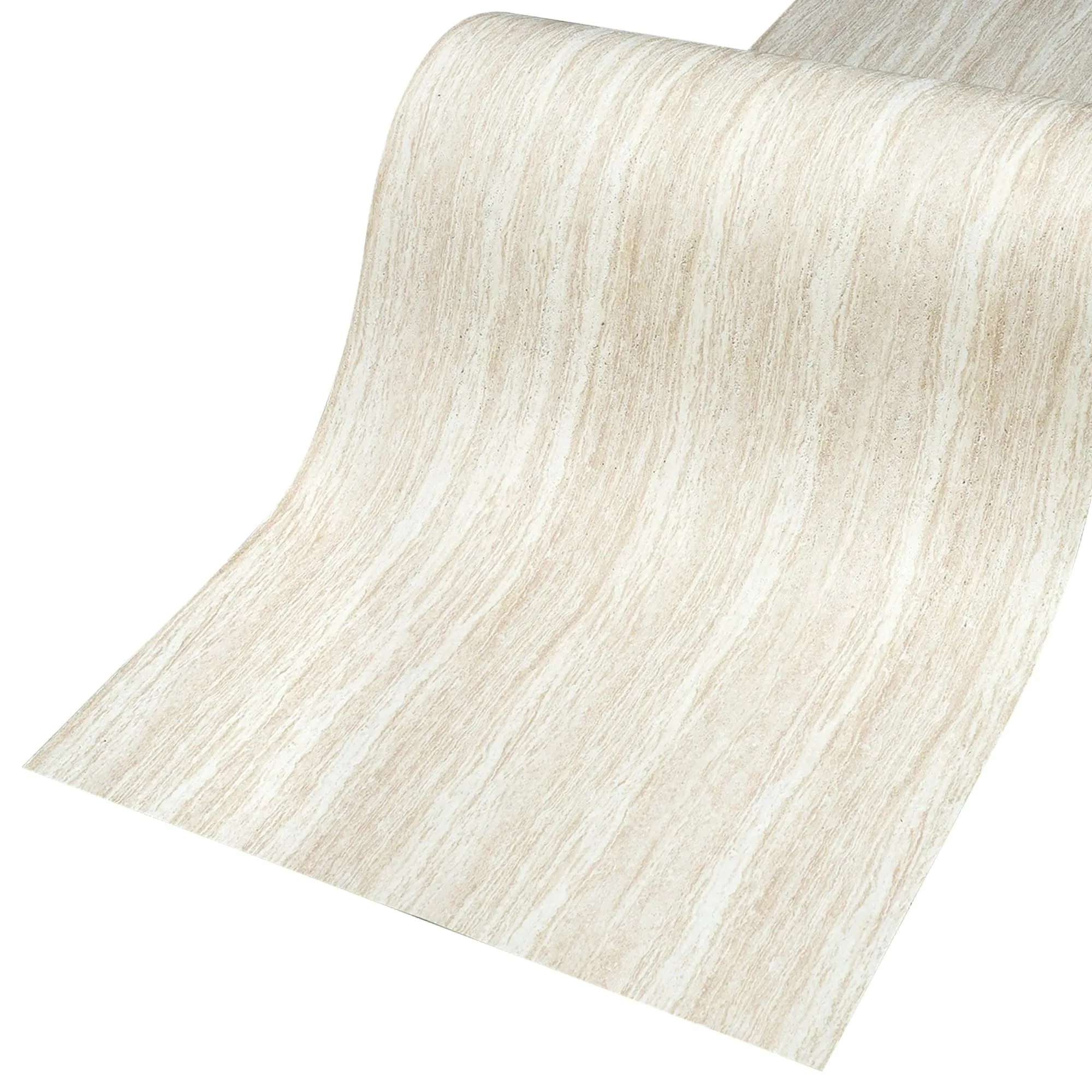
Maintenance costs add up over time, but so does the need to replace the entire material. Let's talk lifespan—how long before you're ripping everything out and starting over?
Natural wood's lifespan depends heavily on where it's used and how well you maintain it:
Worst-case scenario: A pine deck left unsealed outdoors might start rotting in 3-5 years. Replacing it would cost $4,000+ (for 200 sq ft), and you'd have to do it again in another 5 years. Ouch.
MCM products are engineered for longevity. Most manufacturers warranty MCM Wood Line for 15-20 years, but real-world tests show it can last 25-30 years or more—even outdoors. Why? It's resistant to UV rays (so it won't fade), moisture (no rot), and temperature swings (no warping). In fact, some commercial projects using MCM flexible stone (a sister product) have lasted 30+ years with minimal changes to their appearance.
For example, a restaurant in Seattle installed MCM Wood Line siding 15 years ago. They've never sealed it, and it still looks as good as the day it was installed—no peeling, no discoloration, just a quick hose-down once a year. Compare that to their neighbor, who replaced their cedar siding twice in the same period.
Now, let's put it all together. We'll calculate the total cost of owning 200 sq ft of natural wood (oak, mid-range) vs. MCM Wood Line over 20 years. This includes initial costs, annual maintenance, and any replacements needed.
| Cost Category | Natural Wood (Oak, 20 Years) | MCM Wood Line (20 Years) |
|---|---|---|
| Initial Cost | $4,240 | $2,470 |
| Total Maintenance (20 years x annual cost) | $400/year x 20 = $8,000 | $30/year x 20 = $600 |
| Replacement Cost (if needed) | replace 50% at 10 years: ~$2,120 | No replacement needed (lifespan >20 years) |
| Total Cost Over 20 Years | $14,360 | $3,070 |
That's a jaw-dropping difference: $14,360 for natural wood vs. $3,070 for MCM Wood Line over two decades. Even if you splurge on premium MCM Wood Line (say, $9/sq ft instead of $7), the total would still be around $3,800—less than a third of natural wood's cost.
Let's hear from someone who's been there. Maria owns a small café in Portland, Oregon, and in 2010, she faced a choice: natural cedar siding or MCM Wood Line for her outdoor patio walls. She went with cedar, thinking it would "feel more authentic." Here's how it played out:
We'd be remiss not to address the elephant in the room: Does MCM Wood Line look as good as natural wood? It's a fair question. After all, part of the appeal of wood is its organic, imperfect beauty.
Modern MCM Wood Line uses advanced wood grain board technology to (replicate) real wood's look. The best products have depth—you can see the variation in grain, the subtle knots (yes, they add intentional "imperfections" for realism), and even the way light plays off the surface, just like real wood. Many people can't tell the difference unless they touch it (MCM is smoother, less porous). And for those who love the "aged" wood look? Some MCM lines (like the travertine vintage series or boulder slab vintage options) are designed to mimic weathered wood, complete with patina-like finishes.
Architects often praise MCM for its consistency, too. With natural wood, you might get boards that are slightly different in color or grain, which can be charming but hard to match for large projects. MCM Wood Line ensures every panel looks uniform, which is a plus for commercial spaces or homeowners who want a polished, cohesive look.
Cost isn't just about money—it's about the planet, too. Natural wood, when sourced unsustainably, contributes to deforestation, which has long-term environmental costs (soil erosion, loss of biodiversity, carbon emissions). Even FSC-certified wood (sustainably harvested) requires energy for transportation (especially if imported) and often uses harsh chemicals for treatment (like pressure-treated pine, which contains arsenic).
MCM Wood Line, on the other hand, is often made with recycled materials (like wood fibers, plastic, and stone dust) and is itself recyclable at the end of its life. It's also a green building materials option, as it reduces the demand for virgin timber and has a lower carbon footprint during production (thanks to its lightweight design, which cuts down on transportation emissions).
For eco-conscious buyers, this is a "cost" that matters. Choosing MCM Wood Line can earn points for LEED certification (a green building standard) or simply align with personal values—something that's hard to put a price on, but increasingly important.
Natural wood is beautiful, there's no denying it. But when you factor in initial costs, maintenance, durability, and long-term replacement, MCM Wood Line is the clear budget winner. Over 20 years, it can save you tens of thousands of dollars—money that could go toward other home improvements, business upgrades, or just more coffee (we see you, Maria).
And let's not forget the perks beyond cost: MCM is easier to install, more durable in harsh climates, and better for the planet. It's not just a "cheaper alternative"—it's a smarter, more practical choice for anyone who wants the look of wood without the hassle (or the bill).
So, is MCM Wood Line more affordable than natural wood over time? Absolutely. The numbers don't lie—and neither do the homeowners and business owners who've made the switch. If you're dreaming of wood-like beauty without the long-term costs, MCM Wood Line might just be the material you've been waiting for.
Recommend Products












