
Let's start with a quiet moment: picture standing in a forest. Sunlight filters through the canopy, dappling the ground with gold. The air smells like pine and damp earth. Birds chatter in the branches, and somewhere, a stream gurgles. These aren't just pretty scenes—forests are the lungs of our planet, absorbing carbon, regulating climates, and housing 80% of Earth's terrestrial biodiversity. But here's the hard truth: we're losing them. Fast. Every year, an area the size of Panama is cleared for logging, agriculture, and development. And a big part of that? Our endless appetite for wood.
From flooring to furniture, wall panels to decking, wood has long been the go-to for that warm, organic feel we crave in our spaces. But the cost of that beauty is steep: deforestation contributes 15% of global greenhouse gas emissions, and many traditional wood products come from unsustainable logging practices that strip ecosystems bare. So what if we could have the look, the texture, the soul of wood—without cutting down a single tree? That's where MCM Wood Line steps in.
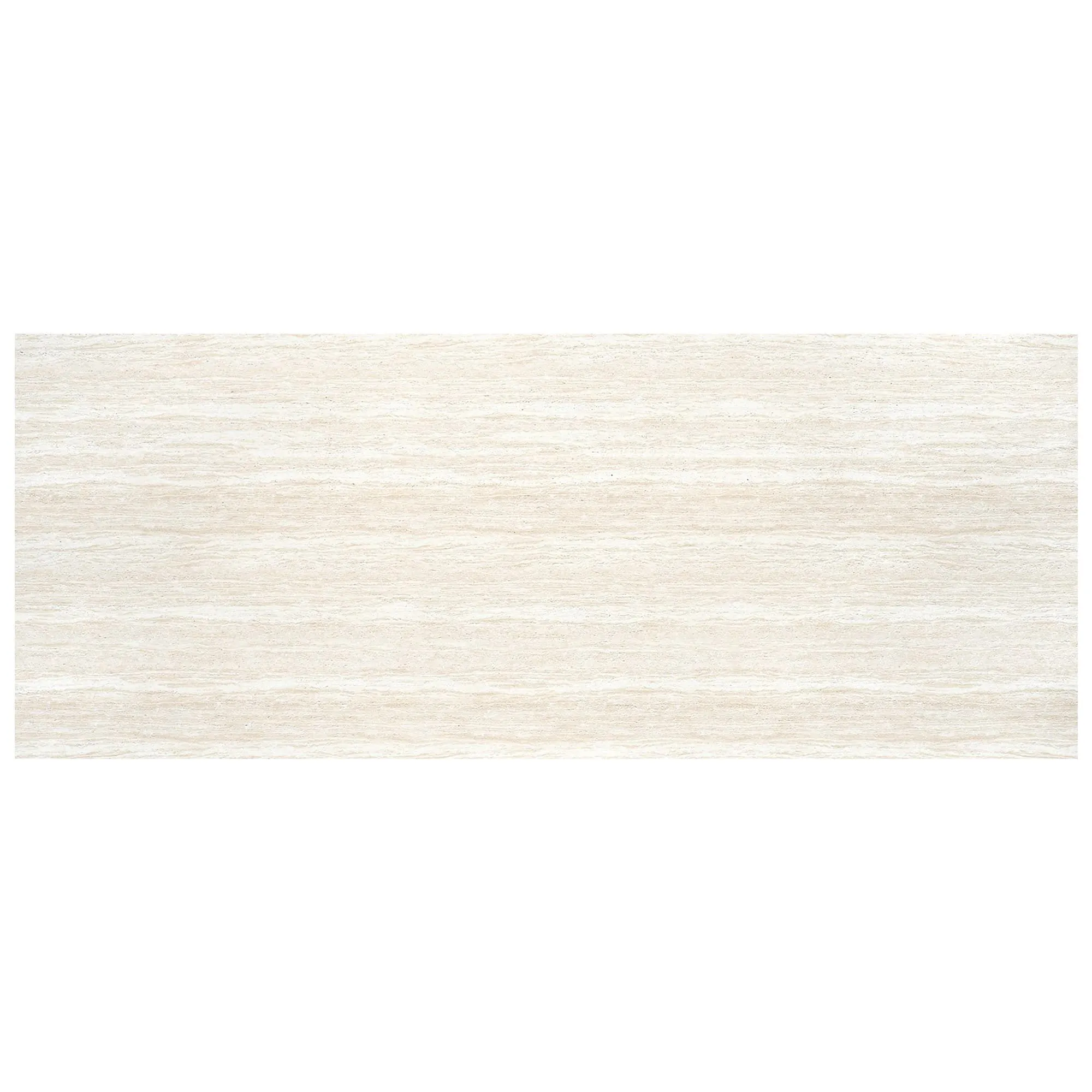
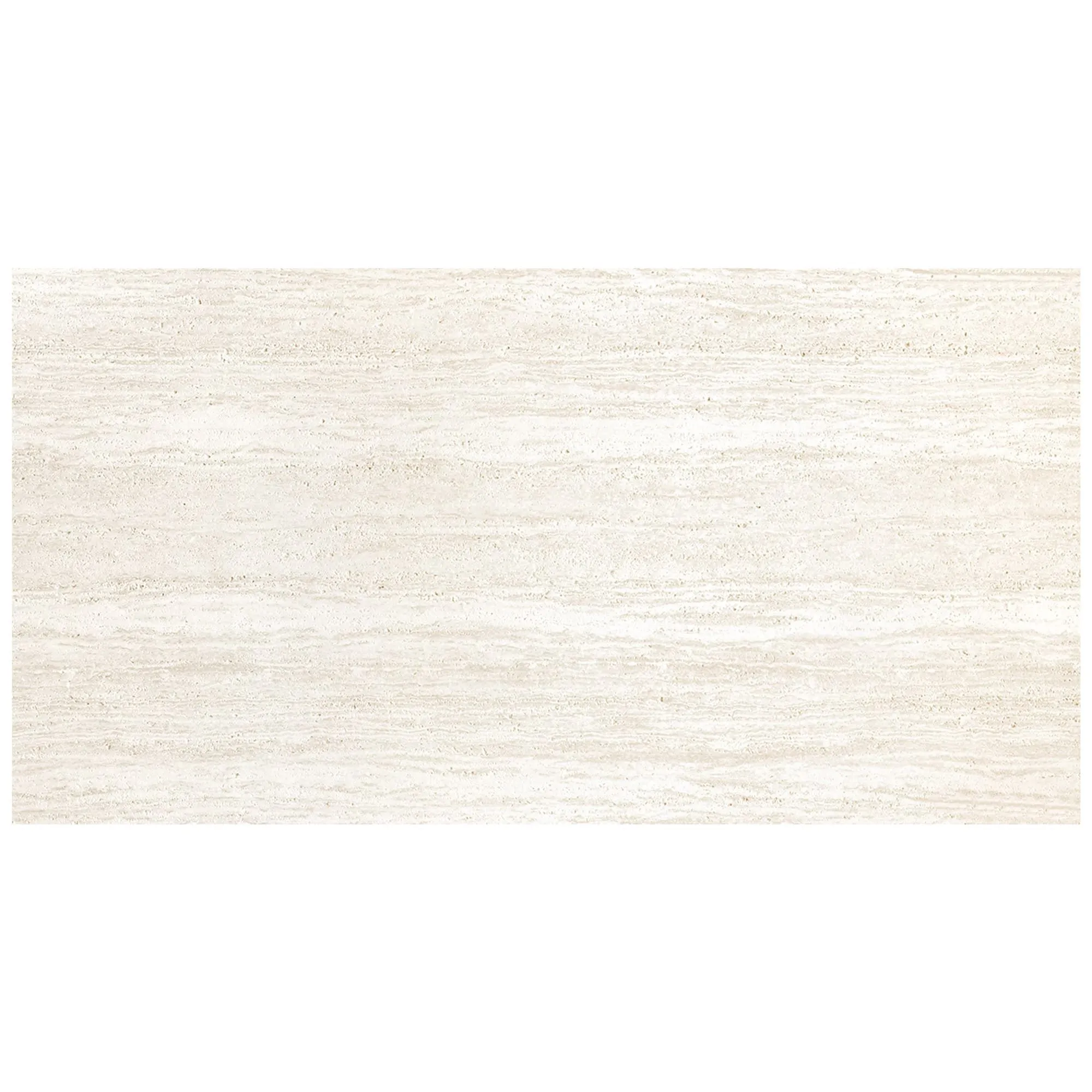
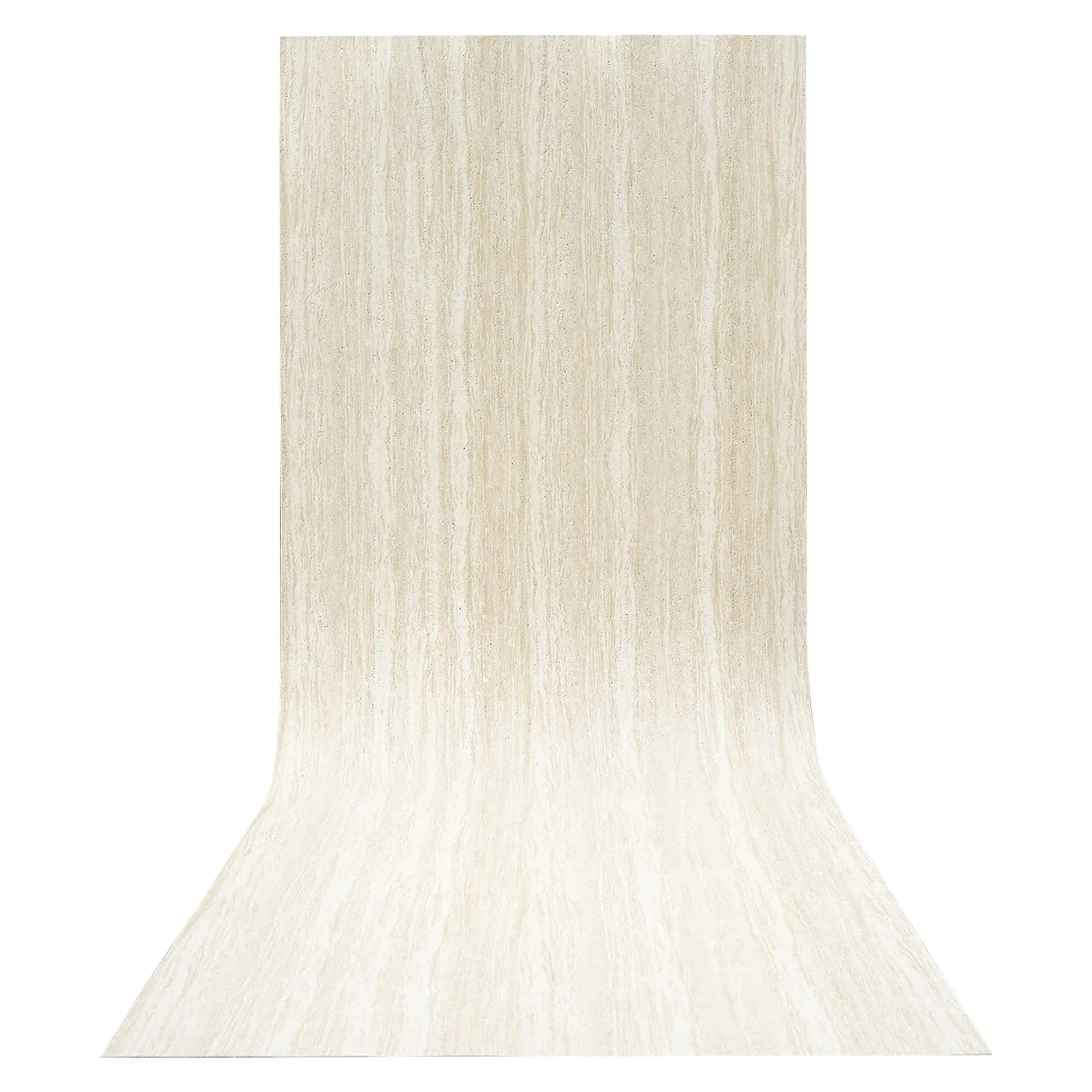
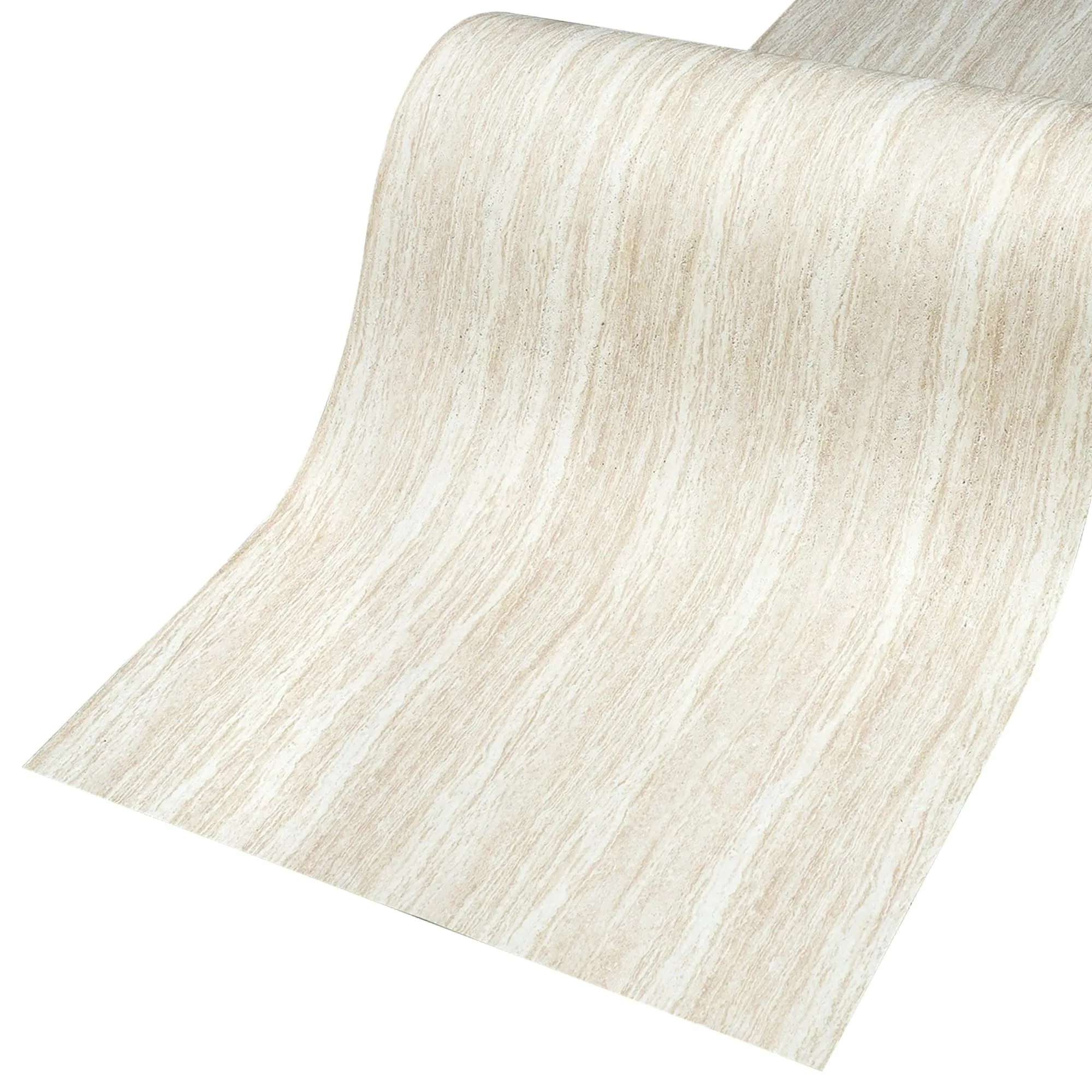
Let's cut through the jargon: MCM stands for Modified Composite Material. Think of it as wood's smarter, greener cousin—engineered to mimic the natural beauty of timber but made from a blend of recycled fibers, minerals, and eco-friendly resins. The result? A material that looks so much like real wood, you'll do a double-take when you run your hand over it. We're talking about "wood grain board" with knots and grains that feel authentic, "wood line" textures that catch the light just like a sunlit forest, and even complementary options like "bamboo mat board" that add an extra layer of organic charm—all without a single tree being felled.
But MCM Wood Line isn't just about looks. It's about redefining what "sustainable design" means. Unlike solid wood, which requires decades (if not centuries) of tree growth, MCM is manufactured using rapidly renewable resources and recycled materials. And because it's a composite, it avoids the pitfalls of natural wood: no warping in humidity, no splitting in dry weather, no termite snacks. It's durable, versatile, and—most importantly—kind to the planet.
Let's get to the heart of it: how does choosing MCM Wood Line actually help forests? Let's break it down.
The most obvious benefit? MCM Wood Line doesn't require logging. Traditional solid wood products demand trees—often old-growth ones that play critical roles in their ecosystems. MCM, on the other hand, uses recycled wood fibers, agricultural byproducts, and mineral composites. That means every square foot of MCM Wood Line installed is a square foot of forest left standing. Over time, that adds up: a single commercial project using MCM instead of solid wood could save hundreds of trees.
You might assume "engineered" materials are worse for the planet, but let's compare. Traditional wood harvesting involves heavy machinery (emissions), transportation from forest to mill (more emissions), and often chemical treatments to preserve the wood (which leach into soil and water). MCM manufacturing, by contrast, uses energy-efficient processes and recycled inputs, slashing its carbon footprint. Studies show MCM Wood Line produces up to 60% fewer emissions than solid wood products over their lifecycle. That's a big deal when we're all trying to shrink our environmental impact.
Here's a little-known fact: short-lived products are terrible for the environment. A deck made of untreated pine might last 5-7 years before rotting; a hardwood floor might need refinishing every decade. Each replacement means more materials, more energy, more waste. MCM Wood Line, though? It's built to last. Resistant to moisture, pests, and wear, it can stand up to decades of use with minimal maintenance. That means fewer replacements, less demand for new materials, and a longer-lasting product that keeps contributing to a sustainable space for years.
Still on the fence? Let's put it all in black and white. The table below compares MCM Wood Line with traditional solid wood across key environmental metrics. Spoiler: it's not even close.
| Metric | MCM Wood Line | Traditional Solid Wood |
|---|---|---|
| Forest Impact | Zero trees cut; uses recycled/mineral inputs | Requires logging of mature trees; contributes to deforestation |
| Carbon Footprint (Lifecycle) | ~200 kg CO₂ per 100 sqm | ~500 kg CO₂ per 100 sqm (untreated softwood) |
| Expected Lifespan | 30+ years with minimal maintenance | 5-15 years (softwood); 15-25 years (hardwood, with maintenance) |
| Maintenance Requirements | Wipe clean with water; no staining/sealing needed | Regular staining, sealing, or refinishing; prone to rot/pests |
| End-of-Life Recyclability | Can be recycled into new MCM products | Often ends up in landfills; treated wood may leach chemicals |
MCM Wood Line isn't a one-trick pony. It's part of a broader family of "green building materials" designed to reduce environmental impact across the board. Take "MCM flexible stone," for example—another star in the MCM lineup. Like Wood Line, it mimics the look of natural stone (think marble, granite, travertine) but with the same lightweight, durable, and eco-friendly benefits. By offering alternatives to both wood and stone, MCM is creating a toolkit for architects and designers to build sustainably without sacrificing style.
And let's not forget "bamboo mat board," a close cousin to Wood Line. Bamboo is one of the fastest-growing plants on Earth, maturing in 3-5 years (compared to 20-30 for softwoods), making it a highly renewable resource. MCM's bamboo mat board takes that sustainability a step further by combining bamboo fibers with recycled materials, creating a product that's even more durable and less resource-intensive than solid bamboo.
What ties it all together? A commitment to "green building materials" that don't just meet industry standards but exceed them. MCM products are often certified by organizations like LEED and GreenGuard, ensuring they contribute to healthier, more sustainable buildings. For homeowners, that means peace of mind; for businesses, it means meeting ESG goals and appealing to eco-conscious customers. It's a win-win for everyone—especially the planet.
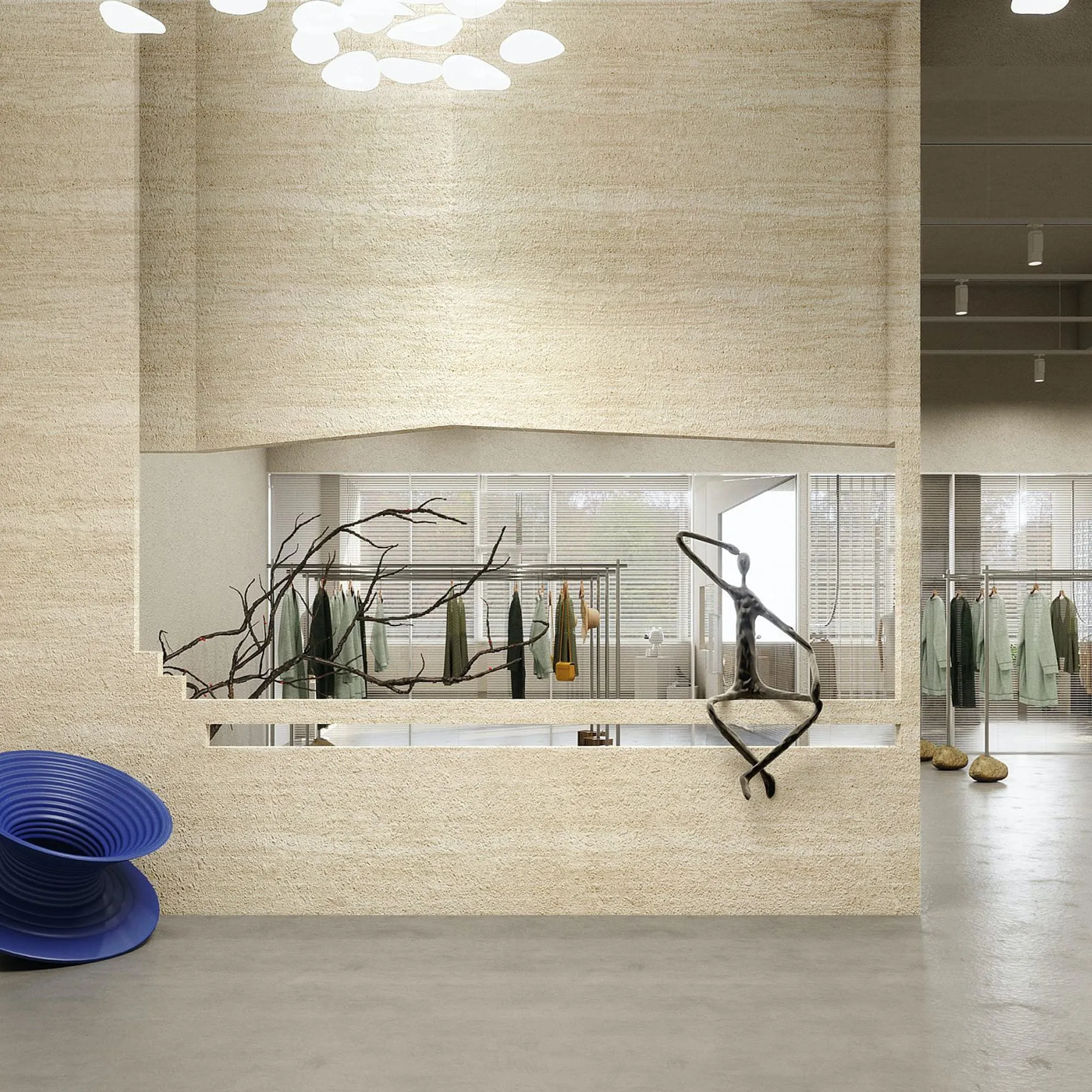
Enough theory—let's talk real-world. MCM Wood Line isn't just a concept; it's transforming spaces around the globe. Take the GreenHaven Community Center in Portland, Oregon. When architects set out to build a space that reflected the city's commitment to sustainability, they chose MCM Wood Line for the interior wall panels and outdoor decking. The result? A warm, inviting space that looks like it's wrapped in reclaimed wood, but without a single old-growth tree touched. Visitors often comment on how "cozy" and "natural" the center feels—and when they learn the material is eco-friendly, their appreciation only grows.
Or consider the renovation of a 1920s brownstone in Brooklyn, New York. The homeowners wanted to preserve the building's historic charm but update the floors with something durable and green. They opted for MCM wood grain board in a rich oak finish. Today, the floors look like they've been there for a century, but they're resistant to the humidity of New York summers and the wear and tear of two busy kids. "We didn't want to put more pressure on forests," says the homeowner, "but we also didn't want to sacrifice that classic wood look. MCM let us have both."
These stories aren't anomalies. From boutique hotels in Bali to corporate offices in London, MCM Wood Line is proving that sustainability and beauty don't have to be mutually exclusive. It's a material that works as hard as the people who choose it—adding value to spaces while reducing their environmental footprint.
The choices we make as designers, builders, and homeowners matter. Every time we opt for a sustainable material, we're casting a vote for the kind of world we want to live in. MCM Wood Line isn't just a product—it's a statement: that we can have beautiful, functional spaces without destroying the planet that sustains us.
As technology advances, MCM materials will only get better. Researchers are experimenting with even more recycled inputs, lower-energy manufacturing processes, and new textures that mimic rare or endangered woods—all while keeping sustainability at the core. The goal? To make eco-friendly materials the default, not the exception.
So the next time you're planning a renovation, building a new home, or designing a commercial space, ask yourself: What kind of impact do I want to have? With MCM Wood Line, the answer is clear: one that honors the forests, supports a healthier planet, and creates spaces that feel like home—for generations to come.
Forests are more than just a source of materials—they're living, breathing ecosystems that keep our planet in balance. MCM Wood Line reminds us that we don't have to choose between the spaces we love and the planet we need. By reducing our dependence on natural forests, embracing sustainable alternatives, and choosing materials that prioritize the environment, we can build a future where both our homes and our forests thrive.
So here's to the wood grain that doesn't cost a tree, the deck that outlasts the decades, and the spaces that feel good—because they do good. MCM Wood Line isn't just changing how we build; it's changing how we think about building. And that, perhaps, is its greatest environmental benefit of all.
Recommend Products












