
In the world of commercial architecture, every material choice tells a story—of design vision, functionality, and above all, responsibility. When that story involves the safety of occupants, the stakes rise. Today, we're diving into a material that's redefining how we balance aesthetics and protection: MCM Wood Line. Let's explore why its fire resistance rating isn't just a technical spec, but a promise of peace of mind for builders, designers, and the people who bring commercial spaces to life.
Walk into any commercial space—a bustling hotel lobby, a busy restaurant, or a high-traffic retail store—and you'll notice the details: the texture of the walls, the warmth of the flooring, the way light plays off surfaces. These elements shape our experience, but behind them lies a silent priority: safety. Fire, in particular, is a risk that architects and designers can never overlook. A single spark, in the wrong environment, can escalate into disaster, threatening lives, disrupting businesses, and erasing years of hard work.
Traditional building materials often force a trade-off. Wood, for example, brings natural beauty but can ignite quickly. Some synthetic panels offer durability but release toxic fumes when burned. Even materials like fair-faced concrete, while sturdy, can lack the design flexibility modern commercial spaces demand. This is where MCM (Modified Composite Material) products, including the innovative MCM Wood Line, step in—proving that safety and style don't have to be enemies.
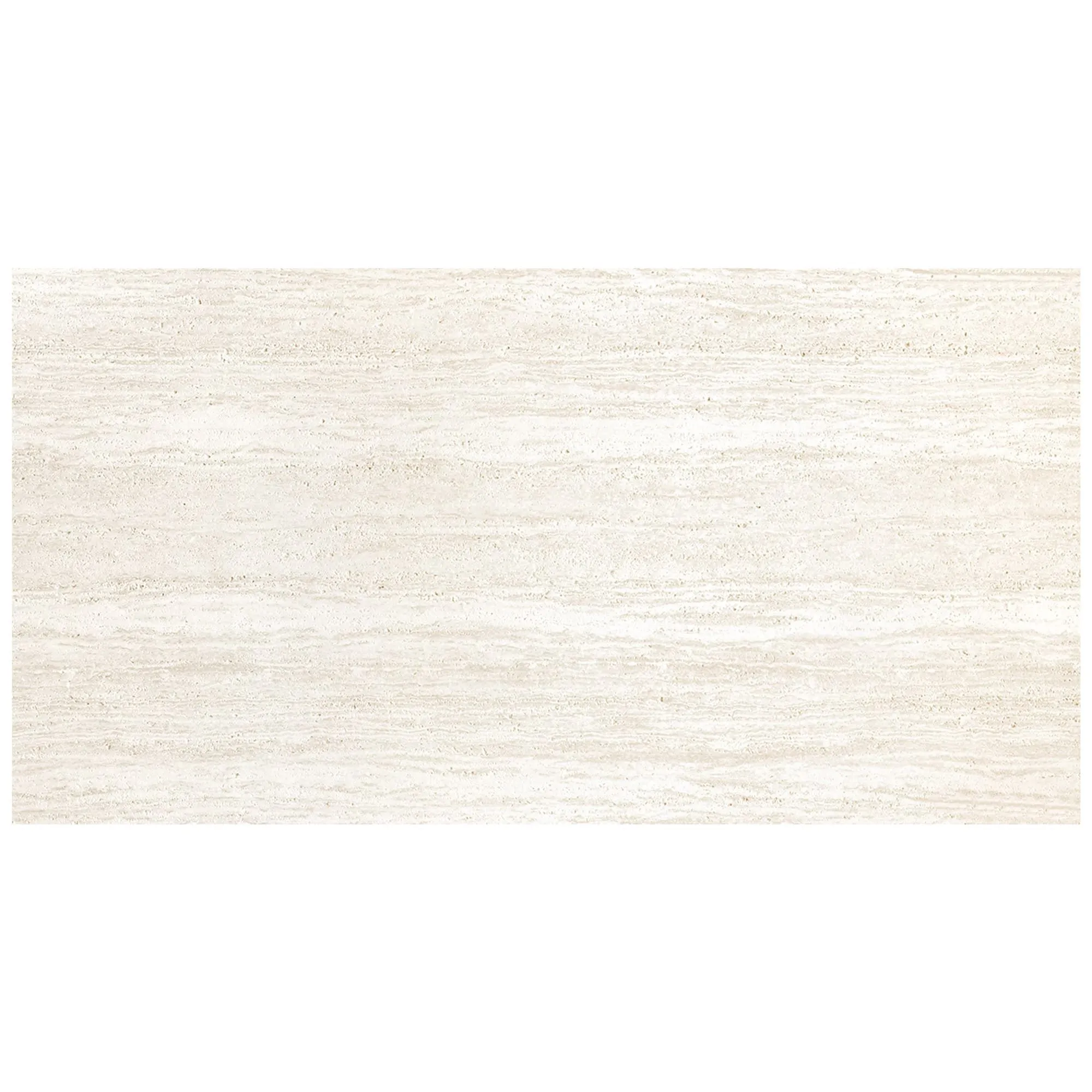
MCM Wood Line isn't just another building material—it's a testament to how far material science has come. Part of the broader MCM family, which includes versatile options like MCM flexible stone and wood grain board, it's engineered to mimic the warm, organic look of natural wood while packing a punch in performance. Imagine walls that feel like they're wrapped in aged oak, or ceilings that evoke the coziness of a mountain lodge—all without the fire risks of real timber.
What makes MCM Wood Line unique? Its core is a lightweight, high-strength composite that undergoes rigorous testing to meet strict fire safety standards. Unlike solid wood, which can act as fuel for flames, MCM Wood Line resists ignition and slows the spread of fire, buying precious time for evacuation and emergency response. And because it's part of the MCM lineup, it inherits the family's signature benefits: flexibility for creative installations, resistance to moisture and pests, and a lifespan that outlasts many traditional materials.
Fire resistance ratings aren't just numbers on a spec sheet—they're a language that translates to real-world safety. For commercial materials, the most recognized standards include ASTM E84 (which measures flame spread and smoke development) and UL 94 (focused on vertical and horizontal burning characteristics). MCM Wood Line doesn't just meet these standards; it exceeds them, earning ratings that place it among the most fire-safe decorative materials on the market.
Let's break it down. In ASTM E84 testing, materials are rated by their Flame Spread Index (FSI) and Smoke Developed Index (SDI). A lower FSI means slower flame spread; a lower SDI means less toxic smoke. MCM Wood Line typically scores an FSI of 25 or lower (classified as "Class A" under many building codes) and an SDI under 50, putting it in the same league as non-combustible materials like concrete. Compare that to untreated wood, which can have an FSI over 200, and the difference is clear: MCM Wood Line doesn't just resist fire—it helps contain it.
| Material | ASTM E84 Flame Spread Index (FSI) | Smoke Developed Index (SDI) | Key Advantage |
|---|---|---|---|
| MCM Wood Line | ≤25 (Class A) | ≤50 | Fire resistance + wood-like aesthetics |
| Solid Oak Wood | 200–400 (Class C) | 100–200 | Natural beauty, high flammability |
| Fair-Faced Concrete | 0–25 (Class A) | 0–50 | High fire resistance, limited design flexibility |
| Traditional Vinyl Paneling | 100–200 (Class B/C) | 200–500+ | Low cost, high smoke emission |
The table tells a clear story: MCM Wood Line matches the fire resistance of non-combustible materials like fair-faced concrete while offering the aesthetic versatility that concrete can't touch. For designers who refuse to choose between safety and style, that's a game-changer.
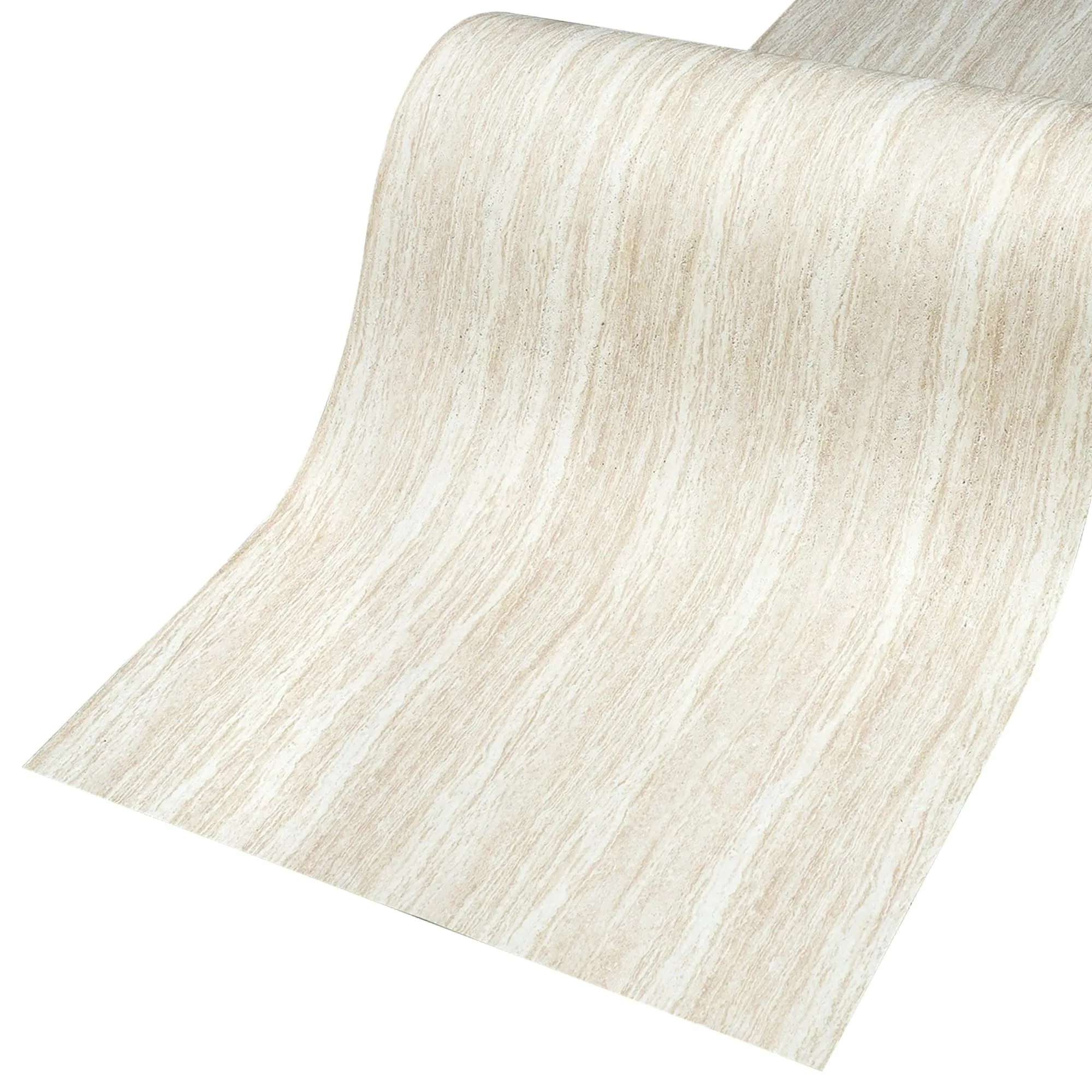
Fire resistance is the star of the show, but MCM Wood Line brings more to the table. Let's talk about practicality—something every builder and facility manager cares about. Its lightweight design makes installation faster and easier than hauling heavy concrete slabs or solid wood planks, cutting down on labor costs and project timelines. And unlike real wood, it won't warp in humid environments, rot in damp basements, or attract termites—common headaches in commercial spaces like restaurants or indoor pools.
Then there's customization. MCM Wood Line comes in a range of finishes that mimic everything from weathered barnwood to sleek teak, allowing designers to tailor the look to a brand's identity. Pair it with other MCM products, like MCM flexible stone for accent walls or wood grain board for ceiling panels, and the design possibilities are endless. A boutique hotel might opt for a rustic wood-look lobby with stone accents; a tech startup could choose a modern, streamlined wood-grain facade—all with the same underlying safety assurance.
Durability is another win. Commercial spaces see heavy foot traffic, spills, and daily wear and tear. MCM Wood Line stands up to it all, requiring minimal maintenance beyond occasional cleaning. No need for costly refinishing or replacements every few years—this is a material built to keep up with the chaos of busy commercial life.
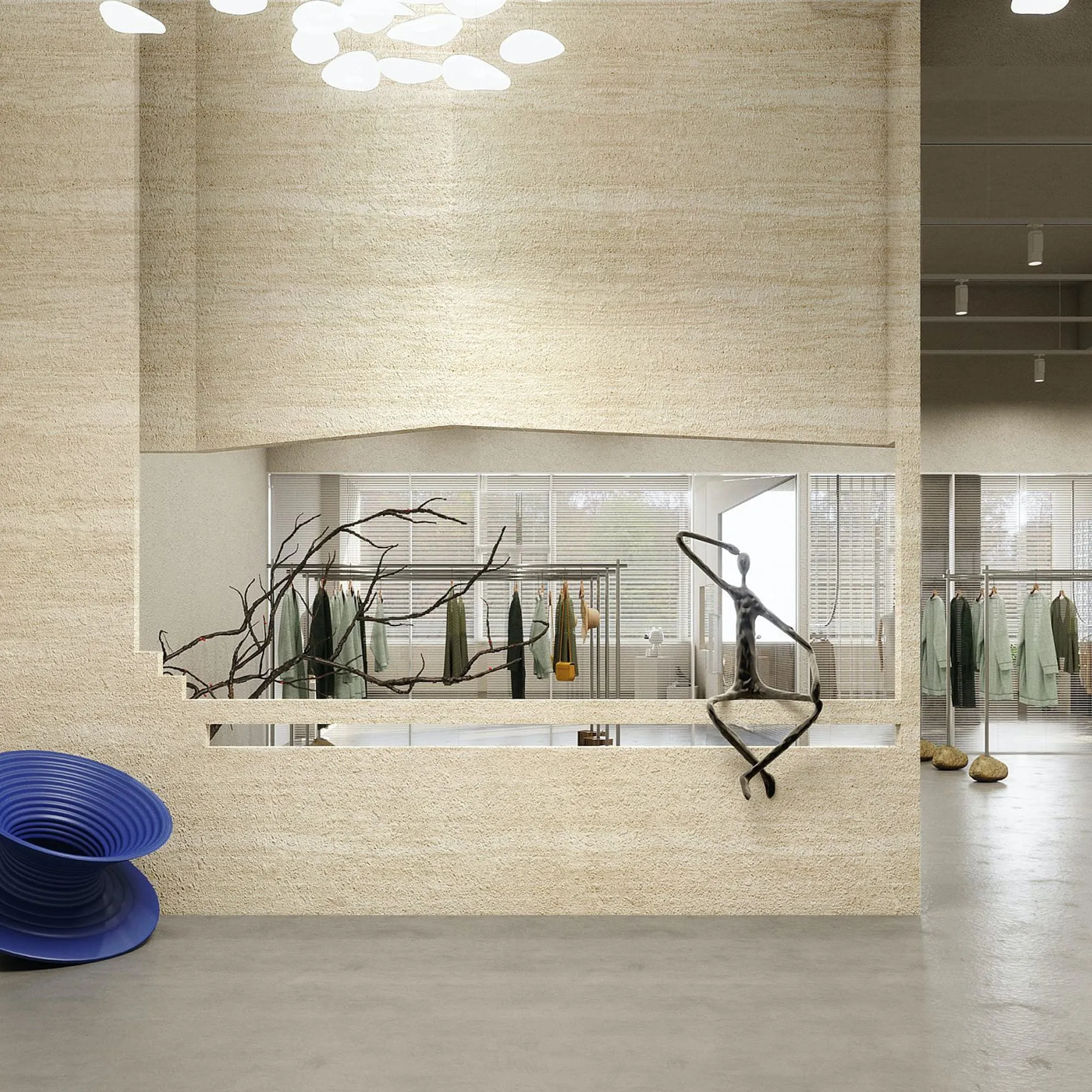
Let's ground this in real life. Where does MCM Wood Line make the biggest difference? Consider a mid-sized restaurant in a busy urban area. The owner wants an interior that feels warm and inviting, with wood accents to create a "homey" vibe. But with a kitchen full of open flames and a dining area packed with patrons, fire safety is non-negotiable. MCM Wood Line panels on the walls and ceiling offer that cozy, woodsy feel without turning the space into a fire hazard. In the event of a small kitchen fire, the panels resist ignition, preventing the flames from spreading to the dining area.
Or take a corporate office building. Modern workplaces often prioritize open layouts and natural aesthetics to boost employee well-being. MCM Wood Line can be used for partition walls, desk surfaces, or even accent ceilings, creating a space that feels less "sterile" and more "human." And for building managers, knowing those materials won't contribute to a fire emergency adds a layer of confidence that's hard to put a price on.
Educational facilities are another key area. Schools and universities have strict safety codes, and for good reason—protecting students and staff is paramount. MCM Wood Line can be used in auditoriums, libraries, or common areas, where its fire resistance and durability make it a responsible choice. Plus, its wood-like appearance can help create calming, focused environments that support learning.
In commercial construction, compliance isn't just a box to check—it's a promise to occupants and regulators that every detail has been considered. MCM Wood Line doesn't just meet local fire codes; it aligns with global standards, from the U.S.'s NFPA guidelines to the EU's EN 13501-1 classifications. This is crucial for international projects or businesses operating in multiple regions, as it ensures consistency in safety performance no matter where the building stands.
For architects and contractors, this compliance translates to fewer headaches during inspections and approvals. No more last-minute material substitutions or redesigns because a product failed to meet standards. With MCM Wood Line, you can move forward with confidence, knowing the material has been vetted by third-party labs and proven to perform when it matters most.
And for business owners? It's peace of mind. Running a commercial space is stressful enough without worrying about whether your building materials are putting people at risk. MCM Wood Line lets you focus on what you do best—serving customers, growing your brand, and creating spaces people love—while it handles the heavy lifting of safety.
MCM Wood Line isn't just a material—it's a shift in how we think about commercial design. For too long, safety and aesthetics were seen as opposing forces: choose one, and you had to compromise the other. But MCM Wood Line proves that's a false choice. It's a reminder that the best building materials don't just serve a function—they tell a story of care: care for the people who use the space, care for the longevity of the design, and care for the responsibility that comes with creating environments where lives and livelihoods intersect.
Whether you're designing a restaurant, an office, or a school, the materials you choose send a message. With MCM Wood Line, that message is clear: safety doesn't have to be boring, and beauty doesn't have to be risky. It's a material that works as hard as you do—so you can build with confidence, design with freedom, and rest easy knowing you've made a choice that protects what matters most.
Recommend Products












