
In 2017, the Grenfell Tower tragedy in London brought global attention to a grim reality: the materials used to clad buildings can mean the difference between life and death in a fire. The tower's exterior cladding, which included combustible components, contributed to the rapid spread of flames, claiming 72 lives and sparking a worldwide reckoning in the construction industry. Today, as architects, developers, and regulators strive to prevent such disasters, the demand for cladding materials that balance aesthetics with uncompromising fire safety has never been higher. Among the solutions rising to this challenge is MCM Wood Line—a product that reimagines wood-inspired cladding for the modern age, without sacrificing the rigorous safety standards required by international building codes.
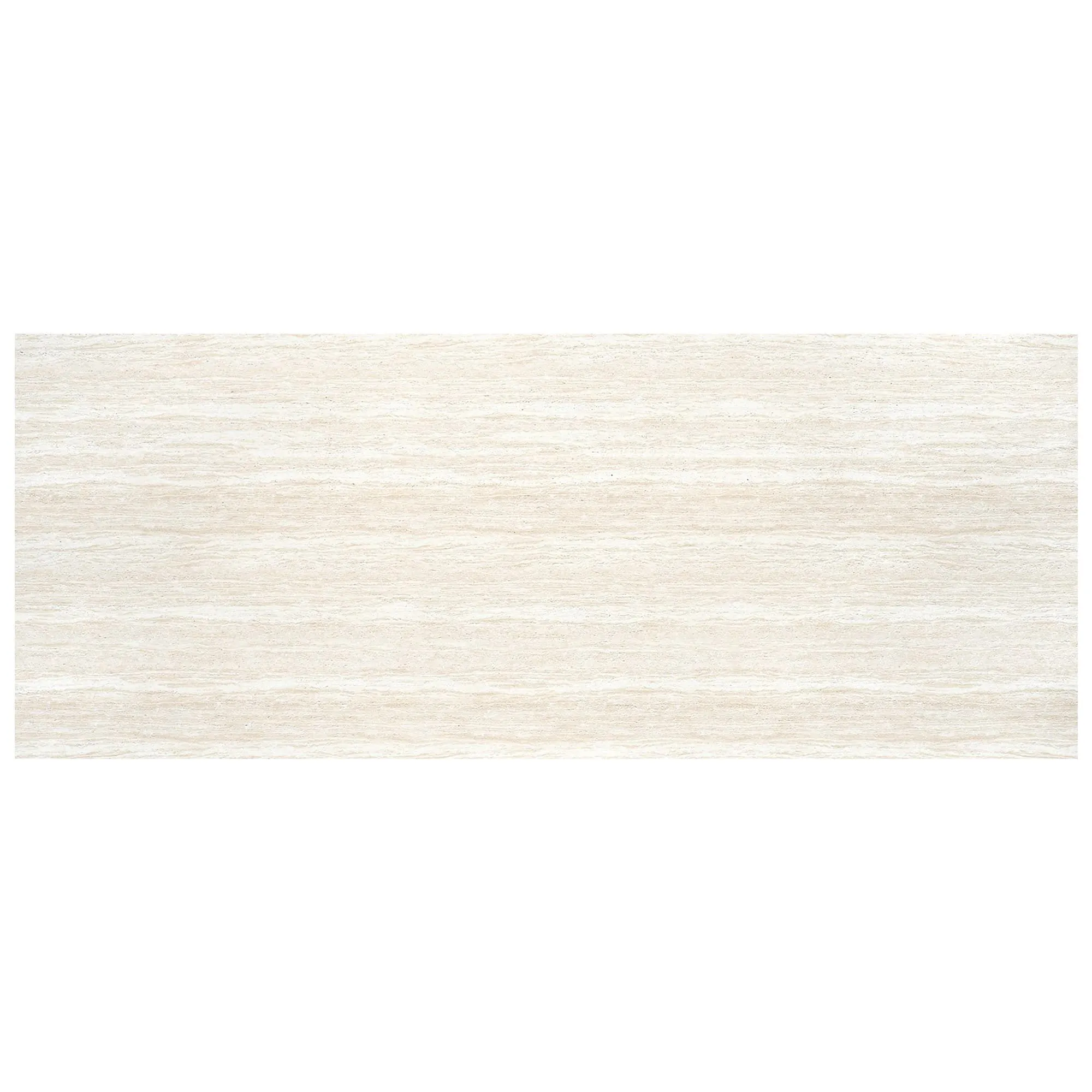
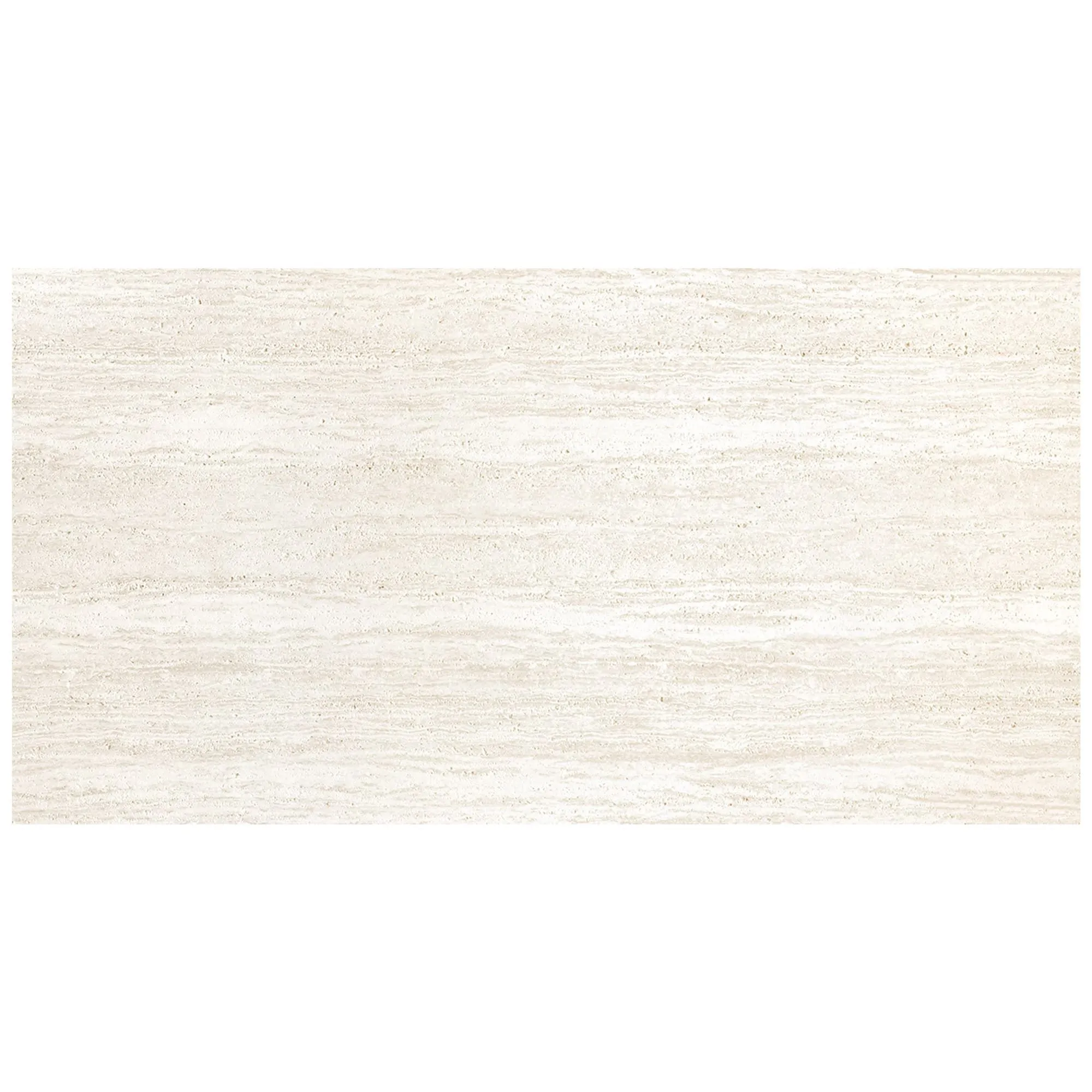
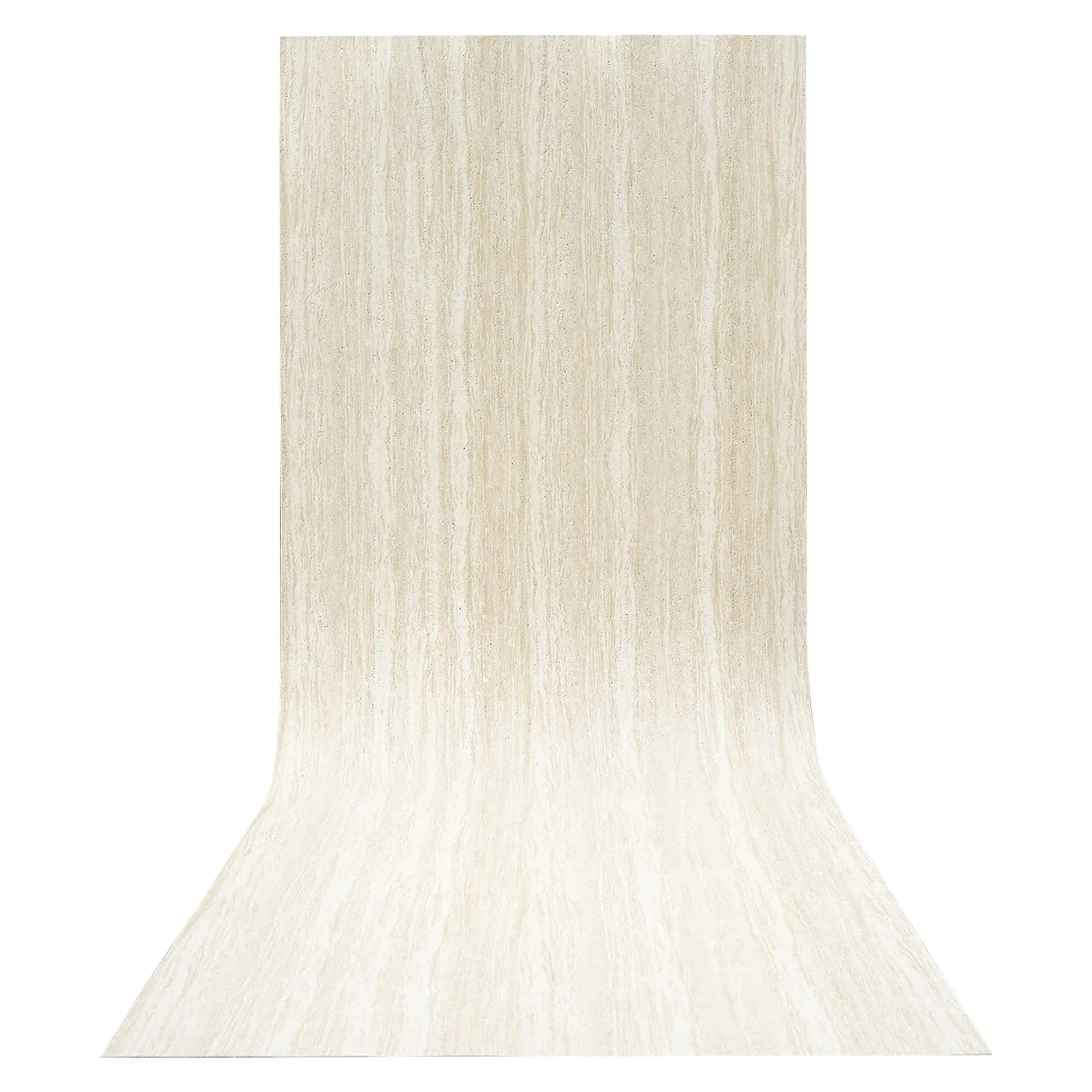
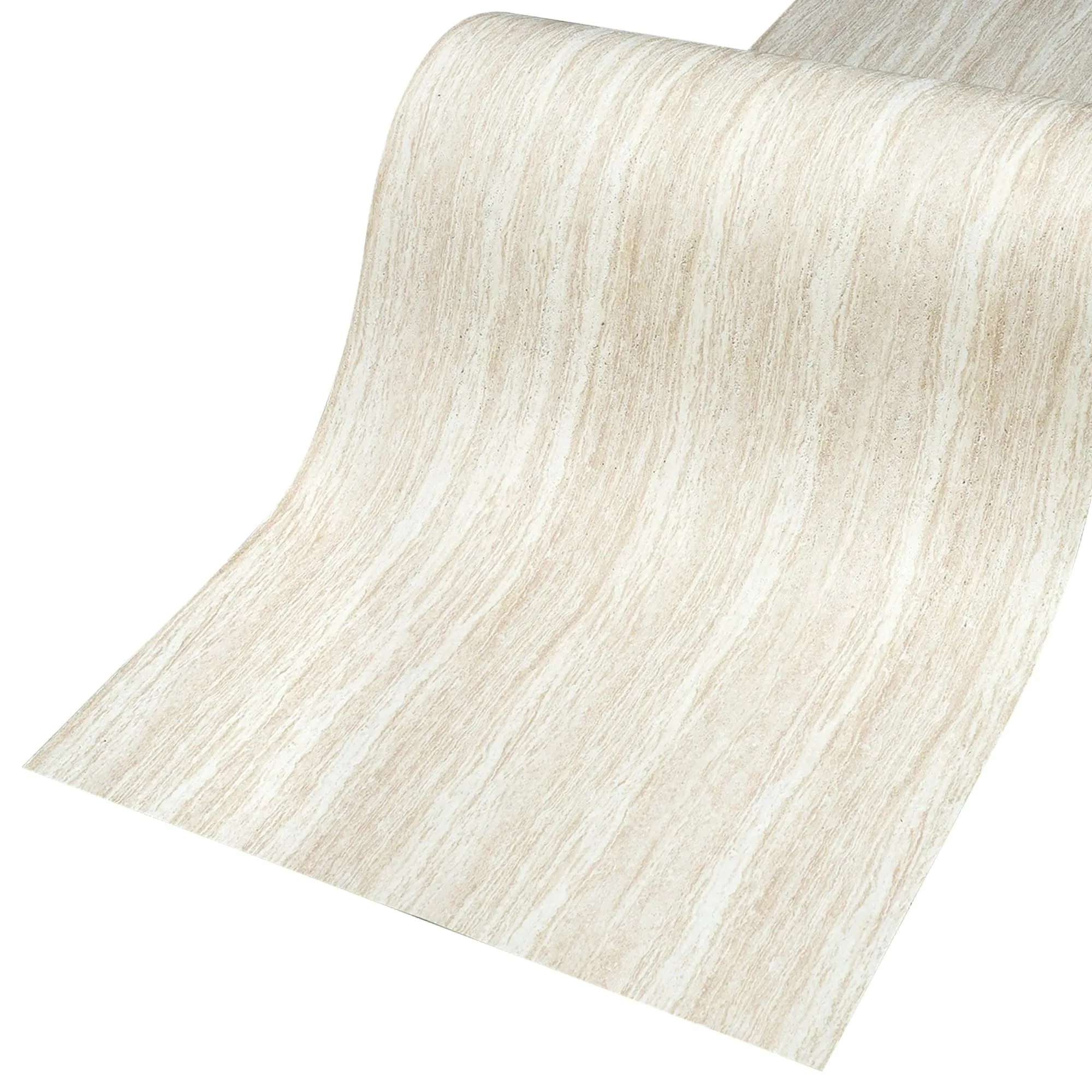
MCM, or Modified Composite Material, is an engineered material that combines mineral aggregates, polymers, and reinforcing fibers to mimic the look of natural materials—like wood, stone, or metal—while enhancing durability, sustainability, and safety. MCM Wood Line, in particular, is designed to replicate the warm, organic texture of wood grain board, making it a popular choice for architects seeking to infuse projects with natural warmth without relying on solid timber.
But why focus so heavily on fire safety for a wood-look product? The answer lies in the inherent risks of traditional wood cladding. Solid wood and even some engineered wood products are combustible; under high heat, they can ignite, burn, and release toxic smoke—all of which accelerate fire spread. In contrast, MCM Wood Line is engineered from the ground up to resist ignition and slow flame propagation, thanks to its mineral-rich core and advanced polymer binders. This makes it a critical player in meeting the fire safety benchmarks set by organizations like the National Fire Protection Association (NFPA), British Standards (BS), and the European Committee for Standardization (CEN).
International building codes are not one-size-fits-all, but they share a common goal: to protect occupants and structures from fire. For MCM Wood Line to be globally viable, it must comply with a range of these standards. Let's break down the key ones:
In the U.S., the NFPA 285 standard is a cornerstone for evaluating the fire performance of exterior wall assemblies, including cladding, insulation, and backing materials. The test simulates a real-world scenario: a fire starting at the base of a building and spreading upward. For MCM Wood Line, passing NFPA 285 means demonstrating that, when installed as part of a complete wall system, it does not allow flames to spread vertically or horizontally beyond the point of origin, and that it limits heat release and smoke production.
MCM Wood Line meets this by leveraging its low-combustibility core. Unlike traditional wood, which burns readily, the mineral components in MCM char (rather than melt or ignite) when exposed to high heat, forming a protective barrier that slows fire progression. Third-party testing labs, such as Underwriters Laboratories (UL), have verified that MCM Wood Line assemblies achieve a Class A flame spread rating under NFPA 285— the highest possible classification, indicating minimal flame spread.
In the UK, post-Grenfell regulations now mandate stricter testing for cladding materials, with BS 476-22 being a key standard. This test measures the fire resistance of a material by exposing it to temperatures up to 1,000°C for a specified duration (typically 30, 60, or 90 minutes) and evaluating its ability to retain structural integrity, prevent flame penetration, and limit heat transfer.
MCM Wood Line excels here, too. Its mineral core is non-combustible (rated A1 or A2-s1,d0 under EN 13501-1, the European fire classification system), meaning it does not contribute to fire growth. In BS 476-22 tests, MCM Wood Line cladding has consistently maintained its structural integrity for 60+ minutes, far exceeding the 30-minute minimum required for most mid-rise buildings.
Across the EU, EN 13501-1 classifies building materials based on their reaction to fire, using a scale from A1 (non-combustible) to F (highly combustible). For exterior cladding on buildings over 18 meters, the standard typically requires materials rated A2-s1,d0 or better—meaning non-combustible or limited combustibility, low smoke production (s1), and no flaming droplets (d0).
MCM Wood Line achieves an A2-s1,d0 rating, placing it among the safest cladding materials available. This classification is critical for projects in Europe, where post-Grenfell regulations (like the UK's Building Safety Act 2022) now ban combustible cladding on buildings over 11 meters. By meeting EN 13501-1, MCM Wood Line ensures compliance even in the most stringent European markets.
Codes and standards are only as meaningful as the testing that backs them up. For MCM Wood Line, third-party certification is non-negotiable. Organizations like UL, Intertek, and SGS conduct rigorous testing to verify compliance, and their stamps of approval are trusted by architects, developers, and regulators worldwide.
One key test is the ASTM E84 (Standard Test Method for Surface Burning Characteristics of Building Materials), which measures flame spread index (FSI) and smoke developed index (SDI). A Class A rating under ASTM E84 requires an FSI of 0–25 and an SDI of 0–450. MCM Wood Line consistently scores an FSI of <10 and an SDI of <50, well below the threshold. This means, in the event of a fire, it produces minimal smoke—a critical factor, as smoke inhalation is the leading cause of fire-related deaths.
Another vital certification is the CE mark, required for products sold in the EU. To earn the CE mark, MCM Wood Line must demonstrate compliance with EN 13501-1 and other relevant standards, ensuring it meets strict health, safety, and environmental requirements.
To truly appreciate MCM Wood Line's fire safety credentials, it helps to compare it to traditional cladding materials. Below is a breakdown of how it stacks up against solid wood, vinyl, and even some stone-like alternatives like fair-faced concrete:
| Material | Fire Resistance Rating (EN 13501-1) | Flame Spread Index (ASTM E84) | Smoke Development Index (ASTM E84) | Key Fire Safety Benefit |
|---|---|---|---|---|
| MCM Wood Line | A2-s1,d0 (Limited Combustibility) | <10 (Class A) | <50 | Mineral core resists ignition; minimal smoke and no flaming droplets |
| Solid Wood Cladding | D-s3,d2 (Combustible) | 75–200 (Class C) | 500–800 | Natural fire retardants in some species (e.g., cedar), but still ignites readily |
| Vinyl Cladding | E-s3,d2 (Highly Combustible) | 200–500 (Class D) | 800–1200 | May melt and drip, spreading fire; high smoke production |
| Fair-Faced Concrete | A1 (Non-Combustible) | 0–10 (Class A) | <50 | Excellent fire resistance, but lacks wood aesthetics |
The table tells a clear story: while fair-faced concrete matches MCM Wood Line in fire resistance, it lacks the warm, organic look of wood. Solid wood and vinyl, meanwhile, fall short in both fire performance and safety. MCM Wood Line thus fills a unique niche: it delivers the aesthetic of wood with the fire safety of non-combustible materials.
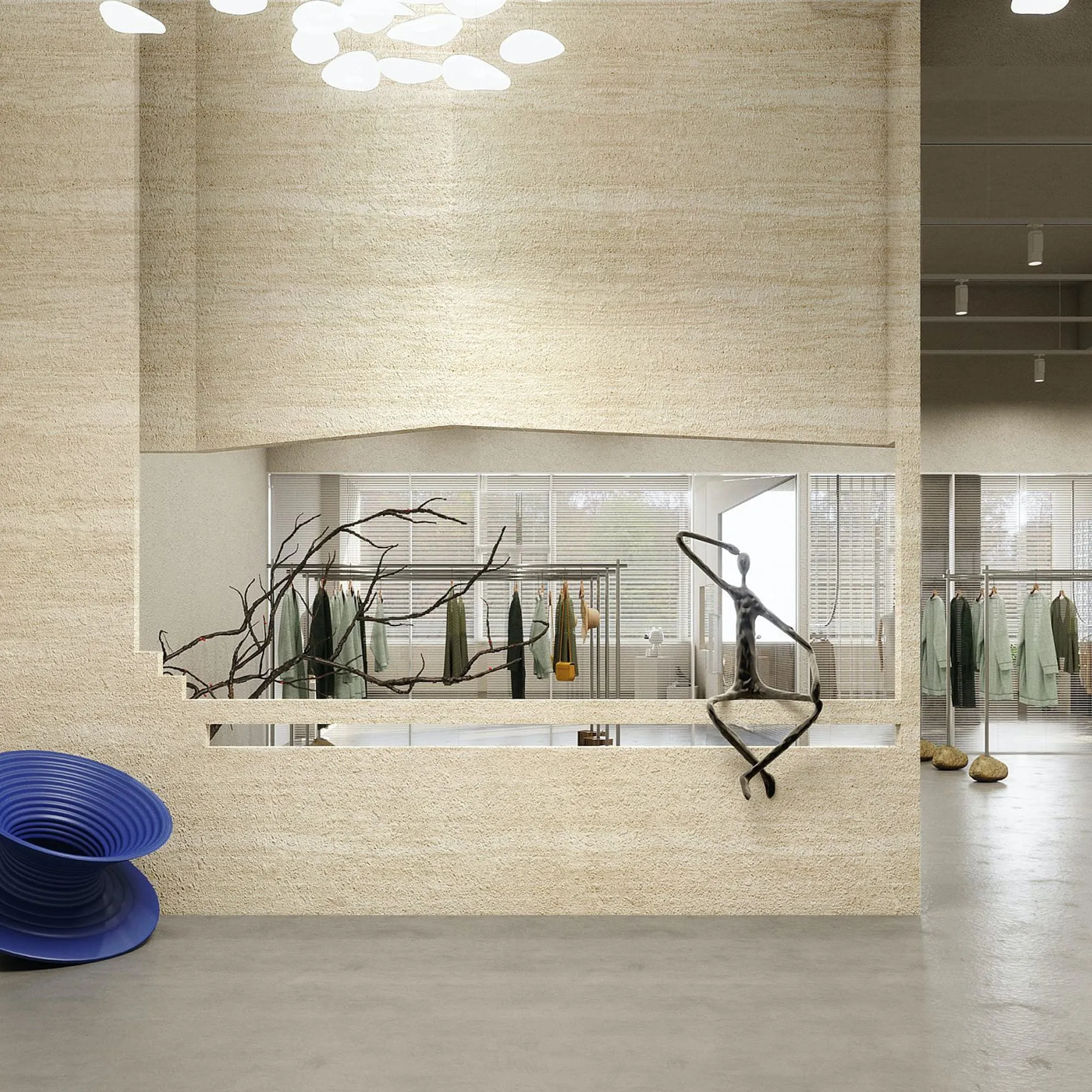
Fire safety is a critical selling point, but MCM Wood Line offers more than just protection. Its engineered composition also delivers:
In 2023, Dubai's The Haven Residences—a 22-story residential tower—sought to balance luxury aesthetics with strict local fire safety regulations. The design called for a warm, wood-inspired exterior, but Dubai's Civil Defense Authority mandates that all cladding on buildings over 15 meters must be A2-s1,d0 rated or better.
Architects selected MCM Wood Line for the facade, citing its compliance with EN 13501-1 (A2-s1,d0) and NFPA 285. During construction, the material's lightweight nature reduced crane time by 30% compared to stone cladding, and its resistance to Dubai's extreme heat (up to 50°C in summer) ensured no warping or fading. Post-occupancy, residents praised the building's "natural, inviting feel," while developers noted that insurance premiums were 15% lower than comparable towers using traditional wood cladding—thanks to MCM's fire safety credentials.
As the construction industry shifts toward net-zero goals, MCM Wood Line is evolving to meet even higher standards. Manufacturers are experimenting with bio-based polymers and recycled mineral aggregates to reduce the product's carbon footprint, while retaining its fire resistance. Some are also integrating intumescent coatings—materials that expand when heated to form a protective, insulating layer—further enhancing fire performance.
Another emerging trend is the use of MCM in modular construction, where prefabricated panels are built off-site and assembled quickly. MCM Wood Line's consistency and durability make it ideal for this model, ensuring that fire safety is built into every panel before it reaches the construction site.
In a world where building safety and design excellence are no longer negotiable, MCM Wood Line stands out as a material that delivers on both fronts. By meeting—and exceeding—international fire safety codes like NFPA 285, BS 476-22, and EN 13501-1, it offers architects and developers peace of mind, knowing their projects protect lives while inspiring with natural beauty. As the industry continues to prioritize sustainability and resilience, MCM Wood Line isn't just a trend—it's a glimpse into the future of construction: one where safety, aesthetics, and the planet coexist.
Recommend Products












