
Walk into any school, and you'll immediately sense the energy—students laughing in hallways, teachers guiding lessons, custodians rushing to wipe spills before the next class. These spaces aren't just buildings; they're ecosystems where learning, growth, and connection happen daily. But with that energy comes a unique challenge: high-traffic areas that take a beating. From scuff marks on classroom floors to dents in corridor walls, the materials chosen for schools must do more than look good—they need to keep up with the chaos of 2,000+ students, staff, and visitors moving through them every day. That's where MCM Wood Line steps in, blending the warmth of natural materials with the toughness required for educational environments. Let's dive into why this innovative solution is becoming a go-to for architects and facility managers designing spaces that last.
Schools are some of the hardest-working spaces on the planet. Think about it: elementary schoolers drag backpacks across floors, high school athletes track mud into locker rooms, and cafeteria tables endure spills ranging from milk cartons to science project mishaps. Traditional materials often crumble under this pressure. Solid wood floors scratch easily and warp with moisture; vinyl peels at the edges after a few years; even standard concrete feels cold and uninviting, turning hallways into sterile passageways rather than spaces that inspire. Worse, constant repairs disrupt classes and drain budgets—funds that could be spent on textbooks, technology, or extracurriculars. The need for a material that balances durability, aesthetics, and practicality has never been clearer.
MCM Wood Line isn't your average building material. Part of the broader Modified Composite Material (MCM) family, it's engineered to mimic the look and feel of natural wood while packing in industrial-grade resilience. What makes it stand out? Start with its core: a lightweight yet rigid composite that resists scratches, dents, and stains. Unlike solid wood, it won't swell in humid classrooms or fade under harsh fluorescent lights. And because it's flexible, it can be installed over uneven surfaces—no need for extensive subfloor repairs, saving time and money during renovations.
But here's the kicker: it doesn't sacrifice warmth for durability. The wood grain board finish is uncannily realistic, with variations in tone and texture that make classrooms feel cozy, not clinical. Imagine a kindergarten room where the floors look like polished oak but can handle crayon scribbles and glue spills with a quick wipe. Or a high school library where the walls, clad in MCM Wood Line panels, absorb sound and create a calm atmosphere for studying. This blend of form and function is why architects are calling it a "game-changer" for educational design.
To truly appreciate MCM Wood Line, let's compare it to common alternatives used in schools. The table below breaks down key factors like durability, maintenance, and aesthetics—because in education, every decision impacts students, staff, and budgets.
| Material | Durability (Scratch/Impact Resistance) | Maintenance Needs | Aesthetics | Long-Term Cost |
|---|---|---|---|---|
| MCM Wood Line | High: Resists scratches from backpacks, impacts from furniture, and moisture damage. | Low: Wipe with mild soap and water; no sealing or refinishing needed. | Warm, natural wood grain finish with customizable tones (light oak, walnut, maple). | Moderate upfront; 50% lower than solid wood over 10 years due to minimal repairs. |
| Solid Wood | Low: Scratches easily; warps with humidity; dents from heavy traffic. | High: Requires annual sanding, staining, and sealing to maintain appearance. | Classic, warm look but fades/unevenly wears over time. | High upfront + ongoing maintenance costs; often needs replacement every 5–7 years. |
| Vinyl Flooring | Medium: Resists stains but tears at edges; prone to indentation from heavy furniture. | Medium: Easy to clean but requires replacement of damaged planks; sensitive to heat. | Plastic-like appearance; limited texture variation; can look cheap. | Low upfront but needs full replacement every 3–5 years in high-traffic areas. |
| Fair-Faced Concrete | High: Extremely durable but cold and unforgiving underfoot. | Low: Stains easily; requires sealing every 2 years to prevent moisture absorption. | Industrial, utilitarian look; lacks warmth for learning spaces. | Moderate upfront; higher long-term cost due to sealing and potential cracking. |
MCM Wood Line isn't limited to floors—it's a versatile solution that adapts to every area of a school, from bustling cafeterias to quiet art rooms. Let's explore how it elevates specific spaces:
Picture a 4th-grade classroom where students sit cross-legged on the floor for storytime, or a high school art studio where paint splatters are part of the creative process. MCM Wood Line floors here create a soft, inviting backdrop that reduces stress—studies show that natural wood tones can lower anxiety levels in children and teens. And when little hands (or paintbrushes) leave marks? A quick wipe with a damp cloth is all it takes. Teachers report that the warmer atmosphere has even improved participation; students seem more willing to engage when the space feels less like a "sterile institution" and more like a second home.
School hallways are war zones for walls. Backpacks swing, lockers slam, and students lean against surfaces while chatting between classes. MCM flexible stone, often paired with MCM Wood Line in corridor designs, adds a layer of protection. These thin, lightweight panels resist dents and scratches, and their neutral tones (like lunar peak silvery or lunar peak golden) complement the wood grain floors, creating a cohesive look. Best of all, they're easy to install over existing drywall, making renovations quick and minimally disruptive to classes.
If there's one place where spills are inevitable, it's the school cafeteria. From tomato sauce to chocolate milk, these messes need to come off without leaving a trace. MCM Wood Line tabletops and flooring handle it all—thanks to a non-porous surface that repels liquids. Unlike laminate, which bubbles when wet, or solid wood, which stains permanently, MCM surfaces bounce back with a simple wipe. Custodians at Westfield High School in Texas, which installed MCM Wood Line in their cafeteria last year, note that cleanup time has dropped by 40%—meaning they can focus on other tasks, like sanitizing desks and restrooms, to keep the school healthy.
Schools aren't just indoors—playgrounds, outdoor classrooms, and courtyard patios need materials that stand up to rain, snow, and UV rays. Here, MCM's lunar peak series shines. Available in silvery, golden, and black finishes, these panels mimic the texture of natural stone but are far lighter and more durable. Imagine an outdoor science classroom where students conduct experiments on a lunar peak black tabletop, or a patio where lunchtime picnics don't leave water rings. Unlike concrete, which cracks in freeze-thaw cycles, or natural stone, which fades in the sun, lunar peak panels stay vibrant for decades with zero maintenance.
Three years ago, Riverview Middle School in Oregon was struggling with constant repairs. Their 1990s-era vinyl floors were peeling, corridor walls had permanent scuff marks, and the cafeteria required daily scrubbing to hide stains. The district faced a tough choice: spend $200,000 on band-aid fixes or invest in a long-term solution. They opted for the latter, replacing 80% of their high-traffic surfaces with MCM Wood Line and complementary products like MCM flexible stone and lunar peak silvery panels.
Today, the results are striking. The hallways, once dotted with "wet floor" signs, now stay clean and intact even during peak traffic. The art room, which previously had to restrict paint use to avoid permanent stains, now lets students experiment freely on MCM Wood Line tabletops. Most notably, the district's facility manager reports saving $65,000 annually on repairs and maintenance—a figure that will cover the initial investment in just 3 more years. "It's not just about the money," says Principal Maria Gonzalez. "The kids notice when their school feels cared for. They take more pride in their space, and that translates to better behavior and engagement."
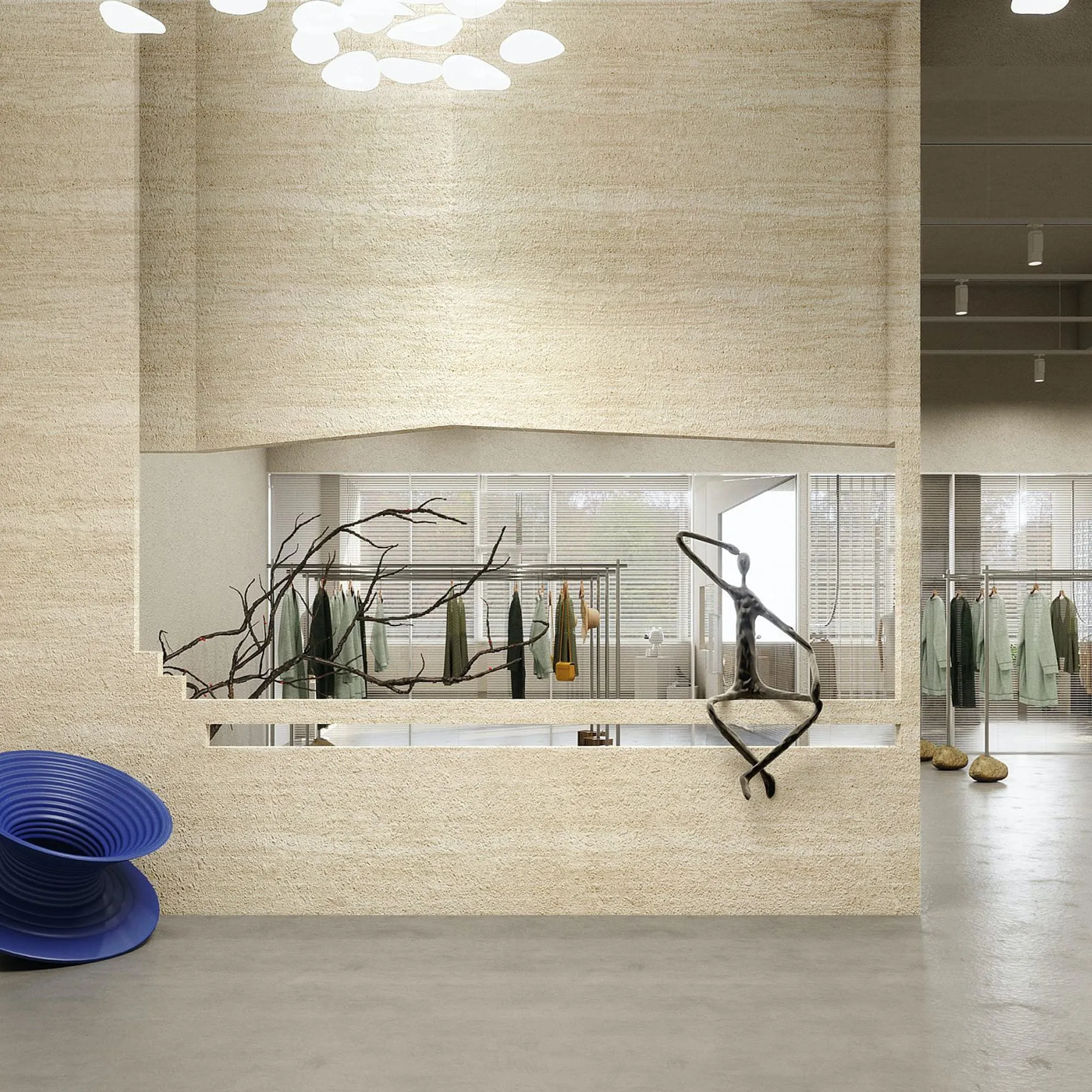
Modern schools aren't just focused on durability—they're also prioritizing sustainability. MCM Wood Line aligns with this mission in two key ways. First, it's made from recycled materials, including reclaimed wood fibers and low-VOC resins, reducing its environmental footprint. Second, its longevity means fewer replacements, cutting down on waste. Unlike vinyl, which ends up in landfills after a few years, or solid wood, which contributes to deforestation, MCM Wood Line is a circular solution. For schools aiming for LEED certification or green building awards, this is a significant plus—proving that durability and eco-friendliness can go hand in hand.
At the end of the day, schools are about people. Cold, sterile environments can make students feel disconnected, while warm, inviting spaces foster a sense of belonging. MCM Wood Line's wood grain board finish taps into this by bringing the outdoors in—even in urban schools where green space is limited. Studies by the Center for Environmental Design in Education show that students in classrooms with natural-inspired materials report 15% higher focus levels and lower stress. It's a small detail, but one that adds up: when students feel comfortable, they learn better.
Educational institutions have one job: to nurture the next generation. Every choice—from the curriculum to the chairs—shapes that mission. MCM Wood Line doesn't just check the boxes for durability and practicality; it elevates the school experience by creating spaces that are tough enough for daily chaos and warm enough to feel like home. Whether it's a kindergarten classroom where little ones take their first steps toward learning or a high school auditorium where seniors deliver graduation speeches, these surfaces are more than materials—they're silent partners in education. For architects, facility managers, and school districts ready to invest in spaces that last, MCM Wood Line isn't just an option—it's the future of school design.
Recommend Products












