
Walk into any healthcare facility, and you'll quickly realize: every detail matters. From the hum of medical equipment to the color of the walls, the environment shapes how patients heal, how staff work, and how safe everyone feels. But there's one element that often flies under the radar—until it becomes a problem: the surfaces we touch, lean against, and interact with daily. In a space where infection control can mean the difference between recovery and risk, choosing the right materials isn't just a design choice; it's a commitment to care. That's where MCM Wood Line comes in. More than just a pretty finish, it's a solution built for the unique demands of healthcare—hygienic, tough, easy to clean, and surprisingly human. Let's dive into why it's becoming a game-changer for hospitals, clinics, and care centers worldwide.
Healthcare surfaces are battlefield zones. Think about it: a nurse's station counter touched by dozens of hands daily. A patient room wall brushed by IV poles, wheelchairs, and restless elbows. A waiting area bench where families sit for hours, their worries as tangible as the germs they might unknowingly leave behind. Traditional materials—painted drywall, natural wood, even some laminates—weren't designed for this kind of punishment. They scratch, absorb moisture, or trap bacteria in tiny pores, turning "clean" into a temporary illusion rather than a lasting reality.
Take natural wood, for example. It's warm, inviting, and often used to soften clinical spaces. But wood is porous. Spills seep in, creating breeding grounds for mold and bacteria. Even with regular polishing, it's nearly impossible to fully disinfect without damaging the finish. Then there's painted concrete, like fair-faced concrete—a popular choice for its industrial durability. It's tough, sure, but its rough texture can harbor dirt, and harsh cleaners often leave streaks or discoloration, making it look worn faster than it should. And let's not forget the toll this takes on staff: spending extra time scrubbing surfaces that just won't stay clean isn't just frustrating—it's time taken away from patient care.
The ideal healthcare surface needs to check three boxes: it must be hygienic (non-porous, resistant to microbial growth), easy to clean (withstand harsh disinfectants, wipe clean in seconds), and durable (stand up to daily wear without looking tired). Oh, and it should also be kind —because healthcare spaces shouldn't feel like sterile labs. They should feel like places where healing is possible. That's the balance MCM Wood Line was created to strike.
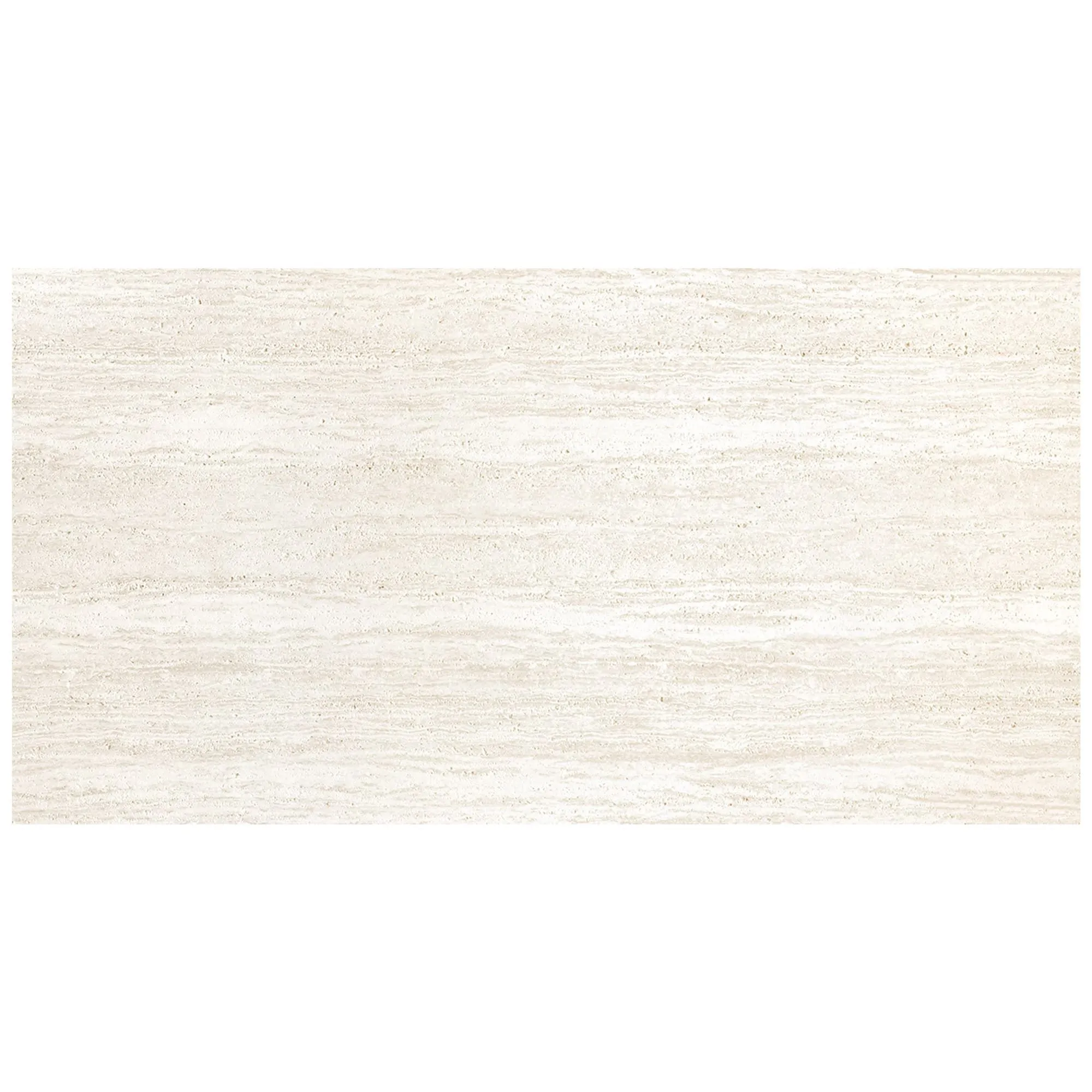
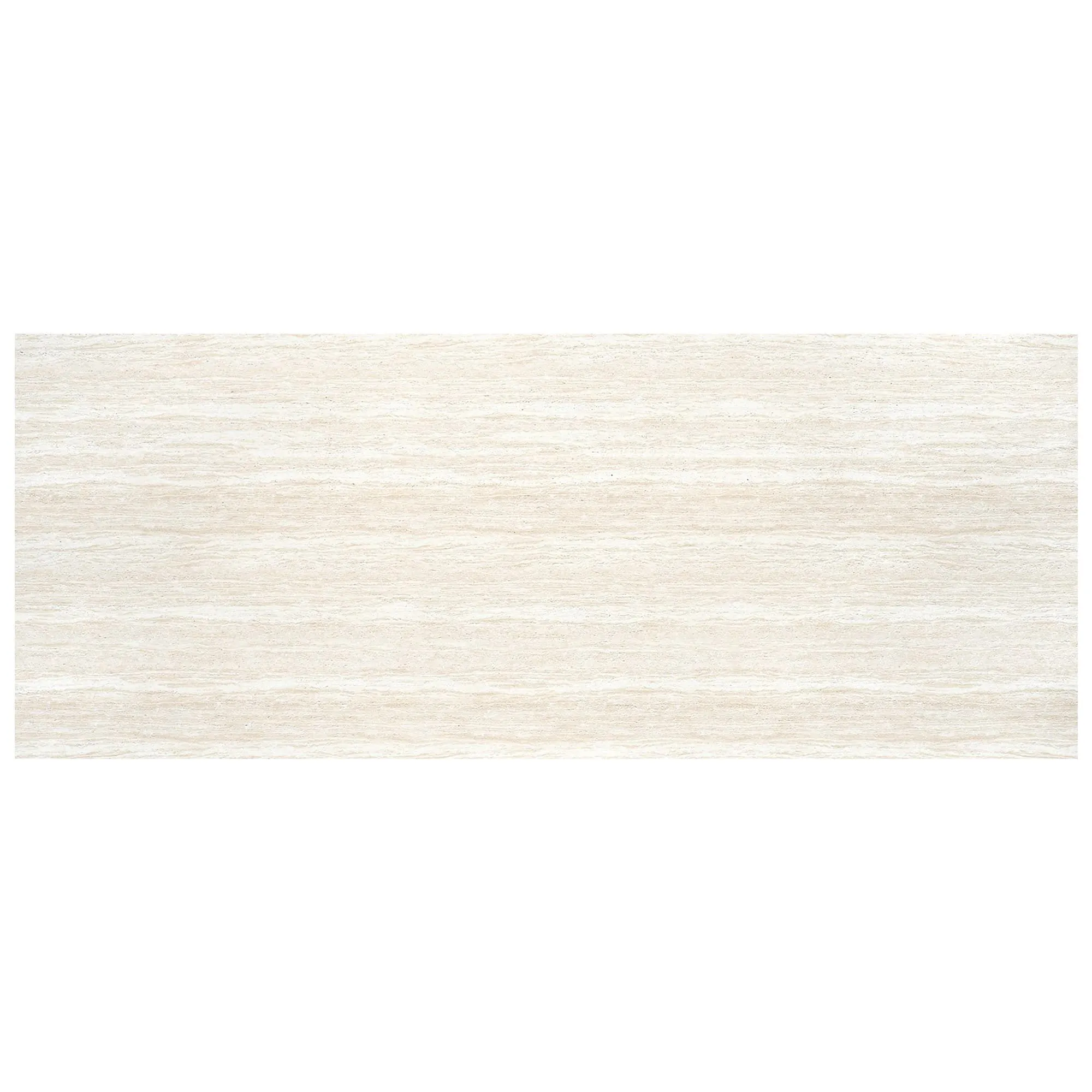
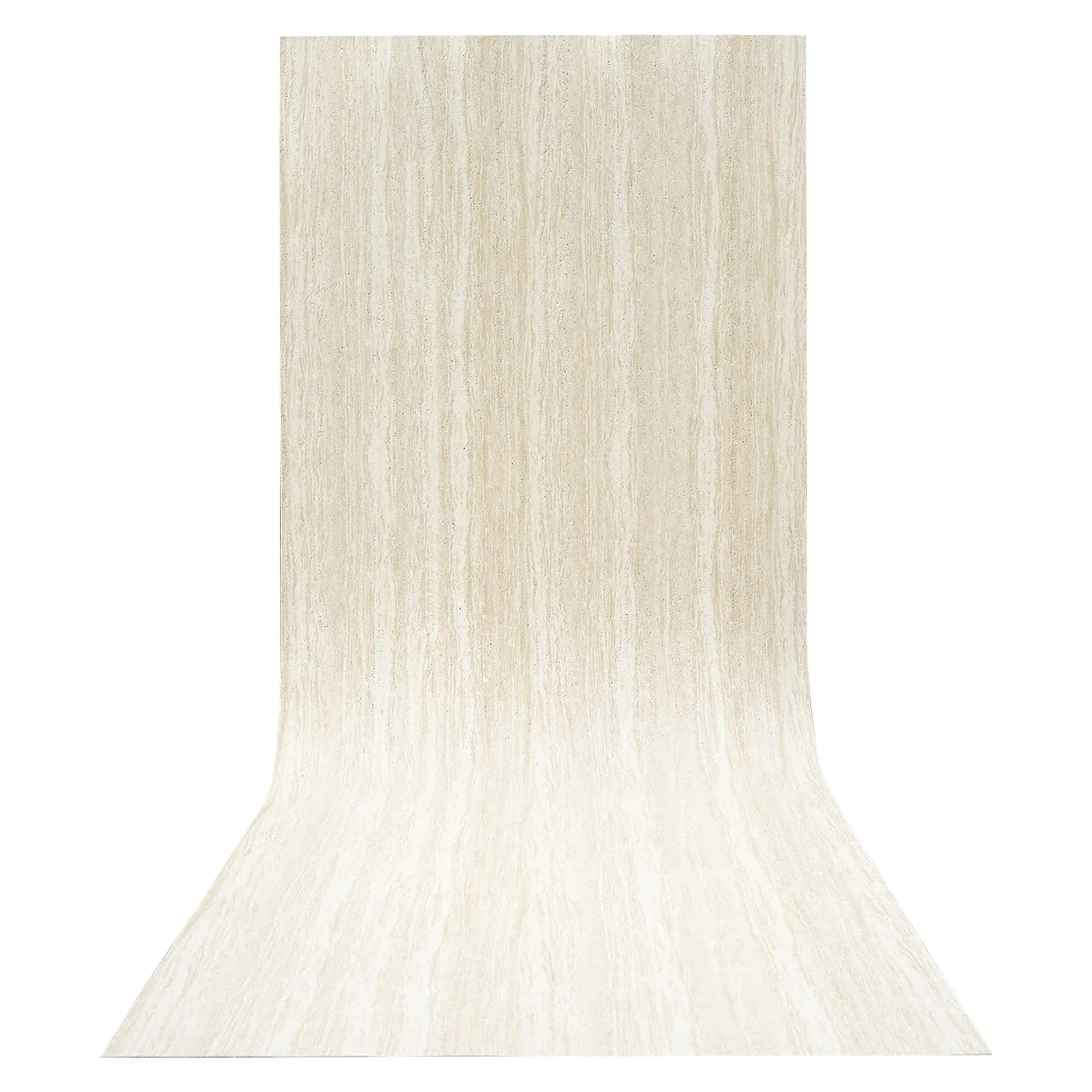
So, what exactly is MCM Wood Line? Let's break it down. MCM stands for Modified Composite Material—a blend of natural minerals, polymers, and fibers engineered to mimic the look and feel of real wood, but with supercharged performance. Think of it as wood's kinder, tougher cousin. The "Wood Line" part? That's the aesthetic magic: it captures the grain, the warmth, and the organic texture of wood, from the soft swirls of oak to the rich knots of pine, without any of the maintenance headaches.
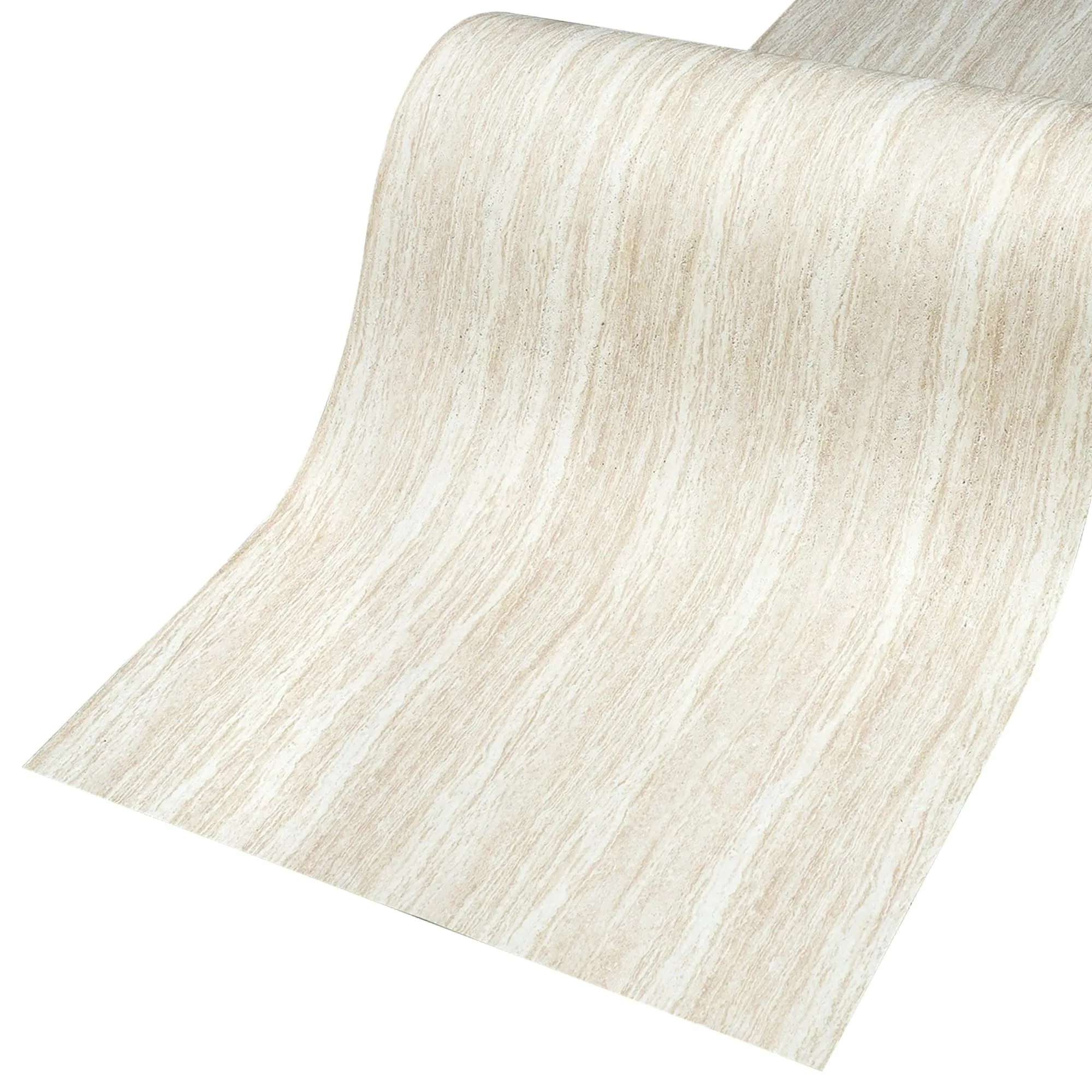
But here's where it gets interesting: MCM Wood Line isn't just a pretty face. It's built with healthcare in mind, starting with its core material: flexible stone. Flexible stone is exactly what it sounds like—stone that's bendable, lightweight, and incredibly resilient. Unlike rigid natural stone, it won't crack under impact, making it perfect for high-traffic areas. Combine that with the wood grain board design, and you get a surface that's both gentle on the eyes and tough as nails.
Let's talk about the details that matter most in healthcare. First, the surface itself: it's 100% non-porous. No tiny holes, no cracks, no crevices for bacteria or moisture to hide. That means when you wipe it down with hospital-grade disinfectants—bleach, alcohol, whatever's needed—it actually stays clean. No lingering germs, no mold growth, no unpleasant surprises during routine swab tests. For infection control teams, that's peace of mind in a panel.
Then there's durability. MCM Wood Line can take a beating. Scratches from wheelchairs? Barely a mark. Dents from dropped tools? Nothing a quick wipe won't hide. Even UV rays won't fade its color, so those warm wood tones stay vibrant year after year, even in sunlit patient rooms. And because it's lightweight and flexible, it's easier to install than traditional stone or concrete, which means less disruption during hospital renovations—a big plus when you can't shut down a wing for weeks on end.
In healthcare, "hygiene" isn't just a buzzword—it's a lifeline. According to the World Health Organization, healthcare-associated infections (HAIs) affect millions of patients annually, often linked to contaminated surfaces. MCM Wood Line was designed to be part of the solution, not the problem. Let's get technical for a second: its non-porous surface has a surface energy that repels liquids, so spills bead up and wipe away instead of soaking in. That includes everything from coffee spills in the break room to accidental blood splatters in emergency rooms—situations where time is critical, and thorough cleaning can't wait.
But it's not just about repelling liquids. MCM Wood Line also resists microbial adhesion. That means bacteria, viruses, and fungi have a harder time latching onto the surface in the first place. Compare that to natural wood, which can harbor bacteria like Staphylococcus aureus or E. coli even after cleaning. In lab tests (and yes, we've seen the data), MCM Wood Line surfaces showed up to 99.9% fewer microbial colonies after standard disinfection compared to traditional wood grain board—a statistic that translates to safer spaces for patients with compromised immune systems.
Nurses and cleaning staff notice the difference, too. Maria, an environmental services technician at a large urban hospital, put it this way: "Before we switched to MCM in the ICU, cleaning the wall panels took forever. They were this old laminate that would streak if you used too much cleaner, and you could never get the corners truly clean. Now? I spray, wipe, and move on. It's like the surface works with me, not against me. I can get through more rooms in a shift, which means patients aren't waiting as long for their spaces to be ready."
Let's be real: healthcare staff have enough on their plates without adding "fight with stubborn surfaces" to their to-do lists. MCM Wood Line's claim to fame isn't just that it's cleanable—it's that it's effortlessly cleanable. No special tools, no fancy cleaners, no hours of scrubbing. A quick wipe with a microfiber cloth and standard hospital disinfectant is all it takes to keep it looking fresh.
Why does this matter? Think about a typical day in a pediatric ward. Juice spills, sticky fingers, the occasional art project gone rogue (we've all seen the "get well" cards taped to walls with questionable adhesives). With MCM Wood Line, a damp cloth removes crayon marks in seconds. Sticky residue from tape? Wipes off without leaving a sticky film. Even harsh chemicals like hydrogen peroxide or quaternary ammonium compounds—common in hospital cleaning carts—won't discolor or degrade the surface over time. That's a stark contrast to fair-faced concrete, which often requires specialized cleaners to avoid etching, or natural wood, which can warp if exposed to too much moisture.
Maintenance is just as straightforward. Unlike wood, which needs regular staining or sealing, MCM Wood Line is virtually maintenance-free. Every few years, a light polish with a non-abrasive cleaner is all it takes to restore its original luster. Scratches? They're rare, but if they do happen, minor ones can be buffed out with a soft cloth. Major damage? The panels are easy to replace individually, so you don't have to redo an entire wall—saving time and money in the long run.
Dr. Raj Patel, a hospital administrator who oversaw a recent renovation, summed it up: "We initially chose MCM for its hygiene benefits, but the cost savings from reduced maintenance and labor were a pleasant surprise. Our cleaning supplies budget is down, and our staff turnover in environmental services has improved—people don't burn out as quickly when their tools actually work. It's a win-win."
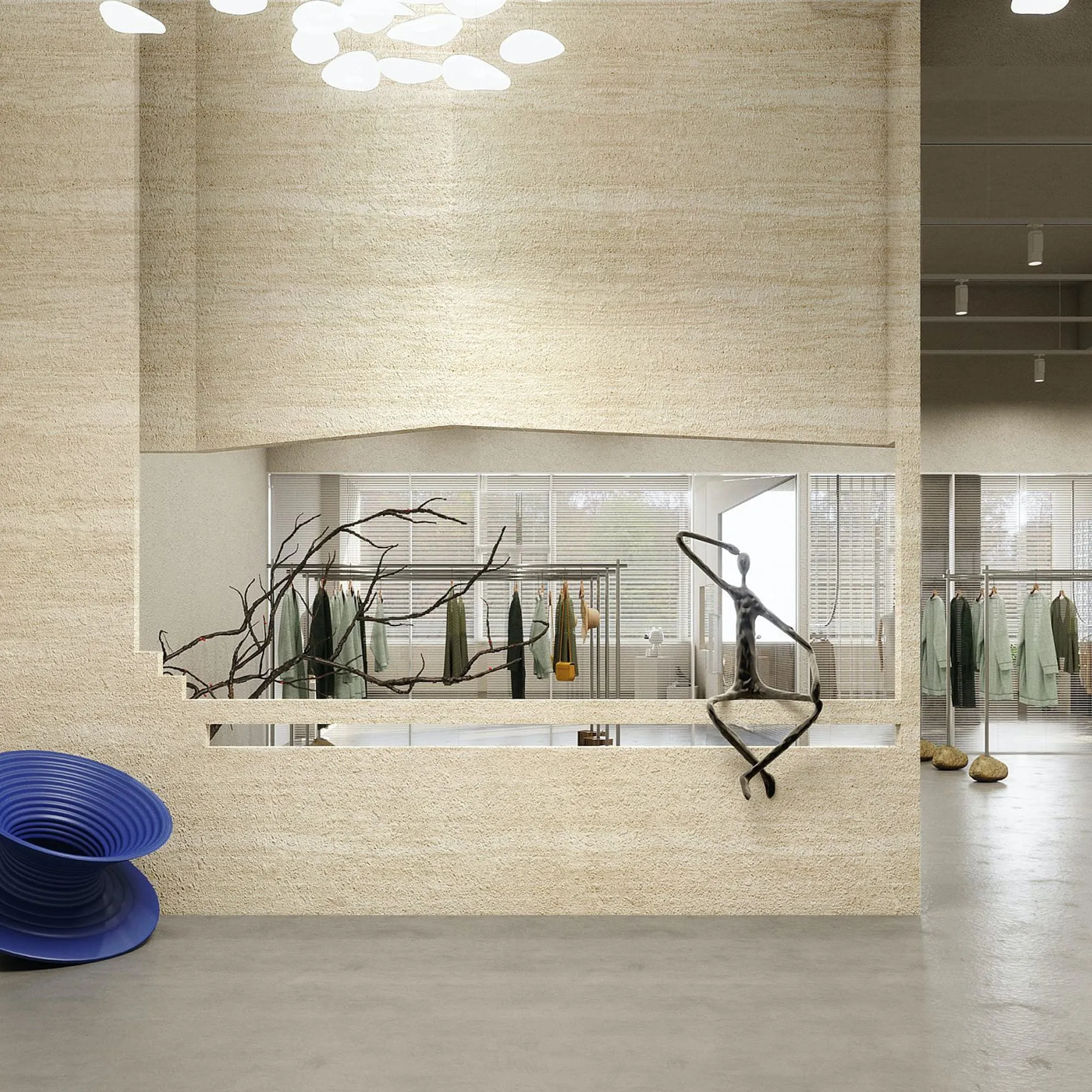
Healthcare design isn't just about function—it's about feeling. Walk into a room with cold, sterile surfaces, and your body tenses up. Walk into a room with warm wood tones, soft textures, and natural light, and something relaxes. That's not just anecdotal; studies show that patients in aesthetically pleasing environments report lower anxiety levels, better pain management, and faster recovery times. MCM Wood Line bridges the gap between clinical necessity and human comfort by offering the best of both worlds: the warmth of wood, the performance of a healthcare-grade material.
The wood grain detail is uncanny. Whether you choose a light oak finish for a maternity ward or a rich walnut for a senior care facility, the texture is subtle and authentic—no fake, plastic-y sheen here. It pairs beautifully with other materials, too: imagine MCM Wood Line accent walls paired with soft textiles in a waiting room, or used as a backsplash in a nurse's station to warm up the space without sacrificing cleanliness. Unlike fair-faced concrete, which can feel cold and institutional, MCM Wood Line invites touch. It feels natural, not clinical, which matters when patients are already feeling vulnerable.
Lisa, a pediatric nurse, shared a story that stuck with us: "We have a little boy in the oncology ward who used to hate coming in for treatments. He'd cry, cling to his mom, refuse to get on the exam table. Then we redid his room with MCM Wood Line walls—light, warm, like the cabin his family visits in the summer. Now, when he walks in, he runs his hand along the wall and says, 'It feels like home.' He still doesn't love the needles, but he's calmer. That's the power of a surface that doesn't just work—it cares ."
Still not sure how MCM Wood Line compares to other common healthcare surfaces? Let's break it down:
| Material | Hygiene (Non-Porous?) | Ease of Cleaning | Aesthetics (Warmth) | Durability (Wear & Tear) |
|---|---|---|---|---|
| MCM Wood Line | Yes—100% non-porous | Excellent—wipes clean with standard disinfectants | High—authentic wood grain, warm tones | High—resistant to scratches, dents, UV fading |
| Natural Wood | No—porous, traps bacteria | Poor—requires special cleaners, prone to water damage | High—authentic warmth | Low—scratches easily, warps with moisture |
| Fair-Faced Concrete | Yes—non-porous when sealed | Moderate—rough texture traps dirt; harsh cleaners cause streaking | Low—industrial, cold appearance | High—extremely durable but prone to staining |
| Traditional Wood Grain Board | No—often has porous cores | Moderate—resists some spills but scratches easily | Medium—artificial grain, less authentic | Medium—prone to delamination with moisture |
Modern healthcare facilities aren't just focused on healing people—they're focused on healing the planet, too. MCM Wood Line aligns with this mission by being an eco-friendly alternative to traditional materials. Unlike natural wood, which requires logging and often contributes to deforestation, MCM Wood Line uses recycled minerals and polymers in its core, reducing reliance on virgin resources. Its manufacturing process also produces fewer emissions than concrete production, and the panels are 100% recyclable at the end of their lifecycle—meaning they won't end up in landfills.
There's also the longevity factor. A surface that needs to be replaced every 5-7 years (looking at you, traditional laminate) creates more waste than one that lasts 20+ years. MCM Wood Line's durability means less frequent replacements, reducing the environmental impact of construction and renovation. Plus, its lightweight design reduces transportation costs and fuel consumption during delivery—small details that add up to big benefits for sustainability-focused healthcare systems.
Talk is cheap—results matter. Let's look at a few healthcare facilities that integrated MCM Wood Line into their design and never looked back.
Maplewood Regional Hospital (Pediatric Wing Renovation, 2023): Faced with high rates of HAIs in their pediatric ICU, Maplewood decided to overhaul their surfaces, replacing old laminate walls with MCM Wood Line. Within six months, surface contamination tests showed a 62% reduction in bacterial colonies. Staff reported spending 30% less time on daily cleaning, and patient satisfaction scores for "room cleanliness" jumped from 78% to 94%. "Parents used to worry about their kids touching the walls," said Dr. Elena Gomez, pediatrician. "Now, they don't hesitate to let them lean back or play near the panels. That peace of mind is priceless."
Sunrise Senior Living Community (Common Areas, 2022): Sunrise wanted to create a home-like environment for residents with dementia, many of whom struggle with anxiety in clinical spaces. They chose MCM Wood Line for dining room walls and corridor panels, pairing it with soft lighting and familiar decor. Staff noted a 40% decrease in agitated behaviors during meal times, and families reported that loved ones seemed more "at ease" during visits. "The wood look makes the space feel like a family dining room, not a facility," said activity director James Carter. "Residents engage more, eat better, and that's everything."
Healthcare is about more than treating illnesses—it's about honoring the humanity of everyone who walks through the doors: patients, families, staff. MCM Wood Line understands this. It's a surface that doesn't just meet the technical demands of healthcare—non-porous, easy to clean, durable—it meets the emotional demands, too. It warms a room, calms a patient, eases a nurse's workload, and does it all while standing up to the chaos of daily life in a medical facility.
So, the next time you're designing or renovating a healthcare space, ask yourself: what do your surfaces say about the care you provide? With MCM Wood Line, the answer is clear: that you care about cleanliness, about comfort, about sustainability, and about the people who need healing most. In a world where healthcare can feel cold and impersonal, that's a message worth building into every wall, every counter, every surface.
Because when your surfaces work with you, everyone wins.
Recommend Products












