
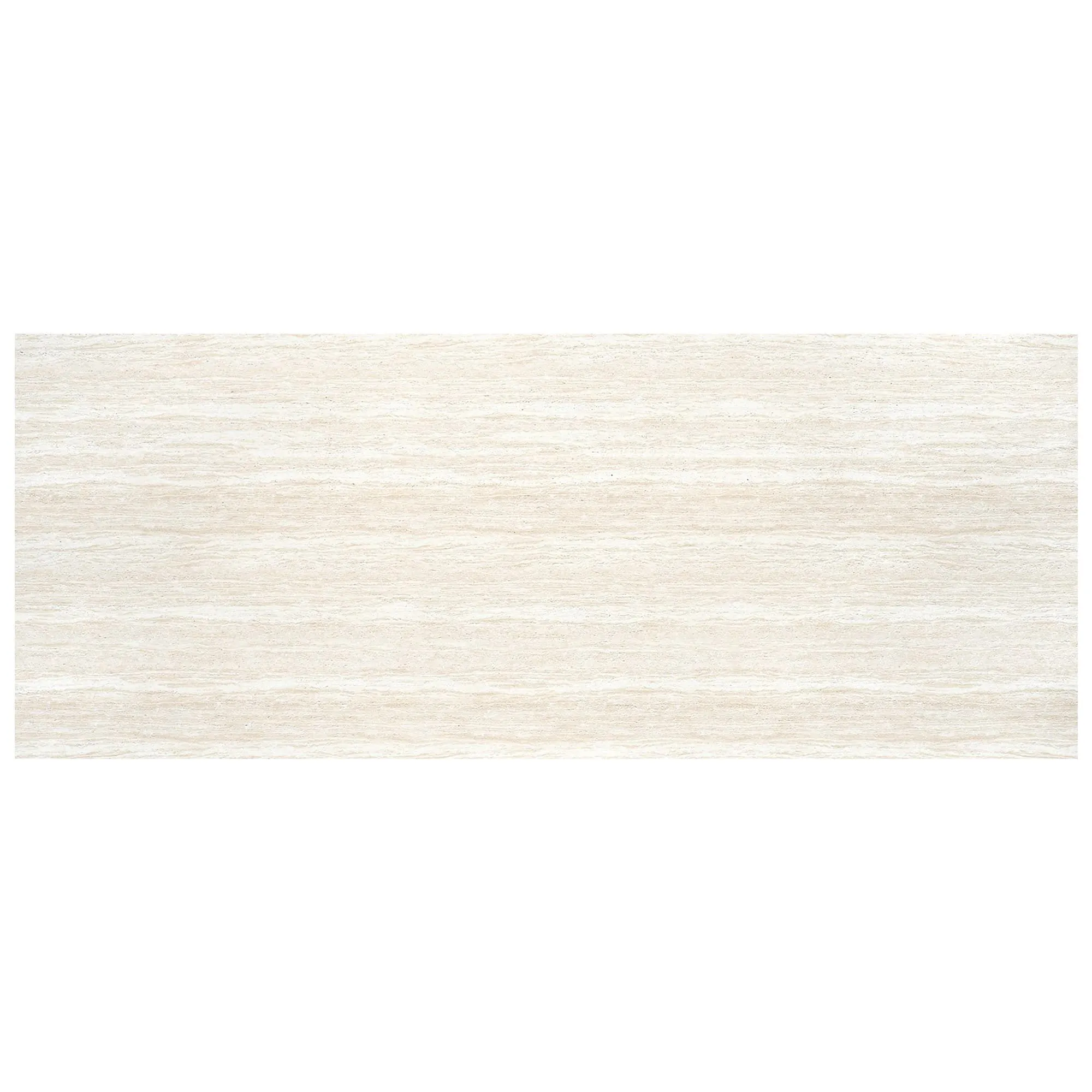
Walk into a modern boutique hotel lobby today, and you might find yourself pausing mid-step, drawn to a wall that seems to breathe with the warmth of aged oak—yet something feels different. Run your hand along its surface, and the texture is uncannily lifelike: the faint ridges of growth rings, the subtle roughness of weathered bark, even the soft give of wood grain under your fingertips. But this wall weighs half what solid oak would, resists moisture in humid climates, and requires almost no maintenance. This is the magic of MCM Wood Line, a category of modified composite materials that's redefining how we experience texture, durability, and design in the built environment. As we look toward 2026, MCM Wood Line isn't just evolving—it's leading a revolution in how materials tell stories.
For centuries, wood has been humanity's favorite storyteller. It's the beam in a family home that holds generations of memories, the desk where ideas take shape, the floor that softens the sound of a child's first steps. But traditional wood comes with a catch: it warps in humidity, fades in sunlight, and demands constant care. Enter MCM Wood Line—a hybrid of natural fibers, recycled polymers, and advanced binders—that captures wood's essence while leaving its flaws behind. "We didn't just want to replicate wood," says Elena Marquez, lead material scientist at MCM Innovations. "We wanted to elevate it. To make a material that feels like a hug from nature but performs like a superhero."
The result? A line of products that spans wood line panels with the cozy charm of cabin logs, wood grain board that mimics the intricate patterns of teak and walnut, and bamboo mat board that channels the organic weave of tropical forests. These aren't just "fake wood"—they're wood reimagined. And as sustainability becomes non-negotiable in design, MCM Wood Line's commitment to recycled materials (up to 40% of its core is repurposed wood fiber and plastic) has made it a darling of eco-conscious architects.
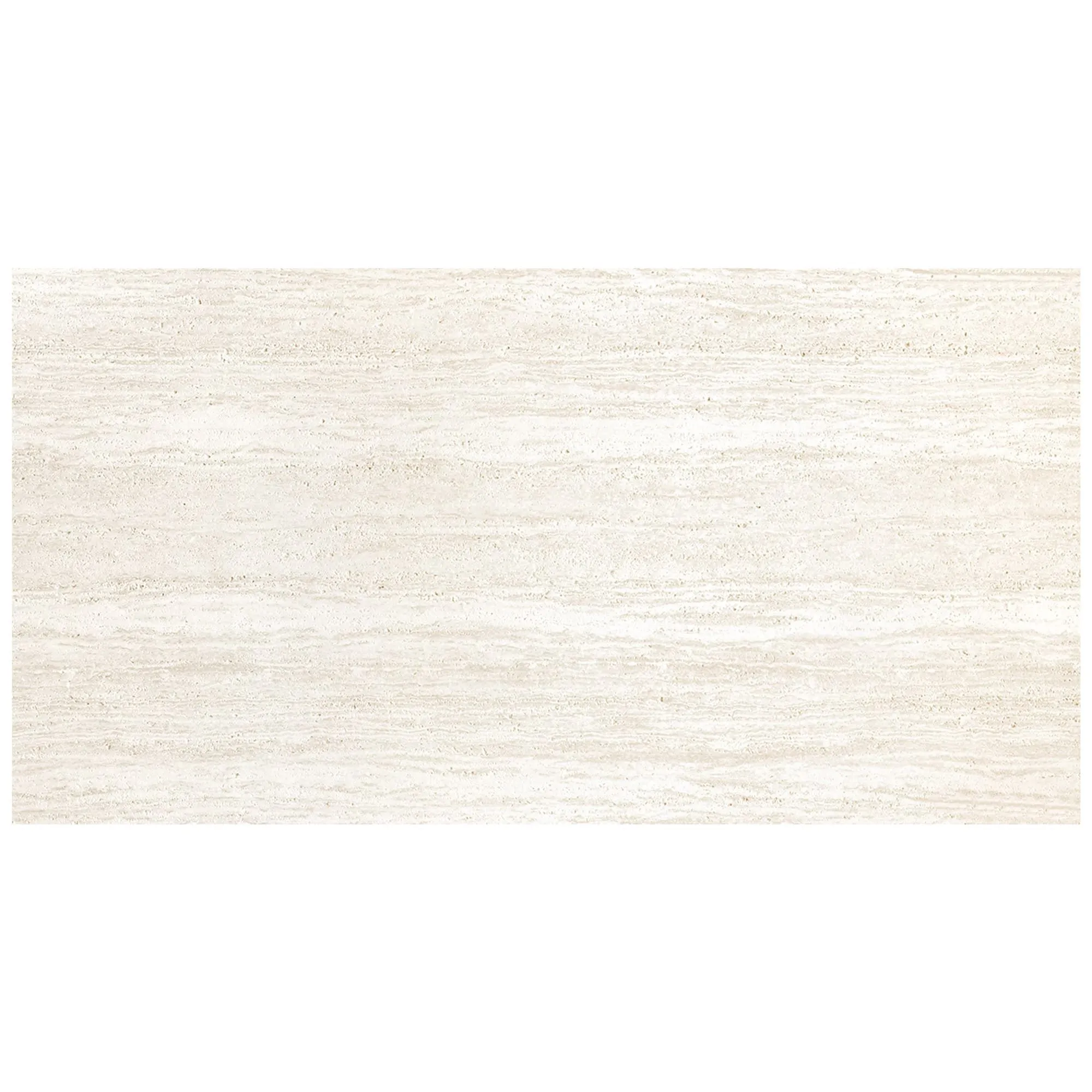
In 2026, texture isn't just about looks—it's about emotion. Designers are ditching flat, lifeless surfaces in favor of materials that invite touch, trigger nostalgia, and create multisensory experiences. MCM Wood Line is leading this charge with texture innovations that blur the line between natural and engineered.
Take wood grain board , for example. Using 3D scanning technology, MCM's team spent two years digitizing the grain patterns of 50+ wood species, from the tight curls of bird's-eye maple to the bold stripes of zebrawood. The result is a surface that doesn't just look real—it responds like real wood. Run a fingernail across it, and you'll feel the tiny valleys between grains; drag a palm over it, and the friction changes just as it would on solid timber. "We wanted to fool the human hand, not just the eye," explains Marquez. "Because texture is about memory—how a surface makes you remember walking through a forest or sitting on a wooden porch."
But MCM isn't stopping at wood. The line's texture palette now includes hybrids that merge wood with other natural elements. Bamboo mat board , for instance, layers woven bamboo-inspired patterns over a wood-grain base, creating a tactile dance of smooth and rough. Then there's the rammed earth board (matcha green) —a surprising standout in 2026's trend forecasts. Blending wood fibers with clay-like pigments, it mimics the sunbaked texture of ancient adobe walls, adding an earthy, grounding feel to modern spaces. Imagine a yoga studio where the walls feel like compressed earth but carry the subtle scent of cedar—that's the cross-sensory magic MCM is chasing.
Even more exciting? The integration of foamed aluminium alloy board (vintage silver) as an accent material. When paired with wood grain board, its cool, metallic texture creates a striking contrast—think a kitchen backsplash where warm wood tones meet sleek, vintage silver highlights, balancing coziness with modern edge. It's a texture conversation, and MCM is the orchestrator.
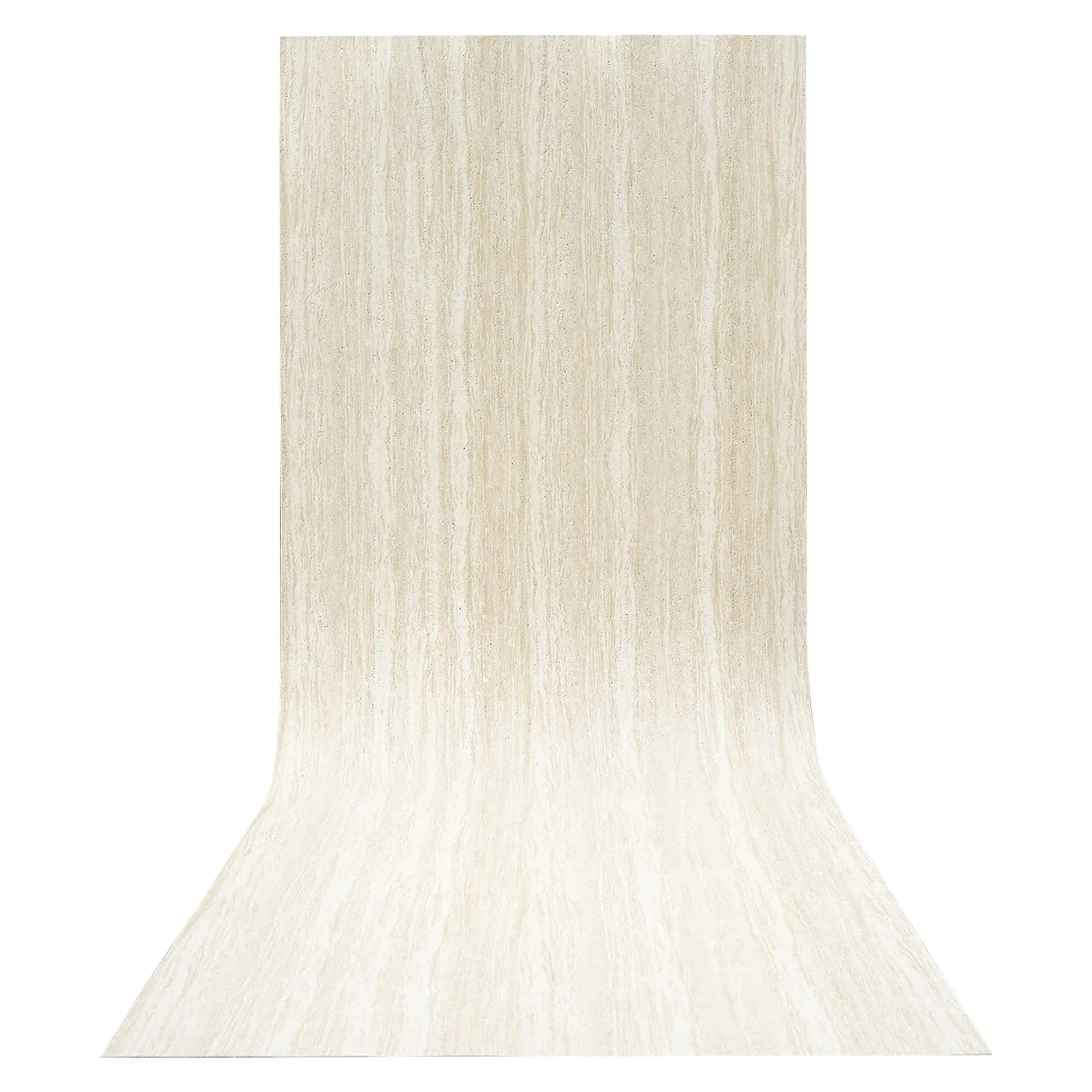
For all its focus on feel, MCM Wood Line isn't just a pretty face. 2026 will see the line push performance boundaries, proving that warmth and toughness can coexist.
Durability is where MCM truly shines. Traditional wood might last 10–15 years in high-traffic areas before showing wear; MCM Wood Line panels are engineered to withstand 30+ years of heavy use, thanks to a proprietary coating that resists scratches, stains, and UV rays. "We tested it in a coastal restaurant in Miami," says Marquez. "Salt spray, humidity, constant wiping—after two years, the panels looked brand new. A solid wood wall would have warped or rotted in half that time."
Sustainability is another win. Unlike traditional wood, which often requires deforestation or energy-heavy processing, MCM Wood Line's production cuts carbon emissions by 55% compared to solid timber. Its flexible stone technology (yes, wood line panels can bend!) also reduces waste during installation—no more cutting rigid boards to fit curved walls, resulting in 20% less material loss on job sites.
To put this in perspective, let's compare MCM Wood Line to traditional wood in key areas:
| Feature | Traditional Solid Wood | MCM Wood Line (Wood Grain Board) |
|---|---|---|
| Texture Authenticity | High (but varies by species; may feel flat on cheaper cuts) | Exceptional (3D-molded to mimic 50+ wood types, with tactile depth) |
| Durability | Low (prone to warping, rot, insect damage) | High (resistant to moisture, pests, and fading; 30+ year lifespan) |
| Sustainability | Variable (may involve deforestation; high carbon footprint) | Excellent (40% recycled materials; 55% lower emissions than solid wood) |
| Installation & Flexibility | Limited (heavy, rigid; hard to fit curved surfaces) | High (lightweight, flexible; can bend up to 90° for unique designs) |
| Maintenance | High (needs sealing, polishing, and repairs) | Low (wipe clean with water; no sealing required) |
It's a no-brainer for designers—but what about cost? While MCM Wood Line has a higher upfront price than budget plywood, its longevity and low maintenance make it cost-effective over time. "A restaurant owner once told me, 'I used to refinish my wood walls every two years, costing $10k each time. With MCM, I installed it once five years ago, and it still looks new. That's $50k saved—and no downtime,'" laughs Marquez.
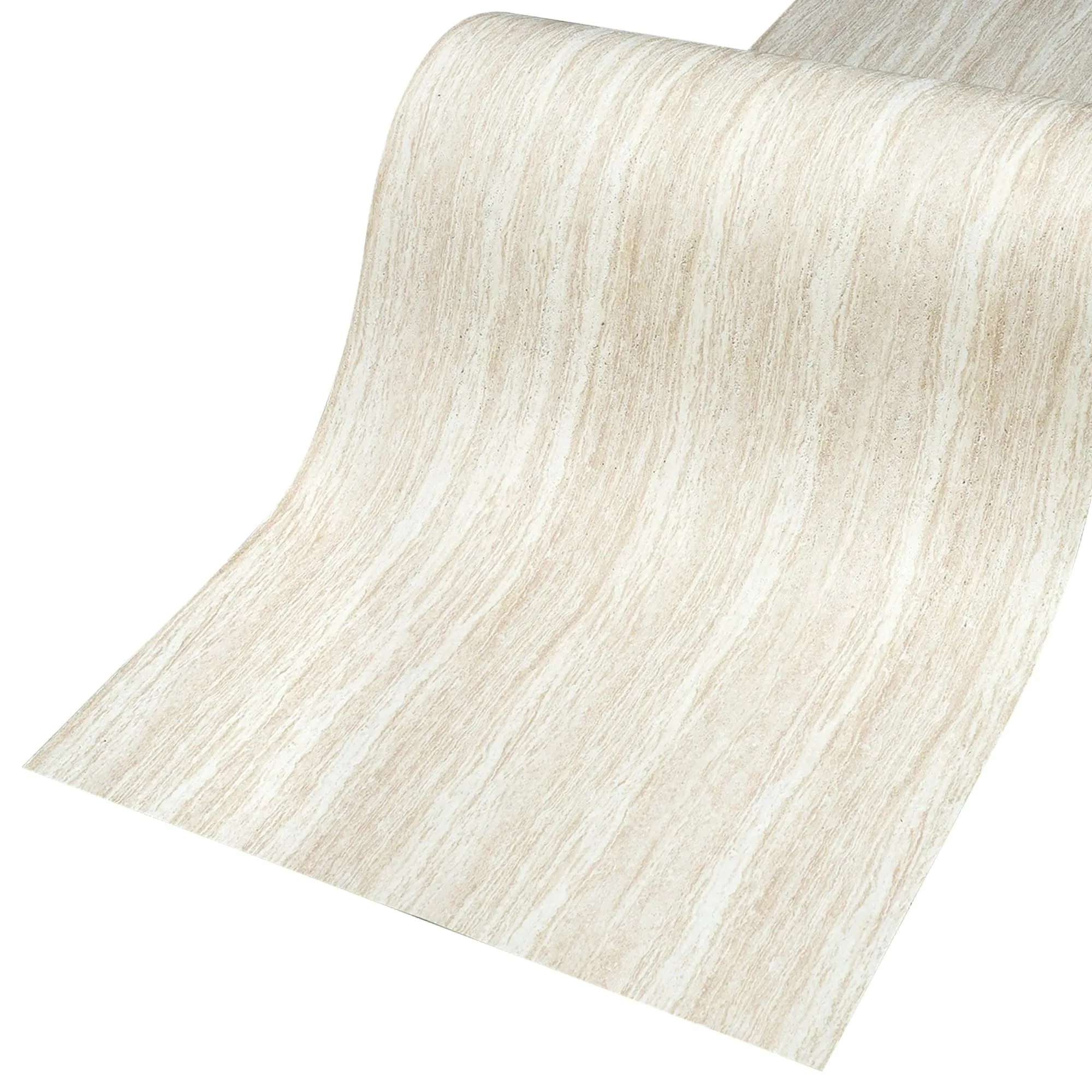
So, how will MCM Wood Line shape spaces in 2026? Let's break down the trends:
In a world glued to screens, people crave connection to nature—and MCM Wood Line delivers. Designers are using wood line panels to create "living walls" that don't require water or sunlight. Pair that with fair-faced concrete floors (another MCM staple) for a raw, organic vibe, and you've got a space that feels like a forest meets an urban loft. "Clients are asking for 'calm with character,'" says interior designer Raj Patel, who recently used MCM's bamboo mat board in a tech startup office. "MCM gives them the nature fix without the upkeep. It's genius."
Gone are the days of stark whites and grays. 2026 is all about warm, grounding tones—and MCM is leading the charge with rammed earth board (matcha green) , a soft, sage-hued panel that evokes mossy forests, and foamed aluminium alloy board (vintage silver) for subtle metallic accents. "We're seeing a lot of 'earthy luxe'—think a wood grain board in rich walnut paired with vintage silver foamed aluminium," says color forecaster Maria Gonzalez. "It's warm but sophisticated, like a cabin in the Swiss Alps meets a Parisian penthouse."
Why choose one texture when you can have five? Designers are layering MCM materials to create depth: rough rammed earth board next to smooth wood line panels, or bamboo mat board woven between flexible stone tiles. The result? Walls that look like abstract art and feel like a tactile adventure. "A hospital client once told me their patients recovered faster in rooms with textured walls," Patel recalls. "People need to feel their environment—it's how we make sense of the world. MCM lets us design for that."
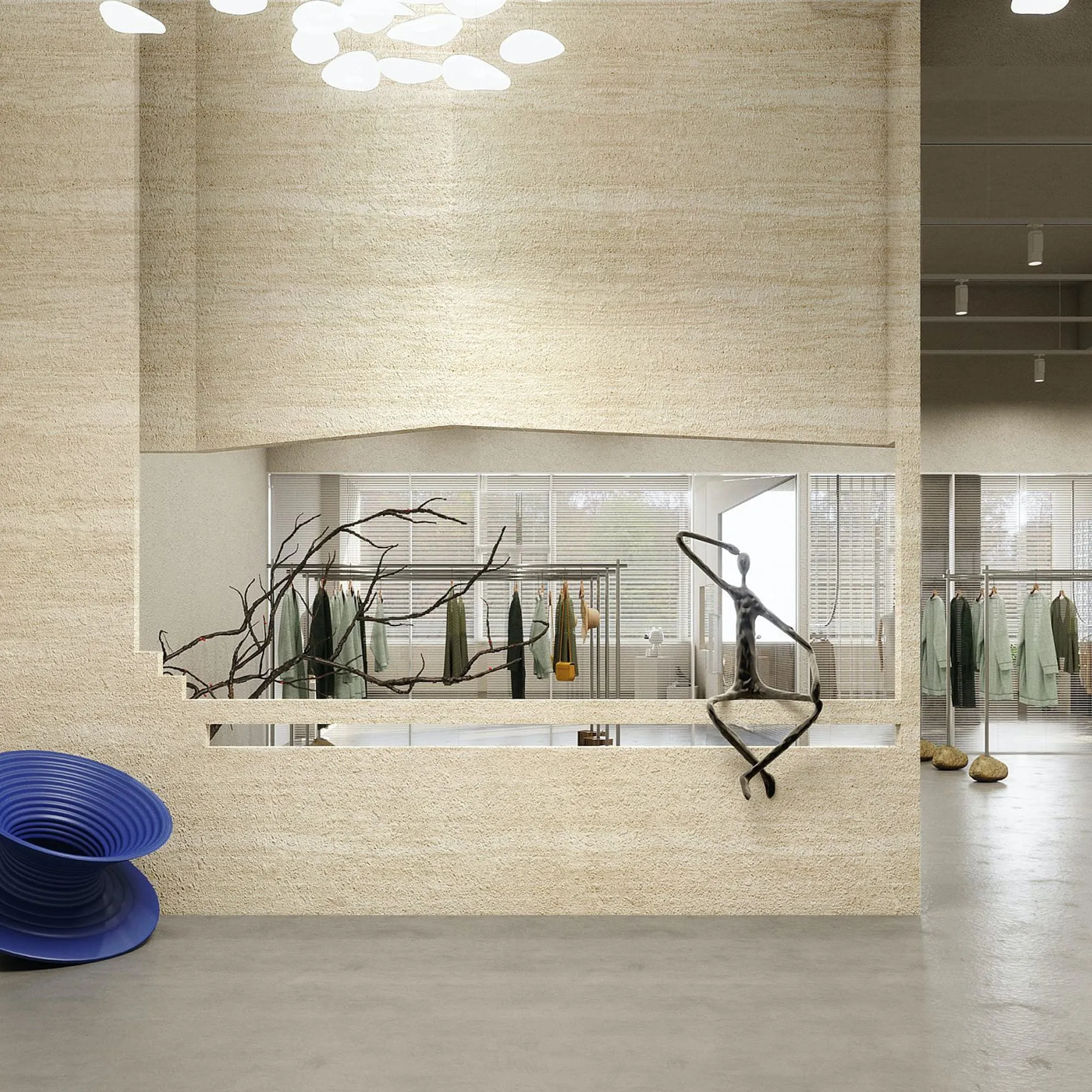
As we step into 2026, MCM Wood Line isn't just a material—it's a movement. It's a rejection of cold, sterile spaces and a return to the warmth of nature, but with the smarts of modern engineering. It's for the homeowner who wants a wooden accent wall without worrying about their kids' sticky fingers, the business owner who craves sustainability without sacrificing style, and the designer who wants to tell stories through texture.
So the next time you run your hand along a wall and think, "Is this real wood?"—smile. It's not. It's better. It's MCM Wood Line: where nature meets innovation, and every texture has a story to tell.
Recommend Products












