
Picture this: You're standing in the middle of an empty room, sketching ideas on a notepad, your mind racing with visions of warm wood tones, sleek lines, and a space that feels both modern and timeless. Maybe it's a kitchen backsplash, a living room accent wall, or the exterior cladding of your dream home. But then reality hits—how much is this going to cost? For anyone knee-deep in a construction or renovation project, budgeting is the unsung hero that turns dreams into doable plans. And if you've set your sights on MCM Wood Line, you're probably wondering: What's the real cost of bringing this material to life in my space? Let's dive in, break down the numbers, and turn that budget stress into confidence.
Before we talk dollars and cents, let's make sure we're all on the same page about what MCM Wood Line is—and why it's got so many designers and homeowners buzzing. MCM, short for Modified Composite Material, is a game-changer in the world of building materials. It's engineered to mimic the look and feel of natural materials like wood, stone, or metal, but with a twist: it's lighter, more flexible, and often more durable than the real thing. Think of it as nature's beauty, reimagined for the demands of modern construction.
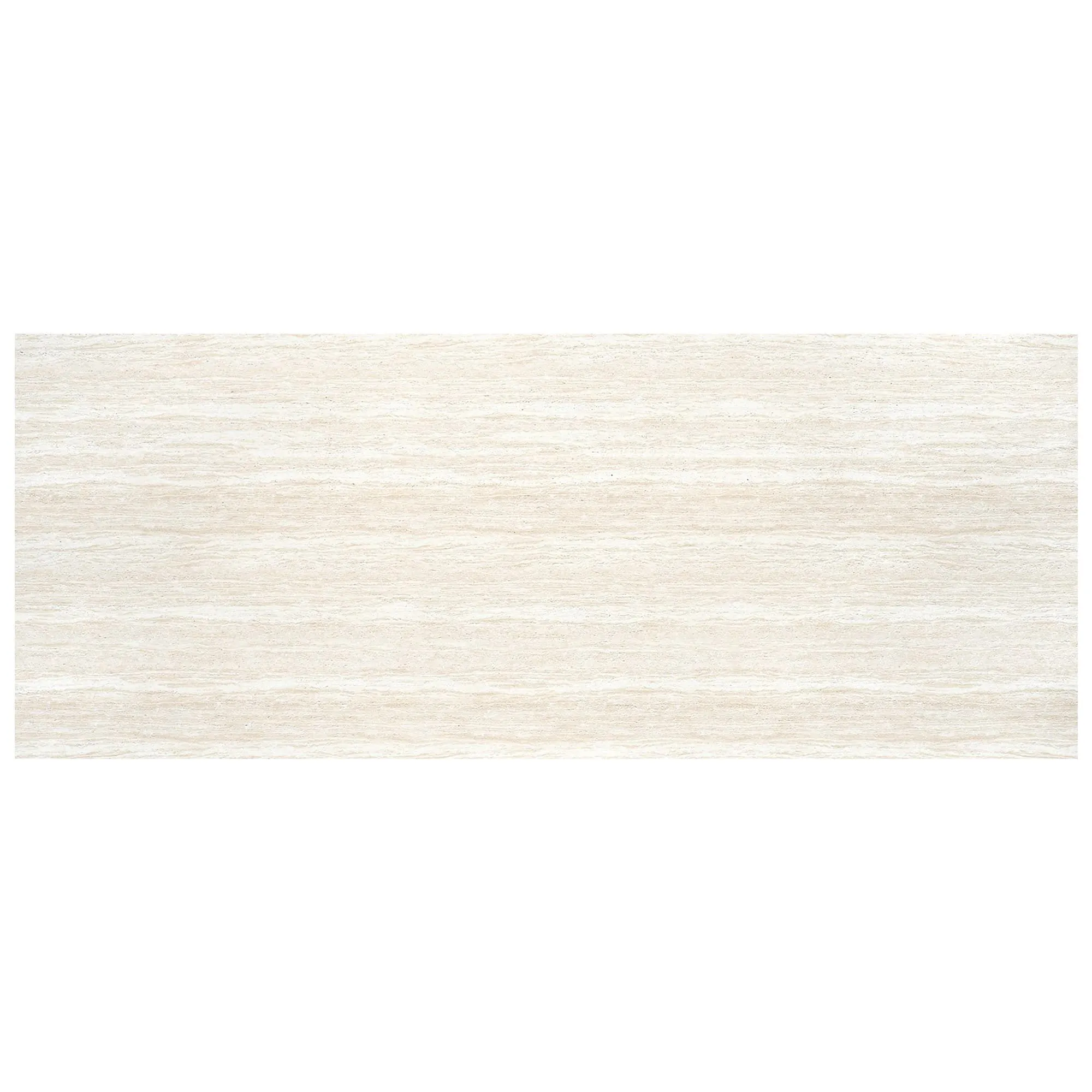
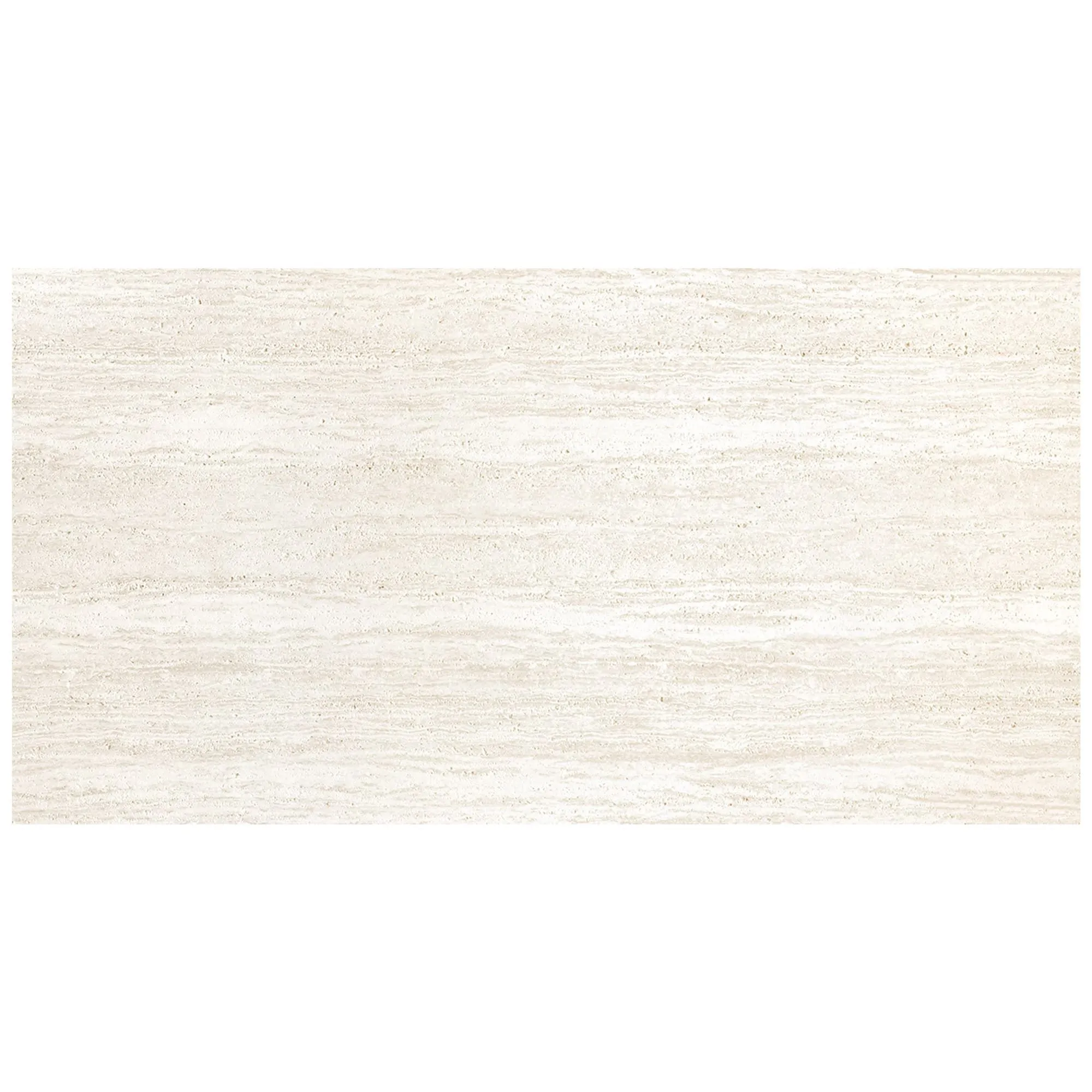
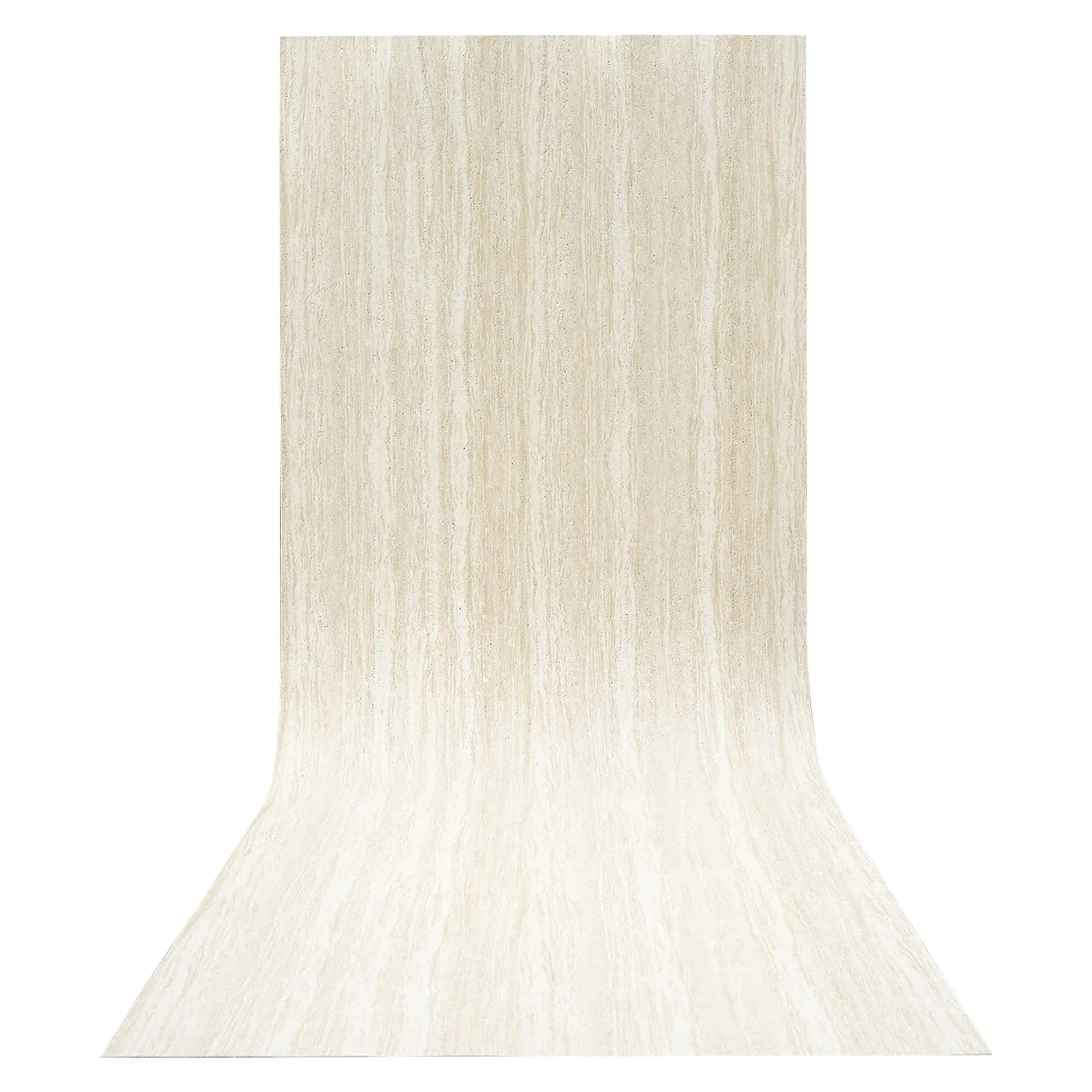
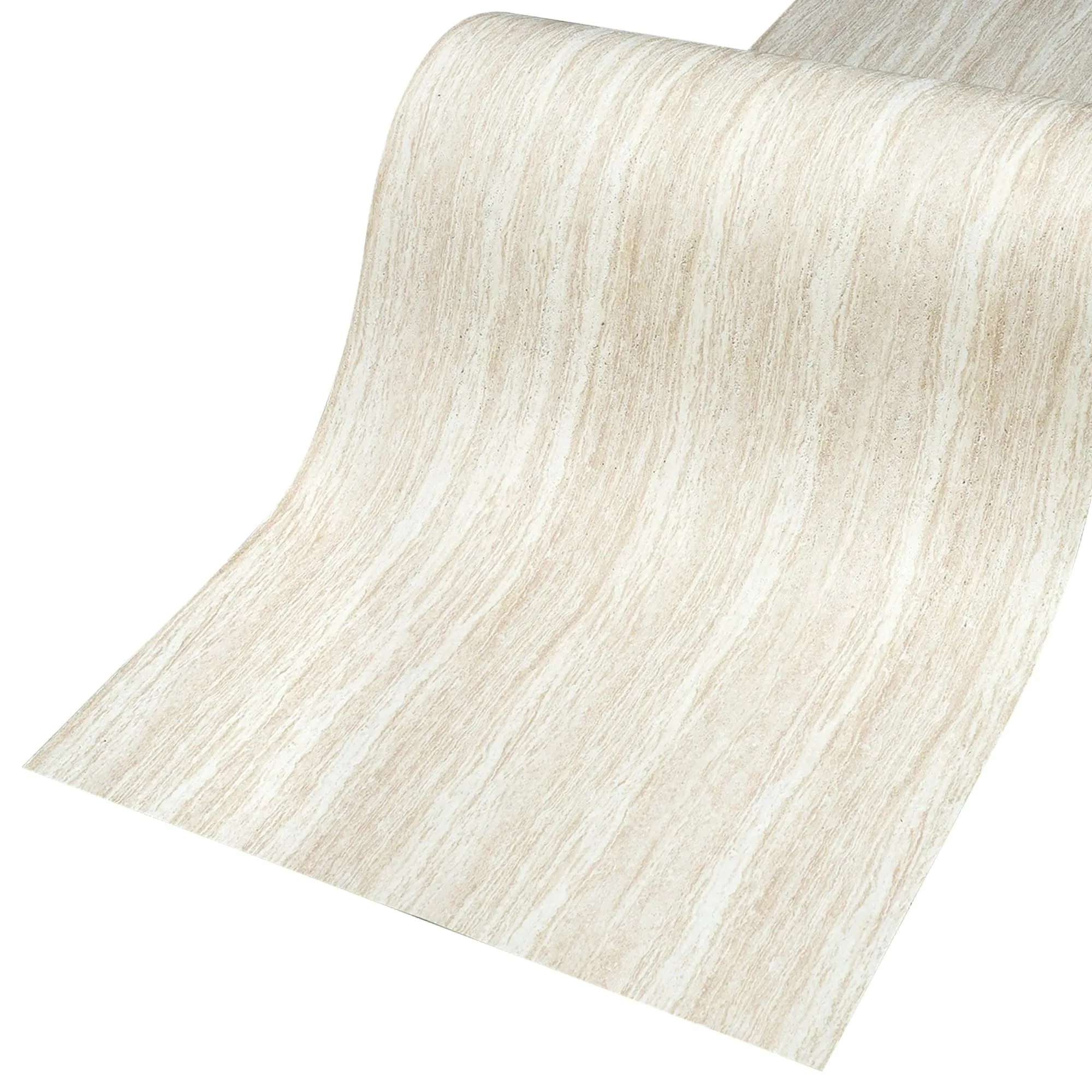
MCM Wood Line, specifically, is designed to capture the warmth and texture of real wood—those subtle grain patterns, the soft variations in tone, the way light plays off its surface—without the drawbacks of traditional wood (hello, warping, rotting, or termite troubles). It's part of a broader family of MCM products that includes everything from MCM flexible stone (which bends to fit curved surfaces, perfect for statement walls) to wood grain board (a close cousin with even more pronounced wood-like textures). But what really sets MCM Wood Line apart is its versatility: it works indoors and out, pairs beautifully with other materials like fair-faced concrete or travertine (starry green) , and can be cut, shaped, and installed to fit almost any design vision.
Let's cut to the chase. The cost of installing MCM Wood Line isn't a one-size-fits-all number—it depends on a handful of factors that'll vary from project to project. But to give you a ballpark, most homeowners and contractors report spending between $12 and $25 per square foot for materials and labor combined. That range might sound wide, but stick with me—I'll break down why, and how you can estimate where your project might fall.
First up: the cost of the MCM Wood Line panels themselves. On average, you'll pay between $5 and $12 per square foot for the material alone. Why the range? It comes down to quality, finish, and customization. Basic MCM Wood Line panels with a standard wood grain pattern might land on the lower end, while premium options—think handcrafted textures, limited-edition colors, or panels designed to mimic rare wood species—could push toward $12 or more per square foot.
Here's where it helps to compare: If you were to go with traditional hardwood cladding, you might pay $8 to $15 per square foot just for the material, and that's before factoring in its higher maintenance costs over time. Or if you're considering a stone lookalike like travertine (starry green) , you could be looking at $10 to $20 per square foot for the stone alone. MCM Wood Line often sits in the sweet spot—affordable upfront, and kinder to your wallet long-term.
Unless you're a seasoned DIYer with experience installing composite materials, you'll likely hire a professional contractor to handle the installation. Labor costs typically range from $7 to $13 per square foot, and they depend on two main things: the complexity of your project and the contractor's expertise.
For example, installing MCM Wood Line on a flat, straightforward wall with no obstacles (like windows or outlets) will be quicker and cheaper—maybe $7 to $9 per square foot. But if you're dreaming of a curved accent wall, a ceiling installation, or a design that involves mixing MCM Wood Line with other materials (say, bamboo mat board for a tropical vibe), the labor cost could climb to $10 to $13 per square foot. Why? Those projects require more precision, specialized tools, and sometimes even custom cuts, which take time and skill.
Pro tip: Always get at least three quotes from contractors. Prices can vary based on location (big cities often have higher labor rates than smaller towns) and the contractor's familiarity with MCM materials. A pro who's installed MCM Wood Line before might charge a bit more upfront, but they'll likely work faster and avoid costly mistakes—saving you money in the long run.
You might assume that a larger project will cost more overall—and it will—but the per square foot cost might actually go down. Many suppliers and contractors offer bulk discounts for projects over 500 square feet. For example, a 1,000-square-foot exterior cladding project might cost $15 per square foot, while a 200-square-foot kitchen backsplash could be $18 per square foot. It's worth asking your supplier if they offer volume pricing—you could save 5-10% on materials for larger jobs.
On the flip side, tiny, highly detailed projects (like a 50-square-foot accent niche in a bathroom) might cost more per square foot because they require just as much setup and precision as a larger area, but with less material to spread the labor cost across.
Here's a budget line item many people forget: prep work. MCM Wood Line needs a smooth, clean substrate (the surface it's being installed on) to adhere properly. If your wall or surface is uneven, has old paint or wallpaper, or is damaged (think cracks, rot, or mold), you'll need to fix that first—and that costs money.
For example, if you're installing MCM Wood Line over drywall that's in good shape, prep might be minimal: a quick sanding and cleaning, costing maybe $0.50 to $1 per square foot. But if the substrate is concrete that's cracked or uneven, you might need to hire a mason to patch and level it, which could add $2 to $5 per square foot. And if you're removing old materials first (like peeling vinyl siding or rotting wood), disposal fees could tack on another $100 to $300, depending on how much debris there is.
Even with the factors above, there are a few "hidden" costs that can sneak up on you if you're not prepared. Let's call them out so you can budget for them upfront:
| Hidden Cost | Average Cost Range | Why It Matters |
|---|---|---|
| Delivery Fees | $50 – $200 | MCM panels are lightweight, but bulk orders still need to be shipped. If you're ordering from a supplier outside your area, delivery could add up. |
| Adhesives and Fasteners | $1 – $3 per square foot | You'll need specialized adhesives (MCM panels often require high-strength, weather-resistant glue) and fasteners (like hidden clips for a seamless look). |
| Permits | $100 – $500 | Exterior projects (like siding or outdoor cladding) often require permits from your local building department. Skip this, and you could face fines later. |
| Finishing Touches | $2 – $4 per square foot | Sealing the panels (to protect against moisture), caulking gaps, or adding trim pieces to hide edges—these small details add up but make a big difference in the final look. |
At this point, you might be thinking, "That's a lot of numbers—Is MCM Wood Line even worth it?" Let's put it in perspective. Traditional wood cladding might cost a similar amount upfront, but over time, you'll pay more for maintenance: staining every 2-3 years ($2 – $4 per square foot each time), repairs for water damage, or replacing boards that warp. MCM Wood Line, on the other hand, is low-maintenance—just an occasional wash with soap and water—and it's built to last 20+ years without fading or deteriorating. So while the upfront cost is similar, the long-term savings can be significant.
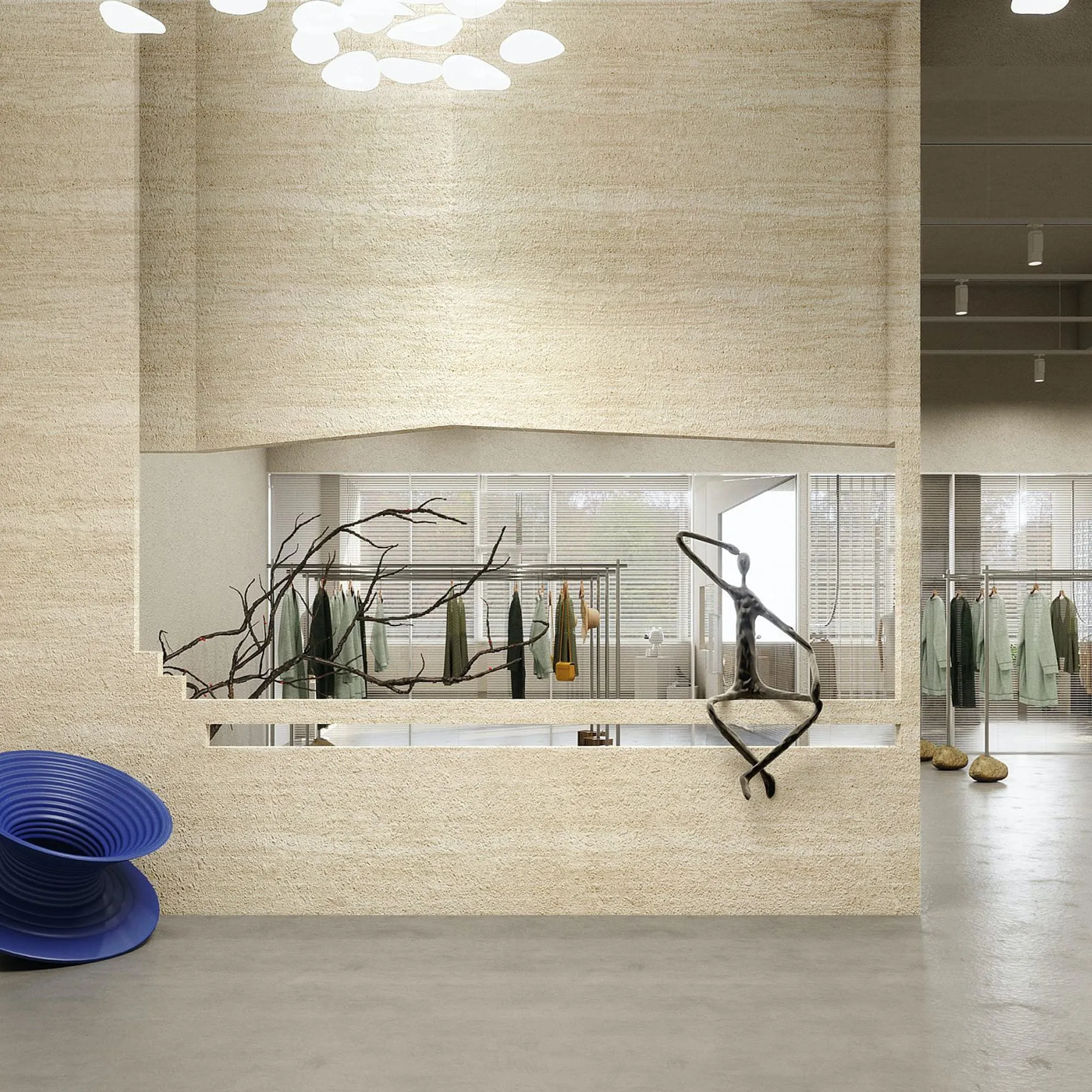
Plus, MCM Wood Line plays well with other materials, which can help you balance costs. For example, you could use it as an accent alongside more budget-friendly options like fair-faced concrete or bamboo mat board (which costs around $4 – $8 per square foot) to create a high-end look without the high-end price tag. One designer I worked with recently paired MCM Wood Line with travertine (starry green) for a bathroom wall—stunning, and the total cost came in 15% lower than if they'd used all natural stone.
If you're looking to trim costs without sacrificing quality, here are a few tips that actually work:
At the end of the day, installing MCM Wood Line is an investment in your space—one that'll pay off in beauty, durability, and peace of mind. By understanding the factors that influence cost, planning for hidden expenses, and exploring ways to save, you can create a budget that feels realistic and achievable.
Remember: this isn't just about numbers. It's about creating a space that feels like "you"—whether that's a cozy cabin-inspired living room, a sleek modern kitchen, or an outdoor patio that blends seamlessly with nature. MCM Wood Line is more than a material; it's a tool to bring that vision to life, without breaking the bank. So grab your notepad, call a few suppliers, and start crunching those numbers—your dream space is closer than you think.
Recommend Products












